Oil leaks are one of the most common issues Jeep Wrangler owners face, especially as the vehicle accumulates mileage or is frequently driven in demanding off-road conditions. While a small oil spot on your driveway may not seem like a major concern, even a minor leak can quickly develop into an expensive repair if left unaddressed. Engine oil is essential for lubricating internal components, reducing friction, dissipating heat, and protecting the engine from premature wear. When oil escapes from the system, your Wrangler’s engine is no longer receiving the protection it needs, increasing the risk of overheating, reduced performance, and even catastrophic engine failure.
The good news is that most Jeep Wrangler oil leaks can be identified and repaired before they become serious. Whether the problem is caused by a worn valve cover gasket, a leaking oil filter housing, a damaged oil pan gasket, or the notorious rear main seal, understanding the warning signs is the first step toward preventing costly damage.
In this comprehensive guide, you’ll learn the most common causes of a Jeep Wrangler oil leak, the symptoms to watch for, and how to accurately diagnose the source of the leak. We’ll also cover repair costs, explain which repairs are suitable for DIY enthusiasts, and share practical maintenance tips to help prevent future oil leaks. By the end of this article, you’ll have the knowledge needed to protect your Jeep’s engine, extend its lifespan, and avoid unnecessary repair bills.
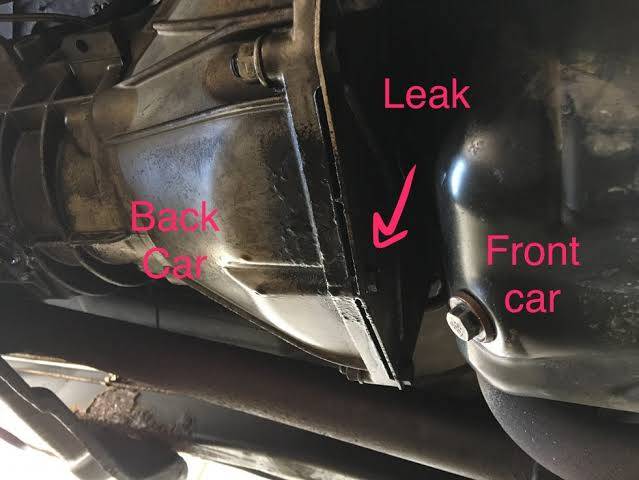
What Causes a Jeep Wrangler Oil Leak?
A Jeep Wrangler oil leak can develop for several reasons, ranging from a simple worn gasket to a more serious engine seal failure. The exact cause often depends on the model year, engine type, mileage, maintenance history, and how the vehicle is used. Wranglers that regularly travel off road may be exposed to mud, rocks, heat, vibration, and sudden impacts, all of which can accelerate wear around the engine and oil system.
Older gaskets and seals are especially vulnerable. Over time, heat causes rubber and composite materials to harden, shrink, and lose flexibility. Once that happens, engine oil can begin escaping through small gaps. A minor seep may initially leave only a light film of oil around the engine, but it can eventually become a steady drip.
Another challenge is that oil does not always appear directly below the failed component. It may travel along the engine block, transmission housing, skid plate, or suspension parts before reaching the ground. This can make a Jeep Wrangler oil leak difficult to diagnose without cleaning the area and tracing the oil back to its highest visible point.
The following three components are among the most common sources of oil leaks in Jeep Wrangler models.
1. Worn Valve Cover Gasket
The valve cover gasket seals the gap between the valve cover and the cylinder head. Its job is to keep engine oil inside the upper portion of the engine while preventing dirt, moisture, and debris from entering. Because this gasket is constantly exposed to heat and pressure changes, it can gradually become brittle, compressed, or cracked.
A leaking valve cover gasket often produces oil residue around the top or sides of the engine. In some cases, the oil may run down the cylinder head and engine block, making the leak appear to come from a lower component. This is why some owners mistakenly suspect an oil pan gasket or rear main seal before inspecting the valve cover area.
One of the most noticeable symptoms is a burning oil smell. If leaking oil reaches the exhaust manifold or another hot surface, it may create smoke under the hood. The smell may become stronger after driving, especially when the engine is fully warmed up.
Other warning signs include visible oil around the valve cover bolts, greasy buildup near the ignition coils, a slowly dropping oil level, or small stains beneath the vehicle. A severe leak may contaminate spark plug wells, potentially causing rough running, misfires, or ignition problems.
Repair usually involves removing the valve cover, cleaning the sealing surfaces, and installing a new gasket. The technician should also inspect the valve cover for warping or cracks. Bolts must be tightened according to the correct sequence and torque specification because overtightening can damage the gasket or valve cover.
This repair may be manageable for an experienced DIY owner, but access can vary by engine and model year. Ignoring the problem can allow oil to spread across the engine, damage rubber components, and create a potential fire hazard if it reaches extremely hot parts.
2. Oil Filter Housing Leak
An oil filter housing leak is a well known concern on Jeep Wrangler models equipped with the 3.6 liter Pentastar engine. The oil filter housing and oil cooler assembly are positioned near the top center of the engine, beneath the intake manifold. This location makes the component difficult to see during a basic inspection.
The original housing on many vehicles contains plastic sections that may become brittle after repeated heating and cooling cycles. Damage can also occur if the oil filter cap is overtightened during an oil change. Cracks, damaged seals, or warped surfaces may allow oil to collect in the valley between the cylinder banks.
Because the oil pools in this hidden area, the leak may not immediately create a spot under the vehicle. As the amount increases, oil can travel toward the rear of the engine and drip near the transmission bell housing. This often causes owners to believe the rear main seal has failed.
Common symptoms include a strong burning oil odor, smoke from the engine compartment, oil around the rear of the engine, and unexplained oil loss between changes. Some drivers also notice oil collecting on top of the transmission or running down the side of the engine block.
Diagnosing this leak requires removing or looking beneath certain intake components. A flashlight and inspection mirror may help, but significant oil accumulation often requires partial disassembly for confirmation.
The repair normally involves replacing the oil filter housing and oil cooler assembly, along with the related seals. Many replacement units use upgraded materials, but part quality can vary. Proper installation is critical because damaged seals, incorrect torque, or contaminated sealing surfaces can cause another leak.
This is not always the easiest DIY repair because the intake manifold must be removed and several electrical connectors, hoses, and fasteners must be handled carefully. For many owners, professional repair is the safer choice. Early attention can prevent oil from damaging nearby components and help avoid misdiagnosing the problem as a much more expensive rear main seal leak.
3. Oil Pan Gasket Leak
The oil pan is mounted at the bottom of the engine and stores the oil that circulates through the lubrication system. A gasket or sealant creates a barrier between the oil pan and the engine block. When this seal fails, oil may begin leaking around the edge of the pan.
Jeep Wranglers face unique risks because many are driven on rough trails. Rocks, deep ruts, debris, and hard impacts can damage or distort the oil pan. Even when the pan is protected by a skid plate, repeated vibration and contact may weaken the seal over time.
An oil pan gasket leak usually creates wetness around the lower engine. Oil may collect along the pan flange, on nearby bolts, or across the skid plate. When the vehicle is parked, drops may appear directly beneath the engine. However, airflow while driving can push oil toward the rear, making the leak look larger or more widespread than it really is.
Before replacing the gasket, it is important to confirm that the oil is not coming from a higher location. A valve cover gasket, oil filter housing, timing cover, or other seal may leak downward and coat the oil pan. Cleaning the engine and monitoring the area can help identify the true source.
Repair requirements depend on the Wrangler generation, engine, suspension setup, and available working space. In some models, the oil pan can be removed with relatively straightforward access. In others, exhaust parts, braces, skid plates, or suspension components may need to be moved.
The sealing surfaces must be cleaned thoroughly before installation. Any remaining oil, old gasket material, dirt, or silicone can prevent the new seal from bonding correctly. The oil pan should also be inspected for dents, cracks, rust, and distortion.
Owners should avoid simply tightening the oil pan bolts in an attempt to stop the leak. Excessive torque can deform the pan flange, damage threads, or squeeze out the gasket material. When repaired properly, an oil pan gasket leak is usually manageable, but delaying service can lead to continuous oil loss and increased engine wear.
4. Rear Main Seal Leak
A rear main seal leak is one of the most expensive and labor intensive oil leaks that can occur on a Jeep Wrangler. The rear main seal is located between the back of the engine and the transmission, where it seals the rear end of the crankshaft. Its primary function is to prevent engine oil from escaping while allowing the crankshaft to rotate at high speed.
Over time, the seal can wear out due to age, heat, high mileage, and constant engine vibration. Vehicles that frequently tow heavy loads or spend a significant amount of time off road may experience accelerated wear because of increased engine stress. Although the seal itself is relatively inexpensive, replacing it requires separating the transmission from the engine, making labor costs considerably higher than many other oil leak repairs.
One of the first signs of a failing rear main seal is fresh oil dripping from the area between the engine and transmission. Many owners notice a growing oil spot underneath the center of the vehicle after parking overnight. In some cases, the leak is slow enough that the engine oil level drops gradually over several weeks. As the seal continues to deteriorate, oil loss may become much more significant.
Diagnosing a rear main seal leak can be challenging because oil from the valve cover gasket or oil filter housing often runs down the back of the engine and collects around the transmission bell housing. Before replacing the rear main seal, the engine should be thoroughly cleaned and inspected to ensure the leak is not originating from a higher location.
Ignoring this issue can eventually lead to low engine oil levels, poor lubrication, excessive engine wear, and severe internal damage. If the leak becomes heavy, repairing it as soon as possible is the best way to protect the engine and avoid even more expensive repairs.
5. Timing Cover Gasket Leak
Although less common than other engine oil leaks, a leaking timing cover gasket can still affect many Jeep Wrangler models, particularly those with higher mileage. The timing cover is mounted at the front of the engine and protects the timing chain, timing gears, and other critical components responsible for maintaining proper valve timing.
The timing cover gasket forms a seal between the timing cover and the engine block. Years of exposure to engine heat, oil pressure, and thermal expansion can cause the gasket material to become brittle and lose its sealing ability. In some cases, improper installation during previous repairs or minor front end impacts may also contribute to gasket failure.
A timing cover leak usually appears near the front of the engine. Drivers may notice fresh oil around the crankshaft pulley, harmonic balancer, or lower front section of the engine block. As airflow carries the leaking oil beneath the vehicle while driving, it can spread across the oil pan and suspension components, making the leak appear much worse than it actually is.
Because several engine seals are located in the same area, accurate diagnosis is essential. A leaking front crankshaft seal, valve cover gasket, or oil pan gasket may produce similar symptoms. Cleaning the engine thoroughly and using a UV dye leak detection kit can help identify the exact source.
Repairing a timing cover gasket is considerably more involved than replacing a valve cover gasket. The technician typically needs to remove the serpentine belt, cooling fan, crankshaft pulley, and several front engine accessories before accessing the timing cover. Once removed, all sealing surfaces must be cleaned carefully before installing the new gasket and sealant.
Proper torque specifications are critical during reassembly. Even a small installation mistake may result in another oil leak shortly after the repair is completed.
6. Oil Pressure Sensor Leak
The oil pressure sensor is one of the smallest components in the engine lubrication system, yet it can become a surprising source of engine oil leaks. The sensor monitors oil pressure inside the engine and sends this information to the vehicle’s computer and dashboard warning system. If the sensor housing cracks or its sealing threads fail, engine oil can escape around the sensor body.
Because the oil pressure sensor is relatively inexpensive, many owners overlook it when searching for the cause of an oil leak. Instead, they may assume a much larger component has failed. Fortunately, this type of leak is usually easier and less expensive to repair than most gasket or seal failures.
Symptoms often include fresh oil around the sensor, oil residue running down the engine block, or oil collecting on nearby components. In some cases, the dashboard may also display an oil pressure warning light if the sensor itself has been damaged. However, a leaking sensor does not always affect pressure readings, making visual inspection especially important.
The exact location of the oil pressure sensor varies depending on the Wrangler model year and engine configuration. On some engines it is easily accessible, while others require removing surrounding components for better access.
Diagnosis begins by cleaning the area around the sensor and checking for fresh oil after the engine has been running. If oil is found leaking directly from the sensor body or threaded connection, replacement is usually the recommended solution. Applying the correct thread sealant, when specified by the manufacturer, and tightening the sensor to the proper torque specification will help ensure a reliable repair.
Compared with other causes of a Jeep Wrangler oil leak, replacing the oil pressure sensor is generally one of the quickest and most affordable repairs. Addressing the problem early prevents unnecessary oil loss and eliminates the risk of oil contaminating nearby electrical connectors or engine components.
Common Symptoms of a Jeep Wrangler Oil Leak
Detecting an oil leak early can save Jeep Wrangler owners from costly engine repairs and unexpected breakdowns. While some leaks are immediately obvious, others develop slowly and may only produce subtle warning signs. Recognizing these symptoms allows you to identify the problem before significant engine damage occurs.
Oil Spots Under the Vehicle
The most common indication of an oil leak is a dark brown or black stain beneath the vehicle after it has been parked. Fresh engine oil usually appears amber or light brown, while older oil becomes much darker as it collects contaminants from the engine.
The location of the oil spot can provide valuable clues about the source of the leak. Oil near the front of the engine may indicate a timing cover or front crankshaft seal leak. Oil closer to the center of the vehicle could point to the oil pan or rear main seal, while oil near one side of the engine may originate from the valve cover gasket or oil filter housing.
Although the location of the puddle is helpful, remember that airflow while driving can move oil across the underside of the vehicle, making the leak appear farther from its actual source.
Burning Oil Smell
A strong burning oil odor is another common symptom of a Jeep Wrangler oil leak. This usually occurs when leaking oil drips onto hot engine components such as the exhaust manifold, catalytic converter, or exhaust pipes.
The smell often becomes more noticeable after the engine reaches operating temperature or after driving uphill, towing, or traveling on highways. In severe cases, small amounts of smoke may rise from the engine compartment when the vehicle is stopped.
Ignoring a burning oil smell is never recommended because oil contacting extremely hot exhaust components can create a potential fire hazard.
Smoke From the Engine Bay
If oil reaches hot metal surfaces, it may produce visible smoke under the hood. White or bluish smoke that appears shortly after the engine warms up is often a sign that oil is burning outside the engine rather than inside the combustion chambers.
Smoke may be intermittent during the early stages of a leak but become more frequent as oil loss increases. Drivers should inspect the engine compartment as soon as it is safe to do so, paying close attention to the valve covers, oil filter housing, and rear section of the engine.
Low Engine Oil Level
One of the clearest indicators of an oil leak is a steadily decreasing oil level between scheduled oil changes. Modern engines consume very little oil under normal operating conditions, so frequent topping off should not be necessary.
Checking the dipstick every few weeks can help detect slow leaks before they become serious. If the oil level continues to drop without visible signs of excessive oil consumption through the exhaust, an external leak is likely the cause.
Operating the engine with insufficient oil reduces lubrication, increases friction, raises engine temperatures, and accelerates wear on critical internal components.
Oil Pressure Warning Light
A leaking engine can eventually lose enough oil to trigger the oil pressure warning light. This warning should never be ignored. Low oil pressure means the engine may no longer receive adequate lubrication, placing bearings, camshafts, crankshafts, and other moving parts at immediate risk.
If the oil pressure warning light illuminates while driving, stop the vehicle as soon as it is safe, switch off the engine, and check the oil level before continuing.
Dirty Engine Components
Oil leaks often attract dust, dirt, and road debris, creating thick greasy deposits around the engine. These deposits may hide the original leak source, making diagnosis more difficult.
A clean engine is much easier to inspect. Many technicians recommend cleaning the affected area before attempting to locate the leak, allowing fresh oil to reveal the exact point of failure.
Where Does a Jeep Wrangler Usually Leak Oil?
Understanding the most common leak locations makes diagnosing a Jeep Wrangler oil leak much easier. While every engine is different, several components consistently account for the majority of oil leak complaints across multiple Wrangler generations.
Around the Valve Covers
Valve cover gaskets are one of the most common leak points. Oil often appears around the edges of the valve covers before running down the cylinder heads and engine block. Because gravity carries the oil downward, leaks from this location can easily be mistaken for oil pan or rear main seal failures.
Inspecting the upper portion of the engine with a flashlight can often reveal fresh oil collecting around the gasket.
Near the Oil Filter Housing
Wranglers equipped with the 3.6 liter Pentastar engine frequently develop leaks around the oil filter housing and oil cooler assembly. Oil typically collects beneath the intake manifold before flowing toward the rear of the engine.
This hidden location often causes technicians to spend additional time diagnosing the leak. Once enough oil accumulates, it may drip onto the transmission housing and eventually reach the ground.
Along the Oil Pan
Oil pan gasket leaks usually appear around the bottom edge of the engine. Fresh oil may coat the pan, skid plate, or crossmember before dripping onto the ground.
Drivers who frequently take their Wrangler off road should inspect the oil pan regularly for dents or impact damage that could contribute to gasket failure.
At the Rear of the Engine
Oil appearing between the engine and transmission often raises suspicion of a rear main seal leak. However, oil originating from the valve covers or oil filter housing can also travel to this location before dripping down.
This is why replacing the rear main seal without confirming the leak source can result in unnecessary repair costs.
Front of the Engine
Oil around the crankshaft pulley, harmonic balancer, or front engine cover may indicate a timing cover gasket or front crankshaft seal leak.
Because engine cooling fans and airflow spread leaking oil across surrounding components, careful inspection is necessary before replacing parts.
How to Diagnose an Oil Leak at Home
Although some oil leaks require professional equipment to identify, many Jeep Wrangler owners can perform a basic inspection at home using simple tools and a systematic approach.
Begin by thoroughly cleaning the engine with a suitable degreaser. Removing old oil residue makes it much easier to identify fresh leaks. Allow the engine to dry completely before continuing.
Next, check the engine oil level and add oil if necessary to bring it to the proper mark on the dipstick. Starting with the correct oil level helps ensure accurate diagnosis.
Start the engine and allow it to reach normal operating temperature while inspecting the engine with a bright flashlight. Pay close attention to the valve covers, oil filter housing, timing cover, oil pan, and rear section of the engine. Fresh oil will usually appear at the highest point of the leak before running downward.
If no obvious leak is visible, drive the vehicle for several days and inspect it again. Slow leaks may only appear after extended driving or repeated heat cycles.
For particularly difficult cases, a UV leak detection dye can be added to the engine oil. After driving the vehicle, a UV inspection light will reveal the exact path of the leaking oil, making even very small leaks much easier to locate.
Throughout the inspection process, avoid assuming the first oily component you see is the source of the leak. Oil naturally travels downward and backward while driving, so always trace the leak to its highest visible point before replacing any parts. Taking the time to diagnose the problem correctly can prevent unnecessary repairs and significantly reduce maintenance costs.
Can You Drive a Jeep Wrangler with an Oil Leak?
Whether you can continue driving a Jeep Wrangler with an oil leak depends on the severity of the leak, the rate of oil loss, and the source of the problem. While a minor seep from an aging gasket may not require immediate towing, every oil leak should be taken seriously because even a slow leak can become much worse over time.
If you notice only a few drops of oil after parking and the engine oil level remains within the recommended range, you may be able to drive the vehicle for a short period while scheduling repairs. However, you should check the oil level before every trip and avoid long-distance driving, heavy towing, or aggressive off-road adventures until the leak has been repaired.
A moderate or severe oil leak is a different situation. If oil is dripping continuously, smoke is coming from the engine bay, or the oil pressure warning light comes on, you should stop driving immediately. Continuing to operate the engine with low oil pressure can cause rapid damage to bearings, camshafts, pistons, and other internal components. In extreme cases, complete engine failure can occur within a very short distance.
Oil leaking onto the exhaust manifold or catalytic converter also presents a potential fire hazard. Although engine fires caused by oil leaks are relatively uncommon, they are possible when enough oil accumulates on extremely hot surfaces.
Drivers should also remember that leaking oil may contaminate rubber bushings, engine mounts, suspension components, and electrical connectors. Over time, these secondary effects can increase repair costs far beyond the original oil leak.
The safest approach is to diagnose and repair any oil leak as early as possible. Fixing a leaking gasket is almost always less expensive than replacing an engine that has suffered from oil starvation.
Jeep Wrangler Oil Leak Repair Costs
The cost of repairing a Jeep Wrangler oil leak varies depending on the source of the leak, engine type, labor rates, and your geographic location. Some repairs require only a new gasket and a few hours of labor, while others involve removing major drivetrain components.
The following estimates represent average repair costs for most Jeep Wrangler models.
| Repair | Estimated Cost (USD) |
|---|---|
| Oil Pressure Sensor Replacement | $100 to $250 |
| Valve Cover Gasket Replacement | $200 to $500 |
| Oil Pan Gasket Replacement | $300 to $800 |
| Oil Filter Housing Replacement | $400 to $1,000 |
| Timing Cover Gasket Replacement | $600 to $1,200 |
| Rear Main Seal Replacement | $800 to $2,000+ |
Several factors influence the final repair bill. Wrangler models equipped with the 3.6 liter Pentastar engine may require additional labor when replacing the oil filter housing because the intake manifold must be removed. Older vehicles with heavy corrosion or off-road modifications can also increase labor time.
Original equipment parts generally provide the best fit and durability, while premium aftermarket components may offer improved materials for certain repairs. Choosing high-quality replacement parts can reduce the likelihood of future leaks.
Although it may be tempting to ignore a small leak in order to avoid repair costs, postponing repairs often results in greater expenses. Low engine oil can damage internal components, while leaking oil may deteriorate rubber parts and create additional maintenance issues.
Obtaining repair estimates from several qualified repair shops is recommended for major repairs such as rear main seal replacement or timing cover gasket replacement. Comparing labor rates and warranty coverage can help you make a more informed decision.
DIY vs Professional Repair
Many Jeep Wrangler owners enjoy performing their own maintenance, but not every oil leak repair is suitable for a home garage. The complexity of the repair depends on the failed component, the required tools, and the amount of disassembly involved.
Repairs Suitable for Experienced DIY Owners
Several oil leak repairs can be completed with common hand tools and a service manual. Replacing the oil pressure sensor is often one of the simplest repairs because the component is relatively inexpensive and usually accessible.
Valve cover gasket replacement is another repair that experienced DIY mechanics can often complete successfully. Careful cleaning of the sealing surfaces and proper bolt torque are essential to prevent future leaks.
Depending on the Wrangler model, an oil pan gasket replacement may also be manageable for owners with adequate lifting equipment and sufficient working space beneath the vehicle.
Performing these repairs yourself can significantly reduce labor costs while providing a better understanding of your vehicle’s condition.
Repairs Best Left to Professionals
Some oil leaks require specialized tools, extensive engine disassembly, or transmission removal. Rear main seal replacement is the best example. Since the transmission must be separated from the engine, this repair is time consuming and technically demanding.
Timing cover gasket replacement also involves removing multiple front engine accessories and carefully resealing the timing cover. Improper installation can lead to persistent leaks or engine timing issues.
Oil filter housing replacement on the 3.6 liter Pentastar engine requires removal of the intake manifold and several electrical and cooling system connections. Although many experienced enthusiasts perform this repair themselves, beginners may find the procedure challenging.
Professional technicians also have access to diagnostic equipment such as UV dye systems, pressure testing tools, and manufacturer service information that can help identify complex oil leaks more accurately.
Before deciding whether to perform the repair yourself, consider your experience level, available tools, workspace, and the potential consequences of an incorrect repair. Saving money on labor is valuable, but protecting the long-term reliability of your Jeep Wrangler is even more important.
How to Prevent Future Oil Leaks
Preventive maintenance remains the most effective way to reduce the risk of future oil leaks. Following a consistent maintenance schedule helps keep seals, gaskets, and engine components in good condition.
Change the engine oil and oil filter at the intervals recommended by the manufacturer. Fresh oil provides better lubrication and reduces excessive heat that can accelerate gasket deterioration.
Use engine oil with the correct viscosity and specifications for your Wrangler. Using the wrong oil may affect engine performance and increase stress on seals.
Inspect the engine regularly for early signs of oil seepage. Catching a small leak before it becomes severe can prevent expensive repairs.
After every off-road trip, examine the underside of the vehicle for impact damage to the oil pan, drain plug, and skid plates. Removing accumulated mud and debris also makes future inspections much easier.
Avoid overfilling the engine with oil, as excessive crankcase pressure may contribute to gasket failure and oil leaks.
Finally, replace aging seals and gaskets before they fail completely, especially on higher mileage vehicles. Preventive replacement during other engine repairs can often save both time and money in the long run.
Frequently Asked Questions
Why is my Jeep Wrangler leaking oil but still running normally?
A small external oil leak may not immediately affect engine performance. However, continued oil loss can eventually reduce lubrication and cause serious engine damage if left unrepaired.
Is it safe to drive with a small oil leak?
A minor leak may allow limited driving if the oil level remains full and no warning lights are illuminated. Even so, the leak should be repaired as soon as possible to prevent it from becoming more severe.
What is the most common oil leak on a Jeep Wrangler?
For many Wrangler models equipped with the 3.6 liter Pentastar engine, the oil filter housing assembly is one of the most common leak sources. Valve cover gaskets and oil pan gaskets are also frequent causes.
How much does it cost to repair an oil leak?
Repair costs typically range from around $100 for a simple oil pressure sensor replacement to more than $2,000 for a rear main seal replacement, depending on the source of the leak and labor requirements.
Can oil stop leak additives fix the problem?
Oil stop leak additives may temporarily reduce very small gasket leaks by conditioning aging rubber seals. However, they cannot repair cracked housings, damaged gaskets, or failed mechanical components. In most cases, replacing the faulty part remains the only permanent solution.
Conclusion
A Jeep Wrangler oil leak should never be ignored, regardless of how small it may appear. What begins as a few drops of oil on the driveway can eventually develop into a major repair involving significant labor and expensive engine components. Identifying the source of the leak early is the key to protecting your engine and avoiding unnecessary repair costs.
The most common causes include worn valve cover gaskets, leaking oil filter housings, damaged oil pan gaskets, rear main seal failures, timing cover gasket leaks, and faulty oil pressure sensors. Each problem presents its own symptoms, repair methods, and level of difficulty, making accurate diagnosis essential before replacing any parts.
Routine maintenance, regular oil level checks, and periodic engine inspections can greatly reduce the risk of serious oil leaks. If you notice oil spots under your Wrangler, detect a burning oil smell, or see smoke coming from the engine compartment, do not delay the inspection. Addressing the issue promptly can help prevent engine damage, extend the life of your vehicle, and save thousands of dollars in future repairs.
Whether you choose to perform minor repairs yourself or rely on a qualified technician for more complex work, taking action early is always the smartest investment. Keeping your Jeep Wrangler free from oil leaks ensures reliable performance both on the highway and on the toughest off-road trails.