When choosing a compact SUV, fuel efficiency has become one of the most important factors for modern drivers. A vehicle may offer impressive styling, advanced technology, and strong performance, but high fuel consumption can quickly increase the cost of ownership over time. This is why many buyers searching for a Jeep Compass are asking one critical question: How good is the Jeep Compass gas mileage in real-world driving conditions?
The Jeep Compass has built a reputation as a stylish compact SUV with adventurous capability, especially for drivers who want the confidence of available four-wheel drive and the rugged character associated with the Jeep brand. However, many potential buyers wonder whether its off-road-focused design comes with a compromise in fuel economy.
In this comprehensive review, we will take a closer look at Jeep Compass gas mileage, including official MPG ratings, real-world fuel economy, city and highway driving performance, and the factors that influence fuel consumption. We will also explore whether the Jeep Compass delivers enough efficiency for daily commuting, long road trips, and everyday ownership.
Understanding actual fuel performance can help buyers make a smarter decision and determine whether the Jeep Compass offers the right balance between capability, comfort, and affordable running costs.
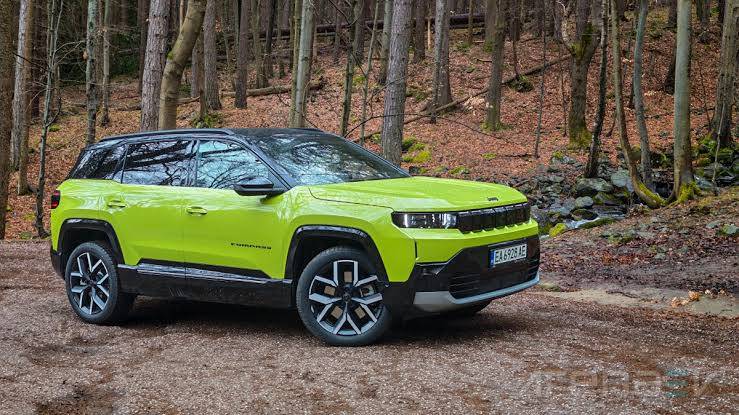
Jeep Compass Gas Mileage Overview: Official MPG Ratings vs Real Performance
When evaluating the Jeep Compass gas mileage, many buyers first look at the official fuel economy ratings because these numbers provide a standard measurement for comparing vehicles. However, real-world fuel consumption can vary depending on driving habits, road conditions, vehicle configuration, and maintenance quality.
The Jeep Compass is positioned as a compact SUV that balances everyday practicality with the adventurous character expected from a Jeep model. Its fuel economy is influenced by several factors, including engine configuration, transmission setup, drivetrain options, and overall vehicle weight.
For many Jeep Compass models, fuel economy ratings typically fall within the range expected from a compact SUV. Front-wheel-drive versions generally achieve better efficiency because they have fewer drivetrain components and less mechanical resistance compared with four-wheel-drive variants. Models equipped with 4×4 capability may consume slightly more fuel because they carry additional hardware designed to improve traction and off-road performance.
A simplified overview of factors affecting Jeep Compass MPG includes:
Front-Wheel Drive Models
Front-wheel-drive Jeep Compass versions are usually the better choice for drivers who prioritize fuel savings. They are designed primarily for urban commuting, highway travel, and daily transportation. Without the additional weight and complexity of a four-wheel-drive system, these models can deliver improved fuel efficiency during normal driving conditions.
Four-Wheel Drive Models
The Jeep Compass 4×4 models focus more on capability than maximum fuel economy. The added drivetrain components increase weight, which can slightly reduce MPG. However, the trade-off is improved confidence when driving through snow, rain, dirt roads, or challenging terrain.
City Driving Efficiency
Urban driving is usually the most demanding environment for fuel economy. Frequent stops, traffic congestion, acceleration from a complete stop, and extended idling can reduce Jeep Compass gas mileage significantly compared with highway conditions.
Drivers who frequently commute in busy cities may notice lower MPG numbers because the engine has to work harder during repeated acceleration cycles.
Highway Fuel Economy
Highway driving allows the Jeep Compass to operate more efficiently because the vehicle maintains a consistent speed. Reduced braking, smoother acceleration, and steady engine operation help improve fuel consumption.
For drivers who regularly take long road trips, highway MPG becomes one of the most important factors when calculating ownership costs. A Jeep Compass that performs efficiently on highways can help reduce the frequency of fuel stops during extended journeys.
Real-World MPG vs Manufacturer Ratings
One important point for buyers to understand is that official MPG figures represent controlled testing conditions. Everyday driving rarely matches these ideal situations.
Real-world Jeep Compass gas mileage may be affected by:
• Aggressive acceleration
• Heavy traffic conditions
• Extreme temperatures
• Frequent short-distance trips
• Use of air conditioning
• Tire pressure and vehicle maintenance
• Additional cargo weight
A driver with smooth acceleration habits and proper maintenance may achieve better fuel economy than another driver operating under demanding conditions.
This difference between laboratory testing and daily usage is why many owners research real-world Jeep Compass MPG before purchasing. Understanding how the vehicle performs outside of official ratings gives buyers a more realistic expectation of fuel costs.
For shoppers comparing compact SUVs, the Jeep Compass may not always be the absolute leader in fuel efficiency, but it offers a unique combination of style, capability, and versatility. The key question is whether its fuel economy matches the needs of drivers who value Jeep’s design and adventure-focused performance.
Real World Jeep Compass MPG: City, Highway & Mixed Driving Experience
Official fuel economy numbers provide a useful starting point, but many drivers want to know one thing: What is the actual Jeep Compass MPG in everyday driving?
Real-world performance often tells a more complete story because most people do not drive under laboratory conditions. Daily commuting involves traffic congestion, changing weather, passengers, cargo, and different driving styles. All of these factors influence how efficiently the Jeep Compass uses fuel.
Jeep Compass MPG in City Driving
City driving is usually the biggest challenge for fuel economy. Stop-and-go traffic requires frequent acceleration, which forces the engine to use more energy compared with maintaining a steady speed on open roads.
In urban environments, Jeep Compass gas mileage can be affected by:
• Frequent traffic lights
• Heavy congestion
• Short-distance trips
• Idling while waiting
• Aggressive acceleration
Drivers who mainly use their Jeep Compass for commuting in crowded areas may notice that their MPG numbers are lower than highway estimates. Short trips are especially inefficient because the engine may spend more time warming up rather than operating at its optimal temperature.
However, smooth driving habits can make a noticeable difference. Gradually accelerating, avoiding unnecessary braking, and maintaining consistent speeds whenever possible can help improve fuel efficiency.
Jeep Compass MPG on Highway Driving
Highway driving is where the Jeep Compass can demonstrate better fuel efficiency. Once the vehicle reaches a steady cruising speed, the engine does not need to constantly adjust power output, allowing fuel consumption to become more consistent.
Long-distance drivers often benefit from:
• Stable cruising speeds
• Reduced braking
• Better engine efficiency
• Fewer acceleration cycles
A Jeep Compass used primarily for highway commuting or road trips may deliver more satisfying fuel economy compared with a vehicle used mainly for short urban journeys.
This makes the Compass a practical option for drivers who need an SUV for weekend adventures, family travel, or longer daily commutes.
Combined Driving Performance
Most owners experience a combination of city and highway driving. This mixed-use scenario provides the most realistic picture of Jeep Compass fuel economy.
A typical daily routine may include:
• Driving through neighborhoods
• Sitting in traffic
• Traveling on highways
• Carrying passengers or equipment
Because of these variables, real-world MPG can differ significantly between owners. Two Jeep Compass drivers with the same model may report different fuel consumption simply because their driving environments are different.
The biggest takeaway is that Jeep Compass gas mileage is not determined only by the vehicle itself. The driver, environment, and maintenance schedule all play important roles.
For buyers considering a Jeep Compass, the best approach is to evaluate personal driving habits. Someone who spends most of the time on highways may find the fuel economy perfectly acceptable, while someone who drives mostly in heavy city traffic may need to consider whether the MPG matches their expectations.
Factors That Affect Jeep Compass Fuel Economy
Understanding what affects Jeep Compass gas mileage can help owners achieve better efficiency and avoid unnecessary fuel expenses. While the vehicle’s engine and drivetrain establish the basic fuel economy range, daily habits and external conditions can significantly influence actual MPG.
Driving Style
The way a driver controls the vehicle has one of the biggest impacts on fuel consumption.
Aggressive driving behaviors such as:
• Rapid acceleration
• Sudden braking
• High-speed driving
can cause the engine to burn more fuel. A smoother driving style allows the Jeep Compass to operate more efficiently.
Gradual acceleration and maintaining a consistent speed can help reduce unnecessary fuel usage, especially during everyday commuting.
Vehicle Weight and Cargo Load
A heavier vehicle requires more energy to move. Carrying unnecessary items inside the Jeep Compass can increase the workload on the engine and reduce fuel efficiency.
Drivers should regularly remove items they do not need, especially heavy equipment stored in the cargo area. While a few extra items may seem insignificant, additional weight over thousands of miles can contribute to higher fuel costs.
Tire Condition and Tire Pressure
Tires play an important role in fuel economy because they directly affect rolling resistance.
Underinflated tires create more resistance against the road, forcing the engine to work harder. Regularly checking tire pressure helps maintain efficiency and can also improve safety and tire lifespan.
Using the correct tire type is also important. Some tires prioritize off-road capability, while others are designed for improved highway efficiency. Choosing tires that match driving needs can influence Jeep Compass MPG.
Weather and Driving Conditions
Temperature and weather conditions can change fuel consumption.
Cold weather may reduce efficiency because:
• Engines take longer to warm up
• Heating systems require additional energy
• Tire pressure may decrease
Hot weather can also affect MPG when drivers frequently use air conditioning or operate the vehicle under extreme conditions.
Maintenance Schedule
Proper maintenance helps the Jeep Compass operate efficiently throughout its lifespan.
Important maintenance areas include:
• Regular oil changes
• Clean air filters
• Proper engine servicing
• Correct tire alignment
• Scheduled inspections
A poorly maintained vehicle often consumes more fuel because the engine and related components cannot operate at peak efficiency.
For Jeep Compass owners who want to maximize fuel economy, improving driving habits and maintaining the vehicle properly can make a meaningful difference. Small adjustments over time can help reduce fuel expenses while keeping the SUV performing reliably.
Jeep Compass 4×4 MPG: Does AWD Reduce Fuel Efficiency?
One of the biggest questions among potential Jeep Compass buyers is whether choosing a four-wheel-drive model will significantly affect fuel economy. The Jeep brand is well known for its off-road capability, and many drivers are attracted to the Compass because of its available 4×4 system. However, that added capability raises an important concern: Does Jeep Compass 4×4 reduce gas mileage compared with front-wheel-drive versions?
The short answer is yes, but the difference depends on driving conditions, vehicle configuration, and how often the four-wheel-drive system is used.
A 4×4 drivetrain includes additional mechanical components such as extra axles, transfer systems, and drivetrain parts designed to distribute power between the front and rear wheels. These components increase the vehicle’s overall weight and create additional mechanical resistance, which can slightly reduce fuel efficiency.
For drivers who primarily travel on highways and city streets, a front-wheel-drive Jeep Compass may provide better fuel economy. The lighter drivetrain allows the engine to use less energy during normal driving conditions, making it a practical choice for commuters who prioritize lower fuel costs.
However, the Jeep Compass 4×4 system offers advantages that may justify the small reduction in MPG for certain drivers.
Benefits of Jeep Compass 4×4 Capability
The biggest advantage of choosing a Jeep Compass with four-wheel drive is improved confidence in challenging conditions.
Drivers may benefit from 4×4 capability when traveling through:
• Snow-covered roads
• Muddy trails
• Wet or slippery surfaces
• Gravel roads
• Uneven terrain
For people living in areas with harsh winters or frequently exploring outdoor destinations, the additional traction can provide valuable peace of mind.
The Jeep Compass is not designed to compete with larger off-road vehicles, but its available 4×4 system gives it more versatility than many traditional compact SUVs. This makes it appealing to buyers who want everyday practicality while maintaining the ability to handle occasional adventures.
Does 4×4 Always Use More Fuel?
While four-wheel-drive systems generally reduce fuel efficiency compared with front-wheel drive, modern systems are designed to improve efficiency whenever possible.
Many newer AWD and 4×4 systems can adjust power distribution based on driving conditions. When extra traction is unnecessary, the system may reduce the amount of power sent to certain wheels, helping improve efficiency during normal driving.
However, factors such as vehicle weight, tire choice, and driving habits still influence overall fuel consumption.
Who Should Choose Jeep Compass 4×4?
A Jeep Compass 4×4 model may be the better option for drivers who:
• Live in regions with frequent snow or heavy rain
• Enjoy outdoor activities and weekend adventures
• Regularly drive on unpaved roads
• Value capability over maximum fuel savings
On the other hand, drivers who mainly use their Jeep Compass for:
• Daily commuting
• Highway travel
• Urban driving
• Family transportation
may find a front-wheel-drive version more suitable because it can provide better fuel economy and lower ownership costs.
Ultimately, choosing between FWD and 4×4 comes down to lifestyle. The small difference in Jeep Compass gas mileage may be worthwhile for drivers who need extra capability, while efficiency-focused buyers may prefer the lighter and more economical configuration.
Jeep Compass Fuel Cost: How Much Does It Cost to Drive?
Fuel economy is not only about MPG numbers. For many buyers, the more important question is: How much will the Jeep Compass cost to operate every month and every year?
Understanding fuel expenses helps drivers estimate the true ownership cost of their vehicle. Even a small difference in fuel efficiency can become significant over thousands of miles.
The total fuel cost of a Jeep Compass depends on several factors:
• Annual driving distance
• Local fuel prices
• Driving environment
• Vehicle configuration
• Personal driving habits
A driver who travels only a few miles each day will have very different fuel expenses compared with someone who completes long highway commutes.
Calculating Annual Jeep Compass Fuel Expenses
To estimate yearly fuel costs, drivers typically need three pieces of information:
- Average miles driven per year
- Jeep Compass real-world MPG
- Average gasoline price
For example, someone driving significantly more miles annually will naturally spend more on fuel, even if their vehicle delivers reasonable efficiency.
This is why understanding Jeep Compass gas mileage is important before purchasing. A vehicle that seems affordable initially may become expensive over time if it consumes more fuel than expected.
Jeep Compass vs Fuel Costs of Larger SUVs
Compared with larger SUVs, the Jeep Compass generally benefits from its compact size and smaller footprint. Smaller vehicles usually require less energy to move, which can help reduce fuel consumption.
However, when compared with some fuel-focused compact SUVs, the Compass may not always deliver the lowest fuel costs. Some competitors prioritize maximum efficiency through hybrid technology, lighter construction, or aerodynamic designs.
The Jeep Compass takes a different approach by balancing efficiency with:
• SUV styling
• Higher driving position
• Available 4×4 capability
• Adventure-focused design
For many buyers, fuel economy is only one part of the ownership equation.
The Hidden Cost of Poor Fuel Efficiency
Higher fuel consumption can create long-term financial pressure, especially when fuel prices increase.
Common concerns among SUV owners include:
• Spending more money at gas stations
• Higher monthly transportation expenses
• Increased cost during long road trips
• Reduced budget flexibility
This is why researching real-world Jeep Compass MPG before buying is a smart decision.
Is Jeep Compass Fuel Economy Good Enough?
The answer depends on expectations.
Drivers searching for the absolute lowest fuel consumption may find more efficient options in the compact SUV segment. However, buyers who want a vehicle with Jeep’s distinctive design, available off-road capability, and everyday practicality may consider the fuel economy acceptable.
The Jeep Compass delivers a balance between efficiency and versatility. It may not be the most economical SUV available, but it provides features that some competitors cannot match.
For many owners, the slightly higher fuel cost is a reasonable trade-off for the confidence and character that come with owning a Jeep.
How to Improve Jeep Compass Gas Mileage: Practical Fuel-Saving Tips
Even if a vehicle has reasonable factory fuel economy ratings, driving habits and maintenance choices can significantly influence real-world results. Jeep Compass owners who want to reduce fuel expenses can improve efficiency by making simple adjustments to how they drive and maintain their vehicle.
Improving Jeep Compass gas mileage does not always require expensive upgrades. Small changes can help the engine operate more efficiently and reduce unnecessary fuel consumption.
1. Maintain a Smooth Driving Style
Driving behavior is one of the biggest factors affecting fuel economy.
Rapid acceleration and aggressive braking force the engine to work harder. Instead, drivers can improve MPG by:
• Accelerating gradually
• Maintaining consistent speeds
• Avoiding unnecessary hard braking
A smoother driving style reduces wasted energy and can make daily driving more efficient.
2. Keep Tires Properly Inflated
Tire pressure directly affects rolling resistance. When tires are underinflated, the vehicle requires more energy to move, which can reduce fuel efficiency.
Checking tire pressure regularly helps:
• Improve MPG
• Extend tire life
• Improve driving safety
This simple maintenance habit is one of the easiest ways to support better fuel economy.
3. Remove Unnecessary Weight
Carrying extra weight increases the workload on the engine. Drivers should avoid storing heavy items in the vehicle unless necessary.
Removing unnecessary cargo can help improve efficiency, especially for drivers who frequently travel long distances.
4. Follow Regular Maintenance
A properly maintained Jeep Compass is more likely to achieve consistent fuel economy.
Important maintenance tasks include:
• Changing engine oil on schedule
• Replacing air filters when needed
• Checking engine performance
• Maintaining proper tire alignment
Neglecting maintenance can cause the engine to operate less efficiently and increase fuel consumption.
5. Reduce Excessive Idling
Leaving the engine running while parked wastes fuel without adding distance traveled.
Drivers can improve efficiency by avoiding unnecessary idling, especially during short stops.
6. Plan Routes More Efficiently
Route planning can also influence fuel consumption.
Avoiding:
• Heavy traffic areas
• Frequent stops
• Unnecessary detours
can help reduce fuel usage over time.
7. Use Driving Modes Wisely
If the Jeep Compass offers different driving settings, selecting the appropriate mode for conditions can help balance performance and efficiency.
Drivers should choose settings based on their environment rather than always using maximum capability.
By combining smart driving habits with proper maintenance, Jeep Compass owners can maximize fuel efficiency and reduce operating costs. While the vehicle’s design determines its basic fuel economy range, everyday choices can make a noticeable difference.
8. Jeep Compass Fuel Economy Compared With Other Compact SUVs
When evaluating the Jeep Compass gas mileage, many buyers do not look at fuel economy numbers in isolation. Instead, they want to know how the Compass performs compared with other popular compact SUVs in the same segment.
The compact SUV market is highly competitive, with many models focusing on different strengths. Some prioritize maximum fuel efficiency, while others focus on performance, comfort, technology, or off-road capability. The Jeep Compass sits in an interesting position because it combines everyday practicality with the rugged personality associated with the Jeep brand.
Comparing fuel economy with competitors helps buyers understand whether the Jeep Compass matches their priorities.
Jeep Compass vs Honda CR-V Fuel Economy
The Honda CR-V has long been recognized as one of the most practical compact SUVs available. It is known for spacious interior design, reliability, and strong fuel efficiency, especially with hybrid options.
Compared with the Jeep Compass, the Honda CR-V generally appeals more to buyers who prioritize:
• Maximum fuel savings
• Family practicality
• Long-term efficiency
The Jeep Compass takes a different approach by offering a more adventure-focused design and stronger brand identity.
For drivers who spend most of their time commuting and want the lowest possible fuel costs, the CR-V may have an advantage. However, buyers who value a more rugged driving experience may prefer the character of the Compass.
Jeep Compass vs Toyota RAV4 Fuel Economy
The Toyota RAV4 is another major competitor in the compact SUV category. Like the CR-V, the RAV4 has built a reputation for reliability, practicality, and efficient operation.
The RAV4, particularly in hybrid form, can provide excellent fuel economy for drivers who want to minimize gasoline expenses.
The Jeep Compass competes differently by offering:
• Jeep styling
• Available 4×4 capability
• A more rugged appearance
• A stronger connection to outdoor driving
The choice between the two often depends on lifestyle. The RAV4 may appeal more to efficiency-focused buyers, while the Compass attracts drivers who want additional personality and adventure capability.
Jeep Compass vs Mazda CX-5 Fuel Economy
The Mazda CX-5 is known for premium interior quality and engaging driving dynamics. While fuel economy is competitive, Mazda focuses heavily on creating a more refined driving experience.
Compared with the Jeep Compass, the CX-5 may appeal to drivers who prioritize:
• Interior comfort
• Responsive handling
• Premium driving feel
The Jeep Compass stands out with its SUV character and available off-road features.
Jeep Compass vs Subaru Forester Fuel Economy
The Subaru Forester is another competitor known for adventure-oriented capability. It attracts buyers who enjoy outdoor activities and need confidence in different weather conditions.
Both the Jeep Compass and Subaru Forester appeal to drivers who want more than a basic commuter SUV.
The comparison often comes down to priorities:
Subaru Forester advantages:
• Practical interior space
• Standard all-wheel-drive capability
• Strong outdoor reputation
Jeep Compass advantages:
• Distinctive styling
• Jeep heritage
• Compact size and maneuverability
Where Jeep Compass Fits in the Compact SUV Market
The Jeep Compass may not always lead the segment in fuel efficiency, but fuel economy is only one part of the ownership experience.
Many buyers choose the Compass because they value:
• Unique exterior design
• Higher driving position
• Jeep brand reputation
• Weekend adventure capability
• Available 4×4 performance
For a driver who only wants the most economical SUV possible, other models may provide better MPG numbers. However, for someone looking for a balance between reasonable fuel economy and a more adventurous personality, the Jeep Compass remains an appealing option.
The best choice depends on individual needs. A commuter focused on reducing fuel expenses may prioritize efficiency, while an outdoor enthusiast may accept slightly higher fuel consumption for additional capability.
Final Verdict
After examining official ratings, real-world performance, driving conditions, and competitor comparisons, the answer to whether Jeep Compass gas mileage is good enough depends largely on what buyers expect from a compact SUV.
The Jeep Compass is not designed to be the absolute fuel economy champion of its segment. Some competitors focus heavily on maximizing MPG through hybrid technology, lighter construction, or efficiency-focused engineering.
Instead, the Jeep Compass offers a different balance.
It combines:
• Compact SUV practicality
• Jeep-inspired styling
• Available 4×4 capability
• Comfortable everyday usability
• Adventure-focused personality
For drivers who spend most of their time commuting through cities, fuel economy should be an important consideration. Heavy traffic, frequent stops, and aggressive driving can increase fuel consumption, making efficient driving habits and regular maintenance especially important.
For highway commuters and drivers who enjoy road trips, the Jeep Compass can provide a more satisfying ownership experience. Its SUV design, comfortable driving position, and versatile capability make it suitable for a wide range of lifestyles.
The biggest advantage of the Jeep Compass is that it offers something beyond simple transportation. It appeals to buyers who want a vehicle with personality and capability rather than just the lowest possible fuel cost.
Before purchasing, buyers should consider their own priorities:
Do you need maximum fuel efficiency?
Do you frequently drive in challenging weather conditions?
Do you value off-road capability and Jeep design?
Are you willing to accept slightly higher fuel costs for additional versatility?
If the answer is yes, the Jeep Compass can be a strong choice in the compact SUV market.
Overall, the Jeep Compass gas mileage provides a reasonable balance between efficiency and capability. While it may not outperform every competitor in fuel economy, it delivers the versatility and character that many SUV buyers are looking for.
If you are considering a Jeep Compass, evaluate your driving habits, expected mileage, and ownership goals to determine whether its fuel economy fits your lifestyle.