If you’re considering buying a Jeep Wrangler, one of the first questions you’re likely to ask is: How good is the Jeep Wrangler’s gas mileage? While the Wrangler is celebrated for its legendary off-road capability, removable doors, and iconic design, fuel economy has never been its strongest selling point. However, thanks to advancements in engine technology, hybrid powertrains, and improved aerodynamics, modern Jeep Wranglers are significantly more efficient than many drivers expect.
The answer isn’t as simple as quoting a single MPG figure. Jeep Wrangler gas mileage varies considerably depending on the model year, engine, transmission, trim level, tire size, and even your driving habits. A two-door Wrangler Sport equipped with the turbocharged 2.0L engine can achieve noticeably better fuel economy than a Rubicon fitted with oversized off-road tires and heavy-duty axles. Likewise, the Wrangler 4xe plug-in hybrid offers an entirely different ownership experience, combining electric driving with traditional gasoline power.
This comprehensive guide breaks down Jeep Wrangler gas mileage for every model year from 2007 through 2026. You’ll discover official EPA fuel economy ratings, real-world MPG reported by owners, comparisons between available engines, estimated annual fuel costs, and practical tips to maximize every gallon of fuel. Whether you’re shopping for a used JK, a newer JL, or the latest 2026 model, this guide will help you determine which Wrangler delivers the best balance between capability and fuel efficiency.
By the end of this article, you’ll have a clear understanding of which Jeep Wrangler models offer the best gas mileage and which configuration best suits your lifestyle, driving needs, and budget.
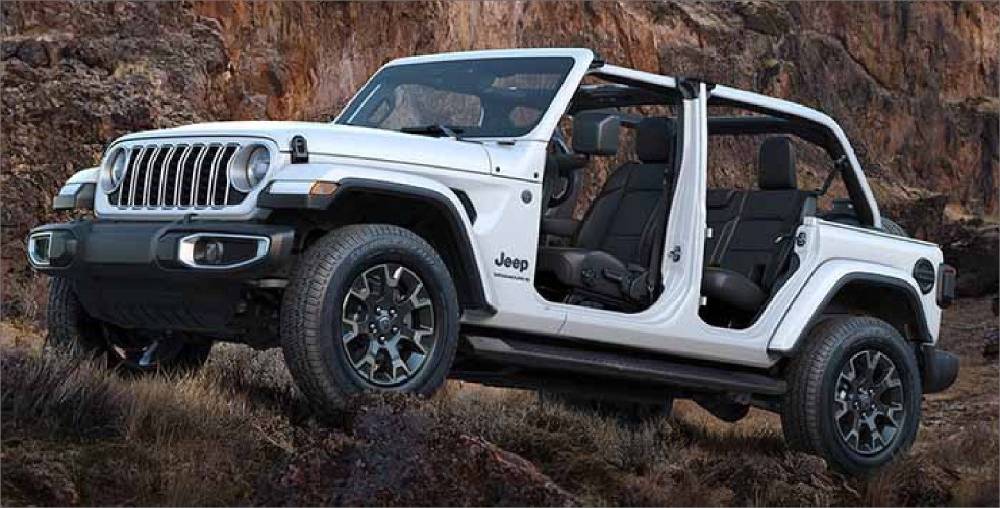
What Does Jeep Wrangler Gas Mileage Mean?
Jeep Wrangler gas mileage is measured in miles per gallon, commonly abbreviated as MPG. This figure tells you approximately how many miles the vehicle can travel using one gallon of fuel. A higher MPG rating generally means lower fuel consumption and fewer visits to the gas station.
Fuel economy ratings are normally divided into three categories: city MPG, highway MPG, and combined MPG.
City MPG represents fuel efficiency in conditions that include frequent braking, acceleration, idling, and lower average speeds. Highway MPG measures efficiency during steadier driving at higher speeds. Combined MPG is a weighted estimate that blends city and highway performance, making it the most useful number for comparing different Wrangler models.
However, official ratings should be treated as reference points rather than guaranteed results. A Wrangler rated at 20 MPG combined may return a lower figure when driven aggressively, modified with heavy accessories, or used primarily for short urban trips. It may perform close to or slightly above its rating during relaxed highway travel under favorable conditions.
Several design characteristics explain why Jeep Wrangler gas mileage is usually lower than that of a conventional crossover. The Wrangler has an upright windshield, a box shaped body, substantial ground clearance, four wheel drive hardware, and tires designed to provide traction on difficult terrain. These features contribute to its off road capability, but they also increase aerodynamic drag, weight, and rolling resistance.
City, Highway, and Combined MPG
Wranglers generally consume more fuel in city traffic because accelerating a heavy four wheel drive vehicle requires considerable energy. Stop and go driving also prevents the engine and transmission from operating at their most efficient speeds.
Highway driving often produces better results because the vehicle can maintain a consistent pace. Even so, fuel economy can decline quickly as speed rises. The Wrangler’s tall profile must push a large amount of air out of the way, so driving at 75 or 80 mph may use noticeably more fuel than cruising at 60 or 65 mph.
Combined MPG provides a convenient overall estimate, but your personal result will depend on where and how you drive. A commuter who spends most of the week in traffic may record a much lower average than an owner who regularly travels on open highways.
EPA Ratings Versus Real World Fuel Economy
Official MPG figures are produced through standardized testing procedures. These tests are valuable because they allow consumers to compare vehicles under consistent conditions. They cannot perfectly reproduce every situation an owner may encounter.
Real world Jeep Wrangler gas mileage can be affected by:
- Vehicle speed
- Traffic conditions
- Tire pressure
- Ambient temperature
- Elevation
- Wind direction
- Passenger and cargo weight
- Fuel quality
- Maintenance condition
- Driving behavior
- Engine and transmission choice
Cold weather can reduce efficiency because engines take longer to reach operating temperature, winter fuel blends may contain less energy, and drivers often use heating and defrosting systems. Short trips can be especially inefficient because the engine may not warm up completely.
How Modifications Affect Jeep Wrangler MPG
Modifications are among the most important variables for Wrangler owners. Installing larger tires increases rotating mass and rolling resistance. A suspension lift exposes more of the underbody to airflow and may increase drag. Steel bumpers, winches, skid plates, roof racks, rooftop tents, and recovery equipment add weight.
A heavily modified Rubicon can therefore return substantially lower MPG than a stock Sport, even when both vehicles use the same engine. Tire diameter changes can also affect the accuracy of the speedometer, odometer, and displayed fuel economy unless the vehicle’s computer is recalibrated.
This is why buyers should look beyond a single advertised number. Understanding the vehicle’s engine, body configuration, trim, equipment, and intended use provides a far more realistic picture of expected Jeep Wrangler gas mileage.
Jeep Wrangler Gas Mileage by Model Year
Jeep Wrangler fuel economy changed significantly between 2007 and 2026. The most important developments included the introduction of the JK generation, the switch to the more efficient Pentastar V6, the arrival of the JL generation, the addition of a turbocharged four cylinder engine, the EcoDiesel option, and the launch of the Wrangler 4xe plug in hybrid.
Exact ratings vary by engine, transmission, door count, trim, axle ratio, and tire package. The figures below should therefore be viewed as representative ranges rather than universal ratings for every configuration.
2007 Jeep Wrangler Gas Mileage
The redesigned 2007 Wrangler introduced the JK generation and the first four door Wrangler Unlimited. It used a 3.8 liter V6 paired with either a manual or automatic transmission.
Most versions delivered fuel economy in the mid teens, with approximately 15 to 17 MPG in the city and 19 to 21 MPG on the highway depending on configuration. The larger four door Unlimited provided more passenger and cargo space but also carried additional weight.
For used vehicle shoppers, the 2007 model offers affordable access to the JK platform. Its older engine and transmission technology, however, make it less efficient than later Pentastar powered models.
2008 to 2011 Jeep Wrangler Gas Mileage
Wranglers produced from 2008 through 2011 continued using the 3.8 liter V6. Fuel economy remained relatively stable throughout this period, generally ranging from the mid teens in city driving to around 19 or 20 MPG on the highway.
These models are simple, rugged, and widely available on the used market. Their greatest disadvantage is that the 3.8 liter engine may feel strained when moving a four door Wrangler, particularly after larger tires or heavy off road equipment are installed.
Owners who prioritize purchase price over fuel economy may still find these years appealing. Buyers focused on efficiency and acceleration will usually benefit from moving to a 2012 or newer model.
2012 Jeep Wrangler Gas Mileage
The 2012 model year marked a major improvement because Jeep replaced the 3.8 liter V6 with the 3.6 liter Pentastar V6. The newer engine produced more power while also improving drivability and fuel efficiency.
Depending on the body style and transmission, many 2012 Wranglers achieved roughly 16 to 17 MPG in the city and around 20 to 21 MPG on the highway. The improvement was not dramatic on paper, but the stronger engine made the vehicle feel less burdened during acceleration and highway driving.
For many used Wrangler buyers, 2012 represents an important dividing line. It combines the familiar JK design with a more modern and capable powertrain.
2013 to 2017 Jeep Wrangler Gas Mileage
From 2013 through 2017, the Wrangler retained the 3.6 liter Pentastar V6. EPA ratings changed only slightly across these years, with many models returning approximately 16 to 17 MPG city, 20 to 21 MPG highway, and 18 MPG combined.
Real world results frequently depend on whether the vehicle remains stock. A standard two door Sport may come close to official estimates, while a lifted four door Rubicon with larger mud terrain tires may fall into the low to mid teens.
These model years are popular because they offer a well established engine, a broad selection of trims, and abundant aftermarket support. The tradeoff is that the five speed automatic transmission used during the JK era is less advanced than the eight speed automatic introduced with the JL.
2018 Jeep Wrangler Gas Mileage
The 2018 model year is unusual because both the outgoing JK and the new JL were available. Buyers should verify which generation they are considering because the two vehicles differ in engines, transmissions, interior design, and fuel economy.
The JL introduced an available 2.0 liter turbocharged four cylinder engine and an eight speed automatic transmission. It also used weight saving materials and other engineering improvements. Depending on configuration, JL models could reach approximately 18 to 23 MPG combined, while the older JK versions generally remained closer to the high teens.
The 2018 JL therefore represented one of the largest improvements in Jeep Wrangler gas mileage during the period covered by this guide.
2019 Jeep Wrangler Gas Mileage
The 2019 Wrangler continued with the 3.6 liter V6 and the available 2.0 liter turbo engine. The turbocharged option generally provided the strongest gasoline fuel economy, especially in city driving.
Many configurations achieved approximately 17 to 23 MPG in the city and 23 to 25 MPG on the highway, although Rubicon models and versions with more aggressive tires typically returned lower figures.
For drivers who wanted a traditional gasoline Wrangler without moving to a hybrid or diesel, the 2.0 liter turbo became an attractive balance of torque and efficiency.
2020 Jeep Wrangler Gas Mileage
The 2020 lineup added the available 3.0 liter EcoDiesel V6 to four door models. Its strong low speed torque made it well suited to highway travel, mountain routes, and heavier vehicle configurations.
The EcoDiesel could reach fuel economy in the low 20s in the city and the upper 20s on the highway, making it one of the most efficient nonhybrid Wranglers offered during this period. Diesel fuel prices, emissions system maintenance, and higher purchase costs could reduce the financial advantage for some owners.
Gasoline models continued to provide MPG figures similar to those of the 2019 lineup.
2021 Jeep Wrangler Gas Mileage
The 2021 model year introduced the Wrangler 4xe plug in hybrid. It combined a 2.0 liter turbocharged gasoline engine with electric motors and a rechargeable battery.
The 4xe could complete many short commutes using primarily electric power when charged regularly. Its official efficiency was expressed partly in MPGe, which accounts for electrical energy as well as gasoline use. Once the usable battery charge was depleted, its gasoline fuel economy was less remarkable because the vehicle had to carry the weight of the hybrid system.
This distinction is essential. An owner who charges every night and drives short distances may use very little gasoline. An owner who rarely plugs in may not achieve the same savings.
2022 Jeep Wrangler Gas Mileage
The 2022 Wrangler offered one of the broadest powertrain selections in the model’s history. Buyers could choose among gasoline engines, the EcoDiesel, the 4xe plug in hybrid, and the 6.4 liter V8 in the Rubicon 392.
The V8 delivered outstanding acceleration but returned fuel economy in the low teens. It appealed to performance focused enthusiasts rather than drivers trying to reduce fuel expenses.
At the other end of the lineup, the 4xe offered the greatest efficiency potential for owners with reliable access to charging. The EcoDiesel remained attractive for long distance highway travel.
2023 Jeep Wrangler Gas Mileage
Fuel economy figures for the 2023 Wrangler were broadly similar to those of 2022. The 2.0 liter turbo remained one of the most efficient conventional gasoline choices, while the 4xe continued to provide the best opportunity to reduce gasoline use.
By this point, the Wrangler lineup demonstrated that the most efficient version depended heavily on the driver’s routine. The 4xe suited short daily trips and regular charging. The diesel favored long highway journeys. The gasoline engines offered simpler refueling and wider availability.
2024 Jeep Wrangler Gas Mileage
The 2024 Wrangler received styling, technology, and equipment updates while retaining familiar powertrain choices. Fuel economy continued to vary significantly by engine and trim.
Jeep listed a 2024 four door Wrangler Rubicon with the 3.6 liter V6 and eight speed automatic at 16 MPG city, 19 MPG highway, and 17 MPG combined. This lower figure reflects the Rubicon’s off road focused hardware and tires rather than the efficiency potential of every Wrangler configuration.
The 4xe remained the logical choice for drivers seeking electric commuting capability, while conventional models remained more practical for buyers who lacked charging access.
2025 Jeep Wrangler Gas Mileage
For 2025, official Jeep information listed a four door Wrangler with the 2.0 liter turbo and eight speed automatic at 20 MPG city, 22 MPG highway, and 21 MPG combined. A four door model with the 3.6 liter V6 and eight speed automatic was listed at 18 MPG city, 23 MPG highway, and 20 MPG combined. The manual V6 version was rated at 16 MPG city, 22 MPG highway, and 19 MPG combined.
The Rubicon 392 remained the least efficient major powertrain choice. Jeep listed the 6.4 liter V8 model at 13 MPG city, 16 MPG highway, and 14 MPG combined.
These numbers show why engine choice alone does not tell the entire story. Transmission, body configuration, trim equipment, and tires can create meaningful differences.
2026 Jeep Wrangler Gas Mileage
The 2026 Wrangler continues to offer fuel economy that varies by configuration. Jeep lists one two door specification at 17 MPG city, 23 MPG highway, and 19 MPG combined, with a 17.5 gallon fuel tank.
The 2026 Sahara specification lists 20 MPG city, 22 MPG highway, and 21 MPG combined, along with a 21.5 gallon tank.
Jeep confirms that 2026 two door models use a 17.5 gallon fuel tank, while four door models use a 21.5 gallon tank. This difference affects total driving range even when two models achieve similar MPG.
The 2026 Rubicon 392 continues to prioritize V8 power and off road performance over fuel savings. Jeep advertises up to an estimated 16 highway MPG for the 392.
Overall, the 2026 lineup demonstrates the same principle that applies throughout Wrangler history: the most efficient configuration is rarely the one with the most aggressive tires, heaviest equipment, or largest engine.
Jeep Wrangler Gas Mileage by Engine
The engine is one of the biggest factors affecting Jeep Wrangler gas mileage, but it is not the only one. A fuel efficient engine can still produce disappointing results when paired with oversized tires, a heavy trim package, a roof rack, or aggressive driving habits.
Understanding the strengths and weaknesses of each engine can help buyers choose a Wrangler that fits both their lifestyle and fuel budget.
3.8 Liter V6
The 3.8 liter V6 powered the Wrangler from 2007 through 2011. It is generally the least efficient mainstream engine covered in this guide when performance is considered alongside fuel consumption.
Most versions return MPG figures in the mid teens during city driving and around 19 or 20 MPG on the highway. In a heavy four door model, the engine often needs more throttle to accelerate or maintain speed on hills.
Its main advantages are simplicity, widespread parts availability, and relatively low used vehicle prices. Its disadvantages include modest power, older transmission technology, and limited fuel economy.
The 3.8 liter V6 may suit buyers who drive relatively few miles per year and prioritize a low purchase price. High mileage commuters should calculate fuel costs carefully before buying one.
3.6 Liter Pentastar V6
Introduced for the Wrangler in 2012, the 3.6 liter Pentastar V6 became one of the model’s most important engines. It provides stronger acceleration than the older 3.8 liter unit and is available with both manual and automatic transmissions in various model years.
In many configurations, the Pentastar returns combined fuel economy in the high teens or around 20 MPG. Newer JL models equipped with the eight speed automatic generally use fuel more effectively than older JK models with the five speed automatic.
The Pentastar’s greatest strength is versatility. It provides sufficient power for daily driving, off road use, and moderate towing while accepting regular unleaded fuel in many applications.
Its weakness is that MPG can decline quickly when the vehicle is modified. Large tires, low axle gearing, armor, and heavy accessories may push real world fuel economy well below the official rating.
For buyers who want a familiar engine, broad service support, and predictable performance, the 3.6 liter V6 remains a practical all purpose choice.
2.0 Liter Turbocharged Four Cylinder
The 2.0 liter turbo engine arrived with the JL generation and is paired with an eight speed automatic transmission. Despite its smaller displacement, it produces strong low speed torque that suits the Wrangler’s weight and four wheel drive system.
This engine is often one of the most efficient gasoline options in the lineup. Jeep listed the 2025 four door turbo model at 20 MPG city, 22 MPG highway, and 21 MPG combined.
The turbo engine feels responsive in everyday driving and can perform especially well in urban conditions. Its advantage over the V6 may narrow during high speed driving, steep climbs, heavy loads, or aggressive acceleration because the turbocharger must work harder.
Some buyers also prefer the sound and linear power delivery of the naturally aspirated V6. However, drivers focused on gasoline MPG should place the 2.0 liter turbo near the top of their list.
3.0 Liter EcoDiesel V6
The 3.0 liter EcoDiesel delivered some of the strongest highway fuel economy available in a nonhybrid Wrangler. Its abundant torque also made the vehicle feel relaxed at lower engine speeds.
The diesel is particularly appealing to drivers who cover long distances, travel through mountainous areas, or value extended highway range. It can outperform gasoline engines in situations where steady speed and low RPM operation favor diesel efficiency.
The financial calculation is more complicated than the MPG number suggests. Diesel fuel may cost more than gasoline in some regions. The engine also uses emissions control equipment that can add maintenance complexity and repair expense.
Drivers who make repeated short trips may not experience the diesel at its best. Longer journeys allow the engine and emissions system to reach proper operating temperatures.
The EcoDiesel is therefore best viewed as a specialized long distance option rather than an automatic money saver for every owner.
6.4 Liter V8
The 6.4 liter V8 powers the Wrangler Rubicon 392. It transforms the Wrangler into a high performance off road SUV with rapid acceleration, a distinctive exhaust note, and substantial power.
Fuel economy is the obvious compromise. Jeep listed the 2025 V8 Wrangler at 13 MPG city, 16 MPG highway, and 14 MPG combined.
At 15,000 miles per year, the difference between 14 MPG and 21 MPG can amount to hundreds of additional gallons of gasoline. Premium fuel requirements can raise operating costs further.
The Rubicon 392 is not designed for buyers whose main objective is reducing fuel expenses. It is intended for enthusiasts who consider performance, sound, exclusivity, and capability more important than MPG.
Wrangler 4xe Plug In Hybrid
The Wrangler 4xe combines a turbocharged gasoline engine with electric motors and a rechargeable battery. Its greatest advantage appears when the owner charges frequently and completes many trips within the vehicle’s usable electric range.
A driver with a short commute may complete much of the week using electricity, allowing the gasoline engine to remain off for significant periods. This can produce far lower gasoline consumption than a conventional Wrangler.
The situation changes after the battery’s usable charge is depleted. The 4xe then operates as a heavy hybrid vehicle carrying an engine, electric motors, battery, and related hardware. Its gasoline only efficiency may not exceed that of a lighter turbocharged Wrangler.
Electricity prices, gasoline prices, charging access, trip length, and climate all influence the ownership calculation. Drivers who cannot charge at home or work may receive limited benefit from choosing the plug in hybrid.
The 4xe is most suitable for buyers who want genuine Wrangler capability while using electric power for frequent short trips. It is less compelling for drivers who regularly travel long distances without charging.
Which Jeep Wrangler Engine Gets the Best Gas Mileage?
There is no single winner for every driver.
The 2.0 liter turbo is often the best conventional gasoline choice for overall Jeep Wrangler gas mileage. The EcoDiesel can provide excellent highway efficiency for long distance drivers. The 4xe can use the least gasoline when it is charged consistently and driven primarily on shorter routes.
The 3.6 liter Pentastar remains a balanced option for buyers who value familiarity, broad availability, and straightforward refueling. The 6.4 liter V8 sits at the opposite end of the spectrum, offering maximum excitement with the highest fuel consumption.
The best engine is therefore determined not only by EPA ratings, but also by how many miles you drive, where you drive, whether you can charge, how heavily the vehicle is modified, and how much you are willing to spend on fuel.
Jeep Wrangler Gas Mileage by Trim Level
Although the engine has the greatest influence on fuel economy, the trim level also plays an important role. Each Wrangler trim comes with different tires, suspension components, axle ratios, and equipment that affect weight, rolling resistance, and aerodynamics. Two Wranglers equipped with the same engine can produce noticeably different fuel economy simply because one is designed primarily for daily driving while the other is optimized for challenging off road conditions.
Wrangler Sport
The Sport serves as the entry point to the Wrangler lineup and is often the lightest configuration available. It typically features smaller wheels, less aggressive all terrain tires, and fewer heavy accessories than higher trims.
Because of its lower curb weight and simpler equipment package, the Sport generally delivers some of the best fuel economy among gasoline-powered Wranglers. Buyers who prioritize affordability and lower operating costs often find this trim offers the best balance between capability and efficiency.
The Sport is also a popular choice for owners planning to customize their vehicle over time. Starting with a lighter, more fuel efficient platform allows modifications to be added gradually while keeping fuel consumption under control.
Wrangler Sport S
The Sport S builds upon the standard Sport by adding convenience features such as upgraded technology, improved interior amenities, and additional driver assistance options. These enhancements add only a modest amount of weight, so fuel economy remains very similar to the base Sport.
For many buyers, the Sport S represents one of the best values in the Wrangler lineup because it combines respectable fuel economy with everyday comfort. Drivers who spend most of their time commuting or taking weekend road trips rarely sacrifice much efficiency compared with the standard Sport.
Wrangler Willys
The Willys trim bridges the gap between everyday driving and serious off road capability. It includes upgraded all terrain tires, enhanced suspension components, locking rear differential on many configurations, and distinctive styling.
These off road upgrades slightly reduce fuel economy compared with the Sport because larger tires create additional rolling resistance and increased vehicle weight. However, the difference is often relatively small for drivers who primarily travel on paved roads.
The Willys appeals to owners who regularly explore trails while still using their Wrangler as a daily driver. It provides stronger off road performance without reaching the extreme specifications of the Rubicon.
Wrangler Sahara
The Sahara is designed for drivers who spend more time on pavement than on difficult trails. It features additional comfort equipment, refined interior materials, and technology upgrades that make long trips more enjoyable.
Depending on engine selection, the Sahara frequently delivers some of the highest fuel economy ratings among four door Wranglers because it generally uses less aggressive tires than the Rubicon while benefiting from modern powertrains.
For buyers seeking a comfortable daily driver with authentic Jeep capability, the Sahara often represents one of the smartest choices from both a fuel economy and ownership perspective.
Wrangler Rubicon
The Rubicon is engineered to conquer demanding terrain. Heavy duty Dana axles, electronic locking differentials, disconnecting sway bar, larger all terrain tires, rock rails, skid plates, and specialized suspension components dramatically increase off road capability.
These upgrades also increase weight and rolling resistance, reducing fuel economy compared with other trims using the same engine. A Rubicon equipped with larger aftermarket tires, steel bumpers, and recovery gear may consume considerably more fuel than its official EPA estimate.
Despite its lower MPG, the Rubicon remains the preferred choice for enthusiasts who frequently tackle rocky trails, deep mud, or technical off road routes where its specialized equipment provides significant advantages.
High Altitude
The High Altitude trim focuses on premium styling and luxury. Larger wheels, leather seating, premium technology, and additional convenience features create a more refined driving experience.
While these upgrades add weight, the difference in fuel economy compared with the Sahara is generally modest. Buyers interested in comfort and upscale features often consider the slight reduction in efficiency an acceptable tradeoff.
Rubicon X
The Rubicon X builds upon the already capable Rubicon by adding premium equipment and advanced technology while retaining its impressive off road hardware.
Because it combines the weight of luxury features with aggressive off road equipment, the Rubicon X is typically among the least fuel efficient trims outside of the Rubicon 392. Buyers should prioritize capability rather than MPG when considering this model.
Which Trim Offers the Best Fuel Economy?
For most gasoline powered Wranglers, the Sport, Sport S, and Sahara provide the best balance between capability and fuel efficiency. Their lighter construction and less aggressive tires help maximize every gallon of fuel.
Drivers who regularly venture off road may willingly accept lower fuel economy in exchange for the additional capability offered by the Willys or Rubicon. Choosing the right trim depends on how the vehicle will actually be used rather than simply selecting the model with the highest official MPG rating.
Real World Jeep Wrangler Gas Mileage
Official EPA estimates provide an excellent starting point, but they cannot account for every driving situation. Real world Jeep Wrangler gas mileage often varies by several miles per gallon depending on weather, terrain, vehicle modifications, maintenance, and driving style.
Many owners report fuel economy that closely matches official ratings when their Wrangler remains stock and is driven conservatively. Others experience significantly lower MPG after installing oversized tires, roof mounted equipment, or heavy off road accessories.
Understanding these real world variables is essential for setting realistic expectations before purchasing a Wrangler.
Daily City Driving
Urban driving is usually where the Wrangler consumes the most fuel. Frequent acceleration, stop lights, traffic congestion, and extended idling all reduce efficiency.
Drivers who make numerous short trips may notice even lower MPG because the engine often operates before reaching its ideal temperature. Cold starts require a richer fuel mixture, increasing gasoline consumption during the first few minutes of driving.
Highway Driving
The Wrangler generally performs better on highways than in city traffic, especially when cruising at moderate speeds.
Many owners find that maintaining speeds between 60 and 65 mph allows the vehicle to achieve fuel economy close to its official highway estimate. Increasing cruising speed to 75 or 80 mph can significantly reduce MPG because the Wrangler’s upright body creates substantial aerodynamic drag.
Removing unnecessary roof mounted accessories before long highway trips may also improve efficiency by reducing wind resistance.
Winter Driving
Cold weather presents several challenges for fuel economy. Engines require additional fuel while warming up, winter gasoline blends may contain less energy, and drivers often use cabin heating, heated seats, and window defrosters.
Snow covered roads also increase rolling resistance, requiring more power to maintain speed. Owners living in colder climates should expect lower fuel economy during winter months compared with summer driving.
Summer Driving
Warm weather generally allows engines to operate more efficiently because they reach normal operating temperature more quickly.
However, frequent use of air conditioning can increase fuel consumption, particularly in slow moving traffic. Although the effect is usually modest, drivers may notice slightly lower MPG during extremely hot weather.
Mountain Roads
Driving through mountainous terrain requires frequent climbing and descending. Long uphill sections increase engine load and fuel consumption, while downhill sections may partially offset these losses through reduced throttle input.
Vehicles equipped with turbocharged engines often perform well at higher elevations because forced induction helps compensate for thinner air. Naturally aspirated engines may experience a greater reduction in available power.
Towing
Pulling a trailer places significant additional demand on the engine and transmission.
Depending on trailer weight, road conditions, and driving speed, fuel economy may decrease substantially. Drivers planning to tow regularly should include these additional fuel costs when estimating overall ownership expenses.
Proper trailer loading, correct tire pressure, and moderate highway speeds can help reduce fuel consumption while towing.
Larger Tires and Lift Kits
One of the most common modifications among Wrangler owners is the installation of larger off road tires and suspension lift kits.
While these upgrades improve ground clearance and trail capability, they almost always reduce fuel economy. Larger tires are heavier, require more energy to rotate, and often change the vehicle’s effective gearing. Lift kits expose more of the underbody to airflow, increasing aerodynamic drag at highway speeds.
Without recalibrating the speedometer and transmission programming, displayed MPG figures may also become less accurate after significant tire size changes.
Roof Racks and Camping Equipment
Roof racks, rooftop tents, cargo baskets, bicycles, kayaks, and storage boxes all increase aerodynamic resistance.
Even lightweight equipment can reduce highway fuel economy because it disrupts airflow over the vehicle. Owners who only occasionally use roof mounted gear may improve fuel efficiency by removing these accessories when they are not needed.
Driving Style
Driving behavior remains one of the largest factors affecting real world Jeep Wrangler gas mileage.
Rapid acceleration, hard braking, excessive idling, and high cruising speeds all increase fuel consumption. Smooth throttle inputs, anticipating traffic conditions, and maintaining consistent speeds can noticeably improve MPG without requiring any mechanical modifications.
Owners who regularly monitor fuel economy often discover that small changes in driving habits produce meaningful savings over the course of a year.
Annual Fuel Cost and Driving Range
Fuel economy becomes even more meaningful when translated into annual operating costs. Two Wranglers that differ by only three or four MPG may cost hundreds of dollars more in fuel each year, especially for drivers with long daily commutes.
The actual amount you spend depends on annual mileage, local gasoline prices, driving conditions, and your Wrangler’s configuration. Vehicles equipped with larger tires, heavy accessories, or aggressive axle ratios typically consume more fuel than standard models.
To better understand long term ownership costs, consider three common driving scenarios.
Driving 10,000 Miles Per Year
Drivers who use their Wrangler mainly for weekend trips or short daily commutes generally accumulate around 10,000 miles annually.
At this mileage, fuel costs remain manageable even for lower MPG models, although choosing a more efficient engine can still produce noticeable savings over several years of ownership.
Driving 15,000 Miles Per Year
Fifteen thousand miles represents the average annual driving distance for many owners in North America.
At this level of usage, selecting a Wrangler that averages around 21 MPG instead of 17 MPG can significantly reduce yearly fuel expenses. Over five years, these savings may offset the price difference between certain engine options.
Driving 20,000 Miles Per Year
Drivers with long commutes, frequent road trips, or business travel may exceed 20,000 miles annually.
For these owners, fuel efficiency becomes a much more important purchasing factor. Turbocharged models, diesel variants, or the Wrangler 4xe can provide meaningful long term savings depending on individual driving patterns and charging availability.
Estimated Driving Range
Driving range depends on both fuel economy and fuel tank capacity.
Most two door Wranglers use a 17.5 gallon fuel tank, while four door Unlimited models typically feature a larger 21.5 gallon tank. Even when two vehicles achieve identical MPG, the larger tank allows the four door model to travel farther between refueling stops.
Highway driving generally provides the longest driving range because fuel consumption remains lower at steady speeds. City traffic, towing, mountainous terrain, or strong headwinds can reduce the distance you can travel on a full tank.
Jeep Wrangler Compared with Other Off Road SUVs
When compared with competitors such as the Ford Bronco and Toyota 4Runner, the Wrangler offers competitive fuel economy considering its body on frame construction, removable roof and doors, and exceptional off road capability.
The most efficient Wrangler configurations can match or exceed the fuel economy of several competing off road SUVs, while highly specialized models such as the Rubicon 392 naturally prioritize performance over efficiency.
Rather than focusing solely on MPG, prospective buyers should evaluate total ownership value, including capability, reliability, maintenance, resale value, insurance costs, and how the vehicle will be used throughout the year.
How to Improve Jeep Wrangler Gas Mileage
Although the Jeep Wrangler was engineered primarily for off road performance rather than maximum fuel efficiency, there are many practical ways to reduce fuel consumption without sacrificing its legendary capability. Small improvements in maintenance, driving habits, and vehicle setup can add up to meaningful fuel savings over thousands of miles.
The following tips apply to nearly every Wrangler model from 2007 through 2026.
1. Keep Your Tires Properly Inflated
Tire pressure has a direct impact on rolling resistance. Underinflated tires create more friction with the road, forcing the engine to work harder.
Check tire pressure at least once a month and before long road trips. Always follow the pressure recommendations listed on the driver’s door placard rather than relying solely on the maximum pressure printed on the tire sidewall.
2. Drive Smoothly
Aggressive acceleration is one of the fastest ways to reduce fuel economy.
Press the accelerator gradually, maintain a steady speed whenever possible, and avoid unnecessary hard braking. Smooth driving not only improves MPG but also reduces wear on the brakes and drivetrain.
3. Reduce Unnecessary Weight
Many Wrangler owners carry recovery gear, tools, camping equipment, and other accessories throughout the year.
If these items are not needed for daily driving, removing them can reduce vehicle weight and improve fuel efficiency. Every extra pound requires additional energy to move, especially during city driving.
4. Remove Roof Accessories When Not in Use
Roof racks, cargo baskets, rooftop tents, bicycles, and kayaks increase aerodynamic drag.
Even lightweight accessories can noticeably reduce highway fuel economy. Removing unused roof equipment before long trips is one of the easiest ways to improve MPG.
5. Replace the Engine Air Filter
A clean air filter allows the engine to breathe efficiently.
Although modern fuel injection systems automatically adjust fuel delivery, replacing a heavily clogged air filter can help restore performance and maintain optimal fuel economy.
6. Follow the Recommended Maintenance Schedule
Regular oil changes, spark plug replacement, transmission service, and differential maintenance all contribute to efficient vehicle operation.
Neglecting routine maintenance may gradually reduce fuel economy while increasing the risk of expensive repairs.
7. Use the Recommended Engine Oil
Modern engines are designed to operate with specific oil viscosities.
Using the manufacturer recommended engine oil reduces internal friction and helps maintain peak efficiency under a wide range of operating conditions.
8. Maintain Proper Wheel Alignment
Poor wheel alignment increases rolling resistance and causes uneven tire wear.
If your Wrangler pulls to one side or the steering wheel is not centered while driving straight, have the alignment inspected by a qualified technician.
9. Minimize Excessive Idling
Idling consumes fuel while the vehicle is not moving.
If you expect to remain stopped for an extended period, turning off the engine may reduce unnecessary fuel consumption, provided it is safe and practical to do so.
10. Drive at Moderate Highway Speeds
Aerodynamic drag increases rapidly as speed rises.
Maintaining a cruising speed between 60 and 65 mph generally produces better fuel economy than driving at 75 or 80 mph. This difference can save a surprising amount of fuel during long highway trips.
11. Plan Your Trips
Combining multiple errands into a single trip allows the engine to reach its normal operating temperature and reduces the number of cold starts.
Efficient route planning also minimizes unnecessary mileage and time spent in heavy traffic.
12. Use Quality Fuel
Most Wrangler engines are designed to operate on regular unleaded gasoline, while certain high performance models require premium fuel.
Using the fuel grade recommended by Jeep ensures proper engine performance. Buying higher octane fuel than required generally does not improve fuel economy in engines designed for regular gasoline.
13. Check for Brake Drag
A sticking brake caliper can create constant friction, reducing both performance and fuel economy.
If you notice unusual heat coming from one wheel, reduced acceleration, or uneven brake wear, have the braking system inspected promptly.
14. Choose Tires Wisely
Oversized mud terrain tires provide outstanding off road traction but often increase fuel consumption.
Drivers who spend most of their time on paved roads may benefit from all terrain tires that offer lower rolling resistance while still providing capable off road performance.
15. Monitor Your Fuel Economy
Keeping track of fuel consumption over time allows you to identify changes before they become major problems.
A sudden drop in MPG may indicate low tire pressure, poor fuel quality, mechanical issues, or changes in driving habits that can be corrected quickly.
Which Tip Makes the Biggest Difference?
No single modification will dramatically transform Jeep Wrangler gas mileage. However, combining several good habits can improve fuel economy by several miles per gallon over the course of a year.
For most owners, maintaining proper tire pressure, reducing unnecessary weight, driving smoothly, and avoiding excessive highway speeds provide the greatest return with little or no additional cost.
Frequently Asked Questions About Jeep Wrangler Gas Mileage
Is the Jeep Wrangler good on gas?
Compared with compact crossovers, the Jeep Wrangler is not considered highly fuel efficient because its body on frame construction, four wheel drive system, upright design, and off road equipment all increase fuel consumption. However, newer models equipped with the 2.0 liter turbo engine or the Wrangler 4xe are significantly more efficient than earlier generations.
Which Jeep Wrangler gets the best gas mileage?
Among conventional gasoline models, the 2.0 liter turbocharged engine typically provides the best fuel economy. For drivers who can charge regularly, the Wrangler 4xe uses the least gasoline during short daily trips.
Does a lift kit reduce fuel economy?
Yes. Suspension lift kits generally increase aerodynamic drag while larger tires increase rolling resistance and rotating weight. Both modifications usually lower real world MPG.
Do bigger tires affect gas mileage?
Yes. Larger tires require more energy to rotate and often change the vehicle’s effective gear ratio. Without recalibrating the speedometer and onboard computer, displayed fuel economy may also become less accurate.
Is the Rubicon less fuel efficient than the Sport?
In most cases, yes.
The Rubicon includes heavier axles, larger tires, locking differentials, skid plates, and additional off road equipment. These upgrades improve capability but typically reduce fuel economy compared with the lighter Sport or Sahara trims.
Does the Wrangler 4xe save money on fuel?
It depends on how you use it.
Owners who charge the battery daily and drive mostly short distances may spend very little on gasoline. Drivers who rarely charge the vehicle may not experience the same savings because the hybrid system adds weight when operating primarily on gasoline.
Using premium fuel in an engine designed for regular gasoline generally does not improve fuel economy.
Always follow the fuel recommendations listed in your owner’s manual for the best balance of performance, reliability, and operating cost.
What is the average driving range of a Jeep Wrangler?
Driving range depends on the model, fuel tank size, engine, and driving conditions.
Two door Wranglers equipped with a 17.5 gallon fuel tank typically travel a shorter distance between fill ups than four door Unlimited models with a 21.5 gallon tank. Highway driving usually provides the longest range, while city traffic and off road use reduce the distance that can be covered on a full tank.
Is the Jeep Wrangler suitable for daily commuting?
Yes.
Many owners use the Wrangler as their primary daily vehicle. Choosing the right engine and trim can make a significant difference in operating costs. Drivers who spend most of their time on paved roads often prefer the Sport, Sport S, or Sahara with the 2.0 liter turbo engine for their balance of comfort and fuel economy.
What factors have the greatest impact on fuel economy?
The biggest factors include engine choice, transmission, trim level, tire size, vehicle weight, driving speed, terrain, weather, maintenance, and driving style.
Even two Wranglers with identical engines can produce different real world fuel economy depending on how they are equipped and driven.
Conclusion
The Jeep Wrangler has earned its reputation as one of the world’s most capable off road vehicles, but fuel economy varies considerably across different model years, engines, and trim levels. Understanding these differences is essential before purchasing a new or used Wrangler.
Older JK models equipped with the 3.8 liter V6 generally consume the most fuel, while the introduction of the 3.6 liter Pentastar engine marked a significant improvement in both performance and efficiency. The JL generation brought even greater advancements with the turbocharged 2.0 liter engine, the EcoDiesel, and the innovative Wrangler 4xe plug in hybrid, giving buyers more choices than ever before.
Choosing the most fuel efficient Wrangler depends on your driving habits rather than simply selecting the highest EPA rating. Drivers who spend most of their time commuting may appreciate the efficiency of the 2.0 liter turbo or the electric capability of the 4xe. Long distance travelers may benefit from the highway efficiency of the EcoDiesel, while dedicated off road enthusiasts may gladly accept lower MPG in exchange for the exceptional capability of the Rubicon or Rubicon 392.
No matter which model you choose, proper maintenance, sensible driving habits, correct tire pressure, and thoughtful vehicle modifications can help maximize fuel economy throughout the life of your Wrangler.
Ultimately, the Jeep Wrangler is more than just an MPG figure. It is a vehicle built for adventure, exploration, and freedom. By understanding the fuel economy of each model year from 2007 through 2026, you can confidently choose the Wrangler that best fits your lifestyle, driving needs, and long term budget.
If you have owned a Jeep Wrangler, we would love to hear about your real world fuel economy. Share your average MPG, model year, engine, and driving conditions in the comments to help other buyers make a more informed decision.