Zurich Shield can be worth it for car owners who want extra exterior and interior protection. However, its value depends on its price, coverage, exclusions, and your ownership needs. Car dealerships commonly offer Zurich Shield as an appearance protection product. It focuses on protecting treated paint and interior surfaces from specific types of damage.
Your driving and ownership habits affect the value of Zurich Shield. For example, a car parked outdoors faces more environmental exposure than a car stored in a garage. Interior use also makes a difference. Families with children or pets may benefit more from protection against covered stains and surface damage.
Price also plays a major role in the decision. A high dealer price can reduce the value you receive from the product. Financing can increase the total cost further because you may pay interest on the purchase. You should also check the coverage limits before you buy. Zurich Shield serves a different purpose from auto insurance, factory warranties, ceramic coatings, and paint protection film.
This guide examines Zurich Shield costs, coverage, benefits, disadvantages, warranty terms, claims, and alternatives. These factors will help you decide whether Zurich Shield offers enough value for your vehicle.
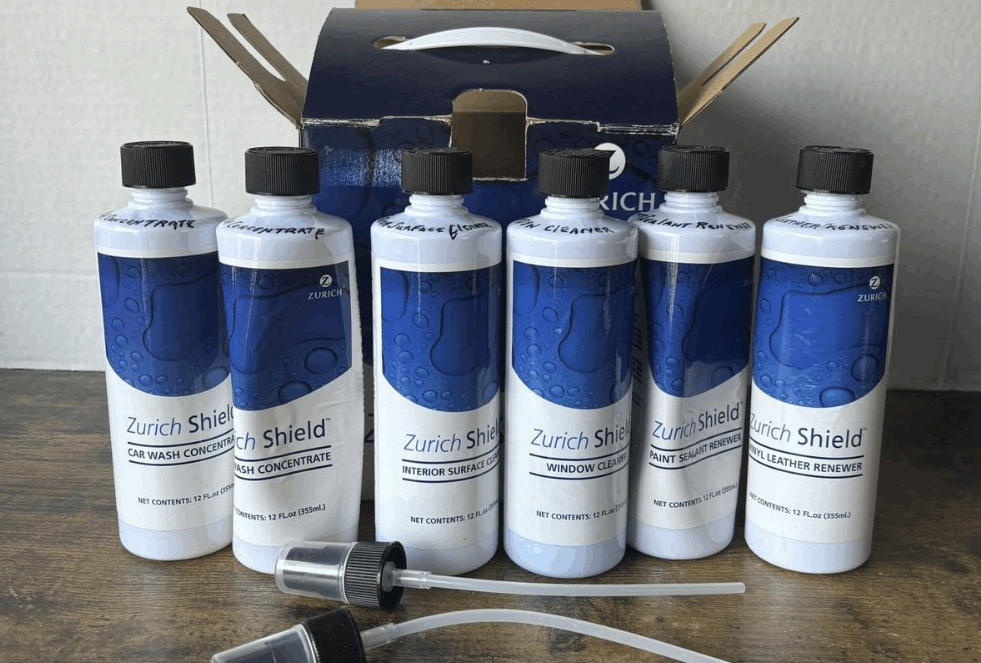
Is Zurich Shield Worth It?
Zurich Shield is worth it when its coverage matches your vehicle’s main risks and the total cost fits the protection you expect to use. It makes more sense for owners who want to protect both exterior and interior surfaces. The value becomes lower when the dealer charges a high price or the coverage overlaps with products you already have.
Your vehicle use affects this decision. Cars parked outdoors face sunlight, bird droppings, tree sap, and other environmental contaminants. Daily interior use also creates more opportunities for stains and surface damage. As a result, owners who regularly expose their vehicles to these risks may get more value from appearance protection.
Your ownership period matters as well. Long term owners have more time to encounter covered problems. In contrast, someone who plans to sell or trade the vehicle soon has less time to use the protection. Vehicle condition also matters. Appearance protection provides less practical value when a used car already has significant paint or interior damage.
Price can ultimately determine whether Zurich Shield makes financial sense. Compare the dealer’s total price with the coverage, exclusions, and protection period in your contract. You should also consider any financing costs. Then compare Zurich Shield with alternatives that address your main concerns. Zurich Shield offers the strongest value when you expect to use its specific protections and the cost remains reasonable for your ownership period.
What Is Zurich Shield?
Zurich Shield is a vehicle appearance protection product that helps protect treated exterior and interior surfaces from specific types of damage. Car dealerships offer the product to buyers who want additional appearance protection beyond routine cleaning and maintenance. The exact protection depends on the terms of the plan that comes with the product.
Zurich Shield focuses on areas that affect a vehicle’s appearance. Exterior protection targets the painted surfaces of the vehicle. Interior protection focuses on materials such as fabric, carpet, leather, and vinyl when the plan includes those surfaces. This combination makes Zurich Shield relevant to owners who want protection for both the cabin and exterior finish.
Zurich Shield serves a different purpose from auto insurance. Auto insurance primarily addresses financial losses from events such as collisions, theft, and other covered incidents. Zurich Shield focuses on specific appearance related problems under its protection agreement. It also differs from a factory warranty. Factory warranties generally address defects in vehicle parts or manufacturing rather than routine appearance risks.
Buyers should also distinguish Zurich Shield from products such as ceramic coatings and paint protection film. These alternatives use different protection methods and address different risks. Understanding these differences helps buyers judge the product on its intended purpose. Zurich Shield should therefore form one part of a broader vehicle protection strategy rather than replace insurance, factory warranty coverage, or every other form of paint protection.
What Does Zurich Shield Cover?
Zurich Shield covers specific exterior and interior appearance problems according to the protection plan included with the product. Exterior protection focuses mainly on treated painted surfaces. Interior protection can apply to materials such as fabric, carpet, leather, and vinyl. Buyers should check their agreement because the exact coverage can vary by plan.
Exterior protection aims to reduce damage from environmental contaminants that affect a vehicle’s finish. These contaminants can include bird droppings, tree sap, insects, and similar substances covered by the agreement. The protective treatment creates an additional layer between the vehicle finish and contaminants. However, this protection does not make the paint resistant to every type of physical damage.
Interior protection addresses covered stains and damage to eligible surfaces. This protection can provide more practical value for vehicles that carry children, pets, or frequent passengers. Food, drinks, and everyday interior use increase the risk of stains. The agreement determines which incidents and materials qualify for service.
What Does Zurich Shield Not Cover?
Zurich Shield does not replace comprehensive auto insurance or mechanical warranty coverage. Buyers should not expect an appearance protection plan to cover every scratch, collision, mechanical failure, or existing defect. Specific exclusions depend on the agreement provided with the vehicle.
Read the coverage terms before paying for Zurich Shield. Focus on covered damage, exclusions, eligible surfaces, and owner responsibilities. The written protection agreement provides a better measure of Zurich Shield’s value than a general description from a dealership.
How Much Does Zurich Shield Cost?
Zurich Shield does not have one fixed price that every car buyer pays. Dealership pricing, the protection package, and the terms of the purchase can affect the final cost. For this reason, buyers should evaluate the actual quote from their dealer instead of relying on a single advertised price.
The price matters because Zurich Shield is an optional vehicle protection product. A lower price makes it easier for the expected benefits to justify the expense. A higher price requires more scrutiny. Compare the amount you pay with the exterior coverage, interior coverage, exclusions, and coverage period. This comparison gives you a clearer measure of value.
Financing can also increase the amount you ultimately pay. Some buyers add Zurich Shield to their vehicle loan instead of paying for it upfront. In that case, interest can increase the total expense over the loan term. For example, a protection product added to a multiyear auto loan costs more than its original purchase price when the loan carries interest.
Ask the dealer for an itemized price before you agree to the product. Then review the written protection agreement and identify the coverage you are likely to use. You can also compare the quote with alternatives such as ceramic coating or paint protection film. Zurich Shield offers better financial value when its total cost remains reasonable compared with the specific protection your vehicle needs.
What Are the Benefits of Zurich Shield?
Zurich Shield offers several benefits for owners who want to protect their vehicle’s exterior and interior appearance. Its main value comes from combining surface protection with coverage for specific appearance problems. The actual benefits depend on the protection agreement and how the owner uses the vehicle.
Exterior protection is one important benefit. Environmental contaminants can come into contact with a vehicle during normal use. Bird droppings, tree sap, insects, and other substances can affect the finish. Zurich Shield gives treated exterior surfaces an added level of protection against covered contaminants. This benefit matters more for vehicles that spend significant time outdoors.
Interior protection adds value for owners who face a higher risk of spills and stains. Families, pet owners, and drivers who carry passengers frequently expose their interiors to more potential damage. Protection for eligible fabric, carpet, leather, and vinyl surfaces can help owners address covered appearance problems.
Convenience is another benefit. Owners can combine exterior and interior appearance protection within one protection product instead of managing separate solutions for each surface. The associated agreement can also provide a defined process for addressing covered damage.
These benefits do not make Zurich Shield necessary for every vehicle. The product provides the most value when its covered risks match the conditions that the vehicle regularly faces. Buyers should compare those benefits with the price and exclusions before making a purchase.
What Are the Disadvantages of Zurich Shield?
The main disadvantages of Zurich Shield are its added cost, coverage limits, exclusions, and potential overlap with other vehicle protection products. These drawbacks do not make the product a poor choice by default. However, they can reduce its value for owners who have limited exposure to covered risks.
Cost creates the first concern. Zurich Shield adds another expense to a vehicle purchase. Dealer pricing can also affect the value that buyers receive. The expense becomes more important when a buyer includes the product in an auto loan. Interest can increase the total amount paid during the loan term.
Coverage limits create another disadvantage. Zurich Shield focuses on specific appearance related risks rather than every type of vehicle damage. Buyers may still need auto insurance and other forms of protection. The agreement may also contain exclusions that prevent certain damage from qualifying for service.
Overlap can further reduce the value of the product. A vehicle owner may already use another paint or interior protection solution. Some buyers may also prefer ceramic coating or paint protection film because those products address different protection needs. Paying for multiple products makes less sense when they serve similar purposes.
The final drawback involves individual usage. A garage kept vehicle with limited interior use may face fewer covered risks. Zurich Shield becomes less attractive when the price, exclusions, and expected use of the coverage do not support the cost.
How Long Does Zurich Shield Last?
How long Zurich Shield lasts depends on the specific protection product, contract terms, vehicle use, and maintenance requirements. Buyers should check their own agreement for the exact coverage period. They should not assume that every Zurich Shield plan provides the same term.
It is also important to separate product performance from contract duration. The protective treatment on a vehicle faces regular exposure to sunlight, weather, washing, contaminants, and daily use. These conditions can affect how the treated surfaces perform over time. The protection agreement, however, follows the specific terms listed in the contract.
Vehicle storage and maintenance can also affect practical performance. A car that stays outdoors faces more environmental exposure than one stored in a garage. Frequent washing and surface care can influence the condition of the exterior. Interior surfaces also experience different levels of wear based on passengers, pets, spills, and everyday use.
Buyers should therefore review the agreement before using its stated term to judge value. Check the coverage period, maintenance requirements, eligible damage, and owner responsibilities. Ask the dealer to explain any terms that remain unclear before purchase. The most useful measure of Zurich Shield longevity is the protection period stated in your specific agreement, combined with the care and conditions your vehicle experiences.
How Does the Zurich Shield Warranty Work?
The Zurich Shield warranty provides coverage for eligible appearance damage according to the terms of the protection agreement. The agreement defines the covered surfaces, qualifying damage, coverage period, exclusions, and owner responsibilities. Buyers should use these written terms to determine what protection they actually receive.
The warranty serves a different purpose from factory warranty coverage. A factory warranty generally addresses eligible defects in vehicle components or manufacturing. Zurich Shield focuses on appearance protection for eligible exterior and interior surfaces. It also differs from auto insurance, which covers specific financial losses under an insurance policy.
Owners must follow the requirements in their agreement when they need service. These requirements can affect whether a claim qualifies for coverage. For this reason, owners should keep their contract and related purchase documents accessible. They should also review any maintenance or reporting requirements that apply to their plan.
Exclusions deserve equal attention. A warranty does not mean that Zurich Shield covers every stain, scratch, paint problem, or form of interior damage. The agreement determines the limits of protection. Buyers should review these limits before they compare the warranty with other vehicle protection options.
The Zurich Shield warranty provides the most value when its covered risks match the damage an owner is likely to encounter. Review the coverage, exclusions, duration, and owner requirements before using the warranty as a reason to purchase Zurich Shield.
How Do You File a Zurich Shield Claim?
To file a Zurich Shield claim, first check your protection agreement and confirm that the damage falls within its coverage. The agreement should identify eligible damage, excluded conditions, and the requirements that apply to your plan. Reviewing these terms first can prevent delays caused by submitting a claim for an excluded problem.
Next, document the damage and gather the information connected to your protection plan. Keep your contract and vehicle information available when you start the process. Clear documentation can help the provider identify the affected surface and determine whether the problem meets the terms of your agreement.
Contact the claims channel listed in your Zurich Shield documents after you gather the required information. Follow the instructions for reporting the damage and provide the requested details. The process may require additional documentation or an inspection before the provider determines whether the claim qualifies for service.
Follow the approved service process after the provider reviews your claim. Avoid assuming that any repair or treatment will qualify for reimbursement without prior approval. Your specific agreement determines the required procedure and available remedy.
The most important step is to follow the claim instructions in your own Zurich Shield agreement. Contract terms can differ, so the documents provided with your plan should guide the process from the initial report through the final service decision.
Is Zurich Shield Better Than Ceramic Coating?
Zurich Shield is not automatically better than ceramic coating because the two options serve different vehicle protection needs. Zurich Shield combines appearance protection with coverage defined by its agreement. Ceramic coating focuses on creating a protective layer over a vehicle’s painted surfaces. The better choice depends on the type of protection the owner values most.
Ceramic coating primarily targets exterior paint. A quality coating can make the surface easier to clean and help protect it from environmental contaminants. It can also provide hydrophobic properties that cause water to bead on the surface. However, ceramic coating does not protect a vehicle from every scratch, rock chip, or physical impact.
Zurich Shield has a broader appearance protection focus because its plans can address eligible exterior and interior surfaces. This distinction matters for owners who also worry about stains or damage inside the cabin. The protection agreement may also provide service for specific covered problems. Buyers must review the contract to understand those benefits and their limits.
Cost, maintenance, and ownership needs should guide the final choice. Drivers who mainly want exterior surface protection may prefer a ceramic coating. Owners who value both exterior and interior coverage may find Zurich Shield more suitable. Choose Zurich Shield over ceramic coating when its broader covered risks provide more practical value for your vehicle and justify the total price.
Is Zurich Shield Better Than Paint Protection Film?
Zurich Shield is not better than paint protection film for every vehicle because each option protects against different risks. Zurich Shield focuses on appearance protection under the terms of its agreement. Paint protection film creates a physical barrier over selected exterior surfaces. Your main concern should determine which option provides more value.
Paint protection film protects painted surfaces from physical contact. The film can help reduce damage from road debris, minor abrasions, and rock chips. Installers often apply it to high impact areas such as the hood, front bumper, fenders, and side mirrors. Owners can also choose broader coverage when they want more exterior protection.
Zurich Shield addresses a different range of appearance risks. Its exterior protection focuses on eligible surface problems and environmental contaminants. Depending on the agreement, the product can also protect eligible interior materials. This broader focus can benefit owners who care about both the exterior finish and cabin surfaces.
The choice therefore depends on the damage you want to prevent. Choose paint protection film when rock chips and direct physical impacts create your main concern. Consider Zurich Shield when eligible environmental and interior risks matter more. Some owners may consider both because the products perform different roles.
Zurich Shield provides greater value than paint protection film only when its specific coverage matches your primary protection needs. Compare the total cost, covered risks, exclusions, and expected ownership period before choosing either option.
Who Should Buy Zurich Shield?
Zurich Shield is best suited to car owners who face regular exterior or interior appearance risks and expect to keep their vehicle long enough to use the protection. The strongest candidates include owners who park outdoors, families with active interiors, and buyers who want one product for eligible exterior and interior problems.
Owners who regularly park outdoors may find more value in Zurich Shield. Their vehicles face greater exposure to bird droppings, tree sap, insects, and other environmental contaminants. Regular exposure increases the opportunity for eligible exterior protection to provide practical value.
Families with children or pets may also benefit from interior protection. Food, drinks, dirty shoes, and frequent passenger use increase the risk of stains. Pet transportation can create additional concerns for interior surfaces. Coverage for eligible fabric, carpet, leather, or vinyl problems may therefore carry more value for these owners.
Long term ownership also strengthens the case for buying Zurich Shield. Keeping a vehicle for several years gives an owner more time to encounter covered appearance problems. However, the protection period should match the expected ownership period. Buyers should verify this relationship before making a decision.
Zurich Shield also suits buyers who prefer combined appearance protection. The ideal buyer has identifiable exterior or interior risks, understands the exclusions, and receives a dealer price that makes sense for those risks. Owners who meet these conditions have a stronger reason to consider Zurich Shield.
Who Should Skip Zurich Shield?
You should consider skipping Zurich Shield when its price exceeds the practical value of the protection you expect to use. It may also provide less value for short term owners, drivers with overlapping protection, and buyers who need protection against physical impacts instead of appearance related risks.
Short term vehicle owners have less time to use the coverage. For example, a buyer who plans to trade the car soon may never encounter a covered problem. The protection can still provide benefits during ownership. However, a shorter ownership period reduces the opportunity to receive value from it.
Owners with similar protection should also review their existing products before buying Zurich Shield. Paying twice for overlapping benefits increases ownership costs without providing the same increase in practical protection. Compare eligible surfaces, covered damage, exclusions, and coverage periods before adding another product.
Zurich Shield may also be a poor match for drivers who mainly worry about rock chips and road debris. Paint protection film directly targets these physical risks by covering vulnerable exterior surfaces. Buyers should choose protection based on the damage they want to prevent rather than the number of products a dealership offers.
Finally, reconsider Zurich Shield when the dealer price seems high compared with the coverage. Skipping Zurich Shield makes sense when you have limited exposure to covered risks, already own similar protection, or can address your main concerns with a more suitable product.
What Should You Check Before Buying Zurich Shield?
Before buying Zurich Shield, check the total price, coverage, exclusions, protection period, claim requirements, and your actual vehicle protection needs. These factors determine whether the product offers enough practical value to justify its cost. Do not make the decision based only on the benefits described during the vehicle sale.
Start with the total purchase price. Ask the dealer to show the cost of Zurich Shield separately from the vehicle price and other products. Check whether you will pay upfront or include the cost in your auto loan. Financing the purchase can increase your total expense through interest.
Next, review the written protection agreement. Identify the exterior and interior surfaces that qualify for coverage. Check which types of damage qualify and which exclusions apply. You should also confirm the protection period and any responsibilities you must meet to maintain coverage.
Review the claim requirements before you buy. Find out how you must report eligible damage and what documentation the process requires. Clear claim terms make it easier to understand how you can use the protection when a problem occurs.
Finally, compare Zurich Shield with your actual risks and other protection options. Consider where you park, how you use the interior, and how long you plan to own the car. Buy Zurich Shield when its covered risks match your needs and its total cost provides reasonable value. Skip it when another option addresses your main risks more effectively.
Conclusion
Zurich Shield is worth it when its exterior and interior coverage matches the risks your vehicle actually faces. The product makes more sense for long term owners who regularly expose their cars to environmental contaminants, interior stains, or other covered appearance problems. The dealer price must also remain reasonable compared with the protection you receive.
Before buying Zurich Shield, review the written agreement instead of relying only on a dealership sales explanation. Check the covered surfaces, exclusions, protection period, claim requirements, and owner responsibilities. Compare these terms with how you use and store your vehicle. You should also calculate the total cost when you plan to finance the product with your auto loan.
Zurich Shield will not provide the best solution for every type of vehicle damage. Ceramic coating may better suit drivers who focus on exterior surface protection. Paint protection film may provide a better match when rock chips and physical impacts create the main concern.
The final decision comes down to cost, relevant coverage, and expected use. Buy Zurich Shield when its protection addresses risks you realistically expect to face. Skip it when the coverage overlaps with existing products or another solution protects your vehicle more effectively.