Protecting your car can help preserve its appearance and value over time. Xzilon is one option that many car owners consider. It helps protect vehicle surfaces from common environmental contaminants. Dealerships often offer Xzilon as part of a vehicle protection package.
So, is Xzilon worth it? The answer depends on several factors. These include the price, level of protection, warranty, vehicle age, and ownership period. Your choice also depends on how Xzilon compares with other paint protection options.
Xzilon can help protect your vehicle from UV exposure, bird droppings, insects, tree sap, water spots, and other contaminants. It can also make routine cleaning easier. However, Xzilon does not protect your vehicle from every type of damage.
For example, Xzilon cannot prevent rock chips or serious scratches. Paint protection film offers stronger protection against physical damage. Ceramic coatings also provide a different type of paint protection and may suit some drivers better.
Cost also plays an important role. Dealerships can charge different prices for Xzilon packages. The package may also include a warranty or interior protection. You should review these details before making a decision.
This guide explains the pros, cons, cost, and alternatives to Xzilon. It also compares Xzilon with ceramic coating and paint protection film. By the end, you will have a clearer idea of whether Xzilon offers good value for your car.
What Is Xzilon and How Does It Work?
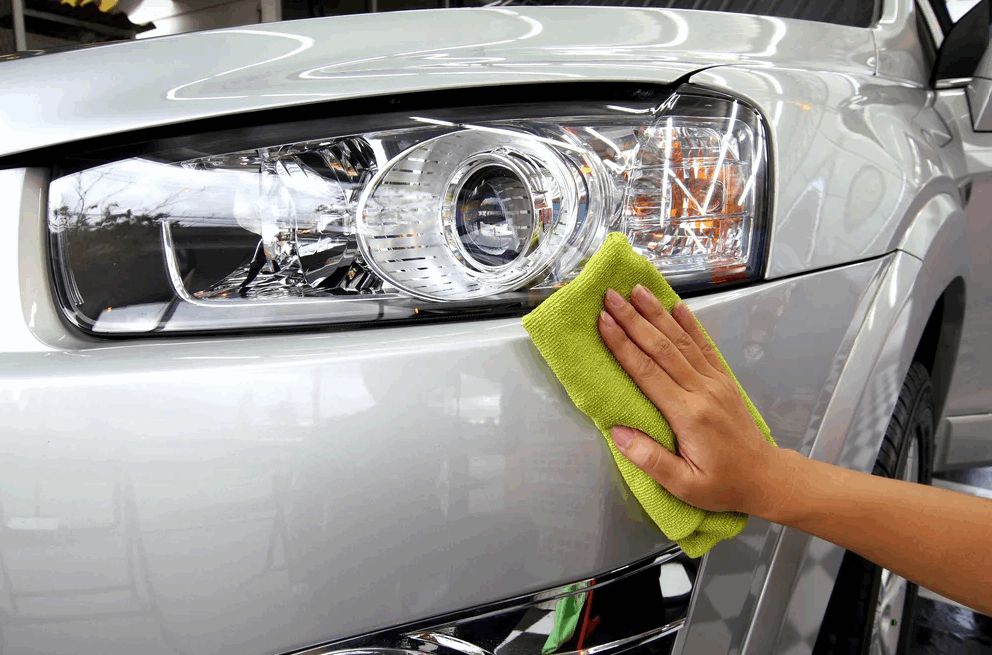
Xzilon is a vehicle protection treatment designed to help protect your car’s exterior and interior surfaces. Car dealerships often offer it as an additional protection package when you buy a new or used vehicle. The treatment aims to help reduce the effects of common environmental contaminants and everyday exposure.
Xzilon uses a protective coating that bonds with the vehicle surface. This coating helps create a barrier between the surface and contaminants such as bird droppings, tree sap, insects, and road grime. It can also help reduce the effects of UV exposure and water spots. Regular washing still remains important because the coating does not remove the need for routine maintenance.
The treatment can also make the vehicle easier to clean. Contaminants may come off more easily when you wash the car. This benefit can help owners maintain a cleaner appearance with less effort. However, the level of protection depends on proper application, maintenance, and the specific Xzilon package.
Xzilon does not provide the same protection as paint protection film. PPF creates a physical layer that can absorb impacts from road debris and help prevent rock chips. Xzilon focuses more on surface protection against environmental contaminants.
For this reason, you should consider Xzilon based on your specific needs. If you want easier maintenance and protection from everyday environmental exposure, it may offer useful benefits. If you want strong protection against scratches and rock chips, another solution may provide better results.
What Does Xzilon Protect Your Car From?
Xzilon helps protect your vehicle from several environmental factors that can damage its appearance over time. Daily driving exposes your car to sunlight, rain, dirt, insects, bird droppings, and tree sap. These contaminants can leave stains or affect the paint if you do not remove them quickly.
UV exposure can also affect automotive paint. Long periods in direct sunlight may cause fading and reduce the finish’s original appearance. Xzilon helps add a protective layer that can reduce the impact of environmental exposure. Regular washing and proper maintenance still play an important role in keeping the paint in good condition.
Bird droppings and insect residue can create another problem. These substances can contain acids and other compounds that may damage the surface when they remain on the paint. Xzilon can help protect the finish from these contaminants. You should still clean them as soon as possible.
Tree sap, road grime, and water spots can also affect your vehicle’s appearance. The protective surface can make these contaminants easier to remove during regular washing. This benefit can save time and help your car maintain a cleaner appearance.
However, Xzilon has clear limitations. It does not prevent rock chips, deep scratches, dents, or collision damage. It also cannot replace paint protection film when you need physical protection from road debris. Xzilon mainly focuses on environmental and surface protection rather than impact resistance.
For this reason, Xzilon works best as part of a broader vehicle care routine. Regular washing, proper drying, and safe cleaning methods remain essential for long term paint protection.
Xzilon Pros and Cons
Xzilon offers several benefits for car owners who want to protect their vehicle’s appearance. However, the treatment also has limitations. Understanding both sides can help you decide whether the cost makes sense for your vehicle.
One major benefit of Xzilon is its ability to protect the paint from common environmental contaminants. Sunlight, bird droppings, tree sap, insects, and road grime can affect the finish over time. Xzilon adds a protective layer that helps reduce this exposure. The coating can also make routine cleaning easier because contaminants may come off the surface more easily.
Another advantage comes from convenience. Dealerships often offer Xzilon when you purchase a vehicle. This allows you to add protection without finding a separate detailing service. Some packages also include warranty coverage, which can provide additional value depending on the terms.
However, Xzilon does not protect against every type of damage. It cannot prevent rock chips, deep scratches, dents, or damage from road debris. Drivers who want physical paint protection may get better results from paint protection film.
Cost can also become a disadvantage. Some dealerships charge a significant amount for vehicle protection packages. The price may not always match the level of protection you receive. You should compare the Xzilon package with professional ceramic coating and other paint protection options before paying for it.
Overall, Xzilon can provide useful environmental protection and easier maintenance. Its value depends heavily on the price, warranty, and protection you actually need. A reasonable price may make it worthwhile, while an expensive dealership package may offer less value than competing options.
How Much Does Xzilon Cost?
The cost of Xzilon can vary from one dealership to another. The final price may also depend on the vehicle, protection package, warranty, and services included. Because dealerships often bundle Xzilon with other protection products, you should ask for the Xzilon price separately before agreeing to the package.
The vehicle itself can affect the total cost. Larger vehicles may require more product and labor. Some packages may also include interior protection in addition to exterior paint protection. These additions can increase the final price.
The warranty can also affect the value of an Xzilon package. Before purchasing, review what the warranty covers and how long the coverage lasts. Pay attention to exclusions, maintenance requirements, and the process for making a claim. A longer warranty does not always mean better value.
Dealer pricing deserves careful consideration. Dealerships may charge a premium for convenience and bundled services. This does not automatically make Xzilon a poor choice. However, you should compare the total price with other professional paint protection services in your area.
A professional ceramic coating may provide similar or different benefits at a comparable price. A paint protection film can cost more, but it offers physical protection that Xzilon does not provide. Traditional paint sealants can also offer a lower cost option for owners who mainly want basic surface protection.
The best approach is to compare the complete package rather than the coating alone. Look at the protection, warranty, application process, maintenance requirements, and total price. If the dealer offers Xzilon at a reasonable price, it may provide good value. If the package costs much more than comparable alternatives, another option may make more financial sense.
Is Xzilon Worth It for a New Car?
Xzilon can make sense for a new car because the paint usually starts in good condition. Protecting the finish from the beginning can help you maintain its appearance for longer. New car owners also tend to keep their vehicles clean and well maintained, which can help any protective treatment perform better.
The main question is whether the protection justifies the price. A new car does not automatically need Xzilon. Modern automotive paint already provides a level of protection against normal environmental exposure. Xzilon adds another layer of protection, but you should consider how much that extra protection matters to you.
Your ownership period also affects the decision. If you plan to keep the car for many years, protecting the exterior may provide more value. A clean and well maintained vehicle can also make it easier to preserve its overall appearance. However, you should not assume that Xzilon will significantly increase resale value on its own.
Your driving and parking habits matter too. A car that stays outside in direct sunlight faces more environmental exposure than one kept in a garage. Drivers who regularly travel through areas with heavy traffic, insects, tree cover, or harsh weather may also benefit more from surface protection.
The price remains the most important factor. A reasonably priced Xzilon package may work well for someone who wants convenience and warranty coverage. A very expensive package may offer less value than a professional ceramic coating or another protection method.
For a new car owner, Xzilon can be worthwhile when the package offers useful coverage at a fair price. Before buying, compare the warranty, protection level, maintenance requirements, and total cost with other options. This comparison can help you avoid paying for protection you do not actually need.
Xzilon vs. Ceramic Coating vs. PPF
Xzilon, ceramic coating, and paint protection film all protect vehicles, but they work in different ways. Choosing the right option depends on the type of protection you need, your budget, and how you use your car.
Xzilon focuses on protection from environmental contaminants. It can help protect the paint from UV exposure, bird droppings, tree sap, insects, and road grime. It can also make routine cleaning easier. Its value may increase when the package includes a useful warranty.
Ceramic coating provides a similar type of surface protection but often focuses more on gloss, water repellency, and easier maintenance. A professional ceramic coating can create a hydrophobic surface that helps water and dirt move off the paint more easily. However, ceramic coating does not prevent rock chips or major scratches.
PPF offers a different level of protection. It uses a physical film that absorbs impacts from road debris. This makes it more suitable for drivers who worry about rock chips, scratches, and other physical damage. PPF usually costs more than surface coatings, especially when you cover large areas of the vehicle.
| Protection | Best For | Main Benefit | Main Limitation |
|---|---|---|---|
| Xzilon | Environmental protection | Surface protection and convenience | Limited physical protection |
| Ceramic coating | Gloss and easier maintenance | Hydrophobic surface | Does not stop rock chips |
| PPF | Physical paint protection | Helps prevent chips and scratches | Higher cost |
If your main goal involves basic environmental protection and convenience, Xzilon may work well. If you want stronger water repellency and enhanced gloss, ceramic coating may suit you better. If you want maximum protection from road debris, PPF offers the strongest choice.
Are There Better Alternatives to Xzilon?
Xzilon is not the only way to protect your vehicle. Several alternatives can provide similar or stronger benefits, depending on your goals. The best option depends on your budget, driving habits, vehicle age, and how much protection you want.
Professional ceramic coating is one common alternative. It creates a durable protective layer over the paint and can improve water repellency and gloss. It also helps reduce the buildup of dirt and environmental contaminants. Ceramic coating may offer better value for owners who care about appearance and long term surface protection.
Paint protection film offers a different approach. PPF creates a physical barrier over the paint and helps protect against rock chips, scratches, and road debris. It works especially well on high impact areas such as the front bumper, hood, mirrors, and fenders. However, PPF usually costs more than surface coatings.
Paint sealants provide another option for drivers who want basic protection at a lower cost. They can help protect the paint from environmental contaminants and usually require less investment than professional coatings. However, they typically do not last as long as a high quality ceramic coating.
Traditional car wax also remains useful for budget conscious owners. Wax can improve gloss and provide short term protection, but it requires more frequent application. It also offers less durability than modern coating systems.
Your choice should match your priorities. Xzilon may suit owners who value convenience and warranty coverage. Ceramic coating may work better for appearance and maintenance. PPF makes more sense when physical paint protection matters most. For basic protection, a quality sealant or wax may provide enough value without a large upfront cost.
How to Decide If Xzilon Is Worth the Money?
The best way to decide if Xzilon is worth the money starts with the actual price. Do not judge the product only by the name or the warranty. Ask the dealership for a detailed breakdown of the package. Make sure you know what the treatment covers and what services come with it.
Next, review the warranty carefully. Check its duration, covered problems, exclusions, and maintenance requirements. A warranty can add value, but only if the terms provide useful coverage for your situation. You should also confirm whether the warranty transfers to a new owner if you sell the vehicle.
Your ownership plans also matter. Xzilon may offer more value if you plan to keep your car for several years. Long term owners have more time to benefit from easier cleaning and ongoing surface protection. If you plan to sell the vehicle soon, the added cost may be harder to justify.
Think about where and how you drive. Frequent outdoor parking can increase exposure to sunlight and environmental contaminants. Regular highway driving can also expose the paint to insects and road grime. In these situations, additional surface protection may provide practical benefits.
You should also compare Xzilon with ceramic coating and PPF. If you mainly want protection from environmental contaminants, Xzilon or ceramic coating may meet your needs. If you worry about rock chips and physical damage, PPF provides a better solution.
Xzilon may be worth considering when the dealer offers it at a reasonable price and the warranty provides meaningful coverage. It may not be worth the cost when the dealer charges a large premium for the package. Comparing several options before making a decision can help you get better value from your car protection budget.
Is Xzilon Worth It? Final Verdict
So, is Xzilon worth it? For some car owners, it can provide useful protection and convenience. However, the value depends heavily on the price, warranty, vehicle, and level of protection you expect.
Xzilon can help protect your vehicle from common environmental contaminants. It may also make routine cleaning easier and help maintain the appearance of the paint. These benefits can make sense for owners who want a simple protection solution, especially when the package includes valuable warranty coverage.
However, Xzilon does not protect against every type of damage. It cannot prevent rock chips, deep scratches, or dents. If physical paint protection is your main goal, PPF offers a more suitable solution. Ceramic coating can also provide strong surface protection, water repellency, and gloss.
The price should play a major role in your decision. A reasonably priced Xzilon package may offer good value. A heavily marked up dealership package may not. Always compare the total cost with professional ceramic coating, PPF, and other paint protection options before you buy.
Ultimately, Xzilon is worth considering, but it is not automatically worth the price. Focus on the actual protection, warranty terms, maintenance requirements, and total cost. If those benefits match your needs and the price remains competitive, Xzilon can be a practical choice. If another protection method offers more of what you need for a similar or lower price, that alternative may provide better value.
FAQ About Xzilon
Is Xzilon really worth the money?
Xzilon can be worth the money when you receive useful protection and warranty coverage at a reasonable price. However, an expensive dealership package may not provide the best value. Compare the total cost with ceramic coating and other alternatives before purchasing.
How long does Xzilon last?
The lifespan depends on the specific Xzilon product, application, warranty, and maintenance requirements. Always check the terms provided with your package for the exact coverage period and conditions.
Is Xzilon better than ceramic coating?
Neither option is automatically better. Xzilon may appeal to buyers who value dealership convenience and warranty coverage. Ceramic coating may suit owners who want strong water repellency, gloss, and easier maintenance.
Does Xzilon protect against scratches?
Xzilon does not provide the same physical protection as paint protection film. It cannot reliably prevent deep scratches, rock chips, or impact damage.
Does Xzilon protect against rock chips?
No. Xzilon focuses on surface and environmental protection. Paint protection film provides a physical barrier that better protects against rock chips and road debris.
Can Xzilon increase a car’s resale value?
Xzilon may help you maintain the vehicle’s appearance, but you should not assume that the treatment will directly increase resale value. A clean, well maintained vehicle can make a stronger impression on potential buyers.
Can you apply ceramic coating over Xzilon?
You should check the specific Xzilon product and manufacturer guidance before applying another coating over it. Different products may require surface preparation or compatibility testing. A professional detailer can also assess the surface before applying a new coating.