Uconnect is free to use for many basic infotainment features, but some connected services require a paid subscription after the included trial ends. Drivers can generally continue using functions that do not depend on a paid connected-service plan, such as the touchscreen interface, Bluetooth connectivity, and compatible smartphone integration through Apple CarPlay or Android Auto. Premium connected features, including certain remote vehicle, safety, navigation, and connectivity services, may require an active subscription.
The distinction matters because Uconnect is not a single subscription service. It is an infotainment and connected-vehicle platform used across compatible Chrysler, Dodge, Jeep, Ram, and FIAT vehicles. A vehicle can therefore have a Uconnect system even when its owner does not pay a recurring Uconnect subscription.
Exactly what you get for free depends on the vehicle, model year, installed Uconnect system, and available connected-service package. Free trials and paid services can also differ between eligible vehicles. This guide explains which Uconnect features you can use without a subscription, which services may cost extra, what happens when a free trial expires, and when paying for connected Uconnect services makes sense.
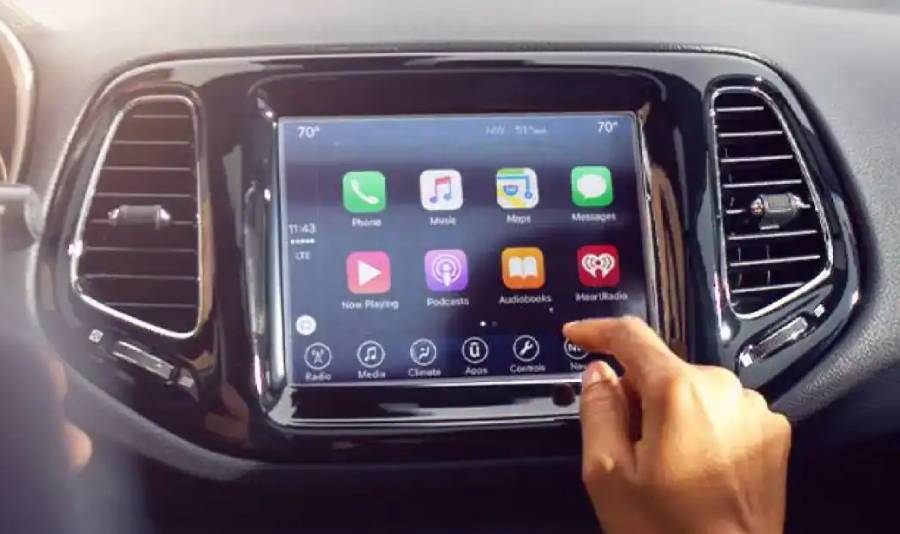
Is Uconnect free to use?
Uconnect is free to use for many built-in infotainment functions, but connected services can require a paid subscription. The Uconnect hardware and software installed in a compatible Chrysler, Dodge, Jeep, Ram, or FIAT vehicle do not stop functioning simply because the owner does not have an active connected-services subscription. Basic functions available through the vehicle’s infotainment system can continue to operate without a recurring Uconnect fee.
The key distinction is between the Uconnect infotainment system and Uconnect connected services. The infotainment system controls compatible built-in functions such as the touchscreen interface, audio controls, Bluetooth, and smartphone connectivity. Connected services use cellular or online connectivity to communicate with systems outside the vehicle. Because those services depend on additional network infrastructure, account access, or data connectivity, some require an active trial or paid plan.
This distinction also explains why there is no single answer to how much “Uconnect” costs. Two vehicles carrying the Uconnect name can have different hardware generations, features, connected-service packages, and trial eligibility. The exact combination depends on factors such as the vehicle brand, model, model year, installed Uconnect system, and market.
For owners who do not want another recurring vehicle expense, the important point is that a Uconnect subscription is not required to use every Uconnect function. A subscription primarily affects eligible connected and premium services rather than disabling the entire infotainment system.
Which Uconnect features are free without a subscription?
The main Uconnect functions that can work without a Uconnect subscription include basic infotainment controls, Bluetooth, and compatible smartphone integration. The exact features available depend on the Uconnect system installed in the vehicle, so owners should distinguish functions handled locally by the vehicle from services that require an external network connection.
A useful way to identify the difference is to consider where the function operates. A feature handled by the infotainment system or a connected smartphone does not necessarily need a Uconnect subscription. A feature that sends commands to the vehicle from a remote location or depends on cellular connected services is more likely to require an eligible service plan.
Is Bluetooth free with Uconnect?
Bluetooth does not normally require a paid Uconnect subscription. In a compatible Uconnect system, Bluetooth connects a supported phone directly to the vehicle’s infotainment system for functions such as hands-free calling and wireless audio streaming.
Bluetooth differs from subscription-based connected services because the connection occurs between the phone and the vehicle. It does not need a Uconnect connected-services plan simply to establish that local wireless connection. As a result, allowing a connected-service trial to expire does not by itself remove the vehicle’s Bluetooth capability.
The phone and Uconnect system still need to be compatible and paired correctly. Available Bluetooth functions can also vary according to the phone, vehicle, and installed Uconnect version. These compatibility requirements are separate from paying for a Uconnect subscription.
Is Apple CarPlay free with Uconnect?
Apple CarPlay does not require a Uconnect subscription on a Uconnect system that supports CarPlay. Drivers can connect a compatible iPhone and access supported phone-based functions through the vehicle’s display without purchasing a Uconnect connected-services plan solely for CarPlay.
Apple CarPlay uses the iPhone as the primary source for compatible apps and services. For example, a driver can use supported navigation, communication, audio, and other CarPlay apps through the Uconnect interface. Mobile data charges or subscriptions associated with individual iPhone apps remain separate from Uconnect.
Vehicle compatibility is the main limitation. Older Uconnect systems may not support Apple CarPlay, while newer systems can offer wired or wireless connectivity depending on the configuration. A driver should therefore check the installed Uconnect version rather than assume every vehicle carrying the Uconnect name includes CarPlay.
Is Android Auto free with Uconnect?
Android Auto does not require a paid Uconnect subscription when the vehicle has a compatible Uconnect system. A supported Android phone provides compatible apps and smartphone functions through the infotainment display, while Uconnect serves as the vehicle interface.
This arrangement allows drivers to use supported phone-based navigation, music, messaging, and calling functions without paying for a Uconnect connected-services package specifically to access Android Auto. The phone’s mobile data plan and any paid third-party apps remain separate expenses.
Android Auto availability depends on the vehicle and Uconnect generation. Compatibility should therefore be checked for the specific model and model year, particularly when comparing older used vehicles with newer Uconnect-equipped models.
Can you use the Uconnect touchscreen without a subscription?
Yes, the Uconnect touchscreen can still operate without a connected-services subscription. The screen is the interface for the vehicle’s installed infotainment system, so losing or canceling a subscription does not turn the display itself into an unusable component.
Functions that operate locally can remain accessible through the touchscreen. Depending on the vehicle, these can include audio controls, vehicle settings, climate-related controls, Bluetooth functions, and compatible smartphone integration. The exact menu and feature set depend on how the manufacturer configured the Uconnect system for that vehicle.
Subscription status affects eligible connected features rather than the physical touchscreen as a whole. For example, a remote service that depends on an active connected-services plan can become unavailable while locally controlled infotainment functions remain usable on the same screen.
Whether Uconnect navigation works without a subscription depends on the type of navigation installed in the vehicle. Built-in navigation, connected navigation services, and smartphone-based navigation are separate functions and should not be treated as one service.
A vehicle equipped with built-in navigation can have locally stored navigation functionality that is different from connected features requiring live data or an active service. Services involving online information, connected search, or other network-dependent functions can have separate requirements. Map updates can also be treated separately from the ability to use an already installed navigation system.
Drivers without built-in navigation may still have another no-Uconnect-subscription option. A compatible Uconnect system with Apple CarPlay or Android Auto can display supported navigation apps from a smartphone. In that case, the navigation service primarily depends on the phone, its apps, and its data connection rather than a Uconnect connected-services subscription.
Which Uconnect features require a paid subscription?
Uconnect features that rely on connected vehicle services can require an active subscription after any applicable trial period ends. These services differ from basic infotainment functions because they depend on communication between the vehicle, cellular networks, Uconnect servers, and the owner’s account. Remote vehicle commands, certain safety and security functions, connected navigation features, and in-vehicle data services are examples of functions that may involve a paid plan.
The exact paid features are not identical across every Uconnect-equipped vehicle. Uconnect has been offered across multiple vehicle brands, model years, and system generations, so a feature available on one Jeep or Ram vehicle may not exist on another Chrysler or Dodge vehicle. Service packages can also change over time. Owners should therefore identify their vehicle and installed Uconnect system before deciding which subscription is required.
A useful distinction is whether a feature works entirely inside the vehicle or requires communication outside it. Adjusting an infotainment setting on the touchscreen is a local function. Sending a command to a parked vehicle from a smartphone is a connected function because the command must travel through an external network before reaching the vehicle. This network dependency is one reason connected functions can have recurring service costs.
Do Uconnect remote vehicle features require a subscription?
Eligible Uconnect remote vehicle features generally require an active connected-services trial or subscription. Remote functions allow an owner to interact with a compatible vehicle without being physically inside it, so they depend on both vehicle connectivity and an active service.
Depending on the vehicle and available service package, remote functionality can include commands such as remotely locking or unlocking the doors, starting the vehicle, or locating it. The smartphone app acts as the control interface, but the command still needs to travel from the app through a connected service to the vehicle. Installing the app alone therefore does not make every remote feature permanently free.
Remote capability also depends on vehicle equipment. A subscription cannot add a hardware-dependent function to a vehicle that was not built to support it. The complete requirement is therefore compatible vehicle hardware + supported Uconnect service + account activation + active trial or subscription.
Owners who rarely use remote commands should consider this distinction when deciding whether to renew. Canceling the connected-services plan can remove eligible remote functionality without removing unrelated features such as Bluetooth or supported smartphone integration.
Does the Uconnect Wi-Fi hotspot require a subscription?
Using a Uconnect in-vehicle Wi-Fi hotspot requires cellular data service when the vehicle supports the feature. The hotspot uses the vehicle’s cellular connection to provide internet access to compatible devices, making it different from Bluetooth, Apple CarPlay, or Android Auto.
A Wi-Fi-capable Uconnect system effectively functions as an internet access point inside the vehicle. Phones, tablets, laptops, or other compatible devices connect to the hotspot, while the vehicle’s cellular connection transfers the data. Because cellular data infrastructure is involved, continued internet access is not the same as using a permanently free built-in infotainment feature.
Drivers should also distinguish a Uconnect connected-services subscription from a Wi-Fi data plan. They can involve different services, billing arrangements, or providers. Paying for one connected feature does not automatically mean unlimited in-vehicle Wi-Fi is included.
For drivers who already have substantial mobile data allowances, a phone hotspot can provide an alternative in some situations. An integrated vehicle hotspot can be more convenient when several passengers need internet access, but its value depends on usage frequency, coverage, data allowance, and price.
Do Uconnect safety and security services require a subscription?
Some Uconnect safety and security features require an eligible connected-services plan because they depend on communication between the vehicle and external services. Their availability depends on the vehicle, model year, installed system, and service package rather than the Uconnect name alone.
Connected safety and security services differ from physical safety systems built into the vehicle. Features such as airbags, seat belts, and locally operating vehicle safety systems do not become subscription services simply because a connected-services plan expires. Subscription requirements apply to eligible connected functions that need external communication.
This distinction is important when evaluating a subscription. A driver should identify the specific connected safety or security functions included with the vehicle and determine whether those functions remain useful after the trial. The decision should be based on the actual services supported by that vehicle rather than an assumption that every Uconnect-equipped vehicle receives the same package.
Does Uconnect come with a free trial?
Eligible Uconnect-equipped vehicles can include a trial of connected services, but a free trial is not universal across every vehicle or every Uconnect feature. Trial eligibility and included services depend on factors such as the vehicle brand, model, model year, Uconnect system, market, and connected-services package.
A trial temporarily activates eligible connected functions without requiring the owner to pay the normal recurring subscription charge for that period. This gives a new or eligible vehicle owner an opportunity to use supported remote, connectivity, navigation, safety, or other connected functions before deciding whether to continue paying for them.
The trial should not be confused with the Uconnect infotainment system itself. When a connected-services trial expires, the vehicle does not suddenly lose its entire Uconnect interface. Functions that operate independently of the expired service can remain available, while eligible subscription-dependent functions can require renewal.
This difference is particularly important for used-car buyers. A used vehicle may contain the same Uconnect hardware it had when new, but that does not guarantee that a new owner receives the original connected-services trial. Trial eligibility should therefore be checked for the specific vehicle rather than inferred from its equipment list.
How long is the Uconnect free trial?
There is no single Uconnect free-trial length that should be applied to every Uconnect-equipped vehicle. Trial duration can differ according to the connected service, vehicle, model year, market, and promotional terms attached to the vehicle.
This means a statement such as “Uconnect is free for X months” can be misleading when it treats Uconnect as one universal subscription product. One vehicle can include access to a particular connected-service package for a defined period, while another vehicle or model year can have different eligibility or terms.
Owners should verify the trial attached to their specific vehicle and account. The relevant details are the service name, activation date, expiration date, included features, and renewal price. These five pieces of information provide a more accurate picture of the offer than the general label “Uconnect free trial.”
The expiration date is especially important because it establishes when subscription-dependent functions can require payment. Checking it before the trial ends also allows the owner to decide which connected features were actually useful instead of renewing a package without evaluating its value.
Do all vehicles with Uconnect include a free trial?
No, having a Uconnect system does not automatically mean a vehicle includes the same free connected-services trial. Uconnect describes a family of infotainment and connected-vehicle systems used across different vehicles rather than one identical service package installed in every model.
Trial eligibility depends on several layers. The vehicle must first have compatible hardware and software for the connected service. The specific model year must then support the service, and the vehicle must meet the applicable activation and eligibility requirements. Market availability can create another difference because connected services are not necessarily offered under identical terms in every region.
Model year is particularly important when buying a used vehicle. Two versions of the same model can have different Uconnect generations and therefore different connectivity capabilities. A newer system may support services that an older version cannot provide, regardless of whether both dashboards display the Uconnect name.
For this reason, owners should identify the exact vehicle configuration before relying on a trial offer or subscription description. The most reliable sequence is brand → model → model year → installed Uconnect system → supported connected services → trial eligibility. This prevents a service offered for one Uconnect configuration from being incorrectly applied to another.
What happens when the Uconnect free trial expires?
When a Uconnect connected-services trial expires, subscription-dependent services can stop working unless the owner activates a paid plan, while non-subscription infotainment functions can remain available. The expiration affects the connected-service package associated with the trial rather than disabling the entire Uconnect system.
The practical difference depends on how each feature operates. Functions handled locally by the infotainment system can continue without communicating with Uconnect’s external connected-services infrastructure. Bluetooth is one example because a compatible phone communicates directly with the vehicle. Eligible remote vehicle commands work differently because information must travel between the owner’s device, an external network, and the vehicle.
Drivers should therefore evaluate a trial by individual feature rather than treating Uconnect as a single service that becomes either fully active or fully inactive. The relevant question is not simply whether “Uconnect still works,” but which installed features depend on the expired connected-services plan.
This distinction also helps owners decide whether renewal is necessary. A driver who mainly uses Bluetooth, Apple CarPlay, Android Auto, and local infotainment controls can have different subscription needs from an owner who regularly uses remote vehicle functions and other eligible connected services.
Which Uconnect features still work after the trial ends?
Uconnect functions that do not depend on the expired connected-services plan can continue working after the trial ends. These functions can include the basic touchscreen interface, compatible Bluetooth functions, supported Apple CarPlay or Android Auto integration, and other locally operated infotainment features available in the vehicle.
For example, Bluetooth pairing does not need an active connected-services subscription simply to maintain a local wireless connection between a compatible smartphone and the Uconnect system. A driver can therefore continue using supported hands-free calling or Bluetooth audio even when an unrelated connected-services trial has expired.
Compatible Apple CarPlay and Android Auto follow a similar principle. The smartphone supplies the apps and much of the connectivity required for functions such as phone-based navigation, music, messaging, and calling. Expiration of a Uconnect connected-services trial does not by itself remove compatible smartphone integration from the infotainment hardware.
Built-in vehicle and infotainment controls also remain separate from subscription-dependent services. The exact controls differ by vehicle, but expiration of a connected-services trial does not mean the physical touchscreen or all locally controlled Uconnect functions become unavailable.
Which Uconnect features stop working after the trial ends?
Features included specifically in an expired connected-services trial can require a paid subscription to continue working. These are primarily functions that depend on external connectivity rather than features performed entirely within the vehicle.
Eligible remote vehicle commands are a clear example of this dependency. Sending a remote command requires communication between the user’s account or smartphone application and the vehicle. Without the service supporting that communication, the presence of compatible hardware alone does not provide the complete remote function.
Certain connected navigation, safety, security, vehicle-information, or other network-based services can follow the same principle when they are part of the applicable subscription package. Their exact availability should be checked against the vehicle’s service plan because Uconnect packages differ across vehicles and model years.
The expiration of one service also should not be interpreted as proof that every network-related feature has expired. In-vehicle Wi-Fi, third-party services, or other connectivity products can have separate plans and terms. Owners should check each service individually rather than assuming one Uconnect renewal controls every connected function in the vehicle.
Can you use Uconnect without a subscription?
Yes, you can use Uconnect without a paid subscription, but you will be limited to the functions that do not require an active connected-services plan. A subscription is therefore not a requirement for the Uconnect infotainment system as a whole.
This distinction is particularly useful for drivers considering whether to renew after a free trial. If the driver’s routine consists primarily of listening to audio, pairing a smartphone, using compatible Apple CarPlay or Android Auto, and controlling local infotainment functions, the loss of subscription-based connected features may have a limited effect on everyday use.
The impact is greater for drivers who rely on eligible remote or connected functions. A feature that requires communication with the vehicle while the driver is away from it needs infrastructure beyond the dashboard itself. Maintaining access to those eligible services can therefore require an active plan.
Before paying for a subscription, owners should identify which connected functions they actually used during the trial. This separates useful features from features that were technically available but rarely or never used, making the renewal decision based on real vehicle usage rather than the number of features advertised in the package.
Can you use your phone with Uconnect without a subscription?
Yes, a compatible phone can connect to supported Uconnect functions without a connected-services subscription. Bluetooth and compatible Apple CarPlay or Android Auto integration do not require an active Uconnect subscription solely to connect the smartphone to the infotainment system.
Bluetooth provides a direct wireless connection between the phone and vehicle. Depending on compatibility, this connection supports functions such as hands-free calls and audio streaming. Because the connection is local, it does not depend on maintaining a remote Uconnect connected-services account.
Apple CarPlay and Android Auto extend phone integration by displaying supported smartphone functions through a compatible Uconnect interface. Navigation, music, calls, messages, and supported apps can therefore remain accessible through the phone even when the driver does not pay for Uconnect connected services.
The distinction does not make every smartphone-related expense disappear. The phone still needs its own mobile service where cellular connectivity is required, and third-party apps can have their own subscriptions. Those charges belong to the phone or app provider rather than representing a Uconnect subscription fee.
You can use navigation without a Uconnect subscription when the navigation method does not depend on subscription-based Uconnect connected services. The available method depends on whether the vehicle has built-in navigation, smartphone integration, or connected navigation features.
Built-in navigation and connected navigation should be treated separately. A built-in system can contain navigation functionality within the vehicle, while connected enhancements can depend on external data or services. The availability of one does not automatically establish whether every related navigation feature is free.
Apple CarPlay and Android Auto provide another route in compatible vehicles. Drivers can use supported smartphone navigation apps through the Uconnect display, with the smartphone supplying the application and internet connection when required. This approach does not require a Uconnect connected-services subscription solely for smartphone-based navigation.
Owners should also separate navigation access from map updates and premium connected information. Being able to open and use a navigation system does not necessarily mean every map update, live-data function, or connected enhancement is included indefinitely. Checking these components separately gives a more accurate picture of the actual long-term cost.
How much does Uconnect cost after the free trial?
Uconnect does not have one universal subscription price after the free trial because connected-service costs depend on the vehicle, model year, available services, and subscription package. Drivers should therefore check the plan associated with their specific vehicle instead of using one advertised Uconnect price as the cost for every Uconnect-equipped vehicle.
This pricing structure follows from the way Uconnect is organized. Uconnect covers multiple generations of infotainment and connected-vehicle technology rather than one identical service installed in every Chrysler, Dodge, Jeep, Ram, or FIAT vehicle. Different vehicles can support different remote, navigation, safety, security, data, and connectivity functions, so their paid-service requirements can differ.
The most accurate way to calculate the cost after a trial is to identify four pieces of information: the connected-service package currently activated, the trial expiration date, the features included in that package, and the renewal price offered for the vehicle. This approach also prevents separate products, such as cellular Wi-Fi service, from being incorrectly counted as part of the same Uconnect subscription.
Drivers should evaluate cost against actual usage rather than the number of advertised features. For example, an owner who regularly uses several subscription-dependent remote functions receives more practical utility from a connected-services plan than an owner who primarily uses Bluetooth and smartphone integration.
Does Uconnect have a monthly fee?
Uconnect does not require a universal monthly fee simply to use the infotainment system, but eligible connected services can have recurring subscription charges. The distinction between these two costs is essential when determining whether Uconnect is free.
A monthly charge, when applicable, pays for access to the associated connected service rather than continued ownership of the Uconnect touchscreen. Canceling or declining a connected-services plan therefore does not mean the owner must stop using every function built into the infotainment system.
For example, a driver can have a compatible Uconnect touchscreen, pair a phone through Bluetooth, and use supported Apple CarPlay or Android Auto without paying a monthly Uconnect connected-services fee solely for those functions. The same driver may need an active plan to continue using eligible remote functions that communicate with the vehicle over an external network.
Owners should check the current offer associated with their specific vehicle before subscribing because plan structures and prices can change. A price associated with another vehicle, model year, or Uconnect generation should not automatically be treated as the price for their own system.
Does Uconnect have an annual subscription?
Some Uconnect connected-service offerings can be sold under recurring subscription terms, but owners should verify the billing options available for their specific vehicle and service package. An annual payment option should not be assumed to exist for every Uconnect system or connected service.
When monthly and longer-term options are available, drivers should compare total cost rather than the size of the individual payment. A lower monthly-looking charge can produce a larger annual ownership expense when multiplied across 12 months, while a longer subscription can be poor value if the driver rarely uses the included functions.
Subscription duration also matters when ownership circumstances are changing. A driver planning to sell or replace a vehicle soon has a different value calculation from someone expecting to keep the vehicle for several years. The useful comparison is therefore the cost over the expected period of use rather than the advertised payment interval alone.
Owners should also check renewal conditions. Trial expiration, automatic renewal, billing frequency, cancellation rules, and included services determine the real cost of keeping connected functions active.
Why can Uconnect subscription prices differ between vehicles?
Uconnect subscription prices can differ because vehicles do not all have the same hardware, Uconnect generation, connected features, service package, or market availability. The Uconnect name alone does not define one fixed set of subscription services.
Model year is one major variable. Uconnect technology has changed across vehicle generations, and newer vehicles can support connectivity functions unavailable on older systems. Two vehicles from the same brand can therefore have different connected-service capabilities because they were produced in different model years.
Vehicle configuration creates another difference. Connected functionality depends on compatible hardware and software, so the services available for one trim or configuration may not match those of another. A subscription cannot activate a hardware-dependent feature that the vehicle does not support.
The relevant pricing sequence is brand → model → model year → Uconnect system → supported connected services → available subscription package. Following this sequence gives owners a vehicle-specific answer instead of treating a price found for another Uconnect-equipped vehicle as universally applicable.
Is Uconnect worth paying for?
A Uconnect subscription is worth paying for when the driver regularly uses subscription-dependent connected features that provide enough convenience, remote access, or vehicle functionality to justify the recurring cost. Drivers who primarily use free infotainment and smartphone functions receive less additional value from paying for connected services.
The decision should therefore be based on usage rather than the existence of a free trial. Trials expose owners to features they might not otherwise use, but access during the trial does not establish that every feature is valuable enough to renew. Reviewing actual usage near the expiration date provides a better basis for the decision.
There are three useful owner profiles for evaluating Uconnect subscription value. Drivers who mainly use Bluetooth, Apple CarPlay, or Android Auto generally depend less on paid Uconnect connected services. Drivers who frequently use eligible remote vehicle functions have a stronger reason to maintain a subscription. Drivers who value specific connected safety, security, navigation, or vehicle-management services should compare those individual benefits with the renewal price offered for their vehicle.
Frequency matters as much as feature availability. A remote feature used several times each week has more practical value than a feature opened once during a trial and then forgotten. Drivers can review which subscription-dependent functions they actually used and remove functions that would not affect their normal driving routine if access ended.
Cost should then be evaluated against those remaining functions. For example, if an owner pays for a package primarily to retain one remote function, the relevant question is whether that single function is worth the entire annual subscription expense. If several connected features are used consistently, the same subscription can deliver greater value per function.
Owners should also consider available alternatives. Smartphone navigation through compatible Apple CarPlay or Android Auto can reduce the need for certain vehicle-based navigation functions. A phone’s hotspot can provide internet connectivity in situations where an integrated vehicle hotspot is unnecessary. These alternatives do not replace every connected Uconnect feature, but they can reduce the number of paid services a driver actually needs.
For many owners, the most practical strategy is to use the free trial as an evaluation period. Track the subscription-dependent functions that become part of normal vehicle use, identify which free functions will remain available after expiration, and compare the remaining benefits with the renewal price. This produces a vehicle-specific decision instead of assuming that Uconnect is either always worth paying for or never worth paying for.
Which vehicles come with Uconnect?
Uconnect is available across compatible vehicles from Chrysler, Dodge, Jeep, Ram, and FIAT, but the installed system and available features vary by vehicle and model year. The presence of Uconnect therefore confirms that a vehicle belongs to the Uconnect infotainment ecosystem, not that it includes every Uconnect feature or connected service.
Vehicle compatibility is important because Uconnect has developed across multiple generations. An older vehicle can have a Uconnect touchscreen with Bluetooth and other basic infotainment functions while lacking connected capabilities available in a newer system. Two vehicles described as having Uconnect can therefore provide substantially different experiences.
The vehicle’s equipment also determines which functions can be activated. Subscription services depend on compatible hardware and software already being present in the vehicle. Paying for a connected-services plan does not add a physical capability that the vehicle was not designed to support.
For used-car buyers, the model year and installed Uconnect system are particularly important. A used vehicle can retain its original infotainment hardware while connected-service availability, account status, trial eligibility, and supported technology differ from what was offered when the vehicle was new. Buyers should verify the current capabilities of the specific vehicle instead of relying only on an older equipment description.
Does Uconnect work differently on Jeep, Ram, Dodge, and Chrysler vehicles?
Yes, Uconnect features can differ among Jeep, Ram, Dodge, and Chrysler vehicles because each vehicle can use a different Uconnect version, hardware configuration, model-year implementation, and connected-service package. Uconnect provides a shared technology ecosystem across these brands, but it does not create an identical feature set in every vehicle.
A Jeep and a Ram, for example, can both use Uconnect while serving different vehicle functions and customer requirements. Screen configurations, available vehicle controls, navigation capabilities, connected features, and other integrations can vary according to the model and equipment. The brand name alone is therefore insufficient for determining what is free or subscription-based.
Model year creates another layer of variation. Uconnect systems introduced in different generations can support different forms of smartphone integration and connected functionality. This is why information about a current Uconnect system should not automatically be applied to a vehicle built several years earlier.
Trim and equipment configuration can also affect functionality within the same model year. One version of a vehicle can include hardware or an upgraded infotainment system that another version does not have. As a result, two owners of the same vehicle model can encounter different Uconnect features if their vehicles use different configurations.
The most accurate comparison therefore starts with the individual vehicle rather than the brand. Owners should identify the brand, model, model year, trim or equipment configuration, and installed Uconnect system before comparing free features or subscription services.
How can you check which Uconnect services your vehicle has?
Check the specific vehicle’s Uconnect system and connected-services account to determine which features are installed, which services are active, and whether a trial or paid subscription applies. This vehicle-specific check is more reliable than using a general list of Uconnect features because availability varies across models and system generations.
Start by identifying the vehicle’s model year and installed Uconnect system. The infotainment interface, vehicle documentation, equipment information, and system settings can help establish which Uconnect version is present. Knowing the exact system narrows down which features the vehicle can support.
Next, separate locally available features from connected services. Test basic functions such as the touchscreen, Bluetooth, and compatible Apple CarPlay or Android Auto independently. These functions help establish what the infotainment system can provide without relying on a connected-services subscription.
Then check the connected-services account associated with the vehicle. Identify the service or package name, current status, included features, trial expiration date, and renewal terms. These details show whether a feature is currently free because it is permanently available without a subscription or temporarily available because the vehicle is still within a trial period.
Owners should also check separate connectivity products individually. An in-vehicle Wi-Fi hotspot, cellular data service, third-party app, or other connected product can have billing terms separate from the primary Uconnect connected-services package. Treating these products as separate services prevents an unrelated charge from being mistaken for a universal Uconnect fee.
Finally, verify the information against the specific vehicle before purchasing or renewing a plan. Uconnect service availability can change according to model year, vehicle equipment, region, and current service offerings. The correct sequence is identify the vehicle → identify the Uconnect system → identify supported connected services → check trial status → check renewal terms → decide which paid functions are worth keeping.
This process also answers the original question more accurately than a simple yes-or-no statement. Uconnect can be used without a subscription for compatible non-subscription functions, while eligible connected services can require payment after their trial ends. The amount an owner actually needs to pay depends on which connected features the specific vehicle supports and which of those features the owner chooses to keep.