Ford Premium Care can be worth it for owners who plan to keep their Ford beyond the factory warranty and want protection from expensive mechanical and electrical repair bills. Its actual value depends on the price of the plan, deductible, coverage term, vehicle age, mileage, expected ownership period, and the likelihood of needing covered repairs.
Ford Protect PremiumCARE provides broader component coverage than lower tier Ford Protect plans, making it particularly relevant for vehicles with complex electrical, mechanical, climate control, and technology systems. However, purchasing the most comprehensive plan does not automatically mean an owner will save money. Routine maintenance, wear items, and other excluded repairs can still create out of pocket expenses, while owners who sell or trade their vehicles early may receive less value from long term protection.
The best way to determine whether Ford Premium Care is worth the cost is to compare the plan price and deductible with the protection it provides and the repair costs you could otherwise pay yourself. This guide examines PremiumCARE coverage, exclusions, costs, deductibles, potential repair savings, advantages, disadvantages, and the types of Ford owners who benefit most from the plan.
Is Ford Premium Care Worth It?
Ford Premium Care is worth it for many long term Ford owners who want broader protection against unexpected mechanical, electrical, and technology related repair costs. The plan becomes more valuable when a vehicle is kept beyond its original factory warranty, since the owner assumes more financial responsibility for eligible repairs as factory coverage expires.
The value depends heavily on how long you keep the vehicle. An owner who plans to sell or trade a Ford while substantial factory warranty coverage remains has less opportunity to benefit from an extended service plan. In contrast, keeping the same vehicle for several additional years increases the period in which an eligible component could fail and generate a covered repair claim.
Vehicle age and mileage also affect the decision. As a Ford accumulates miles, components experience more use, while electronic and mechanical failures can become more relevant to ownership costs. PremiumCARE transfers part of this financial uncertainty from the owner to the service plan. Instead of accepting the full cost of every eligible unexpected repair, the owner pays for protection in advance and remains responsible for applicable deductibles and excluded expenses.
PremiumCARE is not automatically a money saving purchase. Some owners will pay more for the plan than they receive in covered repairs. Its primary value is therefore a combination of repair protection and cost predictability. Owners should compare the quoted plan price, deductible, coverage period, remaining factory warranty, and expected ownership period before deciding whether Ford Premium Care is worth buying.
What Does Ford Premium Care Cover?
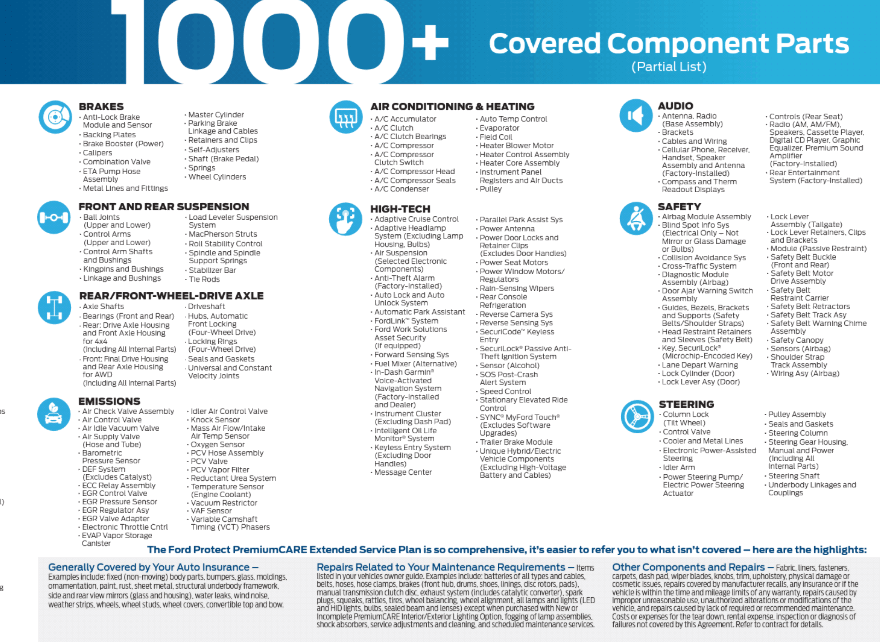
Ford Premium Care provides broad protection for covered components across major mechanical, electrical, climate control, steering, suspension, and vehicle technology systems. This wider scope is the main reason PremiumCARE sits above less comprehensive Ford Protect service plan options and appeals to owners who want protection extending beyond major powertrain components.
Mechanical coverage is important because a vehicle contains interconnected systems that extend well beyond its engine and transmission. Steering components, suspension parts, braking related components, air conditioning equipment, and other eligible systems can require repairs during long term ownership. PremiumCARE broadens the range of component failures that may qualify for coverage under the applicable contract.
Electrical and technology coverage can also influence the plan’s value. Modern Ford vehicles use electronic modules, sensors, powered accessories, displays, controls, and other integrated equipment to operate convenience, comfort, and vehicle functions. A protection plan that includes eligible electrical and technology components therefore covers a different repair risk than basic powertrain protection alone.
Coverage still depends on the specific PremiumCARE contract. A component being part of a major vehicle system does not automatically make every failure or repair eligible. Owners should review the coverage terms for their specific vehicle, plan term, and contract before purchasing. The financial value of PremiumCARE comes from having the components most likely to create meaningful repair expenses covered during the period when the owner expects to keep the Ford.
What Does Ford Premium Care Not Cover?
Ford Premium Care does not cover every cost of owning, maintaining, or repairing a Ford. PremiumCARE protects specified components against eligible failures under the service contract. It does not replace routine maintenance or vehicle insurance. It also does not guarantee payment for every repair.
Routine maintenance creates an important distinction. Ford owners still need to pay for scheduled maintenance and services outside the PremiumCARE contract. The contract can also exclude normal wear items and consumable components. These parts require replacement as part of regular vehicle ownership. Their presence on the vehicle does not automatically qualify them for coverage.
The cause of a repair also matters. PremiumCARE may cover an eligible component failure under the terms of the contract. However, the contract may exclude the same component when damage results from an excluded cause. Owners should therefore check both the component list and the contract exclusions. A general coverage list cannot explain every claim scenario.
These exclusions affect the overall value of Ford Premium Care. Owners should compare the contract with the expenses they expect during their ownership period. Broad component protection can reduce financial risk from eligible repairs. However, it does not remove maintenance costs or all unexpected expenses. Review the exclusions before buying PremiumCARE so you know which repair costs will remain your responsibility.
How Much Does Ford Premium Care Cost?
Ford Premium Care does not have one fixed price for every vehicle and owner. Several factors determine the final quote. These include the Ford model, vehicle age, mileage, coverage term, mileage limit, deductible, and purchase timing. Owners should therefore use an actual quote when evaluating the plan’s value.
Coverage length can have a major effect on cost. Longer terms give owners a larger protection window. Higher mileage limits can also extend protection for drivers who use their vehicles frequently. These options make more sense for owners who plan to keep their Ford for several years. Short term owners may receive less value from extended coverage.
The deductible also affects the real cost of PremiumCARE. Owners pay the plan price when they purchase coverage. They may also pay an applicable deductible when they use the plan for a covered repair. In addition, they remain responsible for services and repairs that the contract excludes.
Do not judge PremiumCARE only by its purchase price. Compare the quote with the deductible, coverage period, remaining factory warranty, and expected ownership period. Then consider the potential cost of eligible repairs without the plan. This comparison provides a clearer measure of value. A more expensive plan can make sense when it protects against significant repair costs during long term ownership.
What Is the Ford Premium Care Deductible?
The Ford Premium Care deductible is the amount an owner may need to pay when using the plan for an eligible repair. The deductible adds to the total cost of protection. For that reason, owners should consider it together with the plan price rather than viewing the purchase price alone.
The deductible matters most when a vehicle needs several repairs during the coverage period. Each repair event can affect the owner’s total out of pocket cost under the applicable contract terms. A lower deductible can reduce this expense when the owner uses the plan. However, deductible options can also affect the initial plan price.
Consider a simple example. An owner may face a large repair bill for an eligible component after the factory warranty ends. PremiumCARE may reduce the owner’s direct exposure to that bill. The owner would instead follow the contract terms and pay any applicable deductible. The exact financial benefit depends on the repair cost, plan price, and deductible.
Owners should review the deductible before purchasing PremiumCARE. They should also check how the contract applies it to repair visits and covered claims. This step makes the total cost easier to estimate. It also prevents an owner from assuming that the plan price represents the only expense associated with covered repairs.
Can Ford Premium Care Save Money on Repairs?
Ford Premium Care can save money when the cost of eligible covered repairs exceeds the owner’s total cost for the plan and applicable deductibles. The potential savings increase when a vehicle experiences an expensive covered failure. However, owners should not assume that every PremiumCARE contract will produce a financial return.
Modern Ford vehicles rely on mechanical systems and electronic equipment to perform essential functions. Repairs to eligible engines, transmissions, steering systems, climate control equipment, electrical components, and vehicle technology can increase ownership costs. PremiumCARE can reduce the owner’s exposure when the contract covers the failed component and the cause of the repair.
The plan also provides another form of financial value. It makes certain repair expenses more predictable. Without protection, an owner accepts the risk of paying the full cost of an unexpected eligible repair. With PremiumCARE, the owner pays for the service plan and remains responsible for applicable deductibles and exclusions. This structure transfers part of the repair cost risk.
Savings still depend on actual repair needs. A reliable vehicle with few eligible failures may cost less to repair without the plan. A vehicle that requires one or more expensive covered repairs may produce a different result. Owners should compare the PremiumCARE quote with their repair risk, ownership period, deductible, and remaining factory coverage before making the decision.
What Are the Pros and Cons of Ford Premium Care?
Ford Premium Care offers broad repair protection and more predictable ownership costs, but the plan also adds an upfront expense and does not cover every repair. Its value depends on how the coverage matches the owner’s vehicle, budget, repair risk, and expected ownership period. The main advantages and disadvantages become clearer when owners compare these factors.
What Are the Advantages of Ford Premium Care?
The main advantage of Ford Premium Care is its broad protection for eligible vehicle components. PremiumCARE extends beyond basic powertrain protection and includes eligible parts across several vehicle systems. This wider scope matters as modern Ford vehicles rely on mechanical, electrical, climate control, and technology components.
PremiumCARE can also make repair expenses easier to manage. An unexpected covered failure can create a large unplanned expense without a service plan. PremiumCARE shifts part of that financial risk away from the owner. This benefit becomes more relevant after applicable factory warranty coverage ends.
What Are the Disadvantages of Ford Premium Care?
The main disadvantage of Ford Premium Care is that owners pay for protection they may not fully use. A Ford with few eligible repairs could cost less to maintain without the plan. The owner must also account for the plan price and any applicable deductible.
Coverage exclusions create another limitation. PremiumCARE does not turn every maintenance service or repair into a covered expense. Owners who sell their Ford early may also receive less practical value from long term coverage. These disadvantages make the purchase most useful when the plan matches the owner’s expected period of vehicle ownership.
Who Should Buy Ford Premium Care?
Ford Premium Care is best suited to owners who plan to keep their vehicle for several years and want protection from unpredictable covered repair costs. Long term ownership gives the plan more opportunity to provide value. This becomes especially relevant when the owner expects to keep the Ford after applicable factory warranty coverage ends.
Owners who prefer predictable vehicle expenses may also benefit from PremiumCARE. Paying for protection does not guarantee lower total repair costs. However, it can reduce exposure to the full cost of an eligible unexpected failure. This tradeoff can appeal to drivers who prefer planned expenses over uncertain repair bills.
PremiumCARE can also make more sense for owners of vehicles with numerous mechanical, electrical, and technology features. More vehicle systems create more components that may require repairs during long term ownership. Broad protection can therefore become more relevant than coverage focused mainly on major powertrain components.
The decision should still depend on the individual vehicle and contract. A long ownership period alone does not make PremiumCARE worthwhile at any price. Owners should review the quote, deductible, coverage term, exclusions, remaining factory warranty, and expected mileage. PremiumCARE offers the strongest value when these factors align with a genuine need for long term repair protection.
Who May Not Need Ford Premium Care?
Ford Premium Care may not be necessary for owners who plan to sell or trade their vehicle soon. A short ownership period gives the owner less time to use long term repair protection. This is especially relevant when the vehicle still has applicable factory warranty coverage.
Owners who can comfortably pay for unexpected repairs may also prefer to skip PremiumCARE. These drivers accept more financial risk in exchange for avoiding the plan’s upfront cost. This approach can save money when the vehicle needs few eligible repairs. However, the owner must have enough funds available if an expensive failure occurs.
The price of the plan also affects this decision. Broad coverage does not provide good value at every price. Owners should compare the quote with the vehicle’s age, mileage, remaining warranty, and expected ownership period. A costly plan becomes harder to justify when the owner expects limited use from the coverage.
Vehicle replacement plans matter as well. An owner who expects to trade a Ford within a short period may place less value on extended protection. In contrast, someone keeping the same vehicle for several years has more time to benefit from eligible repairs. PremiumCARE should therefore match the owner’s actual ownership strategy. Buying the broadest available protection makes little financial sense when the expected ownership period does not support it.
How Does Ford Premium Care Compare With Other Ford Protect Plans?
Ford Premium Care offers broader component protection than the lower tiers within the Ford Protect service plan lineup. The lineup includes options such as PowertrainCARE, BaseCARE, ExtraCARE, and PremiumCARE. Each level provides a different scope of protection, which allows owners to match coverage with their needs.
Powertrain focused protection places greater emphasis on major components that keep the vehicle moving. Broader plan levels expand protection to additional vehicle systems and components. PremiumCARE sits at the more comprehensive end of this structure. This makes it more relevant to owners who want protection beyond major mechanical systems.
More coverage does not automatically create better value. An owner who mainly wants protection against major powertrain repair risk may not need the broadest plan. Another owner may place greater value on coverage for eligible electrical, climate control, steering, suspension, and technology components. In that situation, PremiumCARE can better match the desired level of protection.
The best plan therefore depends on coverage needs rather than plan hierarchy alone. Compare the components each option covers with the systems that matter most for your Ford. Then consider the price difference, deductible, vehicle age, mileage, and expected ownership period. PremiumCARE makes the strongest case when its additional coverage protects repair risks that the owner considers worth paying for.
Is Ford Premium Care the Same as a Ford Factory Warranty?
Ford Premium Care is not the same as a Ford factory warranty. A factory warranty comes with an eligible new Ford and provides coverage under specific warranty terms. PremiumCARE is a Ford Protect service plan that provides additional protection according to the selected contract.
The timing of each type of protection affects its value. Factory warranty coverage protects eligible components during its applicable term. PremiumCARE becomes more relevant when an owner wants protection for a longer ownership period. This distinction matters most for drivers who plan to keep their Ford for several years.
Owners should also avoid treating the two forms of protection as interchangeable. Each has its own coverage terms, limits, and conditions. Remaining factory coverage can affect how much immediate value an owner receives from an additional service plan. A vehicle with substantial warranty protection may have less short term need for extra coverage.
The expected ownership period should guide the comparison. First, check how much factory warranty coverage remains on the vehicle. Next, compare that period with how long you expect to keep the Ford. Then review the PremiumCARE term, deductible, coverage, exclusions, and price. This process shows whether the additional protection fills a meaningful gap in your ownership plan.
PremiumCARE makes a stronger case when an owner expects to keep the vehicle beyond applicable factory coverage. It offers less immediate value when existing warranty protection already covers much of the expected ownership period. The key question is not whether PremiumCARE replaces the factory warranty. The key question is whether it provides useful protection for the period when the factory warranty no longer meets the owner’s needs.
Is Ford Premium Care Worth Buying?
Ford Premium Care is worth buying for owners who plan to keep their Ford long term and want broader protection from eligible repair costs. It makes the strongest case when the vehicle will remain in service beyond applicable factory warranty coverage. Owners who value predictable expenses may also find the plan useful.
However, PremiumCARE is not the right choice for every Ford owner. Drivers who plan to sell or trade their vehicle soon may receive less value from extended protection. The same applies when existing factory coverage protects the vehicle for most of the expected ownership period. Owners who can comfortably pay for unexpected repairs may also prefer to accept that financial risk themselves.
The final decision should come from the numbers and contract terms. Compare the PremiumCARE quote with the deductible, coverage period, mileage limit, exclusions, and remaining factory warranty. Then consider how long you plan to keep the vehicle and which repair costs you could handle without protection.
PremiumCARE provides the most value when its coverage matches a real long term repair risk. It provides less value when the owner pays for protection that extends beyond the planned ownership period. Review these factors together before deciding whether Ford Premium Care is worth the cost for your vehicle.