A Hyundai Palisade key fob not working problem usually comes from five main causes: a dead battery, signal interference, programming issues, damaged components, or vehicle electrical problems. Drivers rely on the key fob to unlock doors, access the vehicle, and start the engine through the Hyundai Smart Key System.
The key fob sends wireless signals to the vehicle receiver. When this communication fails, the Hyundai Palisade may not recognize the key. A weak key fob battery often creates this issue. However, the vehicle battery, immobilizer system, and internal key fob damage can also cause similar symptoms.
Finding the exact cause helps drivers avoid unnecessary replacements and repair costs. A simple battery replacement can solve some problems. Other cases may require key programming or professional diagnosis.
This guide explains why a Hyundai Palisade key fob stops working and how to fix common problems. It covers battery replacement, key detection issues, emergency starting methods, programming problems, and situations that need Hyundai service support.
Understanding the key fob system helps Hyundai Palisade owners troubleshoot problems faster and maintain reliable vehicle access.
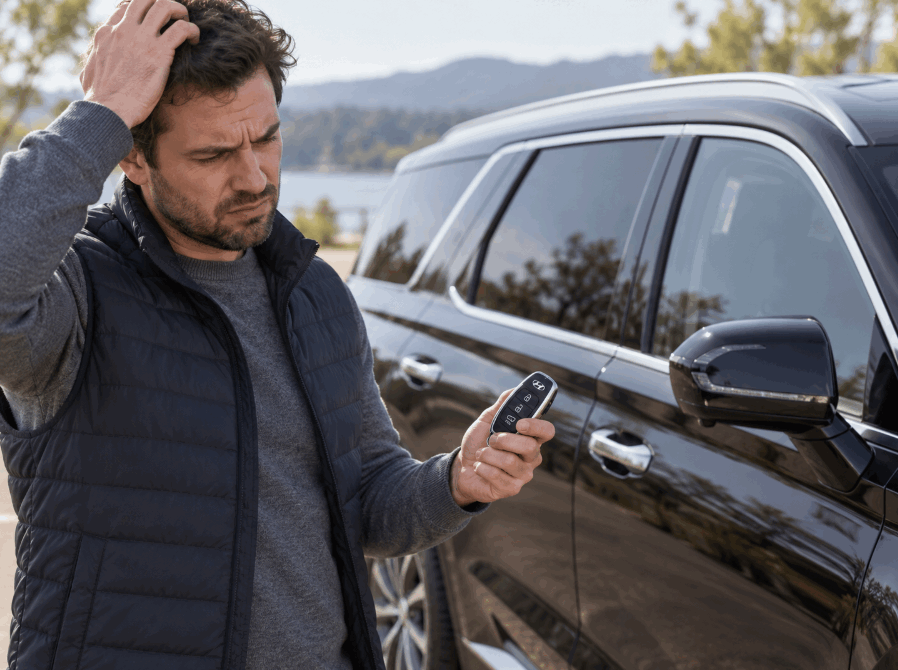
Why Is My Hyundai Palisade Key Fob Not Working?
A Hyundai Palisade key fob stops working when the remote cannot send, receive, or complete communication with the vehicle’s Smart Key System. The five most common causes are a weak key fob battery, a low vehicle battery, signal interference, programming problems, and physical damage to the key fob.
The Hyundai Palisade uses a wireless communication system between the key fob transmitter and the vehicle receiver. The key sends a coded signal when the driver presses a button or approaches the vehicle with a smart key. The vehicle then verifies the signal through the Smart Key System and immobilizer system before allowing access or engine operation.
A dead key fob battery creates the most common failure because the transmitter cannot send a strong enough signal. Drivers may notice warning signs such as reduced operating range, delayed door unlocking, or complete loss of button response.
A weak vehicle battery can create similar symptoms. The vehicle needs enough electrical power to operate the receiver, door locks, and push button start system. When the vehicle battery voltage drops, the Palisade may fail to detect the key fob even when the remote battery works correctly.
Signal interference can also block communication between the key fob and the vehicle. Electronic devices, wireless signals, or certain parking environments can interrupt the radio frequency used by the Smart Key System. Moving away from the interference source often restores normal operation.
Physical damage creates another common failure point. Water exposure, broken buttons, or internal circuit damage can prevent the key fob from transmitting signals. In these cases, replacing the battery will not solve the problem because the hardware itself has failed.
Understanding the cause of the failure helps Hyundai Palisade owners choose the correct solution. Checking the key fob battery and vehicle battery first can identify the simplest fixes before seeking professional repair.
What Are the Most Common Hyundai Palisade Key Fob Problems?
Hyundai Palisade key fob problems usually appear through specific warning signs. The most common symptoms include unresponsive buttons, reduced remote range, intermittent unlocking, and a “Key Not Detected” message on the vehicle display. Each symptom points to a different part of the Smart Key System that requires inspection.
A key fob that works only at a short distance often indicates a weak battery. The transmitter still sends a signal, but the signal strength decreases as the battery loses power. Replacing the key fob battery usually restores the normal operating range when the battery causes the issue.
A Hyundai Palisade may also unlock the doors but fail to start the engine. This situation usually involves communication between the key fob and the immobilizer system. The vehicle recognizes part of the signal but cannot complete the security verification process required for engine operation.
Another common problem occurs when the key fob buttons stop responding completely. This issue can come from a damaged button mechanism, a failed internal circuit, or a drained battery. Testing the spare key fob helps determine whether the problem comes from the remote or the vehicle system.
Some drivers experience intermittent key detection problems. The vehicle may recognize the key at certain times but fail to detect it later. This inconsistent behavior often relates to signal interference, weak batteries, or communication issues between the key fob and the vehicle receiver.
Identifying the exact symptom helps narrow down the cause. A Hyundai Palisade owner should check the simplest factors first, including battery condition and signal interference, before replacing the entire key fob or requesting professional service.
How Do You Fix a Hyundai Palisade Key Fob That Is Not Working?
You can fix a Hyundai Palisade key fob that is not working by checking the battery, testing the vehicle power system, removing signal interference, and confirming key programming. The correct solution depends on the cause of the failure. Simple battery issues require a quick replacement, while communication or programming problems may need additional diagnosis.
The first step is checking the key fob battery. Most Hyundai Palisade key fobs use a small coin battery, such as a CR2032 battery. A weak battery reduces signal strength and causes problems such as slow response, shorter operating distance, or complete button failure. Replacing the battery often restores normal key fob function.
The next step is checking the vehicle battery. The Hyundai Palisade needs sufficient electrical power to operate the Smart Key System, receiver modules, and push button start system. A weak vehicle battery can prevent the car from recognizing the key fob even when the remote battery works correctly.
Drivers should also check for signal interference. Move the key fob away from other electronic devices, wireless accessories, or areas with strong radio frequency activity. Testing the key fob near the vehicle after removing possible interference can help confirm whether external signals cause the problem.
Some Hyundai Palisade key fob problems require reprogramming or synchronization. The vehicle and key fob must share the correct security information to communicate properly. If the key loses synchronization or the vehicle cannot recognize the key, a Hyundai service center or qualified automotive technician may need to perform key programming.
Testing the spare key fob provides another useful diagnostic step. If the second key works normally, the original key fob likely has a battery or hardware problem. If both keys fail, the issue may involve the vehicle receiver, electrical system, or Smart Key System.
Following a logical troubleshooting process helps Hyundai Palisade owners identify the real cause before replacing expensive components.
How Do You Start a Hyundai Palisade When the Key Fob Is Not Working?
You can start a Hyundai Palisade with a key fob that is not working by using the vehicle’s emergency key recognition method. The Smart Key System includes a backup process that allows the vehicle to identify the key even when the remote buttons do not respond.
The first step is to check whether the key fob battery has completely failed. A weak battery may stop remote functions such as unlocking doors, but the vehicle can still detect the key through the backup recognition system. Place the key fob in the designated recognition area and attempt to start the vehicle using the push button start system.
The Hyundai Palisade uses a security communication process between the key fob and the immobilizer system. The vehicle checks the key’s identification code before allowing the engine to start. When the key fob battery loses power, the vehicle may still read the stored security information through close-range detection.
If the vehicle does not detect the key, drivers should try several basic checks. Move the key fob closer to the start button, remove other electronic devices near the key, and test with the spare key if available. These steps help determine whether the problem comes from the key fob or the vehicle system.
A Hyundai Palisade that cannot recognize any key fob may have a deeper issue. Problems with the receiver antenna, vehicle battery, or Smart Key System may prevent normal operation. In these situations, professional diagnosis can identify the failed component.
Knowing the emergency starting procedure helps drivers avoid being stranded when a key fob stops working. It also provides a temporary solution while they arrange battery replacement, programming, or repair.
Why Does My Hyundai Palisade Say Key Not Detected?
A Hyundai Palisade shows a “Key Not Detected” message when the vehicle cannot complete communication with the key fob. This warning does not always mean the key fob has failed. The problem can come from a weak battery, signal interruption, vehicle battery issues, or a communication problem within the Smart Key System.
The most common cause is a weak key fob battery. When the battery loses power, the transmitter cannot send a strong signal to the vehicle receiver. Drivers may notice other symptoms before the warning appears, such as reduced remote range, delayed unlocking, or inconsistent key recognition.
A low vehicle battery can also trigger the “Key Not Detected” message. The Hyundai Palisade depends on electrical power to operate the receiver, control modules, and push button start system. When battery voltage drops, the vehicle may not process the key fob signal correctly.
Signal interference creates another possible cause. Devices that use similar radio frequencies can interrupt communication between the key fob and the vehicle. Keeping the key away from electronic devices and testing it near the vehicle can help identify this issue.
If the warning remains after replacing the key fob battery and checking the vehicle battery, the problem may involve the Smart Key System components. The receiver antenna, immobilizer system, or key programming data may require professional inspection.
Drivers should follow a step-by-step diagnosis process before replacing the key fob. Identifying whether the problem comes from the remote, the vehicle, or external interference helps reduce unnecessary repair costs and restores reliable vehicle access faster.
When Should You Replace a Hyundai Palisade Key Fob?
You should replace a Hyundai Palisade key fob when the remote has permanent hardware damage, repeated communication failures, or cannot function after basic troubleshooting. A key fob replacement is usually the final step after checking the battery, vehicle system, and programming status.
A damaged key fob often requires replacement when internal components no longer work. Common examples include broken buttons, water damage, cracked housing, or damaged electronic circuits. These problems prevent the transmitter from sending the correct signal to the Hyundai Palisade Smart Key System.
A key fob may also need replacement when reprogramming does not restore normal operation. The vehicle and key fob must exchange matching security information through the immobilizer system. If the internal memory or communication components fail, programming alone cannot repair the remote.
Lost or stolen key fobs create another reason for replacement. A missing key can create a security risk because someone else may use it to access the vehicle. Replacing the lost key and removing its access from the vehicle system helps protect the Hyundai Palisade.
Before replacing the key fob, drivers should confirm that the problem does not come from a simple battery issue or vehicle electrical problem. A diagnostic check can prevent unnecessary replacement costs and identify the failed component.
Hyundai Palisade owners can choose between dealership service and qualified automotive locksmiths for replacement and programming. The best option depends on the required security programming, available equipment, and the complexity of the key system.
How Can You Prevent Hyundai Palisade Key Fob Problems?
You can prevent Hyundai Palisade key fob problems by maintaining the battery, protecting the remote from damage, and reducing situations that affect wireless communication. Regular key fob care helps maintain reliable access and prevents unexpected failures.
Replacing the key fob battery before it completely loses power is one of the simplest prevention methods. A weak battery often creates early warning signs, including shorter operating distance, delayed response, and inconsistent unlocking. Changing the battery when these symptoms appear helps avoid complete key fob failure.
Protecting the key fob from physical damage also extends its lifespan. Water exposure, extreme impacts, and excessive pressure on the buttons can damage internal electronic components. Using a protective cover and storing the key in a safe location reduces the risk of hardware failure.
Keeping the key fob away from strong electronic interference can also improve reliability. Wireless devices, electronic accessories, and certain storage locations may affect communication between the key fob and the Hyundai Palisade Smart Key System. Testing the remote in a different location can help identify interference problems.
Maintaining the vehicle battery supports the Smart Key System as well. A weak vehicle battery can affect key recognition, door locking functions, and push button start operation. Regular vehicle battery checks help prevent electrical problems that may appear as key fob failures.
Keeping a spare key fob available provides an additional layer of security. A backup key allows drivers to access and operate the Hyundai Palisade while they repair or replace a damaged primary key.
Should You Visit a Hyundai Dealer for a Key Fob Problem?
You should visit a Hyundai dealer or qualified automotive technician when basic troubleshooting does not restore your Hyundai Palisade key fob. Professional diagnosis becomes necessary when the problem involves the vehicle’s electronic systems, key programming, or security components.
A dealer inspection is recommended when the vehicle cannot detect any available key fob. If both the primary and spare key fail, the problem may not come from the remote itself. The issue may involve the Smart Key System, receiver antenna, control modules, or vehicle electrical system.
You should also seek professional help when the immobilizer warning appears on the dashboard. The immobilizer system protects the vehicle by verifying the key’s security code before engine operation. A communication failure between the key fob and immobilizer can prevent the Hyundai Palisade from starting.
Key programming problems often require specialized diagnostic equipment. Hyundai service technicians use manufacturer-specific tools to connect the key fob with the vehicle security system. This process ensures that the new or existing key communicates correctly with the vehicle.
Professional service is also useful after physical damage, water exposure, or lost key situations. A technician can determine whether the key fob needs repair, replacement, or reprogramming.
Before scheduling service, drivers should complete basic checks such as replacing the key fob battery, testing the spare key, and checking the vehicle battery. These steps provide useful information and may solve simple issues without additional repair costs.
A proper diagnosis helps Hyundai Palisade owners avoid replacing working components and ensures that the Smart Key System operates safely and reliably.
How Can You Keep Your Hyundai Palisade Key Fob Working Reliably?
A Hyundai Palisade key fob not working problem usually comes from a small number of causes, including a weak battery, signal interference, vehicle battery issues, programming errors, or physical damage. Identifying the correct cause helps drivers choose the right solution without replacing unnecessary components.
Most key fob problems start with simple checks. Replacing the key fob battery, testing the vehicle battery, removing electronic interference, and checking the spare key can solve many common issues. These steps allow Hyundai Palisade owners to restore normal key operation quickly.
More complex problems require professional diagnosis. Issues involving the Smart Key System, immobilizer system, receiver components, or key programming need specialized tools and technical knowledge. A proper inspection ensures that the vehicle receives the correct security signals and operates safely.
Regular maintenance reduces the risk of future key fob failures. Replacing batteries before complete failure, protecting the remote from damage, and keeping a backup key available improve long-term reliability.
Understanding how the Hyundai Palisade key fob works allows owners to respond quickly when problems appear. With proper troubleshooting and maintenance, drivers can keep their Smart Key System functioning correctly and maintain convenient vehicle access.