Hyundai Palisade interior lights stop working for several reasons. The most common causes include incorrect light settings, blown fuses, weak batteries, damaged bulbs, faulty door switches, and electrical problems.
The Hyundai Palisade uses several interior lighting components. These include dome lights, map lights, door courtesy lights, cargo lights, and ambient lighting. Each component connects with the vehicle’s electrical system to provide cabin visibility and convenience.
A single failed light usually points to a different problem than multiple lights that stop working together. For example, a damaged bulb can affect one lamp, while a fuse or battery issue can affect the entire interior lighting system.
This guide explains how to diagnose Hyundai Palisade interior light problems step by step. You will learn how to check light settings, inspect fuses, identify electrical issues, and determine when professional repair is necessary.
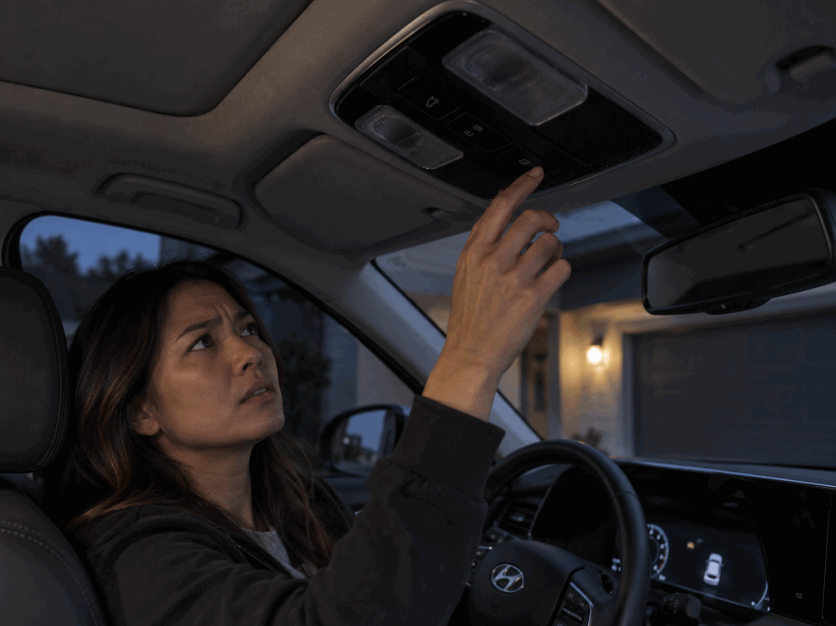
Why Are Hyundai Palisade Interior Lights Not Working?
Hyundai Palisade interior lights usually fail because of six main causes: incorrect settings, blown fuses, battery problems, damaged bulbs, faulty door switches, and electrical system issues. Each cause affects a different part of the interior lighting system. Identifying the exact cause helps avoid unnecessary part replacements and saves diagnostic time.
The first issue to check is the interior light setting. Many Hyundai Palisade owners experience cabin light problems because the dome light switch stays in the wrong position. The light may appear broken when the vehicle simply disables automatic operation.
A blown fuse can also stop the interior lights from working. The fuse protects the lighting circuit from excessive electrical current. When the fuse fails, power cannot reach components such as dome lights, map lights, or courtesy lamps.
Battery condition affects interior lighting performance as well. A weak battery may reduce electrical power across multiple vehicle systems. Drivers may notice dim interior lights, slow engine starts, or other electrical problems at the same time.
Individual component failures create another common cause. A damaged LED bulb or faulty light assembly can prevent one specific lamp from turning on while other interior lights continue working normally. This pattern helps separate a bulb problem from a larger electrical failure.
The Hyundai Palisade also uses door switches and electronic control modules to manage interior lighting behavior. A faulty door sensor can prevent courtesy lights from turning on when a door opens. More complex problems involving wiring or the Body Control Module require deeper electrical diagnosis.
How Do You Check Hyundai Palisade Interior Light Settings?
Checking the interior light settings is the first step when Hyundai Palisade interior lights are not working. Many lighting problems happen because the vehicle settings prevent the lights from turning on. A quick inspection of the dome light switch and automatic lighting mode can solve the issue without replacing any parts.
Start by checking the dome light switch position inside the cabin. The Hyundai Palisade usually provides different lighting modes that control how the interior lamps operate. The ON position keeps the light active, while the OFF position prevents the light from turning on. The DOOR position allows the vehicle to activate the lights when a door opens.
The DOOR mode is especially important because it connects interior lighting with the door sensors. When this setting works correctly, the dome lights and courtesy lights turn on automatically after opening a door. If the switch remains in another position, the owner may think the lighting system has failed.
Drivers should also check whether the vehicle has entered a power protection mode. Hyundai vehicles use battery protection features to prevent excessive power loss. These features may limit some electrical functions when the vehicle detects low battery conditions.
If the settings appear correct but the interior lights still do not work, the problem may come from another component. The next diagnostic step involves checking the interior light fuse, battery condition, and electrical connections.
How Do You Check the Hyundai Palisade Interior Light Fuse?
Checking the Hyundai Palisade interior light fuse helps identify whether a power interruption causes the lighting problem. The fuse protects the interior lighting circuit from excessive electrical current. When the fuse fails, the vehicle cannot send power to certain lighting components.
Start by locating the fuse box in the Hyundai Palisade. The vehicle uses fuse panels that contain different circuits for electrical functions. The owner’s manual provides the exact fuse location and identification information for the interior lighting system.
Inspect the interior light fuse after confirming the light settings work correctly. A damaged fuse usually shows a broken metal strip inside the transparent housing. Drivers can also use a fuse tester or multimeter to confirm whether the fuse still carries electrical current.
Replace the fuse with the correct type and rating if it has failed. Using an incorrect fuse can create electrical risks and may damage the vehicle’s lighting system. The replacement fuse should match the specification listed by Hyundai.
A new fuse that fails again indicates a deeper electrical problem. Repeated fuse failure often points to issues such as a short circuit, damaged wiring, or a faulty electrical component. In this situation, replacing the fuse alone will not solve the Hyundai Palisade interior light problem.
How Do You Fix Hyundai Palisade Interior Lights That Are Not Working?
Fixing Hyundai Palisade interior lights requires checking the problem source before replacing components. The correct repair depends on whether the issue comes from settings, power supply, lighting components, or the vehicle’s electrical system.
Start with the simplest solutions first. Check the interior light switch, door mode setting, and battery condition before removing any parts. Many lighting problems come from incorrect settings or temporary electrical interruptions rather than damaged components.
Replace the interior light bulb or LED module if only one lamp stops working. A failed bulb usually affects a single location, such as a dome light, map light, or cargo lamp. After installing a replacement bulb, confirm that the light turns on in every operating mode.
Resetting the vehicle’s electrical system can also restore interior lighting functions. Disconnecting and reconnecting the battery may clear temporary electronic issues. However, a reset will not repair damaged wiring, failed switches, or defective control modules.
Inspect the door switches and electrical connections if the lights do not respond when opening or closing the doors. The door sensors send signals to the vehicle’s lighting control system. A faulty sensor can prevent courtesy lights from activating even when the bulbs and fuse work correctly.
Professional diagnosis becomes necessary when multiple interior lights fail at the same time or when the fuse continues to blow after replacement. These symptoms often indicate deeper problems, such as wiring damage, short circuits, or Body Control Module failures. A technician can test the electrical circuits and identify the exact component causing the failure.
Can a Weak Battery Cause Hyundai Palisade Interior Lights to Stop Working?
A weak battery can cause Hyundai Palisade interior lights to stop working because the lighting system depends on stable electrical power. When battery voltage drops below the required level, the vehicle may reduce or disable some electrical functions to protect the remaining power supply.
Battery problems usually affect more than the interior lights. Drivers may notice several warning signs, including dim cabin lights, slow engine cranking, dashboard electrical issues, or inconsistent operation of other accessories. These symptoms indicate that the problem may come from the vehicle’s power source rather than the lighting components.
The Hyundai Palisade uses the battery to support multiple electrical systems before and after engine operation. Interior lights, door courtesy lights, and electronic control modules require sufficient voltage to operate correctly. A battery with low capacity may not provide enough power for these systems, especially after the vehicle sits unused for an extended period.
Check the battery condition if the interior lights stop working together with other electrical problems. Testing battery voltage can help determine whether the power supply meets normal operating requirements. A professional battery test can also measure the battery’s ability to hold a charge under load.
Replacing the battery may restore normal lighting operation when low voltage causes the failure. However, a healthy battery will not fix problems caused by blown fuses, damaged bulbs, faulty door switches, or wiring faults. A complete diagnosis should always check the entire Hyundai Palisade interior lighting system.
Why Are Hyundai Palisade Ambient Lights Not Working?
Hyundai Palisade ambient lights may stop working because of incorrect settings, disabled features, software issues, or electrical problems. Unlike dome lights and map lights, ambient lighting works through a separate control system that manages decorative cabin illumination.
Start by checking the ambient lighting settings in the vehicle infotainment system. The Hyundai Palisade allows drivers to control interior lighting features through vehicle settings. If the feature is disabled or the brightness level is set too low, the ambient lights may appear to have a fault.
Check the connection between the ambient lighting system and the vehicle’s power supply if the settings appear correct. A loose connection, damaged wiring, or electrical interruption can prevent the lights from receiving power. This issue may affect specific areas of the cabin or the entire ambient lighting system.
Software-related issues can also affect modern vehicle lighting systems. The Hyundai Palisade uses electronic modules to control many interior functions. A temporary communication problem between control modules may prevent ambient lights from responding normally.
If the ambient lights remain inactive after checking settings and power connections, professional diagnosis may be required. A technician can inspect the lighting circuit, control modules, and wiring to identify whether the problem comes from a component failure or an electronic control issue.
Can Hyundai Palisade Door Sensors Cause Interior Lights Not To Work?
Hyundai Palisade door sensors can cause interior lights to stop working because they control when the vehicle activates door courtesy lighting. The lighting system uses signals from door switches to determine whether the cabin lights should turn on when a door opens.
A faulty door sensor can create several lighting problems. The interior lights may stay off when a door opens, remain on after closing the door, or operate inconsistently. These symptoms happen because the vehicle does not receive accurate information about the door position.
The door switch works as part of the Hyundai Palisade electrical control system. When the sensor detects an open door, it sends a signal to the Body Control Module, which activates the related interior lights. A damaged switch, poor electrical connection, or sensor failure can interrupt this communication.
Drivers can check for door sensor problems by observing the vehicle’s door warning indicators. If the dashboard does not recognize an open door, the sensor may have a fault. Checking each door individually can help identify whether one specific switch causes the lighting issue.
Replacing a faulty door sensor can restore normal interior light operation. However, technicians should inspect the wiring and control system if the problem affects multiple doors or continues after sensor replacement. These checks help confirm whether the issue comes from the sensor or another part of the Hyundai Palisade electrical system.
When Should You Get Professional Help for Hyundai Palisade Interior Light Problems?
You should get professional help for Hyundai Palisade interior light problems when basic troubleshooting does not solve the issue. Simple problems such as incorrect settings, weak batteries, or blown fuses often require simple fixes. More complex failures need electrical testing and specialized equipment.
Multiple interior lights failing at the same time usually indicate a larger electrical problem. When dome lights, map lights, courtesy lights, and other cabin lighting components stop working together, the cause may involve the fuse system, wiring network, or Body Control Module.
A fuse that fails repeatedly also requires professional inspection. A replacement fuse should continue working under normal conditions. If the same fuse burns out again, the vehicle may have a short circuit, damaged wiring, or a faulty electrical component that creates excessive current.
Professional diagnosis is also necessary when the lighting problem affects other vehicle functions. Issues with door sensors, power systems, or electronic modules can influence several vehicle features at once. A technician can use diagnostic tools to check communication between the Hyundai Palisade control modules and electrical components.
Owners should avoid replacing complex electrical parts without proper testing. Replacing a Body Control Module or wiring components without confirming the fault can create unnecessary repair costs. A complete electrical diagnosis helps identify the actual cause and ensures the correct repair.
How Can You Prevent Hyundai Palisade Interior Light Problems?
You can prevent Hyundai Palisade interior light problems by maintaining the vehicle’s electrical system and checking early warning signs. Regular maintenance helps keep components such as bulbs, fuses, batteries, and wiring connections working correctly.
Check the vehicle battery condition regularly because low voltage can affect interior lighting performance. A weak battery can create electrical problems before it completely fails. Testing the battery voltage during routine maintenance helps identify problems before they affect the lighting system.
Inspect interior lights when you notice unusual behavior. Flickering lights, delayed activation, or uneven brightness can indicate an early problem with the bulb, connection, or power supply. Addressing these signs early can prevent larger electrical failures.
Use the correct replacement parts when repairing the Hyundai Palisade interior lighting system. Installing the wrong bulb type or incorrect fuse rating can create additional problems. Always match replacement components with the vehicle specifications.
Keep electrical connections clean and protected from damage. Moisture, corrosion, and loose connections can interrupt the flow of electricity and affect lighting performance. Regular vehicle inspections help identify these issues before they cause complete lighting failure.
A well-maintained Hyundai Palisade interior lighting system provides reliable cabin visibility and improves the overall ownership experience. Simple checks of the battery, settings, and electrical components can reduce unexpected lighting problems and unnecessary repair costs.