A properly functioning air conditioning system is essential for keeping every drive comfortable, especially during hot summer months. However, many Honda CR V owners eventually experience situations where the climate control system suddenly stops working as expected. The air conditioner may blow warm air instead of cold air, the control panel may become unresponsive, or the airflow may seem inconsistent after replacing the battery. These issues often lead drivers to wonder whether resetting the system is the right solution.
Learning how to reset Honda CR V air conditioning is one of the first troubleshooting steps you should take before assuming that an expensive repair is necessary. In many cases, the climate control module can temporarily lose communication after a battery replacement, a low voltage condition, or an unexpected electrical interruption. A proper reset allows the electronic control unit to restart and restore normal communication between the climate control panel and the HVAC system. This simple procedure may resolve minor software related issues without replacing any components.
Although a reset can solve temporary electronic problems, it is important to understand its limitations. If the air conditioner continues blowing warm air, produces unusual noises, or fails to operate entirely, the problem may involve the compressor, refrigerant level, blower motor, blend door actuator, or another mechanical component. These faults require proper diagnosis rather than repeated reset attempts.
Before moving on to more advanced troubleshooting, performing a safe reset is a logical starting point. The following guide explains each step clearly while also covering differences between Honda CR V model years. By understanding when a reset is appropriate and when professional diagnosis becomes necessary, you can save both time and unnecessary repair costs.
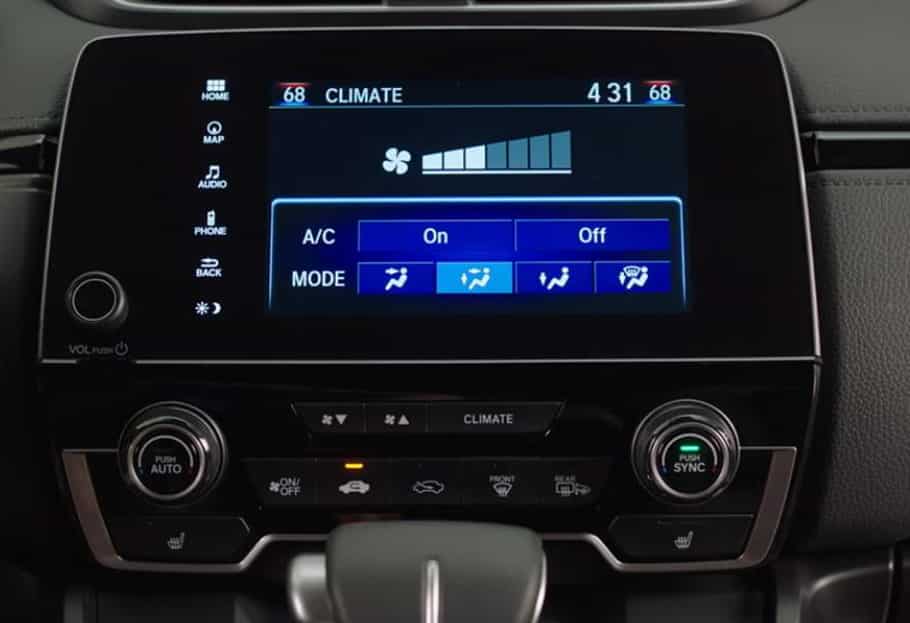
How to Reset Honda CR V Air Conditioning Step by Step
Resetting the air conditioning system on a Honda CR V is a simple task. It can solve temporary electronic issues without requiring special tools. Many owners perform this procedure after replacing the battery or noticing unusual climate control behavior. If the problem is caused by a software glitch, a reset may restore normal operation within minutes.
Park the vehicle on a flat surface and turn off the engine completely. Switch off the climate control system before removing the key or pressing the engine stop button. Leave the vehicle untouched for several minutes. This allows the electronic modules to shut down and clear temporary errors.
Start the engine and let it idle. Wait for about one minute before turning on the air conditioner. Select AUTO mode if your Honda CR V has automatic climate control. Set the temperature to the lowest setting. Increase the fan speed and check whether cool air begins flowing from the vents.
Next, test each climate control function. Change the airflow direction and verify that every vent responds correctly. Adjust the fan speed several times to confirm the controls work smoothly. If your vehicle includes dual zone climate control, press the SYNC button. Then change the driver’s temperature setting and confirm that both zones respond together.
Continue running the system for several minutes. Monitor the cooling performance during this time. The air should gradually become colder, and the control panel should respond without delay. If the symptoms disappear, the reset was successful.
If the air conditioner still blows warm air, another problem may be present. Low refrigerant, a damaged compressor, a faulty blower motor, or a blown fuse can produce similar symptoms. These mechanical or electrical faults cannot be corrected by performing another reset. In that situation, the next step is to inspect the HVAC system and identify the underlying cause before replacing any parts.
Honda CR V Air Conditioning Reset by Model Year
Honda has updated the CR V climate control system several times over the years. Because of these changes, there is no single reset procedure that works for every model. The control panel, electronic modules, and HVAC features vary between generations. Understanding these differences helps you choose the correct approach and avoid unnecessary troubleshooting.
Early Honda CR V models use a simpler climate control design with fewer electronic components. Most reset attempts only require turning the vehicle off, waiting a few minutes, and restarting the engine. If the problem remains, checking the fuse and blower motor is usually the next step. Mechanical issues are more common than software related faults on these older vehicles.
Models built during the middle generations introduced automatic climate control on selected trims. These systems rely on additional sensors and electronic control modules. A reset often becomes useful after replacing the battery or restoring power. After restarting the vehicle, allow the climate control system to initialize before testing the fan speed, temperature settings, and airflow direction.
Newer Honda CR V models include advanced features such as dual zone climate control, automatic temperature adjustment, and integrated electronic displays. Some trims also provide SYNC mode, which allows the driver to control both temperature zones with one setting. After a reset, verify that every function responds correctly. Test the display, fan speed, vent selection, and temperature controls before assuming the problem has been resolved.
No matter which model year you own, a reset should only be the first step in the diagnostic process. If the air conditioner continues blowing warm air or the controls remain unresponsive, the issue is likely related to a mechanical or electrical component. Identifying the exact cause will save time and prevent unnecessary parts replacement.
What to Do If Resetting the AC Doesn’t Work
If resetting the air conditioning system does not solve the problem, the fault is likely deeper than a temporary electronic error. At this point, repeating the reset procedure is unlikely to produce different results. Instead, focus on identifying the component that is preventing the system from operating correctly. A careful inspection can save both time and repair costs.
One of the most common causes is a low refrigerant level. Refrigerant naturally decreases if the system develops a leak. When the pressure drops below the required level, the compressor may stop engaging or the air may no longer feel cold. In this situation, adding refrigerant without repairing the leak will only provide a temporary improvement.
A faulty compressor is another common reason the air conditioner stops cooling. The compressor is responsible for circulating refrigerant throughout the system. If it fails, the vents may continue blowing air, but the temperature will remain warm. Unusual noises, frequent cycling, or a compressor that never engages are common warning signs.
Electrical problems should also be considered. A blown fuse, damaged relay, weak battery, or faulty wiring can interrupt communication between the climate control module and the HVAC system. These faults may produce symptoms that resemble a software issue, but they require electrical testing rather than another reset.
Restricted airflow can also reduce cooling performance. A clogged cabin air filter limits the amount of air entering the cabin, while a failing blower motor may prevent the fan from operating at full speed. If one side of the cabin blows cold air and the other remains warm, the blend door actuator or temperature control system may be malfunctioning.
When these symptoms continue after a proper reset, professional diagnosis becomes the most effective solution. Modern Honda CR V models rely on multiple sensors and electronic control modules that require specialized diagnostic equipment. Identifying the root cause early helps prevent additional damage and avoids replacing parts that are still working correctly.
Common Honda CR V Air Conditioning Problems and Solutions
Even a well maintained Honda CR V can develop air conditioning problems over time. Some issues are minor and can be resolved with a simple reset. Others point to worn components that require repair or replacement. Recognizing the symptoms early makes troubleshooting faster and helps prevent unnecessary expenses.
A common complaint is that the air conditioner blows warm air instead of cold air. This problem is often caused by low refrigerant, a leaking system, or a failing compressor. A reset may restore operation if the issue is electronic, but it will not fix a refrigerant leak or damaged compressor.
Weak airflow is another issue many owners experience. In most cases, the cabin air filter is dirty or the blower motor is beginning to fail. Replacing a clogged filter can immediately improve airflow. If the fan remains weak at every speed, the blower motor or blower resistor should be inspected.
Some drivers notice that the climate control panel becomes slow or completely unresponsive. This symptom can appear after a battery replacement or a temporary voltage interruption. Performing a proper reset is often the first step. If the controls still fail to respond, the climate control module or electrical connections may require further testing.
Dual zone models can also develop uneven cooling. The driver side may produce cold air while the passenger side remains warm. This usually indicates a faulty blend door actuator or a problem with the temperature control mechanism. Resetting the system may restore synchronization if the issue is software related, but mechanical failures normally require replacement of the affected component.
Unusual noises should never be ignored. Clicking sounds may indicate a failing blend door actuator, while grinding or squealing noises can point to compressor or blower motor wear. Continuing to operate the system under these conditions may lead to more expensive repairs.
The best approach is to begin with a basic reset and verify whether the symptoms improve. If the problem remains, inspect the HVAC system methodically instead of replacing parts at random. Accurate diagnosis is the fastest way to restore reliable cooling and avoid unnecessary repair costs.
Tips to Keep Your Honda CR V Air Conditioning Working Properly
Keeping the air conditioning system in good condition is much easier than dealing with an unexpected failure. Regular maintenance improves cooling performance, extends the life of HVAC components, and reduces the risk of costly repairs. A few simple habits can help your Honda CR V deliver reliable cooling throughout the year.
Run the air conditioner for several minutes every week, even during cooler seasons. Regular operation keeps the compressor lubricated and allows refrigerant to circulate through the system. This simple practice helps protect seals and reduces the chance of refrigerant leaks developing over time.
Replace the cabin air filter according to the maintenance schedule or sooner if you frequently drive in dusty conditions. A clean filter allows unrestricted airflow through the ventilation system. Better airflow improves cooling efficiency and reduces strain on the blower motor.
Keep the condenser clean by removing dirt, leaves, and road debris from the front of the vehicle. A blocked condenser cannot release heat efficiently, causing the air conditioner to work harder while producing less cooling. Periodic cleaning helps maintain consistent performance during hot weather.
Pay attention to small changes in system performance. Cooling that becomes weaker, unusual noises, or unpleasant odors often appear before a major failure occurs. Addressing these warning signs early can prevent damage to expensive components such as the compressor or blower motor.
After replacing the battery, check that the climate control system operates normally. Test the fan speed, temperature adjustment, airflow direction, and automatic functions. If any controls respond unexpectedly, perform a proper reset before assuming that a component has failed.
Finally, schedule periodic inspections if your Honda CR V has high mileage or the air conditioning system has never been serviced. Professional maintenance can identify worn components, refrigerant leaks, and electrical issues before they develop into major repairs. Preventive care is the most effective way to keep your Honda CR V air conditioning system operating efficiently in every season.
Frequently Asked Questions
No. Most Honda CR V models do not have a dedicated reset button for the air conditioning system. If the climate controls become unresponsive, you can usually reset the system by turning the vehicle off, waiting a few minutes, and restarting the engine. Some models may also require the climate control module to reinitialize after a battery replacement.
Can disconnecting the battery reset the air conditioning system?
Yes, disconnecting the battery can reset the electronic control modules in some Honda CR V models. However, this method should only be used when necessary because it may also erase stored settings such as the clock, radio presets, and window calibration. A normal power cycle is usually the safer first option.
Why is my Honda CR V air conditioner blowing warm air?
Warm air can be caused by several problems. Common causes include low refrigerant, a faulty compressor, a damaged blend door actuator, or an electrical fault. While a reset may correct a temporary software issue, it cannot repair mechanical failures or refrigerant leaks.
Does replacing the battery affect the climate control system?
It can. Some Honda CR V models may temporarily lose climate control settings after battery replacement. Performing a reset and allowing the system to initialize normally often restores proper operation. If problems continue, the electrical system or climate control module should be inspected.
How do I know if the reset worked?
A successful reset restores normal control of the HVAC system. The control panel should respond immediately, the fan speed should change correctly, and cool air should flow from the vents after the system has operated for several minutes. If the original symptoms remain unchanged, further diagnosis is necessary.
When should I visit a mechanic?
Professional diagnosis is recommended if the air conditioner continues blowing warm air, the compressor makes unusual noises, the blower motor stops working, or a fuse repeatedly fails. These symptoms usually indicate a mechanical or electrical problem that cannot be resolved by resetting the system alone.
Conclusion
Knowing how to reset Honda CR V air conditioning can help you resolve minor electronic issues without spending money on unnecessary repairs. A proper reset is often effective after a battery replacement, a temporary power interruption, or an unexpected climate control malfunction. It is a simple procedure that every Honda CR V owner should understand before moving on to more advanced troubleshooting.
At the same time, it is important to recognize the limits of a reset. Problems such as low refrigerant, compressor failure, damaged electrical components, or faulty HVAC actuators require proper inspection and repair. Repeating the reset process will not correct these mechanical issues and may delay the correct diagnosis.
The best approach is to begin with the basic reset procedure, then carefully evaluate how the system responds. If the air conditioner returns to normal operation, no further action may be required. If the symptoms remain, inspect the HVAC system step by step or seek professional assistance to identify the root cause.
By following the guidance in this article, you can troubleshoot your Honda CR V more confidently and maintain reliable cooling throughout the year. Regular maintenance, early diagnosis, and prompt repairs will help keep the air conditioning system operating efficiently for many years to come.