Planning an RV adventure and want to bring your Jeep Wrangler along? Flat towing, also known as four-down towing or dinghy towing, is one of the most convenient ways to transport your Wrangler without using a trailer. However, even though many Jeep Wrangler models are designed to be flat towed, skipping a single step or using the wrong setup can lead to costly drivetrain damage, poor handling, or unsafe towing conditions.
The good news is that when performed correctly, flat towing is safe, efficient, and remarkably easy. Whether you own a Jeep Wrangler TJ, JK, JL, or another compatible model, following the proper procedures helps protect your vehicle while ensuring a smooth and stress-free journey behind your RV.
In this comprehensive guide, you’ll learn how to flat tow a Jeep Wrangler step by step, including which Wrangler models can be flat towed, the essential equipment you’ll need, and the correct way to prepare your vehicle before every trip. We’ll also cover common mistakes that can damage your transmission or transfer case, provide a practical pre-trip safety checklist, and answer the most frequently asked questions from Jeep owners.
By the end of this guide, you’ll have the knowledge and confidence to flat tow your Jeep Wrangler safely, protect your investment, and enjoy every mile of your next adventure.
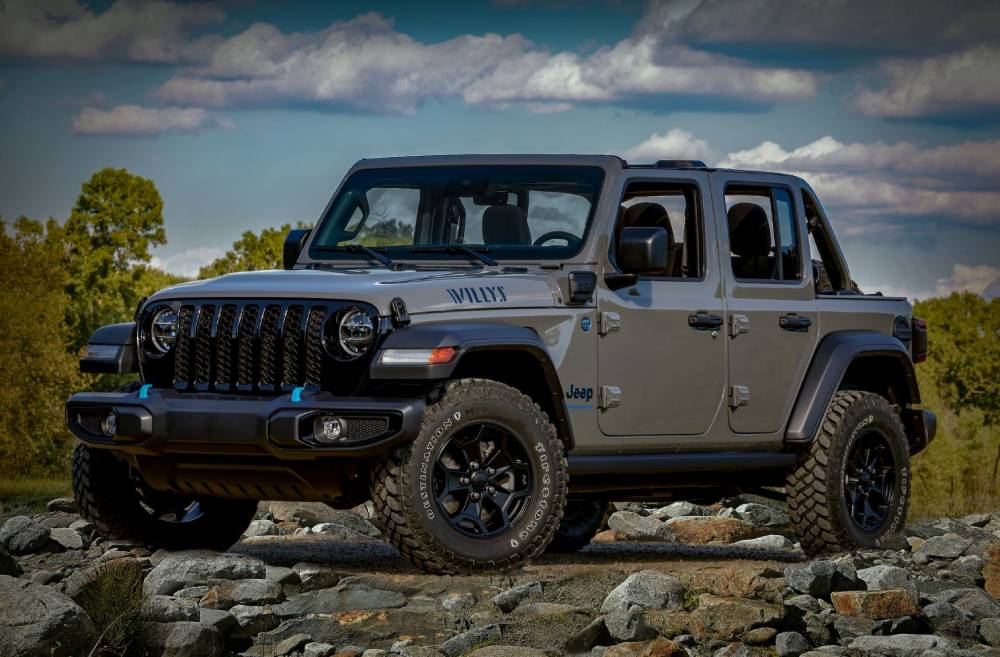
What Is Flat Towing?
Flat towing is a method of pulling a vehicle behind a motorhome with all four of the towed vehicle’s wheels remaining on the road. It is also commonly called four-down towing, recreational towing, or dinghy towing. Instead of loading your Jeep Wrangler onto a trailer or placing its front wheels on a tow dolly, you connect it directly to the rear of the RV with a tow bar.
For many RV travelers, flat towing is the preferred option because it provides convenient transportation after reaching a campground or destination. A large motorhome may be comfortable on the highway, but it can be difficult to drive through narrow streets, crowded parking lots, scenic trails, or small towns. Bringing a Jeep Wrangler gives travelers a more practical vehicle for local trips and off-road adventures.
The basic setup includes a tow bar attached between the motorhome and the Wrangler, a vehicle-specific base plate, safety cables, lighting connections, and a supplemental braking system. Once the equipment is installed, connecting the Jeep can be faster and easier than loading it onto a full-size trailer.
Flat towing should not be confused with using a tow dolly. A tow dolly raises two wheels off the ground while the other two remain on the road. This method is suitable for some front-wheel-drive vehicles, but it is generally not the recommended recreational towing method for a four-wheel-drive Jeep Wrangler. A full trailer, on the other hand, carries the entire vehicle with all four wheels off the ground. It can reduce tire and drivetrain movement, but it also adds considerable weight, requires storage space, and may be more difficult to maneuver.
One of the greatest advantages of flat towing is convenience. There is no large trailer to store at a campsite, and a properly installed tow bar can usually be folded against the motorhome when it is not in use. The setup is relatively compact, and experienced owners can connect or disconnect their Wrangler efficiently.
However, flat towing also has limitations. You cannot normally reverse the motorhome while the Wrangler is connected because the tow bar and the Jeep’s front wheels may bind or move unpredictably. The Wrangler’s tires, suspension components, and wheel bearings also continue to accumulate wear while being towed. In addition, the installation cost for a base plate, braking system, wiring kit, and tow bar can be substantial.
The most serious risk comes from preparing the vehicle incorrectly. If the transfer case is not fully shifted into Neutral, internal drivetrain components may be damaged as the wheels rotate. This is why every owner should follow the recreational towing procedure written for the exact model year, transmission, powertrain, and transfer case configuration of the vehicle.
Flat towing can be safe and highly practical, but it is not simply a matter of attaching a rope or tow bar and driving away. The towing equipment must be properly rated, the motorhome must have adequate capacity, and the Wrangler must be placed in the correct towing configuration before the trip begins.
Can You Flat Tow a Jeep Wrangler?
Many properly equipped four-wheel-drive Jeep Wrangler models can be flat towed behind a motorhome because their transfer cases include a Neutral position. When the transfer case is correctly placed in Neutral, it disconnects the driveline in a way that allows the wheels to rotate during recreational towing. Jeep specifically identifies Neutral as a feature that supports available flat towing on compatible four-wheel-drive systems.
However, owners should never assume that every vehicle carrying the Wrangler name follows exactly the same procedure. Instructions can differ according to model year, transmission type, transfer case, powertrain, trim, and regional specification. Before purchasing equipment or attempting to tow the vehicle, locate the Recreational Towing section in the owner’s manual for your exact Jeep.
Current Jeep guidance also emphasizes two essential requirements. The Wrangler must be properly equipped for flat towing, and the towing vehicle must have enough capacity to pull the Jeep safely. The weight of the Wrangler, the installed accessories, cargo, passengers, and towing equipment must all be considered when evaluating the motorhome’s limits.
Traditional Wrangler generations such as the TJ, JK, and gasoline-powered JL are widely used as flat-towed vehicles when they have a suitable four-wheel-drive system and the manufacturer’s procedure is followed. Older official Wrangler manuals also instruct owners to place the transfer case in Neutral before recreational towing. For example, Jeep’s 2016 guidance states that the transfer case must be in Neutral, while a manual transmission must be left in gear rather than in Neutral.
This distinction is extremely important. The transfer case and the transmission perform different functions. Placing the transmission in Neutral alone does not necessarily prepare a Wrangler for flat towing. In many configurations, the transfer case must be placed in Neutral while the automatic transmission is placed in Park. A manual transmission may need to be placed in a specified forward gear. The exact sequence must come from the vehicle’s manual.
After shifting the transfer case, the driver should verify that it has fully entered Neutral. Jeep manuals warn that the prescribed verification procedure should be completed before recreational towing to help prevent internal damage.
Wrangler 4xe owners should be especially careful. Hybrid systems add high-voltage components, unique operating modes, and model-specific procedures. Official Mopar resources provide a separate manual and recreational towing section for Wrangler 4xe models. Owners should use that model-specific guidance instead of assuming that instructions for a gasoline Wrangler apply without modification.
A practical compatibility overview looks like this:
| Wrangler type | General flat-towing guidance |
|---|---|
| Jeep Wrangler TJ 4WD | Commonly flat towable when equipped with a transfer case that has Neutral and prepared according to the owner’s manual |
| Jeep Wrangler JK 4WD | Commonly flat towable using the manufacturer’s recreational towing procedure |
| Jeep Wrangler JL 4WD | Many configurations are flat towable when properly equipped and prepared |
| Jeep Wrangler Rubicon | Often flat towable, but the exact transfer case and model-year instructions must be verified |
| Jeep Wrangler 4xe | Consult the specific hybrid owner’s manual before towing |
| Modified Wrangler | Verify that aftermarket bumpers, lifts, tires, steering parts, and attachment points remain suitable for towing |
Modifications can create additional complications. An aftermarket bumper may appear strong enough to accept a tow bar, but appearance alone does not confirm that its mounting points are approved for flat towing. Oversized tires and suspension lifts may alter tow-bar height, alignment, handling, and braking requirements. Recovery points and tow hooks should not automatically be treated as recreational towing attachment points.
The safest rule is simple. A Jeep Wrangler should only be flat towed when its exact owner’s manual permits recreational towing and every required step can be completed correctly. When the manual does not clearly approve the procedure, transporting the Wrangler on a properly rated trailer is usually the more cautious option.
Equipment You Need Before Flat Towing
A safe flat-towing setup depends on more than the Jeep itself. Every component must work as part of a complete system, and each part should be rated for the actual weight of the Wrangler. Using mismatched or underrated equipment can lead to unstable handling, premature component failure, or complete separation between the motorhome and the Jeep.
Tow Bar
The tow bar is the primary connection between the motorhome and the Wrangler. Most modern systems use a motorhome-mounted tow bar with two extending arms. These arms connect to attachment tabs on the Jeep’s base plate.
Choose a tow bar with a weight rating that exceeds the Wrangler’s actual loaded weight. Do not evaluate capacity using curb weight alone. Accessories such as steel bumpers, winches, roof racks, larger tires, recovery equipment, tools, and luggage can add hundreds of pounds.
A non-binding tow bar can make disconnection easier when the motorhome and Jeep are parked on slightly uneven ground. Locking arms can also simplify setup by extending as the motorhome moves forward until both sides lock securely.
Before every trip, inspect the tow bar for bent parts, damaged boots, loose hardware, corrosion, and excessive play. Lubricate and maintain it according to the manufacturer’s instructions.
Base Plate
The base plate is a vehicle-specific structure attached to the Wrangler’s frame or other approved mounting locations. It provides the reinforced connection points that receive the tow bar.
A proper base plate spreads towing forces across strong areas of the vehicle. It should be designed for the exact model year and compatible with the Wrangler’s bumper, trim, and installed accessories.
Some aftermarket bumpers include integrated tow-bar connections, but those attachment points must be specifically approved and rated for recreational towing. Standard tow hooks and recovery shackles should not be used unless the manufacturer explicitly confirms that they are suitable for this purpose.
The installation may require removing body panels, trimming small plastic sections, relocating components, or applying specified torque values. Because the base plate carries critical loads, professional installation is often worthwhile for owners who do not have suitable tools or mechanical experience.
Safety Cables
Safety cables provide a secondary connection if the tow bar, attachment pin, or another primary component fails. They should be rated for the Wrangler’s weight and connected to designated structural points on both vehicles.
Many installers cross the safety cables beneath the tow bar. This arrangement can help support the tow bar tongue if the main connection separates. The cables need enough slack for normal turns but should not hang low enough to drag on the road.
Avoid wrapping safety cables around electrical wires, brake lines, or removable bumper parts. Inspect the hooks, latches, cable coating, and mounting points before every departure.
Towing Light System
The Wrangler must display the motorhome’s braking and turning signals so drivers behind the combination can react appropriately. A towing light system normally provides brake lights, turn signals, and taillights.
Common options include diode wiring kits, plug-in harnesses, removable magnetic lights, and separate bulb systems installed inside the Wrangler’s taillight housings. The best choice depends on the vehicle, expected towing frequency, installation complexity, and local regulations.
A diode-based system can help isolate the motorhome’s electrical circuits from the Wrangler’s factory wiring. However, installation must be completed correctly to prevent feedback, warning lights, or electrical problems.
Before every trip, test the left turn signal, right turn signal, brake lights, taillights, and hazard lights. One person can operate the motorhome controls while another checks the Wrangler, or a wireless camera can be used to confirm operation.
Supplemental Braking System
A supplemental braking system applies the Wrangler’s brakes when the motorhome slows down. It reduces the braking load on the RV and can improve stopping distance, stability, and control during an emergency.
Different systems use portable units, permanently installed actuators, air pressure, hydraulic signals, or electronic proportional control. A proportional system attempts to match the Wrangler’s braking force to the motorhome’s rate of deceleration.
Legal requirements vary by jurisdiction and may depend on the weight of the towed vehicle. Even where a specific braking system is not clearly mandated, relying only on the motorhome’s brakes can increase stopping distance and place more heat and wear on the RV’s braking components.
The braking system should be compatible with both vehicles and adjusted according to the manufacturer’s instructions. Excessive braking force can cause the Wrangler to pull backward against the tow bar, while insufficient force may leave the motorhome doing most of the stopping work.
Breakaway Switch
A breakaway switch is part of many supplemental braking systems. A cable connects the switch on the Wrangler to the motorhome. If the Jeep completely separates from the RV, the cable pulls a pin and activates the Wrangler’s brakes.
The breakaway cable must be attached to a separate secure point on the motorhome. It should not be looped around the tow bar or attached to the same component whose failure could cause separation.
The cable needs enough length to permit full turns without activating the switch accidentally. At the same time, it should not be so long that it drags on the road or becomes tangled with the safety cables.
Electrical Power or Battery Protection
Some supplemental braking systems and lighting installations draw power from the Wrangler’s battery. During a long towing day, this demand may discharge the battery and leave the vehicle unable to start at the destination.
Depending on the model and equipment, the setup may require a charge line from the motorhome, a dedicated power outlet, a battery maintenance device, or another manufacturer-approved solution. Battery procedures can vary by model year, so owners should not disconnect terminals or remove fuses unless instructed by the relevant manuals.
High-Low Adapter and Hitch Components
The tow bar should remain within the manufacturer’s allowable level range when the motorhome and Wrangler are connected. A major height difference can create poor handling and place abnormal forces on the tow bar and base plate.
A properly rated high-low adapter can correct the height difference between the motorhome’s receiver and the Wrangler’s attachment points. All hitch pins, clips, locks, and adapters must have adequate ratings and should fit without excessive movement.
Long receiver extensions may reduce the effective capacity of the hitch and increase leverage. Review the ratings of the complete connection system rather than assuming that every component retains its original capacity when combined with an extension.
Tire Pressure Gauge and Inspection Tools
Proper tire pressure helps the Wrangler track correctly behind the RV. Underinflated tires can generate heat, increase rolling resistance, and contribute to tire failure. Before towing, check all four tires when they are cold and inspect them for cuts, bulges, nails, uneven wear, and age-related cracking.
A torque wrench, spare retaining pins, electrical tester, gloves, flashlight, and basic hand tools can also be useful. Some owners carry a tire-pressure monitoring system with sensors on the Wrangler so they can identify pressure loss or overheating before serious damage occurs.
The cheapest towing setup is rarely the safest setup. Tow bars, base plates, braking equipment, cables, and wiring should be selected as one compatible system. Proper equipment can cost more at the beginning, but that expense is far smaller than the cost of drivetrain damage, a collision, or losing control of the vehicle on the highway.
Step-by-Step: How to Flat Tow a Jeep Wrangler
Successfully flat towing a Jeep Wrangler begins long before you pull onto the highway. Every step in the preparation process is designed to protect the drivetrain, keep the towing equipment secure, and ensure both the RV and the Jeep respond safely during travel. Although the exact sequence may vary slightly depending on your Wrangler’s model year and drivetrain, the following procedure reflects the general process recommended for compatible four-wheel-drive models. Always confirm the specific recreational towing instructions in your owner’s manual before beginning.
Step 1: Park on a Level Surface
Park both the motorhome and the Jeep Wrangler on firm, level ground whenever possible. A level surface reduces stress on the tow bar during connection and minimizes the risk of unexpected vehicle movement.
Shift the motorhome into Park and apply its parking brake. Position the Jeep directly behind the RV so both vehicles are aligned as straight as possible.
Step 2: Start the Jeep Wrangler
Start the engine and allow it to idle for a few moments. This ensures all drivetrain components are properly lubricated before shifting the transmission and transfer case.
Keep your foot firmly on the brake pedal throughout the shifting process.
Step 3: Shift the Transmission
Follow the procedure outlined for your specific transmission.
For automatic transmission models, begin by shifting the transmission into Neutral.
For manual transmission models, follow the sequence described in the owner’s manual before moving the transfer case.
Do not skip this step or attempt to force any shifter into position.
Step 4: Shift the Transfer Case into Neutral
This is the most critical step of the entire process.
Move the transfer case lever into the Neutral position using the procedure specified for your Jeep Wrangler. Once engaged, verify that the transfer case is fully seated in Neutral.
If the transfer case is not completely disengaged, internal drivetrain components may rotate without proper lubrication while being towed, potentially causing severe mechanical damage.
Step 5: Place the Transmission in Its Final Towing Position
After the transfer case has been confirmed in Neutral, move the transmission into the final position required for your specific Wrangler configuration.
For many automatic transmission models, this means shifting into Park.
Certain manual transmission models may require a forward gear instead of Neutral.
Never assume the correct position without consulting the owner’s manual.
Step 6: Shut Off the Engine
Turn off the engine after all drivetrain settings have been completed.
Remove the key or place the ignition in the manufacturer-recommended position if required for steering operation.
Some newer Wranglers use push-button ignition systems, so verify any model-specific requirements before towing.
Step 7: Confirm Steering Operation
Many modern Jeep Wranglers allow the steering wheel to remain free while the ignition is off, but this varies by model year.
Verify that the steering operates normally and is not locked before connecting the tow bar.
A locked steering wheel can cause the Jeep to drag through turns instead of tracking naturally behind the motorhome.
Step 8: Attach the Tow Bar
Connect both tow bar arms to the base plate attachment points.
Insert all locking pins completely and secure each retaining clip.
Inspect every connection to confirm the pins are fully seated and cannot work loose during travel.
Step 9: Connect the Safety Cables
Attach the safety cables between the RV and the Jeep using the designated mounting points.
Cross the cables beneath the tow bar to provide additional support if the primary connection fails.
Make sure the cables have enough slack for turning without allowing them to drag on the pavement.
Step 10: Connect the Electrical Wiring
Plug the electrical harness into both vehicles.
Ensure the cable is routed away from moving suspension parts, sharp edges, and hot exhaust components.
Secure any excess wiring with straps or clips to prevent damage during travel.
Step 11: Test the Lighting System
Before moving the vehicles, verify that all lights function correctly.
Check the left turn signal, right turn signal, brake lights, running lights, and hazard lights.
A second person can stand behind the Jeep while another operates the controls inside the motorhome.
Step 12: Activate the Supplemental Braking System
If your towing setup includes a supplemental braking system, complete the manufacturer’s startup procedure.
Confirm the system powers on correctly and performs any required self-test before departure.
Verify that the breakaway cable is connected to an independent attachment point on the motorhome.
Step 13: Perform a Final Walk-Around Inspection
Walk completely around both vehicles before driving away.
Inspect the tow bar, base plate connections, safety cables, electrical wiring, hitch receiver, breakaway cable, and tire condition.
Double-check that the Jeep’s parking brake has been released.
Look underneath both vehicles for any loose parts, hanging cables, or fluid leaks.
Taking two extra minutes for a final inspection can prevent expensive repairs and dangerous situations later on the road.
Pre-Trip Safety Checklist
Experienced RV owners know that consistency is the key to safe towing. Rather than relying on memory, use a checklist before every trip to confirm that every critical component has been inspected.
Begin by checking the tire pressure on both the motorhome and the Jeep Wrangler. Properly inflated tires improve stability, reduce uneven wear, and help prevent overheating during long highway drives.
Inspect the tow bar carefully for signs of wear, cracks, excessive movement, or damaged locking mechanisms. Confirm that every hitch pin and retaining clip is fully inserted and properly secured.
Verify that the base plate mounting points remain tight and free from visible damage. Any loose hardware should be corrected before towing.
Check that the safety cables are crossed beneath the tow bar, securely attached, and have enough slack for turning without touching the road.
Inspect the electrical wiring harness for cuts, pinched insulation, or loose connectors. Test the brake lights, tail lights, turn signals, and hazard lights to ensure the Jeep mirrors every lighting command from the motorhome.
Activate the supplemental braking system and confirm that it completes its startup sequence without displaying any warning indicators.
Verify that the breakaway cable is attached to its own independent anchor point rather than sharing a connection with the tow bar or safety cables.
Confirm that the transfer case has been shifted into Neutral according to the owner’s manual.
Verify that the transmission has been placed in the proper towing position specified for your Wrangler model.
Ensure the parking brake has been completely released.
Check that the steering system is free to follow the motorhome naturally through turns if required for your model.
Inspect all four Jeep tires for punctures, excessive wear, bulges, or embedded debris.
Remove any loose cargo from inside the Jeep that could move during travel.
Adjust the motorhome mirrors to provide the widest possible view of the Jeep while driving.
Once everything has been verified, slowly pull forward a few feet and stop again. Perform one final visual inspection to ensure the tow bar arms have locked correctly and every connection remains secure before entering traffic.
Common Mistakes to Avoid
Even experienced RV owners occasionally make mistakes when preparing a Jeep Wrangler for flat towing. Most towing-related problems are preventable, and many occur because one small step was skipped during preparation.
One of the most common mistakes is failing to place the transfer case completely into Neutral. This single error can allow internal drivetrain components to rotate incorrectly while the Jeep is being towed, potentially resulting in severe mechanical damage that may require expensive repairs.
Another frequent mistake is leaving the parking brake engaged. Even a partially applied parking brake can create excessive heat, accelerate brake wear, damage tires, and reduce fuel efficiency for the motorhome.
Some owners forget to verify that the steering system is free to move correctly. If the steering locks during towing, the Jeep may skid instead of tracking smoothly behind the RV, placing enormous stress on the tow bar and front suspension.
Loose or improperly installed hitch pins are another common issue. Every retaining clip should be fully seated before departure because vibration over hundreds of miles can gradually work unsecured pins loose.
Incorrectly routed safety cables can also create hazards. Cables that drag on the pavement may wear through over time, while cables that are too tight may restrict turning and place unnecessary strain on the towing equipment.
Skipping the lighting test is another avoidable mistake. Brake lights and turn signals help other drivers anticipate your movements, especially when driving a large motorhome. A simple lighting inspection only takes a minute but significantly improves highway safety.
Some RV owners choose not to install a supplemental braking system because they believe their motorhome has sufficient braking capacity. However, the additional stopping force provided by the Jeep can improve braking performance, reduce wear on the RV’s brakes, and may be required by law depending on where you travel.
Ignoring regular equipment maintenance is another costly error. Tow bars, safety cables, electrical connectors, and hitch components should all be inspected for corrosion, excessive wear, or damage before every trip. Small defects that go unnoticed can eventually become major failures on the highway.
Finally, many owners make the mistake of relying on online advice instead of consulting their specific owner’s manual. Jeep updates recreational towing procedures as vehicles evolve, and differences between model years can affect the correct towing sequence. The owner’s manual should always be treated as the primary reference for your exact Jeep Wrangler.
Tips for First-Time RV Owners
Flat towing a Jeep Wrangler becomes much easier with experience, but your first few trips require extra patience and attention to detail. Developing safe towing habits early will help protect both your motorhome and your Jeep while giving you greater confidence on the road.
Before setting out on a long journey, practice connecting and disconnecting the Jeep several times at home or in an empty parking lot. Becoming familiar with the towing procedure allows you to identify potential problems before you’re hundreds of miles from home.
Take your first test drive in a quiet area with light traffic. Make several slow turns, stop gradually, and pay attention to how the Jeep tracks behind the motorhome. Listen for unusual noises and stop immediately if anything feels abnormal.
Avoid rushing through the setup process. Even experienced RV owners use a checklist before every trip because small mistakes are easy to overlook when you’re eager to get on the road.
Drive at moderate speeds and remember that your stopping distance will be longer than usual. Accelerate smoothly, brake gradually, and leave extra space between your RV and the vehicle ahead. Sudden steering inputs or hard braking can place unnecessary stress on your towing equipment.
Take wider turns than you normally would. Although the Jeep Wrangler follows behind the motorhome, tight turns can still place additional strain on the tow bar and increase the risk of contacting curbs or roadside obstacles.
Never attempt to back up while the Jeep is connected. Flat towing systems are designed for forward travel only. Reversing can cause the Jeep’s front wheels to turn sharply, potentially damaging the tow bar, steering components, or base plate. If you need to reverse, safely disconnect the Jeep before backing the motorhome.
Inspect your towing setup during every fuel stop or rest break. Walk around both vehicles and verify that the tow bar remains locked, the safety cables are secure, the electrical connector is still firmly attached, and the breakaway cable has not become tangled.
Periodically check the Jeep’s tires for unusual wear or excessive heat. A tire that feels significantly hotter than the others may indicate low pressure or a developing mechanical issue.
Keep your towing equipment clean and well maintained. Dirt, road salt, and moisture can accelerate corrosion and reduce the lifespan of moving components. Follow the maintenance schedule recommended by the manufacturers of your tow bar, braking system, and other towing accessories.
If strong crosswinds develop, reduce your speed and maintain a firm grip on the steering wheel. High-profile motorhomes are more susceptible to wind gusts, and smoother driving inputs will help both vehicles remain stable.
Finally, remember that every Jeep Wrangler is different. If you upgrade your vehicle, install aftermarket suspension components, change tire sizes, or modify the bumper, review your towing setup again to ensure everything remains compatible and properly aligned.
Frequently Asked Questions
Can every Jeep Wrangler be flat towed?
No. While many four-wheel-drive Jeep Wrangler models are designed to support recreational flat towing, compatibility depends on the model year, drivetrain, transfer case, and factory specifications. Always consult the owner’s manual for your specific vehicle before attempting to tow it.
Can I flat tow an automatic Jeep Wrangler?
Many automatic transmission Wrangler models can be flat towed when the correct recreational towing procedure is followed. The transfer case must typically be shifted into Neutral before placing the transmission in its required towing position. Follow the instructions provided for your exact model year.
Can I flat tow a manual transmission Wrangler?
Yes, many manual transmission Wranglers can also be flat towed. However, the required transmission position may differ from automatic models. Always follow the manufacturer’s recreational towing instructions instead of assuming the procedure is the same.
Can I back up while flat towing?
No. Flat towing systems are intended for forward travel only. Attempting to reverse with the Jeep attached can cause the front wheels to jackknife, resulting in damage to the tow bar, steering system, or base plate. Disconnect the Jeep before backing the motorhome.
How fast can I drive while flat towing?
There is no universal speed limit for every towing setup. Drive within the limits recommended by your motorhome manufacturer, towing equipment manufacturer, and local traffic laws. Safe driving conditions should always take priority over maintaining highway speed.
Does flat towing damage a Jeep Wrangler?
When performed correctly using approved equipment and the proper recreational towing procedure, flat towing is not intended to damage a compatible Jeep Wrangler. Most towing-related damage occurs because the transfer case was not properly shifted, equipment was installed incorrectly, or required inspections were skipped.
Do I need a supplemental braking system?
Many states and provinces require supplemental braking systems for towed vehicles above certain weight thresholds. Even where not legally required, they improve braking performance, reduce wear on the motorhome’s brakes, and increase overall towing safety.
Can I flat tow a Jeep Wrangler 4xe?
Certain Wrangler 4xe models may support recreational towing, but the procedures differ from gasoline-powered Wranglers. Because hybrid powertrains include additional systems and operating requirements, owners should follow the recreational towing instructions provided specifically for their model year.
Should I disconnect the battery before towing?
Battery requirements vary depending on the model year, electrical system, and installed towing accessories. Some towing setups include a charge line that maintains battery voltage while traveling. Follow the guidance in your owner’s manual and the instructions supplied with your braking system.
What should I inspect before every trip?
At a minimum, inspect the tow bar, base plate, hitch pins, safety cables, electrical wiring, supplemental braking system, breakaway cable, tire pressure, lighting system, transfer case position, transmission position, and parking brake before every departure.
Conclusion
Learning how to flat tow a Jeep Wrangler is an essential skill for RV owners who want the freedom to explore beyond the campground. Thanks to its rugged four-wheel-drive design and recreational towing capability on many compatible models, the Wrangler has earned a reputation as one of the best vehicles to tow behind a motorhome.
However, successful flat towing depends on much more than simply attaching a tow bar. Every trip begins with careful preparation, the correct towing equipment, and strict adherence to the manufacturer’s procedures. Taking the time to position the transfer case correctly, inspect every connection, test the lighting system, and verify the braking equipment can help prevent expensive repairs and significantly improve safety on the road.
Whether you’re preparing for your first RV vacation or you’re an experienced traveler looking to refine your towing routine, consistency is the key to safe and reliable flat towing. Use a pre-trip checklist every time, inspect your equipment regularly, and never ignore signs of wear or mechanical issues.
Most importantly, remember that towing procedures can vary between Wrangler model years and configurations. Always consult the owner’s manual for your specific vehicle before beginning any recreational towing journey.
By following the guidance in this complete step-by-step guide, you’ll be well prepared to flat tow your Jeep Wrangler with confidence, protect your investment, and enjoy countless adventures wherever the road takes you.
If you found this guide helpful, consider bookmarking it for future reference and sharing it with fellow Jeep owners or RV enthusiasts. A few extra minutes of preparation before each trip can make the difference between a smooth adventure and an expensive roadside repair.