If you are considering a Kia Optima, one question probably comes to mind first. How long do Kia Optimas last? The answer is encouraging for most owners. With proper maintenance, many Kia Optimas remain reliable for well over 200,000 miles. Some even exceed 250,000 miles without major mechanical failures.
A Kia Optima does not reach high mileage by chance. Its lifespan depends on routine maintenance, driving habits, road conditions, and the quality of previous repairs. Oil changes, fluid replacements, and timely inspections all help protect the engine and transmission. Ignoring these services can shorten the vehicle’s life and increase repair costs.
The Kia Optima has become a popular midsize sedan because it offers a comfortable ride, modern technology, and competitive fuel economy. It also provides good value for the money. However, reliability is not identical across every model year. Some versions have proven exceptionally dependable, while others have experienced engine related concerns that buyers should understand before making a decision.
Whether you already own a Kia Optima or plan to purchase a used one, knowing its expected lifespan is essential. This guide explains the average mileage you can expect, the most reliable model years, and the common problems that may affect durability. You will also learn practical maintenance tips that can help your Kia Optima stay on the road for many years.
How Many Miles Can a Kia Optima Last?
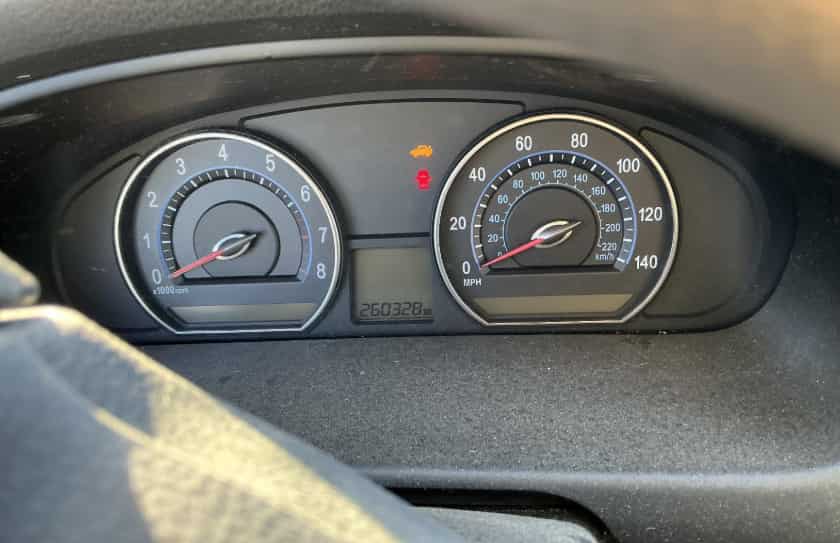
A Kia Optima can typically last between 200,000 and 250,000 miles when it receives proper care. Many owners report driving well beyond this range without major mechanical problems. However, the final lifespan depends on maintenance history, driving habits, climate, and the overall condition of the vehicle.
Most experts consider 200,000 miles an important milestone for modern midsize sedans. A Kia Optima that reaches this point with its original engine and transmission has usually received consistent maintenance throughout its life. Regular oil changes, timely fluid replacements, and routine inspections help reduce wear on critical components. These simple services often have a greater impact on longevity than expensive repairs later in the vehicle’s life.
Mileage alone does not determine whether a Kia Optima is in good condition. A vehicle with 180,000 well maintained miles may be a better purchase than another with only 100,000 miles and a poor service history. Maintenance records provide valuable insight into how the previous owner cared for the engine, transmission, cooling system, and suspension. A complete service history often indicates that the vehicle is more likely to remain dependable for years to come.
Driving habits also influence how long a Kia Optima lasts. Frequent highway driving usually causes less stress on the engine and transmission than constant stop and go traffic. Smooth acceleration and gentle braking reduce wear on mechanical parts. Aggressive driving, towing beyond the recommended limit, and ignoring warning lights can shorten the vehicle’s lifespan and increase repair costs.
Climate is another important factor. Vehicles driven in areas with heavy snow, road salt, or extreme heat often experience faster wear on metal components, rubber seals, and cooling system parts. Regular washing, rust prevention, and scheduled maintenance help protect the vehicle from these environmental conditions.
Many Kia Optimas continue to perform well after 200,000 miles because modern engines are built with improved materials and tighter manufacturing standards. Even so, long term reliability depends on the owner’s commitment to preventive maintenance. Replacing worn components before they fail is usually less expensive than repairing major engine or transmission damage.
For buyers looking at a used Kia Optima, mileage should never be the only deciding factor. A detailed inspection, complete maintenance records, and a clean vehicle history are often better indicators of future reliability than the number shown on the odometer. Choosing a well maintained vehicle greatly improves the chances of enjoying many additional years of dependable ownership.
Is the Kia Optima a Reliable Car?
The Kia Optima has earned a solid reputation for reliability in the midsize sedan segment. It combines comfortable driving, practical features, and reasonable ownership costs. While it may not consistently rank above every Japanese competitor, it remains a dependable choice for drivers who follow the recommended maintenance schedule.
Reliability varies by model year. Some Kia Optima models have delivered years of trouble free performance with only routine maintenance. Others have experienced engine related issues that affected long term ownership. Because of these differences, buyers should research the specific model year instead of judging every Kia Optima the same way.
Routine maintenance plays a greater role than many people expect. Regular oil changes help protect internal engine components from excessive wear. Fresh transmission fluid supports smooth gear changes and reduces stress on the transmission. Cooling system maintenance prevents overheating, which is one of the leading causes of expensive engine repairs. Small services performed at the right time often prevent much larger problems in the future.
Ownership costs are another reason many drivers choose the Kia Optima. Replacement parts are generally affordable, and routine maintenance is less expensive than many luxury vehicles. Most common repairs are straightforward, making the Optima a practical option for drivers who want a balance between reliability and operating costs.
Compared with the Toyota Camry and Honda Accord, the Kia Optima may not have the same long standing reputation for exceptional durability. However, it often provides better value in the used car market. Buyers can frequently purchase a newer Optima with more modern features for the same budget as an older competitor. This combination of affordability and comfort makes it an attractive option for families and daily commuters.
A vehicle inspection is especially important when buying a used Kia Optima. Service records, recall completion, and overall mechanical condition reveal much more than the mileage alone. A well maintained vehicle with higher mileage is often a safer investment than a neglected car with fewer miles.
Overall, the Kia Optima is a reliable sedan for owners who stay proactive with maintenance. Choosing the right model year, following the service schedule, and addressing small issues early can significantly extend the vehicle’s lifespan. With proper care, many owners enjoy dependable performance for well over 200,000 miles.
Kia Optima Lifespan by Mileage Milestone
Understanding what to expect at different mileage milestones makes it easier to maintain a Kia Optima. Every stage of ownership brings new maintenance needs. Knowing which parts require attention can help prevent costly repairs and extend the life of the vehicle.
Under 100,000 Miles
Most Kia Optimas perform very well before reaching 100,000 miles. At this stage, the engine, transmission, and suspension should still provide smooth performance if the vehicle has been serviced regularly. Routine maintenance remains the highest priority.
Oil changes should be completed on schedule using the recommended engine oil. Brake pads, tires, air filters, and batteries should also be inspected during regular service visits. Keeping these components in good condition helps reduce unnecessary stress on other mechanical systems.
Drivers should also pay attention to unusual noises, warning lights, or changes in fuel economy. Addressing small issues early often prevents larger mechanical failures later in the vehicle’s life.
Between 100,000 and 150,000 Miles
After 100,000 miles, normal wear becomes more noticeable. This does not mean the vehicle is nearing the end of its life. Instead, it enters a stage where preventive maintenance becomes even more important.
Spark plugs may need replacement to maintain engine efficiency. The cooling system should be inspected for leaks, while hoses and belts should be checked for signs of wear. Suspension components may also require attention if the vehicle frequently travels on rough roads.
Transmission performance should remain smooth. Any hesitation, slipping, or delayed shifting should be inspected as soon as possible. Early diagnosis often prevents more expensive repairs.
Between 150,000 and 200,000 Miles
Many Kia Optimas continue to operate reliably within this mileage range. However, aging components naturally require more attention. Preventive maintenance becomes the key to reaching higher mileage without major repairs.
The water pump, wheel bearings, engine mounts, and suspension parts may begin showing signs of wear. Rubber seals and gaskets should also be inspected because age can cause them to harden and leak. Replacing worn parts before they fail reduces the risk of unexpected breakdowns.
Owners should continue monitoring engine oil consumption and coolant levels. Any sudden increase may indicate developing mechanical problems that require professional inspection.
Over 200,000 Miles
Reaching 200,000 miles is a significant achievement for any midsize sedan. A Kia Optima that reaches this milestone usually has a consistent maintenance history and responsible ownership.
At this stage, regular inspections become even more valuable. The engine, transmission, steering system, and cooling system should all receive careful attention. Replacing aging components before they fail can keep the vehicle reliable for many additional years.
Many owners continue driving their Kia Optimas beyond 250,000 miles. Success at this level depends on maintenance discipline rather than luck. Vehicles with complete service records and timely repairs often provide dependable transportation long after many other cars have been retired.
Common Kia Optima Problems That Affect Longevity
Like any vehicle, the Kia Optima can develop mechanical issues as it ages. However, these problems do not necessarily prevent the car from reaching 200,000 miles or more. In many cases, long term reliability depends on how quickly owners recognize warning signs and perform the necessary repairs. Routine maintenance remains the most effective way to extend the lifespan of the engine, transmission, and other major components. Vehicles with complete service records often experience fewer unexpected breakdowns than those with neglected maintenance histories.
Engine related concerns are among the most discussed issues for certain Kia Optima model years. Drivers may notice knocking sounds, excessive oil consumption, reduced performance, or a check engine light. These symptoms should never be ignored because they can lead to severe internal engine damage if left unresolved. Transmission performance also deserves close attention. Delayed shifting, slipping between gears, or rough gear changes may indicate developing wear. Addressing these problems early is usually far less expensive than replacing the entire transmission. The cooling system is equally important because overheating can quickly damage the engine. Regular coolant replacement, hose inspections, and radiator maintenance help reduce this risk.
As mileage increases, suspension components, wheel bearings, and electrical systems may also require service. These issues are common signs of normal wear rather than indicators of poor vehicle quality. Buyers should also confirm that all manufacturer recall repairs have been completed before purchasing a used Kia Optima. A vehicle with documented maintenance, completed recall work, and consistent servicing has a much greater chance of delivering reliable performance for many years. When owners stay proactive and repair small problems before they become major failures, a Kia Optima can remain dependable well beyond 200,000 miles.
Best and Worst Kia Optima Years for Longevity
Not every Kia Optima offers the same level of long term reliability. Improvements in engineering, manufacturing, and quality control have made some model years more dependable than others. Buyers who understand these differences are more likely to find a vehicle that delivers years of reliable service with lower maintenance costs. Before purchasing a used Kia Optima, it is important to research the specific model year instead of focusing only on mileage or price. A well maintained vehicle from a reliable production year can often provide better value than a newer model with a history of mechanical problems.
Many automotive experts and long term owners consider the later production years to be the strongest choices because they benefited from design improvements and updated components. Models from the final years of production generally provide a more refined driving experience and fewer reported reliability concerns. Earlier models, particularly those equipped with certain engine variants, have received greater attention due to engine related issues and manufacturer recalls. This does not mean every vehicle from those years will experience major problems, but buyers should carefully review maintenance records, verify that recall repairs have been completed, and inspect the engine for unusual noises, oil consumption, or warning lights. A professional pre purchase inspection can reveal hidden issues that may not appear during a short test drive.
Choosing the right model year is only one part of the decision. Long term durability depends even more on consistent maintenance and responsible ownership. A Kia Optima with complete service records, regular oil changes, and documented repairs is often a safer investment than a lower mileage vehicle with an unknown history. Combining careful research with a thorough inspection gives buyers the best opportunity to own a Kia Optima that remains reliable for well over 200,000 miles.
How to Make a Kia Optima Last Longer
Extending the lifespan of a Kia Optima does not require expensive modifications or complicated maintenance routines. Instead, it depends on consistent care and responsible driving habits. Regular oil changes are one of the most important maintenance tasks because clean engine oil reduces friction and protects internal components from premature wear. Using the manufacturer recommended oil grade and replacing filters at the proper intervals also helps maintain engine performance over the long term. Drivers should check engine oil, coolant, brake fluid, and tire pressure regularly because small maintenance tasks often prevent costly repairs later. Following the recommended service schedule is one of the easiest ways to keep the vehicle operating efficiently as mileage increases.
Driving style has a direct impact on how long a Kia Optima lasts. Smooth acceleration, gradual braking, and steady highway driving place less stress on the engine, transmission, and suspension than aggressive driving habits. Allowing the engine to reach normal operating temperature before demanding full performance can also reduce unnecessary wear. Owners should pay attention to unusual sounds, warning lights, fluid leaks, or changes in vehicle performance. Addressing these issues early often prevents minor problems from developing into major mechanical failures. Replacing worn components before they fail completely is usually more affordable than repairing extensive damage.
Proper documentation is another factor that supports long term reliability. Keeping detailed maintenance records helps owners track completed services and provides valuable information for future buyers. A Kia Optima with documented maintenance, completed recall repairs, and consistent servicing is more likely to retain its value and deliver dependable performance beyond 200,000 miles. While no vehicle lasts forever, preventive maintenance and responsible ownership give the Kia Optima the best opportunity to remain reliable for many years and many more miles.
Is a High Mileage Kia Optima Worth Buying?
Buying a high mileage Kia Optima can be a smart decision if the vehicle has been properly maintained. Mileage is only one part of the equation. A car with more than 150,000 miles and a complete service history is often a better investment than a lower mileage vehicle that has received little maintenance. The overall condition of the engine, transmission, suspension, and braking system provides a much clearer picture of future reliability than the number displayed on the odometer.
Before purchasing a used Kia Optima, review all available maintenance records and confirm that scheduled services were completed on time. Oil changes, transmission fluid service, cooling system maintenance, and brake inspections are all signs of responsible ownership. Buyers should also verify that any manufacturer recalls have been completed. During a test drive, listen for unusual engine noise, check for rough transmission shifts, and watch for warning lights on the dashboard. A professional pre purchase inspection is strongly recommended because it can identify hidden problems that may not be obvious during a short drive.
A well maintained Kia Optima with high mileage can still provide many years of dependable transportation. However, buyers should prepare for normal age related repairs as the vehicle continues to accumulate miles. Replacing suspension components, batteries, hoses, or other wear items is common for older vehicles and should be considered part of routine ownership rather than a sign of poor quality. When maintenance history is well documented and the vehicle passes a thorough inspection, a high mileage Kia Optima can offer excellent value, lower purchase costs, and reliable daily performance.
Kia Optima vs Toyota Camry vs Honda Accord: Which Lasts Longer?
The Kia Optima competes with two of the most respected midsize sedans on the market, the Toyota Camry and the Honda Accord. All three models offer comfortable interiors, good fuel economy, and practical features for daily driving. Long term durability remains one of the biggest priorities for buyers who plan to keep a vehicle for many years. Although the Camry and Accord have stronger reputations for longevity, the Kia Optima still delivers dependable performance when owners follow the recommended maintenance schedule.
Drivers and automotive experts regularly praise the Toyota Camry for lasting well beyond 250,000 miles with routine maintenance. The Honda Accord also earns high marks because it combines reliable engines, strong resale value, and reasonable ownership costs. The Kia Optima has improved significantly over the years, especially in later production models. Many owners report driving more than 200,000 miles without major mechanical repairs. In addition, buyers often find a used Kia Optima at a lower price than a comparable Camry or Accord with similar equipment. This price advantage makes the Optima an appealing choice for drivers who want modern features without exceeding their budget.
Choosing the right vehicle involves more than comparing expected mileage. Buyers should evaluate maintenance history, overall condition, service records, and inspection results before making a decision. A well maintained Kia Optima often proves more dependable than a neglected competitor with fewer miles. Careful research and preventive maintenance give every vehicle a better chance of delivering reliable transportation for many years.
Conclusion
So, how long do Kia Optimas last? In most cases, a well maintained Kia Optima can provide reliable transportation for 200,000 to 250,000 miles. Some owners even exceed this range by following the recommended maintenance schedule and repairing small issues before they become serious problems. While certain model years have experienced mechanical concerns, regular servicing and responsible ownership have a much greater impact on long term reliability than mileage alone.
If you plan to buy a used Kia Optima, look beyond the odometer. Review the maintenance history, inspect the engine and transmission, and confirm that all recall repairs have been completed. These steps will help you choose a vehicle that offers dependable performance and lower ownership costs. If you already own a Kia Optima, routine maintenance remains the best investment you can make. Simple habits such as changing the engine oil on time, checking fluid levels, and addressing warning signs early can extend the life of your vehicle by many years.
The Kia Optima continues to be a practical midsize sedan for drivers who value comfort, affordability, and reliability. With proper care, it can remain a dependable daily driver long after reaching 200,000 miles, making it a smart choice for both current owners and used car buyers.