Knowing your vehicle’s transmission helps you choose the correct transmission fluid, order compatible parts, and avoid costly repair mistakes. Every transmission has unique specifications. Using the wrong information can damage components or reduce performance.
You can identify your transmission in several ways. Start by checking the VIN, the owner’s manual, or the factory information label. You can also inspect the gear shifter, look for the transmission code, or use an OBD-II scanner. Each method provides useful information. Combining two or more methods gives the most accurate result, especially if your vehicle has multiple trim levels or previous modifications.
This guide explains every reliable way to identify your transmission. You will learn how VIN decoding works and where to find the transmission code. You will also discover the differences between automatic, manual, CVT, and dual-clutch transmissions. Finally, you will know when you should verify the information with a dealership or transmission specialist. After reading this guide, you can identify your transmission with confidence before buying parts, changing the transmission fluid, or scheduling maintenance.
How Do I Know What Transmission I Have?
You can identify your vehicle’s transmission by checking the VIN, reading the owner’s manual, locating the transmission code, inspecting the factory label, or using an OBD-II scanner. These methods provide the most accurate information because manufacturers assign a specific transmission to each vehicle configuration. Although the gear shifter can offer useful clues, it should not be your only source of information because different transmission types sometimes share similar shift patterns.
The vehicle identification number, commonly known as the VIN, is the fastest place to start. Most manufacturers link the VIN to detailed production records that include the engine, transmission, drivetrain, and factory-installed options. You can enter the VIN into the manufacturer’s website, an official parts catalog, or a trusted VIN decoder to retrieve your vehicle’s specifications. If the VIN database does not display the transmission model, the owner’s manual or dealership service department can usually confirm the correct information.
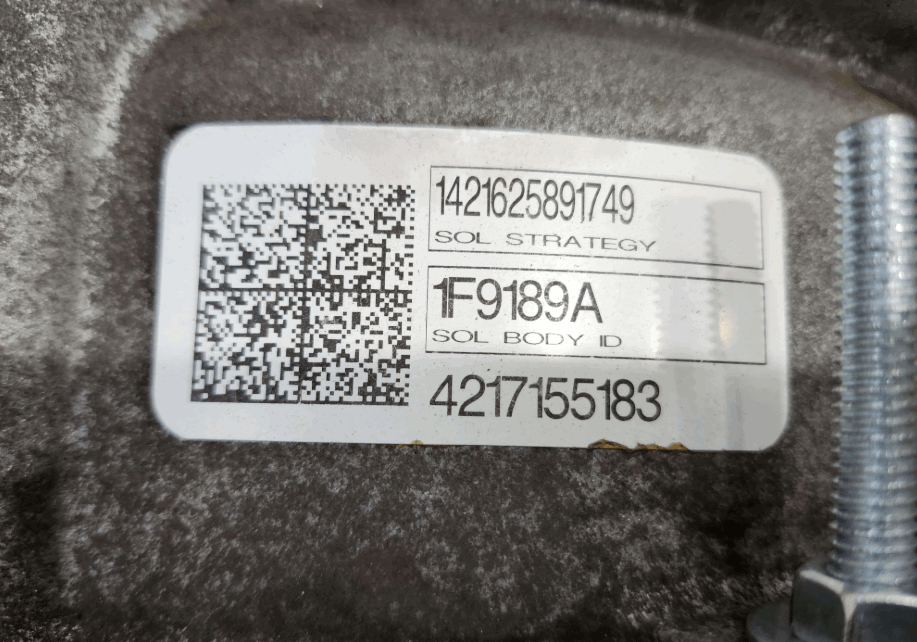
You can also identify the transmission by examining your vehicle. Many manufacturers place a transmission code on a label inside the driver’s door jamb, under the hood, or directly on the transmission housing. In addition, an OBD-II scanner may display transmission data on newer vehicles. If you cannot locate these details, compare your vehicle’s make, model, year, engine, and trim level with the manufacturer’s specifications. Using more than one identification method reduces the risk of errors and helps you confirm the exact transmission before performing maintenance, purchasing replacement parts, or scheduling repairs.
What Are the Different Types of Vehicle Transmissions?
Modern vehicles use several transmission types, and each one transfers engine power differently. Knowing the differences helps you identify your transmission more quickly and choose the correct maintenance procedures. The five most common transmission types include automatic, manual, continuously variable transmission (CVT), dual-clutch transmission (DCT), and automated manual transmission (AMT). While they all perform the same basic function, each design delivers a different driving experience and requires specific service recommendations.
An automatic transmission changes gears without driver input by using hydraulic systems, electronic controls, and planetary gear sets. It is the most common transmission in passenger vehicles because it offers smooth acceleration and simple operation. A manual transmission requires the driver to shift gears with a clutch pedal and a gear lever. This design provides greater control and often appeals to drivers who prefer a more engaging driving experience. In contrast, a CVT does not use traditional fixed gears. Instead, it relies on a belt and pulley system to deliver continuous gear ratios, which improves fuel efficiency and creates smoother acceleration.
Some vehicles use more advanced transmission designs. A dual-clutch transmission, often called a DCT, uses two separate clutches to deliver faster gear changes and improved performance. Many sports cars and performance-oriented models use this system because it combines quick shifting with high efficiency. An automated manual transmission also starts as a manual gearbox but replaces the clutch operation with electronic actuators. Although it shifts automatically, its driving feel often differs from a traditional automatic transmission. Understanding these characteristics makes it easier to recognize your transmission before confirming the information through the VIN, the owner’s manual, or the factory transmission code.
How Can You Identify Your Transmission by VIN?
The vehicle identification number, or VIN, is one of the most reliable ways to identify your transmission. Every vehicle receives a unique 17-character VIN during production. Manufacturers use this number to record important vehicle specifications, including the engine, transmission, trim level, drivetrain, and factory-installed equipment. As a result, the VIN provides a more accurate identification than visual inspection alone.
You can find the VIN in several locations. Most vehicles display it on the driver’s side dashboard near the windshield. It also appears on the driver’s door jamb, the vehicle registration, the insurance card, and the title document. Once you have the VIN, enter it into the manufacturer’s website, an official parts catalog, or a trusted VIN decoder. These resources often display the exact transmission model, transmission code, and other factory specifications. Some manufacturers also allow owners to download the original build sheet by entering the VIN.
Although the VIN is highly accurate, it does have limitations. Some free VIN lookup tools display only basic vehicle information and may not include the transmission model. Older vehicles also have fewer digital production records than newer models. If your VIN search does not reveal the transmission details, compare the results with your owner’s manual or contact a dealership for verification. You should also confirm the information if the vehicle has received a replacement transmission or major drivetrain modifications. Verifying the transmission through multiple official sources helps you avoid ordering incorrect parts, using the wrong transmission fluid, or performing maintenance based on inaccurate specifications.
Where Can You Find Your Transmission Information?
Your vehicle contains several official sources that can help you identify the transmission accurately. These sources come directly from the manufacturer, making them more reliable than online forums or visual estimates. If you cannot confirm the transmission through the VIN alone, checking the owner’s manual, factory labels, and production records can provide the information you need. Using official documentation also reduces the risk of choosing incorrect replacement parts or maintenance procedures.
The owner’s manual is one of the easiest places to start. Many manufacturers list the transmission type, recommended transmission fluid, and maintenance intervals in the specifications section. You should also check the driver’s door jamb for a certification label or production sticker. Some vehicles include a transmission code on this label, while others display it under the hood or on the transmission housing itself. If the label has faded or become unreadable, the original build sheet or factory service records often contain the same information. Many dealerships can access these records by using your VIN.
You can also verify your transmission through the manufacturer’s electronic parts catalog or a professional repair database. These systems match your vehicle’s model year, engine, trim level, and production date with the correct transmission model. This step becomes especially important because the same vehicle model may offer multiple transmission options within a single production year. Confirming the information through more than one official source gives you greater confidence before replacing transmission fluid, ordering components, or scheduling repairs. It also helps prevent compatibility issues that could increase maintenance costs or delay repairs.
Can You Identify a Transmission Without Using the VIN?
Yes, you can identify a transmission without using the VIN by examining several physical and electronic features on your vehicle. While these methods may not provide the exact transmission model, they often reveal the transmission type and help narrow your search. Combining visual inspection with factory documentation usually produces the most accurate result.
Start by looking at the gear shifter inside the vehicle. A manual transmission always includes a clutch pedal and a gear lever with a defined shift pattern. Most automatic transmissions display positions such as Park, Reverse, Neutral, and Drive. A continuously variable transmission may use the same gear selector, but it delivers smooth acceleration without noticeable gear changes. A dual-clutch transmission often includes paddle shifters behind the steering wheel and responds with faster gear changes than a conventional automatic. Although these features provide useful clues, manufacturers sometimes use similar gear selectors across different transmission designs.
You can also inspect the transmission housing for an identification tag or stamped transmission code. This label often appears on the side of the transmission case and includes the model number assigned by the manufacturer. If you have access to an OBD-II scanner, connect it to the diagnostic port and review the vehicle information. Many professional scan tools display the transmission control module data, which may include the transmission model or calibration details. Comparing this information with the owner’s manual or factory specifications allows you to confirm the transmission even when a VIN lookup is unavailable. This approach is especially useful for older vehicles, imported models, or cars with incomplete service records.
Why Is Knowing Your Transmission Important?
Knowing your transmission helps you maintain your vehicle correctly and avoid expensive mistakes. Every transmission uses specific components, fluid specifications, and service procedures. Choosing the wrong transmission fluid or installing incompatible parts can reduce performance, accelerate wear, and even cause transmission failure. Identifying the correct transmission before performing maintenance protects both your vehicle and your budget.
Accurate transmission information also makes routine maintenance much easier. Manufacturers recommend different service intervals for automatic transmissions, manual transmissions, CVTs, and dual-clutch transmissions. They also specify different fluid types, capacities, and filter replacement procedures. Following these recommendations helps maintain smooth shifting, improves reliability, and extends the transmission’s service life. In addition, repair shops rely on the correct transmission model to order replacement parts, update transmission software, and perform accurate diagnostic tests. Even two vehicles with the same model year may require different parts if they use different transmission options.
Transmission identification becomes even more important when buying a used vehicle or planning major repairs. Previous owners may replace the original transmission with a compatible unit from another model, making visual inspection alone unreliable. Confirming the transmission through official records helps verify the vehicle’s specifications and prevents costly compatibility issues. It also supports more accurate resale listings because buyers often want detailed information about the drivetrain before making a purchase. Taking a few minutes to verify your transmission can save time, reduce repair costs, and prevent unnecessary maintenance problems throughout the life of your vehicle.
What Mistakes Should You Avoid When Identifying a Transmission?
Many vehicle owners identify the wrong transmission because they rely on assumptions instead of verified information. Although some transmission types share similar features, they often have different internal designs, maintenance requirements, and replacement parts. Taking time to verify the transmission through official sources helps prevent unnecessary repairs and expensive ordering mistakes.
One common mistake is identifying the transmission only by looking at the gear shifter. Many automatic transmissions, CVTs, and dual-clutch transmissions use similar shift patterns, including Park, Reverse, Neutral, and Drive. While the gear selector provides helpful clues, it cannot confirm the exact transmission model. Another frequent mistake is assuming every vehicle within the same model year uses the same transmission. Manufacturers often offer multiple transmission options based on the engine size, trim level, drivetrain, or production date. As a result, two vehicles with the same exterior appearance may use completely different gearboxes.
Vehicle modifications can also create confusion. Some owners replace the original transmission after a major repair or performance upgrade. In these situations, the transmission installed in the vehicle may no longer match the original factory specifications. Relying on outdated service records or unofficial online sources can lead to incorrect conclusions. Instead, compare the VIN information, transmission code, owner’s manual, and physical identification labels whenever possible. Verifying the transmission through multiple reliable sources improves accuracy and helps you choose the correct transmission fluid, replacement parts, and maintenance procedures with confidence.
Frequently Asked Questions
Many drivers have additional questions after identifying their transmission because different manufacturers use different naming systems and production codes. The answers below address the most common concerns and help clarify situations that often cause confusion.
Can two vehicles with the same model have different transmissions? Yes. Manufacturers frequently offer multiple transmission options for the same model based on the engine, trim level, drivetrain, or production year. Always verify the transmission using the VIN or factory documentation instead of relying on the model name alone.
Does the VIN always show the transmission model? Not always. Some VIN lookup tools display complete factory specifications, while others provide only basic vehicle information. If the transmission model does not appear, contact the manufacturer or a dealership for confirmation.
Can I identify my transmission without opening the hood? Yes. You can begin by checking the owner’s manual, inspecting the gear selector, reviewing the dashboard information, or using an OBD-II scanner. However, combining these methods with the VIN or factory records produces the most reliable result.
Should I identify my transmission before changing the transmission fluid? Absolutely. Every transmission requires a specific fluid type and capacity. Using the wrong fluid can reduce performance, increase wear, and shorten the transmission’s service life.
Conclusion
Identifying your vehicle’s transmission is an important step before performing maintenance, ordering replacement parts, or diagnosing mechanical problems. The most reliable approach combines several official sources, including the VIN, the owner’s manual, factory labels, transmission codes, and manufacturer service records. Using more than one verification method helps eliminate uncertainty and ensures you work with accurate vehicle specifications.
Although visual inspection can provide useful clues, it should never replace official documentation. Features such as the gear shifter, dashboard indicators, and driving characteristics help identify the transmission type, but they cannot always confirm the exact transmission model. For the highest level of accuracy, compare your findings with factory records or consult a dealership when the vehicle has been modified or the transmission has been replaced.
Once you confirm your transmission, you can select the correct transmission fluid, purchase compatible replacement parts, and follow the recommended maintenance schedule with confidence. Accurate transmission identification reduces repair costs, improves long-term reliability, and helps protect one of the most important components in your vehicle. Whether you own a manual transmission, an automatic transmission, a CVT, or a dual-clutch transmission, taking a few extra minutes to verify the information can save significant time and money in the future.