Seeing several warning lights appear on your Honda dashboard can be stressful. If your scanner reports the Honda U0401 68 code, you may wonder whether your vehicle has a serious problem. Many drivers believe this code means the engine computer has failed. However, that is not always true. In many cases, the issue comes from incorrect data moving through the vehicle communication network. A weak battery, damaged wiring, poor electrical connections, or outdated software can all trigger the same code.
Modern Honda vehicles rely on many control modules that exchange information every second. Each module must receive accurate data to operate correctly. When one module detects invalid information from the Engine Control Module or Powertrain Control Module, it stores the Honda U0401 68 trouble code. As a result, the vehicle may illuminate warning lights or disable some safety features. However, these symptoms do not automatically mean that the ECM or PCM is defective.
This guide explains everything you need to know about Honda U0401 68. You will learn what the code means, what symptoms it causes, and why it appears. You will also discover the most common causes, the correct diagnostic process, effective repair methods, and typical repair costs. By following the proper troubleshooting steps, you can avoid replacing expensive parts that still work correctly and fix the real source of the problem.
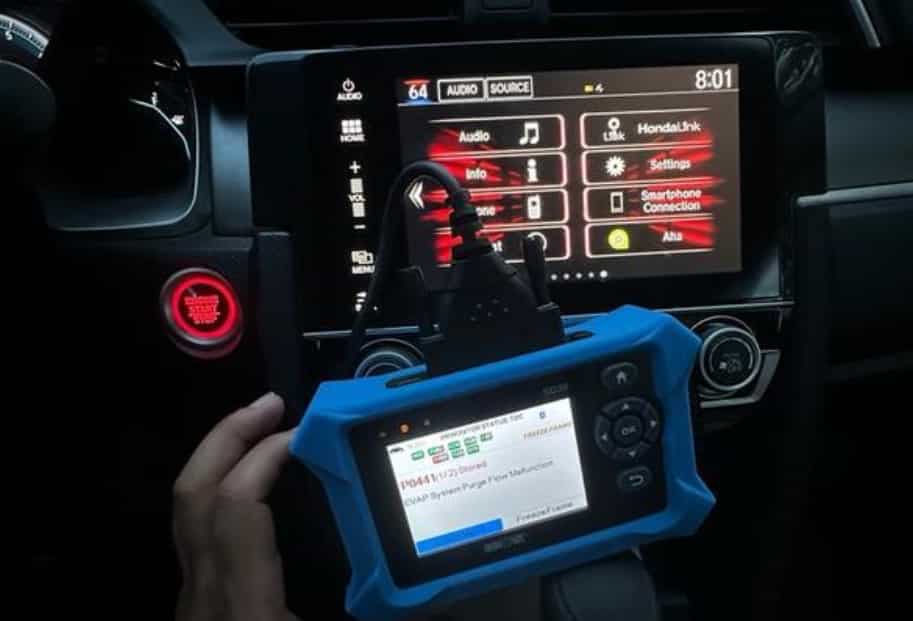
What Does Honda U0401 68 Mean?
The Honda U0401 68 trouble code indicates that one control module has received invalid information from the Engine Control Module or Powertrain Control Module. This code belongs to the communication category rather than the engine performance category. Modern Honda vehicles rely on many electronic modules that exchange data through the Controller Area Network. Each module expects accurate information before it performs its assigned function. When one module receives data that falls outside the expected range, it records the Honda U0401 68 code and may activate one or more warning lights.
Many vehicle owners assume that this code points to a failed ECM or PCM. However, that conclusion is often incorrect. In many cases, the engine computer works normally while another issue disrupts communication. Low battery voltage, poor ground connections, damaged wiring, faulty sensors, or outdated software can all produce invalid data. As a result, other modules report the communication fault even though the engine control module is not the original source of the problem.
Understanding how this code works helps prevent unnecessary repairs. Replacing the ECM or PCM without proper testing can waste both time and money. Instead, technicians should inspect the electrical system, scan every control module, and compare live data before replacing any components. This systematic approach identifies the true cause of the fault and increases the chance of a successful repair on the first attempt.
Common Symptoms of Honda U0401 68
The Honda U0401 68 code can trigger several warning signs, although the symptoms vary by Honda model and the affected control module. The most common sign is the appearance of multiple dashboard warning lights. Drivers often notice the Check Engine Light along with the ABS, VSA, Brake, or Power Steering indicators. In some vehicles, advanced safety features may also display warning messages. These alerts appear because the affected modules can no longer trust the information they receive from the vehicle network.
You may also experience changes in vehicle performance. The engine can enter a reduced power mode to protect critical systems. Cruise control may stop working, while traction and stability control functions can become unavailable. Some drivers report delayed transmission shifts or heavier steering, especially if the communication problem affects the electric power steering system. These symptoms may appear only once, or they may return every time the vehicle starts.
In many cases, the symptoms do not remain constant. A weak battery or an unstable electrical connection can cause the code to appear one day and disappear the next. Temperature changes, moisture, or vibration may also affect damaged wiring and create intermittent communication faults. Because these symptoms can resemble other electrical problems, technicians should always perform a complete system scan before replacing any parts. Accurate diagnosis saves time and prevents unnecessary repairs.
What Causes Honda U0401 68?
Several different issues can trigger the Honda U0401 68 code. However, electrical problems remain the most common cause. A weak 12 volt battery often supplies unstable voltage during engine startup. Low voltage can interrupt communication between control modules and create invalid data messages. Loose battery terminals or poor ground connections can produce the same result. Even a small voltage drop may affect several modules at the same time.
Damaged wiring is another frequent cause. The Controller Area Network depends on reliable connections to exchange information across the vehicle. A broken wire, corroded connector, or moisture inside a harness can interrupt data transmission. Rodent damage and previous collision repairs may also affect the network. These problems often create intermittent faults that become difficult to reproduce during inspection.
Faulty sensor data can also trigger the Honda U0401 68 code. For example, a defective wheel speed sensor or steering angle sensor may send incorrect information to other modules. In some cases, outdated control module software creates communication conflicts after a battery replacement or module installation. Although a failed ECM, PCM, or ABS control module remains possible, technicians should consider it the final diagnosis. A complete inspection of the power supply, wiring, network communication, and sensor data usually identifies the real source of the problem before expensive components require replacement.
How to Diagnose Honda U0401 68
Accurate diagnosis is the most important step when dealing with the Honda U0401 68 code. Many communication faults share similar symptoms, so replacing parts without testing often leads to unnecessary expenses. Start by performing a complete system scan with a professional diagnostic tool. Check every control module instead of scanning only the engine computer. Record all stored, pending, and history codes before clearing anything. This information often reveals which module first detected the communication problem.
Next, inspect the vehicle’s electrical system. Measure the battery voltage with the engine off and again while it is running. Confirm that the charging system operates within the manufacturer’s specifications. After that, examine the battery terminals, ground points, and main power connections for corrosion, looseness, or excessive voltage drop. Even a minor electrical issue can interrupt communication between multiple control modules.
Once the power supply checks out, inspect the CAN Bus wiring and related connectors. Look for damaged insulation, bent terminals, moisture, or signs of previous repairs. Compare live data from different modules to confirm that engine speed, vehicle speed, steering angle, and other critical values remain consistent. Finally, check for available software updates before suspecting a failed control module. This step by step process helps identify the true cause of the Honda U0401 68 code while avoiding unnecessary replacement of expensive electronic components.
How to Fix Honda U0401 68
The correct repair for the Honda U0401 68 code depends on the root cause. Begin with the simplest checks before replacing expensive components. If the battery shows low voltage or fails a load test, recharge or replace it first. Clean the battery terminals and tighten every electrical connection. Next, inspect the main ground points because poor grounding often creates unstable communication between control modules.
If the electrical system passes inspection, examine the CAN Bus wiring for damage. Repair broken wires, replace corroded connectors, and remove any moisture that may affect signal quality. When a diagnostic scan identifies incorrect sensor data, test the affected sensor before installing a replacement. After completing the repair, clear the stored trouble codes and perform a road test to confirm that the fault does not return.
Some vehicles require a software update to correct communication issues between control modules. If a manufacturer update is available, install the latest calibration using approved diagnostic equipment. Only consider replacing the ECM, PCM, ABS module, or another control unit after confirming that the power supply, wiring, sensors, and software operate correctly. A careful repair process saves money, prevents repeated failures, and restores normal communication across the entire vehicle network.
Can You Drive With Honda U0401 68?
Many drivers ask whether it is safe to continue driving after the Honda U0401 68 code appears. The answer depends on the vehicle’s condition and the systems affected by the communication fault. If the engine runs normally and only the Check Engine Light is on, you may be able to drive the vehicle for a short distance. However, you should schedule a diagnostic inspection as soon as possible. Ignoring the problem can allow a minor electrical issue to develop into a more expensive repair.
You should stop driving immediately if the vehicle displays a red brake warning, loses power steering assistance, or enters a reduced power mode. These symptoms can affect vehicle control and increase the risk of an accident. In some cases, the ABS, traction control, and stability control systems may stop working. Although the vehicle can still move, it may not respond normally during emergency braking or on slippery roads.
Even if the vehicle seems to drive without problems, do not ignore the Honda U0401 68 code. Communication faults often become worse over time, especially when they result from damaged wiring or poor electrical connections. A prompt inspection can identify the source of the problem before additional control modules store new fault codes. Early diagnosis also reduces repair costs and helps maintain the reliability and safety of your Honda.
Honda U0401 68 Repair Costs
The cost to repair the Honda U0401 68 code varies because several different faults can trigger it. A simple battery replacement or terminal cleaning is usually the least expensive repair. Fixing a loose ground connection or repairing a damaged wiring harness also costs much less than replacing an electronic control module. For this reason, accurate diagnosis should always come before ordering parts.
Software updates often provide another affordable solution. If a control module only needs a calibration update, the repair may require little more than diagnostic labor. However, if testing confirms that an ECM, PCM, ABS module, or another control unit has failed, the total cost increases significantly. In many cases, the replacement module also requires programming before the vehicle can operate correctly.
The table below shows typical repair ranges. Actual costs depend on the Honda model, labor rates, and local parts prices.
| Repair | Typical Cost |
|---|---|
| Battery replacement | $150 to $350 |
| Battery terminal or ground repair | $50 to $200 |
| CAN Bus wiring repair | $100 to $600 |
| Sensor replacement | $150 to $500 |
| Control module software update | $100 to $250 |
| Control module replacement and programming | $600 to $2,000 or more |
A professional diagnosis usually costs far less than replacing the wrong component. Therefore, investing in proper testing can reduce the total repair bill and shorten the time needed to restore normal vehicle operation.
Common Diagnostic Mistakes
Many repairs fail because technicians replace parts before confirming the actual cause of the Honda U0401 68 code. A communication fault does not automatically mean that a control module has failed. In many cases, the problem begins with low battery voltage, a poor ground connection, or damaged network wiring. Replacing an expensive module without proper testing often wastes both time and money.
Another common mistake is scanning only the engine control module. The Honda U0401 68 code usually involves communication between several control units. Therefore, every module should be scanned for stored, pending, and history codes. Comparing the data from each module helps identify which system first detected the invalid signal. This information makes the diagnosis much more accurate.
Many technicians also overlook software updates. Manufacturers sometimes release revised calibrations to improve communication between electronic systems. Installing the latest software may resolve the problem without replacing any hardware. Finally, avoid clearing diagnostic codes before recording freeze frame data and scan results. That information provides valuable clues about when the fault occurred and under what operating conditions. A careful and systematic approach produces a faster diagnosis and prevents unnecessary repairs.
Frequently Asked Questions
What does Honda U0401 68 mean?
Honda U0401 68 indicates that one control module received invalid data from the Engine Control Module. The code points to a communication problem rather than a direct mechanical failure. The root cause may involve low battery voltage, damaged CAN Bus wiring, faulty sensors, outdated software, or a malfunctioning control module.
Can a weak battery cause Honda U0401 68?
Yes. A weak battery is one of the most common causes of this diagnostic trouble code. Low voltage can interrupt communication between electronic modules and generate invalid data messages. Testing the battery and charging system should always be one of the first diagnostic steps.
Will Honda U0401 68 clear itself?
The code may disappear if the communication fault is temporary. However, the underlying problem usually remains. If the issue returns, the code will appear again. A complete diagnostic inspection is the best way to identify and correct the root cause.
Is Honda U0401 68 expensive to repair?
Repair costs depend on the source of the fault. A battery replacement or wiring repair is usually affordable. On the other hand, replacing and programming a failed control module can cost significantly more. Proper diagnosis helps avoid unnecessary repairs and reduces overall expenses.
Can I fix Honda U0401 68 myself?
Basic checks such as inspecting the battery, cleaning battery terminals, and looking for damaged wiring are possible for many vehicle owners. However, diagnosing communication faults often requires a professional scan tool that can access every control module. Software updates and module programming also require specialized equipment.
Which Honda models can display Honda U0401 68?
This code can appear on many modern Honda vehicles that use CAN Bus communication. Common examples include the Civic, Accord, CR V, Pilot, Odyssey, Ridgeline, Passport, and HR V. The exact diagnostic procedure may vary depending on the model year and vehicle configuration.
Conclusion
The Honda U0401 68 code indicates that one or more control modules received invalid data from the Engine Control Module. Although the warning may seem serious, the underlying cause is often an electrical or communication issue rather than a major mechanical failure. Common sources include a weak battery, poor ground connections, damaged CAN Bus wiring, faulty sensors, outdated software, or, in rare cases, a defective control module.
The key to a successful repair is a systematic diagnosis. Start by checking the battery and charging system. Next, inspect the wiring, connectors, and ground points. Then scan every control module and compare the stored fault codes before replacing any parts. This process helps identify the true source of the problem and prevents unnecessary repairs.
If your Honda displays the Honda U0401 68 code, do not ignore it. Early diagnosis can prevent additional communication failures and reduce repair costs. Whether the solution is a simple wiring repair or a software update, addressing the issue promptly will help restore vehicle reliability, improve safety, and keep your Honda operating as designed.
By understanding the causes, symptoms, diagnostic steps, repair options, and typical costs, you can make informed decisions and work more effectively with a qualified technician. A careful approach saves time, avoids unnecessary expenses, and ensures that your Honda continues to deliver dependable performance for years to come.