Honda Odyssey timing belt replacement is one of the most important maintenance services for protecting your engine. Many owners keep up with oil changes and tire rotations but forget about the timing belt. That mistake can become very expensive. A worn timing belt can fail without much warning and cause serious internal engine damage.
Honda recommends replacing the timing belt at specific mileage and time intervals. However, your driving habits also affect its lifespan. Heavy traffic, frequent towing, extreme temperatures, and poor maintenance can wear the belt more quickly. If you recently bought a used Honda Odyssey, you should verify the service history as soon as possible. Missing maintenance records often mean the timing belt deserves immediate attention.
Replacing the timing belt on time costs far less than rebuilding or replacing an engine. Many Honda Odyssey models use an interference engine. If the timing belt breaks, the pistons and valves can collide. This damage often leads to costly repairs that could have been avoided through scheduled maintenance.
This complete guide covers everything you need to know about Honda Odyssey timing belt replacement. You will learn the recommended replacement schedule, average replacement cost, common warning signs, and the parts that should be replaced during the same service. You will also discover the differences between dealership service, independent repair shops, and DIY replacement. By the end of this guide, you will have the information you need to protect your engine, reduce repair costs, and keep your Honda Odyssey running reliably for years.
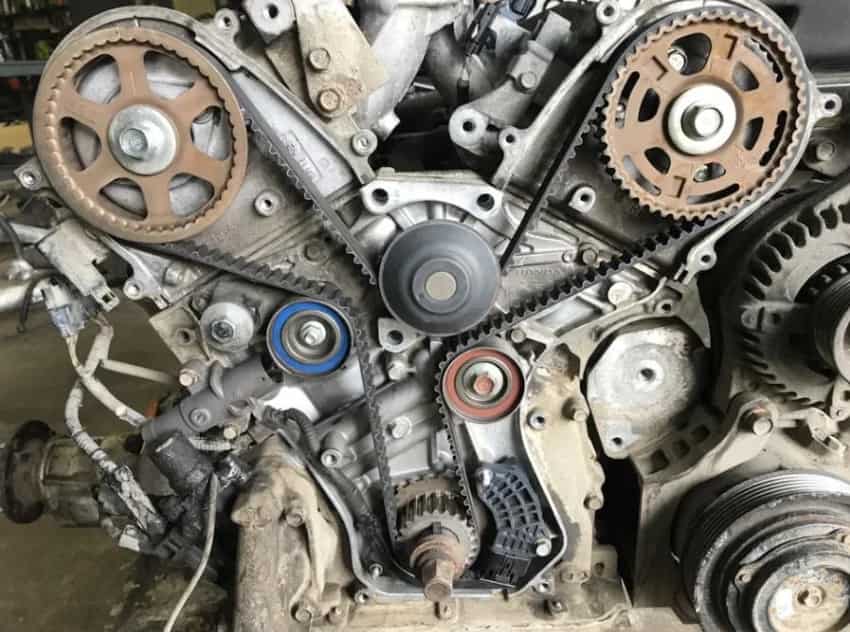
When Should You Replace a Honda Odyssey Timing Belt?
Knowing the right time for a Honda Odyssey timing belt replacement helps you avoid costly engine repairs and unexpected breakdowns. Many owners assume the timing belt will show clear signs of wear before it fails. In reality, the belt can break without any obvious warning. That is why following Honda’s recommended service interval is much safer than waiting for symptoms to appear.
Most Honda Odyssey models equipped with a V6 engine require a timing belt replacement every 60000 to 100000 miles. In many cases, Honda also recommends replacing the belt every seven years, even if the vehicle has not reached the mileage limit. Rubber components naturally age over time. Heat, moisture, and changing temperatures slowly reduce the belt’s strength. A low mileage vehicle can still face timing belt failure if the belt has become old and brittle.
Driving conditions also play an important role. Frequent stop and go traffic, heavy towing, and long periods of driving in hot weather increase stress on the engine. These conditions can shorten the lifespan of the timing belt. Owners who regularly drive in dusty environments or extreme cold should also inspect their maintenance schedule more carefully.
If you recently purchased a used Honda Odyssey, do not assume the previous owner replaced the timing belt. Ask for maintenance records or repair invoices before relying on the existing belt. If you cannot verify the replacement history, scheduling a new timing belt service is often the safest decision. The cost of preventive maintenance is much lower than repairing an engine after a timing belt failure.
Checking the timing belt schedule should become part of your long term maintenance plan. Replacing the belt at the right interval protects the engine, improves reliability, and gives you greater confidence every time you drive your Honda Odyssey.
Does the Honda Odyssey Use a Timing Belt or Timing Chain?
Many Honda Odyssey owners ask whether their vehicle uses a timing belt or a timing chain. The answer depends on the model year and engine. Understanding this difference is important because each system requires a different maintenance approach.
Most Honda Odyssey models equipped with the Honda J Series V6 engine use a timing belt. These engines rely on the timing belt to keep the crankshaft and camshaft synchronized. Proper timing allows the engine valves and pistons to move together with precision. If the belt slips or breaks, the engine can lose synchronization within seconds.
Unlike a timing belt, a timing chain uses metal links instead of reinforced rubber. A timing chain usually lasts longer and often requires less routine maintenance. However, it is not maintenance free. Poor lubrication and neglected oil changes can still reduce the life of a timing chain.
Many drivers also confuse the timing belt with the serpentine belt. Although both belts play important roles, they perform different functions. The serpentine belt drives external components such as the alternator, power steering pump, and air conditioning compressor. The timing belt works inside the engine and controls valve timing. Replacing the serpentine belt does not replace the timing belt.
If you own a Honda Odyssey with a timing belt, follow the recommended replacement interval instead of waiting for problems to appear. A timing belt often looks normal until it suddenly fails. Regular maintenance protects your engine and helps you avoid expensive repairs.
The table below provides a general overview of the timing system used in popular Honda Odyssey model years.
| Model Year | Engine | Timing System |
|---|---|---|
| 1999 to 2004 | 3.5L V6 | Timing Belt |
| 2005 to 2010 | 3.5L V6 | Timing Belt |
| 2011 to 2017 | 3.5L V6 | Timing Belt |
| 2018 to Present | 3.5L V6 | Timing Belt |
Before scheduling service, always confirm your exact model year and engine specification. Following the correct maintenance schedule helps extend engine life and reduces the risk of unexpected timing belt failure.
Honda Odyssey Timing Belt Replacement Cost
The cost of a Honda Odyssey timing belt replacement depends on several factors. Your vehicle’s model year, engine condition, location, and labor rates all affect the final price. The parts you choose and the repair shop you visit can also make a significant difference.
Most owners can expect to pay between $700 and $1,500 for a complete timing belt service. This price usually includes the timing belt, water pump, hydraulic tensioner, idler pulleys, coolant, and labor. Replacing these components together helps prevent future repairs and saves money on labor costs.
A Honda dealership often charges more because it uses genuine OEM parts and factory trained technicians. Many owners appreciate the added peace of mind and warranty coverage. However, independent repair shops usually offer lower labor rates while still providing high quality service. Choosing a repair shop with experience working on Honda V6 engines is often more important than choosing the lowest price.
A DIY replacement can reduce the total cost to around $250 to $500, depending on the parts you purchase. Even so, this job requires advanced mechanical knowledge and specialized tools. Incorrect timing can cause serious engine damage during startup. Most owners should leave this repair to a qualified technician unless they have extensive experience with engine timing systems.
The table below provides a general cost comparison for different service options.
| Service Option | Estimated Cost |
|---|---|
| DIY Replacement | $250 to $500 |
| Independent Repair Shop | $700 to $1,100 |
| Honda Dealership | $900 to $1,500 |
Many repair shops offer timing belt packages instead of replacing only the belt. These packages usually include a new water pump, tensioner, pulleys, fresh coolant, and a complete inspection of related components. Although the initial cost is higher, replacing everything during one service visit reduces the chance of another major repair in the near future.
Before approving any repair, ask for a written estimate. Make sure it lists every part included in the service. A lower quote may not include the water pump, hydraulic tensioner, or coolant replacement. Comparing complete service packages instead of price alone helps you make a better long term decision and protects your Honda Odyssey from unnecessary engine problems.
Parts to Replace During Timing Belt Service
Replacing only the timing belt may seem like a good way to save money. However, this approach often leads to higher repair costs later. Many components around the timing belt wear at a similar rate. Replacing them during the same service reduces future labor expenses and improves long term reliability.
The water pump is one of the most important parts to replace. It sits behind the timing belt on most Honda Odyssey V6 engines. If the water pump fails after a new timing belt is installed, the technician must remove many of the same components again. Replacing the water pump at the same time saves both time and money.
The hydraulic tensioner also deserves close attention. Its job is to keep the timing belt at the correct tension while the engine runs. A weak or worn tensioner can allow the belt to slip or vibrate. Even a new timing belt cannot perform properly if the tensioner no longer works as designed.
Idler pulleys should also be inspected and replaced when necessary. Their bearings wear over time and can become noisy or seize without warning. A damaged pulley places extra stress on the timing belt and may shorten its service life.
Many technicians also recommend installing a new serpentine belt during the same visit. The additional part costs very little compared with the labor required to access the front of the engine. Fresh engine coolant is another important part of the service because the cooling system must be opened when replacing the water pump.
Finally, ask the technician to inspect the camshaft seals and crankshaft seal. Small oil leaks can contaminate the timing belt and reduce its lifespan. Replacing worn seals before they become a larger problem helps protect your investment and keeps the engine clean.
Choosing a complete timing belt service instead of replacing only one component provides better value over time. It reduces the chance of unexpected failures and helps your Honda Odyssey remain reliable for many years.
Common Symptoms of a Worn Timing Belt
A worn timing belt does not always produce clear warning signs before it fails. Many Honda Odyssey owners continue driving because the engine seems to run normally. Unfortunately, the timing belt can break without much notice. Learning the most common symptoms helps you recognize potential problems before they become expensive repairs.
One of the first warning signs is an unusual noise coming from the front of the engine. You may hear a ticking, squeaking, or light rattling sound while the engine is running. These noises do not always come from the timing belt itself. In many cases, a worn tensioner or idler pulley causes the sound. Even so, the entire timing system should be inspected as soon as possible.
Poor engine performance can also point to a timing problem. The engine may idle roughly, hesitate during acceleration, or misfire under load. Fuel economy may decrease because the engine can no longer maintain precise valve timing. While these symptoms can have several causes, a worn timing belt should never be ignored during the inspection process.
Fluid leaks near the timing cover deserve immediate attention. Engine oil can weaken the rubber material of the timing belt over time. Coolant leaks from a failing water pump can also damage nearby components. Repairing these leaks early helps extend the life of the timing belt and prevents additional engine problems.
Starting problems may appear as the timing belt reaches the end of its service life. The engine may crank longer than normal or fail to start if the belt slips or breaks. Once the timing belt loses proper alignment, the engine cannot maintain correct valve timing. This condition requires immediate repair and should never be ignored.
Some owners try to judge the condition of the timing belt by looking at its surface. This method is not reliable because many timing belts fail before visible cracks or severe wear appear. Age, heat, and internal fatigue can weaken the belt long before external damage becomes obvious. Following the recommended replacement interval remains the safest way to protect your engine.
If you notice any of these symptoms, schedule a professional inspection without delay. Early diagnosis often prevents much more expensive repairs. Replacing the timing belt on time protects your Honda Odyssey, improves long term reliability, and gives you greater confidence every time you drive.
What Happens If the Timing Belt Breaks?
A broken timing belt can cause severe engine damage within seconds. Many Honda Odyssey models use an interference engine. In this type of engine, the pistons and valves share the same space inside the cylinders. They move at different times to avoid contact. The timing belt keeps these components perfectly synchronized while the engine runs.
When the timing belt breaks, the camshaft stops turning immediately. However, the crankshaft continues to rotate because of engine momentum. As a result, the pistons can strike the open valves. This impact may bend the valves, damage the pistons, and crack other internal engine components. In many cases, the cylinder head also requires extensive repairs.
Repairing this type of damage can be very expensive. A complete engine rebuild often costs several thousand dollars. If the damage is severe, replacing the entire engine may become the most practical solution. These repairs cost far more than routine timing belt maintenance.
Fortunately, you can avoid most of these problems by replacing the timing belt at the recommended service interval. Preventive maintenance protects critical engine components and reduces the risk of sudden failure. It also gives you peace of mind during long trips and daily driving.
If your Honda Odyssey suddenly stalls while driving, do not attempt to restart the engine repeatedly. Repeated cranking may increase internal damage if the timing belt has already failed. Instead, stop the vehicle in a safe location and arrange for professional towing. A qualified technician can inspect the engine and determine the cause of the problem before additional damage occurs.
Many owners delay timing belt service because the engine appears to run normally. This decision often leads to much higher repair costs later. A timing belt rarely provides a clear warning before failure. Replacing it on schedule remains the safest and most cost effective way to protect your Honda Odyssey and extend the life of its engine.
OEM vs Aftermarket Timing Belt Kits
Choosing the right timing belt kit is just as important as replacing the belt on time. Many Honda Odyssey owners compare OEM and aftermarket parts before scheduling the service. Both options can perform well, but they offer different advantages. Your budget, driving habits, and long term ownership plans should guide your decision.
OEM parts come directly from Honda or an approved supplier. These components match the original specifications used when the vehicle left the factory. They offer excellent fit, reliable performance, and consistent quality. Many repair shops recommend OEM timing belt kits because they reduce the risk of compatibility issues. They also provide greater confidence for owners who plan to keep their Honda Odyssey for many years.
Aftermarket timing belt kits are available from many manufacturers. High quality brands often deliver performance that matches or even exceeds original equipment standards. They may also cost less than OEM parts, making them an attractive choice for owners who want to reduce repair expenses. However, product quality varies between manufacturers. Choosing a trusted brand is far more important than selecting the lowest price.
A complete timing belt kit should include more than the timing belt itself. Look for a package that also contains the water pump, hydraulic tensioner, idler pulleys, and the necessary seals or gaskets when available. Replacing all wear components during one service visit improves reliability and reduces future labor costs.
Before purchasing any kit, verify that it matches your Honda Odyssey model year and engine. Using the wrong parts can create installation problems and affect engine performance. If you are unsure which kit fits your vehicle, ask a qualified technician or provide your vehicle identification number before ordering.
The quality of the installation matters just as much as the quality of the parts. Even the best timing belt kit cannot protect the engine if the timing marks are not aligned correctly or the components are installed improperly. A skilled technician, quality parts, and proper maintenance work together to deliver the best long term results.
For most Honda Odyssey owners, investing in a complete kit from a trusted manufacturer is the smartest choice. It provides better reliability, reduces the chance of future repairs, and helps protect the engine for thousands of miles to come.
Can You Replace the Timing Belt Yourself?
Replacing a Honda Odyssey timing belt is possible, but it is not a beginner level repair. The job requires mechanical experience, careful planning, and the correct tools. A small mistake can lead to serious engine damage.
The repair involves removing several engine components before you can access the timing belt. You must align the timing marks correctly and install the new belt with the proper tension. Every step requires precision. Even a single tooth out of alignment can affect engine performance or prevent the engine from starting.
Many technicians use special tools to hold engine components in place during the repair. They also follow factory procedures to verify correct timing before starting the engine. These steps reduce the risk of costly mistakes.
A complete timing belt service often includes more than the belt itself. Most professionals replace the water pump, hydraulic tensioner, idler pulleys, and coolant during the same visit. Completing all of these tasks requires additional time and attention.
A skilled home mechanic with the right equipment may complete the repair successfully. However, first time installers should carefully consider the risks before beginning the job. Saving money on labor may not justify the cost of repairing engine damage caused by an installation error.
If you decide to replace the timing belt yourself, use a repair manual that matches your Honda Odyssey model year and engine. Double check every timing mark before turning the engine by hand. After confirming correct alignment, inspect your work one final time before starting the engine.
For most owners, professional installation remains the safest option. An experienced technician can complete the repair correctly, inspect related components, and help protect your engine for years to come.
Frequently Asked Questions
How often should a Honda Odyssey timing belt be replaced?
Most Honda Odyssey models require timing belt replacement every 60,000 to 100,000 miles or every seven years, whichever comes first. Always check the maintenance schedule for your specific model year because service intervals can vary.
How much does a Honda Odyssey timing belt replacement cost?
Most owners spend between $700 and $1,500 for a complete timing belt service. The final cost depends on labor rates, location, and the parts included in the repair.
Should I replace the water pump with the timing belt?
Yes. Replacing the water pump during timing belt service is a smart decision. Both parts have a similar service life, and replacing them together reduces future labor costs.
Can I drive with a worn timing belt?
Driving with a worn timing belt is risky. The belt can fail without warning. If that happens, severe engine damage may occur, especially in Honda Odyssey models with an interference engine.
What is included in a complete timing belt service?
A complete service usually includes the timing belt, water pump, hydraulic tensioner, idler pulleys, fresh coolant, and an inspection of related seals. Some repair shops may include additional components depending on the condition of the engine.
Conclusion
Replacing the Honda Odyssey timing belt at the recommended interval is one of the most important maintenance tasks you can perform. It protects the engine, improves long term reliability, and helps you avoid expensive repairs.
Understanding the replacement schedule, expected cost, warning signs, and related components allows you to make informed maintenance decisions. Whether you choose OEM parts or a trusted aftermarket kit, quality components and proper installation deliver the best results.
Do not wait for symptoms to appear before planning this service. A timing belt often reaches the end of its life without obvious warning signs. Preventive maintenance costs far less than repairing engine damage after a belt failure.
If your Honda Odyssey is approaching the recommended service interval, schedule an inspection with a qualified technician. Replacing the timing belt on time protects your investment and keeps your vehicle ready for many miles of safe and dependable driving.