Seeing that your Honda Civic brake lights stay on after you release the brake pedal can be frustrating. The problem becomes even more concerning when the lights remain on after you turn off the engine. Many drivers assume a major electrical failure caused the issue. In reality, a small and inexpensive part often creates the problem.
Brake lights play an important role in road safety. They tell other drivers when your vehicle slows down or stops. When the lights stay on continuously, they send the wrong signal to traffic behind you. As a result, other drivers may react too early or ignore your braking. The lights also continue drawing power from the battery. Over time, this can leave you with a dead battery and unexpected repair costs.
Several different components can cause this issue. A worn brake pedal stopper is one of the most common reasons. A faulty brake light switch can also prevent the lights from turning off. In some cases, damaged wiring, a defective relay, or an electrical control module creates the same symptom. Finding the real cause before replacing parts helps you avoid unnecessary expenses.
This guide explains why Honda Civic brake lights stay on and how the brake light system works. You will learn how to inspect the most common problem areas and identify the source of the fault. You will also discover practical repair methods, estimated repair costs, and simple maintenance tips. By following these steps, you can fix the problem faster and keep your Honda Civic safe and reliable.
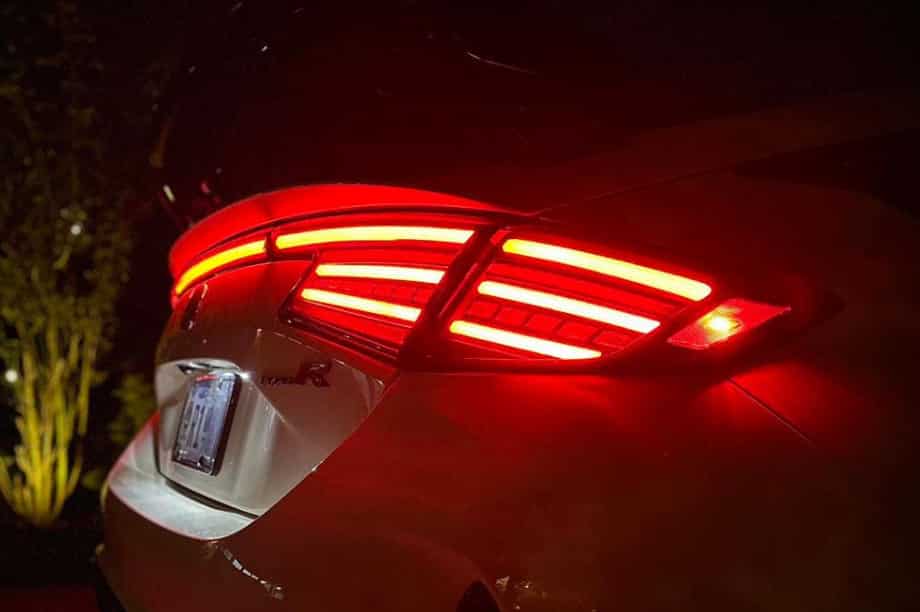
Why Do Honda Civic Brake Lights Stay On?
Your Honda Civic uses a simple electrical system to control the brake lights. When you press the brake pedal, the brake light switch sends a signal to the rear lights. The bulbs then turn on and warn other drivers that your vehicle is slowing down. When you release the pedal, the switch should disconnect the circuit and turn the lights off.
The problem starts when the system continues to receive the brake signal. A faulty component can make the vehicle think that you still press the brake pedal. As a result, the rear brake lights remain illuminated even when the car sits in a parking space.
The most common cause involves the brake pedal stopper. This small plastic or rubber part sits between the brake pedal and the brake light switch. Over time, the stopper can crack, wear out, or fall apart. When it disappears, the switch cannot return to its normal position. The brake lights then stay on because the circuit remains active.
A damaged brake light switch can create the same problem. The switch controls the electrical connection between the pedal and the brake lamps. Internal wear, moisture, or electrical failure can prevent the switch from working correctly. In some cases, adjusting the switch position can solve the issue. However, a damaged switch requires replacement.
Some Honda Civic owners also experience this problem because of wiring faults or electrical issues. Corroded connectors, damaged wires, or incorrect aftermarket installations can keep power flowing to the brake lights. These problems usually require more detailed inspection because the source may not appear obvious.
It is important to understand that brake lights staying on is different from a brake warning light appearing on the dashboard. The exterior brake lamps show your braking action to other drivers. Meanwhile, the dashboard warning light monitors parts of the braking system, such as brake fluid level or parking brake operation.
Before replacing any parts, you should identify which light remains active and when the problem occurs. A careful diagnosis helps you avoid unnecessary repairs and find the correct solution faster. In most cases, Honda Civic brake light problems come from a small component that you can inspect within minutes.
Common Causes of Honda Civic Brake Lights Staying On
When your Honda Civic brake lights stay on, several components can create the same symptom. Some causes are simple and inexpensive to fix. Others require deeper electrical diagnosis. Understanding the most common problems helps you find the right solution without replacing unnecessary parts.
The brake pedal stopper is one of the most frequent causes of this issue. This small component controls the contact between the brake pedal and the brake light switch. It allows the switch to recognize when you release the pedal. Over time, heat, pressure, and regular use can damage the stopper. When the stopper breaks or falls out, the brake light switch stays active. The brake lights then continue to shine even when you park the vehicle.
A faulty brake light switch can also keep the lights on. This switch sits near the top of the brake pedal and controls the brake light circuit. When you press the pedal, the switch activates the rear lights. When you release the pedal, the switch should cut the power. However, internal damage, moisture, or normal wear can prevent the switch from returning to its correct position.
Sometimes, the switch works properly but sits in the wrong position. A misadjusted brake light switch may remain slightly pressed or fail to release completely. This problem often happens after previous repairs or incorrect installation. Adjusting the switch position can restore normal operation without replacing the part.
A brake pedal that does not return fully can create another problem. A weak return spring, worn pedal components, or an obstruction near the pedal area may stop the pedal from moving back completely. When this happens, the brake light switch continues receiving pressure and keeps the lights turned on.
Electrical problems can also cause continuous brake light operation. Damaged wiring, corroded connectors, and poor aftermarket installations can send power to the brake lamps at the wrong time. These issues often require careful inspection because the damage may hide inside wire coverings or connection points.
Less common problems include a faulty relay or a damaged Body Control Module. Modern Honda Civic models use electronic systems to manage many vehicle functions. A control module failure can sometimes affect exterior lighting behavior. However, technicians usually check simpler causes first because they appear more often.
Incorrect bulbs or damaged sockets can create unusual brake light behavior as well. A wrong bulb type, melted socket, or corrosion inside the connection point can affect how the brake lights operate. Inspecting these parts can prevent unnecessary electrical repairs.
Finding the exact cause of Honda Civic brake lights stay on requires a logical inspection process. Start with the simplest components, such as the brake pedal stopper and brake light switch. Then move toward wiring and electronic systems if the basic checks do not solve the problem.
How to Diagnose the Problem
Diagnosing why your Honda Civic brake lights stay on does not always require advanced tools. A simple inspection can help you identify the most likely cause. Start with the easiest checks first, then move to more complex electrical components if necessary. This approach saves time and prevents unnecessary part replacements.
First, confirm which lights remain active. Check the rear brake lamps and the dashboard warning lights separately. If only the exterior brake lights stay on, the problem usually involves the brake pedal switch, stopper, or lighting circuit. If the dashboard brake warning light also appears, you may need to inspect the brake system itself.
Next, inspect the brake pedal area. Look above the brake pedal and find the brake light switch. Check whether the small stopper pad remains in place. If you notice a missing rubber piece, broken plastic fragments, or an empty mounting hole, the stopper may cause the problem. This repair often takes only a few minutes.
You can also test the brake light switch manually. Press the switch plunger with your hand while watching the rear lights. If the lights turn off when you press the switch, the stopper or switch adjustment may need attention. If the lights remain on, the switch or another electrical component may have a fault.
After checking the switch area, inspect the brake pedal movement. The pedal should return smoothly after you release it. If the pedal feels slow, sticks slightly, or remains lower than normal, the pedal mechanism may prevent the switch from turning off completely.
The next step involves checking the brake light fuse, bulbs, and sockets. Look for melted plastic, corrosion, loose connections, or incorrect bulb installation. These problems can change how electrical power reaches the brake lamps.
If the basic inspections do not reveal the cause, examine the wiring and electronic components. Damaged wires, poor connections, or control module problems require more detailed testing. A multimeter can help check electrical continuity and confirm whether the brake light switch works correctly.
Always diagnose the problem before buying replacement parts. Many Honda Civic owners replace expensive components when a simple stopper or switch adjustment could solve the issue. A careful inspection helps you repair the actual fault and avoid unnecessary costs.
Easy Fixes for Honda Civic Brake Lights That Stay On
Many cases of Honda Civic brake lights stay on happen because of simple component failures. You do not always need expensive repairs or professional service. With basic tools and careful inspection, you can often solve the problem yourself. However, you should always confirm the cause before replacing any part.
The first repair to check involves the brake pedal stopper. This small rubber or plastic piece prevents the brake light switch from staying activated when you release the pedal. If the stopper breaks or disappears, the switch remains pressed in the wrong position. As a result, the brake lights continue working even when you are not braking.
Replacing the brake pedal stopper usually takes only a few minutes. First, turn off the vehicle and move the driver seat backward. Then, inspect the area above the brake pedal. Remove any damaged pieces from the old stopper and install a new replacement part in the correct position. After installation, press and release the brake pedal several times to confirm that the lights operate normally.
Another common repair involves adjusting the brake light switch. The switch must sit at the correct distance from the brake pedal. If the position changes, the switch may remain active after you release the pedal. You can adjust the switch position by loosening the lock nut and moving the switch until the brake lights turn off correctly.
If adjustment does not solve the issue, the brake light switch may need replacement. A worn switch can develop internal faults that prevent proper operation. Replacing this component requires disconnecting the electrical connector, removing the old switch, installing the new unit, and adjusting the position correctly. Always choose a replacement switch that matches your Honda Civic model year.
Some owners may discover damaged wiring or corroded connectors during inspection. Clean minor corrosion with electrical contact cleaner and reconnect loose terminals carefully. If you find broken wires, use proper automotive repair methods instead of temporary solutions. Poor wiring repairs can create additional electrical problems later.
A damaged bulb socket can also affect brake light performance. Inspect the socket for melted plastic, corrosion, or loose contacts. Replace damaged sockets when necessary because they can create repeated lighting problems.
After completing any repair, test the brake lights several times. Press the pedal, release it, and confirm that the lights respond correctly. Also check that other systems, such as cruise control and gear selection, work normally. A proper repair should restore both safety and reliability to your Honda Civic.
Repair Costs and When to Call a Mechanic
Understanding repair costs helps Honda Civic owners make better decisions when the brake lights stay on. The final price depends on the failed component, labor rates, vehicle model year, and the complexity of the repair. In many cases, the solution costs much less than drivers expect because common causes involve small parts.
A brake pedal stopper replacement is usually the cheapest repair. The part often costs only a few dollars, and many owners can replace it at home without professional help. A mechanic may charge a small labor fee if you prefer a quick inspection and installation service.
A brake light switch replacement usually costs more but remains affordable. The replacement part price depends on the brand and vehicle year. Professional service may include diagnosis, labor, and switch adjustment. Most repairs stay within a reasonable range because technicians can access the switch easily near the brake pedal.
Electrical repairs usually require more time and expertise. Damaged wiring, corroded connectors, or lighting circuit problems can increase repair costs because technicians need to locate the exact fault. A simple connection repair may cost less, while complex wiring damage can require additional labor.
A faulty relay or Body Control Module creates a different situation. These components cost more than basic switches or stoppers. Before replacing expensive electronic parts, a technician should perform proper testing. Replacing a control module without confirming the problem can waste money and may not solve the issue.
You should contact a mechanic when basic checks do not identify the cause. Professional help becomes important when the brake lights remain on after replacing the switch, when wiring damage appears, or when multiple electrical systems behave incorrectly. Technicians have specialized tools that can test circuits and electronic modules more accurately.
You should also seek professional assistance if your brake pedal feels unusual. A pedal that sticks, fails to return, or feels different can indicate a mechanical or braking system issue. These problems require immediate attention because they affect vehicle safety.
Fixing Honda Civic brake lights stay on early can prevent larger expenses. A small repair today can help you avoid a dead battery, damaged electrical components, and more complicated repairs in the future. Start with simple inspections, but know when professional diagnosis provides better value.
How to Prevent Brake Light Problems in the Future
Preventing future brake light problems can save you time, money, and unnecessary stress. Although many Honda Civic brake lights stay on issues come from small components, regular inspections can help you find early warning signs before they create larger problems. A few simple maintenance habits can keep your vehicle lighting system working correctly.
Start by checking your brake lights regularly. Walk around your Honda Civic once a month and confirm that all exterior lights work properly. Ask another person to press the brake pedal while you inspect the rear lamps. Early detection helps you fix small problems before they affect battery performance or driving safety.
Inspect the brake pedal area during routine maintenance. The brake pedal stopper receives constant pressure during daily driving, which can cause wear over time. Look for cracks, missing pieces, or signs of deterioration. Replacing a damaged stopper early can prevent the brake light switch from staying active.
Use quality replacement parts when you repair the brake light system. Low quality switches, bulbs, and connectors may fail sooner than original or trusted aftermarket components. The correct part improves reliability and reduces the chance of repeated repairs.
Keep the electrical system clean and protected. Moisture, corrosion, and poor connections can affect brake light performance. Check the rear light assemblies after heavy rain or water exposure. If you notice moisture inside the housing, repair the seal before corrosion damages the electrical contacts.
Avoid incorrect aftermarket wiring installations. Accessories such as alarms, remote starters, or additional lighting systems can create electrical problems when installed incorrectly. Always use professional installation methods for modifications that connect to the vehicle wiring system.
Pay attention to early warning signs. Flickering brake lights, delayed operation, or unusual lighting behavior often indicate a developing issue. Addressing these symptoms early can prevent more expensive electrical repairs later.
Regular maintenance keeps your Honda Civic safer and more reliable. A simple inspection routine can protect the brake light system, prevent battery drain, and reduce unexpected repair costs. Taking a few minutes to check your vehicle today can help you avoid bigger problems in the future.
Conclusion
When your Honda Civic brake lights stay on, you should not ignore the problem. A simple lighting issue can quickly become a larger inconvenience if it drains your battery or creates a safety risk on the road. Fortunately, most causes involve affordable components that you can inspect and repair without major expenses.
The brake pedal stopper and brake light switch remain the first areas you should check. These parts often create the problem because they directly control when the brake lights turn on and off. If these components work correctly, you can continue checking the wiring, bulbs, sockets, and electronic systems.
A proper diagnosis always saves time and money. Replacing random parts without finding the real cause can increase repair costs and create additional issues. Start with simple inspections, follow a logical troubleshooting process, and seek professional help when the problem involves complex electrical systems.
Regular maintenance also plays an important role in preventing future brake light failures. Checking your exterior lights, inspecting the brake pedal area, and using reliable replacement parts can help your Honda Civic remain safe and dependable.
Have you experienced a situation where your Honda Civic brake lights stayed on after turning off the engine? Share your model year and the symptoms you noticed. Your experience may help other Honda Civic owners identify the problem faster and choose the right repair solution.