Seeing the Honda Accord Check Fuel Cap message appear on your dashboard can be frustrating, especially if it happens right after refueling. Many drivers immediately assume there is a serious fuel system problem, while others simply tighten the gas cap and hope the warning disappears. In reality, this message can have several different causes. Some are simple and inexpensive to fix, while others require a more detailed inspection of the vehicle’s evaporative emissions system.
The fuel cap plays a much bigger role than most people realize. Besides preventing fuel from spilling, it creates an airtight seal that allows the EVAP system to maintain proper pressure inside the fuel tank. When the engine control module detects an unexpected pressure change or a vapor leak, it may display the Honda Accord Check Fuel Cap warning to alert the driver that something is preventing the system from sealing correctly.
Although a loose or damaged fuel cap is the most common reason for this warning, it is not the only possibility. Worn seals, leaking EVAP hoses, faulty purge valves, damaged charcoal canisters, and malfunctioning pressure sensors can all trigger the same message. Ignoring the warning may eventually lead to a Check Engine Light, failed emissions testing, or more expensive repairs if the underlying problem continues to develop.
This guide explains what the Honda Accord Check Fuel Cap warning means, the most common causes behind it, the symptoms you should watch for, and the best ways to diagnose and fix the problem. You will also learn how to reset the warning correctly, understand common OBD II diagnostic codes, estimate repair costs, and determine whether it is safe to continue driving your Honda Accord while the message remains on.
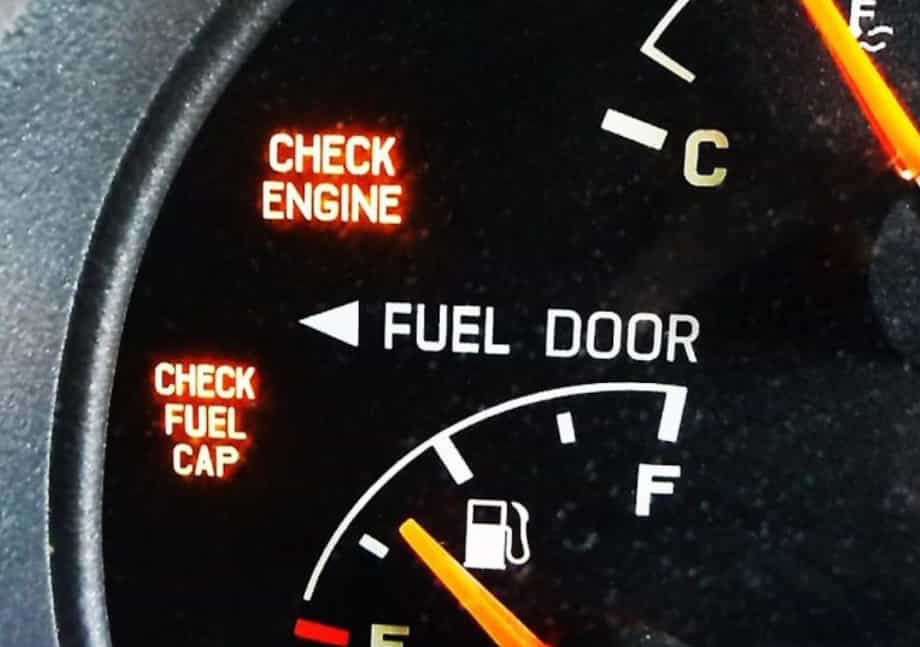
What Does the Honda Accord Check Fuel Cap Warning Mean?
The Honda Accord Check Fuel Cap warning tells you that the vehicle has detected a possible leak in the fuel vapor system. The message mentions the fuel cap. However, the cap is not always the source of the problem. The engine control module monitors pressure inside the EVAP system. It displays this warning when it detects an abnormal pressure change.
The fuel cap has an important job. It seals the fuel tank and keeps fuel vapors inside. It also helps the EVAP system maintain stable pressure. Without a proper seal, fuel vapors can escape. Even a small leak may trigger a warning message.
The Honda Accord checks the EVAP system during normal driving. It looks for pressure changes and vapor leaks. If the test fails, the system stores a fault code. It then displays the Honda Accord Check Fuel Cap message on the dashboard.
A loose fuel cap causes this warning more often than any other issue. However, it is not the only possible cause. A worn rubber seal may no longer seal the tank correctly. Dirt around the filler neck can also create a small leak. In some cases, damaged EVAP hoses, a faulty purge valve, or a failing pressure sensor may cause the same warning.
Many drivers tighten the fuel cap and expect the message to disappear immediately. In most cases, that does not happen. The vehicle must complete another self test first. This process usually takes several normal driving cycles. The warning disappears only after the system confirms that the leak no longer exists.
Understanding this warning helps you avoid unnecessary repairs. Start by checking the fuel cap. Then inspect the surrounding area for damage or dirt. If the warning returns, inspect the EVAP system before replacing any parts.
Symptoms That May Accompany the Honda Accord Check Fuel Cap Warning
The Honda Accord Check Fuel Cap warning often appears before other symptoms develop. In many cases, the vehicle continues to drive normally. However, additional signs may appear if the underlying problem remains unresolved.
The most common symptom is the Check Engine Light. The light usually comes on after the EVAP system fails one or more self tests. Once the fault is confirmed, the engine control module stores a diagnostic trouble code and keeps the warning active.
Some drivers notice a fuel smell near the rear of the vehicle. This odor may become stronger after parking or refueling. Escaping fuel vapors often indicate that the EVAP system cannot maintain a proper seal. A damaged fuel cap, leaking hose, or worn gasket may be responsible.
Refueling problems can also occur. The fuel pump may shut off repeatedly before the tank is full. Fuel may flow more slowly than normal. These symptoms often point to restricted vapor flow or a faulty vent valve.
Fuel economy may decrease slightly in some cases. The change is usually small, but it becomes more noticeable if another EVAP component fails. Although the warning does not directly affect engine performance, it should not be ignored for long.
Most Honda Accord models continue to start, idle, and accelerate normally. However, a severe EVAP fault may cause rough idling or hard starting after refueling. These symptoms are less common, but they deserve immediate attention.
Recognizing these symptoms helps you identify the problem earlier. A simple fuel cap issue is easy to fix. However, persistent warnings or multiple symptoms often indicate a deeper EVAP system fault. Early diagnosis can prevent unnecessary repairs and reduce long term maintenance costs.
Several problems can trigger the Honda Accord Check Fuel Cap warning. A loose fuel cap is the most common cause. However, many other faults can produce the same message. Most of them affect the EVAP system and allow fuel vapors to escape.
A loose fuel cap often appears after refueling. The cap may not click into place. It may also become loose after driving on rough roads. When the seal breaks, the system detects a pressure loss and stores a fault.
A damaged fuel cap is another common cause. The rubber seal can crack over time. Heat, fuel vapors, and age slowly reduce its flexibility. Once the seal wears out, the cap can no longer hold the correct pressure.
Dirt around the filler neck may also create a leak. Dust, sand, or small debris can prevent the cap from sealing tightly. Cleaning the sealing surface often solves this problem. It also helps extend the life of the fuel cap.
Some vehicles develop leaks in the EVAP hoses. Rubber hoses become brittle as they age. Small cracks may appear without any visible warning. Even a tiny leak can trigger the Honda Accord Check Fuel Cap message.
A faulty purge valve can also confuse the EVAP system. The valve controls fuel vapors before they enter the engine. If it sticks open or closed, pressure inside the system changes unexpectedly. The engine control module may interpret this condition as a vapor leak.
Other components may also fail. A damaged vent valve, a faulty fuel tank pressure sensor, or a cracked charcoal canister can all produce similar symptoms. These problems are less common. However, they require proper diagnosis because replacing the fuel cap alone will not solve them.
Finding the real cause is the most important step. Always inspect the fuel cap first. Then move to the remaining EVAP components if the warning returns. This simple approach saves both time and repair costs.
How to Fix the Honda Accord Check Fuel Cap Warning
Fixing the Honda Accord Check Fuel Cap warning usually starts with a simple inspection. Many drivers replace parts too quickly. However, a careful step by step process often saves both time and money.
Start by turning off the engine. Open the fuel door and remove the fuel cap. Inspect the cap for cracks, worn threads, or a damaged rubber seal. If you find visible damage, replace the cap with a high quality replacement that matches your Honda Accord.
Next, inspect the fuel filler neck. Dirt, sand, and other debris can prevent the cap from sealing correctly. Wipe the sealing surface with a clean cloth. Then install the fuel cap and tighten it until you hear several clicks. This step creates the proper seal.
Drive the vehicle for several normal trips after securing the cap. The EVAP system needs time to perform another self test. If the leak has disappeared, the warning may clear without any additional repairs.
If the message remains, inspect the EVAP system. Check the hoses for cracks, loose connections, or signs of wear. Pay close attention to rubber components because they often deteriorate with age and heat.
The purge valve should also receive attention. A valve that sticks open or closed can disrupt fuel vapor flow. The vent valve and fuel tank pressure sensor can produce similar symptoms. Testing these components helps identify the actual fault before replacing expensive parts.
A smoke test provides the most reliable diagnosis when no visible damage appears. The test fills the EVAP system with harmless smoke. Escaping smoke quickly reveals even the smallest leak. Many repair shops use this method because it is fast and highly accurate.
Always begin with the easiest and least expensive solution. Check the fuel cap first. Then inspect the remaining EVAP components only if the warning returns. This approach reduces unnecessary repairs and helps you find the real cause more efficiently.
How to Reset the Honda Accord Check Fuel Cap Message
Many drivers want to reset the Honda Accord Check Fuel Cap message as soon as it appears. However, resetting the warning does not fix the underlying problem. The message will return if the EVAP system still detects a leak.
Start by checking the fuel cap. Remove it and inspect the rubber seal for damage. Clean the sealing surface if you notice dirt or debris. Install the cap again and tighten it until you hear several clicks. This simple step solves the problem in many cases.
After securing the fuel cap, drive your Honda Accord under normal conditions. The engine control module will perform another EVAP self test. This process does not happen immediately. Most vehicles need several driving cycles before the system confirms that the leak is gone. Once the test passes, the warning usually disappears without any manual reset.
If the message remains, scan the vehicle with an OBD II scanner. Read the stored diagnostic trouble codes before clearing them. These codes provide valuable information about the source of the problem. Clear the codes only after completing the necessary repairs. Otherwise, the warning is likely to return during the next self test.
Some drivers disconnect the negative battery cable to erase dashboard warnings. This method may clear temporary information. However, it also resets other vehicle settings and readiness monitors. For that reason, it is not the preferred solution unless the repair manual specifically recommends it.
If the warning comes back after several driving cycles, the vehicle still has an active EVAP fault. Continue inspecting the fuel cap, hoses, purge valve, vent valve, and pressure sensor. A proper diagnosis will solve the problem more effectively than repeatedly clearing the warning.
Resetting the Honda Accord Check Fuel Cap message should always be the final step. Repair the actual cause first. Then allow the system to confirm that the EVAP system is operating correctly.
OBD II Codes Related to the Honda Accord Check Fuel Cap
The Honda Accord Check Fuel Cap warning often appears with one or more OBD II diagnostic trouble codes. These codes help identify the affected area. However, they do not always identify the exact failed part. A complete inspection is still necessary before replacing any components.
P0440 indicates a general malfunction in the EVAP system. The engine control module has detected a problem but cannot determine the exact source. This code usually requires additional testing to locate the leak.
P0441 points to incorrect EVAP purge flow. The purge valve may not open or close as expected. A blocked hose or damaged vacuum line can also cause this code.
P0442 indicates a small leak in the EVAP system. A loose fuel cap is one of the most common causes. However, worn seals and tiny hose cracks can produce the same result.
P0455 signals a large EVAP leak. A missing fuel cap can trigger this code immediately. A disconnected hose or a major leak in the system may also be responsible.
P0456 identifies a very small leak. This code is often more difficult to diagnose because the leak may be almost impossible to see during a visual inspection. A professional smoke test usually provides the fastest answer.
P0457 specifically suggests that the fuel cap is loose or missing. Although this code strongly points to the fuel cap, you should still inspect the filler neck and sealing surface before buying a replacement.
Do not replace parts based on a fault code alone. Use the code as a starting point. Then inspect the entire EVAP system to confirm the actual cause. This approach reduces unnecessary repairs and improves diagnostic accuracy.
Honda Accord Check Fuel Cap Repair Costs
Repair costs for the Honda Accord Check Fuel Cap warning vary according to the actual cause. Some repairs cost very little. Others require additional labor and specialized diagnostic equipment. Identifying the fault before replacing parts can save a significant amount of money.
Replacing a damaged fuel cap is usually the least expensive repair. Most replacement caps are affordable and easy to install. Choosing an OEM or high quality aftermarket part also helps ensure a proper seal and long service life.
Cleaning the fuel filler neck may solve the problem if dirt prevents the cap from sealing correctly. This repair takes only a few minutes and usually requires no replacement parts. Many owners can complete it at home with basic tools.
Repair costs increase when the fault involves the EVAP system. Cracked hoses, damaged purge valves, and faulty vent valves often require both replacement parts and labor. Although these repairs are more expensive, they are still less costly than replacing major fuel system components.
A faulty fuel tank pressure sensor or a damaged charcoal canister usually results in higher repair bills. These components require more time to diagnose and replace. Some vehicles also need additional testing after the repair to confirm that the EVAP system operates correctly.
A professional smoke test may add to the total cost. However, it often saves money in the long run. The test quickly locates hidden leaks that are difficult to find through a visual inspection. Accurate diagnosis also prevents unnecessary parts replacement.
Repair prices vary by vehicle model, location, and labor rates. OEM parts usually cost more than aftermarket alternatives. However, they often provide better fit and durability. Comparing repair estimates from reputable shops is a smart way to control costs while ensuring a reliable repair.
Fix the problem as early as possible. A minor leak is usually inexpensive to repair. Delaying service may allow the issue to worsen and increase the overall repair cost.
Can You Drive With the Honda Accord Check Fuel Cap Warning?
Yes, you can usually continue driving when the Honda Accord Check Fuel Cap warning appears. In most cases, the warning does not indicate an immediate safety risk. The vehicle often drives normally because the problem affects the EVAP system rather than the engine itself.
Even so, you should not ignore the warning for too long. A loose fuel cap or a small vapor leak can eventually trigger the Check Engine Light. Once the light comes on, the vehicle may fail an emissions inspection. You may also face additional diagnostic work if the problem remains unresolved.
Pay attention to other warning signs while driving. A strong fuel smell, poor engine performance, or difficulty starting the engine after refueling may indicate a more serious problem. If you notice any of these symptoms, inspect the vehicle as soon as possible. Continuing to drive with an active fuel leak may create unnecessary risks.
The warning becomes more important if it appears together with other dashboard alerts. Multiple warning lights may indicate that the problem extends beyond the fuel cap or the EVAP system. In this situation, a professional inspection is the safest option.
If the message appears immediately after refueling, stop and check the fuel cap first. Make sure it is clean, properly installed, and fully tightened. This simple inspection often solves the problem without any additional repairs.
Drivers who ignore the warning for weeks or months may face higher repair costs later. A small leak can become a larger one over time. The EVAP system may also develop additional faults if damaged components remain in service.
The safest approach is simple. Continue driving only if the vehicle operates normally and no other symptoms appear. Then diagnose and repair the problem as soon as possible. Early action protects the EVAP system and helps prevent more expensive repairs in the future.
How to Prevent the Honda Accord Check Fuel Cap Warning From Returning
Preventing the Honda Accord Check Fuel Cap warning is much easier than repairing an EVAP system fault. A few simple habits can reduce the risk of future problems and help keep the fuel system working properly.
Always tighten the fuel cap after refueling. Turn the cap until you hear several clicks. This step creates the proper seal and helps the EVAP system maintain the correct pressure. Many warning messages appear because the cap was not fully secured.
Inspect the fuel cap during routine maintenance. Look for cracks, worn threads, or a damaged rubber seal. Replace the cap if you notice any signs of wear. A new fuel cap costs much less than diagnosing a persistent EVAP leak.
Keep the fuel filler neck clean at all times. Dirt and debris can prevent the cap from sealing correctly. Wipe the sealing surface whenever you notice dust or residue. A clean connection helps maintain an airtight seal.
Avoid overfilling the fuel tank. Stop refueling when the fuel pump shuts off automatically. Adding extra fuel can force liquid gasoline into the EVAP system. This may damage the charcoal canister and other components over time.
Pay attention to the Check Engine Light and any new warning messages. Do not wait until several symptoms appear. Early diagnosis often prevents minor issues from becoming expensive repairs.
Use the correct replacement parts whenever repairs are necessary. A genuine Honda fuel cap or a high quality replacement usually provides the best fit. Cheap or poorly designed parts may not seal properly. They can also trigger the same warning again.
Regular inspections are the best form of prevention. Check the fuel cap, filler neck, and visible EVAP hoses during routine service. Finding a small problem early helps protect the entire EVAP system. It also reduces long term maintenance costs and keeps your Honda Accord running reliably.
Frequently Asked Questions
Why does the Honda Accord Check Fuel Cap warning stay on after I tighten the fuel cap?
The warning may remain because the Honda Accord has not completed another EVAP system self test. The engine control module needs one or more normal driving cycles to confirm that the leak has disappeared. If the message stays on after several trips, inspect the EVAP system for other faults.
Can a loose fuel cap turn on the Check Engine Light?
Yes. A loose or damaged fuel cap is one of the most common reasons for an EVAP leak. If the leak continues, the engine control module may store a diagnostic trouble code and illuminate the Check Engine Light.
How many driving cycles does it take for the warning to clear?
The exact number depends on driving conditions and the vehicle model. Many Honda Accord models clear the warning after several normal trips. However, the message will remain if the system continues to detect a leak.
Should I replace the fuel cap immediately?
Not always. Inspect the fuel cap first. Make sure it is clean and properly tightened. Replace it only if you find cracks, a damaged rubber seal, or worn threads. If the cap is in good condition, inspect the remaining EVAP components.
Can I drive with the Honda Accord Check Fuel Cap warning?
Yes, you can usually continue driving if the vehicle operates normally and no other warning lights appear. However, you should diagnose the problem as soon as possible. Ignoring the warning may lead to additional EVAP faults or a failed emissions test.
What is the best way to find an EVAP leak?
Start with a visual inspection of the fuel cap, filler neck, and visible hoses. If you cannot find the problem, perform a smoke test. This method quickly identifies small leaks that are difficult to detect during a normal inspection.
Conclusion
The Honda Accord Check Fuel Cap warning usually points to a leak somewhere in the EVAP system. In many cases, the solution is simple. A loose fuel cap, a worn seal, or dirt around the filler neck can trigger the warning. However, damaged hoses, faulty valves, or a failing pressure sensor can produce the same message.
Always begin with the easiest inspection. Check the fuel cap, clean the sealing surface, and tighten the cap correctly. Then drive the vehicle through several normal cycles and allow the EVAP system to complete its self test. If the warning remains, scan the vehicle for diagnostic trouble codes and inspect the remaining EVAP components.
Early diagnosis helps prevent unnecessary repairs. It also reduces the risk of larger EVAP system failures and higher repair costs. Replacing parts without confirming the actual fault often wastes both time and money.
Regular maintenance is the best way to avoid future problems. Inspect the fuel cap during routine service, keep the filler neck clean, and avoid overfilling the fuel tank. These simple habits improve the reliability of the EVAP system and reduce the chance of seeing the Honda Accord Check Fuel Cap warning again. When the warning does appear, a systematic inspection will help you identify the real cause and restore your Honda Accord to proper working condition.