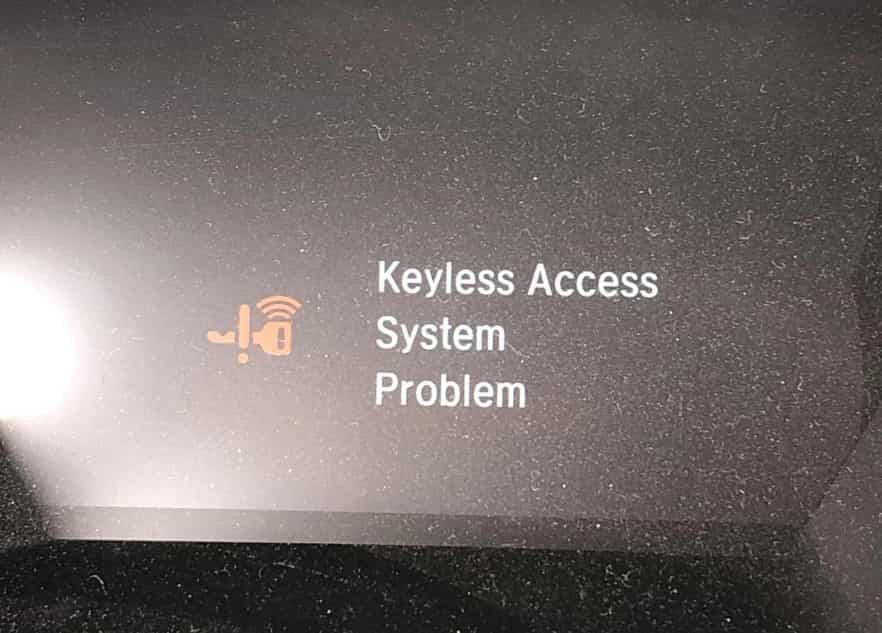
Few dashboard warnings are as frustrating as seeing the Honda Smart Entry System Problems message when you are about to leave for work or finish a long trip. In many cases, the vehicle still starts and drives normally, making it difficult to determine whether the warning is a minor inconvenience or the first sign of a more serious electrical issue. This uncertainty often leads owners to replace expensive parts without identifying the actual source of the problem.
The Honda Smart Entry System is designed to provide seamless access by allowing drivers to unlock doors and start the engine without removing the key fob from their pocket or bag. Because the system relies on multiple electronic components working together, a failure can originate from several different sources. A weak key fob battery, a low vehicle battery, damaged door handle sensors, faulty antennas, wiring problems, or software related issues can all trigger the same warning message. Although these faults produce similar symptoms, the correct repair depends entirely on accurate diagnosis.
This guide explains the most common Honda Smart Entry System Problems, the warning signs you should never ignore, and the proven solutions that restore normal operation. You will also learn how the Smart Entry System works, how to identify the root cause before replacing parts, what repairs typically cost, and when professional diagnosis becomes necessary. By understanding the complete troubleshooting process, you can save time, reduce repair expenses, and prevent unexpected starting or keyless access failures in the future.
What Is the Honda Smart Entry System?
The Honda Smart Entry System is an advanced keyless access technology that allows drivers to unlock the doors, lock the vehicle, and start the engine without inserting a traditional key. Instead of relying on physical contact, the system communicates with a programmed key fob through radio signals and multiple antennas installed throughout the vehicle. As long as the key fob is within the required operating range, the system can recognize its unique identification code and authorize access. This combination of convenience and security has become a standard feature on many modern Honda models, including the Civic, Accord, CR V, HR V, Pilot, Odyssey, Passport, and Ridgeline.
Several electronic components work together to ensure the Smart Entry System operates reliably. The key fob continuously exchanges encrypted signals with antennas located inside and outside the vehicle. Door handle sensors detect when a driver reaches for the handle, while the Smart Entry control module verifies the key’s identity before unlocking the doors. Once the driver enters the cabin, the push button start system communicates with the immobilizer to confirm authorization before allowing the engine to start. If any of these components fail to communicate correctly, the vehicle may display a Smart Entry System warning even though the problem originates from only one part of the system.
Unlike a traditional remote keyless entry system that requires pressing a button on the remote, Honda Smart Entry performs most functions automatically whenever the authorized key is nearby. This higher level of automation also increases system complexity, meaning battery voltage, electronic sensors, antennas, software, and wiring all influence overall performance. Understanding how these components interact makes it much easier to identify the real cause of Honda Smart Entry System Problems and choose the most effective repair instead of replacing parts through trial and error.
Common Honda Smart Entry System Problems and Warning Signs
Honda Smart Entry System Problems rarely appear without warning. Most vehicles show early signs before the system stops working completely. Some drivers notice the warning message only once before it disappears. Others see it every time they start the vehicle. Although these symptoms may seem unrelated, they often point to communication problems between the key fob, vehicle battery, antennas, sensors, and the Smart Entry control module. Recognizing these warning signs early can help you avoid unexpected lockouts and expensive repairs.
The most common symptom is the Smart Entry System Problem message on the dashboard. The warning may appear together with doors that fail to unlock when you touch the handle. Some owners also experience problems with the push button start. In other cases, the key fob works only at a short distance. Drivers may have to stand next to the vehicle before it responds. Another common warning is the No Key Detected message, even though the key fob is inside the cabin. These symptoms usually indicate weak signal transmission, unstable battery voltage, or temporary communication failures.
More serious problems develop when the system no longer recognizes the key consistently. The doors may stop locking automatically, and the push button start may require several attempts before the engine starts. Some vehicles also trigger the security alarm without any obvious reason. The warning sometimes appears after replacing the vehicle battery because voltage fluctuations interrupt communication between electronic components. However, these symptoms do not always indicate the same fault. A weak battery, damaged sensor, faulty antenna, or software issue can produce similar behavior. A systematic inspection helps identify the real cause of Honda Smart Entry System Problems and prevents unnecessary replacement of expensive parts.
What Causes Honda Smart Entry System Problems?
Honda Smart Entry System Problems can result from several different components. While the dashboard warning looks the same, the underlying cause often varies from one vehicle to another. In many cases, the issue is simple and inexpensive to fix. However, some faults involve complex electrical systems that require professional diagnosis. Understanding the most common causes helps you troubleshoot the problem more efficiently and avoid replacing parts that still function properly.
A weak key fob battery is one of the most frequent causes. As the battery loses power, the key fob transmits a weaker signal. The vehicle may struggle to recognize the key, especially when it is farther away. Drivers often notice a shorter operating range before the warning message appears. Replacing the battery usually restores normal communication within a few minutes.
A low or failing vehicle battery can also trigger Smart Entry warnings. Modern Honda vehicles depend on stable voltage to operate electronic control units. When battery voltage drops, multiple systems may lose communication at the same time. As a result, the Smart Entry System may display a warning even though the key fob works correctly. If you also notice slow engine cranking or other dashboard alerts, the vehicle battery deserves immediate attention.
Hardware failures become more common as the vehicle ages. Door handle sensors can wear out after years of daily use or exposure to moisture and dirt. Antennas that detect the key fob may also fail because of damaged wiring or poor electrical connections. In addition, a faulty push button start switch or Smart Entry control module can interrupt communication between the key and the vehicle. Although these failures occur less often than battery issues, they usually require specialized diagnostic equipment.
Environmental conditions can also affect system performance. Strong radio frequency interference from nearby electronic devices may reduce signal quality. Water intrusion, corrosion, and rodent damage can interrupt electrical circuits as well. In some cases, outdated software or temporary communication errors trigger the warning without any damaged hardware. For this reason, a complete diagnosis should always begin with the simplest causes before moving to more advanced electrical repairs.
How to Diagnose Honda Smart Entry System Problems
Diagnosing Honda Smart Entry System Problems requires a step by step approach. Many owners assume the key fob has failed and replace it immediately. However, the warning can originate from several different components. A systematic inspection saves time, reduces repair costs, and helps identify the real source of the problem before replacing any parts.
Start by checking the key fob battery. A weak battery often causes intermittent communication between the key and the vehicle. If the doors unlock only at a short distance or the push button start responds inconsistently, replacing the battery is a logical first step. You should also test the spare key fob if one is available. If both keys produce the same warning, the problem is more likely inside the vehicle than inside the key.
Next, inspect the condition of the vehicle battery. Low voltage affects many electronic systems, including the Smart Entry System. Look for signs such as slow engine cranking, dim interior lights, or multiple warning messages on the dashboard. A simple battery voltage test can quickly determine whether the battery supplies enough power for normal operation. Many Smart Entry warnings disappear after replacing a weak battery.
Continue by examining the door handle sensors and related electrical connections. Dirt, moisture, or physical damage can prevent the sensors from detecting your hand correctly. At the same time, inspect the fuse box for any blown fuses that protect the keyless entry system. A damaged fuse is uncommon, but it is easy to verify before moving to more advanced diagnostics.
If the warning remains, connect a compatible diagnostic scanner to the vehicle. Stored trouble codes provide valuable information about communication failures, antenna problems, control module faults, or wiring issues. These codes help narrow the diagnosis and reduce unnecessary repairs. When no obvious cause appears during inspection, professional testing becomes the safest option because specialized equipment can evaluate components that are difficult to inspect manually.
Proven Fixes for Honda Smart Entry System Problems
Once you identify the root cause, fixing Honda Smart Entry System Problems becomes much more straightforward. Many issues have simple solutions that require only basic tools and a small investment. Others involve electronic components that need professional equipment and programming. Choosing the correct repair depends on accurate diagnosis rather than guesswork.
The first solution is to replace the key fob battery if it has lost power. A fresh battery restores signal strength and often resolves intermittent communication problems. Make sure you install the correct battery type and position it properly inside the key fob. If the warning disappears after replacement, no further repair is usually necessary.
The vehicle battery should also receive careful attention. A weak battery may supply enough power to start the engine while still causing voltage fluctuations in electronic systems. Testing the battery and charging system helps confirm whether they operate within the recommended range. If the battery is old or fails a load test, replacing it may eliminate the warning and improve overall vehicle reliability.
Cleaning the door handle sensors can solve problems caused by dirt, moisture, or road debris. Wipe the sensor area gently with a soft cloth and avoid using harsh chemicals that may damage the finish. If the sensors remain unresponsive, inspect the wiring and connectors for corrosion, loose terminals, or visible damage. Repairing these electrical connections often restores normal communication between the sensors and the control module.
Some repairs require specialized knowledge. A damaged antenna, faulty push button start switch, or defective Smart Entry control module usually needs professional diagnosis. In certain cases, technicians must update the control module software or reprogram the key fob after replacing electronic components. These procedures ensure that every part communicates correctly and prevents recurring warning messages.
After completing any repair, test the system several times under normal driving conditions. Lock and unlock the doors, start the engine, and confirm that the dashboard warning does not return. If the problem persists, avoid replacing additional parts without further testing. A complete diagnostic inspection will identify hidden electrical faults and prevent unnecessary repair expenses.
Can You Drive With a Honda Smart Entry System Problem?
Many Honda owners wonder if they can continue driving after seeing a Smart Entry System warning. The answer depends on the actual cause of the problem. In many cases, the vehicle remains safe to drive because the warning only affects keyless access features. However, ignoring the issue for too long may create a situation where the vehicle cannot detect the key or restart after the engine stops.
If the engine starts normally and no other warning lights appear, you can usually continue driving for a short period. The Smart Entry System may still allow manual unlocking or emergency starting methods. However, you should schedule an inspection soon, especially if the warning appears repeatedly. Intermittent electronic problems often become worse over time and may eventually prevent normal vehicle operation.
A weak key fob battery is usually not an urgent safety concern. The vehicle may continue working because the key still contains a backup signal system. However, a failing vehicle battery requires more attention. Low battery voltage can affect multiple electronic systems and may leave you unable to start the vehicle without warning. If you notice dim lights, slow starting, or several dashboard alerts, check the vehicle battery as soon as possible.
You should avoid long trips if the Smart Entry System frequently loses key detection. A vehicle that fails to recognize the key may leave you locked out or unable to restart after parking. This situation can become especially inconvenient in remote areas or during emergencies.
The safest approach is to identify the cause early. Simple issues like a weak key fob battery are easy to solve, while electrical faults may require professional testing. Addressing Honda Smart Entry System Problems before they become severe helps maintain reliable access, starting performance, and overall vehicle confidence.
Honda Smart Entry System Repair Costs
The repair cost for Honda Smart Entry System Problems depends on the failed component, vehicle model, labor rates, and the complexity of the diagnosis. Some problems require only a few minutes and minimal expense, while others involve electronic components that need professional programming. Understanding the possible costs helps Honda owners make better repair decisions and avoid unnecessary replacements.
A key fob battery replacement is usually the most affordable solution. The battery itself is inexpensive, and most owners can replace it without professional assistance. If the key fob has internal damage or no longer communicates with the vehicle, a replacement key fob may cost significantly more because it often requires programming before use.
A weak vehicle battery is another common cause of Smart Entry warnings. Replacing the battery usually costs more than a key fob battery but remains one of the simpler repairs. Before replacement, technicians should test the charging system to confirm that the alternator and electrical system work correctly. This prevents repeated battery failures and reduces the chance of future electronic problems.
More advanced repairs involve sensors, antennas, wiring, and control modules. A damaged door handle sensor may require part replacement and additional labor because technicians must access the internal components of the door. Antenna problems can also be difficult to diagnose because multiple antennas communicate with the key fob throughout the vehicle. Wiring repairs vary widely depending on the location and severity of the damage.
The most expensive repairs usually involve the Smart Entry control module or related electronic systems. These components may require specialized diagnostic tools, software updates, and programming procedures. Because of this complexity, professional service is often necessary.
Below is a general overview of potential repair costs:
| Repair Type | Estimated Cost Range | Difficulty Level |
|---|---|---|
| Key fob battery replacement | Low cost | Easy |
| Vehicle battery replacement | Low to moderate cost | Easy |
| Key fob replacement and programming | Moderate cost | Professional service may be needed |
| Door handle sensor replacement | Moderate cost | Intermediate |
| Antenna repair or replacement | Moderate to high cost | Requires diagnosis |
| Wiring repair | Variable cost | Depends on damage |
| Smart Entry control module replacement | High cost | Advanced repair |
Although repair prices can vary, accurate diagnosis remains the most important step. Replacing expensive components without confirming the failure can increase costs without solving the original problem. A proper inspection helps identify the exact cause of Honda Smart Entry System Problems and ensures that repairs provide a long term solution.
How to Prevent Future Honda Smart Entry System Problems
Preventing Honda Smart Entry System Problems starts with regular maintenance and early attention to small warning signs. Although electronic failures can happen unexpectedly, many common issues develop gradually. Simple habits can protect the key fob, maintain stable electrical performance, and reduce the risk of sudden keyless entry failures.
One of the easiest preventive steps is replacing the key fob battery before it becomes completely weak. A declining battery can reduce signal strength and cause inconsistent communication with the vehicle. Many drivers wait until the key stops working, but early replacement helps avoid situations where the vehicle cannot recognize the key.
Maintaining a healthy vehicle battery is equally important. Honda Smart Entry Systems depend on stable electrical power to communicate with sensors, antennas, and control modules. Check the battery condition regularly, especially if the vehicle is several years old. A weak battery can create confusing electronic warnings and affect other vehicle systems at the same time.
Protecting the key fob from damage also improves long term reliability. Keep it away from water, extreme heat, and strong impacts. Moisture or physical damage can affect the internal circuit board and reduce communication performance. It is also helpful to avoid storing the key fob near devices that create strong radio signals, as interference may affect key detection.
Keeping door handle sensors clean can prevent unnecessary failures. Dirt, moisture, and debris may interfere with sensor operation, especially in areas with harsh weather conditions. Regularly cleaning these areas helps maintain consistent response when locking or unlocking the vehicle.
Finally, do not ignore occasional Smart Entry warnings. Many owners continue driving because the system still works most of the time. However, intermittent problems often become more frequent and more difficult to diagnose later. Addressing early symptoms allows technicians to find simple solutions before they develop into expensive electrical repairs.
By following these maintenance practices, Honda owners can improve system reliability, reduce unexpected failures, and extend the service life of keyless access components. Proper care remains one of the most effective ways to prevent recurring Honda Smart Entry System Problems.
Conclusion
Honda Smart Entry System Problems can be frustrating, especially when the warning appears without an obvious cause. However, most issues can be resolved successfully when you understand how the system works and follow a logical troubleshooting process. Common causes include a weak key fob battery, low vehicle battery voltage, damaged sensors, antenna failures, wiring issues, and control module problems.
The best approach is to start with the simplest solutions first. Checking the key fob battery, testing the vehicle battery, and inspecting basic connections can often reveal the source of the problem. If these steps do not solve the issue, professional diagnosis can identify deeper electrical faults and prevent unnecessary part replacements.
Regular maintenance also plays an important role in preventing future failures. Replacing batteries before they become weak, protecting the key fob from damage, keeping sensors clean, and responding quickly to warning messages can improve the reliability of the Honda Smart Entry System.
Although some repairs are simple and affordable, more complex electronic failures require specialized tools and technical knowledge. The most important step is accurate diagnosis. A correct repair not only restores keyless access but also protects your vehicle from future starting and security issues.
Have you experienced a Honda Smart Entry System Problem with your vehicle? Share your Honda model, year, and symptoms in the comments. Your experience may help other Honda owners identify similar issues and find the right solution faster.