A flashing D light on your Honda can be confusing and stressful, especially when the car still seems to drive normally. In many cases, this warning means the transmission control system has detected a problem related to fluid pressure, sensors, solenoids, wiring, or internal transmission components. The issue may be minor, but it can also point to a serious fault that becomes more expensive if ignored.
Drivers often worry about whether they can continue driving, how much the repair may cost, and whether the transmission is starting to fail. These concerns are understandable because transmission problems can affect shifting, acceleration, fuel efficiency, and overall safety. A vehicle may begin to shift roughly, hesitate before moving, slip between gears, or enter a reduced power mode.
This guide explains the most common causes of a Honda D light flashing, the symptoms that may appear with it, the steps used to diagnose the problem, and the repair options available. It also covers estimated repair costs and the warning signs that mean you should stop driving immediately. Understanding the cause early can help you avoid further damage, reduce repair expenses, and make a better decision about what to do next.
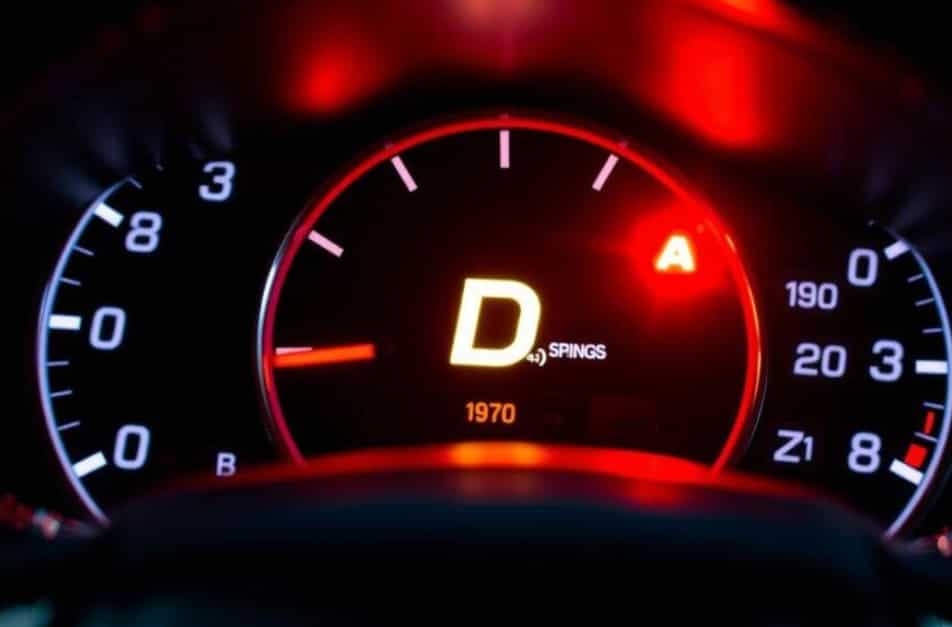
What Does a Flashing D Light Mean on a Honda?
A flashing D light on a Honda is a warning that something is affecting the transmission system. Unlike the normal Drive indicator, the light should remain steady while the vehicle is in Drive. When it starts flashing, the transmission control system has detected a fault that needs attention. Ignoring this warning can allow a small problem to develop into a much more expensive repair.
The transmission control system monitors several important components during every drive. It checks sensor signals, hydraulic pressure, and shift timing to keep gear changes smooth. When one of these components sends incorrect information, the control module stores a diagnostic trouble code. It then activates the flashing D light to alert the driver. In some cases, the vehicle may continue to drive normally. However, the warning still indicates that the transmission requires inspection.
Many drivers expect the check engine light to appear at the same time. That does not always happen. Some transmission faults only trigger the flashing D light because they are managed by the transmission control system instead of the engine management system. As a result, you should never assume that the transmission is operating correctly simply because no other warning lights are visible.
Several different problems can cause a Honda D light flashing warning. Low or contaminated transmission fluid is one of the most common causes. A faulty shift solenoid, a failed pressure switch, damaged wiring, a weak battery, or a defective speed sensor can also trigger the warning. In more serious situations, internal transmission wear may be responsible. Because these faults produce similar symptoms, replacing parts without proper testing can waste both time and money.
The best solution is to diagnose the problem as early as possible. A professional inspection or a compatible scan tool can identify the stored transmission codes and help locate the real cause. Early repairs often prevent additional damage, improve transmission performance, and reduce overall repair costs.
Is It Safe to Drive With the Honda D Light Flashing?
The answer depends on how the vehicle behaves after the warning appears. In some cases, your Honda may continue to drive without obvious problems. The transmission may shift smoothly, and the engine may respond normally. Even so, a flashing D light means the transmission control system has detected a fault. Continuing to drive without finding the cause increases the risk of further damage. What begins as a minor electrical issue or low transmission fluid can eventually lead to costly transmission repairs.
Pay close attention to how the vehicle performs after the warning appears. If you notice delayed shifting, harsh gear changes, slipping between gears, or poor acceleration, stop driving as soon as it is safe to do so. These symptoms often indicate that the transmission cannot operate correctly. Driving in this condition creates extra heat and wear, which may damage internal components and increase repair costs.
You should also stop driving immediately if you smell burnt transmission fluid, hear grinding or whining noises, or see transmission fluid leaking under the vehicle. Some Honda models may enter a reduced power mode to protect the transmission from additional damage. Although this safety feature helps prevent further wear, it also indicates that the problem requires immediate attention.
If the vehicle still shifts normally and no severe symptoms are present, you may be able to drive a short distance to a nearby repair shop. Avoid heavy acceleration, high speeds, steep hills, and towing during the trip. These conditions place additional stress on the transmission and may worsen the fault. As soon as you arrive, scan the vehicle for transmission related trouble codes and inspect the transmission fluid. An early diagnosis is the most effective way to prevent a small problem from becoming a major transmission failure.
Common Causes of a Honda D Light Flashing
A flashing D light can appear for many different reasons. Some problems are simple and inexpensive to fix, while others require extensive transmission repairs. The warning only tells you that the transmission control system has detected a fault. It does not identify the exact component that has failed. For this reason, understanding the most common causes helps narrow down the problem before replacing any parts.
Transmission Fluid and Hydraulic Problems
Transmission fluid plays a vital role in lubrication, cooling, and hydraulic pressure. When the fluid level drops below the recommended range, the transmission cannot maintain enough pressure to shift gears smoothly. Drivers may notice delayed engagement, slipping between gears, or rough shifting. If the problem continues, the transmission temperature can rise and accelerate internal wear.
Old or contaminated transmission fluid can create similar symptoms. Over time, heat breaks down the fluid and reduces its ability to protect moving parts. Dirt, metal particles, and clutch material may also circulate through the system. As a result, valves and hydraulic passages become less efficient. Using the wrong type of transmission fluid can create additional problems because Honda transmissions are designed to operate with specific fluid specifications.
Fluid leaks are another common cause of a flashing D light. Leaks may develop around transmission seals, cooler lines, or the transmission pan. Even a slow leak can gradually lower the fluid level and affect shifting performance. Checking the fluid level, inspecting its color, and looking for leaks under the vehicle should always be part of the first inspection.
Sensors, Solenoids, and Electrical Faults
Modern Honda transmissions rely on several electronic components to control gear changes. A faulty shift solenoid is one of the most common causes of a flashing D light. The solenoid directs transmission fluid to different hydraulic circuits. When it sticks or fails electrically, the transmission may hesitate, shift harshly, or remain in a single gear.
Other components can also trigger the warning. A failed transmission pressure switch may send incorrect pressure readings to the control module. A defective vehicle speed sensor can provide inaccurate speed information, making it difficult for the transmission to determine the correct shift timing. Problems with the transmission range sensor may also confuse the system about the selected gear position.
Electrical issues should never be overlooked. Damaged wiring, loose connectors, corrosion, or poor grounding can interrupt communication between the transmission control module and its sensors. In some cases, a weak battery or a failing alternator creates unstable voltage that affects electronic transmission controls. These faults often produce symptoms that resemble mechanical failures, making accurate diagnosis especially important.
Internal Transmission Damage
Internal transmission damage is the most serious cause of a flashing D light. Worn clutch packs, damaged valve body components, failing bearings, or a worn torque converter can all prevent the transmission from operating correctly. These problems usually develop over time and often become more noticeable as vehicle mileage increases.
Drivers with internal transmission damage may experience persistent slipping, severe shifting delays, loud whining noises, vibration during acceleration, or complete loss of drive. Unlike electrical faults, these symptoms rarely disappear on their own. Continuing to drive may spread metal debris throughout the transmission and increase the cost of repairs.
Although internal damage is less common than fluid or electrical problems, it should never be ignored. A professional diagnosis can determine whether the transmission needs a minor repair, a component replacement, or a complete rebuild. Finding the problem early often reduces repair costs and helps extend the life of the transmission.
Symptoms That May Appear With a Flashing D Light
A flashing D light rarely appears by itself. In most cases, the warning is accompanied by one or more symptoms that indicate the transmission is not operating as intended. Recognizing these signs early can help you identify the severity of the problem and decide whether the vehicle is safe to drive.
One of the most common symptoms is delayed shifting. The transmission may hesitate before engaging Drive or Reverse, especially after starting the engine. You may also notice rough or jerky gear changes as the vehicle accelerates. These symptoms often point to problems with transmission fluid, shift solenoids, or hydraulic pressure.
Transmission slipping is another warning sign that should not be ignored. The engine speed may increase while the vehicle struggles to accelerate. In some situations, the transmission may unexpectedly shift into another gear or remain stuck in one gear. This behavior reduces driving performance and places additional stress on internal transmission components.
Some drivers report unusual noises when the D light begins flashing. A whining, humming, or grinding sound may come from the transmission, especially during acceleration or gear changes. A burning smell can also develop if the transmission fluid overheats. If you notice fluid leaking beneath the vehicle, the transmission may not have enough lubrication or hydraulic pressure to operate correctly.
You may also experience reduced fuel efficiency because the transmission cannot select the most efficient gear. In more severe cases, the vehicle may enter a reduced power mode to protect the transmission from further damage. If any of these symptoms appear together with a flashing D light, inspect the vehicle as soon as possible. Early diagnosis can prevent additional damage and reduce the overall repair cost.
How to Diagnose a Flashing Honda D Light
Finding the exact cause of a flashing D light requires a systematic approach. Although some problems are easy to identify, others need specialized equipment and technical knowledge. Performing a few basic inspections first can save time and help you determine whether the issue is minor or requires professional attention.
Basic Checks You Can Perform at Home
Start by checking the transmission fluid. Park the vehicle on a level surface and follow the procedure recommended for your Honda model. Verify that the fluid level is within the correct range. Then inspect its color and smell. Healthy transmission fluid is usually clean and bright. Dark, burnt, or contaminated fluid often indicates excessive heat or internal wear.
Next, look underneath the vehicle for signs of fluid leaks. Even a small leak can lower hydraulic pressure and affect transmission performance over time. While inspecting the engine bay, examine the battery terminals for corrosion or loose connections. A weak battery or unstable charging system can interfere with electronic transmission controls and trigger warning lights.
You should also inspect visible wiring and electrical connectors around the transmission. Look for damaged insulation, loose plugs, or signs of moisture. Although these checks cannot confirm every fault, they may reveal obvious problems before you move on to more advanced diagnostics.
Professional Diagnostic Tests
If the warning light remains on, connect a scan tool that can read transmission specific diagnostic trouble codes. These codes provide valuable information about the affected system and help narrow the list of possible causes. Record every code before clearing it because the stored information is essential for accurate troubleshooting.
A technician may also review live transmission data while the engine is running. This process allows them to monitor sensor readings, shift solenoid operation, transmission temperature, and hydraulic pressure in real time. If necessary, they can perform electrical tests to verify wiring integrity and confirm that each component receives the correct voltage and signal.
When electronic components appear to function normally, additional testing may focus on the transmission itself. Hydraulic pressure tests, road tests, and internal inspections can reveal worn clutch packs, valve body problems, or torque converter damage. Replacing parts without completing these diagnostic steps often leads to unnecessary expenses and may fail to solve the original problem. A thorough diagnosis remains the most reliable way to identify the fault and choose the correct repair.
How to Fix a Honda D Light That Is Flashing
The correct repair depends entirely on what causes the flashing D light. Some issues require only routine maintenance, while others involve replacing damaged components or repairing the transmission. Identifying the exact fault before buying parts is the best way to avoid unnecessary expenses and restore normal transmission performance.
Minor and Moderate Repairs
If the transmission fluid is low, refill it with the fluid specified for your Honda model. After restoring the correct level, inspect the transmission for leaks and repair any damaged seals or hoses. If the fluid is old, dirty, or has a burnt smell, replace it according to the manufacturer’s maintenance procedure. Fresh transmission fluid improves lubrication, restores hydraulic pressure, and helps the transmission operate more smoothly.
When diagnostic testing identifies a faulty sensor, pressure switch, or shift solenoid, replacing the failed component usually resolves the warning. After completing the repair, clear the stored trouble codes and perform a road test to confirm that the transmission shifts correctly. If damaged wiring or corroded electrical connectors are responsible, repair the wiring, secure all connections, and protect the affected area from moisture. Battery or charging system problems should also be corrected because unstable voltage can interfere with transmission control.
Major Transmission Repairs
If testing confirms internal transmission damage, more extensive repairs may be necessary. A worn valve body, damaged clutch packs, or a failing torque converter can prevent the transmission from operating properly. Depending on the condition of the transmission, a technician may repair individual components, rebuild the transmission, or replace it with a remanufactured unit.
Although major transmission repairs are more expensive, delaying the repair often increases the damage. Metal debris can spread throughout the transmission and affect additional components. Acting early may reduce repair costs and improve the chances of saving the original transmission. Once the repair is complete, perform another diagnostic scan and road test to verify that the flashing D light no longer returns and that the transmission shifts smoothly under normal driving conditions.
Honda D Light Flashing Repair Costs
The cost to repair a flashing Honda D light depends on the underlying problem. Some repairs are simple and inexpensive, while others require major transmission work. An accurate diagnosis should always come first because the warning light can result from several different faults that produce similar symptoms.
The table below provides estimated repair costs for common transmission related problems. Actual prices may vary depending on your Honda model, vehicle year, location, labor rates, and the quality of replacement parts.
| Repair | Estimated Cost |
|---|---|
| Diagnostic scan | $80 to $180 |
| Transmission fluid service | $120 to $300 |
| Battery replacement | $150 to $350 |
| Speed sensor replacement | $150 to $400 |
| Transmission pressure switch replacement | $180 to $450 |
| Shift solenoid replacement | $250 to $700 |
| Wiring repair | $150 to $800 |
| Valve body repair | $700 to $2,000 |
| Transmission rebuild or replacement | $3,000 to $7,500 or more |
Routine maintenance, such as replacing old transmission fluid or repairing a small leak, is usually far less expensive than rebuilding or replacing the transmission. For this reason, you should never ignore a flashing D light, even if the vehicle still drives normally. Addressing the problem early often prevents additional damage and reduces the overall repair bill.
Keep in mind that a diagnostic trouble code does not automatically identify the failed part. For example, a shift solenoid code may result from damaged wiring, low hydraulic pressure, or another related component. Replacing parts without proper testing can increase repair costs without fixing the original problem. A complete diagnosis remains the most cost effective approach before authorizing any repair.
Honda Models Commonly Affected
A flashing D light can appear on many Honda vehicles equipped with automatic or continuously variable transmissions. Although the warning is similar across different models, the underlying cause may vary depending on the transmission design, vehicle age, maintenance history, and driving conditions. Understanding the common issues associated with each model can help narrow down the possible causes during diagnosis.
The Honda Accord is one of the models most frequently associated with a flashing D light. Older models may develop problems with transmission pressure switches, shift solenoids, or worn internal components after high mileage. Low or degraded transmission fluid can also affect shift quality and trigger transmission related warning lights.
The Honda Civic may experience similar issues, including faulty speed sensors, transmission range sensors, and electrical connection problems. Newer Civic models equipped with a continuously variable transmission may also display the warning when the transmission fluid deteriorates or electronic control components fail.
Owners of the Honda CR V often report transmission fluid issues, pressure switch failures, and sensor related faults. Meanwhile, the Honda Odyssey and Honda Pilot place greater demands on their transmissions because of their larger size and higher vehicle weight. Frequent towing, heavy loads, or stop and go driving can accelerate transmission wear if maintenance is neglected.
Although these models are commonly discussed, a flashing D light can affect almost any Honda equipped with an automatic transmission. The warning does not indicate a specific failed component or confirm that the transmission has reached the end of its service life. A proper inspection remains the only reliable way to identify the exact cause and determine the most appropriate repair.
Can Resetting the Battery Fix a Flashing D Light?
Many Honda owners disconnect the battery after seeing a flashing D light because they hope the warning will disappear. While this method may temporarily reset some vehicle systems, it does not repair the problem that caused the warning in the first place. If the transmission control system detects the same fault again, the flashing D light will usually return after the vehicle is driven.
Disconnecting the battery can also erase valuable diagnostic information stored in the control modules. These stored trouble codes help technicians identify the source of the problem and reduce the time needed for diagnosis. Clearing the codes before reading them may make troubleshooting more difficult, especially if the fault occurs only under certain driving conditions.
In some situations, resetting the battery may appear to solve the issue because the warning does not return immediately. This usually happens when the fault is intermittent, such as a loose electrical connection or unstable battery voltage. However, the underlying issue still exists if the damaged component has not been repaired or replaced.
The best approach is to scan the vehicle for transmission related trouble codes before disconnecting the battery. After completing the necessary repairs, clear the codes with a compatible scan tool and perform a road test. If the transmission operates normally and the flashing D light does not return, the repair has likely resolved the problem. Resetting the battery should only be considered a final step after the actual fault has been diagnosed and corrected.
How to Prevent a Flashing Honda D Light
Preventive maintenance is the most effective way to reduce the risk of a flashing D light. Although not every transmission problem can be avoided, regular inspections and proper driving habits help extend transmission life and improve long term reliability.
Follow the Recommended Maintenance Schedule
Replace the transmission fluid at the interval recommended for your specific Honda model. Clean transmission fluid maintains proper lubrication, stable hydraulic pressure, and smooth gear changes. During every service, inspect the transmission for leaks and correct any problems before the fluid level becomes too low.
Drive With Transmission Health in Mind
Avoid aggressive acceleration whenever possible, especially before the engine and transmission reach normal operating temperature. If your vehicle is designed for towing, never exceed the recommended towing capacity. Excessive loads generate additional heat and increase wear on internal transmission components.
Pay Attention to Early Warning Signs
Do not ignore delayed shifting, rough gear changes, unusual noises, burning smells, or transmission fluid leaks. These symptoms often appear before the D light starts flashing. Addressing small issues early can prevent expensive repairs later.
Check the Electrical System Regularly
A healthy battery and charging system help the transmission control module operate correctly. Inspect the battery terminals for corrosion and ensure that all electrical connections remain clean and secure. If the battery is weak or the alternator is not charging properly, repair the electrical system before it affects transmission performance.
By combining routine maintenance with early diagnosis, many Honda owners can avoid major transmission failures. Even when a flashing D light appears, responding quickly usually limits the damage, reduces repair costs, and helps keep the vehicle operating safely for many years.
Frequently Asked Questions
Why is my Honda D light flashing but the car still drives normally?
A flashing D light usually indicates that the transmission control system has detected a fault, even if the vehicle still appears to drive normally. Some transmission problems develop gradually and may not immediately affect performance. However, continuing to drive without diagnosing the issue can allow minor faults to become more serious and expensive to repair.
Can low transmission fluid cause the D light to flash?
Yes. Low transmission fluid is one of the most common causes of a flashing D light. Insufficient fluid reduces hydraulic pressure, affects gear changes, and may cause the transmission control module to store diagnostic trouble codes. Checking the fluid level and condition should be one of the first diagnostic steps.
Will a flashing D light damage my transmission?
The warning light itself does not damage the transmission. However, ignoring the condition that triggered the warning can lead to additional wear or internal transmission failure. Prompt diagnosis and repair significantly reduce the risk of expensive damage.
Can I continue driving with a flashing D light?
Short trips may be possible if the transmission continues to operate normally. However, driving should be limited until the vehicle is inspected. If you experience slipping, delayed shifting, unusual noises, burning smells, or difficulty accelerating, stop driving and have the vehicle inspected as soon as possible.
How do I reset the flashing D light on my Honda?
The warning light usually disappears only after the underlying problem has been repaired. A scan tool can then clear the stored diagnostic trouble codes. Disconnecting the battery may temporarily remove the warning, but it rarely fixes the original problem, and the light often returns if the fault remains.
How much does it cost to fix a flashing Honda D light?
Repair costs vary depending on the cause. A transmission fluid service may cost between $120 and $300, while replacing a faulty sensor or pressure switch often ranges from $150 to $450. Major transmission repairs or a complete replacement can cost several thousand dollars. A professional diagnosis is the best way to estimate the actual repair cost.
Conclusion
A Honda D light flashing is more than a simple dashboard warning. It is an early indication that the transmission control system has detected a problem that requires attention. In many cases, the issue may involve low transmission fluid, a faulty sensor, a failed pressure switch, damaged wiring, or a malfunctioning shift solenoid. However, more serious internal transmission damage is also possible if the warning is ignored.
The good news is that early diagnosis often prevents costly repairs. Paying attention to warning signs such as delayed shifting, rough gear changes, slipping, unusual noises, or fluid leaks allows you to address the problem before it becomes more severe. Routine maintenance, regular transmission fluid changes, and prompt repairs also help keep your Honda transmission operating reliably for years.
If your Honda D light flashing warning appears, avoid guessing or replacing parts without proper testing. Instead, scan the vehicle for transmission diagnostic trouble codes and inspect the transmission system carefully. Taking the correct steps from the beginning can save both time and money while protecting your transmission from unnecessary damage.
Have you experienced a flashing D light on your Honda? Share your symptoms, vehicle model, and diagnostic trouble codes in the comments. Your experience may help other Honda owners identify similar problems and find the right solution more quickly.