Royal Purple is a good oil choice for many engines. It is a premium synthetic motor oil that improves lubrication, reduces friction, and protects engine parts during demanding conditions.
Engine oil helps every vehicle maintain reliable performance. It creates a protective layer between moving metal parts. It also controls heat and reduces engine wear. Royal Purple uses synthetic base oils and advanced additives to support these functions.
The quality of engine oil affects protection, efficiency, and long-term reliability. A high-quality oil helps engines operate smoothly under different driving conditions. Royal Purple focuses on these areas through its lubrication technology and performance-focused formulas.
This review examines Royal Purple motor oil through several important factors. It analyzes engine protection, performance benefits, limitations, compatibility, and value. It also explains which vehicles can benefit from Royal Purple and whether the higher cost provides meaningful advantages.
Choosing the right engine oil depends on more than brand reputation. Drivers should consider their vehicle specifications, engine design, driving habits, and maintenance needs before selecting Royal Purple.
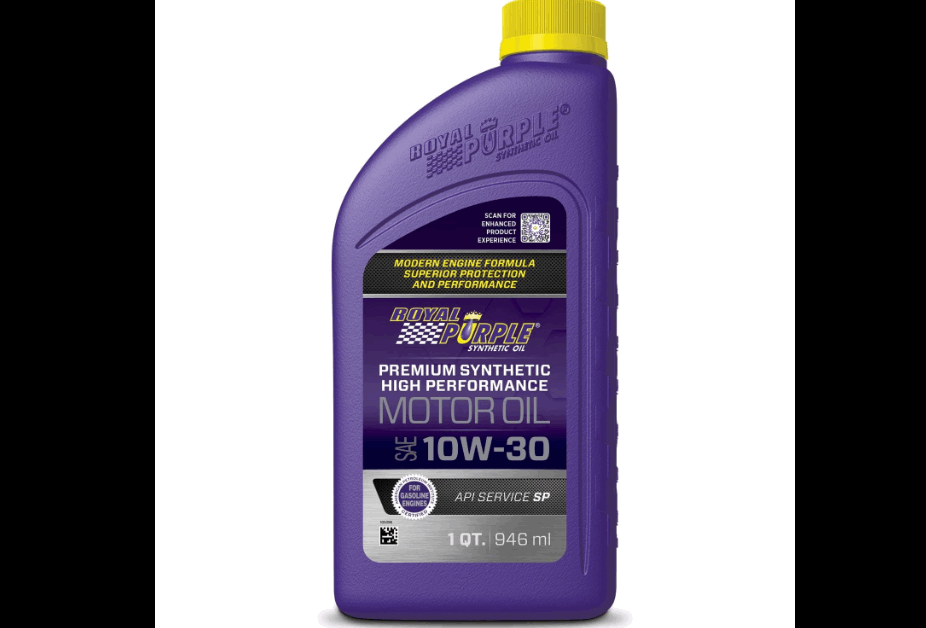
Is Royal Purple Good Oil for Your Engine?
Royal Purple is a good oil for engines that require premium synthetic lubrication and stronger protection under demanding conditions. The brand develops motor oils with synthetic base oils and additive technologies that help reduce friction, control deposits, and maintain lubrication performance.
Engine oil quality directly affects how efficiently an engine operates. Moving components such as pistons, bearings, and camshafts create constant friction during operation. Royal Purple oil helps create a stable lubricating layer between these components. This layer reduces direct metal contact and supports smoother engine movement.
The main reason drivers choose Royal Purple is its focus on engine protection. Synthetic motor oils maintain more consistent performance than conventional oils because they resist heat breakdown and oxidation more effectively. This stability helps the oil continue protecting engine parts during high temperatures, heavy loads, and extended driving conditions.
Royal Purple also targets drivers who want more than basic engine lubrication. Performance vehicles, turbocharged engines, and vehicles that operate in demanding environments often place greater stress on engine oil. In these situations, a premium synthetic oil can provide additional protection by maintaining viscosity and reducing lubricant degradation.
However, Royal Purple is not automatically the best option for every vehicle. The correct oil depends on the manufacturer’s specifications, recommended viscosity, and engine requirements. A properly selected conventional or synthetic oil that meets the required standards can still provide reliable protection for many everyday vehicles.
The answer to “Is Royal Purple good oil?” depends on the engine and the driver’s priorities. For owners who value premium protection and synthetic performance, Royal Purple is a strong option. For drivers focused mainly on cost-effective maintenance, other approved oils may provide sufficient performance.
What Are the Main Benefits of Royal Purple Motor Oil?
Royal Purple motor oil provides several benefits that make it attractive to drivers who want premium engine protection. The main advantages include reduced engine wear, improved lubrication performance, better temperature stability, and stronger resistance against oil breakdown.
One major benefit of Royal Purple is its ability to reduce engine wear. Engine components experience constant friction during operation, especially when vehicles accelerate, carry heavy loads, or operate at high temperatures. Royal Purple uses synthetic oil technology and additive chemistry to maintain a protective lubricant layer between moving parts. This reduces direct contact between metal surfaces and helps protect components such as pistons, bearings, and camshafts.
Royal Purple also improves lubrication performance by maintaining oil flow and stability during different operating conditions. Synthetic motor oil contains more uniform molecules than conventional oil, which helps it perform consistently when exposed to heat and pressure. This allows the oil to protect engines during cold starts, highway driving, and high-load operation.
Another benefit is improved resistance against oxidation and deposits. Engine oil breaks down over time because of heat, oxygen exposure, and contaminants created during combustion. Royal Purple’s formulation helps slow this degradation process, allowing the oil to maintain its protective properties for longer periods.
Royal Purple can also support high-performance engines that experience increased stress. Turbocharged engines and performance vehicles generate more heat and pressure than standard engines. A stable synthetic oil helps these engines maintain proper lubrication when operating under demanding conditions.
However, drivers should have realistic expectations. Royal Purple can improve lubrication quality and engine protection, but it does not increase horsepower significantly or replace proper maintenance. Regular oil changes, correct viscosity selection, and following manufacturer recommendations remain essential for long-term engine reliability.
What Are the Disadvantages of Royal Purple Oil?
Royal Purple oil has strong performance characteristics, but it also has several limitations that drivers should consider before purchasing. The main disadvantages include higher cost, limited value for some vehicles, and the need to match the oil with specific engine requirements.
The biggest disadvantage of Royal Purple is its premium price. Synthetic motor oils from Royal Purple usually cost more than many mainstream synthetic oils from brands such as Mobil 1, Castrol EDGE, and Valvoline. The higher price comes from its premium positioning and focus on advanced lubrication technology. However, not every driver will experience noticeable benefits from paying more for premium oil.
For many daily driver vehicles, the engine operates under normal conditions with moderate temperatures and regular maintenance schedules. In these cases, a lower-cost synthetic oil that meets the manufacturer’s specifications can provide sufficient protection. The additional performance advantages of Royal Purple may become more valuable in vehicles that experience higher stress, such as performance cars, turbocharged engines, or vehicles used for towing.
Another limitation is that Royal Purple cannot correct existing engine problems. Premium oil can reduce friction, improve lubrication, and support cleaner engine operation, but it cannot repair worn components, damaged seals, or mechanical failures. Drivers should address engine issues separately instead of expecting a higher-quality oil to solve them.
Choosing the wrong Royal Purple product can also reduce its benefits. Engines require specific viscosity grades and oil standards to operate correctly. Using an unsuitable oil type can affect lubrication performance and may not meet vehicle manufacturer recommendations.
Royal Purple is a high-quality motor oil, but its value depends on the vehicle and driving conditions. Drivers should evaluate their engine needs, maintenance goals, and budget before deciding whether the premium cost is justified.
Is Royal Purple Better Than Other Synthetic Oils?
Royal Purple competes in the premium synthetic motor oil category alongside brands such as Mobil 1, Castrol EDGE, and Amsoil. Whether Royal Purple is better depends on the comparison criteria, including engine protection, formulation, application, and cost.
Royal Purple focuses on lubrication performance and engine protection through synthetic base oils and advanced additive technology. These features help maintain oil stability, reduce friction, and protect engine components during high-temperature operation. Compared with standard synthetic oils, Royal Purple positions itself as a higher-performance option for drivers who want additional protection.
Mobil 1 is one of the most recognized synthetic oil brands and has a strong reputation among everyday drivers and performance enthusiasts. It offers a wide range of products that meet many manufacturer specifications. Royal Purple and Mobil 1 both provide strong synthetic lubrication, but Royal Purple often targets users who prioritize premium performance characteristics.
Castrol EDGE focuses on protection against high pressure and engine stress. Its formulations are designed for modern engines that require reliable lubrication under demanding conditions. Royal Purple provides similar benefits but emphasizes its proprietary additive technology and performance-oriented approach.
Amsoil is another premium synthetic oil brand that focuses on extended protection and severe-use applications. It is often selected by drivers who want long oil performance and specialized lubrication products. Royal Purple competes closely with Amsoil in the premium market, especially among performance-focused users.
There is no universal winner between these brands because engine requirements vary. The best oil depends on the vehicle manufacturer’s specifications, driving environment, maintenance schedule, and performance goals. Royal Purple is a strong choice for drivers who want premium synthetic oil, but other high-quality oils can provide excellent protection when they match the engine’s requirements.
What Vehicles Should Use Royal Purple Oil?
Royal Purple oil is suitable for vehicles that require high-quality synthetic lubrication and stronger protection under demanding operating conditions. The best candidates include performance vehicles, turbocharged engines, vehicles used for heavy-duty driving, and drivers who want premium engine protection for long-term ownership.
Daily driver vehicles can also use Royal Purple if the oil meets the manufacturer’s required specifications. Modern passenger vehicles often operate with advanced engine designs that require precise lubrication performance. A suitable Royal Purple formulation can help maintain engine cleanliness, reduce friction, and support consistent operation during normal commuting.
High-performance vehicles are another common application for Royal Purple oil. Performance engines often generate higher temperatures and greater mechanical stress compared with standard engines. Under these conditions, engine oil must maintain its viscosity and protective properties. Royal Purple’s synthetic formulation helps support lubrication when engines operate under increased pressure.
Turbocharged engines can also benefit from premium synthetic oil because turbochargers operate at extremely high speeds and temperatures. Oil degradation can happen faster in these environments because the lubricant experiences additional heat exposure. A stable synthetic oil helps maintain protection around important engine components.
Royal Purple may also be considered for older high-mileage vehicles, but the correct product selection is important. High-mileage engines may have different lubrication needs due to wear, oil consumption, and seal conditions. Drivers should choose an oil type that matches the engine’s current condition rather than selecting a product based only on brand reputation.
However, Royal Purple is not necessary for every vehicle. A standard commuter vehicle that follows regular maintenance intervals may perform well with any approved oil that meets the manufacturer’s requirements. The most important factors are the correct viscosity, certification standards, and compatibility with the engine design.
Royal Purple provides the greatest value for drivers who want premium lubrication, operate demanding vehicles, or prioritize additional engine protection beyond basic maintenance requirements.
How Do You Choose the Right Royal Purple Oil for Your Engine?
Choosing the right Royal Purple oil requires more than selecting a premium product. Drivers need to match the oil with their engine requirements, manufacturer recommendations, driving conditions, and maintenance goals. The correct oil type helps maintain proper lubrication and allows the engine to operate efficiently.
The first factor to consider is the manufacturer’s recommended oil specification. Vehicle manufacturers design engines to work with specific viscosity grades and performance standards. Drivers should check the owner’s manual before changing oil because using an incorrect specification may reduce lubrication effectiveness or affect engine performance.
Oil viscosity is another important factor when selecting Royal Purple. Viscosity describes how easily oil flows at different temperatures. Common grades include 0W-20, 5W-30, and 5W-40. Lower viscosity oils are often used in modern fuel-efficient engines because they flow quickly during startup. Higher viscosity oils may suit certain high-performance applications that operate under greater heat and pressure.
Driving conditions also influence the best oil choice. Vehicles used for frequent short trips, extreme temperatures, towing, or aggressive driving place different demands on engine oil compared with normal commuting. Drivers who operate vehicles under severe conditions may benefit more from premium synthetic lubrication.
Engine age and condition should also guide oil selection. Newer engines may require specific low-viscosity oils to support efficiency and emissions systems. Older engines may need formulations designed for higher mileage conditions to address increased wear and oil consumption.
Royal Purple offers different product lines for various applications, so drivers should focus on compatibility rather than choosing the most expensive option. The best Royal Purple oil is the one that meets the engine’s technical requirements while supporting the driver’s actual usage conditions.
How Does Synthetic Motor Oil Protect an Engine?
Synthetic motor oil protects an engine by creating a stable lubrication system that reduces friction, controls heat, and limits damage caused by wear and contamination. Unlike conventional oils, synthetic oils use refined base oils with more consistent molecular structures, which helps them maintain performance across a wider range of operating conditions.
The primary function of synthetic oil is to reduce friction between moving engine components. Parts such as pistons, bearings, and camshafts move at high speeds and experience significant mechanical pressure. Without proper lubrication, direct metal contact can increase wear and generate excessive heat. Synthetic oil forms a protective film that separates these surfaces and allows components to move more efficiently.
Synthetic motor oil also helps engines manage extreme temperatures. During operation, engine oil can experience rapid temperature changes, especially during cold starts, highway driving, or heavy acceleration. High-quality synthetic formulations maintain their flow characteristics in cold conditions and resist breakdown when exposed to high heat.
Another important function is controlling deposits and contamination. Combustion produces particles and chemical byproducts that can accumulate inside an engine. Synthetic oils contain additives that help reduce sludge formation, prevent oxidation, and maintain cleaner internal components. A cleaner engine can operate more efficiently and maintain consistent performance over time.
Royal Purple uses synthetic oil technology to support these protective functions. However, synthetic oil quality alone does not determine engine longevity. Regular oil changes, correct oil selection, and proper vehicle maintenance remain essential factors in protecting engine health.
Understanding how synthetic oil works helps drivers evaluate premium products more effectively. Royal Purple’s benefits come from combining synthetic lubrication technology with additive performance, but the oil must still match the engine’s design and operating requirements.
Is Royal Purple Worth Buying for Your Engine?
Royal Purple is worth buying for drivers who want premium synthetic oil with strong lubrication performance and additional engine protection. Its synthetic formulation helps reduce friction, maintain oil stability, and support cleaner engine operation under different driving conditions.
The main advantage of Royal Purple is its focus on performance and protection. It can provide greater value for vehicles that experience higher stress, including performance cars, turbocharged engines, and vehicles that operate in demanding environments. These applications place greater pressure on engine oil, making high-quality lubrication more important.
However, Royal Purple is not the only option for maintaining engine health. Drivers with standard commuting vehicles may find that other approved synthetic oils provide sufficient protection at a lower cost. The most important factor is choosing an oil that matches the vehicle manufacturer’s specifications, required viscosity, and driving conditions.
A premium oil cannot replace proper maintenance. Regular oil changes, correct product selection, and responsible driving habits have a greater impact on engine longevity than choosing a brand alone.
Overall, Royal Purple is a high-quality synthetic motor oil that delivers strong protection and performance for the right applications. Drivers who value premium lubrication technology and want additional engine protection may find Royal Purple a worthwhile investment.