Seeing the Honda Pilot VTM-4 light on can be confusing, especially when the vehicle still seems to drive normally. For many owners, the warning appears without notice and may show up together with the Check Engine Light, VSA light, or ABS light. This often creates concern about expensive transmission or rear differential repairs. However, the VTM-4 light does not always mean that the four wheel drive system has failed.
The warning can appear for several reasons. A weak battery, an engine misfire, a damaged wheel speed sensor, old rear differential fluid, or an electrical fault may cause the system to turn off. In some cases, the light is only a secondary warning that appears because another control module has detected a problem.
The most important step is to identify whether the light is solid or flashing and check which other warning lights are present. Replacing parts before reading the diagnostic codes can lead to unnecessary costs and may not solve the real problem.
This guide explains what the Honda Pilot VTM-4 light means, the most common causes, the symptoms you may notice, and the correct diagnostic process. It also covers practical repair options, safety concerns, and the steps you should take before visiting a repair shop.
What Does the VTM-4 Light Mean on a Honda Pilot?
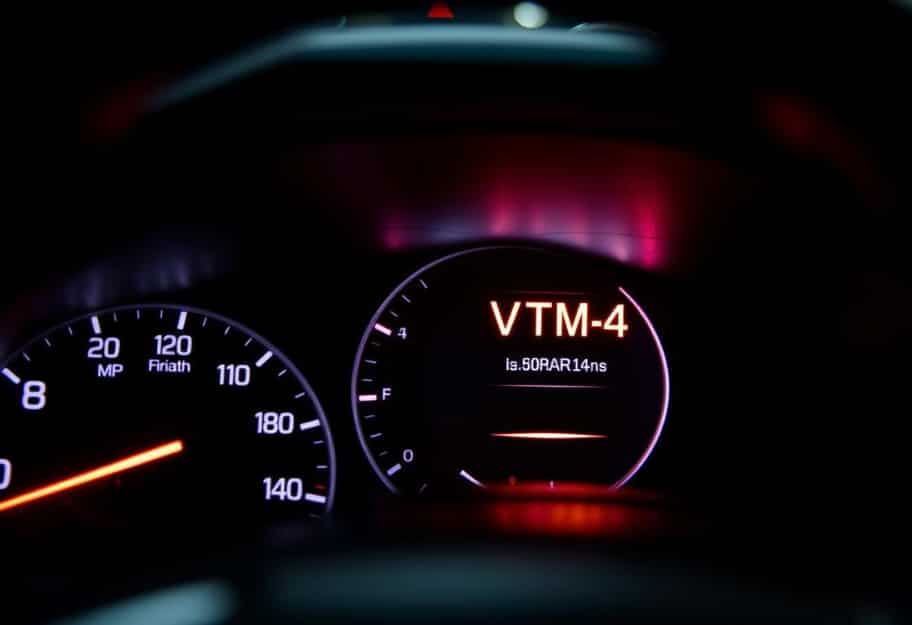
The Honda Pilot VTM-4 light is a warning indicator that tells you the Variable Torque Management Four Wheel Drive system has detected a condition that requires attention. This system is designed to improve traction by sending power to the rear wheels whenever the front wheels lose grip. It helps the vehicle maintain stability on wet roads, snow, loose gravel, steep hills, and other challenging driving conditions.
Many drivers believe the warning automatically means the rear differential has failed. In reality, the VTM-4 light can be triggered by several different systems. The all wheel drive system depends on accurate information from the engine, transmission, wheel speed sensors, and stability control system. If one of these components reports a fault, the control module may reduce or disable all wheel drive operation to protect the drivetrain.
The warning behaves differently depending on the situation. A solid VTM-4 light usually indicates that the system has detected a malfunction or has temporarily disabled torque transfer because another vehicle system needs repair. A flashing VTM-4 light often indicates that the rear differential has become too hot after extended wheel slip or heavy driving conditions. Allowing the vehicle to cool before continuing to drive can help prevent additional stress on the drivetrain.
It is normal for the VTM-4 light to illuminate for a few seconds when you start the engine. This is part of the vehicle’s self check process. If the light stays on after startup or appears while driving, you should scan the vehicle for diagnostic trouble codes before replacing any parts. Accurate diagnosis is the safest and most cost effective way to identify the real cause of the warning.
Engine or Emissions System Fault
An engine or emissions system fault is one of the most common reasons the Honda Pilot VTM-4 light turns on. Many drivers think the warning points to a failed all wheel drive system. In reality, the problem often starts in the engine. The VTM-4 system depends on accurate engine data to manage power delivery. When the engine control module detects a fault, it can limit or disable all wheel drive to protect the drivetrain.
Several engine components can trigger this warning. A faulty oxygen sensor may send incorrect air fuel readings. A damaged air fuel ratio sensor can affect combustion. Worn spark plugs, failing ignition coils, clogged fuel injectors, or vacuum leaks can also create engine performance problems. Even a minor emissions issue may activate both the Check Engine Light and the VTM-4 warning.
The first step is to scan the vehicle for diagnostic trouble codes. Do not replace parts based on the warning light alone. The stored codes identify the affected system and help narrow the diagnosis. This process saves time and reduces unnecessary repair costs.
Many owners clear the warning without fixing the real problem. The light often returns because the original fault remains. Always repair the engine or emissions issue before looking for problems in the rear differential or all wheel drive system.
If the Check Engine Light and the Honda Pilot VTM-4 light appear together, treat the engine fault as the primary issue. Once you repair the engine and clear the codes, the VTM-4 warning often disappears without any additional repairs.
Engine Misfire
An engine misfire is another common reason the Honda Pilot VTM-4 light comes on. A misfire happens when one or more cylinders fail to burn the air and fuel mixture correctly. This reduces engine performance and affects the information shared with other control systems. As a result, the vehicle may disable the all wheel drive system to prevent additional drivetrain stress.
Several problems can cause an engine misfire. Worn spark plugs often lose their ability to create a strong spark. A failing ignition coil can interrupt combustion in one or more cylinders. Dirty fuel injectors may restrict fuel flow, while vacuum leaks can upset the air fuel mixture. In some cases, low engine compression creates the same symptoms.
A misfiring engine usually produces clear warning signs. The vehicle may idle roughly, hesitate during acceleration, or lose power while climbing hills. Fuel consumption often increases because the engine burns fuel less efficiently. You may also notice vibration through the steering wheel or hear the engine running unevenly.
A flashing Check Engine Light deserves immediate attention. This warning indicates that an active misfire could damage the catalytic converter. Continuing to drive in this condition may lead to much higher repair costs. Stop the vehicle as soon as it is safe and inspect the problem before driving again.
Always diagnose the cause of the misfire before replacing parts. Scan the vehicle for diagnostic trouble codes and inspect the ignition and fuel systems carefully. Once you repair the engine fault and clear the stored codes, the Honda Pilot VTM-4 light often turns off without any repairs to the all wheel drive system.
Low or Contaminated Rear Differential Fluid
Low or contaminated rear differential fluid can also trigger the Honda Pilot VTM-4 light. The rear differential relies on clean fluid to lubricate internal gears, reduce friction, and control operating temperature. As the fluid ages, it loses its protective properties. Dirt, metal particles, and moisture can also reduce its performance over time.
When the differential does not receive proper lubrication, internal components generate more heat during normal driving. Excessive heat increases wear and makes it harder for the VTM-4 system to transfer torque smoothly. The control module may detect abnormal operating conditions and switch on the warning light to protect the drivetrain.
Drivers often notice additional symptoms before the problem becomes serious. A humming or whining noise from the rear of the vehicle is a common sign. Some vehicles produce vibration during acceleration or feel less stable on slippery roads. In more severe cases, the rear differential may overheat after driving through deep snow, mud, or steep mountain roads.
Routine maintenance plays an important role in preventing this issue. Honda recommends replacing the rear differential fluid at specific service intervals, especially if the vehicle frequently tows heavy loads or operates in demanding conditions. Using the correct Honda approved fluid is equally important because different fluid types provide different friction characteristics.
Always inspect the fluid level and condition before assuming the rear differential has failed. Fresh fluid is usually clear and clean, while old fluid often appears dark and carries a burnt smell. Replacing contaminated fluid early can restore normal operation and help prevent expensive drivetrain repairs.
Rear Differential Overheating
Rear differential overheating is another common cause of the Honda Pilot VTM-4 light. The differential generates heat whenever it transfers power to the rear wheels. Under normal driving conditions, the fluid absorbs this heat and keeps internal components properly lubricated. However, extreme driving conditions can raise the temperature beyond the normal operating range.
Deep snow, loose sand, thick mud, and steep off road trails place extra stress on the all wheel drive system. Continuous wheel slip forces the differential to work harder for longer periods. Towing heavy loads or climbing long hills can create the same effect. As the temperature increases, the control module may activate the VTM-4 warning to protect the drivetrain from damage.
Drivers often notice this problem after driving in difficult terrain for an extended period. The warning light may appear even though the vehicle continues to move normally. In many cases, the light turns off after the differential cools down. Even so, repeated overheating should never be ignored because excessive heat shortens the life of gears, bearings, seals, and differential fluid.
If the warning appears after demanding driving conditions, stop the vehicle in a safe location and allow the drivetrain to cool naturally. Avoid aggressive acceleration or heavy towing until the warning disappears. Once the system has cooled, inspect the rear differential for leaks and check the fluid condition. If the Honda Pilot VTM-4 light returns during normal driving, perform a complete diagnosis to identify the underlying cause. Early inspection helps prevent serious drivetrain damage and reduces future repair costs.
Faulty Wheel Speed Sensor
A faulty wheel speed sensor can also cause the Honda Pilot VTM-4 light to turn on. The all wheel drive system depends on accurate wheel speed data to determine when additional traction is necessary. Each sensor monitors the rotation of its wheel and sends real time information to the vehicle’s control modules. When one sensor reports incorrect data, the VTM-4 system may reduce or disable torque transfer to protect the drivetrain.
Several issues can damage a wheel speed sensor. Dirt and road debris may cover the sensor and affect its readings. Corrosion inside the electrical connector can interrupt the signal. A damaged wiring harness may also prevent the sensor from communicating with the control module. In some cases, a worn wheel bearing or a damaged tone ring creates inaccurate speed readings even though the sensor itself still works correctly.
Drivers may notice other warning lights in addition to the Honda Pilot VTM-4 light. The ABS light and the Vehicle Stability Assist light often appear at the same time because these systems share wheel speed information. You may also experience reduced traction on slippery roads or feel the stability control system responding unexpectedly.
Begin the diagnosis with a complete scan of the ABS and stability control modules. Then inspect each wheel speed sensor for visible damage, loose connectors, or broken wiring. Compare the live sensor data if a professional scan tool is available. Replacing a faulty sensor or repairing damaged wiring usually restores accurate communication and allows the all wheel drive system to operate normally again.
Weak Battery or Charging System Problems
A weak battery or a charging system problem can trigger the Honda Pilot VTM-4 light even when the all wheel drive system is working properly. Modern Honda vehicles rely on stable voltage to keep every electronic control module operating correctly. If the battery cannot provide enough power or the alternator fails to recharge it, several warning lights may appear at the same time.
Low voltage can interrupt communication between important vehicle systems. The engine control module, transmission control module, ABS system, and VTM-4 system all depend on reliable electrical power. Even a temporary voltage drop during engine startup may cause the control modules to store fault codes and illuminate the warning lights.
A weak battery often causes more than one symptom. The engine may crank slowly before starting. Interior lights can appear dim, and electrical accessories may respond more slowly than normal. Some drivers also notice random warning lights that disappear after restarting the vehicle, only to return later.
Start the inspection by checking the battery terminals for corrosion or loose connections. Clean the terminals if necessary and make sure they fit tightly. Next, test the battery voltage with a digital multimeter. If the battery passes the test, inspect the alternator and charging system to confirm they are producing the correct voltage while the engine is running.
Do not replace the battery simply because the Honda Pilot VTM-4 light is on. A complete electrical inspection can identify the real source of the problem and prevent unnecessary repairs. Once the charging system operates normally and the stored fault codes are cleared, the warning light often disappears without additional work on the all wheel drive system.
Damaged Wiring, Blown Fuse, or Faulty Relay
Electrical problems can also cause the Honda Pilot VTM-4 light to turn on. The VTM-4 system relies on a network of wiring, fuses, relays, and electrical connectors to communicate with different control modules. If any part of this circuit fails, the system may stop working correctly and activate the warning light.
Wiring damage often develops over time. Heat, moisture, road salt, and vibration can wear down insulation or corrode electrical connectors. Rodents may also chew through wiring that runs beneath the vehicle or inside the engine compartment. Even a loose connector can interrupt communication and create intermittent faults that are difficult to identify.
A blown fuse is another possible cause. The fuse protects the electrical circuit from excessive current. If it fails, the VTM-4 system may lose power and stop operating. However, replacing the fuse without finding the original cause rarely solves the problem. A short circuit or damaged component can blow the new fuse again within a short period.
Begin the diagnosis with a careful visual inspection. Check the wiring harness for damaged insulation, broken wires, or loose connectors. Look for signs of corrosion around electrical terminals, especially if the vehicle has been exposed to water or road salt. Then inspect the related fuses and relays according to the owner’s manual or service information.
Repairing damaged wiring or replacing a faulty relay often restores normal communication between the control modules. After completing the repair, clear the stored diagnostic trouble codes and perform a road test. If the Honda Pilot VTM-4 light does not return, the electrical fault has likely been resolved.
Failed VTM-4 Control Module or Rear Differential Components
A failed VTM-4 control module or damaged rear differential component is a less common cause of the Honda Pilot VTM-4 light. Many vehicle owners worry about this possibility because it often leads to higher repair costs. However, these parts rarely fail without warning. Most problems begin with sensors, electrical faults, or maintenance issues long before major drivetrain damage occurs.
The VTM-4 control module manages torque distribution between the front and rear wheels. It receives information from several vehicle systems and calculates how much power should reach the rear differential. If the module cannot process this information correctly, it may disable the all wheel drive system and store one or more diagnostic trouble codes.
Mechanical problems inside the rear differential can produce similar symptoms. Worn bearings, damaged clutch components, or excessive internal wear may reduce the system’s ability to transfer torque. Drivers sometimes hear grinding, humming, or knocking noises from the rear of the vehicle. Vibration during acceleration or reduced traction on slippery roads may also indicate internal damage.
A professional diagnosis is essential before replacing expensive components. Technicians usually inspect the differential fluid, test electrical circuits, verify sensor data, and scan all related control modules. These steps help eliminate simpler causes before recommending major repairs.
If testing confirms a failed control module or internal differential damage, repair or replacement may become necessary. After the repair, technicians should clear all diagnostic trouble codes and perform a complete road test. This final inspection confirms that the all wheel drive system operates correctly and that the Honda Pilot VTM-4 light no longer returns.
Mismatched Tires or Incorrect Tire Pressure
Many Honda Pilot owners overlook their tires when the VTM-4 warning light appears. However, mismatched tires or incorrect tire pressure can affect the all wheel drive system and trigger the Honda Pilot VTM-4 light. The system constantly compares wheel speed to determine when extra traction is needed. Even a small difference in tire size or rolling diameter can confuse the control module.
Different tire brands may have slightly different dimensions, even when they share the same size printed on the sidewall. Uneven tread wear creates a similar problem because one tire rotates faster than the others. Driving with a temporary spare tire can also produce inconsistent wheel speed readings. As a result, the VTM-4 system may detect abnormal conditions and limit torque distribution to protect the drivetrain.
Incorrect tire pressure creates another common issue. An underinflated tire has a smaller rolling circumference and rotates at a different speed than the other wheels. Over time, this difference can affect the information received by the wheel speed sensors and reduce the accuracy of the all wheel drive system.
Inspect all four tires before beginning more complicated repairs. Make sure they have the same size, similar tread depth, and the recommended air pressure. Replace worn tires as a complete set whenever possible, especially if the difference in tread depth is significant. Maintaining a matched set of tires helps the VTM-4 system operate correctly and reduces unnecessary stress on the rear differential.
Simple tire maintenance can prevent expensive drivetrain repairs. Before replacing electronic components or mechanical parts, always confirm that the tires meet Honda’s recommended specifications.
Common Symptoms That Appear with the Honda Pilot VTM-4 Light
The Honda Pilot VTM-4 light rarely appears by itself. In many cases, other symptoms develop before or after the warning light turns on. Recognizing these signs can help you identify the source of the problem and avoid unnecessary repairs.
One of the most common symptoms is the Check Engine Light appearing together with the VTM-4 warning. This usually indicates that an engine related fault has affected the all wheel drive system. The vehicle may also lose power during acceleration or hesitate when climbing hills. These symptoms often point to an engine misfire or another performance issue.
Some drivers notice changes in the way the vehicle handles. The rear wheels may no longer receive additional torque on slippery roads, making the vehicle feel less stable during rain or snow. You may also experience reduced traction when driving on loose gravel, mud, or steep inclines.
Mechanical problems can produce different symptoms. A humming, whining, or grinding noise from the rear of the vehicle may indicate worn differential components or contaminated differential fluid. Vibration during acceleration can also suggest that the drivetrain requires inspection.
Electrical faults often trigger multiple warning lights at the same time. The ABS light, Vehicle Stability Assist light, and Honda Pilot VTM-4 light may all illuminate together if the vehicle detects incorrect wheel speed information or communication problems between control modules.
Do not ignore these symptoms, even if the vehicle still drives normally. Early diagnosis helps prevent additional damage and reduces repair costs. Scanning the vehicle for diagnostic trouble codes remains the fastest way to identify the real cause and restore normal operation.
Why Are the VTM-4 Light and Check Engine Light On Together?
Many Honda Pilot owners become concerned when both the VTM-4 light and the Check Engine Light appear at the same time. Although this combination looks serious, it does not always mean the all wheel drive system has failed. In many cases, the VTM-4 warning is only a secondary response to an engine related problem.
The engine control module communicates with the VTM-4 system at all times. When it detects a fault that could affect engine performance or vehicle safety, it may reduce or disable all wheel drive operation. This protective strategy helps prevent additional stress on the drivetrain until the original problem is repaired.
Several engine faults can trigger both warning lights. A cylinder misfire is one of the most common causes because it affects engine performance immediately. A faulty oxygen sensor, damaged air fuel ratio sensor, vacuum leak, or fuel delivery problem can produce the same result. Some transmission faults may also cause the VTM-4 system to limit torque distribution.
The first step is to scan the vehicle for diagnostic trouble codes. Do not assume the rear differential requires repair simply because the VTM-4 light is on. The stored codes usually identify the primary fault and guide the repair process. In many cases, fixing the engine problem automatically restores normal operation of the all wheel drive system.
Avoid clearing the warning lights before reading the diagnostic codes. Important information may disappear after the codes are erased, making the problem harder to diagnose. Once the underlying fault has been repaired and the codes have been cleared correctly, both warning lights often remain off during normal driving.
How to Diagnose the Honda Pilot VTM-4 Light
Diagnosing the Honda Pilot VTM-4 light should begin with the simplest checks before moving to more advanced testing. A systematic approach saves time, reduces repair costs, and helps avoid replacing parts that are still working properly.
Step 1. Scan for Diagnostic Trouble Codes
Connect an OBD II scan tool and read all stored diagnostic trouble codes. Do not focus only on the engine control module. If possible, scan the ABS, transmission, and stability control systems as well. The stored codes often identify the primary fault that triggered the warning light.
Step 2. Check for Other Warning Lights
Look at the instrument cluster before turning off the engine. If the Check Engine Light, ABS light, or Vehicle Stability Assist light is also illuminated, the VTM-4 warning may be a secondary symptom rather than the original problem.
Step 3. Inspect the Rear Differential Fluid
Check the rear differential for leaks and verify that the fluid is clean and at the correct level. Dark, burnt, or contaminated fluid can reduce lubrication and increase operating temperature. Replacing old fluid is often part of the repair process.
Step 4. Inspect the Tires
Make sure all four tires have the same size, similar tread depth, and the correct air pressure. Uneven tire wear or incorrect pressure can affect wheel speed calculations and interfere with normal all wheel drive operation.
Step 5. Test the Battery and Charging System
Measure the battery voltage and confirm that the alternator is charging correctly. Low system voltage can create communication errors between multiple control modules and activate several warning lights at once.
Step 6. Inspect Wheel Speed Sensors and Wiring
Examine the wheel speed sensors, electrical connectors, and wiring harness for signs of corrosion, loose connections, or physical damage. If available, compare live sensor data with a professional scan tool to identify abnormal readings.
If these inspections do not reveal the cause, professional diagnosis is the next step. Advanced testing equipment can evaluate the VTM-4 control module, electrical circuits, and rear differential components more accurately than a basic scan tool. A complete diagnosis ensures the correct repair and prevents unnecessary expenses.
How to Fix the Honda Pilot VTM-4 Light
The correct repair depends on the cause of the warning light. Avoid replacing parts without confirming the problem first. A proper diagnosis can save both time and money.
Repair Engine or Emissions Problems
If the Check Engine Light is also on, repair the engine fault before focusing on the all wheel drive system. Replace worn spark plugs, faulty ignition coils, damaged oxygen sensors, or other failed components as needed. After completing the repair, clear the diagnostic trouble codes and verify that the warning lights remain off.
Replace the Rear Differential Fluid
Old or contaminated differential fluid can reduce lubrication and increase operating temperature. Drain the old fluid and refill the differential with the Honda specified fluid. Follow the recommended service interval to help prevent future drivetrain problems.
Repair or Replace Faulty Wheel Speed Sensors
Inspect each wheel speed sensor and its wiring for damage, corrosion, or loose connections. Replace any failed sensor and repair damaged wiring before clearing the stored fault codes. Confirm that all sensors provide accurate readings during a road test.
Restore the Electrical System
Clean corroded battery terminals and tighten loose electrical connections. Replace a weak battery or a failing alternator if testing confirms a charging problem. Stable system voltage is essential for reliable communication between the vehicle control modules.
Repair Damaged Wiring or Replace Failed Components
Replace damaged wiring, faulty relays, or blown fuses after identifying the root cause. If professional testing confirms a failed VTM-4 control module or internal rear differential damage, replace the affected component according to Honda service procedures.
Maintain Proper Tire Condition
Keep all four tires the same size and maintain the recommended air pressure. Replace tires as a complete set whenever the tread depth difference becomes excessive. Matching tires help the all wheel drive system calculate wheel speed accurately and reduce unnecessary stress on the drivetrain.
After completing any repair, clear the diagnostic trouble codes and perform a road test. Confirm that the Honda Pilot VTM-4 light remains off under normal driving conditions. If the warning returns, continue diagnosing the vehicle instead of replacing additional parts without evidence.
Can You Drive With the Honda Pilot VTM-4 Light On?
Yes, you can often continue driving when the Honda Pilot VTM-4 light comes on. However, whether it is safe depends on the warning lights that appear and how the vehicle behaves.
If the VTM-4 light is the only warning on the dashboard and the vehicle drives normally, you can usually continue to a safe location or a repair shop. The all wheel drive system may have limited its operation, but the vehicle can often be driven carefully on dry roads. Even so, you should schedule a diagnostic inspection as soon as possible.
The situation becomes more serious when the Check Engine Light appears with the VTM-4 warning. A flashing Check Engine Light requires immediate attention because it often indicates an active engine misfire. Continuing to drive under these conditions can damage the catalytic converter and increase repair costs.
You should also stop driving if you notice severe vibration, grinding noises, burning smells, overheating, or a significant loss of power. These symptoms may indicate a mechanical problem in the drivetrain or another major vehicle system. Driving farther could cause additional damage.
If the warning appears after driving through deep snow, mud, or while towing a heavy load, allow the vehicle to cool before continuing. An overheated rear differential may return to normal operation after the temperature drops. If the warning light comes back during normal driving, inspect the vehicle without delay.
The safest approach is to diagnose the problem as soon as possible. Reading the diagnostic trouble codes and correcting the original fault will restore normal all wheel drive operation and reduce the risk of more expensive repairs later.
Frequently Asked Questions
Can low engine oil cause the Honda Pilot VTM-4 light?
Low engine oil does not usually trigger the VTM-4 light directly. However, if low oil causes engine performance problems or activates the Check Engine Light, the VTM-4 system may also disable all wheel drive as a protective measure.
Will the Honda Pilot VTM-4 light reset itself?
Yes. The warning light may turn off automatically after the original problem has been repaired and the control modules no longer detect a fault. Some repairs also require clearing the stored diagnostic trouble codes with a scan tool.
Can a bad battery turn on the VTM-4 light?
Yes. A weak battery or failing alternator can reduce system voltage and interrupt communication between electronic control modules. This condition may activate the Honda Pilot VTM-4 light along with several other warning lights.
How much does it cost to fix the Honda Pilot VTM-4 light?
Repair costs vary depending on the underlying problem. A simple wheel speed sensor or battery replacement is usually much less expensive than repairing a damaged rear differential or replacing a control module. A proper diagnosis should always come before any repair estimate.
Can I reset the VTM-4 light without fixing the problem?
You can clear the warning with a scan tool, but the light will usually return if the original fault still exists. Resetting the light without repairing the cause does not solve the problem.
Why does the VTM-4 light appear after replacing the battery?
Replacing the battery may reset vehicle memory or expose an existing electrical problem. If the warning remains on, scan the vehicle for diagnostic trouble codes and verify that the charging system operates correctly.
Does changing the rear differential fluid fix the VTM-4 light?
It can, but only if contaminated or degraded differential fluid is the actual cause. Fluid replacement will not repair engine faults, damaged sensors, or electrical problems.
Can different tire sizes trigger the VTM-4 light?
Yes. Different tire sizes or uneven tread depth can change wheel speed readings and confuse the all wheel drive system. Keeping four matching tires helps prevent unnecessary warning lights.
What is the most common cause of the Honda Pilot VTM-4 light?
One of the most common causes is an engine related fault that also triggers the Check Engine Light. Other frequent causes include wheel speed sensor failures, contaminated rear differential fluid, battery problems, and damaged wiring.
Should I replace the VTM-4 control module immediately?
No. Control module failure is relatively uncommon. A complete diagnosis should rule out engine faults, sensor problems, electrical issues, and maintenance related causes before replacing an expensive component.
Can cold weather turn on the VTM-4 light?
Cold weather alone does not usually trigger the warning. However, low temperatures can weaken an aging battery, increase the thickness of differential fluid, or expose existing electrical problems that may cause the light to appear.
How can I prevent the Honda Pilot VTM-4 light from coming back?
Regular maintenance is the best prevention. Replace the rear differential fluid at the recommended interval, keep all four tires properly matched, maintain the battery and charging system, and repair Check Engine Light problems as soon as they appear. Preventive maintenance helps the all wheel drive system operate reliably for many years.
Quick Summary
| Question | Quick Answer |
|---|---|
| What does the Honda Pilot VTM-4 light mean? | The warning indicates that the Variable Torque Management four wheel drive system has detected a fault or has temporarily disabled all wheel drive operation. |
| Is it safe to drive? | In many cases, yes. However, you should diagnose the problem as soon as possible. Stop driving immediately if the Check Engine Light is flashing or if the vehicle develops severe vibration, unusual noises, or a major loss of power. |
| What is the most common cause? | Engine related faults, wheel speed sensor failures, contaminated rear differential fluid, battery problems, and electrical issues are among the most common causes. |
| Can the VTM-4 light turn off by itself? | Yes. The warning often disappears after the original fault has been repaired and the diagnostic trouble codes have been cleared. |
| How do I diagnose the problem? | Scan the vehicle for diagnostic trouble codes, inspect the rear differential fluid, check the battery, verify tire condition, and examine the wheel speed sensors and wiring. |
| How do I fix it? | Repair the underlying cause instead of simply resetting the warning light. Once the fault is corrected, the VTM-4 system usually returns to normal operation. |
Conclusion
The Honda Pilot VTM-4 light is not a problem you should ignore, but it does not always indicate a major failure. In many cases, the warning appears because another system has detected a fault that affects the operation of the all wheel drive system. Engine performance issues, wheel speed sensor failures, contaminated rear differential fluid, battery problems, and damaged wiring are among the most common causes.
The key to an accurate repair is a systematic diagnosis. Reading the diagnostic trouble codes, inspecting the vehicle carefully, and addressing the original fault will usually restore normal VTM-4 operation without replacing unnecessary parts. This approach saves time, reduces repair costs, and helps protect the drivetrain from additional damage.
Routine maintenance also plays an important role in preventing future problems. Keeping the rear differential fluid fresh, maintaining the battery and charging system, using four matching tires, and repairing engine faults promptly can significantly improve the reliability of your Honda Pilot.
If the Honda Pilot VTM-4 light remains on after basic inspections or returns shortly after a repair, professional diagnosis is the safest next step. Identifying the correct cause early can prevent more expensive repairs and ensure that your all wheel drive system continues to perform safely in all driving conditions.