Finding oil spots beneath your vehicle can be frustrating, especially if you rely on your Honda Pilot for daily commuting or family trips. A Honda Pilot oil leak may begin as a small nuisance, but it can quickly develop into a costly engine problem when ignored. Even a minor leak can lower the engine oil level over time, reducing lubrication and increasing the risk of overheating, excessive wear, or severe internal damage. In many cases, drivers first notice a burning oil smell, light smoke from the engine bay, or an unexpected warning light before discovering the real cause.
Fortunately, not every oil leak is a major repair. Many Honda Pilot models develop leaks from common wear items such as the valve cover gasket, VTEC solenoid gasket, oil filter, or drain plug washer. Other leaks may originate from the timing cover, crankshaft seal, oil pan, or rear main seal, all of which require a more detailed inspection. Because engine oil naturally flows downward, the visible leak is not always the actual source, making an accurate diagnosis essential before replacing any parts.
This guide explains everything you need to know about a Honda Pilot oil leak, including the most common causes, warning signs, repair costs, diagnostic methods, and proven solutions. Whether you are trying to identify a fresh oil spot on your driveway or planning repairs before engine damage occurs, this comprehensive guide will help you make informed decisions and keep your Honda Pilot running safely and efficiently.
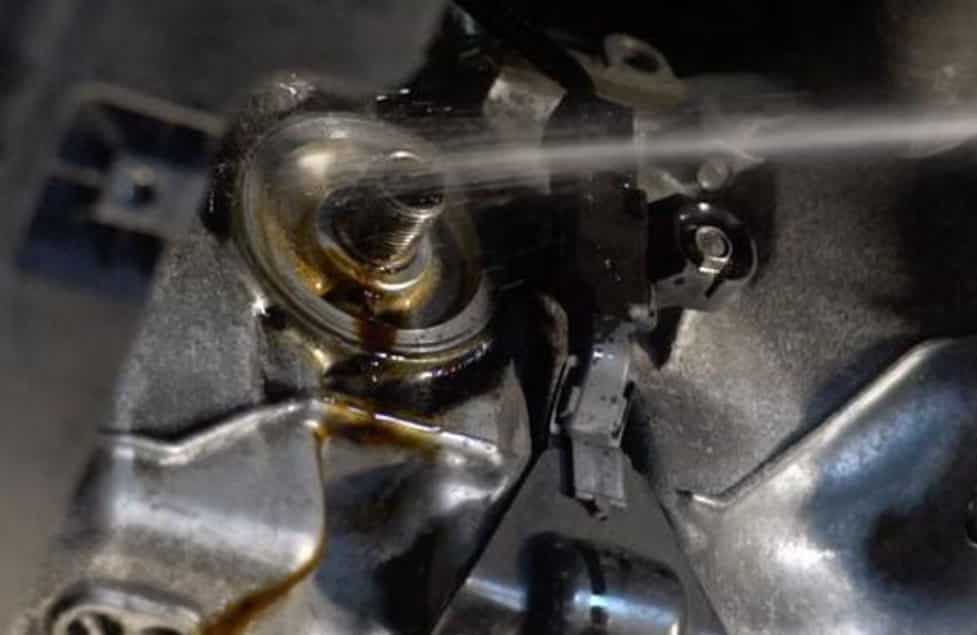
Why Is My Honda Pilot Leaking Oil?
A Honda Pilot oil leak usually starts because a gasket or seal has worn out. Rubber components become brittle over time. Heat, pressure, and age gradually reduce their ability to keep engine oil contained. Once the seal fails, oil begins to escape and spreads across nearby engine parts.
The most common leak sources include the valve cover gasket, VTEC solenoid gasket, oil pressure switch, oil pan gasket, oil filter, and drain plug. Some leaks also come from the timing cover, front crankshaft seal, or rear main seal. These repairs vary in difficulty. Replacing a drain plug washer is simple, while repairing a rear main seal requires much more labor.
A recent oil change can also trigger a leak. The drain plug may not be tightened correctly. The crush washer may be reused. In some cases, the oil filter is installed incorrectly or the old gasket remains on the engine. Even a small installation mistake can cause fresh oil to leak after driving.
Vehicle age is another important factor. High mileage engines experience more wear on seals and gaskets. Poor maintenance can also contribute to leaks. Old engine oil creates sludge, while a clogged PCV valve increases crankcase pressure. As pressure builds, oil is forced through weak sealing points.
Never ignore a Honda Pilot oil leak, even if it seems minor. A slow leak can lower the engine oil level over time. Reduced lubrication increases friction and engine wear. Leaking oil may also reach hot exhaust parts and create smoke or a burning smell. Finding the source early is the best way to avoid expensive repairs and keep your Honda Pilot running reliably.
Common Honda Pilot Oil Leak Symptoms
Recognizing the early signs of a Honda Pilot oil leak can help you avoid serious engine damage. Many leaks start small and become worse over time. Some symptoms appear immediately, while others develop slowly. Spotting these warning signs early helps you repair the problem before it becomes expensive.
Oil spots under your vehicle often provide the first clue. Fresh engine oil usually looks amber or light brown. Older oil turns dark brown or black after extended use. If you notice new stains on your driveway or garage floor, inspect your Honda Pilot as soon as possible. The position of the stain can also help you narrow down the leak source.
A burning oil smell is another common warning sign. Engine oil often drips onto hot exhaust components and creates a strong odor. The smell usually becomes stronger after a long drive or when the engine reaches normal operating temperature. Some drivers also notice light smoke rising from the engine bay.
Your engine oil level may also drop faster than expected. Check the dipstick regularly if you suspect a leak. Frequent top offs often indicate that the engine is losing oil. Low oil levels reduce lubrication and increase engine wear.
The oil pressure warning light deserves immediate attention. Stop driving as soon as it is safe if the warning light appears. Continuing your trip can cause serious engine damage within minutes. Never assume the light will disappear on its own.
Oil residue around the engine is another clear sign. Look for wet or greasy areas near the valve cover, VTEC solenoid, timing cover, or oil pan. Start your inspection at the highest oily area because engine oil always flows downward.
Low oil levels can also create unusual engine noises. You may hear ticking, tapping, or knocking sounds as engine parts lose proper lubrication. Address these noises quickly because they often signal increasing internal wear.
Some Honda Pilot oil leaks never leave a puddle on the ground. Hot engine parts can burn leaking oil before it reaches the pavement. Airflow can also spread oil across the engine or underbody while you drive. Even without visible drips, a burning smell, oily surfaces, or a falling oil level often confirms that the engine has an active leak.
Most Common Honda Pilot Oil Leak Causes
A Honda Pilot oil leak can come from several areas of the engine. Some causes are simple to repair, while others require more time and professional tools. The key to a successful repair is finding the exact leak source before replacing any parts.
Engine oil can travel across different surfaces before it reaches the ground. Because of this, many drivers mistake the location of the oil stain for the actual problem. A proper inspection should always begin at the highest point where fresh oil appears.
Valve Cover Gasket and VTEC Solenoid Leaks
The valve cover gasket is one of the most common sources of oil leaks in a Honda Pilot. This gasket sits between the valve cover and the cylinder head. Its main job is to keep engine oil inside the upper engine area.
Over time, heat and engine vibration cause the gasket material to harden. The gasket loses flexibility and creates small gaps where oil can escape. Many Honda Pilot owners notice oil around the top or side of the engine when this problem develops.
A leaking valve cover gasket can create several symptoms. You may see oil residue around the cylinder head area. You may also notice a burning oil smell after driving. In some cases, leaking oil reaches hot exhaust parts and creates light smoke.
The VTEC solenoid gasket can also cause oil leaks on Honda Pilot models with V6 engines. This component controls oil flow for the variable valve timing system. A worn gasket can allow oil to escape around the solenoid housing.
Drivers often notice oil near the rear or side area of the engine when the VTEC solenoid leaks. The leak may appear small at first. However, it can spread oil across nearby engine surfaces over time.
Replacing the valve cover gasket or VTEC solenoid gasket usually requires less labor than deeper engine repairs. However, proper installation matters. A technician must clean the sealing surface and install the new gasket correctly to prevent another leak.
Oil Pan, Drain Plug, and Oil Filter Leaks
The oil pan sits at the bottom of the engine and stores engine oil when the vehicle is not running. Because it remains close to the road surface, it can experience damage from impacts or worn sealing materials.
A damaged oil pan gasket or sealing surface can allow oil to escape slowly. Drivers often find oil drops directly beneath the engine after parking overnight. The leak may become worse when the engine reaches operating temperature.
The drain plug creates another common leak point. Many Honda Pilot oil leaks appear shortly after an oil change because of service mistakes. A loose drain plug, damaged washer, or incorrect installation can cause fresh oil to drip from the bottom of the engine.
The oil filter area also deserves attention after every oil change. A loose filter, damaged filter seal, or incorrect installation can quickly create an active leak. In some cases, the old filter gasket remains attached and prevents the new filter from sealing properly.
These leaks usually require simple repairs. However, ignoring them can still reduce the engine oil level and create unnecessary wear.
Timing Cover, Crankshaft Seal, and Rear Main Seal Leaks
Some Honda Pilot oil leaks require more advanced diagnosis because they involve deeper engine components. The timing cover, crankshaft seal, and rear main seal fall into this category.
A timing cover leak can spread oil along the front or side of the engine. Because oil travels downward, many owners mistake this problem for an oil pan leak. A technician should inspect the upper area carefully before recommending repairs.
The front crankshaft seal prevents oil from escaping around the rotating crankshaft. When this seal wears out, oil may appear near the pulley area. The leak can become more noticeable during driving because the engine creates more pressure and movement.
The rear main seal creates one of the most challenging oil leaks to repair. This seal sits between the engine and transmission. When it fails, oil may appear near the center of the vehicle.
Repairing a rear main seal usually requires significant labor because technicians must separate the transmission from the engine. For this reason, accurate diagnosis is extremely important. Replacing an expensive component without confirming the leak source can waste both time and money.
Understanding the most common Honda Pilot oil leak causes helps owners make better repair decisions. Simple leaks often involve accessible gaskets or service components. More complex leaks require professional inspection and careful planning.
How Serious Is a Honda Pilot Oil Leak?
The seriousness of a Honda Pilot oil leak depends on the leak location, oil loss speed, and overall engine condition. Some leaks only create small stains and require simple repairs. Other leaks can quickly reduce engine oil levels and put the entire engine at risk.
Many owners underestimate small oil leaks because the vehicle still drives normally. However, engine oil plays a critical role in reducing friction and controlling heat. When the engine loses oil, internal components receive less protection. Over time, this can increase wear and shorten engine life.
A minor oil leak usually appears as light residue around a gasket or seal. The engine may not lose a noticeable amount of oil between services. In this situation, the vehicle may remain safe to drive for a short period. However, regular inspections are still necessary because the leak can become worse.
A moderate oil leak creates more visible symptoms. You may notice oil drops under the vehicle, a stronger burning smell, or a lower oil level between oil changes. Drivers should repair this type of leak soon because continuous oil loss can damage important engine components.
A severe Honda Pilot oil leak requires immediate attention. Rapid oil loss can lower oil pressure and prevent proper lubrication. The engine may produce ticking, tapping, or knocking sounds. In extreme cases, the engine can suffer major internal damage and require expensive repairs or replacement.
Oil leaks become more dangerous when oil reaches hot engine parts. For example, leaking oil near the exhaust manifold can create smoke and a strong burning smell. Although engine fires from oil leaks are uncommon, drivers should never ignore smoke from the engine compartment.
The oil pressure warning light represents one of the most serious situations. This warning does not simply indicate a small leak. It may signal that the engine no longer has enough oil pressure to protect internal parts. Drivers should stop the vehicle and check the oil level immediately.
A Honda Pilot oil leak can also damage nearby components. Oil can weaken rubber hoses, affect electrical connectors, and contaminate belts. These additional problems increase repair costs and make a small leak much more expensive.
The best approach is early action. Check the oil level regularly and inspect any unusual stains or smells. A quick diagnosis can prevent a simple gasket problem from becoming a major engine repair. Addressing the leak early protects your Honda Pilot and helps maintain long term reliability.
How to Diagnose a Honda Pilot Oil Leak
Finding the source of a Honda Pilot oil leak requires a careful inspection. Many owners make the mistake of replacing parts before confirming the actual problem. Since engine oil flows downward, the visible leak area may not show the true source. A proper diagnosis saves time, reduces repair costs, and prevents unnecessary replacements.
The first step involves checking the engine oil level. Park your Honda Pilot on a flat surface and allow the engine to cool. Remove the dipstick, clean it, and check the oil level again. A low reading can confirm that the engine is losing oil faster than normal.
Next, inspect the area under the vehicle. Place a clean piece of cardboard beneath the engine overnight. The location of the oil spot can provide useful information. A spot near the front of the vehicle may point toward the oil pan or front seal. A spot closer to the center may suggest a rear main seal issue.
You should also identify the type of fluid on the ground. Engine oil usually feels slippery and appears dark brown or black. Transmission fluid often has a different color and smell. Coolant may appear green, orange, pink, or blue depending on the vehicle system. Correctly identifying the fluid prevents incorrect repairs.
After checking the ground, inspect the engine from top to bottom. Start with the highest areas because oil moves downward during a leak. Look around the valve cover gasket, VTEC solenoid, oil pressure switch, and timing cover. Fresh oil usually appears wet and shiny compared with older residue.
Cleaning the engine area can make diagnosis easier. Use a suitable engine cleaner to remove old oil buildup. After cleaning, drive the vehicle normally and inspect the area again. Fresh oil will reveal the active leak location more clearly.
Some leaks only appear when the engine reaches operating temperature. Heat expands engine components and increases internal pressure. A leak that remains hidden during a cold inspection may become visible after driving.
Professional technicians often use UV dye to locate difficult leaks. The dye mixes with engine oil and creates a visible glow under ultraviolet light. This method helps identify leaks that are too small or hidden to find during a basic inspection.
Another important step involves checking the PCV system. A damaged or clogged PCV valve can increase crankcase pressure. Higher pressure forces oil through weak seals and gaskets. Fixing the pressure problem may prevent new leaks from developing.
Avoid replacing expensive parts without confirmation. A rear main seal repair requires significant labor. However, a leaking valve cover gasket can create similar symptoms at a much lower cost. Accurate diagnosis helps you choose the correct repair and avoid unnecessary expenses.
A proper Honda Pilot oil leak diagnosis follows a simple process. Check the oil level, identify the fluid, inspect the highest wet area, clean the engine, and confirm the source. This approach helps owners solve oil leaks faster and protect the engine from long term damage.
Honda Pilot Oil Leak Repair Costs
The cost to fix a Honda Pilot oil leak depends on the leak location, damaged part, labor time, and vehicle condition. Some repairs require only a few minutes, while others need major engine disassembly. Finding the exact source before replacing parts helps avoid unnecessary expenses.
Simple repairs usually cost less because they involve easy access components. A loose oil filter, damaged drain plug washer, or faulty PCV valve can often cause oil leaks after an oil change or regular use. These problems usually require less labor and fewer replacement parts.
A valve cover gasket leak or VTEC solenoid gasket leak usually costs more because technicians need to remove components and clean the sealing surfaces. Proper installation plays an important role in preventing the leak from returning.
More complex problems, such as timing cover leaks, crankshaft seal leaks, or rear main seal failures, require more labor. These repairs often involve removing surrounding components before technicians can reach the damaged seal. Because labor takes more time, these repairs usually cost significantly more.
Several factors affect the final Honda Pilot oil leak repair cost, including the vehicle year, engine condition, repair shop rates, and part quality. A professional diagnosis can help you choose the correct repair and avoid replacing unnecessary components.
Repairing a small oil leak early is usually less expensive than waiting for engine damage. Regular oil checks and routine inspections can help detect problems before they become major repairs.
Can You Drive With a Honda Pilot Oil Leak?
Driving with a Honda Pilot oil leak depends on the leak severity and oil loss speed. A small seepage may not create an immediate danger, but you should still inspect it soon. Ignoring the problem can allow a minor leak to become a serious engine issue.
You may continue driving for a short time if the oil level remains stable and the leak only creates light residue. However, check the engine oil level frequently. A small leak can become worse without warning, especially during long trips or heavy driving conditions.
You should stop driving immediately if you notice serious warning signs. These signs include a low oil pressure warning light, rapid oil loss, smoke from the engine bay, or loud engine noises. Continuing to drive in these situations can damage internal engine components.
A leaking Honda Pilot can also create additional problems. Oil may reach hot exhaust parts and produce a burning smell. It can also contaminate rubber components, electrical connections, or nearby engine parts. These issues may increase repair costs over time.
Adding engine oil can help maintain the correct level temporarily, but it does not fix the source of the leak. The damaged gasket, seal, or component still requires proper repair.
The safest approach is to diagnose the leak as soon as possible. Check the oil level, inspect the leak location, and schedule a professional inspection if you cannot identify the source. Early repairs protect your engine and help prevent expensive damage.
A Honda Pilot oil leak may seem like a small maintenance issue, but quick action can make a major difference in repair costs and long term reliability.
DIY Repair vs Professional Service
Choosing between a DIY repair and professional service depends on the leak location, your experience, and the tools you have available. Some Honda Pilot oil leak problems involve simple components that many owners can inspect or replace at home. Other leaks require professional equipment and advanced repair knowledge.
Basic maintenance tasks can often help you identify or fix small leaks. Checking the oil level, inspecting the engine area, replacing an oil filter, or installing a new drain plug washer are common examples. These tasks require basic tools and careful attention to detail.
Some gasket replacements may also work for experienced DIY owners. A valve cover gasket repair can be possible if you understand proper cleaning procedures and bolt tightening methods. Incorrect installation can create another leak and increase repair costs.
However, some oil leak repairs require professional service. Timing cover leaks, crankshaft seal leaks, and rear main seal failures usually involve complex procedures. These repairs often require special tools and significant labor time. A mistake during the repair process can damage other engine components.
Professional diagnosis also provides an important advantage. Technicians can identify hidden leaks that are difficult to find at home. They can inspect oil flow patterns, use specialized tools, and confirm the actual source before starting repairs.
Many owners spend money replacing the wrong parts because they only repair the area where they see oil. Since oil moves across engine surfaces, the visible leak location may not match the original problem.
For a Honda Pilot oil leak, simple inspections and maintenance can help prevent bigger issues. However, major repairs should involve qualified professionals. Choosing the correct repair method saves time, reduces costs, and protects your engine from unnecessary damage.
How to Prevent Future Oil Leaks
Preventing a Honda Pilot oil leak starts with regular maintenance and early inspections. Many oil leaks develop slowly because seals and gaskets lose strength over time. Simple maintenance habits can help protect these components and reduce the chance of expensive repairs.
Checking the engine oil level regularly is one of the easiest prevention steps. A quick inspection can reveal unusual oil loss before the problem becomes serious. If the oil level drops between services, investigate the reason instead of only adding more oil.
Using the correct engine oil also supports long term engine health. Follow the recommended oil type and viscosity listed in your owner’s manual. The wrong oil can affect lubrication and may increase stress on engine seals.
Avoid overfilling the engine with oil. Excess oil can increase internal pressure and force oil past weak gaskets or seals. Always check the oil level on a flat surface and keep it within the recommended range.
Maintaining the PCV system can also reduce oil leak risks. A clogged PCV valve can increase crankcase pressure inside the engine. This extra pressure may push oil through aging seals and create new leak points.
Regular inspections help identify problems early. Look for oil residue around the valve cover, VTEC solenoid, oil pan, and other common leak areas. Finding a small leak early usually costs less than repairing damage caused by long term oil loss.
Quality replacement parts also make a difference. Cheap gaskets or incorrect installation methods may cause leaks to return quickly. Professional installation and proper tightening procedures help create a reliable seal.
A Honda Pilot oil leak is easier to prevent than to repair after major damage occurs. Regular maintenance, correct oil service, and early inspections help keep your engine clean, efficient, and dependable for many years.
Common Diagnostic Mistakes When Finding a Honda Pilot Oil Leak
Finding the source of a Honda Pilot oil leak requires patience and accuracy. Many owners make quick assumptions when they see oil under the vehicle. These mistakes can lead to unnecessary repairs, wasted money, and continued engine problems.
One common mistake is replacing the lowest wet component first. Engine oil naturally moves downward after it escapes from a seal or gasket. The oil pan may look like the source, but the actual leak may come from a valve cover gasket or VTEC solenoid above it.
Another mistake is ignoring oil spilled during maintenance. Oil can remain on the engine after an oil change. This leftover oil may create the appearance of a new leak. Cleaning the area and checking again after driving can help confirm whether the leak is active.
Some owners also replace expensive parts without proper testing. A rear main seal repair requires significant labor, but other leaks can create similar symptoms. Confirming the source before repair prevents unnecessary costs.
Using too much sealant creates another problem. Some gasket repairs require specific sealing methods. Excess sealant can damage components or block important oil passages.
Many drivers also overlook the PCV system. A clogged PCV valve can increase engine pressure and force oil through weak seals. Repairing only the leaking gasket may not solve the problem if pressure remains high.
Another mistake involves checking only when the engine is cold. Some leaks appear after the engine heats up because temperature changes affect seals and internal pressure. A complete inspection should include both cold and warm conditions.
Accurate diagnosis saves time and money. A proper Honda Pilot oil leak diagnosis should identify the true source before any repair begins. Careful inspection helps you choose the right solution and protect your engine from future problems.
Frequently Asked Questions About Honda Pilot Oil Leak
Why is my Honda Pilot leaking oil?
A Honda Pilot oil leak usually happens because a gasket, seal, or engine component has worn out. Common causes include valve cover gasket leaks, VTEC solenoid leaks, oil filter problems, drain plug issues, and aging engine seals. Finding the exact source helps determine the correct repair.
What is the most common Honda Pilot oil leak location?
The valve cover gasket and VTEC solenoid area are common leak points on many Honda Pilot models. These areas experience heat and pressure from normal engine operation. Over time, the sealing materials can become less effective and allow oil to escape.
How much does it cost to fix a Honda Pilot oil leak?
The Honda Pilot oil leak repair cost depends on the damaged component and labor requirements. Simple repairs, such as replacing a drain plug washer or oil filter, usually cost less. More complex repairs, such as rear main seal replacement, require more labor and increase the total cost.
Can I drive my Honda Pilot with an oil leak?
You may drive a short distance with a very small leak if the oil level remains safe. However, you should repair the problem as soon as possible. Avoid driving if you see smoke, hear engine noises, or notice an oil pressure warning light.
Why does my Honda Pilot smell like burning oil?
A burning oil smell often means leaking oil reaches hot engine components. The exhaust system can heat the oil and create a strong odor. This issue commonly appears with valve cover gasket or VTEC solenoid leaks.
Will an oil stop leak product fix a Honda Pilot oil leak?
Oil stop leak products may slow some minor leaks temporarily. However, they do not repair damaged gaskets or seals. A proper repair provides a more reliable long term solution.
Why is my Honda Pilot leaking oil after an oil change?
Oil leaks after an oil change often come from installation problems. Common causes include a loose drain plug, damaged washer, loose oil filter, or incorrect filter installation. Inspect the service area carefully to find the source.
How can I prevent future Honda Pilot oil leaks?
Regular maintenance helps reduce the risk of future leaks. Check the oil level, use the correct engine oil, maintain the PCV system, and inspect the engine area regularly. Early detection can prevent expensive repairs.
Conclusion
A Honda Pilot oil leak may start as a small maintenance issue, but ignoring it can create serious engine problems over time. The most common causes include worn valve cover gaskets, VTEC solenoid leaks, oil pan problems, damaged drain plug washers, and aging engine seals. Each leak has different symptoms, repair methods, and costs.
Finding the correct source is the most important step. Engine oil can move across different areas before reaching the ground. A careful inspection helps identify the real problem and prevents unnecessary repairs. Checking the oil level, watching for warning signs, and inspecting the engine regularly can protect your vehicle from major damage.
Repair costs depend on the damaged component and the amount of labor required. Simple repairs usually involve affordable parts and quick service. More complex issues, such as rear main seal or timing cover leaks, require professional attention.
The best way to handle a Honda Pilot oil leak is to act early. Do not ignore oil spots, burning smells, smoke, or changes in oil levels. A quick diagnosis can save money and protect your engine performance.
If you notice signs of an oil leak, inspect your Honda Pilot carefully and schedule a professional check when needed. Proper maintenance and timely repairs will help your vehicle remain reliable for many years.