If your Honda Accord brake lights stay on after you turn off the engine, you should not ignore the problem. Many drivers think a burned out bulb causes the issue. In many cases, the real cause is much more serious. The lights can drain your battery, confuse other drivers, and point to a fault in the brake light system.
Several components control the brake lights in a Honda Accord. The brake pedal, brake light switch, wiring, and electrical system all work together. When one part fails, the lights may stay on even after you release the brake pedal. A small plastic brake pedal stopper can also break over time. Although this part costs very little, it is one of the most common reasons behind this problem.
Finding the exact cause is important before replacing any parts. Many owners replace the brake light switch first, only to discover that a damaged stopper pad or loose connector caused the problem. A simple inspection often saves both time and money. It also prevents unnecessary repairs.
This guide explains why Honda Accord brake lights stay on and how to fix the issue step by step. You will learn the most common causes, effective repair methods, estimated repair costs, and practical maintenance tips. By the end of this article, you will know how to restore normal brake light operation and help prevent the same problem from returning.
What Does It Mean When Honda Accord Brake Lights Stay On?
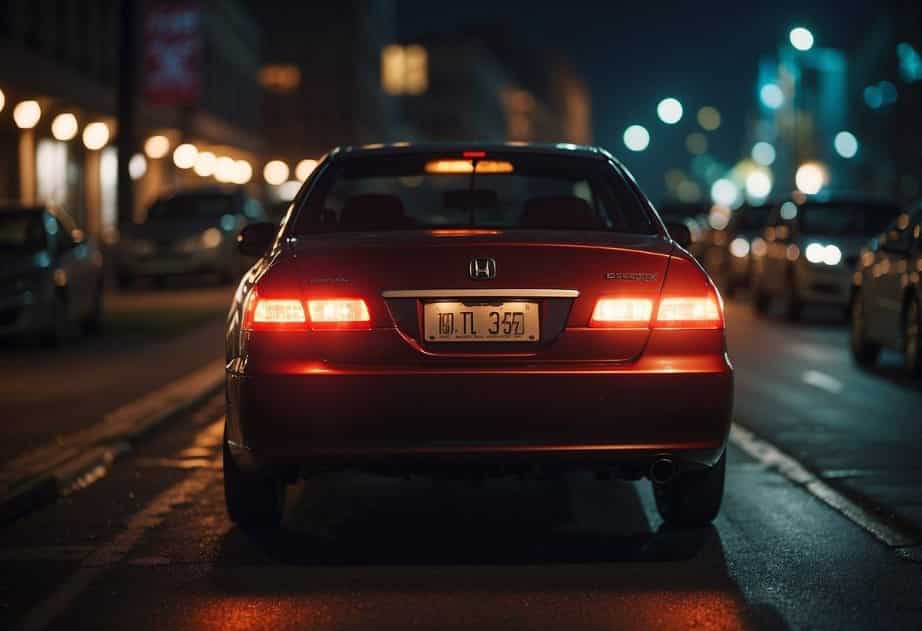
When Honda Accord brake lights stay on, the brake light circuit continues to receive power even though you are no longer pressing the brake pedal. Under normal conditions, the brake lights should turn on only when the brake pedal moves forward and activates the brake light switch. As soon as you release the pedal, the switch opens the circuit and the lights turn off. If the lights remain illuminated, one or more components in the system are no longer working as intended.
The brake light system relies on several parts to operate correctly. These include the brake pedal, the brake light switch, the brake pedal stopper, the wiring harness, the fuse, and the rear brake light assemblies. Each component has a specific role. Even a small failure can interrupt the normal operation of the entire circuit. For example, a missing brake pedal stopper may prevent the switch from returning to its normal position. As a result, the brake lights stay on even though the brake pedal feels completely normal.
Many drivers also confuse the rear brake lights with the brake warning light on the dashboard. These are two different systems. The rear brake lights warn other drivers that your vehicle is slowing down. The dashboard warning light monitors the braking system and may indicate low brake fluid, a parking brake issue, or a hydraulic problem. A dashboard warning light does not always mean the rear brake lights are malfunctioning, and rear brake lights that stay on do not automatically indicate a brake system failure.
In some cases, the problem appears immediately after replacing a brake light switch or performing brake repairs. An incorrectly adjusted switch can keep the electrical circuit closed all the time. Older Honda Accord models often develop worn brake pedal stoppers because the plastic becomes brittle after years of heat and daily use. Newer models are less likely to experience this issue, but they can still develop wiring faults, electrical connector problems, or control module issues.
Understanding how the brake light system works makes troubleshooting much easier. Instead of replacing parts one by one, you can inspect each component in a logical order. This approach saves time, reduces repair costs, and helps restore normal brake light operation more quickly.
Is It Safe to Drive When the Brake Lights Stay On?
Driving with brake lights that remain on is not recommended, even if your Honda Accord appears to operate normally. The engine, transmission, and braking performance may feel completely normal, but the lighting system no longer communicates your actions correctly. This creates unnecessary risks for both you and other drivers. Ignoring the problem can also lead to additional electrical issues over time.
One of the biggest concerns is road safety. Drivers behind your vehicle rely on the brake lights to know when you are slowing down or stopping. If the lights stay on all the time, they lose this important warning signal. Other drivers may stop paying attention to your brake lights because they appear permanently illuminated. This can reduce their reaction time when you actually apply the brakes, especially in heavy traffic or poor weather conditions.
A second concern is battery drain. Brake lights continue to consume power as long as they remain illuminated. If the lights stay on after you park the vehicle, they can slowly discharge the battery. In some cases, the battery may become too weak to start the engine after several hours or overnight. Repeated deep discharges can also shorten battery life and increase replacement costs.
The severity of the problem depends on its cause. A broken brake pedal stopper or a misaligned brake light switch is usually simple to repair. However, damaged wiring, a short circuit, or an electrical control module fault requires a more detailed inspection. Continuing to drive without identifying the source of the problem increases the risk of additional damage and may make future repairs more expensive.
If you notice that your Honda Accord brake lights stay on, inspect the brake pedal area before driving again. Check whether the brake pedal returns fully and look for signs of a damaged stopper pad or an improperly adjusted brake light switch. If you cannot identify the cause, arrange for a proper diagnosis as soon as possible. Fixing the issue early helps protect the battery, improves road safety, and prevents minor faults from developing into larger electrical problems.
9 Common Causes of Honda Accord Brake Lights Staying On
If your Honda Accord brake lights stay on, several different faults could be responsible. Some problems take only a few minutes to fix, while others require a more detailed electrical inspection. The key is to identify the actual cause before replacing any parts. Many owners spend money on unnecessary repairs because they assume the brake light switch has failed. In reality, another component often causes the same symptom. The following causes are listed from the most common and easiest to inspect to the less common issues that may require professional diagnosis.
Incorrect Brake Light Switch Installation or Adjustment
The brake light switch controls when the brake lights turn on and off. It sits near the top of the brake pedal and responds every time the pedal moves. If the switch is installed incorrectly or adjusted too far away from the pedal, it may never return to its normal position. As a result, the brake lights remain on even after you release the pedal.
This problem often appears after replacing the brake light switch or performing brake pedal repairs. Even a small adjustment error can keep the electrical circuit closed. Some drivers notice the lights turn off only after they pull the brake pedal upward with their foot. This is a strong sign that the switch needs adjustment rather than replacement.
Start by inspecting the gap between the brake pedal and the switch. Make sure the switch contacts the pedal correctly when the pedal is fully released. If the position looks incorrect, adjust it according to the manufacturer’s specifications and test the lights again before replacing the part.
A Faulty Brake Light Switch
Like any electrical component, the brake light switch wears out over time. Internal contacts can stick, springs can weaken, and electrical connections can fail after years of daily use. When this happens, the switch may continue sending power to the brake lights even though the brake pedal is no longer pressed.
A faulty switch may also cause other symptoms. Cruise control may stop working correctly, the gear selector may become difficult to shift from Park, or the brake lights may work intermittently. These symptoms often appear together because several vehicle systems rely on the same switch.
You can perform a basic inspection by checking the electrical connector for corrosion or loose terminals. If the switch shows signs of damage or fails an electrical continuity test, replacing it is usually the best solution. Fortunately, the replacement process is relatively simple on most Honda Accord models.
A Broken or Missing Brake Pedal Stopper Pad
A damaged brake pedal stopper pad is one of the most common reasons Honda Accord brake lights stay on, especially in older vehicles. This small plastic or rubber piece sits on the brake pedal and presses against the brake light switch when the pedal returns to its resting position.
Over time, heat inside the cabin causes the material to become brittle. Eventually, the stopper cracks or falls apart completely. Once it disappears, the brake light switch remains extended, and the brake lights stay on continuously.
Many owners discover small plastic fragments on the driver’s side floor without realizing where they came from. This is often the first visible sign that the stopper has failed. Replacing the stopper pad takes only a few minutes and costs very little, making it one of the easiest and most affordable repairs.
Damaged or Corroded Wiring
The brake light circuit depends on clean and secure electrical connections. Damaged wiring can interrupt normal operation and keep the circuit energized. Heat, moisture, vibration, and aging insulation all increase the risk of electrical problems over time.
Inspect the wiring harness around the brake pedal, under the dashboard, and near the rear light assemblies. Look for broken insulation, loose connectors, corrosion, or signs of previous repairs. Rodent damage can also expose electrical wires and create unexpected faults.
If you find damaged wiring, repair it correctly using suitable connectors and automotive grade wiring. Temporary repairs may solve the problem for a short time, but they often create additional electrical issues later.
A Short Circuit in the Brake Light Circuit
A short circuit allows electricity to travel through an unintended path. When this happens inside the brake light circuit, the lights may remain on even though the switch operates correctly. Electrical shorts can occur because of damaged insulation, water intrusion, or poorly installed aftermarket accessories.
Vehicles equipped with alarm systems, remote starters, trailer wiring, or aftermarket lighting sometimes develop electrical faults after installation. Incorrect wiring can bypass the brake light switch and supply constant power to the brake lights.
Finding a short circuit usually requires electrical testing with a multimeter and wiring diagram. If you suspect this type of fault, professional diagnosis often saves time and prevents unnecessary parts replacement.
Incorrect Brake Light Bulbs or Damaged Sockets
Brake light bulbs may seem unrelated to this problem, but incorrect bulbs can create unexpected electrical behavior. Installing the wrong bulb type may allow current to flow through the wrong circuit, especially in dual filament bulb designs.
The bulb socket also deserves careful inspection. Heat can melt the plastic housing, while corrosion reduces electrical contact quality. Bent terminals or moisture inside the socket may produce intermittent lighting problems that resemble switch failures.
Always verify that the replacement bulbs match Honda’s specifications for your model year. Replacing damaged sockets at the same time helps restore reliable electrical performance.
Fuse, Relay, or Electrical Module Problems
Although fuses rarely cause brake lights to stay on by themselves, they still play an important role in the electrical system. A damaged relay or an electronic control module may continue supplying power to the brake light circuit under certain conditions.
Some newer Honda Accord models rely on advanced control modules that monitor lighting functions. Software faults or internal electronic failures can occasionally produce unusual lighting behavior. These problems are less common than switch or stopper failures, but they should not be ignored if basic inspections do not reveal the cause.
A diagnostic scanner can help identify electronic faults and stored trouble codes. This information allows technicians to locate the source of the problem more efficiently.
Brake Pedal Does Not Return Completely
The brake pedal should return smoothly every time you release it. If it sticks or stops slightly below its normal position, the brake light switch may remain activated. Dirt, worn bushings, weak return springs, or mechanical wear inside the pedal assembly can all contribute to this condition.
Floor mats can also interfere with pedal movement. An incorrectly positioned floor mat may prevent the pedal from returning completely, causing the brake lights to remain on.
Press and release the pedal several times while watching the brake lights. If lifting the pedal by hand turns the lights off, inspect the pedal assembly before replacing any electrical components.
Previous Repairs or Aftermarket Modifications
Previous repair work can sometimes create unexpected electrical problems. An incorrectly installed brake light switch, poor quality replacement parts, or modified wiring may all affect normal brake light operation. Aftermarket accessories such as LED lighting kits, remote starters, security systems, and trailer wiring can also introduce faults into the original electrical circuit.
If the problem started shortly after a repair or accessory installation, review the work that was performed. Returning the wiring to its original factory configuration often resolves the issue without replacing additional components.
Understanding these nine common causes makes troubleshooting much more effective. Instead of replacing parts based on guesswork, you can inspect each component in a logical order. This approach reduces repair costs, saves time, and increases the chances of finding the correct solution on the first attempt.
How to Diagnose Honda Accord Brake Lights That Stay On
Before replacing any parts, take time to identify the exact cause of the problem. A systematic inspection often reveals the fault within a few minutes. It also helps you avoid replacing components that still work properly. Since several issues can produce the same symptom, following a logical process is the most effective way to diagnose why Honda Accord brake lights stay on.
Start by confirming that the rear brake lights are actually the problem. Many drivers confuse the brake warning light on the dashboard with the brake lights at the back of the vehicle. Ask someone to stand behind the car, or park near a reflective surface and check whether the brake lights remain illuminated after you release the pedal and turn off the engine. This simple step prevents unnecessary troubleshooting.
Next, inspect the brake pedal area under the dashboard. Look closely at the point where the brake pedal contacts the brake light switch. Check whether the brake pedal stopper pad is still in place. If you notice a small empty hole in the pedal bracket or find broken plastic pieces on the driver’s side floor, the stopper has likely failed. This is one of the most common causes of the problem and usually requires only a quick replacement.
Continue by testing the movement of the brake pedal. Press the pedal several times and let it return naturally. The pedal should move smoothly without sticking or hesitating. If the brake lights turn off only when you pull the pedal upward with your foot, the brake light switch may need adjustment, or the pedal assembly may not be returning fully. This observation provides an important clue before you inspect the electrical system.
After checking the pedal, inspect the brake light switch and its electrical connector. Make sure the switch sits firmly in its mounting position and contacts the brake pedal correctly. Examine the connector for loose terminals, corrosion, dirt, or damaged wires. If the switch appears loose or misaligned, adjust it and test the brake lights again before considering a replacement.
If the problem remains, inspect the rear brake light bulbs, sockets, and visible wiring. Verify that the correct bulbs are installed and look for melted sockets, moisture, corrosion, or damaged insulation. Wiring that has rubbed against metal components or previous repair work can create electrical faults that keep the brake lights on continuously.
When the visual inspection does not reveal the cause, move on to electrical testing. A multimeter allows you to check voltage, continuity, and switch operation. A diagnostic scanner can also help identify stored fault codes on newer Honda Accord models equipped with advanced control modules. These tools provide valuable information and reduce the risk of replacing parts based on guesswork.
A careful diagnosis saves both time and money. By checking the brake pedal, stopper pad, brake light switch, wiring, and electrical components in the correct order, you can identify the real cause with greater confidence. This method also increases the likelihood of completing the repair correctly on the first attempt.
How to Fix Honda Accord Brake Lights That Stay On
Once you identify the cause, repairing the problem is usually straightforward. Many brake light issues require only basic hand tools and a few inexpensive replacement parts. However, the correct repair depends on the results of your diagnosis. Fixing the wrong component may waste both time and money while leaving the original problem unchanged.
If the brake pedal stopper pad is broken or missing, install a new stopper in the original mounting hole on the brake pedal. This repair takes only a few minutes and restores the proper contact between the brake pedal and the brake light switch. After installation, press and release the brake pedal several times to confirm that the lights turn on and off normally.
If the brake light switch is out of adjustment, loosen the mounting hardware and reposition the switch according to the service specifications for your Honda Accord. The switch should fully contact the brake pedal when the pedal rests in its normal position. After tightening the switch, test the brake lights several times to make sure they respond correctly.
Replace the brake light switch if testing confirms that it has failed internally. Disconnect the electrical connector, remove the old switch, and install a new one with the correct adjustment. Before reassembling the trim panels, verify that the brake lights operate normally and that related systems such as cruise control and the shift interlock also function correctly.
If you find damaged wiring, repair or replace the affected section instead of covering it with electrical tape alone. Use automotive grade wire, sealed connectors, and heat shrink tubing whenever possible. This type of repair provides better durability and helps prevent future electrical problems. After completing the repair, inspect the harness to ensure it does not rub against moving parts or sharp metal edges.
Corroded electrical connectors should also receive attention. Disconnect the connector, clean the terminals with an approved electrical contact cleaner, and inspect them for damage. Replace severely corroded connectors because poor electrical contact can create intermittent faults that become difficult to diagnose later.
If the brake light bulbs or sockets show signs of heat damage or corrosion, replace them with parts that match Honda’s specifications. Using the correct bulb type helps maintain proper circuit operation and reduces the risk of electrical feedback that can affect the lighting system.
More complex electrical faults, such as a short circuit or a failed control module, usually require specialized diagnostic equipment. If basic inspections do not identify the problem, professional testing may be the most practical solution. An experienced technician can trace the circuit, verify voltage readings, and isolate faults without replacing unnecessary components.
After completing any repair, perform a final functional check. Press and release the brake pedal several times while observing the rear brake lights. Confirm that the lights illuminate immediately when you press the pedal and turn off as soon as you release it. Also check that they remain off after you switch off the engine and lock the vehicle. A final inspection ensures the repair has fully resolved the issue and helps prevent unexpected battery drain.
Honda Accord Brake Light Repair Costs
The cost to repair Honda Accord brake lights that stay on depends on the failed component, labor rates in your area, and whether you perform the repair yourself or visit a repair shop. Fortunately, most brake light problems are inexpensive to fix because they involve small mechanical or electrical parts rather than major brake system components.
A broken brake pedal stopper is usually the least expensive repair. The replacement part often costs between $5 and $15, and installation typically takes less than fifteen minutes. Many Honda Accord owners complete this repair with basic tools, making it one of the most affordable solutions.
A new brake light switch generally costs $15 to $50 for the part alone. If you hire a repair shop, expect a total bill of $80 to $180, depending on labor rates and the model year of your vehicle. The job is relatively simple, so labor charges usually remain reasonable.
Electrical repairs vary much more in price. Repairing a damaged wire or replacing a corroded connector may cost $100 to $250, especially if technicians need extra time to trace the fault. If the problem involves a short circuit hidden inside the wiring harness, diagnostic time can increase the final repair bill.
Replacing damaged bulb sockets or installing the correct brake light bulbs is usually inexpensive. Most repairs fall between $20 and $100, depending on the number of components that need replacement. If moisture has damaged multiple sockets or connectors, the total cost may increase.
The highest repair costs usually involve advanced electrical components. If testing reveals a faulty control module or another electronic unit, repairs may range from $300 to $800 or more, depending on the specific part and programming requirements. Fortunately, these failures are much less common than problems involving the brake pedal stopper or brake light switch.
The table below provides a general estimate for common repairs.
| Repair | Estimated Cost |
|---|---|
| Brake pedal stopper replacement | $5 to $15 |
| Brake light switch replacement | $80 to $180 |
| Bulb or socket replacement | $20 to $100 |
| Wiring or connector repair | $100 to $250 |
| Electrical diagnosis | $80 to $180 |
| Control module replacement | $300 to $800+ |
Although it may be tempting to delay repairs, fixing the problem early often saves money. Brake lights that remain on can drain the battery, reduce its lifespan, and create additional electrical issues. A small repair completed today may prevent a much larger repair bill in the future.
How to Prevent Honda Accord Brake Lights From Staying On
Although some electrical failures are impossible to predict, regular maintenance greatly reduces the chance that Honda Accord brake lights stay on unexpectedly. A few simple inspections can help you identify worn parts before they fail and leave you with a drained battery or a safety concern.
Inspect the brake pedal area during routine maintenance. Look for cracks, wear, or missing pieces around the brake pedal stopper. This small component often deteriorates with age because it is exposed to heat inside the cabin. Replacing it before it breaks is inexpensive and helps prevent one of the most common brake light problems.
Check the brake light switch whenever you service the brake pedal or replace nearby components. Make sure the switch remains securely mounted and contacts the brake pedal correctly. If the switch becomes loose or misaligned, adjust it immediately before it causes the brake lights to stay on.
Keep the electrical system clean and dry. Moisture and corrosion can damage connectors and interfere with normal circuit operation. If you notice corrosion on electrical terminals, clean the affected connectors with an approved electrical contact cleaner and replace damaged terminals when necessary. Protecting these connections improves long term reliability.
Pay attention to any changes in brake pedal feel. The pedal should move smoothly and return to its normal position every time you release it. If the pedal begins to stick, feels slow to return, or requires extra force, inspect the pedal assembly before the problem becomes more serious. Even a minor mechanical issue can affect the brake light switch.
Use replacement parts that meet Honda specifications. Low quality switches, bulbs, or electrical connectors may not perform as reliably as original equipment or reputable aftermarket parts. Choosing quality components helps reduce the risk of repeat failures and unnecessary repairs.
Finally, test your brake lights regularly. Ask another person to stand behind the vehicle, or use a reflective surface to confirm that the lights turn on when you press the brake pedal and turn off immediately after you release it. This quick check takes only a few moments and can help you discover problems before they affect your safety or damage the battery.
Routine inspections require very little time, yet they can prevent many of the issues that cause brake lights to remain illuminated. By checking the brake pedal, brake light switch, electrical connections, and lighting system on a regular basis, you can keep your Honda Accord operating safely and avoid unexpected repair costs.
Frequently Asked Questions
Why do my Honda Accord brake lights stay on after I turn off the engine?
The most common causes include a broken brake pedal stopper, a faulty or misadjusted brake light switch, damaged wiring, or an electrical short. In many Honda Accord models, a worn brake pedal stopper is the first component to inspect because it often fails as the vehicle ages.
Can a bad brake light switch drain the battery?
Yes. A faulty brake light switch can keep the brake lights illuminated even when the vehicle is parked. Since the lights continue to draw power, the battery may discharge after several hours or overnight. Repairing the switch promptly helps prevent battery damage.
Is it safe to drive if my Honda Accord brake lights stay on?
Driving is possible in some cases, but it is not recommended. Other drivers cannot accurately tell when you are braking, which increases the risk of a rear end collision. In addition, the brake lights may drain the battery while the vehicle is parked, leaving you with a dead battery later.
How do I know if the brake pedal stopper is broken?
Look under the dashboard where the brake pedal contacts the brake light switch. If the stopper is missing, you may see a small empty hole in the brake pedal bracket. Many owners also find small plastic fragments on the driver’s side floor because the original stopper breaks apart over time.
How much does it cost to fix brake lights that stay on?
The repair cost depends on the underlying cause. Replacing a brake pedal stopper may cost as little as $5 to $15 for the part. A brake light switch replacement typically costs $80 to $180 with labor. More complex electrical repairs can exceed $300 if advanced diagnostics or electronic modules are involved.
Can I fix the problem myself?
Yes, many owners can repair the problem without professional help. Replacing a brake pedal stopper or adjusting a brake light switch usually requires only basic hand tools. However, if the issue involves damaged wiring, a short circuit, or an electronic control module, professional diagnosis is often the safest and most efficient option.
Conclusion
If your Honda Accord brake lights stay on, do not ignore the problem. What seems like a minor inconvenience can quickly become a safety hazard, confuse other drivers, and drain your vehicle’s battery. Fortunately, most cases have a straightforward solution once you identify the actual cause.
The brake pedal stopper and brake light switch are responsible for many brake light problems, especially in older Honda Accord models. However, wiring damage, electrical shorts, faulty connectors, and control module issues can produce the same symptom. Following a logical diagnostic process allows you to identify the fault accurately instead of replacing parts based on guesswork.
In many situations, a simple inspection under the dashboard can save hours of troubleshooting and hundreds of dollars in unnecessary repairs. Regular maintenance, routine brake light checks, and timely replacement of worn components also help prevent the problem from returning.
By understanding how the brake light system works and recognizing the warning signs early, you can keep your Honda Accord safe, reliable, and ready for the road. If the cause is not immediately obvious or the repair requires advanced electrical testing, do not hesitate to seek assistance from a qualified technician. Early diagnosis is almost always less expensive than waiting for a small problem to become a larger one.