Have you checked your Honda Fit tires but still see the tire pressure warning light on the dashboard? Many drivers face this problem after inflating tires, changing tires, or dealing with sudden weather changes. A simple Honda Fit TPMS Reset can often solve the issue and help the system read tire pressure correctly again.
The Tire Pressure Monitoring System, also known as TPMS, helps drivers monitor tire pressure and improve road safety. The system alerts you when a tire loses pressure or when the readings do not match the recommended levels. However, the warning light may remain active even after you fix the tire pressure. In this situation, your Honda Fit may need a TPMS calibration process.
This guide explains how to perform a Honda Fit TPMS Reset correctly. You will learn when your vehicle needs a reset, how to reset the tire pressure light step by step, and why the warning light may continue to appear. We will also cover common TPMS problems, sensor issues, and situations that require professional help.
Whether you own an older Honda Fit or a newer model, understanding the TPMS system can help you maintain proper tire performance. It can also save you time and avoid unnecessary repair expenses.
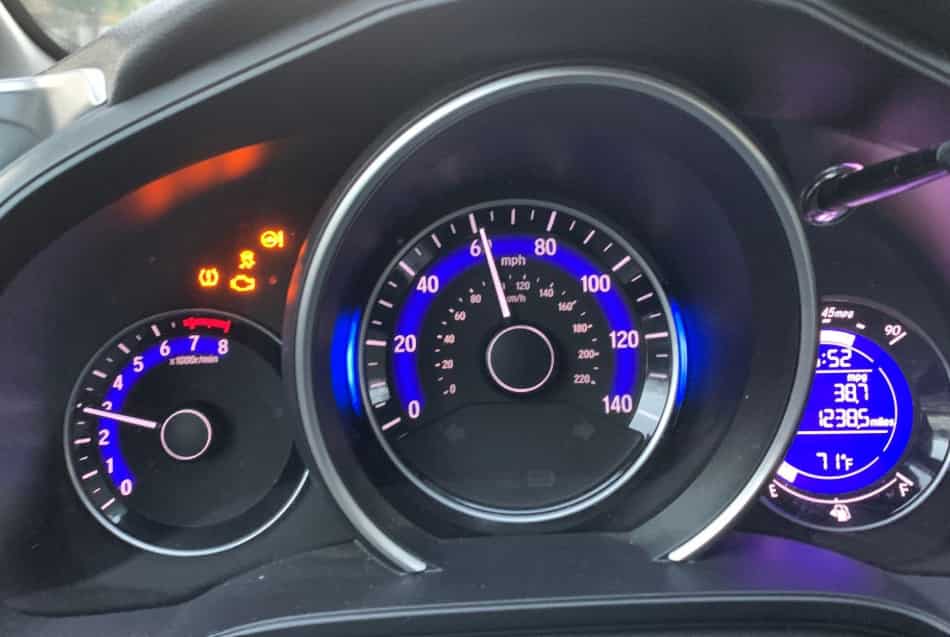
What Is the Honda Fit TPMS System and Why Does It Need a Reset?
The Honda Fit TPMS system is a safety feature that monitors tire pressure and helps drivers maintain proper tire performance. TPMS stands for Tire Pressure Monitoring System. This technology checks tire pressure levels and alerts you when a tire drops below the recommended range.
Honda Fit models use TPMS technology to reduce the risk of driving with underinflated tires. Low tire pressure can affect handling, braking performance, fuel efficiency, and tire lifespan. When the system detects an issue, it activates the tire pressure warning light on the dashboard.
Many drivers think that adding air to the tires will immediately turn off the warning light. However, the TPMS system may need additional time to recognize the new pressure levels. In some situations, the vehicle needs a Honda Fit TPMS Reset or calibration process to update the tire pressure information.
A TPMS reset does not repair a damaged sensor or fix a tire leak. Instead, it allows the vehicle to relearn the correct tire pressure reference. This process helps the system provide accurate warnings and prevent false alerts.
It is also important to understand the difference between a TPMS reset and a sensor replacement. A reset updates the system settings, while a sensor replacement solves problems caused by damaged or expired tire pressure sensors. Knowing the difference can help Honda Fit owners avoid unnecessary costs and choose the right solution.
Understanding how the Honda Fit TPMS system works is the first step toward solving tire pressure warning issues. A correct diagnosis can help you restore the system and keep your vehicle safer on the road.
When Should You Perform a Honda Fit TPMS Reset?
A Honda Fit TPMS Reset becomes necessary when the tire pressure monitoring system cannot recognize the current tire conditions correctly. Many drivers assume that the warning light will disappear immediately after they adjust tire pressure. However, the system may need calibration before it updates the new information.
One common situation that requires a reset happens after checking and adjusting tire pressure. If all tires have the correct pressure but the warning light remains on, the TPMS system may still use old data. A reset allows the vehicle to relearn the current tire pressure settings.
You may also need a Honda Fit TPMS Reset after changing or rotating tires. When you install new tires, replace wheels, or move tires between positions, the system may need updated information. This helps the vehicle monitor tire pressure accurately.
Temperature changes can also affect TPMS readings. Cold weather can reduce tire pressure because air contracts at lower temperatures. As a result, the warning light may appear even when the tires do not have a serious problem. After correcting the pressure, a reset can help clear incorrect warnings.
Another reason for a TPMS reset is after replacing a tire pressure sensor. New sensors may require calibration before the vehicle can communicate with them properly. Without this step, the warning light may continue to appear.
However, a reset is not always the solution. If the warning light flashes, returns quickly, or shows incorrect pressure readings, the vehicle may have a faulty sensor or another TPMS issue. In these cases, further inspection may be necessary.
Knowing when to reset your Honda Fit TPMS helps you solve problems faster and avoid replacing parts that still work properly.
How to Reset Honda Fit TPMS Step by Step
Performing a Honda Fit TPMS Reset is usually a simple process that helps the vehicle recognize the correct tire pressure settings. Before starting the reset procedure, you should check all four tires and make sure they have the recommended pressure. Resetting the system with incorrect tire pressure may cause inaccurate warnings later.
Start by turning the ignition to the ON position without starting the engine. This allows you to access the vehicle settings and prepare the TPMS calibration process. The exact steps may vary depending on your Honda Fit model year, but most newer models include the calibration option in the vehicle settings menu.
Next, access the TPMS calibration function through the dashboard controls or touchscreen display. Select the calibration option and confirm that you want to begin the process. The vehicle will then start learning the current tire pressure reference.
After activating the calibration process, drive your Honda Fit under normal conditions. The system needs driving time to collect new tire pressure information from the sensors or wheel speed data. The calibration process may complete automatically after the vehicle detects stable driving conditions.
Once the process finishes, check the dashboard to confirm that the tire pressure warning light has disappeared. If the warning light remains active, check the tire pressure again and repeat the calibration procedure if necessary.
A successful Honda Fit TPMS Reset depends on proper tire inflation and correct calibration steps. If the system still shows a warning after several attempts, the issue may come from a damaged sensor, a weak sensor battery, or another TPMS system problem.
Following the correct reset procedure can help restore accurate tire monitoring and maintain safer driving conditions without unnecessary repairs.
Honda Fit TPMS Reset Button Location and Calibration Settings
Finding the Honda Fit TPMS reset button or calibration setting is an important step when you want to reset the tire pressure warning light. The exact location and reset method depend on the Honda Fit model year and equipment level. Some models use a physical button, while newer versions allow drivers to access TPMS settings through the display screen.
Older Honda Fit models often include a TPMS button under the dashboard area near the steering wheel. After adjusting tire pressure, drivers can press this button to start the calibration process. The system will then begin learning the new tire pressure reference during normal driving.
Newer Honda Fit models usually provide a digital calibration option through the vehicle settings menu. Drivers can access the TPMS calibration feature from the touchscreen or dashboard controls. The system guides the driver through the reset process without requiring additional tools.
Many Honda Fit owners have difficulty finding the reset function because they expect a dedicated button on every model. However, Honda changed the TPMS design across different generations. Some vehicles require manual calibration through a button, while others use electronic settings.
If you cannot find the Honda Fit TPMS reset button, check your owner’s manual for the correct procedure for your specific model year. Using the wrong reset method may prevent the system from completing the calibration process.
Understanding the location of the TPMS reset function helps you save time and avoid unnecessary visits to a repair shop. Once you find the correct setting, you can complete the Honda Fit TPMS Reset process and restore normal tire pressure monitoring.
Honda Fit TPMS Light Still On After Reset: Causes and Solutions
A Honda Fit TPMS Reset does not always solve every tire pressure warning issue. Some drivers complete the reset process but still see the TPMS light on the dashboard. When this happens, the problem may come from incorrect tire pressure, sensor problems, or an incomplete calibration process.
The first thing you should check is the tire pressure. Even a small difference between the recommended pressure and the actual pressure can trigger the warning light. Use a reliable tire pressure gauge and compare the readings with the recommended levels shown on the driver’s door frame.
Another common cause is a faulty TPMS sensor. Each sensor has an internal battery that can lose power over time. When a sensor stops sending accurate information, the vehicle may display a warning even when the tire pressure is correct. A damaged sensor can also cause inconsistent readings or repeated warning alerts.
Temperature changes can create similar problems. Cold weather can lower tire pressure and activate the TPMS warning light. After adjusting the tire pressure, the system may need another calibration cycle before it recognizes the new settings.
An incomplete calibration process can also keep the warning light active. Some drivers stop the procedure too early because they expect the light to disappear immediately. However, the Honda Fit may need normal driving conditions to complete the learning process.
If the TPMS light flashes before staying on, the vehicle may have a communication issue with one or more sensors. In this situation, a professional diagnostic tool can help identify the exact problem.
Understanding these common causes can help you avoid unnecessary part replacements. Before replacing a sensor, always check tire pressure and complete the Honda Fit TPMS Reset procedure correctly.
Can You Reset Honda Fit TPMS Without a Scanner?
Many Honda Fit owners want to know if they can perform a Honda Fit TPMS Reset without using a scanner. In most cases, the answer is yes. Honda designed many Fit models with built in calibration functions that allow drivers to reset the TPMS system without special equipment.
For basic TPMS calibration, you usually only need to adjust the tire pressure correctly, access the calibration setting, and follow the reset procedure. The vehicle can then relearn the correct tire pressure information during normal driving. This method works well when the warning light appears because of pressure changes or recent tire adjustments.
However, a manual reset cannot solve every TPMS problem. If a sensor has failed, the system cannot receive accurate information after calibration. A scanner or diagnostic tool may become necessary to check sensor signals, battery condition, and communication problems.
It is also important to understand the difference between resetting the TPMS system and programming a new sensor. A reset updates the vehicle’s calibration settings, while sensor programming connects a replacement sensor to the vehicle. These are two different processes that require different solutions.
Using a TPMS scanner can save time when the warning light continues after multiple reset attempts. Professional tools can identify which sensor has a problem and provide detailed information that is not available through a standard reset process.
For most Honda Fit drivers, starting with a manual Honda Fit TPMS Reset is the easiest and most affordable option. If the warning remains after completing the correct procedure, further diagnosis can help determine whether the issue comes from the sensors or another part of the TPMS system.
Honda Fit TPMS Reset After Tire Change or Sensor Replacement
A Honda Fit TPMS Reset is often needed after changing tires, installing new wheels, or replacing tire pressure sensors. Many drivers expect the system to work immediately after a tire service, but the vehicle may need time to recognize the updated tire information.
When you install new tires, the tire pressure reference can change. The TPMS system needs accurate pressure data to provide correct warnings. Performing a calibration process after a tire change helps the vehicle adjust to the new conditions and reduces the chance of false alerts.
Replacing TPMS sensors is another situation that requires attention. New sensors must communicate correctly with the Honda Fit system before they can provide accurate readings. In some cases, the vehicle only needs calibration. In other cases, the new sensors require programming with specialized equipment.
Many Honda Fit owners confuse a reset with sensor replacement. A reset updates the system settings and helps the vehicle relearn tire pressure information. It does not repair a damaged sensor or restore a sensor with a weak battery. If a sensor cannot send accurate data, replacing the component may be the only solution.
Common signs of a failing TPMS sensor include a flashing warning light, incorrect pressure readings, frequent alerts, or a warning light that returns shortly after a reset. These symptoms usually indicate that the problem goes beyond simple calibration.
After a tire change or sensor replacement, always check the tire pressure and complete the recommended Honda Fit TPMS Reset procedure. This simple step helps maintain accurate monitoring and ensures that your vehicle can detect potential tire problems before they become safety risks.
Honda Fit TPMS Reset Guide by Model Year
The Honda Fit TPMS Reset procedure can vary depending on the model year and vehicle generation. Honda introduced different TPMS designs over the years, so the reset method may not be identical for every Fit model. Understanding these differences helps you choose the correct calibration process and avoid unnecessary troubleshooting.
Older Honda Fit models generally use a simpler TPMS calibration system. These vehicles may include a dedicated TPMS button that allows drivers to start the reset process manually. After adjusting tire pressure, the driver can activate the calibration function and allow the vehicle to relearn the correct settings during normal driving.
Newer Honda Fit models usually provide a digital calibration option through the vehicle settings menu. Drivers can access the TPMS calibration feature through the touchscreen display or dashboard controls. This process makes the Honda Fit TPMS Reset procedure easier because the vehicle provides clear instructions during setup.
For models from the 2015 to 2020 production range, the calibration process typically focuses on updating the system after tire pressure adjustments, tire rotation, or tire replacement. These vehicles may not require a physical reset button because Honda integrated the function into the electronic menu system.
Honda Fit Hybrid models can also follow similar calibration steps, but the exact procedure depends on the market and equipment configuration. Always check the owner’s manual for your specific vehicle to confirm the correct method.
Although the reset process may differ between model years, the basic principle remains the same. First, check tire pressure. Next, start the calibration process. Finally, allow the vehicle to complete the learning cycle through normal driving.
Knowing your Honda Fit model year makes the reset process faster and more effective. It also helps you avoid using the wrong procedure, which can prevent the TPMS system from working correctly.
Frequently Asked Questions About Honda Fit TPMS Reset
How do I reset the TPMS light on a Honda Fit?
To reset the TPMS light on a Honda Fit, first check and adjust the tire pressure to the recommended level. Then access the TPMS calibration setting through the vehicle menu or use the TPMS reset button if your model includes one. After starting the calibration process, drive normally until the system completes the relearning process.
Why does my Honda Fit TPMS light stay on after reset?
The TPMS light may stay on after a reset because of incorrect tire pressure, a faulty sensor, or an incomplete calibration process. A reset can update the system settings, but it cannot repair a damaged sensor or fix a tire leak. Check the tire pressure again and inspect the sensors if the warning continues.
Do I need a scanner to reset Honda Fit TPMS?
Most Honda Fit models do not require a scanner for basic TPMS calibration. The built in reset function can handle common situations such as tire pressure adjustments or tire changes. However, a diagnostic scanner may be necessary when a sensor fails or the system cannot communicate correctly.
How long does Honda Fit TPMS calibration take?
The calibration time depends on the model and driving conditions. After starting the process, the vehicle usually needs normal driving to collect updated tire pressure information. The warning light may not disappear immediately because the system needs time to complete the learning cycle.
Can low tire pressure trigger the TPMS warning light?
Yes, low tire pressure is one of the most common reasons for a TPMS warning. Changes in temperature, slow tire leaks, or natural pressure loss can reduce tire pressure and activate the warning system. Always check tire pressure before performing a Honda Fit TPMS Reset.
Conclusion
A Honda Fit TPMS Reset is a simple but important process that helps restore accurate tire pressure monitoring and maintain safer driving conditions. When the tire pressure warning light appears, the first step is always to check the tire pressure and confirm that all tires meet the recommended level.
In many cases, a proper calibration process can solve warning light issues after tire adjustments, tire replacements, or temperature changes. However, a reset cannot fix every problem. Faulty sensors, weak sensor batteries, or communication issues may require further inspection and professional assistance.
Understanding how the Honda Fit TPMS system works helps you make better decisions and avoid unnecessary repairs. By following the correct reset procedure, checking tire pressure regularly, and recognizing common warning signs, you can keep your vehicle’s tire monitoring system working effectively.
Whether you perform the reset yourself or seek help from a technician, addressing TPMS problems early can improve safety and protect your tires from unnecessary wear.
Have you completed a Honda Fit TPMS Reset successfully, or are you still dealing with a tire pressure warning light? Share your experience and let us know what solution worked for your vehicle.