A Honda Fit AC recharge restores the correct amount of refrigerant inside the air conditioning system when the refrigerant level falls below the factory specification. However, refrigerant does not wear out or get consumed during normal operation. If your Honda Fit is no longer blowing cold air, the system has likely developed a refrigerant leak or another mechanical or electrical problem that requires proper diagnosis. Simply adding more refrigerant without identifying the root cause may provide only temporary cooling and could eventually lead to more expensive repairs.
Before recharging the air conditioner, you should confirm the correct refrigerant type and factory-specified charge capacity listed on the under-hood label. Honda Fit models may use different refrigerants depending on the model year and production market, making vehicle-specific verification an essential first step. Using the wrong refrigerant or adding an incorrect amount can reduce cooling performance, increase system pressure, and place unnecessary strain on the compressor.
This guide explains everything you need to know about a Honda Fit AC recharge, from recognizing the symptoms of low refrigerant to selecting the proper tools and completing the recharge safely. It also covers common mistakes, troubleshooting steps for an AC that still blows warm air after recharging, estimated service costs, and practical maintenance tips that help keep the air conditioning system operating efficiently throughout the year. By the end of this guide, you will understand not only how to recharge the system correctly but also when professional diagnosis is the safer and more effective solution.
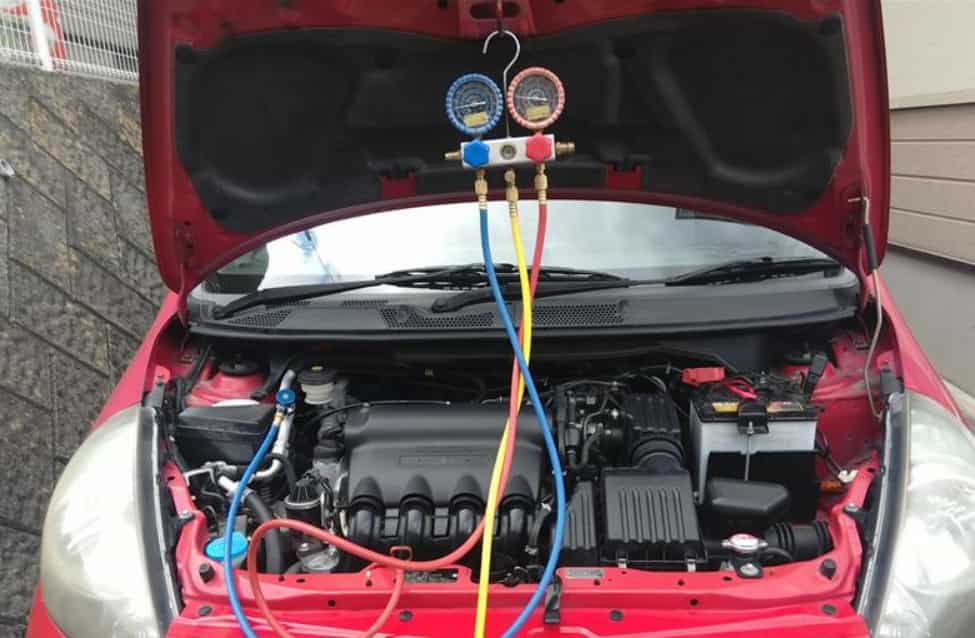
What Does a Honda Fit AC Recharge Do?
A Honda Fit AC recharge restores the refrigerant to the factory-specified level. Refrigerant carries heat from the cabin to the outside air. When the refrigerant level drops, the air conditioning system cannot remove heat efficiently. As a result, the vents blow warmer air, cooling performance declines, and the compressor works harder than normal. Recharging the system restores the correct refrigerant amount and helps the air conditioner operate as designed.
Refrigerant does not wear out during normal operation. A sealed air conditioning system should keep the same refrigerant charge for many years. Therefore, a low refrigerant level usually points to a leak, an incorrect previous service, or a damaged component. Simply adding more refrigerant restores cooling performance for a short time if a leak remains. The system will eventually lose refrigerant again unless you repair the underlying problem.
An AC recharge only replaces the missing refrigerant. It does not repair mechanical or electrical faults inside the air conditioning system. For example, a failing compressor, a faulty condenser fan, or a blocked expansion valve can all prevent the system from producing cold air. Likewise, restricted airflow through the condenser or evaporator can reduce cooling efficiency. For this reason, technicians inspect the entire system before they recommend a recharge.
Keeping the refrigerant at the correct level also protects important air conditioning components. Too little refrigerant reduces heat absorption inside the evaporator and limits compressor lubrication. Too much refrigerant raises system pressure and forces the compressor to work harder. Both conditions reduce cooling efficiency and increase the risk of expensive repairs. Following the factory refrigerant specification helps the Honda Fit deliver consistent cooling, stable operating pressure, and reliable long-term performance.
How Can You Tell Whether Your Honda Fit Needs an AC Recharge?
A Honda Fit may need an AC recharge when the refrigerant level drops below the factory specification. The most common sign is weak or warm airflow from the vents, especially during hot weather. You may also notice that the cabin takes much longer to cool than it did before. In some cases, the compressor turns on and off more frequently because the system cannot maintain the correct operating pressure. These symptoms often suggest low refrigerant, but they do not confirm it. Several air conditioning problems can produce the same results.
Before adding refrigerant, inspect the system for other possible causes. A dirty cabin air filter can restrict airflow and make the air conditioner feel less effective. A faulty condenser fan may also reduce cooling performance when the vehicle is idling because the condenser cannot release heat efficiently. In addition, damaged hoses, oily residue around fittings, or stains near the condenser may indicate a refrigerant leak. Identifying these issues early prevents unnecessary recharging and helps avoid repeated refrigerant loss.
Pressure testing provides a more reliable diagnosis than symptoms alone. A technician measures both the low-side and high-side pressures to determine whether the refrigerant charge matches the manufacturer’s specification. They also compare the vent temperature with the outside temperature and monitor compressor operation during the test. If the pressure readings fall below the normal range and the system shows no major mechanical faults, an AC recharge may restore proper cooling performance.
Never assume that warm air always means the Honda Fit needs more refrigerant. A worn compressor, a blocked expansion valve, or an electrical fault can all prevent the system from producing cold air. Recharging a system with these problems wastes refrigerant and delays the correct repair. A complete inspection identifies the actual cause of poor cooling and ensures that the recharge only takes place when the system truly requires additional refrigerant.
Which Refrigerant Does a Honda Fit Use?
The refrigerant used in a Honda Fit depends on the model year, production market, and air conditioning system. Older models commonly use R-134a, while many newer vehicles use R-1234yf to meet stricter environmental regulations. Because Honda introduced different refrigerants at different times, there is no single specification for every Honda Fit. Always verify the correct refrigerant before servicing the system to avoid costly damage.
The easiest way to identify the correct refrigerant is to check the information label under the hood. This label lists the refrigerant type, the factory charge capacity, and the recommended compressor oil. You can also confirm these specifications by consulting the owner’s manual or a VIN-specific service database. Using vehicle-specific information is more reliable than relying on model year alone because refrigerant specifications may vary between different markets.
Using the wrong refrigerant can reduce cooling performance and damage the air conditioning system. R-134a and R-1234yf operate with different service fittings, lubricants, and recovery equipment. They are not interchangeable and should never be mixed inside the same system. Mixing refrigerants contaminates the system, complicates future repairs, and may require complete refrigerant recovery before the air conditioner can operate correctly again.
The refrigerant charge amount is just as important as the refrigerant type. Honda engineers calculate the correct refrigerant weight to balance cooling performance, operating pressure, and compressor lubrication. Too little refrigerant reduces the system’s ability to absorb heat, while too much refrigerant increases pressure and places additional stress on the compressor. Following the factory specification ensures that the Honda Fit air conditioning system delivers efficient cooling, reliable performance, and long service life.
What Tools and Safety Equipment Do You Need?
Using the right tools makes an AC recharge safer and more accurate. A basic DIY recharge usually requires a refrigerant can, a low-side pressure gauge, a compatible service hose, and safety equipment. These tools allow you to connect to the low-pressure service port and monitor system pressure while adding refrigerant. However, a simple gauge provides only limited information because it measures pressure on one side of the system. It cannot identify many air conditioning faults or confirm the exact refrigerant charge.
Professional technicians use more advanced equipment to diagnose and service the system correctly. A manifold gauge set measures both low-side and high-side pressures, providing a complete picture of system performance. A refrigerant recovery machine removes the remaining refrigerant before repairs begin, while a vacuum pump eliminates air and moisture after the system has been opened. Technicians also use a calibrated refrigerant scale to install the exact factory-specified charge instead of estimating the amount from pressure readings alone. This process improves cooling performance and reduces the risk of overcharging.
Personal safety equipment is equally important because refrigerant can cause serious injuries if it contacts your skin or eyes. Always wear safety glasses and chemical-resistant gloves before connecting any service equipment. Work in a well-ventilated area and keep the refrigerant container away from open flames or excessive heat. You should also confirm that the engine is off before attaching service hoses unless the charging procedure specifically requires the engine to run.
Before starting the recharge, inspect the air conditioning system for visible damage or refrigerant leaks. Check the condenser, hoses, and service ports for oily residue because escaping refrigerant often leaves traces of compressor oil behind. You should also verify the refrigerant type and charge capacity on the under-hood label. Preparing the correct tools and completing these safety checks helps prevent service errors while protecting both the air conditioning system and the person performing the recharge.
How Do You Recharge a Honda Fit AC?
Recharging a Honda Fit AC begins with confirming that the system actually needs additional refrigerant. Check the refrigerant type and factory charge capacity on the under-hood label before connecting any equipment. Next, inspect the condenser, hoses, and service ports for visible damage or signs of leakage. If the system has lost all refrigerant or shows obvious leaks, repair the problem before attempting a recharge. Adding refrigerant to a leaking system only provides temporary cooling and wastes refrigerant.
Once the inspection is complete, park the vehicle in a well-ventilated area and start the engine. Set the air conditioner to the lowest temperature, select the highest blower speed, and enable recirculation mode. These settings place the air conditioning system under normal operating conditions and allow you to monitor its performance more accurately. Locate the low-pressure service port and attach the correct service hose. Never connect a recharge can to the high-pressure port because excessive pressure can damage the equipment and create a serious safety hazard.
Measure the system pressure before adding any refrigerant. If the pressure confirms that the refrigerant charge is low, add refrigerant slowly while monitoring both the pressure gauge and the vent temperature. Allow the refrigerant to circulate through the system between small additions instead of filling the system too quickly. This approach provides more accurate readings and reduces the risk of overcharging. Stop adding refrigerant as soon as the system reaches the manufacturer’s specified charge or the correct pressure range for the current operating conditions.
After completing the recharge, remove the service hose and reinstall the protective cap on the service port. Let the air conditioner run for several minutes and confirm that the vent temperature remains stable and the compressor operates normally. If the air still feels warm or the cooling performance declines again within a short period, the system likely has a leak or another mechanical fault. At that point, a professional inspection is the best way to identify the root cause and restore reliable air conditioning performance.
What Mistakes Should You Avoid During an AC Recharge?
Many air conditioning problems occur because the recharge process does not follow the manufacturer’s specifications. One of the most common mistakes is adding refrigerant without confirming that the system is actually undercharged. Warm air from the vents does not always indicate low refrigerant. A faulty compressor, a failed condenser fan, or restricted airflow can produce similar symptoms. Performing a basic inspection before adding refrigerant helps identify the real cause of poor cooling and prevents unnecessary service.
Overcharging the system is another frequent mistake that can reduce cooling performance instead of improving it. Excess refrigerant raises operating pressure and forces the compressor to work harder than intended. As system pressure increases, the condenser becomes less efficient at releasing heat, and the air conditioner may begin blowing warmer air. In severe cases, excessive pressure can damage the compressor or trigger the pressure relief valve. Stopping at the factory-specified refrigerant charge is the safest way to maintain reliable performance.
Using the wrong refrigerant can also create serious problems. Honda Fit models may use either R-134a or R-1234yf, depending on the model year and market. These refrigerants require different lubricants, service fittings, and recovery equipment. Mixing them contaminates the air conditioning system and may require complete refrigerant recovery before repairs can begin. Always verify the refrigerant specification on the under-hood label before connecting any recharge equipment.
Another mistake is ignoring visible signs of refrigerant leakage. Oily residue around hoses, service ports, or the condenser often indicates that refrigerant is escaping from the system. Simply adding more refrigerant without repairing the leak results in repeated cooling problems and increases long-term repair costs. Likewise, avoid using recharge products that contain stop-leak additives. These chemicals can clog small passages inside the air conditioning system and contaminate professional recovery equipment. Repairing the leak and recharging the system correctly provides a safer and more durable solution.
Why Is the Honda Fit AC Still Not Cold After a Recharge?
A Honda Fit AC may continue blowing warm air after a recharge if low refrigerant was not the original problem. Recharging only restores the correct refrigerant level. It does not repair damaged components or correct electrical faults. If cooling performance does not improve after adding the proper amount of refrigerant, another part of the air conditioning system likely requires attention. Identifying the root cause is essential because repeated recharges will not solve an underlying mechanical failure.
Refrigerant leaks are one of the most common reasons the air conditioner remains ineffective. Even a small leak allows refrigerant to escape over time, causing the system to lose cooling capacity again. Leaks often develop around hoses, O-rings, the condenser, or compressor seals. In many cases, oily residue appears near the damaged area because compressor oil escapes with the refrigerant. A leak test using an electronic detector or ultraviolet dye provides a much more reliable diagnosis than simply adding more refrigerant.
Mechanical failures can also prevent the system from producing cold air. A worn compressor may not generate enough pressure to circulate refrigerant efficiently, even when the charge is correct. Likewise, a faulty condenser fan reduces airflow across the condenser and prevents the system from releasing heat effectively. Drivers often notice that the air conditioner performs better while driving than when the vehicle is idling because natural airflow partially compensates for a weak or inoperative fan.
Airflow restrictions and electrical problems can create similar symptoms. A clogged cabin air filter limits the amount of air passing through the evaporator, while a blocked condenser reduces heat transfer. Electrical faults involving pressure sensors, relays, or the compressor clutch may also prevent the air conditioning system from operating normally. If the Honda Fit still blows warm air after a proper recharge, a complete diagnostic inspection is the most effective way to locate the fault and restore consistent cooling performance.
Should You Recharge the Honda Fit AC Yourself or Hire a Professional?
A DIY AC recharge can be a practical option if the air conditioning system has only lost a small amount of refrigerant and shows no signs of major damage. Many recharge kits allow vehicle owners to add refrigerant through the low-pressure service port after checking the system pressure. This approach may restore cooling performance when the refrigerant level is slightly below the factory specification. However, it only works if the system is otherwise in good condition and the refrigerant type is correct.
Before choosing the DIY approach, inspect the air conditioning system carefully. Visible oil stains, damaged hoses, or an empty system usually indicate a refrigerant leak that requires repair. You should also verify the refrigerant type and charge capacity using the information label under the hood. Adding the wrong refrigerant or exceeding the specified charge can reduce cooling efficiency and increase system pressure. Following the manufacturer’s specifications is essential for both safety and long-term reliability.
Professional service is the better choice when the cause of poor cooling is unknown or the system has already lost most of its refrigerant. A qualified technician uses specialized equipment to recover the remaining refrigerant, perform a leak test, evacuate air and moisture, and recharge the system by weight. This process produces a much more accurate result than estimating the refrigerant level with a single pressure gauge. It also helps identify worn components before they develop into more expensive repairs.
Although a professional recharge costs more than a DIY kit, it often provides better long-term value. Accurate diagnosis reduces the risk of repeated refrigerant loss and prevents unnecessary replacement of working components. If the Honda Fit continues blowing warm air after a recharge or repeatedly loses cooling performance, professional inspection is usually the fastest and most reliable way to restore the air conditioning system. Investing in proper diagnosis early can save both time and repair costs in the future.
How Can You Keep the Honda Fit Air Conditioner Working Efficiently?
Regular maintenance is the best way to keep the Honda Fit air conditioning system operating efficiently throughout the year. Unlike many vehicle components, the AC system performs best when it operates consistently instead of sitting unused for long periods. Running the air conditioner for at least 10 to 15 minutes every few weeks keeps refrigerant and compressor oil circulating through the system. This simple habit lubricates internal seals, reduces the risk of leaks, and helps maintain stable compressor performance.
Keeping the condenser clean also improves cooling efficiency. The condenser sits at the front of the vehicle, where it constantly collects dirt, leaves, insects, and road debris. As these materials build up, they restrict airflow and reduce the condenser’s ability to release heat. Cleaning the condenser with low-pressure water during routine vehicle maintenance improves heat transfer and helps the air conditioner cool the cabin more effectively, especially during hot summer weather.
Replacing the cabin air filter at the recommended service interval is another important maintenance step. A clogged filter restricts airflow through the ventilation system and reduces the amount of cool air entering the cabin. Many drivers mistake this airflow problem for low refrigerant because both conditions produce weak cooling performance. Installing a clean cabin air filter restores proper airflow and improves overall passenger comfort without affecting the refrigerant charge.
Addressing small problems early can also prevent expensive repairs. If cooling performance suddenly decreases, unusual noises develop, or oily residue appears around AC components, inspect the system before continuing to operate it. Early diagnosis often identifies minor refrigerant leaks or worn components before they cause compressor damage. Combined with regular inspections and proper servicing, these preventive measures help the Honda Fit air conditioning system deliver reliable cooling, extend component life, and reduce long-term maintenance costs.
Frequently Asked Questions About Honda Fit AC Recharge
Can You Recharge a Honda Fit AC Without a Vacuum Pump?
Yes, but only under specific conditions. A vacuum pump is not required when you are adding a small amount of refrigerant to a sealed system that still contains pressure. However, if the system has been opened for repairs or has lost all of its refrigerant, you should never skip the evacuation process. A vacuum pump removes air and moisture before the new refrigerant enters the system. Without this step, trapped contaminants can reduce cooling performance, increase system pressure, and shorten compressor life.
How Often Does a Honda Fit Need an AC Recharge?
A Honda Fit does not require AC recharging as part of regular maintenance. Refrigerant circulates inside a sealed system and should remain at the factory-specified level for many years. If cooling performance gradually declines, the system may have developed a refrigerant leak or another mechanical problem. Instead of adding refrigerant on a fixed schedule, inspect the system to determine why the refrigerant level has changed.
Can Low Refrigerant Damage the Compressor?
Yes. Low refrigerant reduces the amount of lubricant that circulates with the compressor oil. As lubrication decreases, internal components experience more friction and wear. The compressor must also work harder to maintain cooling performance because system pressure falls below the designed operating range. Driving with low refrigerant for an extended period increases the risk of compressor failure and significantly raises repair costs.
Is It Safe to Drive With Low Refrigerant?
Yes, you can usually drive the vehicle safely, but the air conditioning system may not operate efficiently. Continued use with low refrigerant can increase compressor wear and allow a small leak to become a larger problem over time. If the air conditioner suddenly loses cooling performance, inspect the system as soon as possible instead of continuing to recharge it repeatedly.
Are Honda Fit and Honda Jazz Air Conditioning Systems the Same?
Honda Fit and Honda Jazz share many mechanical components because they are different names for the same vehicle platform in various markets. However, refrigerant type, refrigerant capacity, and service specifications may vary by model year, engine, and production region. Always confirm the information on the under-hood label or consult vehicle-specific service data before performing an AC recharge.
Conclusion
A Honda Fit AC recharge restores cooling performance only when the refrigerant level has fallen below the factory specification. Because refrigerant does not wear out during normal operation, a low charge usually indicates a leak or another system fault that requires attention. Confirming the refrigerant type, following the correct charging procedure, and avoiding overcharging all help protect the compressor and maintain reliable air conditioning performance.
If the air conditioner continues blowing warm air after a proper recharge, additional refrigerant is unlikely to solve the problem. A thorough inspection can identify issues such as refrigerant leaks, compressor failure, restricted airflow, or electrical faults before they develop into more expensive repairs. Taking the time to diagnose the system correctly not only restores cooling more effectively but also extends the lifespan of the entire air conditioning system.
Regular maintenance remains the best way to keep your Honda Fit AC operating efficiently. Running the air conditioner throughout the year, keeping the condenser clean, replacing the cabin air filter when necessary, and addressing small problems early all contribute to consistent cooling performance. If you want to learn more about Honda Fit air conditioning maintenance, consider reading our guides on Honda Fit AC Not Blowing Cold, Honda Fit AC Compressor Problems, and Honda Fit Cabin Air Filter Replacement to better understand the most common cooling issues and their solutions.