A Honda Accord key can get stuck in the ignition for several reasons. The transmission may not fully engage Park. Steering wheel pressure can lock the ignition. A worn key or a damaged ignition cylinder can also prevent the key from coming out. In some cases, a faulty shift interlock or a weak battery causes the problem.
Many drivers try to pull the key harder when it gets stuck. That approach often makes the situation worse. Excessive force can bend the key, damage the ignition cylinder, or break the key inside the lock. A simple problem can quickly turn into an expensive repair.
The good news is that many ignition key problems have straightforward solutions. You can often identify the cause by checking a few common symptoms. In many cases, you do not need special tools to begin troubleshooting. Following the correct steps also helps you avoid replacing parts that still work properly.
This guide explains how to remove a Honda Accord key safely. It also covers the most common causes, effective repair methods, and practical ways to prevent the problem from happening again. By following each step in order, you can diagnose the issue with confidence and choose the right repair for your vehicle.
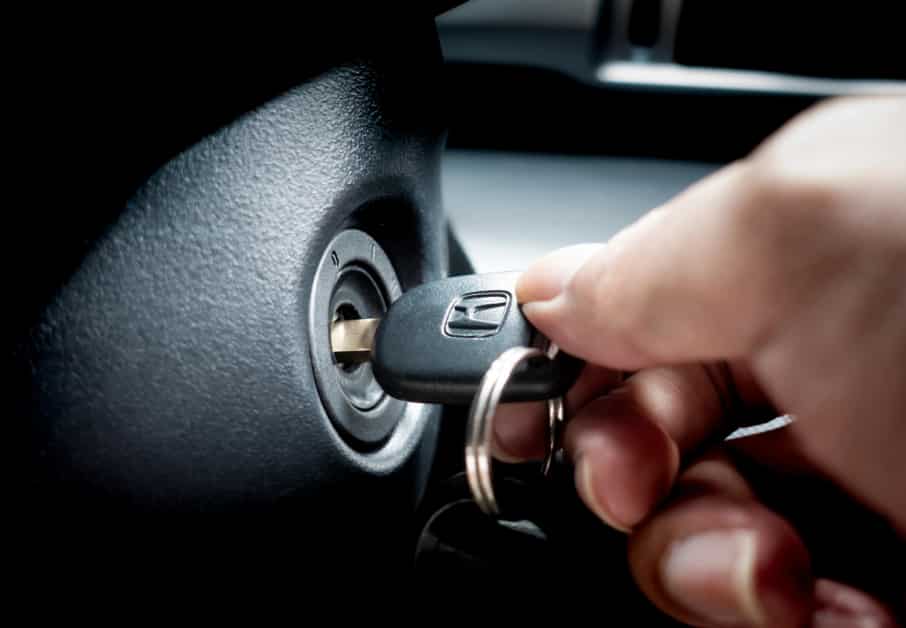
How Can You Remove a Honda Accord Key Stuck in the Ignition?
The safest way to remove a Honda Accord key is to check the simplest causes before assuming a major mechanical failure. Most cases happen because the vehicle does not recognize that the transmission is fully in Park or because the steering lock places pressure on the ignition cylinder. Taking a few minutes to inspect these areas can often solve the problem without damaging the key or the ignition system.
Start by pressing the brake pedal and moving the gear selector out of Park. Then shift it firmly back into Park before turning the key toward the Lock position. Sometimes the shifter stops slightly short of the correct position, even though the indicator shows Park. Holding the shifter forward while turning the key may release the locking mechanism and allow the key to come out smoothly.
If the key still will not come out, check the steering wheel. A locked steering wheel can place pressure on the ignition cylinder after the engine is turned off. Hold the steering wheel in the direction that allows slight movement while gently turning the key toward the Lock position. Do not force either component. The key should release once the pressure on the steering lock disappears.
A weak battery can also prevent the electronic key-release system from working correctly. If the dashboard lights appear dim or the engine struggles to start, inspect the battery before looking for more complex faults. Some Honda Accord models also include a shift-lock release that allows you to reposition the gear selector when the interlock system fails. Refer to the owner’s manual for the correct procedure because the location varies by model year.
Stop troubleshooting if the key refuses to rotate, begins to bend, or feels unusually tight inside the ignition. Continuing to pull or twist the key can damage the ignition lock cylinder or break the key inside the assembly. At that point, a proper diagnosis will help identify whether the problem involves the ignition cylinder, the shift interlock system, or another mechanical component.
Why Is the Honda Accord Key Stuck in the Ignition?
A Honda Accord key usually gets stuck in the ignition because one part of the key release system no longer works correctly. The ignition relies on several mechanical and electrical components to release the key after you turn off the engine. If one component fails or sends the wrong signal, the ignition keeps the key locked to prevent accidental vehicle movement or theft. Identifying the root cause helps you choose the correct repair and avoid replacing parts unnecessarily.
The transmission position is the most common cause of this problem. The ignition system checks whether the gear selector is fully in the Park position before it releases the key. Sometimes the shifter stops slightly short of its correct position, even though the dashboard indicator displays Park. When this happens, the ignition does not receive the expected signal and keeps the key inside the cylinder. Moving the gear selector out of Park and firmly back again often restores normal operation.
Steering wheel tension can also prevent the key from turning to the Lock position. This issue often appears after parking on a hill or turning the steering wheel before shutting off the engine. The steering lock creates pressure inside the ignition cylinder, making the key difficult to rotate or remove. Gently turning the steering wheel while rotating the key usually relieves that pressure without causing damage.
Electrical faults and worn ignition components also contribute to this issue. A weak battery, faulty shift interlock, worn key, or damaged ignition cylinder can interrupt the key release process. Testing these components in a logical order makes diagnosis faster, reduces repair costs, and helps restore normal ignition operation without replacing parts that still function properly.
How Can You Diagnose the Problem Before Replacing Parts?
Diagnosing the problem before replacing parts helps you avoid unnecessary repairs and reduces the risk of overlooking the real cause. A Honda Accord key can stick in the ignition for several different reasons, but the symptoms often point to a specific component. Checking each system in a logical order saves time and makes the repair process more accurate.
Start with the transmission because it causes this issue more often than any other component. Press the brake pedal and move the gear selector out of Park before shifting it firmly back into Park. Then try removing the key again. If the key comes out after moving the shifter, the problem may involve the shift cable, the gear selector, or the shift interlock system rather than the ignition cylinder.
Next, inspect the steering wheel for excessive tension. Try turning the steering wheel gently to the left and right while rotating the key toward the Lock position. If the key releases after the steering wheel moves slightly, the steering lock created enough pressure to prevent normal key removal. This situation commonly occurs after parking on a steep incline or leaving the front wheels turned.
The condition of the key also provides useful diagnostic information. Compare the primary key with a spare key if one is available. If the spare key works normally, the original key likely has worn edges or minor damage that prevents proper alignment inside the ignition cylinder. If both keys stick, the ignition cylinder becomes the more likely source of the problem.
Finally, look for electrical warning signs. Dim dashboard lights, weak battery performance, inoperative brake lights, or an intermittent shift interlock often indicate an electrical fault instead of a mechanical one. After completing these basic checks, you can identify the most likely cause and decide whether the vehicle needs a simple adjustment, a replacement part, or professional repair.
How Do You Fix a Honda Accord Key That Will Not Come Out?
The correct repair depends on the cause of the problem. Many Honda Accord ignition issues have simple solutions that do not require replacing expensive parts. However, you should always diagnose the fault before attempting a repair. Replacing the wrong component increases repair costs and may leave the original problem unresolved.
Begin with the simplest fix by confirming that the transmission is fully in the Park position. Press the brake pedal, move the gear selector into Drive, and then shift it firmly back into Park. Try turning the key to the Lock position again. If this solves the problem, inspect the shift cable or shift interlock system because one of these components may need adjustment or repair.
If steering wheel tension prevents the key from turning, hold the steering wheel in the direction that allows slight movement while gently rotating the key. Avoid using excessive force on either part. Too much pressure can bend the key or damage the ignition lock cylinder. Once the steering lock releases, the key should rotate and slide out normally.
A worn key often creates similar symptoms. Compare the original key with a spare key if one is available. If the spare key works correctly, replace the worn key instead of repairing the ignition. This simple solution often restores normal operation and prevents additional wear inside the ignition cylinder.
Some repairs require replacement parts. A faulty brake light switch, damaged shift interlock solenoid, or worn ignition lock cylinder can all prevent the key from releasing. If testing confirms one of these failures, replace the defective component according to the manufacturer’s repair procedure. Using high-quality replacement parts helps maintain reliable ignition performance and reduces the chance of recurring problems.
Never force the key out of the ignition. A broken key or damaged ignition cylinder usually costs much more to repair than the original fault. Following the correct repair sequence protects the ignition system, shortens diagnostic time, and helps restore normal vehicle operation with the least amount of work.
When Should You Seek Professional Repair?
Some ignition problems require professional repair because they involve components that need special tools or advanced diagnostics. If basic troubleshooting does not remove the key, continuing to force the ignition can create more damage. Seeking professional help at the right time often reduces repair costs and prevents small problems from becoming major failures.
Contact a technician if the key will not rotate in either direction. This symptom often points to a damaged ignition lock cylinder or an internal mechanical failure. You should also seek professional service if the key feels loose, sticks repeatedly, or makes a grinding sound during normal operation. These warning signs usually indicate excessive wear inside the ignition assembly.
A professional inspection also becomes necessary when electrical faults affect the key release system. A failed shift interlock solenoid, defective brake light switch, damaged wiring, or faulty ignition switch can all prevent the key from releasing. These components work together, so technicians often use diagnostic equipment to identify the exact source of the problem before replacing any parts. This process improves repair accuracy and avoids unnecessary expenses.
You should also stop driving the vehicle if the ignition causes multiple problems at the same time. For example, the engine may fail to start, the steering wheel may remain locked, or the key may become difficult to insert and remove. These symptoms often indicate that the ignition system has reached the end of its service life. Ignoring them increases the risk of complete ignition failure.
Choose a repair shop with experience servicing Honda vehicles whenever possible. Technicians who understand Honda ignition systems can diagnose problems more efficiently and recommend the correct repair. They can also inspect related components, such as the shift linkage, steering lock, and electrical system, to ensure the problem does not return. A complete inspection provides a more reliable long-term solution than replacing a single part without confirming the actual cause.
How Much Does It Cost to Repair a Honda Accord Key Stuck in the Ignition?
The cost to repair a Honda Accord key stuck in the ignition depends on the failed component, labor rates, and your vehicle’s model year. Some problems require only a simple adjustment, while others involve replacing the ignition lock cylinder or electrical components. Identifying the exact cause before purchasing parts helps you avoid unnecessary expenses and reduces overall repair costs.
Minor repairs usually cost the least. A technician may only need to adjust the shift linkage, lubricate the ignition cylinder, or replace a worn key. These services typically require little labor and do not involve major disassembly. If the problem comes from a damaged key, cutting and programming a replacement key often costs less than replacing the entire ignition assembly.
Electrical repairs fall into the mid-range price category. Replacing a faulty brake light switch, shift interlock solenoid, or ignition switch usually costs more than a basic adjustment because the technician must diagnose the electrical system before installing new parts. Although these repairs increase labor costs, they often restore normal operation without replacing the ignition lock cylinder.
The highest repair costs usually involve a worn or damaged ignition lock cylinder. Replacing the cylinder may require removing steering column components and programming new keys on models equipped with an immobilizer system. If the original key breaks inside the ignition, the repair may also include key extraction and additional parts. Completing the repair early often prevents further damage and reduces the total cost.
Labor rates also vary by location and repair facility. Independent repair shops often charge less than dealerships, while dealerships may provide technicians with more experience working on Honda ignition systems. Requesting a detailed inspection and written estimate before approving repairs helps you compare prices and understand exactly what the repair includes. This approach allows you to make an informed decision while avoiding unexpected charges.
How Can You Prevent the Key from Getting Stuck Again?
Regular maintenance and proper driving habits can prevent most ignition key problems before they become serious. The ignition system works with several mechanical and electrical components, so keeping each part in good condition reduces wear and improves reliability. A few simple maintenance practices can also extend the life of the key, ignition cylinder, and shift interlock system.
Always move the gear selector firmly into the Park position before turning off the engine. Do not rely only on the dashboard indicator because the transmission may stop slightly short of its correct position. After shifting into Park, release the brake pedal and confirm that the vehicle remains stationary. This routine helps the ignition system recognize the correct gear position and release the key normally.
Reduce unnecessary pressure on the steering wheel after parking. If possible, straighten the front wheels before switching off the engine, especially when parking on a steep hill. This habit reduces tension on the steering lock and prevents the ignition cylinder from binding. You should also avoid using the steering wheel for support when entering or leaving the vehicle because repeated force increases wear on the steering lock mechanism.
Inspect your key regularly for signs of wear or damage. Rounded edges, visible cracks, or slight bending can affect how the key aligns with the ignition cylinder. Replace a damaged key before it begins causing intermittent sticking. Using a lightweight keychain also helps protect the ignition cylinder because excessive weight places constant stress on the internal components while driving.
Keep the ignition system clean and address small problems as soon as they appear. If the key becomes difficult to turn or occasionally sticks, inspect the vehicle before the condition becomes worse. Early diagnosis often prevents more expensive repairs and reduces the risk of complete ignition failure. Following these preventive steps helps keep the ignition system operating smoothly and lowers the chance of encountering the same problem again.
Conclusion: What Should You Do If Your Honda Accord Key Is Still Stuck?
A Honda Accord key can become stuck in the ignition for several reasons, but the underlying cause usually falls into one of four categories: transmission alignment, steering lock pressure, electrical faults, or worn ignition components. Understanding how these systems work together makes troubleshooting more accurate and prevents unnecessary repairs.
Start with the simplest checks before replacing any parts. Confirm that the transmission is fully in Park, release pressure from the steering wheel, inspect the condition of the key, and look for signs of electrical problems. These basic steps resolve many ignition issues without special tools or expensive repairs.
If the key continues to stick after completing these checks, arrange a professional inspection as soon as possible. Continuing to force the key can damage the ignition lock cylinder, break the key, or create additional repair costs. Fixing the problem early protects the ignition system and helps maintain the long-term reliability of your Honda Accord.
A systematic approach saves time, reduces repair expenses, and restores normal vehicle operation more effectively than replacing parts by trial and error. By understanding the most common causes, recognizing the warning signs, and following the correct repair process, you can resolve a stuck ignition key safely and reduce the chance of the problem returning in the future.