A Honda CRV key usually gets stuck in the ignition because the transmission does not fully engage in Park, the steering wheel lock binds, or the ignition lock cylinder wears out. A weak battery or a faulty shift interlock can also prevent the key from coming out. Most of these problems have simple causes, and many owners can identify them without special tools.
Honda designed the ignition system to keep the vehicle secure. The key releases only after several components work together correctly. The transmission must stay in Park. The steering wheel must not place pressure on the locking pin. The ignition lock cylinder and shift interlock must also operate normally. If one component fails, the system keeps the key inside the ignition.
This guide explains every common cause of a Honda CRV key stuck in the ignition. It also shows how to diagnose the problem step by step. You will learn which repairs you can perform at home and which problems require professional service. Finally, you will discover practical maintenance tips that help prevent the same issue from happening again.
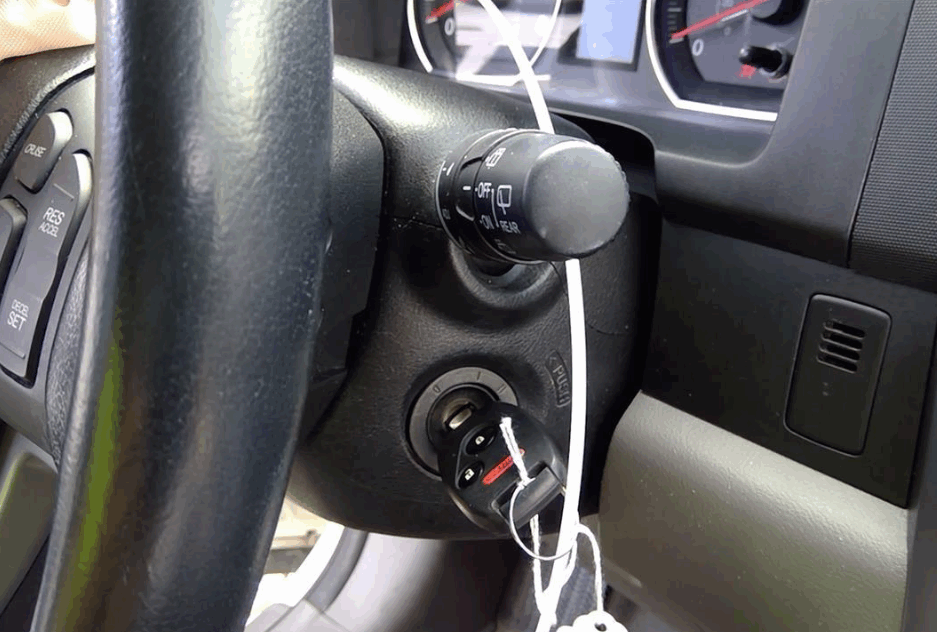
Why Is the Honda CRV Key Stuck in the Ignition?
A Honda CRV key gets stuck in the ignition because the key release system cannot complete its normal operating sequence. The ignition does not release the key until the transmission, steering column, and ignition components reach the correct positions. If one part stops working correctly, the system keeps the key locked to protect the vehicle.
The transmission is the first component to inspect. The gear selector must engage the Park position completely before the ignition unlocks. Even a slight misalignment between the shifter and the transmission can stop the release mechanism. This problem often appears after years of daily driving because the shift linkage gradually wears over time.
The steering wheel can also prevent the key from coming out. When the front wheels press against a curb or the steering wheel remains under tension, the steering lock pin binds inside the column. As a result, the ignition cylinder cannot rotate to the final Lock position. Turning the steering wheel gently while rotating the key often removes this pressure and releases the key.
Another common cause is a worn ignition lock cylinder. Small metal wafers inside the cylinder wear down after thousands of key cycles. Dirt, metal debris, and damaged keys can make the problem worse. The key may become difficult to turn before it eventually sticks inside the ignition.
Electrical components also play an important role. A faulty shift interlock, a defective brake light switch, or a weak battery can interrupt communication between the transmission and the ignition system. When this happens, the vehicle cannot confirm that it is safe to release the key. Identifying the failed component before replacing parts helps reduce repair costs and prevents unnecessary repairs.
What Are the Most Common Causes of a Honda CRV Key Stuck in the Ignition?
Several mechanical and electrical problems can cause a Honda CRV key to remain stuck in the ignition. Although the symptoms often look similar, each fault affects the key release mechanism in a different way. Understanding the most common causes helps you identify the problem faster and avoid replacing parts that still work properly.
The transmission not engaging Park completely is the most common cause. The ignition system checks the gear position before releasing the key. If the shifter stops slightly short of Park because of a worn cable, loose linkage, or misaligned selector, the key remains locked inside the ignition. Moving the shifter firmly into Park or gently shifting between Reverse and Park can sometimes restore normal operation.
A worn ignition lock cylinder is another frequent cause. Every time you insert and remove the key, the internal tumblers experience a small amount of wear. After thousands of cycles, these parts no longer align smoothly. Dirt, metal particles, and a bent key can increase friction and make the cylinder difficult to rotate. Many drivers notice the key becoming harder to turn several weeks before it starts getting stuck.
Electrical faults can also interrupt the key release process. A defective shift interlock solenoid, a failed brake light switch, or a weak battery may prevent the ignition system from confirming that the vehicle is safe to unlock. In these situations, the key often remains trapped even though the engine has already stopped. If the brake lights fail to illuminate or the battery voltage drops below normal, these components deserve immediate inspection.
The steering wheel lock can create a similar symptom. Parking with the front wheels pressed against a curb or turning the steering wheel after shutting off the engine places extra pressure on the locking mechanism. This tension prevents the ignition cylinder from reaching the full Lock position. Relieving the pressure by turning the steering wheel gently while rotating the key usually solves the problem without damaging the ignition.
How Do You Remove a Stuck Key From a Honda CRV Safely?
Removing a stuck key from a Honda CRV requires a careful approach instead of force. Pulling the key too hard can damage the ignition lock cylinder or even break the key inside the ignition. A systematic inspection helps you solve the problem safely while avoiding expensive repairs.
Start by confirming that the gear selector is fully engaged in the Park position. Press the brake pedal firmly and move the shifter through Reverse and back into Park. Then try turning the key to the Lock position again. If the key comes out after moving the shifter, the transmission linkage or shift interlock may need adjustment.
Next, check the steering wheel for excessive tension. A steering wheel that presses against the locking pin can prevent the ignition cylinder from rotating completely. Hold the key gently and turn the steering wheel slightly to the left and right. As the pressure decreases, the key should rotate smoothly and release from the ignition.
If the key remains stuck, inspect the battery and the brake light switch. A weak battery can interrupt communication between the ignition system and the shift interlock. Likewise, a faulty brake switch may stop the release mechanism from working correctly. Turn on the headlights and verify that the brake lights illuminate when you press the pedal. If either system fails, fixing the electrical problem often restores normal key operation.
Finally, inspect the key itself before attempting any repair. A bent or heavily worn key may not align correctly with the tumblers inside the ignition cylinder. Try using a spare key if one is available. If the spare key works normally, replacing the original key is usually the simplest and most effective solution. However, if neither key releases, the ignition lock cylinder or another internal component should receive a professional inspection.
How Can You Identify the Real Cause Before Replacing Parts?
Identifying the exact cause of a Honda CRV key stuck in the ignition saves both time and repair costs. Many drivers replace the ignition lock cylinder first because the key will not come out. However, the problem often starts with another component. Checking each part in a logical order helps you find the actual fault before spending money on unnecessary repairs.
Begin with the symptoms that appear while driving or parking. If the key becomes difficult to remove only after shifting into Park, the transmission linkage or shift interlock is the most likely cause. If the key feels rough when turning in every position, the ignition lock cylinder has probably worn out. A key that sticks occasionally and becomes worse over time usually points to internal wear instead of an electrical failure.
Electrical symptoms provide another important clue. A weak battery may cause several systems to behave abnormally at the same time. You might notice dim interior lights, slow engine cranking, or warning lights on the dashboard. Likewise, a faulty brake light switch often prevents the brake lights from working and can interfere with the shift interlock. Checking these simple signs takes only a few minutes and often reveals the real problem.
The condition of the key also deserves close attention. Compare the original key with a spare if one is available. Rounded edges, visible bends, or damaged grooves reduce the key’s ability to align with the ignition cylinder. If the spare key operates normally, replacing the worn key is usually enough to solve the issue.
When every basic inspection produces normal results, the problem may exist inside the ignition assembly or the steering column. At this stage, professional diagnosis becomes the safest option. Specialized tools allow a technician to inspect the ignition mechanism without causing additional damage to the lock cylinder or surrounding components.
Which Honda CR-V Model Years Are More Likely to Have This Problem?
A Honda CR-V key can become stuck in the ignition on almost any model year, but the underlying cause often changes as Honda updates the vehicle’s design. Older models usually develop mechanical wear, while newer models are more likely to experience electrical or electronic faults. Knowing the common issues for your model year makes troubleshooting faster and more accurate.
The 2007 to 2011 Honda CR-V frequently develops problems related to the ignition lock cylinder and the shift interlock mechanism. After years of daily use, the internal components wear down and create extra resistance when the key rotates. Many owners also report difficulty removing the key after the vehicle reaches high mileage. Regular maintenance and replacing worn keys can reduce stress on the ignition cylinder.
The 2012 to 2016 models continue to experience similar mechanical wear, but electrical components become more important. A faulty brake light switch or a weak battery can interrupt the communication required to release the key. Drivers may also notice occasional difficulty shifting into Park before the problem becomes more severe.
The 2017 to 2022 Honda CR-V introduced more advanced electronic systems, including Smart Entry features on many trim levels. Although these systems improve convenience, they also increase the number of components involved in the ignition process. A software issue, battery problem, or electronic control fault can occasionally prevent the key from releasing, even when the transmission appears to be in Park.
The 2023 and newer Honda CR-V models generally experience this problem less often because Honda refined both the transmission and key release systems. However, no vehicle is completely immune to wear or electrical failure. Following the recommended maintenance schedule, keeping the battery in good condition, and addressing small ignition issues early remain the best ways to avoid a key becoming stuck in the ignition.
How Much Does It Cost to Fix a Honda CRV Key Stuck in the Ignition?
The cost to fix a Honda CRV key stuck in the ignition depends on the component that causes the problem. Some repairs require only a minor adjustment, while others involve replacing mechanical or electrical parts. Identifying the exact fault before buying replacement parts is the best way to reduce repair expenses.
Simple repairs usually cost the least. A technician may only need to adjust the gear selector, inspect the shift linkage, or replace a worn key. Cleaning the ignition lock cylinder can also restore smooth operation if dirt or debris prevents the internal tumblers from moving correctly. These repairs often take less than one hour and require minimal labor.
Replacing worn components increases the total repair cost. A new brake light switch is one of the most affordable repairs because the part is inexpensive and installation is straightforward. Replacing the shift interlock solenoid or the ignition switch typically costs more because these components require additional disassembly. If the ignition lock cylinder has failed, the repair becomes more expensive because the technician may also need to program or match new keys to the vehicle.
Labor charges vary depending on the repair shop and the complexity of the job. Independent repair shops often charge less than Honda dealerships, while dealerships may provide technicians with specialized experience and access to genuine Honda parts. Comparing repair estimates from several qualified shops helps you find the best balance between price and service quality.
Ignoring the problem can lead to more expensive repairs later. A key that occasionally sticks today may eventually become impossible to remove or turn. Repairing the underlying fault as soon as the first symptoms appear helps protect the ignition system and reduces the risk of additional damage to related components.
How Can You Prevent the Honda CRV Key From Getting Stuck Again?
Preventing a Honda CRV key from getting stuck in the ignition starts with regular maintenance and proper driving habits. Most ignition problems develop gradually instead of appearing without warning. Addressing small issues early helps protect the ignition system and reduces the chance of an unexpected failure.
Keep the ignition key in good condition. Inspect it regularly for worn edges, bends, or cracks. A damaged key increases friction inside the ignition lock cylinder and accelerates wear on the internal tumblers. Using a spare key occasionally also helps reduce wear on your primary key.
Always make sure the transmission is fully engaged in Park before turning off the engine. Press the brake pedal firmly, move the gear selector completely into Park, and verify that the vehicle remains stationary. This simple habit reduces stress on the shift interlock and allows the key release mechanism to operate correctly.
Protect the electrical system through routine maintenance. Replace the battery before it reaches the end of its service life and repair brake light switch problems as soon as they appear. A stable electrical system allows the shift interlock and ignition components to communicate properly, reducing the risk of the key remaining locked in the ignition.
Finally, respond to early warning signs instead of waiting for the problem to become worse. If the key feels difficult to turn, sticks occasionally, or requires extra force to remove, inspect the ignition system immediately. Early diagnosis often prevents minor wear from developing into a costly repair and helps keep your Honda CR-V reliable for years.
Conclusion
A Honda CRV key stuck in the ignition usually results from a problem with the transmission, steering wheel lock, ignition lock cylinder, or shift interlock system. Each component plays an important role in the key release process, so identifying the correct cause is essential before replacing parts. A careful inspection often reveals the fault without requiring complex repairs.
Most cases can be resolved by checking the gear selector, relieving steering wheel pressure, inspecting the key, and verifying that the electrical system functions correctly. When the problem persists, a professional diagnosis helps prevent unnecessary expenses and protects the ignition system from additional damage.
Regular maintenance remains the most effective way to avoid this issue. Keeping the key, battery, transmission linkage, and ignition components in good condition reduces wear and helps the key release smoothly every time you drive. By addressing early symptoms instead of ignoring them, you can prevent larger repairs and keep your Honda CR-V operating safely and reliably.