Car detailing is worth it when the improvement in cleanliness, appearance, surface protection, and overall vehicle condition justifies the cost of the service. Unlike a basic car wash, detailing addresses specific areas of the exterior and interior through deeper cleaning, surface decontamination, polishing, stain removal, and protective treatments. The actual value depends on what the car needs and what the owner expects from the service.
A neglected vehicle with contaminated paint, stained upholstery, dirty carpets, or visible cosmetic defects can benefit more from professional detailing than a car that already receives regular maintenance. Detailing can also provide practical value before selling a vehicle because a clean exterior and well maintained cabin improve its presentation to potential buyers. However, detailing cannot repair major scratches, damaged paint, torn upholstery, dents, or mechanical problems, so paying for an extensive package is not worthwhile when the vehicle requires repair rather than cosmetic care.
The decision therefore depends on five main factors: vehicle condition, detailing cost, services included, expected results, and the owner’s ability to perform the work independently. Comparing these factors makes it easier to determine whether professional detailing, DIY detailing, or routine car washing provides the best value for a specific vehicle.
Is Car Detailing Worth It?
Car detailing is worth it when the service produces a meaningful improvement in the vehicle’s condition that justifies the money and time spent. The value is highest when a car has accumulated dirt, stains, bonded contaminants, faded surfaces, or minor cosmetic defects that routine washing cannot adequately address. A professional detail can clean these areas more thoroughly while restoring the appearance of surfaces that are still in repairable condition.
There are 5 main factors that determine whether car detailing provides good value: vehicle condition, expected results, service scope, detailing cost, and the owner’s ability to perform the work. Vehicle condition has the greatest influence because a neglected car generally has more room for visible improvement. For example, a vehicle with stained carpets, dirty upholstery, contaminated paint, and neglected trim can show a much greater change after detailing than a regularly cleaned vehicle with few visible defects.
Detailing also becomes more valuable when the work requires equipment, products, time, or skills that the owner does not have. Paint decontamination, machine polishing, deep upholstery cleaning, and certain protective treatments require more preparation than a routine wash. Paying a professional can therefore provide value through both the final result and the time saved.
However, professional detailing is not automatically worth the cost for every vehicle. A well maintained car that only needs surface dirt removed may receive sufficient care from a regular wash and basic interior cleaning. The correct decision comes from comparing the vehicle’s actual condition with the expected detailing result rather than assuming that the most expensive service provides the greatest value.
What Does Car Detailing Include?
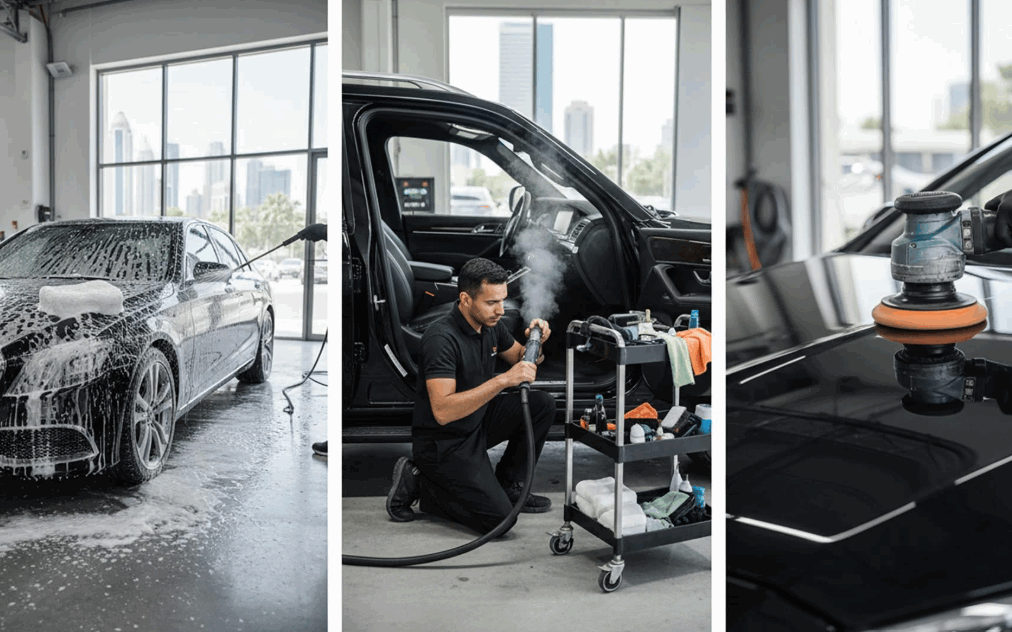
Car detailing includes deep cleaning and surface care for both the exterior and interior of a vehicle, with the exact services depending on the detailing package. Exterior detailing typically includes hand washing, wheel and tire cleaning, surface decontamination, and treatment of exterior trim. More comprehensive services can include clay treatment, polishing, paint correction, waxing, or paint sealant. These processes address different surface conditions, so a basic detail should not be expected to provide the same result as a correction or protection package.
Interior detailing focuses on removing dirt and buildup from areas that receive regular use. Professional services commonly include vacuuming carpets and seats, cleaning upholstery, treating leather surfaces, wiping dashboards and interior trim, and cleaning interior glass. Deep cleaning can also target stains, embedded dirt, pet hair, or unpleasant odors when the service provider offers those treatments. The result depends on the material, the severity of the contamination, and the condition of the surface before cleaning.
The most important distinction is between cleaning, correction, and protection. Cleaning removes dirt and contamination. Correction improves selected cosmetic defects through processes such as polishing. Protection adds a product such as wax or paint sealant to help maintain the treated surface. These services require different levels of labor, equipment, and expertise. Understanding what a detailing package actually includes helps car owners compare prices accurately and determine whether the service provides enough value for their vehicle.
How Much Does Car Detailing Cost?
Car detailing cost depends on the vehicle size, condition, service scope, labor required, and additional treatments included in the package. A basic detailing service costs less when the vehicle only needs routine interior and exterior cleaning, while heavily soiled vehicles require more labor and specialized processes. The same applies to exterior services because washing and decontamination require less work than polishing, paint correction, or applying a protective treatment.
Vehicle condition is one of the strongest cost factors because professional detailers spend more time on surfaces that require extensive cleaning or correction. A vehicle with stained upholstery, embedded dirt, pet hair, contaminated paint, or neglected trim can require additional labor compared with a regularly maintained vehicle. Vehicle size also affects the amount of product, equipment use, and working time required. For example, detailing a large SUV generally requires more work than detailing a compact car with a similar condition.
Additional treatments can increase the final price because they involve separate processes and specialized products. Paint correction, deep stain removal, odor treatment, headlight restoration, and long lasting paint protection are examples of services that may be priced separately from a standard detailing package. The most useful way to judge the price is to compare the total cost with the vehicle condition, services included, expected result, and time saved. A lower price is not necessarily better value when it excludes the treatment the vehicle actually needs.
What Are the Benefits of Car Detailing?
Car detailing provides 7 main benefits: deeper cleaning, improved appearance, surface protection, cosmetic correction, better interior condition, reduced maintenance effort, and improved preparation for vehicle resale. These benefits come from treating vehicle surfaces more thoroughly than a standard wash. The practical value depends on the vehicle’s current condition and the services included in the detailing package.
Deeper cleaning removes dirt and contamination from areas that routine washing may not adequately address. Interior detailing can remove accumulated dust, stains, hair, and debris from carpets, upholstery, seats, dashboards, and trim. Exterior detailing can remove surface contamination and restore a cleaner appearance. Polishing and paint correction can also improve selected cosmetic defects when the paint remains suitable for treatment. These processes create a visible difference because they address the condition of the surface rather than simply removing loose dirt.
Detailing can also provide protection and reduce the effort required from the owner. Wax, paint sealant, and other protective treatments add a layer of care after the surface has been cleaned and prepared. Interior treatments can help maintain materials that receive frequent use. A detailed vehicle can also present better when it is prepared for sale because a clean cabin and well maintained exterior create a stronger visual impression. The main value of detailing is therefore not simply making a car look clean; it is improving and maintaining the condition of surfaces through a more complete care process.
What Are the Disadvantages of Car Detailing?
Car detailing has 5 main disadvantages: professional service cost, time requirements, recurring maintenance, limited correction capability, and inconsistent results from poor workmanship. These disadvantages matter because detailing is a cosmetic and maintenance service, so its value depends on whether the treatment addresses a problem that the vehicle actually has. Paying for an extensive package provides limited value when the car is already clean or when the underlying problem requires repair instead of detailing.
Professional detailing also requires time because deeper cleaning involves multiple processes rather than a single wash. A heavily soiled interior may require additional cleaning and treatment, while exterior work can involve washing, decontamination, polishing, and protection. Some protective treatments also require ongoing maintenance to preserve their intended condition. The total time and recurring care therefore form part of the real cost of detailing, even when they are not included in the initial price.
Detailing also has clear limitations. Detailing can improve the appearance and condition of suitable surfaces, but it cannot replace vehicle repair. Deep scratches, damaged paint, dents, torn upholstery, and mechanical problems require different forms of repair. Results can also vary according to the detailer’s technique, equipment, products, and understanding of the vehicle’s surfaces. For this reason, the most expensive detailing package is not automatically the best choice. The service should match the vehicle’s actual condition and the result the owner expects.
When Is Car Detailing Worth the Money?
Car detailing is worth the money when the vehicle has specific cleaning or cosmetic needs that justify the service cost and when the expected improvement is valuable to the owner. The strongest cases occur when routine washing cannot provide the required result. A neglected vehicle with embedded dirt, stained upholstery, contaminated paint, or accumulated interior debris has more potential for visible improvement than a vehicle that already receives regular cleaning.
Detailing also provides value when the owner needs a result that requires substantial time, specialized equipment, or specific techniques. Exterior decontamination, polishing, paint correction, deep interior cleaning, and protective treatments require more work than routine washing. Paying a professional can therefore make sense when the owner does not have the equipment, knowledge, or available time to complete the work safely and effectively. The value comes from both the finished condition of the vehicle and the effort the owner avoids.
Car detailing is particularly worth considering before selling a vehicle when improved cleanliness and presentation can make the car more appealing to potential buyers. A clean interior, treated surfaces, and well maintained exterior can create a stronger first impression in photographs and during an inspection. However, detailing should not be expected to fix mechanical problems, major body damage, or severely damaged paint. The right decision is to match the detailing service to the vehicle’s condition and the owner’s objective rather than choosing the most comprehensive package by default.
Is Car Detailing Worth It Before Selling a Car?
Car detailing is worth considering before selling a car when the vehicle needs visible cleaning or cosmetic improvement. A clean vehicle creates a better first impression. It also presents better in online listing photos. Buyers can then see a cleaner and more cared for vehicle.
Interior condition affects how buyers perceive a used car. Detailing can clean carpets, seats, upholstery, dashboards, and trim. It can remove visible dirt, stains, dust, and pet hair. These improvements make the cabin look cleaner and better maintained. Exterior detailing can improve the appearance of paint, wheels, tires, glass, and trim. It can also remove surface contamination that routine washing may leave behind.
Detailing does not guarantee a higher resale price. Its clearest value comes from better presentation and sale preparation. Major scratches, dents, damaged paint, and mechanical problems require repair. Damaged upholstery may also need professional repair rather than detailing.
Owners should compare the detailing cost with the vehicle’s current condition. They should also consider the improvement they expect from the service. A well maintained car may only need basic cleaning. A neglected car may benefit from more comprehensive detailing before the owner lists it for sale.
When Is Car Detailing Not Worth It?
Car detailing is not worth the cost when the vehicle already has good overall condition and needs only basic cleaning. A regularly maintained car may have clean seats, carpets, trim, paint, and glass. In this situation, an extensive detailing package may provide only a small visible improvement. Routine washing and basic interior cleaning can provide enough maintenance for the owner’s needs.
Detailing also provides limited value when the vehicle has problems that require repair. Deep scratches, dents, damaged paint, torn upholstery, and mechanical issues fall outside the normal purpose of detailing. Detailing can improve the appearance of suitable surfaces, but it cannot replace repairs. Paying for paint correction will not fix a damaged panel. Deep interior cleaning will not restore torn upholstery.
The service may also provide poor value when the package includes treatments that the vehicle does not need. An owner may not need extensive paint correction when the paint already looks good. The same applies to deep interior treatments when the cabin has minimal dirt or staining. Choosing only the services that match the vehicle’s condition can reduce unnecessary spending.
Owners should therefore assess the vehicle before booking a detailing service. Identify the areas that need improvement. Compare those needs with the services included in the package. Choose detailing when it solves a clear condition or maintenance problem. Choose basic cleaning or repair when those options better match the vehicle’s needs.
Is Professional Car Detailing Better Than DIY Detailing?
Professional car detailing is better than DIY detailing when the vehicle needs specialized equipment, advanced techniques, or more labor than the owner can provide. Professional detailers can handle processes such as paint decontamination, machine polishing, paint correction, and deep interior cleaning. These services require proper tools and technique. A professional service can also save the owner substantial time when the vehicle needs extensive work.
DIY detailing can provide better value when the owner has the right equipment, enough time, and suitable knowledge. Basic exterior washing, vacuuming, glass cleaning, and routine interior care do not always require professional equipment. An owner who maintains the vehicle regularly can also prevent heavy buildup. This reduces the amount of work required during each cleaning session.
Cost remains an important difference between the two options. Professional detailing requires a service fee, while DIY detailing requires cleaning products, tools, equipment, and the owner’s time. DIY detailing is not free because equipment and labor still have a cost. However, the same tools can support repeated maintenance, which can improve the value of DIY care over time.
The better option depends on the vehicle and the desired result. Choose professional detailing when the job requires specialist skills or extensive labor. Choose DIY detailing when routine maintenance meets the vehicle’s needs and the owner can perform the work correctly. The goal is not to choose the cheapest option. The goal is to achieve the required result at a reasonable total cost.
What Is the Difference Between Car Detailing and a Car Wash?
A car wash removes routine surface dirt, while car detailing provides deeper cleaning and surface care. A standard car wash usually focuses on washing the exterior and removing loose dirt, dust, and road grime. The process is faster and requires less labor than a full detailing service. It suits vehicles that receive regular maintenance and only need routine cleaning.
Car detailing covers a wider range of services. Exterior detailing can include hand washing, wheel cleaning, surface decontamination, polishing, paint correction, and protective treatments. Interior detailing can include vacuuming, upholstery cleaning, stain treatment, dashboard cleaning, and trim care. The exact service depends on the detailing package and the condition of the vehicle.
The cost difference comes from the amount of work required. A car wash focuses on basic cleaning, while detailing can involve several separate processes. A vehicle with embedded contamination, stained upholstery, or cosmetic defects needs more time and specialized work. That extra labor explains why detailing costs more than a routine wash.
Choose a car wash when the vehicle needs regular surface cleaning. Choose detailing when the vehicle needs deeper cleaning, cosmetic improvement, or additional surface care. Neither service is automatically better because they serve different maintenance needs. The right choice depends on the vehicle’s condition and the result the owner wants to achieve.
How Often Should You Detail Your Car?
You should detail your car based on its condition, use, environment, and maintenance needs rather than following one fixed schedule. A vehicle that faces heavy road exposure, frequent driving, pets, children, or difficult weather conditions may need deeper cleaning more often. A car that stays clean and receives regular maintenance may need professional detailing less frequently.
Driving conditions also affect how quickly a vehicle accumulates contamination. Regular exposure to road dirt, dust, rain, mud, and other contaminants can increase exterior cleaning needs. Interior use creates a similar effect. Frequent passengers, food, pets, and daily commuting can increase dirt and stains inside the vehicle. These conditions determine how much work the car needs.
Full detailing should also remain separate from routine car washing and interior cleaning. Regular washing removes surface dirt and supports basic exterior maintenance. Routine vacuuming and interior cleaning can control everyday buildup. Detailing becomes more useful when normal maintenance no longer provides the desired level of cleanliness or appearance.
Owners should inspect the vehicle before scheduling a full detail. Check the paint for contamination, the interior for stains and buildup, and the trim for accumulated dirt. Then choose a service that matches those conditions. This approach prevents unnecessary detailing and helps maintain the value of professional work. The right frequency is therefore the frequency that keeps the vehicle in the condition the owner wants without paying for services it does not need.
How Can You Decide If Car Detailing Is Worth It for Your Car?
You can decide whether car detailing is worth it by comparing the vehicle’s condition, the required service, the expected result, and the total cost. Start by identifying the areas that need attention. Check the exterior for contamination, paint defects, and buildup. Check the interior for stains, dirt, odors, and worn surfaces. These conditions show whether the car needs basic cleaning or more comprehensive detailing.
Next, identify the result you want. Routine dirt may only require a car wash. A stained interior may require deeper cleaning. Contaminated paint may require exterior detailing. Cosmetic paint defects may require polishing or correction. Choose a service that matches the actual problem rather than paying for treatments the vehicle does not need.
Cost also matters. Compare the professional service price with the time, equipment, products, and effort required for DIY detailing. Professional detailing provides more value when the work requires specialized skills or substantial labor. DIY care provides more value when routine maintenance meets the vehicle’s needs and you already have suitable equipment.
Car detailing is worth it when the improvement in vehicle condition, appearance, protection, convenience, or sale preparation justifies the total cost. It is less valuable when the vehicle already receives good maintenance or needs repairs that detailing cannot provide. This approach gives car owners a practical way to choose between professional detailing, DIY care, and routine car washing.