Paint Protection Film is worth it for car owners who want to preserve factory paint and reduce damage from rock chips, road debris, minor scratches, and environmental contaminants. PPF creates a transparent physical barrier over the clear coat, so damaging materials contact the film before reaching the original paint. This protection is particularly valuable on new, luxury, performance, and frequently driven vehicles where maintaining the exterior condition is a priority.
However, PPF is not worth the cost for every car. Its value depends on five main factors: vehicle value, existing paint condition, driving environment, expected ownership period, and installation cost. A new vehicle driven regularly on highways has greater exposure to stone chips and debris than an older vehicle used mainly for short urban trips. The potential value of PPF therefore changes according to how much paint damage the film is likely to prevent during ownership.
This article examines PPF costs, benefits, disadvantages, lifespan, coverage options, and alternatives such as ceramic coating. It also explains when PPF provides practical value and when the installation cost may outweigh its benefits, helping you decide whether Paint Protection Film is a worthwhile investment for your car.
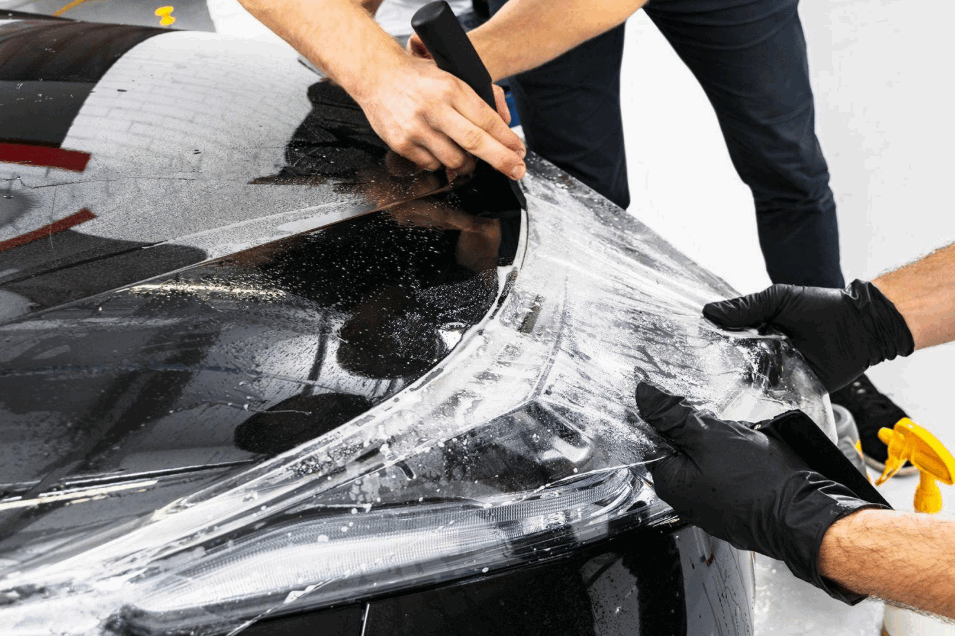
Is Paint Protection Film Worth It?
Paint Protection Film is worth it when the cost of protecting your paint fits your vehicle and driving habits. PPF adds a protective layer over automotive paint. The film takes the impact before the paint does. This makes PPF useful for cars that face road debris and frequent driving.
Five factors affect the value of PPF. They include vehicle value, paint condition, driving environment, ownership period, and installation cost. A new car has clean factory paint that an owner may want to preserve. A car with existing paint damage has less paint value to protect.
Driving conditions also affect the decision. Highway driving exposes the front of a vehicle to stones and road debris. These materials can chip or scratch exposed paint. PPF creates a barrier between these hazards and the paint. The benefit becomes more relevant when the vehicle faces these hazards often.
The ownership period also matters. A longer ownership period gives the film more time to protect the paint. A short ownership period gives the owner less time to gain that benefit. Installation cost must also match the expected level of protection.
PPF does not become worthwhile simply because it protects paint. The owner must compare the protection value with the total cost. This comparison gives a more useful answer than treating PPF as a necessary upgrade for every vehicle.
What Does Paint Protection Film Protect Against?
Paint Protection Film protects automotive paint from several common sources of surface damage. These include rock chips, road debris, minor scratches, surface abrasions, and environmental contaminants. The film creates a physical barrier over the painted surface.
Rock chips create one of the clearest use cases for PPF. Small stones can hit the front bumper, hood, fenders, and mirrors while driving. These impacts can damage the clear coat and paint. PPF places a protective layer between the road debris and the original finish.
PPF also protects against minor scratches and surface abrasions. Some modern films include self healing properties. Heat can help reduce the appearance of certain fine marks on the film. This feature does not repair every type of damage. Deep scratches and strong impacts can still damage the film.
Environmental contaminants can also affect automotive paint. Examples include bird droppings, bug residue, tree sap, and road grime. These substances can remain on the vehicle surface and affect the finish. PPF gives the protected paint another layer of separation from these contaminants.
PPF reduces exposure to common paint hazards, but it does not make paint damage impossible. Its protection depends on the covered area and the severity of the impact. A strong impact can damage the film and the paint underneath it. PPF therefore works best as a protective barrier, not as an unlimited shield.
What Are the Pros of Paint Protection Film?
There are 5 main benefits of Paint Protection Film. The first benefit is protection against rock chips. Stones and road debris can strike exposed paint while a vehicle moves. PPF adds a barrier that takes much of this contact before it reaches the paint.
The second benefit is protection against minor scratches and surface abrasions. These marks can appear during normal vehicle use and cleaning. PPF protects the painted surface from direct contact with some of these hazards. The film can take the damage while the factory paint stays underneath.
The third benefit is preservation of factory paint. Original paint has value for owners who want to maintain the vehicle’s exterior condition. PPF helps reduce direct exposure to common sources of paint damage. This benefit becomes more useful for owners who plan to keep the vehicle for several years.
The fourth benefit is self healing on compatible films. Some PPF products can reduce the appearance of fine surface marks when heat activates the film. This property helps the film maintain a cleaner appearance after minor surface damage. It does not remove deep scratches or major impact damage.
The fifth benefit is reduced visible paint deterioration during ownership. PPF takes damage before exposed paint does. This can help the vehicle maintain a cleaner exterior over time. The value depends on the areas covered and the driving conditions.
What Are the Cons of Paint Protection Film?
There are 5 main disadvantages of Paint Protection Film. The first disadvantage is the upfront installation cost. PPF requires both film and professional labor. Larger coverage areas require more material and more installation work. Full body coverage therefore costs more than protection for selected areas.
The second disadvantage is the importance of installation quality. Poor installation can affect the appearance and performance of PPF. Edges, seams, and covered surfaces require careful application. The film can also develop visible issues when the installation does not meet the required standard.
The third disadvantage is limited protection against severe damage. PPF can protect against many minor hazards, but it cannot prevent every form of paint damage. A strong impact can damage the film and the surface below it. The film should therefore serve as a protective layer, not an unlimited shield.
The fourth disadvantage is film deterioration. PPF remains exposed to sunlight, road conditions, cleaning, and physical contact. These factors can affect its condition over time. The film may eventually show signs of wear or damage.
The fifth disadvantage is eventual removal or replacement. PPF does not provide permanent protection without maintenance or replacement. Owners may need to remove damaged film or install new film after its useful life. The total value of PPF therefore depends on both its protection and its long term ownership cost.
How Much Does Paint Protection Film Cost?
PPF cost depends on the coverage area, vehicle size, film quality, and installation work. A small coverage package requires less film and less labor. A larger package requires more material and more installation time. These differences make it difficult to use one price for every vehicle.
Partial front PPF covers selected areas that face frequent road impact. Common areas include the front bumper, part of the hood, part of the fenders, and mirror caps. This approach focuses protection on high exposure areas. It also limits the amount of film needed for the vehicle.
Full front PPF covers more of the vehicle’s forward facing painted surfaces. The package can include the full hood, full front fenders, front bumper, and mirror caps. This option provides broader protection than a partial front package. It also requires more film and installation work.
Full body PPF covers the painted exterior of the vehicle. The larger coverage area increases both material use and labor requirements. Vehicle size and body design also affect the installation process. Complex body panels can require more careful film application.
Film quality also affects the total cost. PPF products differ in their construction, appearance, and available features. Installation quality adds another important cost factor. A lower price does not always provide the same coverage or installation standard as a higher priced package.
The most useful way to judge PPF cost is to compare the price with the protection you actually need. Owners do not always need full body coverage. A partial or full front package can focus the investment on areas that face greater exposure to road debris. This approach can make PPF more practical when full body protection does not fit the owner’s priorities.
How Long Does Paint Protection Film Last?
Paint Protection Film lasts according to its film quality, installation quality, exposure, driving conditions, and maintenance. PPF faces the same environment as the vehicle. Sunlight, road debris, cleaning, and daily use can affect its condition over time. The film therefore needs proper care to maintain its protective role.
Film quality affects how well PPF handles regular exposure. Different products use different materials and construction methods. Some films also include self healing properties. These features can affect the film’s appearance and performance during ownership.
Installation quality also affects the useful life of PPF. The installer must apply the film correctly to the vehicle surface. Poor application can create visible issues around edges and seams. It can also affect how the film remains attached to the painted surface.
Driving conditions create another source of wear. Frequent highway driving exposes the film to stones and road debris. Regular exposure can create more physical damage than occasional city driving. Climate and sunlight also affect the film because the material remains exposed to outdoor conditions.
PPF warranty and actual film condition are not the same thing. A warranty describes the protection offered by the manufacturer under specific conditions. Actual film condition depends on how the vehicle is used and maintained. Owners should therefore inspect the film rather than rely only on a stated warranty period.
Common signs of film deterioration include lifting edges, cracking, discoloration, and visible physical damage. These signs indicate that the film may no longer provide the same appearance or protection. PPF remains useful when the film stays intact and continues to protect the paint underneath it.
Is Full Body PPF Worth It?
Full body PPF is worth it when an owner wants broad paint protection and accepts the higher installation cost. Full body coverage protects most painted exterior surfaces. This approach gives the vehicle more coverage than a front only package.
The main advantage is coverage. Front areas face direct exposure to road debris, but other panels can also collect scratches and surface damage. Full body PPF extends the protective barrier across these areas. This makes the option useful for owners who place a high value on maintaining the vehicle’s overall exterior condition.
The main disadvantage is cost. Full body installation requires more film and more labor. The vehicle also has more complex surfaces that require careful installation. Owners therefore pay more to protect areas that may face less road impact than the front of the vehicle.
Full body PPF makes more sense for high value vehicles and long term ownership. Owners who plan to keep a vehicle for many years may place greater value on preserving the paint. The same decision can make less sense for a lower value vehicle or a car that will receive limited use.
Front coverage offers another option. It focuses the investment on areas with higher exposure to road debris. Owners can therefore protect the front bumper, hood, fenders, and mirrors without covering the entire vehicle.
The right coverage depends on the owner’s priorities. Full body PPF provides the widest protection. Front coverage provides a more focused approach. The best choice is the coverage that matches the vehicle’s exposure, value, and expected ownership period.
Is PPF Worth It on a New Car?
PPF is often more valuable on a new car because the owner starts with clean factory paint. New paint gives the owner a surface worth preserving from the beginning. PPF can protect that surface before rock chips, scratches, and other damage accumulate.
Highway driving strengthens this use case. Vehicles that travel at higher speeds face more contact with road debris. Stones can strike the front bumper, hood, fenders, and mirrors. PPF can reduce direct exposure in these high impact areas.
The ownership period also affects the decision. A person who plans to keep a new car for several years has more time to benefit from paint protection. The owner can preserve the exterior throughout a longer period of daily use. A short ownership period creates less time to gain that benefit.
Vehicle value also matters. Luxury and performance vehicles often place greater emphasis on exterior condition. Owners may therefore place a higher value on protecting the original finish. The cost of PPF still needs to match the owner’s priorities and budget.
A new car does not automatically need PPF. A vehicle that receives limited use may face fewer paint hazards. An owner who does not prioritize exterior condition may also gain less value from the investment. PPF becomes more compelling when clean factory paint, high road exposure, long ownership, and paint preservation all matter to the owner.
When Is Paint Protection Film Not Worth It?
Paint Protection Film is not worth the cost when the expected protection has little value for the vehicle owner. PPF protects paint, but every owner has different priorities. The decision should match the vehicle, driving habits, ownership period, and available budget.
A low value vehicle may provide one clear example. The owner may not place enough value on preserving the exterior to justify a large PPF investment. The same applies when the vehicle already has extensive paint damage. PPF can protect the surface it covers, but it does not restore damaged paint underneath it.
A short ownership period can also reduce the value of PPF. Owners who plan to sell the vehicle soon have less time to benefit from long term paint protection. The installation cost may therefore represent a larger share of the expected benefit.
Driving conditions also matter. A vehicle that spends most of its time in a garage faces less road exposure than a vehicle used for frequent highway trips. Lower exposure reduces the need for physical paint protection. Owners should consider how often their cars encounter stones, road debris, and other paint hazards.
Budget remains another important factor. PPF should not compete with essential vehicle maintenance. Owners should first cover basic needs such as tires, brakes, servicing, and safe operation. PPF becomes harder to justify when its cost exceeds the owner’s actual need for paint protection.
Is PPF Better Than Ceramic Coating?
PPF and ceramic coating serve different primary purposes, so neither option is universally better. PPF creates a physical barrier over the paint. Ceramic coating focuses more on the surface properties of the paint. The right option depends on the type of protection the owner wants.
PPF provides a stronger solution for physical hazards. Rock chips, road debris, and minor surface impacts can strike exposed paint during driving. The film absorbs the contact before it reaches the painted surface. This makes physical paint protection the main reason to choose PPF.
Ceramic coating serves a different role. It creates a coating over the vehicle surface and can improve surface characteristics such as water behavior and ease of cleaning. It does not replace the physical barrier that PPF provides against road debris.
The cost decision also differs between the two options. PPF requires film material and installation across the selected areas. Ceramic coating uses a different application process and protects the paint in a different way. Owners should therefore compare each product based on its intended function.
Choose PPF when physical paint protection is the main priority. Choose ceramic coating when surface protection and easier maintenance matter more. Some owners may also consider both products because they address different paint care needs. The choice should follow the vehicle’s exposure and the owner’s protection goals.
Does PPF Help Preserve a Car’s Resale Value?
PPF can help preserve a car’s exterior condition, but it does not guarantee a higher resale price. The main value comes from protecting the paint during ownership. A well maintained exterior can support the overall condition of a vehicle when the owner decides to sell it.
Paint damage can affect how a vehicle looks. Rock chips, scratches, and surface wear can become more visible as the vehicle ages. PPF can reduce exposure to these hazards on covered areas. This can help the paint retain a cleaner appearance over time.
The potential resale benefit depends on several factors. Vehicle age, mileage, service history, overall condition, and market demand also affect resale value. PPF only addresses part of this equation. An owner should therefore avoid treating the film as a guaranteed financial return.
The condition of the PPF itself also matters. Damaged, discolored, or poorly maintained film may affect the vehicle’s appearance. Proper maintenance can help the protective layer remain in good condition. Owners should also consider the cost of installation when evaluating the potential resale benefit.
PPF should be viewed as a paint preservation investment, not a guaranteed resale investment. Its primary function is to protect covered paint during ownership. Any resale benefit comes from maintaining the vehicle’s exterior condition rather than from the film itself.
Who Should Get Paint Protection Film?
PPF is most useful for owners who value paint preservation and regularly expose their vehicles to paint damaging conditions. The strongest use cases involve new vehicles, high value vehicles, long term ownership, frequent highway driving, and owners who care about maintaining the original finish.
New car owners can use PPF to protect clean factory paint from the beginning. This approach prevents owners from waiting until chips and scratches appear before protecting the surface. Long term owners can also gain more value because the film protects the paint throughout a longer ownership period.
Luxury and performance car owners may place greater value on exterior condition. These owners may consider paint preservation an important part of vehicle ownership. Frequent highway drivers also face greater exposure to stones and road debris. PPF can protect areas that receive repeated impact from these hazards.
PPF may provide less value for owners who drive rarely or mainly use their vehicles for short trips. It may also provide less value when exterior appearance has low priority. Owners of older vehicles with significant existing paint damage should consider the paint condition before installing new film.
The best PPF candidate is an owner whose vehicle, driving environment, and ownership plans justify the cost of paint protection. The decision should focus on expected use rather than on the assumption that every vehicle needs PPF.
Should You Get Paint Protection Film for Your Car?
You should consider Paint Protection Film when preserving your car’s paint has enough value to justify the installation cost. The decision depends on the vehicle, driving environment, paint condition, ownership period, and coverage you need.
PPF provides greater value when the vehicle has clean paint and faces frequent road exposure. Long term ownership also strengthens the case for protection. A higher value vehicle can make paint preservation more important. In these situations, protecting high exposure areas can provide a practical balance between coverage and cost.
PPF provides less value when the vehicle has extensive existing paint damage, faces little road exposure, or will have a short ownership period. A limited budget can also change the decision. Owners should prioritize essential maintenance before spending money on cosmetic protection.
Coverage also affects the final decision. Full body PPF offers broad protection but requires a larger investment. Front coverage focuses protection on areas that often face road debris. This option can provide a more focused approach when full coverage does not fit the owner’s needs.
PPF is worth it when the expected value of protecting the paint exceeds the cost of the investment. It is not a universal requirement for every vehicle. The strongest case comes from clean paint, high exposure, long ownership, and a clear priority for preserving the vehicle’s exterior condition.