When choosing a compact SUV, fuel efficiency has become one of the most important factors for modern drivers. A vehicle is not only a major investment at the time of purchase but also a long term expense that includes fuel, maintenance, and daily operating costs. This is why many buyers search for accurate information about Honda CR-V Fuel Mileage before deciding whether this popular SUV is the right choice for their lifestyle.
The Honda CR-V has built a strong reputation for combining practicality, reliability, comfort, and impressive fuel economy. However, the official fuel economy numbers provided by manufacturers do not always reflect what drivers experience on real roads. Factors such as traffic conditions, driving habits, weather, vehicle load, and maintenance can significantly affect actual mileage.
Understanding Honda CR-V Fuel Mileage requires more than looking at a single MPG number. Drivers need to know how the gasoline and hybrid versions compare, how much fuel they can save over time, and what influences real world efficiency. This guide explores the CR-V’s MPG performance, hybrid advantages, ownership costs, and practical ways to improve fuel economy.
Whether you are considering a new Honda CR-V or trying to maximize the efficiency of your current vehicle, this complete guide will help you understand what to expect from one of the most fuel efficient SUVs in its class.
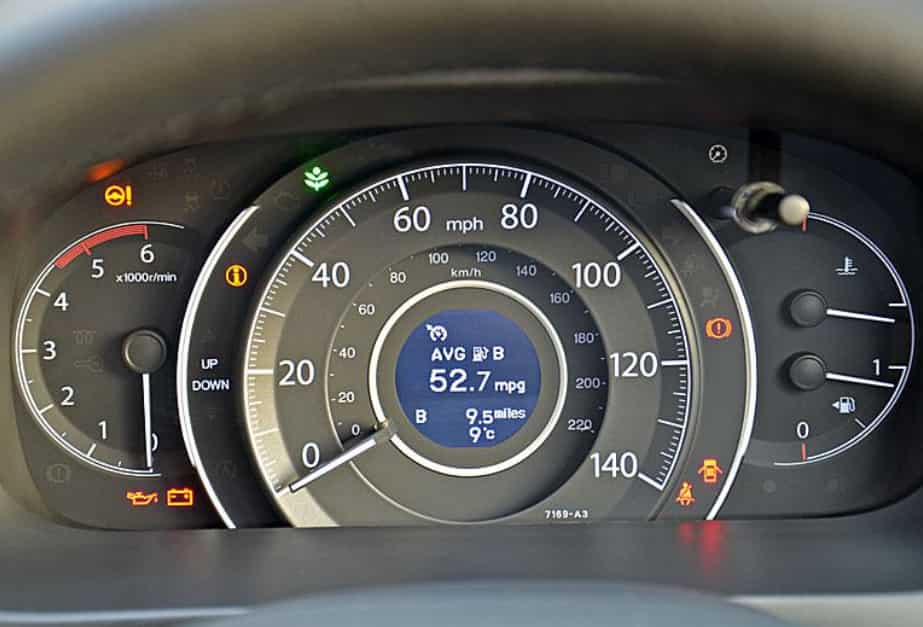
Honda CR-V Fuel Mileage Overview: Understanding MPG Ratings and Real World Efficiency
Understanding Honda CR-V Fuel Mileage starts with knowing how fuel economy ratings work and why real world results can be different from official estimates. MPG, or miles per gallon, is the standard measurement used to show how far a vehicle can travel using one gallon of fuel. A higher MPG number generally means lower fuel consumption and reduced fuel expenses over time.
The Honda CR-V is recognized as one of the most efficient compact SUVs because it delivers a strong balance between performance, practicality, and fuel economy. However, the MPG rating displayed on vehicle specifications is usually based on controlled testing conditions. These results provide a useful reference, but they may not represent the exact mileage drivers achieve during everyday use.
Real world Honda CR-V fuel mileage can change depending on several factors. City driving with frequent stops and acceleration usually consumes more fuel than steady highway driving. Driving speed, road conditions, climate, passenger weight, and cargo capacity can also influence efficiency. Even small habits such as aggressive acceleration or unnecessary idling may reduce overall fuel economy.
For buyers comparing SUVs, understanding the difference between EPA estimated MPG and actual driving performance is essential. The most efficient vehicle is not always the one with the highest official rating, but the one that matches your driving environment and daily needs. By looking beyond basic numbers, drivers can make a smarter decision about whether the Honda CR-V provides the right combination of fuel savings and long term value.
Honda CR-V Hybrid vs Gas Fuel Mileage: Which Model Saves More Fuel?
When comparing Honda CR-V Fuel Mileage, one of the biggest decisions buyers face is choosing between the hybrid and gasoline versions. Both models offer the practicality, comfort, and reliability expected from a compact SUV, but their fuel efficiency characteristics are designed for different types of drivers.
The Honda CR-V Hybrid is generally the better choice for drivers who spend a significant amount of time in urban environments. Its hybrid powertrain uses electric motor assistance and regenerative braking technology to improve efficiency, especially during stop and go traffic. This allows the vehicle to reduce fuel consumption when compared with traditional gasoline powered SUVs. For daily commuters who frequently drive through crowded streets, the fuel savings can become noticeable over years of ownership.
The standard gasoline Honda CR-V remains an attractive option for buyers who prioritize lower upfront costs and simple ownership. Drivers who spend more time on highways or cover fewer miles each year may find that the additional purchase price of a hybrid model takes longer to recover through fuel savings. The gasoline version still provides competitive fuel economy while offering the familiar driving experience many SUV owners prefer.
Choosing between the Honda CR-V Hybrid and Gas model depends on personal driving habits, annual mileage, and budget considerations. A hybrid model may deliver greater long term savings for high mileage drivers, while the gasoline version can provide excellent value for those seeking affordable ownership. Understanding these differences helps buyers select the CR-V model that best matches their lifestyle and fuel efficiency goals.
Real World Honda CR-V Fuel Mileage: What Owners Can Actually Expect
Official fuel economy ratings provide a helpful starting point, but real world Honda CR-V Fuel Mileage often depends on how and where the vehicle is driven. Many owners discover that everyday driving conditions can create noticeable differences compared with laboratory tested MPG figures. Understanding these differences helps drivers set realistic expectations and make better decisions about fuel costs.
In city environments, the Honda CR-V may use more fuel because frequent stops, traffic congestion, and repeated acceleration require more energy from the engine. Short trips can also reduce efficiency because the vehicle spends less time operating at an ideal temperature. Drivers who mainly use their CR-V for urban commuting may notice that their actual MPG varies depending on traffic patterns and driving habits.
On highways, the Honda CR-V can achieve stronger fuel efficiency because consistent speeds and fewer stops allow the powertrain to operate more effectively. However, driving at higher speeds, carrying heavy cargo, or traveling in strong weather conditions can reduce fuel economy. These factors are especially important for families who regularly take long road trips or transport additional passengers.
Driver behavior also plays a major role in achieving better Honda CR-V Fuel Mileage. Smooth acceleration, maintaining steady speeds, and regular vehicle maintenance can help improve efficiency over time. Many owners find that small changes in driving habits can create meaningful fuel savings without sacrificing comfort or convenience.
By considering real world conditions rather than relying only on official ratings, buyers can develop a more accurate understanding of the Honda CR-V’s fuel economy performance and long term ownership benefits.
Honda CR-V Fuel Costs: How Much Money Can You Save Each Year?
Fuel expenses are an important part of vehicle ownership, and understanding Honda CR-V Fuel Mileage can help drivers estimate their long term savings. While the purchase price is often the first consideration when buying an SUV, ongoing fuel costs can have a significant impact on the total cost of ownership over several years.
The amount of money spent on fuel depends on several factors, including annual driving distance, fuel prices, and the vehicle’s actual MPG performance. A driver who travels long distances every year will notice fuel efficiency differences more quickly than someone who only uses their SUV for occasional trips. This is why choosing the right CR-V model based on driving habits is essential.
The Honda CR-V Hybrid can provide greater fuel savings for drivers with high annual mileage because its improved efficiency reduces the amount of gasoline needed over time. Although the hybrid model may require a higher initial investment, the lower fuel consumption can help offset the additional cost during ownership. For drivers with shorter commutes, the standard gasoline version may offer better overall value because of its lower purchase price.
Beyond fuel savings, a more efficient SUV can help reduce the financial pressure caused by rising fuel prices. Lower monthly fuel expenses mean more predictable ownership costs and greater confidence when planning a household budget. When evaluating the Honda CR-V, fuel mileage should not be viewed as just a performance number but as an important factor that influences the vehicle’s overall value.
Understanding these potential savings allows buyers to make a more informed decision and choose the CR-V model that provides the best balance between affordability, efficiency, and everyday practicality.
Why Your Honda CR-V Gets Poor Fuel Mileage and How to Improve It
Many Honda CR-V owners expect strong fuel efficiency but may notice that their actual mileage is lower than expected. While the vehicle is designed to deliver competitive fuel economy, several factors can reduce Honda CR-V Fuel Mileage over time. Understanding these causes can help drivers improve efficiency and reduce unnecessary fuel expenses.
One of the most common reasons for lower MPG is driving behavior. Frequent hard acceleration, sudden braking, and high speed driving can increase fuel consumption because the engine needs to work harder. Maintaining a smoother driving style and keeping a consistent speed can help the CR-V operate more efficiently during daily use.
Vehicle maintenance also plays an important role in fuel economy. Incorrect tire pressure can create additional rolling resistance, forcing the engine to use more fuel. Dirty air filters, overdue oil changes, and neglected maintenance can also affect engine performance and reduce efficiency. Regular inspections help ensure that the vehicle continues to perform at its best.
External conditions can also influence Honda CR-V Fuel Mileage. Cold weather, heavy traffic, steep roads, and carrying excessive cargo may cause higher fuel consumption. While these factors cannot always be avoided, drivers can reduce their impact through better driving habits and proper vehicle care.
Improving fuel economy does not always require major changes. Simple actions such as maintaining correct tire pressure, removing unnecessary weight, planning efficient routes, and avoiding aggressive driving can create noticeable improvements. By following these practices, Honda CR-V owners can maximize fuel savings and enjoy a more cost effective ownership experience.
Honda CR-V Fuel Mileage vs Other Compact SUVs: Is It More Efficient?
When shopping for a fuel efficient SUV, many buyers compare the Honda CR-V with other popular models in the compact SUV segment. Fuel economy is often a deciding factor because a small difference in MPG can create significant savings over years of ownership. Comparing Honda CR-V Fuel Mileage with its competitors helps drivers understand where this SUV stands in terms of efficiency and overall value.
The Honda CR-V competes with several strong alternatives, including the Toyota RAV4, Hyundai Tucson Hybrid, and other modern compact SUVs that offer gasoline and hybrid powertrain options. Each model has its own advantages, but the CR-V remains a popular choice because it balances fuel economy with practicality, interior space, and long term reliability.
Compared with many competitors, the Honda CR-V provides a strong combination of efficient performance and everyday usability. The hybrid version is especially appealing for drivers who spend more time in city traffic and want to reduce fuel consumption. Meanwhile, the gasoline model offers competitive efficiency without requiring the higher initial investment associated with some hybrid vehicles.
Fuel mileage is only one part of the ownership experience. Buyers should also consider maintenance costs, reliability, resale value, comfort, and how well the vehicle matches their driving needs. A slightly better MPG rating does not always mean a better overall choice if the vehicle does not fit the driver’s lifestyle.
For many SUV buyers, the Honda CR-V stands out because it delivers dependable fuel economy while maintaining the versatility expected from a family friendly vehicle. Its combination of efficiency, practicality, and ownership value keeps it among the top choices in the compact SUV market.
How to Improve Honda CR-V Fuel Mileage and Get Better Gas Mileage
Improving Honda CR-V Fuel Mileage does not always require expensive upgrades or major changes. In many cases, small adjustments to driving habits and regular vehicle care can help drivers achieve better fuel economy and reduce their overall gasoline expenses. A more efficient driving approach allows the CR-V to perform closer to its potential while maintaining comfort and reliability.
One of the simplest ways to improve fuel efficiency is maintaining proper tire pressure. Underinflated tires create more resistance on the road, which forces the engine to use additional energy. Checking tire pressure regularly can help improve mileage while also extending tire life and enhancing driving safety.
Driving style has a major impact on fuel consumption. Smooth acceleration, gradual braking, and maintaining a consistent speed can help reduce unnecessary fuel usage. Avoiding aggressive driving behaviors such as rapid acceleration and excessive speeding allows the engine and transmission to operate more efficiently.
Regular maintenance is another important factor in achieving better Honda CR-V Fuel Mileage. Keeping up with scheduled service, replacing air filters when needed, and using the recommended engine oil can support better engine performance. A well maintained vehicle generally operates more efficiently than one that has missed important maintenance intervals.
Reducing unnecessary weight can also contribute to improved fuel economy. Removing unused items from the cargo area and avoiding carrying extra weight can decrease the workload placed on the vehicle. Planning routes efficiently and combining multiple trips into one journey can further reduce fuel consumption.
By following these practical strategies, Honda CR-V owners can improve their gas mileage, lower fuel costs, and enjoy a more efficient driving experience throughout the vehicle’s lifespan.
Final Verdict: Is Honda CR-V Fuel Mileage Good Enough for Your Needs?
Honda CR-V Fuel Mileage is one of the main reasons this SUV remains popular among modern drivers. Fuel costs continue to affect vehicle ownership. Therefore, choosing an efficient SUV can create meaningful savings over time.
The Honda CR-V Hybrid is ideal for drivers who want maximum fuel efficiency. It performs especially well in city driving conditions. The hybrid system helps reduce fuel consumption during frequent stops and low speed travel.
The gasoline version is also a practical choice. It offers reliable performance and a lower purchase price. This option works well for drivers who want good fuel economy without paying extra for hybrid technology.
However, real world mileage depends on many factors. Driving habits, maintenance, weather, and road conditions all influence fuel consumption. A careful driving style and regular servicing can help owners achieve better results.
Overall, the Honda CR-V provides a strong balance of efficiency, comfort, and practicality. It is a smart choice for families, commuters, and anyone looking for a dependable compact SUV.
Before choosing a model, consider your driving distance, budget, and daily needs. The right CR-V version can help you save fuel while delivering a comfortable ownership experience.