A Dodge Charger lifter replacement becomes necessary when worn or collapsed valve lifters prevent the valvetrain from operating correctly. Although many owners first notice a ticking noise from the engine, that sound alone does not confirm lifter failure. Similar symptoms can result from normal HEMI tick, low oil pressure, worn rocker arms, or camshaft damage. Identifying the exact cause is the first step toward preventing unnecessary repairs and avoiding more expensive engine damage.
Valve lifters play a critical role in controlling valve movement by transferring the camshaft’s motion to the rest of the valvetrain. When a lifter wears prematurely or becomes stuck, it can reduce valve lift, create abnormal engine noise, trigger misfires, and accelerate camshaft wear. If the problem is ignored, damaged metal surfaces can spread debris throughout the lubrication system and affect additional engine components.
Certain Dodge Charger models, especially those equipped with the 5.7L and 6.4L HEMI engines, have developed a reputation for experiencing lifter-related issues after high mileage or inconsistent maintenance. However, proper diagnosis is essential because not every ticking engine requires a complete lifter replacement. Repair decisions should always be based on the condition of the lifters, camshaft, oil system, and other valvetrain components.
This guide explains everything you need to know about Dodge Charger lifter replacement, including how valve lifters work, the most common symptoms and causes of failure, the replacement process, expected repair costs, and whether replacing the camshaft at the same time is the best long-term solution.
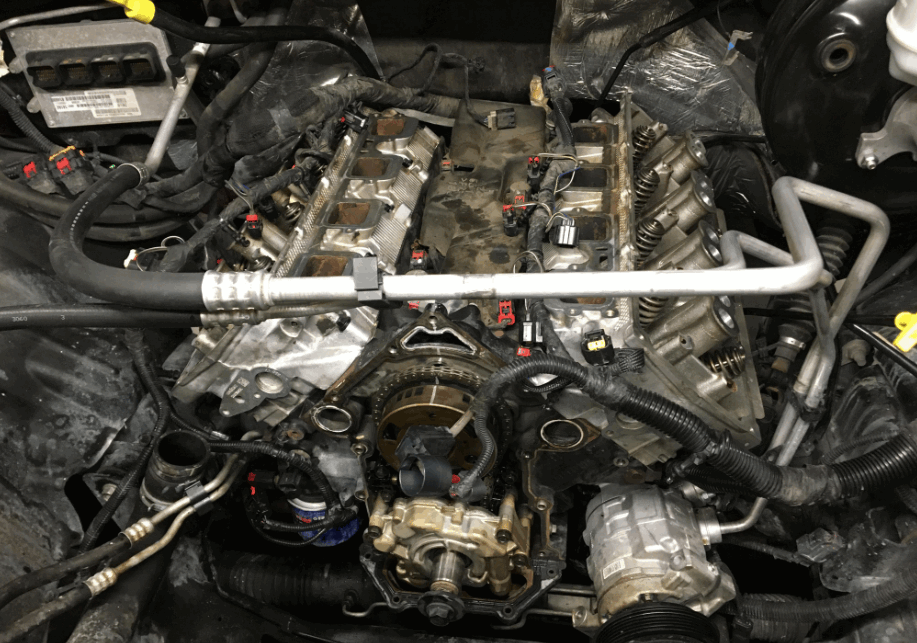
What Is a Valve Lifter and Why Is It Important in a Dodge Charger?
A valve lifter is a key part of the Dodge Charger valvetrain. It transfers the camshaft’s movement to the pushrods, rocker arms, and engine valves. This movement allows the intake and exhaust valves to open and close at the correct time. As a result, the engine produces stable power, smooth acceleration, and efficient fuel combustion.
Most Dodge Charger HEMI engines use hydraulic roller lifters. These lifters automatically adjust valve clearance with engine oil pressure. Because of this design, they reduce friction and keep the valvetrain operating quietly. Some 5.7L HEMI engines also use Multi-Displacement System (MDS) lifters. These special lifters deactivate selected cylinders during light driving to improve fuel economy. The 3.6L Pentastar engine uses a different valvetrain design, so lifter failures are generally less common.
A healthy valve lifter protects more than the valves themselves. It also prevents excessive wear on the camshaft lobes and other moving parts. When the lifter maintains proper contact with the camshaft, engine components move smoothly and remain correctly synchronized. This reduces mechanical stress and extends the service life of the entire valvetrain.
Problems begin when a lifter sticks, collapses, or wears excessively. The damaged lifter can no longer follow the camshaft profile accurately. Valve lift decreases, engine timing becomes inconsistent, and abnormal ticking noises often appear. Over time, the worn lifter may grind against the camshaft lobe and create permanent damage. In many cases, both the lifters and the camshaft must be replaced to restore reliable engine performance.
Understanding how a valve lifter works makes it easier to recognize early warning signs. It also helps owners decide when a Dodge Charger lifter replacement is necessary before minor wear develops into a major engine repair.
What Are the Symptoms of a Bad Lifter?
A bad valve lifter usually produces clear warning signs before it fails completely. The most common symptom is a ticking or tapping noise from the top of the engine. The sound often becomes louder during a cold start because oil pressure has not fully built up. If the noise continues after the engine reaches operating temperature, the lifter should be inspected as soon as possible.
Engine performance may also begin to decline. A worn or collapsed lifter cannot keep the valve opening and closing correctly. This affects airflow inside the combustion chamber and reduces engine efficiency. Drivers may notice rough idling, slower acceleration, or hesitation when pressing the throttle. In more severe cases, the engine may misfire because one or more cylinders cannot complete the combustion cycle properly.
Electronic warning signs often appear as the damage progresses. The Check Engine Light may illuminate after the engine control module detects irregular combustion or valve timing issues. A diagnostic scan can reveal misfire-related trouble codes, but these codes alone cannot confirm a failed lifter. A complete inspection of the valvetrain is still necessary to identify the root cause.
Some symptoms become more serious when the damaged lifter begins wearing the camshaft. Small metal particles can circulate through the engine oil and accelerate wear on other internal components. At this stage, drivers may hear louder knocking noises, experience a noticeable loss of power, or feel increased engine vibration. Continuing to drive under these conditions raises the risk of extensive engine damage and significantly higher repair costs.
Not every ticking noise indicates a failed valve lifter. Many Dodge Charger HEMI engines produce the well-known HEMI tick, which is often considered normal. However, persistent noise combined with rough performance, misfires, or visible metal debris usually indicates a mechanical problem rather than normal engine operation. An accurate diagnosis helps determine whether a Dodge Charger lifter replacement is required or whether another valvetrain component is responsible for the symptoms.
Why Do Dodge Charger Lifters Fail?
Valve lifters fail because they operate under constant pressure and depend on clean engine oil for proper lubrication. Every time the engine runs, the lifters move thousands of times per minute. This continuous motion creates friction between the lifter rollers and the camshaft lobes. Without sufficient lubrication, these metal surfaces wear much faster than intended.
Poor oil maintenance is one of the leading causes of lifter failure. Old or contaminated oil loses its ability to protect moving components. Dirt, sludge, and metal particles can also block the small oil passages inside hydraulic lifters. As oil flow decreases, the lifter cannot maintain the correct internal pressure. It may collapse, stick, or produce the ticking noise that many Dodge Charger owners recognize.
The Multi-Displacement System (MDS) used in many 5.7L HEMI engines can also contribute to lifter wear. MDS lifters contain additional internal mechanisms that allow selected cylinders to deactivate during light driving. While this system improves fuel economy, it also increases mechanical complexity. Over time, repeated activation and deactivation can accelerate wear if lubrication becomes inadequate or maintenance is neglected.
Camshaft damage is another common reason for lifter failure. A worn camshaft lobe no longer provides a smooth contact surface for the lifter roller. Instead, both components begin wearing each other at an accelerated rate. Replacing only the lifter in this situation rarely solves the problem. The new lifter can quickly fail because it continues operating against a damaged camshaft.
High mileage also increases the likelihood of lifter problems. Normal wear gradually affects every moving part inside the valvetrain. However, aggressive driving habits, frequent cold starts, and extended oil change intervals can shorten component life even further. Using the manufacturer-recommended oil viscosity and replacing the oil on schedule remain the most effective ways to reduce premature lifter wear.
Understanding why lifters fail helps owners prevent expensive engine repairs. Early maintenance often costs far less than replacing damaged lifters, a worn camshaft, and other affected valvetrain components together.
How Do Mechanics Diagnose a Bad Lifter?
Diagnosing a bad lifter requires more than listening to engine noise. Many valve train problems produce similar symptoms, including worn rocker arms, exhaust leaks, and the well-known HEMI tick. For this reason, professional technicians follow a structured inspection process before recommending a Dodge Charger lifter replacement. An accurate diagnosis prevents unnecessary repairs and helps identify every damaged component.
The inspection usually begins with a cold engine. Mechanics listen for ticking, tapping, or knocking sounds from the cylinder heads. They also observe whether the noise changes as the engine warms up. A ticking sound that disappears after oil pressure stabilizes may indicate a minor lubrication issue. However, a persistent or louder noise often points to excessive lifter or camshaft wear.
Next, technicians connect a diagnostic scan tool to check for trouble codes. Engine misfire codes, valve timing faults, or cylinder deactivation errors can support the diagnosis. Even so, electronic data alone cannot confirm a failed lifter. These codes simply indicate that the engine is not operating as expected. A mechanical inspection is still necessary to determine the exact cause.
Oil condition is another important part of the diagnosis. Dirty oil, sludge, or metallic particles suggest internal engine wear. Mechanics may also measure engine oil pressure because hydraulic lifters rely on stable oil pressure to function correctly. Low oil pressure can cause lifter noise even when the lifters themselves remain in good condition.
If the initial inspection indicates internal valve train damage, technicians remove the valve covers to inspect the rocker arms, pushrods, and valve springs. In more severe cases, additional engine components must be removed to examine the camshaft and lifters directly. Flat camshaft lobes, seized roller bearings, or collapsed hydraulic lifters provide clear evidence that replacement is necessary.
A complete diagnosis focuses on the entire valve train rather than a single component. This approach ensures that worn lifters, damaged camshafts, and related parts are repaired at the same time. As a result, the engine operates reliably after the repair and the risk of repeat failures is significantly reduced.
How Is a Dodge Charger Lifter Replacement Performed?
A Dodge Charger lifter replacement requires extensive engine disassembly and careful attention to detail. The exact procedure varies by engine model, but technicians follow the same basic steps on most HEMI engines. Because the lifters sit beneath the cylinder heads, technicians must remove several major components before they can reach them.
Technicians begin the repair by disconnecting the battery and draining the engine fluids when necessary. Next, they remove the air intake assembly, intake manifold, ignition coils, valve covers, and other surrounding parts. These steps create enough space to access the valvetrain safely. During disassembly, technicians inspect every component for wear. They also replace damaged gaskets, seals, and fasteners whenever needed.
After exposing the valvetrain, technicians remove the rocker arms and pushrods with care. They keep every reusable part in its original position to prevent uneven wear after reassembly. Next, they remove the cylinder heads and access the hydraulic lifters inside the engine block. They inspect each lifter for collapsed internals, seized rollers, surface scoring, and excessive wear.
Technicians also inspect the camshaft before installing new lifters. A worn camshaft lobe can destroy new lifters within a short time. For that reason, many repair shops recommend replacing both components together whenever they find visible wear. Although this approach increases the repair cost, it greatly improves long-term reliability and reduces the chance of another major engine repair.
Finally, technicians reassemble the engine according to the manufacturer’s torque specifications. They add fresh engine oil and install a new oil filter before starting the engine. After startup, they verify proper oil pressure, listen for abnormal noises, and scan the engine for diagnostic codes. They then complete a road test to confirm smooth operation. This final inspection ensures the Dodge Charger lifter replacement restores proper valve operation and reliable engine performance.
How Much Does Dodge Charger Lifter Replacement Cost?
The cost of a Dodge Charger lifter replacement depends on the engine type, the extent of the damage, and local labor rates. Replacing a single failed lifter is uncommon because technicians usually inspect the entire valvetrain once they open the engine. If they discover additional wear, they often recommend replacing multiple lifters, the camshaft, gaskets, and other related components during the same repair.
Labor makes up a large portion of the total repair bill. Technicians must remove several major engine components before they can reach the lifters. This process often requires between 12 and 20 labor hours, depending on the engine configuration and the repair shop. Vehicles equipped with the 5.7L or 6.4L HEMI engine typically require more labor than simpler engine designs because the valvetrain is more complex.
Parts also have a significant impact on the final cost. A complete set of hydraulic lifters costs more than replacing a single unit, but it provides better long-term reliability. If technicians find camshaft damage, they usually recommend replacing the camshaft at the same time. New gaskets, head bolts, engine oil, coolant, and an oil filter also increase the total repair cost. Although these additional parts raise the initial expense, they help prevent repeat repairs and improve engine durability.
Most Dodge Charger owners spend between $2,000 and $4,500 for a complete lifter replacement, including labor and parts. Minor repairs may cost less when technicians find no camshaft damage. Extensive engine wear, however, can push the total cost beyond this range because the repair requires more replacement parts and additional labor.
Owners should not choose a repair shop based on price alone. An experienced technician who understands HEMI engines can identify hidden damage before it causes another failure. A thorough inspection and a complete repair often save money over the long term by preventing repeated engine disassembly and additional component damage.
Should You Replace the Camshaft at the Same Time?
In many cases, replacing the camshaft during a Dodge Charger lifter replacement is the best long-term solution. Valve lifters and camshaft lobes work together every time the engine runs. When one component wears excessively, it often damages the other. Installing new lifters on a worn camshaft can lead to another failure within a short period.
Technicians inspect the camshaft carefully after they remove the lifters. They look for scoring, pitting, flattened lobes, and uneven wear patterns. These defects prevent the lifters from rolling smoothly across the camshaft surface. As a result, friction increases, valve lift decreases, and the new lifters begin wearing almost immediately. Replacing only the lifters rarely solves the problem when visible camshaft damage already exists.
Many HEMI engines develop lifter and camshaft wear at the same time because both components share the same contact surfaces. A seized roller bearing or collapsed hydraulic lifter can grind directly against the camshaft lobe. This metal-to-metal contact removes hardened material from both parts and creates metal debris that circulates through the engine oil. The debris can accelerate wear in other engine components if technicians do not remove it during the repair.
Replacing the camshaft increases the overall repair cost, but it also improves reliability and reduces the risk of repeat repairs. Since technicians already disassemble much of the engine to reach the lifters, installing a new camshaft requires relatively little additional labor compared with performing the same repair later. Many repair shops therefore recommend replacing both components during the same service whenever they find measurable camshaft wear.
The final decision depends on the condition of the engine rather than mileage alone. A camshaft with smooth lobes and no measurable wear may remain in service. However, any visible damage, excessive wear, or abnormal contact marks usually justify replacing both the camshaft and the lifters together. This approach protects the new components and helps restore long-term engine performance.
Can You Drive with a Bad Lifter?
You can drive with a bad valve lifter for a short time, but doing so is not recommended. A damaged lifter does more than create an annoying ticking noise. It changes how the valvetrain operates and places extra stress on nearby engine components. The longer the problem continues, the greater the risk of expensive internal engine damage.
A worn or collapsed lifter cannot follow the camshaft correctly. This reduces valve lift and disrupts normal valve timing. As engine performance declines, drivers may notice rough idling, sluggish acceleration, or intermittent misfires. Fuel economy can also decrease because the engine cannot burn the air-fuel mixture as efficiently as intended.
Driving with a failed lifter also increases the risk of camshaft damage. A seized roller or collapsed hydraulic mechanism creates excessive friction against the camshaft lobe. Over time, this constant metal-to-metal contact removes hardened material from both components. The resulting metal particles circulate through the lubrication system and accelerate wear on other internal engine parts.
The severity of the symptoms determines how urgently the vehicle needs repairs. A light ticking noise without performance problems may allow enough time to schedule a professional inspection. However, loud knocking sounds, persistent misfires, warning lights, or noticeable power loss require immediate attention. Continuing to drive under these conditions can turn a relatively straightforward repair into a complete engine overhaul.
The safest approach is to diagnose the problem as soon as the first symptoms appear. Early repairs often limit the damage to the lifters or camshaft. Delaying the repair allows the failure to spread throughout the valvetrain and lubrication system. Acting quickly helps reduce repair costs, improves engine reliability, and extends the service life of the Dodge Charger.
How Can You Prevent Future Lifter Failure?
Preventing valve lifter failure starts with consistent engine maintenance. Hydraulic lifters rely on clean engine oil to reduce friction and maintain proper internal pressure. When oil loses its protective properties, the lifters receive less lubrication and wear more quickly. Following the manufacturer’s recommended oil change interval remains the most effective way to extend the life of the entire valvetrain.
Using the correct engine oil is equally important. Dodge engineers select a specific oil viscosity to provide proper lubrication under different operating temperatures. Oil that is too thick or too thin may reduce lubrication efficiency during cold starts or high-temperature operation. Choosing a high-quality oil and a premium oil filter helps maintain stable oil pressure and keeps contaminants away from sensitive engine components.
Drivers should also pay attention to unusual engine noises. A brief inspection after hearing a new ticking sound can prevent a minor issue from becoming a major repair. Ignoring the noise allows worn lifters, damaged roller bearings, or failing camshaft lobes to continue wearing against each other. Early diagnosis often limits the damage and reduces the overall repair cost.
Driving habits also influence lifter durability. Frequent short trips prevent the engine from reaching normal operating temperature and increase moisture buildup inside the oil. Aggressive acceleration before the engine warms up places additional stress on the valvetrain when lubrication has not fully stabilized. Allowing the engine to warm up naturally and avoiding excessive high-RPM operation during cold starts can reduce unnecessary wear.
Routine inspections provide another layer of protection. Technicians can identify abnormal valve train noise, low oil pressure, or early camshaft wear before these issues become severe. Addressing small problems early helps owners avoid costly engine repairs and improves long-term reliability. Combined with regular oil service and proper driving habits, preventive maintenance offers the best strategy for avoiding another Dodge Charger lifter replacement.
Conclusion
A Dodge Charger lifter replacement restores proper valve operation and protects the engine from more serious mechanical damage. Although many owners first notice a ticking noise, that symptom alone does not confirm a failed lifter. A professional inspection should always determine whether the problem involves the lifters, camshaft, oil pressure, or another valvetrain component. An accurate diagnosis prevents unnecessary repairs and ensures technicians address the real cause of the failure.
Replacing worn lifters at the right time helps preserve engine performance, improve reliability, and reduce the risk of costly secondary damage. In many HEMI engines, technicians also recommend replacing the camshaft if they find visible wear because both components work together under constant load. Completing the repair correctly during the first service often costs less than repairing additional engine damage later.
Regular oil changes, high-quality lubricants, and early attention to unusual engine noises remain the most effective ways to prevent future lifter problems. With proper maintenance and prompt repairs, Dodge Charger owners can extend engine life, maintain smooth performance, and avoid unexpected repair expenses.
Frequently Asked Questions
How long does a Dodge Charger lifter replacement take?
Most repair shops complete the job within one to three days. The exact time depends on the engine model, parts availability, and whether technicians also replace the camshaft or other valvetrain components.
Can I replace only one lifter?
Technically, yes. However, most technicians recommend replacing the entire set if the engine has high mileage or shows widespread wear. This approach improves reliability and reduces the chance of another repair soon after the first one.
Does every Dodge Charger have lifter problems?
No. Lifter failure occurs more frequently in some 5.7L and 6.4L HEMI engines, but it is not inevitable. Regular maintenance, proper oil changes, and early diagnosis significantly reduce the risk of premature lifter wear.
Will a bad lifter trigger the Check Engine Light?
It can. A failed lifter may cause valve timing issues or engine misfires that trigger the Check Engine Light. However, technicians should confirm the cause through a complete mechanical inspection instead of relying only on diagnostic trouble codes.
Is a lifter replacement worth the cost?
Yes, if technicians diagnose the problem early. Replacing worn lifters before they damage the camshaft or other internal engine components usually costs much less than rebuilding or replacing the entire engine.