Choosing the correct Honda Accord oil type is essential for engine health. It helps reduce wear, improve fuel economy, and support long term reliability. Many owners overlook this simple maintenance task. However, using the wrong oil can lead to poor lubrication and unnecessary engine stress.
Every Honda Accord does not use the same engine oil. The recommended viscosity depends on the model year, engine size, and powertrain. A modern hybrid or turbocharged engine may require a different oil specification than an older naturally aspirated engine. For this reason, checking the correct recommendation is always important before buying engine oil.
Many drivers become confused because oil recommendations change over time. Some Honda Accord models use full synthetic oil from the factory. Older generations may allow different viscosity grades under certain driving conditions. Oil capacity also varies between engines. Even two vehicles from the same model year can require different amounts of oil if they use different engines.
This guide answers every common question about the Honda Accord oil type. You will learn which oil viscosity fits each model year and engine. You will also find oil capacity, recommended oil specifications, service intervals, and oil filter information. In addition, the guide explains the differences between synthetic and conventional oil. It also covers common maintenance mistakes that every owner should avoid.
By the end of this article, you will know exactly which oil your Honda Accord needs. You will also understand why choosing the correct oil protects engine components and improves overall performance. Whether you drive an older Accord or the latest hybrid model, this guide will help you make the right decision with confidence.
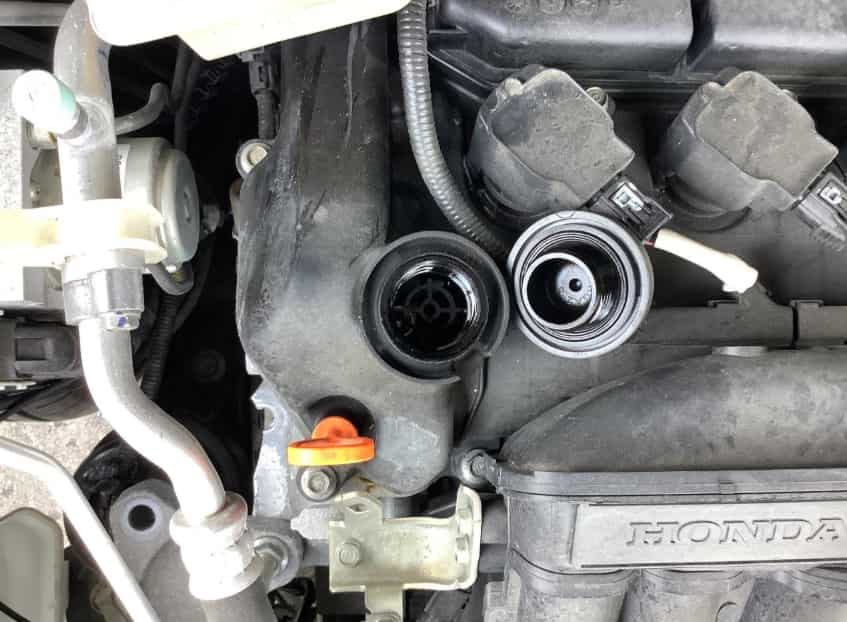
What Oil Does a Honda Accord Take?
Most Honda Accord models built in recent years use SAE 0W20 full synthetic engine oil. This oil provides excellent lubrication during cold starts and protects the engine at high operating temperatures. It also supports better fuel economy and helps reduce internal engine wear. Honda recommends this viscosity because modern engines are designed with tighter tolerances and advanced fuel saving technologies.
However, not every Honda Accord uses the same engine oil. The correct Honda Accord oil type depends on the model year, engine size, and powertrain. For example, a 1.5 liter turbocharged engine, a 2.0 liter turbocharged engine, and a hybrid model may have different oil capacities even though they share the same recommended viscosity. Older Accord models may also specify SAE 5W20 or SAE 5W30 instead of 0W20. Always confirm the recommendation before purchasing engine oil.
Using high quality full synthetic oil offers several important benefits. It provides stronger protection against heat, oxidation, and sludge formation. It also flows more quickly during cold weather, which reduces engine wear after startup. In addition, synthetic oil maintains stable performance for a longer period under normal driving conditions.
Before changing the engine oil, verify your Honda Accord model year, engine, and oil specification. The owner’s manual remains the best source of information. You can also check the oil filler cap for the recommended viscosity. Finally, remember that oil capacity may vary depending on whether the oil filter is replaced. After refilling, always check the dipstick and adjust the oil level if necessary. This simple step helps ensure reliable engine performance and long term durability.
Honda Accord Oil Type by Model Year
The recommended Honda Accord oil type has changed over the years as engine technology has evolved. Earlier generations were designed for different oil viscosities and service intervals than today’s models. Newer Accord engines use advanced fuel injection systems, tighter internal tolerances, and improved emission controls. These changes require engine oil that provides better protection while maintaining excellent fuel efficiency.
Choosing the correct oil based on the model year is important because each engine was engineered with specific lubrication requirements. Using the recommended viscosity helps reduce friction, improve cold start performance, and maintain proper oil pressure. It also supports components such as turbochargers, variable valve timing systems, and hybrid powertrains that depend on clean, high quality oil.
Oil capacity is another factor that changes between generations. A four cylinder engine does not always require the same amount of oil as a V6 or hybrid model. Adding too much or too little oil can reduce engine performance and increase wear over time. For this reason, checking both the recommended viscosity and the correct oil capacity is essential before every oil change.
The following sections break down the Honda Accord oil type by model year and engine. Each section includes the recommended oil viscosity, approximate oil capacity, and useful maintenance information. This approach makes it easy to find the specifications for your vehicle without searching through multiple sources. Whether you own the latest Honda Accord or an older generation, you can quickly identify the correct engine oil and maintain your vehicle with confidence.
2023 to 2026 Honda Accord Oil Type
Honda recommends SAE 0W20 full synthetic engine oil for all 2023 to 2026 Honda Accord models. This recommendation applies to both the 1.5 liter turbocharged engine and the hybrid powertrain. The low viscosity improves fuel economy while providing excellent protection during cold starts and high temperature operation.
The 1.5 liter turbo engine typically requires about 3.7 to 4.0 quarts of oil when the filter is replaced. Hybrid models generally require around 4.0 quarts, although the exact amount may vary slightly. Always verify the final oil level with the dipstick after refilling.
These newer engines benefit from high quality synthetic oil because it resists oxidation and maintains stable performance under demanding conditions. Drivers who frequently travel in heavy traffic or make short trips should also follow the Maintenance Minder instead of relying only on mileage. Regular oil changes help protect the turbocharger, reduce deposits, and maintain long term engine reliability.
2018 to 2022 Honda Accord Oil Type
The 2018 to 2022 Honda Accord introduced a new generation with two turbocharged gasoline engines and an efficient hybrid powertrain. Honda recommends SAE 0W20 full synthetic engine oil for every engine offered during these model years. This viscosity improves fuel economy, supports fast oil circulation during cold starts, and provides reliable protection under normal and severe driving conditions.
The 1.5 liter turbocharged engine typically holds about 3.7 quarts of oil with a new filter. The 2.0 liter turbocharged engine requires approximately 5.0 quarts because of its larger displacement. Hybrid models also use SAE 0W20 full synthetic oil, although the total oil capacity differs slightly depending on the exact powertrain configuration. Always confirm the final oil level with the dipstick after every oil change.
Using high quality synthetic oil is especially important for turbocharged engines. Turbochargers operate at very high temperatures and rely on clean oil for lubrication and cooling. Fresh engine oil helps prevent sludge buildup, reduces wear on internal components, and supports consistent engine performance over time.
Honda also equips these vehicles with the Maintenance Minder system. Instead of following a fixed mileage schedule, the system monitors driving habits and engine operating conditions to estimate the remaining oil life. Drivers who make frequent short trips, drive in stop and go traffic, or experience extreme temperatures may receive service reminders sooner than expected. Following the Maintenance Minder and using the correct Honda Accord oil type will help maintain performance, improve reliability, and reduce long term maintenance costs.
2013 to 2017 Honda Accord Oil Type
Honda offered several engine options between 2013 and 2017, including a 2.4 liter four cylinder engine, a 3.5 liter V6 engine, and hybrid models. Most vehicles from this generation use SAE 0W20 full synthetic engine oil. This oil delivers excellent engine protection while supporting lower fuel consumption and cleaner engine operation.
The 2.4 liter engine generally requires about 4.4 quarts of oil when the filter is replaced. The 3.5 liter V6 typically holds around 4.5 quarts. Hybrid models use a similar viscosity but may have a different oil capacity. Checking the owner’s manual or the oil filler cap remains the best way to verify the correct specification for your vehicle.
Many Honda Accord models from this generation now have higher mileage. As engines age, regular oil changes become even more important. Clean engine oil helps reduce internal wear, limits deposit formation, and supports smooth operation of the variable valve timing system. Owners who notice minor oil consumption should inspect the engine for leaks before switching to a high mileage oil.
Following the recommended oil specification and changing the oil at the proper interval can extend engine life and improve reliability. Whether the vehicle is used for daily commuting or long highway trips, consistent maintenance remains one of the best ways to protect the engine for many more years.
2008 to 2012 Honda Accord Oil Type
The 2008 to 2012 Honda Accord was available with a 2.4 liter four cylinder engine and a 3.5 liter V6 engine. Honda recommends SAE 5W20 engine oil for most models in this generation. Many owners choose full synthetic oil because it provides better protection against heat, oxidation, and sludge. Although conventional oil may still meet the original recommendation, full synthetic oil offers improved performance and longer lasting protection.
The 2.4 liter engine typically requires about 4.4 quarts of oil when the filter is replaced. The 3.5 liter V6 usually holds about 4.5 quarts. After every oil change, check the dipstick to confirm the correct oil level. Small differences in oil capacity may occur depending on the amount of old oil remaining in the engine.
Many vehicles from this generation have accumulated significant mileage. Regular oil changes become more important as the engine ages. Fresh oil helps reduce wear, supports smoother engine operation, and protects internal components from harmful deposits. Owners should also inspect the engine for oil leaks around the valve cover gasket, oil pan, and drain plug during routine maintenance.
2003 to 2007 Honda Accord Oil Type
Honda equipped the 2003 to 2007 Accord with a 2.4 liter four cylinder engine or a 3.0 liter V6 engine. Most models use SAE 5W20 engine oil. Full synthetic oil is an excellent upgrade because it flows more easily during cold starts and maintains stable performance at higher temperatures. It also helps keep the engine cleaner by reducing sludge and varnish buildup.
The four cylinder engine normally requires about 4.4 quarts of oil with a new filter. The V6 engine typically requires around 4.5 quarts. These values are approximate, so always verify the final oil level after refilling. Avoid overfilling the crankcase because excess oil can reduce engine efficiency and increase internal pressure.
Owners of older Accord models should pay close attention to maintenance history. Replacing the oil and filter on schedule helps protect engine bearings, timing components, and valve train parts. Consistent maintenance can also improve fuel economy and extend the service life of the engine.
1998 to 2002 Honda Accord Oil Type
The 1998 to 2002 Honda Accord was offered with several four cylinder and V6 engines. Depending on the engine and production year, Honda commonly recommended SAE 5W30 or SAE 5W20 engine oil. The correct viscosity should always match the owner’s manual because recommendations may differ between markets.
Most engines in this generation require between 4 and 5 quarts of oil during a standard oil change. The exact amount depends on the engine configuration and whether the oil filter is replaced. Always add oil gradually and confirm the final level with the dipstick before driving.
Many vehicles from this period are now considered high mileage. Regular inspections are just as important as routine oil changes. Check for worn seals, oil leaks, and excessive oil consumption. High quality synthetic oil may improve engine cleanliness and cold start performance, but it cannot repair mechanical wear that has already occurred.
1990 to 1997 Honda Accord Oil Type
Honda designed the 1990 to 1997 Accord with durable four cylinder engines that were originally developed around SAE 5W30 engine oil. This viscosity provides reliable lubrication across a wide range of operating temperatures and remains a suitable choice for most vehicles that are maintained according to factory recommendations.
Although these vehicles were introduced before full synthetic oil became common, many well maintained engines can safely use modern synthetic oil that meets current industry standards. Synthetic oil provides better resistance to oxidation, improves cold weather performance, and helps keep internal engine components cleaner over time.
Older engines often develop minor oil leaks or increased oil consumption as seals and gaskets age. Owners should monitor the oil level regularly and inspect the engine for signs of leakage. Maintaining the correct oil level is especially important because older engines have less tolerance for low oil conditions. Regular oil changes and routine inspections remain the best way to preserve engine reliability and extend the life of these classic Honda Accord models.
Honda Accord Oil Type and Capacity Chart
Choosing the correct Honda Accord oil type is only part of proper engine maintenance. You also need to know the correct oil capacity for your specific engine. Adding too little oil can reduce lubrication and increase engine wear. Adding too much oil can create excessive pressure inside the crankcase and affect engine performance. For this reason, always check both the recommended viscosity and the required oil capacity before starting an oil change.
The Honda Accord has been available with several engine options over the years. These include naturally aspirated four cylinder engines, V6 engines, turbocharged engines, and hybrid powertrains. Each engine has its own oil capacity, even when two engines use the same oil viscosity. This is why relying only on the model year may not provide the correct information.
The chart below brings together the most common Honda Accord oil specifications in one place. It lists the recommended oil type, the approximate oil capacity with a new oil filter, and the capacity without replacing the filter. Use this table as a quick reference when preparing for routine maintenance or purchasing engine oil.
Keep in mind that the listed capacities are approximate service fill amounts. A small quantity of used oil usually remains inside the engine after draining. Because of this, it is best to add most of the recommended amount first, start the engine briefly, then allow the oil to settle for several minutes. Finally, check the dipstick and add more oil only if needed. This method helps prevent overfilling and ensures the engine operates with the correct oil level.
Honda Accord Oil Type by Engine
The engine installed in your Honda Accord plays the biggest role in determining the correct engine oil. While many Accord models share the same recommended viscosity, their oil capacity, operating temperature, and maintenance needs are not always identical. Turbocharged engines generate more heat than naturally aspirated engines, while hybrid models experience frequent engine start and stop cycles. These differences make it important to choose an oil that matches the engine’s design rather than relying only on the model year.
Using the correct Honda Accord oil type helps maintain proper lubrication under every driving condition. It also improves fuel efficiency, reduces engine wear, and keeps internal components clean. Modern full synthetic oils are formulated to resist oxidation, control sludge, and provide stable performance over long service intervals. As a result, they are the preferred choice for most recent Honda Accord models.
Oil capacity is another factor that should never be ignored. Every engine requires a specific amount of oil to maintain the proper pressure and lubrication. Filling below the recommended level can increase friction and accelerate wear. Overfilling can create excessive crankcase pressure and reduce engine efficiency. After every oil change, check the dipstick to verify the final oil level before driving.
The following sections explain the recommended Honda Accord oil type for each major engine. You will also learn the typical oil capacity, important maintenance tips, and the best practices for keeping every engine running smoothly for years to come.
1.5L Turbo Honda Accord Oil Type
The 1.5 liter turbocharged engine is one of the most popular powerplants used in the modern Honda Accord. Honda recommends SAE 0W20 full synthetic engine oil for this engine because it provides fast lubrication during cold starts while maintaining excellent protection at high operating temperatures. The low viscosity also helps improve fuel economy without sacrificing durability.
Most 1.5 liter turbo models require approximately 3.7 quarts of oil when the oil filter is replaced. The exact amount may vary slightly by model year, so always verify the final level with the dipstick. Never rely only on the listed capacity because a small amount of used oil often remains inside the engine after draining.
Turbocharged engines place greater demands on engine oil than naturally aspirated engines. The turbocharger spins at extremely high speeds and depends on clean oil for lubrication and cooling. High quality full synthetic oil helps prevent sludge, reduces deposits, and protects internal components from excessive heat. Following the Maintenance Minder and replacing the oil on time will help maximize turbocharger life and maintain consistent engine performance.
2.0L Turbo Honda Accord Oil Type
The 2.0 liter turbocharged engine delivers more power and torque than the 1.5 liter engine. It is designed for drivers who want stronger acceleration without sacrificing everyday comfort. Because this engine operates under higher loads and temperatures, it requires high quality engine oil that can maintain stable performance throughout the entire service interval. Honda recommends SAE 0W20 full synthetic engine oil for all 2.0 liter turbocharged Accord models.
Most Honda Accord models equipped with the 2.0 liter turbo engine require approximately 5.0 quarts of oil when the oil filter is replaced. The exact amount can vary slightly by production year and engine configuration. For the most accurate result, refill the engine with slightly less than the listed capacity, run the engine for a few minutes, then check the dipstick. Add small amounts of oil until the level reaches the full mark.
Full synthetic oil is the best choice for this engine because it performs well under extreme heat and heavy loads. It flows quickly during cold starts and continues to protect the engine after it reaches normal operating temperature. Premium synthetic oil also helps reduce sludge, minimize deposits, and improve turbocharger durability. These benefits become even more important for drivers who spend a lot of time in traffic or frequently travel at highway speeds.
Following the Maintenance Minder and replacing both the oil and filter at the recommended interval will help preserve engine performance. Regular maintenance also supports better fuel efficiency, smoother operation, and a longer service life for the turbocharger and other critical engine components.
2.0L Hybrid Honda Accord Oil Type
The Honda Accord Hybrid combines a gasoline engine with an electric motor to improve fuel efficiency and reduce emissions. Although the gasoline engine does not run continuously, it still depends on clean engine oil for proper lubrication and cooling. Honda recommends SAE 0W20 full synthetic engine oil for all Accord Hybrid models because it provides excellent protection during frequent engine starts and stops.
Most hybrid models require approximately 4.0 quarts of oil when the filter is replaced. The exact capacity may differ slightly depending on the model year and hybrid system. Always verify the final oil level with the dipstick after completing an oil change. This simple step helps prevent underfilling or overfilling.
Some owners believe that hybrid vehicles require fewer oil changes because the gasoline engine operates less often. While the engine may accumulate wear more slowly, the oil still ages over time. Moisture, fuel dilution, and contaminants gradually reduce oil quality. Regular oil changes remain essential for maintaining engine reliability and long term performance.
Using high quality synthetic oil helps protect the engine during repeated start and stop cycles. It also improves lubrication during cold starts and keeps internal components cleaner between oil changes. Following Honda’s Maintenance Minder remains the most reliable way to determine when service is required.
2.4L Four Cylinder Honda Accord Oil Type
The 2.4 liter four cylinder engine is one of the most reliable engines Honda has produced. It has powered several generations of the Accord and is known for its smooth operation, strong fuel economy, and long service life. Most later versions recommend SAE 0W20 full synthetic engine oil, while some earlier models specify SAE 5W20. Always follow the recommendation listed in the owner’s manual for your specific model year.
Most 2.4 liter engines require approximately 4.4 quarts of oil with a new oil filter. After refilling the engine, allow the oil to settle for several minutes before checking the dipstick. If necessary, add oil in small amounts until the level reaches the full mark.
Routine maintenance is especially important as these engines accumulate higher mileage. Fresh engine oil reduces friction, protects moving parts, and helps maintain proper operation of the variable valve timing system. It also removes contaminants that can build up during daily driving.
Owners should check the oil level regularly between service intervals, especially on vehicles with higher mileage. Monitoring the oil level and replacing the oil on time are simple habits that can help the 2.4 liter engine remain dependable for hundreds of thousands of miles.
3.0L and 3.5L V6 Honda Accord Oil Type
Honda V6 engines are known for their smooth power delivery, quiet operation, and long term durability. The 3.0 liter V6 was used in earlier Accord generations, while the 3.5 liter V6 became available in later models. Although these engines deliver more horsepower than the four cylinder options, they also require consistent maintenance to perform at their best. Honda generally recommends SAE 5W20 for older V6 models and SAE 0W20 full synthetic engine oil for newer generations. Always verify the correct viscosity for your specific model year before purchasing engine oil.
The 3.0 liter and 3.5 liter V6 engines typically require about 4.5 quarts of oil when the oil filter is replaced. The exact amount may vary slightly depending on the production year and engine configuration. After adding fresh oil, start the engine for a short period and inspect for leaks around the drain plug and oil filter. Allow the oil to settle before checking the dipstick. Add small amounts if the level is below the full mark.
Many Honda V6 engines are capable of reaching very high mileage when they receive regular maintenance. Clean engine oil helps reduce friction, control engine temperature, and protect critical internal components. It also supports the proper operation of valve train components and variable valve timing systems. Owners who follow the recommended maintenance schedule often experience fewer engine problems and lower repair costs over the life of the vehicle.
Vehicles with higher mileage should be inspected regularly for oil leaks and oil consumption. Valve cover gaskets, oil pan gaskets, and aging seals may begin to wear over time. Addressing these issues early helps maintain the correct oil level and prevents unnecessary engine damage. Routine oil changes with the correct Honda Accord oil type remain one of the most effective ways to preserve V6 engine performance and reliability.
What Oil Viscosity Is Best for a Honda Accord?
Oil viscosity describes how easily engine oil flows at different temperatures. Choosing the correct viscosity is one of the most important decisions during an oil change because it directly affects lubrication, fuel economy, and engine protection. Honda engineers select a specific viscosity for each engine after extensive testing under different operating conditions. Following that recommendation helps ensure consistent performance throughout the life of the engine.
Most modern Honda Accord models use SAE 0W20 because it flows quickly during cold starts while maintaining strong protection after the engine reaches normal operating temperature. Earlier generations may recommend SAE 5W20 or SAE 5W30, depending on the model year and engine design. Although these oils appear similar, they are formulated to perform differently under specific conditions.
Using oil that is thicker or thinner than recommended may affect engine performance. Oil that is too thick can circulate more slowly during cold weather and reduce fuel efficiency. Oil that is too thin may not provide the level of protection required for engines that were designed for a higher viscosity. For this reason, selecting the correct Honda Accord oil type is more important than choosing a premium brand alone.
The following sections explain how different viscosity grades compare and when each one is appropriate. Understanding these differences will help you select the right oil for your climate, driving habits, and Honda Accord engine.
0W20 vs 5W20 for a Honda Accord
Many Honda Accord owners wonder whether they can use SAE 0W20 instead of SAE 5W20 or the other way around. Both oils provide similar protection after the engine reaches normal operating temperature because they share the same viscosity rating at operating heat. The main difference appears during a cold start. SAE 0W20 flows more quickly at lower temperatures, allowing engine components to receive lubrication sooner. This reduces startup wear and helps improve fuel efficiency.
Honda recommends SAE 0W20 for most modern Accord models because it supports advanced engine technology and meets current fuel economy standards. Older models that originally specified SAE 5W20 can often operate with SAE 0W20 if the owner’s manual permits it. However, owners should always confirm the recommendation before making a change. Following the factory specification remains the safest approach for long term reliability.
For drivers who experience freezing winters, SAE 0W20 provides a clear advantage because it circulates more easily during cold starts. In moderate or warm climates, both oils perform well once the engine reaches operating temperature. Regardless of the viscosity, selecting a high quality engine oil that meets the latest API and ILSAC standards is just as important as choosing the correct grade.
0W20 vs 5W30 for a Honda Accord
SAE 0W20 and SAE 5W30 are designed for different operating conditions. Although both provide reliable lubrication, SAE 5W30 remains thicker after the engine reaches normal temperature. This additional thickness may provide stronger oil film strength in some engines, but it can also increase internal resistance and slightly reduce fuel economy.
Most modern Honda Accord engines are engineered specifically for SAE 0W20. Using a thicker oil without a valid reason may reduce the efficiency of variable valve timing systems and affect overall engine performance. It may also increase fuel consumption because the engine must work harder to circulate the oil.
Some owners consider switching to SAE 5W30 when an older engine begins consuming oil. While a thicker oil may reduce oil consumption in certain cases, it does not solve the underlying mechanical problem. Worn piston rings, valve seals, or leaking gaskets should be inspected instead of relying on a viscosity change as a permanent solution. Unless Honda specifically recommends another grade, SAE 0W20 remains the preferred choice for most recent Honda Accord models.
Does Climate Affect the Recommended Oil Type?
Climate plays an important role in engine oil performance, but it should not replace the manufacturer’s recommendation. Modern engine oils are designed to perform across a wide range of temperatures. Honda selects the appropriate viscosity after extensive testing in different environments, including cold winters and hot summers.
Drivers who live in colder regions benefit from oils that circulate quickly during startup. This is one reason why SAE 0W20 has become the preferred choice for many Honda Accord models. Fast oil flow reduces metal to metal contact and protects critical engine components before the engine reaches operating temperature.
In hot climates, some drivers assume a thicker oil always provides better protection. In reality, modern full synthetic SAE 0W20 is formulated to remain stable even under high operating temperatures. It delivers the protection required by engines designed for this viscosity while maintaining excellent fuel efficiency.
Severe driving conditions can also influence oil life. Frequent short trips, heavy traffic, extended idling, and dusty roads cause engine oil to degrade more quickly. Under these conditions, checking the oil level regularly and following the Maintenance Minder are more important than changing to a different viscosity. Using the correct Honda Accord oil type and replacing it at the proper interval remain the best ways to protect your engine in any climate.
Synthetic vs Conventional Oil for a Honda Accord
Choosing between synthetic and conventional oil is an important part of maintaining your Honda Accord. Both types of engine oil provide lubrication, reduce friction, and help control engine temperature. However, they do not deliver the same level of protection or long term performance. The best choice depends on your Honda Accord model, engine design, driving conditions, and the manufacturer’s recommendations.
Most modern Honda Accord models are factory filled with full synthetic engine oil. Honda recommends synthetic oil because it flows quickly during cold starts, remains stable at high temperatures, and resists oxidation more effectively than conventional oil. These qualities help protect internal engine components while improving fuel efficiency and reducing harmful deposits. Turbocharged and hybrid engines benefit even more because they operate under demanding conditions that require consistent lubrication.
Conventional oil remains suitable for some older Honda Accord models that were originally designed for it. It can provide reliable protection when changed at the recommended interval and used under normal driving conditions. However, conventional oil degrades more quickly when exposed to heat, heavy traffic, or frequent short trips. As a result, it often requires more frequent oil changes to maintain the same level of engine protection.
Many drivers also consider synthetic blend oil because it offers a balance between cost and performance. While it performs better than conventional oil, it still cannot match the durability and stability of full synthetic oil. For most Honda Accord owners, using a high quality full synthetic oil that meets Honda’s recommended specifications is the best long term investment. It helps extend engine life, improves overall performance, and provides dependable protection in almost every driving environment.
Full Synthetic Oil
Full synthetic oil is the preferred choice for most Honda Accord models because it provides the highest level of engine protection. It is specially formulated to maintain stable performance under both low and high temperatures. This allows the oil to circulate quickly during cold starts while continuing to protect moving engine parts after the engine reaches normal operating temperature.
Another advantage of full synthetic oil is its resistance to oxidation and sludge formation. Over time, engine oil is exposed to heat, moisture, and combustion byproducts that reduce its effectiveness. Full synthetic oil withstands these conditions better than other oil types, helping keep the engine cleaner and reducing harmful deposits. This is especially important for turbocharged Honda Accord engines that operate under higher temperatures.
Although full synthetic oil usually costs more than conventional oil, it offers greater long term value. Better lubrication reduces engine wear, improves fuel efficiency, and supports longer service intervals when recommended by Honda. For drivers who want the best combination of performance, reliability, and engine protection, full synthetic oil remains the recommended option.
Synthetic Blend Oil
Synthetic blend oil combines conventional base oil with synthetic additives to improve overall performance. It provides better heat resistance, improved cold flow, and stronger wear protection than conventional oil. At the same time, it is usually less expensive than full synthetic oil, making it an attractive option for budget conscious drivers.
This type of oil performs well under normal driving conditions and can be suitable for some older Honda Accord models. However, it does not provide the same level of oxidation resistance or long term stability as full synthetic oil. Drivers who regularly experience heavy traffic, high temperatures, or frequent short trips may benefit more from using a fully synthetic product.
Before choosing synthetic blend oil, verify that it meets Honda’s recommended viscosity and current API and ILSAC specifications. Selecting an oil with the correct certification is more important than choosing a specific brand.
Conventional Oil
Conventional oil was the standard choice for many older Honda Accord models before synthetic oil became widely available. It still provides adequate lubrication when used in engines that were designed for it and when replaced at the recommended service interval.
The main disadvantage of conventional oil is that it breaks down more quickly under demanding driving conditions. High engine temperatures, extended idling, and repeated short trips accelerate oil degradation. As the oil ages, it loses viscosity and becomes less effective at protecting engine components.
Owners who use conventional oil should monitor oil condition carefully and follow shorter oil change intervals when necessary. While it remains a practical option for some older vehicles, most modern Honda Accord models benefit from the improved protection offered by synthetic oil.
Is Full Synthetic Oil Worth It?
For most Honda Accord owners, full synthetic oil is worth the additional cost. It provides better protection during every stage of engine operation and performs consistently in a wide range of temperatures. The improved resistance to heat and oxidation helps maintain cleaner engine components and reduces the risk of sludge buildup over time.
Synthetic oil can also contribute to lower maintenance costs in the long run. Better lubrication reduces wear on critical engine parts and supports reliable performance throughout the service interval. Drivers who own turbocharged, hybrid, or high mileage Honda Accord models often notice the greatest benefits because these engines place greater demands on engine oil.
While conventional and synthetic blend oils remain suitable for certain applications, full synthetic oil delivers the best balance of durability, efficiency, and long term engine protection. Choosing the correct viscosity and following Honda’s maintenance schedule will help maximize the benefits of any high quality synthetic engine oil.
Honda Accord Oil Specifications and Certifications
Choosing the correct Honda Accord oil type involves more than selecting the right viscosity. Every engine oil is manufactured to meet specific performance standards that determine how well it protects the engine under different driving conditions. These standards evaluate wear protection, oxidation resistance, sludge control, fuel economy, and compatibility with modern emission systems. Understanding these certifications helps Honda Accord owners compare different products and choose an oil that delivers reliable long term performance.
Honda recommends using engine oil that meets the latest industry specifications whenever possible. Most modern Honda Accord models are designed to use oils certified by the American Petroleum Institute and the International Lubricants Standardization and Approval Committee. These certifications confirm that the oil has passed strict testing for engine cleanliness, thermal stability, deposit control, and lubrication performance. Oils carrying both certifications are suitable for a wide range of operating temperatures and provide dependable protection during everyday driving as well as more demanding conditions.
Many drivers believe that the brand name is the most important factor when buying engine oil. In reality, the oil specification and certification have a much greater impact on engine protection. Honda Genuine Motor Oil is developed to meet the manufacturer’s requirements, but many high quality aftermarket products also satisfy the same standards. As long as the oil uses the recommended viscosity and carries the appropriate certifications, it can provide excellent lubrication and long lasting engine protection. Before purchasing engine oil, always verify the viscosity, certification, and vehicle application. Following these recommendations helps reduce engine wear, maintain fuel efficiency, and ensure your Honda Accord continues to perform reliably throughout its service life.
How Much Oil Does a Honda Accord Need?
Knowing the correct Honda Accord oil type is only part of a successful oil change. You also need to add the correct amount of engine oil. Every Honda Accord engine has a specific oil capacity that is carefully engineered to provide proper lubrication, stable oil pressure, and efficient cooling. Filling below the recommended level can increase friction and accelerate engine wear. Adding too much oil can create excessive crankcase pressure, reduce engine efficiency, and in severe cases damage internal engine components.
The amount of oil your Honda Accord requires depends on the model year, engine size, and whether the oil filter is replaced during service. Most four cylinder engines require between 3.7 and 4.4 quarts of oil, while many V6 and larger turbocharged engines need approximately 4.5 to 5.0 quarts. These values are considered service fill capacities because a small amount of used oil normally remains inside the engine after draining. For this reason, adding the exact published capacity immediately is not always the best approach.
A safer method is to pour in slightly less than the recommended amount, install the oil filler cap, and start the engine for a few minutes. This allows the new oil to circulate through the lubrication system and fill the new oil filter. After turning off the engine, wait several minutes for the oil to settle into the oil pan. Then check the dipstick and add small amounts of oil until the level reaches the full mark. This simple process helps prevent overfilling and ensures your Honda Accord operates with the correct oil level for maximum performance and long term reliability.
Honda Accord Oil Change Interval
Changing the engine oil at the right time is just as important as choosing the correct Honda Accord oil type. Fresh engine oil lubricates moving parts, removes heat, and carries away contaminants that build up during normal operation. As the oil ages, it gradually loses its ability to protect the engine. Dirt, moisture, fuel residue, and high operating temperatures all contribute to oil degradation. Delaying an oil change for too long can increase engine wear, reduce fuel efficiency, and shorten the lifespan of critical components.
Most modern Honda Accord models are equipped with the Honda Maintenance Minder system. Instead of relying on a fixed mileage schedule, this intelligent system monitors driving conditions, engine load, temperature, and operating time to estimate the remaining oil life. Drivers who frequently travel on highways may be able to drive longer between oil changes. In contrast, vehicles used for short trips, stop and go traffic, extended idling, or extreme weather may require service much sooner.
Older Honda Accord models that do not include the Maintenance Minder should follow the service interval listed in the owner’s manual. Many owners also choose to replace the oil earlier when the vehicle is driven under severe conditions or has accumulated high mileage. Regular oil changes help maintain proper lubrication, reduce harmful deposits, and keep the engine operating efficiently.
Regardless of the model year, checking the oil level between service intervals is a good habit. Low oil levels can develop because of normal consumption or small leaks. Combining the correct Honda Accord oil type with timely oil changes and routine inspections is one of the most effective ways to improve engine reliability, maintain fuel economy, and extend the life of your Honda Accord.
Best Oil for a Honda Accord
Choosing the best oil for a Honda Accord involves more than selecting a well known brand. The ideal engine oil should match the recommended viscosity, meet the latest industry certifications, and provide reliable protection under your normal driving conditions. Honda designs each engine with specific lubrication requirements, so using an oil that meets those requirements is far more important than choosing the most expensive product on the shelf. A high quality oil helps reduce engine wear, improve fuel economy, and maintain consistent performance throughout the recommended service interval.
For most modern Honda Accord models, SAE 0W20 full synthetic engine oil remains the best overall choice. It provides excellent protection during cold starts, maintains stable viscosity at high operating temperatures, and resists oxidation better than conventional oil. These characteristics help keep the engine clean while reducing sludge and harmful deposits. Full synthetic oil is especially beneficial for turbocharged and hybrid models because these engines operate under demanding conditions and rely on consistent lubrication.
Owners of older Honda Accord models should always follow the viscosity specified in the owner’s manual. Many earlier vehicles recommend SAE 5W20 or SAE 5W30, depending on the engine and model year. Even when an older engine can safely use synthetic oil, the viscosity should remain consistent with Honda’s recommendation unless a qualified technician advises otherwise. Using the wrong viscosity may affect lubrication, oil pressure, and overall engine performance.
When comparing engine oils, focus on products that carry the latest API and ILSAC certifications. These standards confirm that the oil has passed testing for wear protection, engine cleanliness, fuel efficiency, and oxidation resistance. By selecting a certified oil with the correct viscosity and replacing it at the recommended interval, you can maximize engine reliability and help your Honda Accord perform efficiently for many years.
What Is the Best Oil for a Turbocharged Honda Accord?
Turbocharged Honda Accord engines operate under higher temperatures and greater pressure than naturally aspirated engines. Because of these demanding conditions, they require engine oil that provides excellent thermal stability and long lasting protection. For most turbocharged Accord models, SAE 0W20 full synthetic engine oil is the recommended choice. This viscosity flows quickly during cold starts, maintains a strong lubricating film at operating temperature, and helps protect the turbocharger from excessive heat.
High quality full synthetic oil also resists oxidation and sludge formation better than conventional oil. These properties help keep oil passages clean and ensure the turbocharger receives consistent lubrication. Drivers who frequently encounter heavy traffic, short trips, or long highway drives should pay close attention to the Maintenance Minder and avoid extending oil change intervals. Regular oil changes with the correct Honda Accord oil type remain the most effective way to protect a turbocharged engine and maintain reliable performance.
What Is the Best Oil for a High Mileage Honda Accord?
A high mileage Honda Accord can continue to perform well with proper maintenance and the correct engine oil. Most vehicles with higher mileage should continue using the viscosity recommended by Honda unless a qualified technician suggests otherwise. If the engine has developed minor oil consumption or small seal leaks, a high mileage full synthetic oil may provide additional benefits through specialized additives that help condition aging seals.
High mileage oil is not a repair solution for worn engine components, but it can improve lubrication and reduce minor seepage in some engines. Owners should also inspect the engine regularly for leaks and monitor the oil level between service intervals. Maintaining the correct oil level is especially important as engines accumulate more miles. Consistent maintenance and timely oil changes often have a greater impact on engine life than switching to a different oil formulation.
What Is the Best Oil for Cold Weather?
Cold weather places additional demands on engine oil because lubrication must reach critical components immediately after startup. SAE 0W20 full synthetic oil performs exceptionally well in low temperatures because it flows quickly and reduces metal to metal contact during the first few seconds of engine operation. Faster oil circulation also reduces stress on the battery and starter by allowing the engine to turn more freely.
Drivers who live in regions with harsh winters should always use the viscosity recommended by Honda. Choosing a certified full synthetic oil helps improve cold start performance while maintaining excellent protection after the engine reaches operating temperature. Checking the oil level regularly during winter is also important because changing temperatures can make existing leaks more noticeable.
What Is the Best Oil for Hot Weather?
Many drivers believe a thicker oil automatically provides better protection during hot weather. However, modern Honda Accord engines are designed to operate with the viscosity specified by the manufacturer, even in high temperatures. High quality SAE 0W20 full synthetic oil remains stable under heat and continues to protect engine components without sacrificing fuel efficiency.
Hot weather, frequent traffic, mountain driving, and extended idling can all accelerate oil degradation. Under these conditions, replacing the oil on time becomes more important than changing to a thicker viscosity. Selecting a full synthetic oil that meets current API and ILSAC standards helps maintain engine cleanliness, resist oxidation, and provide dependable protection throughout the service interval. Following Honda’s recommended oil specification remains the safest and most effective approach for long term engine reliability.
Honda Accord Oil Filter Guide
Replacing the oil filter at every oil change is one of the easiest ways to protect your Honda Accord engine. While engine oil removes heat and lubricates moving parts, the oil filter captures dirt, metal particles, and other contaminants that circulate through the lubrication system. Over time, these contaminants accumulate inside the filter and reduce its efficiency. Installing a new filter with every oil change helps ensure that clean oil continues to flow throughout the engine.
Not every Honda Accord uses the same oil filter. The correct filter depends on the model year, engine size, and engine design. Using the proper filter helps maintain the correct oil pressure and ensures that the engine receives a steady supply of clean oil. A high quality oil filter also contains an anti drain back valve that prevents oil from draining out of the filter after the engine is turned off. This feature improves lubrication during cold starts by allowing oil to reach critical engine components more quickly.
Many drivers choose between Honda Genuine oil filters and reputable aftermarket alternatives. Both options can provide excellent performance when they meet the correct specifications for the vehicle. The most important factors include filtration efficiency, filter capacity, build quality, and compatibility with your Honda Accord engine. Choosing a low quality filter simply because it costs less may reduce engine protection over time.
Replacing the oil filter every time the engine oil is changed is considered a best practice for all Honda Accord models. A clean filter helps extend engine life, supports stable oil pressure, and improves the overall effectiveness of fresh engine oil. When combined with the correct Honda Accord oil type and regular maintenance, a quality oil filter plays an important role in keeping the engine clean, efficient, and reliable for many years.
How to Check Honda Accord Engine Oil
Checking the engine oil is one of the easiest ways to keep your Honda Accord running smoothly. It only takes a few minutes, but it can help prevent costly engine repairs. Even if you follow the recommended oil change schedule, the oil level may gradually decrease because of normal engine operation. Regular inspections allow you to detect low oil levels, leaks, or contamination before they affect engine performance. This simple habit also gives you confidence that your engine always has the protection it needs.
For the most accurate results, check the oil when the vehicle is parked on a level surface. Turn off the engine and wait at least five minutes so the oil can return to the oil pan. This provides a more accurate reading on the dipstick. Open the hood and locate the engine oil dipstick. Pull it out completely, wipe it clean with a lint free cloth, and insert it back into the tube. Remove it again and examine both the oil level and the condition of the oil.
The oil should be between the minimum and maximum marks on the dipstick. If the level is low, add the recommended Honda Accord oil type in small amounts. Wait a moment after each addition before checking the level again. This method helps prevent overfilling, which can reduce engine performance and damage internal components. Also inspect the oil for unusual color, metal particles, or a milky appearance, as these may indicate contamination or mechanical problems.
Checking the oil once a month and before long trips is a smart maintenance habit. Combined with the correct Honda Accord oil type, a quality oil filter, and timely oil changes, regular oil inspections help maximize engine reliability, improve efficiency, and extend the life of your Honda Accord.
How to Check Honda Accord Engine Oil
Checking the engine oil is one of the simplest maintenance tasks for any Honda Accord owner. It requires only a few minutes, yet it plays an important role in protecting the engine from premature wear. Engine oil lubricates moving parts, reduces friction, carries away heat, and helps keep internal components clean. As the engine operates, a small amount of oil may be consumed under normal conditions. Regular inspections allow you to monitor the oil level, identify potential leaks, and ensure the lubrication system continues to operate efficiently.
For the most accurate reading, park your Honda Accord on a level surface and turn off the engine. Wait at least five minutes before checking the dipstick so the oil can drain back into the oil pan. This produces a more reliable measurement than checking immediately after driving. Open the hood and locate the engine oil dipstick. Remove it completely, wipe it clean with a lint free cloth, then insert it fully before pulling it out again. Examine both the oil level and the condition of the oil.
The oil should fall between the minimum and maximum marks on the dipstick. If the level is below the recommended range, add the correct Honda Accord oil type a little at a time. Recheck the dipstick after each addition to avoid overfilling the engine. While checking the level, inspect the oil for unusual discoloration, metal particles, or a milky appearance. These signs may indicate contamination, coolant leaks, or internal engine problems that require professional inspection.
Making oil inspections part of your monthly maintenance routine is a simple way to improve engine reliability. Regular checks also help maintain proper oil pressure, support fuel efficiency, and extend engine life. When combined with the correct Honda Accord oil type, a quality oil filter, and timely oil changes, this habit helps your Honda Accord deliver dependable performance for many years.
Frequently Asked Questions
Many Honda Accord owners have similar questions about engine oil, oil capacity, viscosity, and maintenance schedules. The answers below address the most common concerns and provide practical guidance based on Honda’s recommendations. Following the correct maintenance practices can improve engine performance, reduce wear, and help your vehicle remain reliable for many years. If your owner’s manual provides different specifications for your exact model or engine, always follow the manufacturer’s recommendations.
Can I Use 5W30 Instead of 0W20 in a Honda Accord?
Most modern Honda Accord models are designed to use SAE 0W20 engine oil. Using 5W30 may reduce fuel economy and affect oil flow during cold starts. Although 5W30 may be acceptable in certain situations or older models, it should only be used if it matches the specifications listed in the owner’s manual.
Does a Honda Accord Require Full Synthetic Oil?
Most recent Honda Accord models are designed to use full synthetic engine oil. Full synthetic oil provides better protection against heat, oxidation, and sludge than conventional oil. It also helps improve fuel efficiency and supports longer oil change intervals when recommended by Honda.
Can I Switch From Conventional Oil to Synthetic Oil?
Yes. Switching from conventional oil to full synthetic oil is generally safe for a Honda Accord if you use the correct viscosity and an oil that meets the required API and ILSAC specifications. Synthetic oil provides better performance under both hot and cold operating conditions.
How Many Quarts of Oil Does a Honda Accord Take?
Oil capacity varies by model year and engine. Most four cylinder Honda Accord engines require approximately 3.7 to 4.4 quarts, while many V6 and turbocharged engines require about 4.5 to 5.0 quarts when replacing the oil and filter. Always verify the exact capacity for your specific engine.
How Often Should I Check the Engine Oil?
Checking the oil level once a month is a good maintenance practice. You should also inspect the oil before long trips or whenever you notice an oil warning light, unusual engine noise, or signs of a possible leak.
What Happens If I Overfill the Engine Oil?
Adding too much engine oil can create excessive crankcase pressure, cause the oil to foam, and reduce lubrication efficiency. Severe overfilling may damage seals, gaskets, or other engine components. If you accidentally overfill the engine, remove the excess oil before driving.
Can I Mix Different Engine Oil Brands?
Mixing different brands is generally safe if the oils have the same viscosity grade and meet the same industry specifications. However, using one high quality oil consistently is the best approach for maintaining stable engine performance and lubrication.
What Oil Filter Should I Use for a Honda Accord?
Always choose an oil filter designed for your Honda Accord model year and engine. Honda Genuine oil filters and high quality aftermarket filters that meet OEM specifications can both provide excellent filtration and reliable engine protection.
Why Does My Honda Accord Consume Engine Oil?
A small amount of oil consumption is normal, especially as the engine accumulates mileage. Frequent high speed driving, heavy loads, or extended engine operation may also increase oil consumption. If the oil level drops rapidly between oil changes, inspect the engine for leaks or consult a qualified technician.
What Is the Most Important Rule When Choosing Engine Oil?
The most important rule is to use the viscosity and specifications recommended by Honda for your specific model and engine. Choosing the correct Honda Accord oil type and changing it at the proper interval provides the best protection for long term engine performance and reliability.
Conclusion
Choosing the correct Honda Accord oil type is one of the most important steps in protecting your engine and maintaining reliable performance. Whether you drive a new turbocharged model, a fuel efficient hybrid, or an older Accord with higher mileage, using the recommended oil viscosity and the proper oil capacity helps reduce engine wear, improve fuel economy, and extend the life of critical components. Following Honda’s maintenance recommendations also helps ensure the engine continues to operate smoothly under a wide range of driving conditions.
Throughout this guide, you have learned how to identify the correct oil type by model year and engine, understand oil viscosity ratings, determine the proper oil capacity, and choose the right oil filter. You have also seen why full synthetic oil is recommended for most modern Honda Accord models, how often the oil should be changed, and how to check the oil level correctly. These simple maintenance practices can prevent expensive repairs and help your vehicle deliver dependable performance for many years.
If you are unsure which engine oil your vehicle requires, always verify the specifications in your owner’s manual or consult a trusted Honda service professional. Using the correct Honda Accord oil type is a small investment that provides long term benefits for engine durability, efficiency, and overall reliability.
We hope this guide has answered your questions and made routine maintenance easier. If you have additional tips, personal experience, or questions about choosing the best oil for a Honda Accord, feel free to leave a comment below. Sharing your experience may help other Honda Accord owners make informed maintenance decisions and keep their vehicles running at their best.