Ford PCM programming updates the software inside a Ford Powertrain Control Module (PCM). The PCM manages important vehicle systems, including fuel injection, ignition timing, emissions control, and communication between control modules. Correct programming helps the vehicle use the right software settings for its specific configuration.
Ford vehicles need PCM programming in several situations. Technicians usually program a PCM after replacing the module, installing a software update, fixing calibration problems, or configuring the module for a different vehicle setup. The procedure requires accurate vehicle data, compatible diagnostic software, and stable electrical power.
This guide explains the Ford PCM programming process, the tools needed for programming, the factors that affect cost, and the requirements for successful results. It also explains common programming problems and helps vehicle owners understand when they need a PCM update instead of a complete module replacement.
What Is Ford PCM Programming and Why Is It Required?
Ford PCM programming updates the software and configuration data inside the Powertrain Control Module to match a specific vehicle. The PCM acts as the main computer for the engine and transmission systems. It processes information from sensors and controls functions such as fuel delivery, ignition timing, air and fuel mixture, emissions systems, and transmission operation.
A Ford PCM does not operate only through hardware. The module depends on software calibration files that contain instructions for different vehicle specifications. These files control how the PCM communicates with other systems, including the Engine Control Module functions, Transmission Control Module operations, anti theft systems, and other electronic components connected through the vehicle network.
Ford requires PCM programming because each vehicle configuration has unique software requirements. A PCM from one vehicle may not work correctly in another vehicle without the correct calibration and configuration data. For example, a Ford F 150 with a specific engine and transmission combination needs different PCM settings compared with a Ford Mustang or Ford Explorer.
The main reasons for Ford PCM programming include PCM replacement, factory software updates, calibration corrections, and module configuration changes. When technicians install a new PCM, they must load the correct software and vehicle information into the module. Without proper programming, the vehicle may experience problems such as poor engine performance, transmission shifting issues, warning lights, or a no start condition.
Ford PCM programming allows the vehicle computer to communicate correctly with all related systems. This process ensures that the PCM uses accurate software settings for the vehicle’s engine, transmission, and electronic components.
When Does a Ford Vehicle Need PCM Programming?
A Ford vehicle needs PCM programming when the Powertrain Control Module software does not match the vehicle’s current hardware or operating requirements. The PCM stores calibration data that controls how the engine and transmission systems work together. When this information becomes incorrect, outdated, or incomplete, technicians need to update the module software.
The most common situation that requires Ford PCM programming happens after PCM replacement. A replacement PCM usually does not contain the correct vehicle specific information before installation. Technicians must load the correct calibration files, vehicle identification data, and configuration settings before the module can communicate properly with the vehicle.
Ford PCM programming also becomes necessary after certain software updates. Ford releases updated calibration files to correct known issues, improve system communication, and adjust vehicle performance. These updates can address problems related to drivability, emissions control, fuel management, or transmission operation.
Some diagnostic repairs also require PCM programming. A vehicle may show symptoms such as rough engine operation, incorrect shifting, warning lights, or communication errors when the PCM contains outdated or incorrect software. In these cases, technicians first diagnose the system and determine whether a software update can solve the issue.
PCM programming also helps when installing a compatible used module. However, the replacement module must match the vehicle specifications, including engine type, transmission system, and electronic configuration. A used PCM with incorrect data can create compatibility problems and prevent normal vehicle operation.
Ford PCM programming is not required for every repair. Technicians perform programming only when the vehicle requires new software, configuration changes, or module synchronization. Proper diagnosis prevents unnecessary programming and helps maintain reliable vehicle performance.
How Does Ford PCM Programming Work?
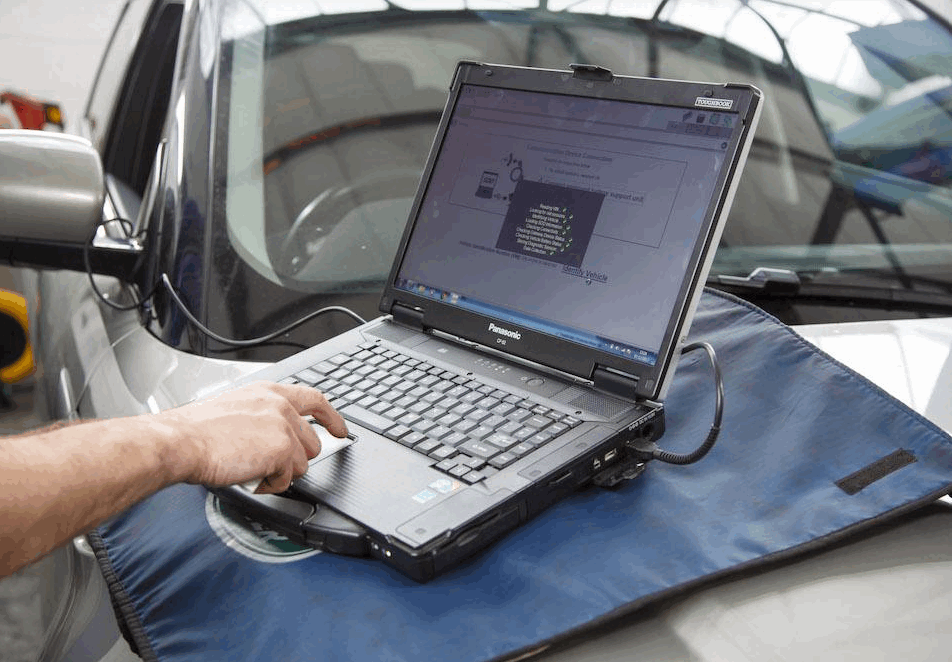
Ford PCM programming follows a structured process that updates the module software and configures the PCM for a specific vehicle. Technicians connect a diagnostic device to the vehicle through the OBD II port and communicate with the PCM using specialized programming software. The system identifies the vehicle and determines which calibration files match the vehicle specifications.
The first step involves collecting vehicle information. Technicians use the Vehicle Identification Number (VIN) to identify the exact model, engine type, transmission system, and existing software version. This information helps the programming system select the correct PCM calibration files. Using incorrect software can create compatibility problems and affect vehicle performance.
The next step involves checking the current PCM configuration. Diagnostic software reads the existing module data and compares it with available updates. If the PCM requires a software update, the technician downloads the correct calibration files and transfers them to the module.
During the programming process, the diagnostic tool communicates directly with the PCM. The system replaces outdated software with updated instructions that control engine and transmission functions. The technician must maintain stable battery voltage because a power interruption can damage the programming process and interrupt communication with the module.
After installing the new software, the technician completes the configuration process. This step allows the PCM to communicate with other vehicle systems, including security modules, transmission controls, and electronic components. The technician then clears diagnostic codes and performs a final system check to confirm that the vehicle operates correctly.
Ford PCM programming depends on accurate vehicle information, proper diagnostic equipment, and stable communication. Following the correct procedure helps prevent programming failures and ensures that the PCM controls the vehicle according to factory specifications.
What Tools Are Needed for Ford PCM Programming?
Ford PCM programming requires specific diagnostic hardware and software to communicate with the vehicle control module. The correct tools allow technicians to read PCM information, download calibration files, install software updates, and complete module configuration. Without compatible equipment, the programming process cannot communicate with the PCM correctly.
A J2534 Pass Thru Device is one of the main tools used for Ford PCM programming. This device creates a communication bridge between a computer and the vehicle’s onboard network. It allows approved programming software to send data to the PCM through the OBD II connection. Many professional repair facilities use J2534 devices because they support manufacturer level programming functions.
Ford diagnostic software also plays an important role in PCM programming. Ford uses factory diagnostic platforms such as Ford IDS and Ford FDRS for different vehicle generations. These systems identify the vehicle, access calibration files, perform module programming, and complete configuration procedures. The software must match the vehicle model and system requirements to avoid incorrect programming.
A stable battery power supply is another essential requirement. PCM programming can take several minutes, and the module must maintain continuous communication throughout the process. A battery maintainer helps prevent voltage drops that can interrupt software installation and cause programming errors.
Technicians also need a reliable computer, internet access, and a secure connection to obtain the latest calibration files. The programming system uses vehicle specific information to select the correct software package. For example, a Ford Ranger with a different engine configuration requires different PCM calibration compared with a Ford Escape or Ford F 150.
Using the correct tools improves programming accuracy and reduces the risk of module failure. Professional equipment ensures that the PCM receives the correct software and communicates properly with other vehicle systems.
What Are the Requirements for Successful Ford PCM Programming?
Successful Ford PCM programming requires accurate vehicle information, compatible hardware, correct software, and stable communication between the diagnostic system and the vehicle. Each requirement affects the programming result because the PCM must receive software that matches the vehicle’s exact configuration.
The first requirement is correct vehicle identification. Technicians use the Vehicle Identification Number (VIN) to access the appropriate calibration files for the vehicle. The VIN provides important details about the vehicle model, engine type, transmission system, and installed electronic modules. Using incorrect vehicle information can cause software compatibility problems and prevent the PCM from operating correctly.
The second requirement is a compatible PCM module. A replacement PCM must match the vehicle’s hardware specifications before programming begins. The technician must verify the PCM part number, communication capability, and compatibility with the engine and transmission system. A PCM with incompatible hardware may not accept the correct software or communicate with other vehicle modules.
The third requirement is proper programming software and calibration data. Ford PCM programming systems select software based on the vehicle configuration and current module status. Updated calibration files help the PCM control engine performance, emissions systems, and transmission functions according to manufacturer specifications.
Stable electrical power is another important requirement during programming. The PCM needs continuous voltage while receiving new software. A sudden voltage drop or communication interruption can stop the programming process and create module errors.
Technicians also need proper diagnostic knowledge to complete PCM programming correctly. Understanding vehicle networks, diagnostic codes, and module communication helps prevent mistakes during configuration. A correct programming process depends on the combination of accurate data, reliable tools, and proper technical procedures.
How Much Does Ford PCM Programming Cost?
Ford PCM programming costs depend on several factors, including the vehicle model, programming method, diagnostic requirements, and whether the PCM needs replacement. The programming service itself usually costs less than replacing the module because it focuses on updating software and configuration data rather than installing new hardware.
The main cost factor is the type of service required. A simple PCM software update usually requires less time and fewer resources than programming a replacement PCM. When a technician installs a new module, the process may include additional steps such as VIN configuration, security system synchronization, and vehicle specific calibration installation.
The vehicle model also affects Ford PCM programming cost. Different Ford vehicles use different PCM versions, software platforms, and calibration systems. For example, programming a newer Ford model with advanced electronic systems may require additional diagnostic procedures compared with an older vehicle with simpler module communication.
The repair facility also influences the final price. Ford dealerships typically use factory diagnostic systems and manufacturer programming access. Independent automotive repair shops may provide PCM programming services with professional aftermarket equipment and compatible software solutions. Labor rates, diagnostic time, and additional repairs can change the total cost.
Additional expenses may include PCM diagnosis, module replacement, software access fees, and related repairs. A technician may need to identify the original problem before programming the PCM because software updates cannot repair physical module damage or unrelated mechanical issues.
Ford PCM programming provides value when it restores correct vehicle operation without unnecessary parts replacement. Proper diagnosis helps determine whether programming, repair, or PCM replacement is the most effective solution for the vehicle.
Can You Program a Ford PCM Yourself?
You can program a Ford PCM yourself if you have the correct equipment, software access, and technical knowledge. However, DIY PCM programming requires more preparation than connecting a scan tool and pressing an update button. The process involves vehicle identification, software selection, module communication, and configuration steps that must match the vehicle specifications.
DIY Ford PCM programming usually requires a compatible J2534 Pass Thru Device or professional level diagnostic tool. The user also needs access to Ford programming software, a computer, and a stable internet connection to download the correct calibration files. A battery maintainer is also important because a voltage interruption during programming can interrupt the software installation.
The main challenge of DIY PCM programming is selecting the correct software and configuration data. Ford vehicles use different PCM calibrations based on the model year, engine type, transmission system, and installed options. For example, a PCM calibration designed for a Ford Escape may not work correctly on a Ford F 150 with a different powertrain configuration.
Incorrect programming can create serious vehicle problems. A failed PCM update may cause communication errors, warning lights, poor engine performance, or a vehicle that cannot start. Some programming procedures also require additional steps, such as security system configuration or module synchronization, which may require professional diagnostic equipment.
DIY programming works best for experienced technicians or vehicle owners who understand automotive electronics. For complex situations, such as PCM replacement, immobilizer programming, or communication failures, professional service provides a safer solution. Proper diagnosis should always come before programming because not every PCM problem requires a software update.
What Problems Can Happen After Incorrect Ford PCM Programming?
Incorrect Ford PCM programming can create vehicle performance problems because the Powertrain Control Module controls important engine, transmission, and communication functions. When the PCM receives incorrect software or incomplete configuration data, the vehicle systems may not operate according to factory specifications.
One common problem after incorrect PCM programming is a no start condition. The PCM communicates with security systems, fuel systems, and engine controls before allowing the vehicle to operate. If the programming process does not complete correctly, the PCM may fail to recognize required vehicle information, which can prevent engine operation.
Incorrect programming can also cause engine performance issues. The vehicle may experience rough idling, poor acceleration, incorrect fuel management, or reduced engine efficiency when the PCM uses the wrong calibration data. The software controls how the engine responds to sensor information, so incorrect settings can affect overall drivability.
Transmission problems can also appear after failed PCM programming. Many Ford vehicles use the PCM to manage transmission communication and shifting strategies. Incorrect software can cause delayed shifting, harsh gear changes, or communication errors between the PCM and transmission control systems.
Communication faults are another common issue. The PCM must communicate with other electronic modules through the vehicle network. A failed programming process can create diagnostic trouble codes related to module communication, configuration errors, or software mismatch.
Technicians diagnose these problems by checking PCM software versions, reading diagnostic trouble codes, verifying vehicle configuration data, and performing programming procedures again when necessary. Correct diagnosis helps determine whether the issue comes from incorrect software, a damaged PCM, or another vehicle system.
Proper Ford PCM programming prevents these problems by ensuring that the module receives the correct calibration files and communicates correctly with the entire vehicle system.
Conclusion
Ford PCM programming plays an important role in maintaining the performance and reliability of modern Ford vehicles. The process updates the Powertrain Control Module software, installs the correct calibration files, and configures the vehicle computer to communicate with other electronic systems.
Successful PCM programming depends on several factors, including accurate vehicle information, compatible programming tools, stable battery voltage, and correct software selection. A proper programming procedure helps prevent problems such as engine performance issues, transmission errors, communication failures, and no start conditions.
Understanding Ford PCM programming helps vehicle owners make better repair decisions. A PCM problem does not always require module replacement because software updates or configuration corrections may solve the issue. However, complex situations such as PCM replacement, security system synchronization, or communication failures require professional diagnostic knowledge and equipment.
Ford PCM programming is one part of a larger vehicle diagnostic process. Related areas such as Ford ECU diagnostics, OBD II troubleshooting, and electronic module repair provide additional information for understanding modern vehicle control systems. By following the correct diagnostic approach, technicians can restore PCM operation and maintain reliable vehicle performance.