Finding oil stains under your Honda Accord can create immediate concern. Many drivers ask the same question: Is this a small issue or a sign of serious engine trouble? A Honda Accord oil leak can come from several sources. Common causes include worn gaskets, damaged seals, loose components, and aging engine parts.
The Honda Accord has a strong reputation for reliability. However, every vehicle can develop problems over time. A small oil leak may seem harmless at first. Ignoring it can reduce oil levels and increase engine wear. In severe cases, it can lead to expensive engine damage.
Identifying the source of an oil leak early helps you avoid bigger problems. It also makes repairs faster and more affordable. Common warning signs include oil spots under your vehicle, a burning oil smell, low oil levels, and dashboard warning lights.
This guide covers the most important information about a Honda Accord oil leak. You will learn about common causes, symptoms, diagnosis methods, repair costs, and practical fixes. Understanding these issues can help you protect your engine and make better repair decisions.
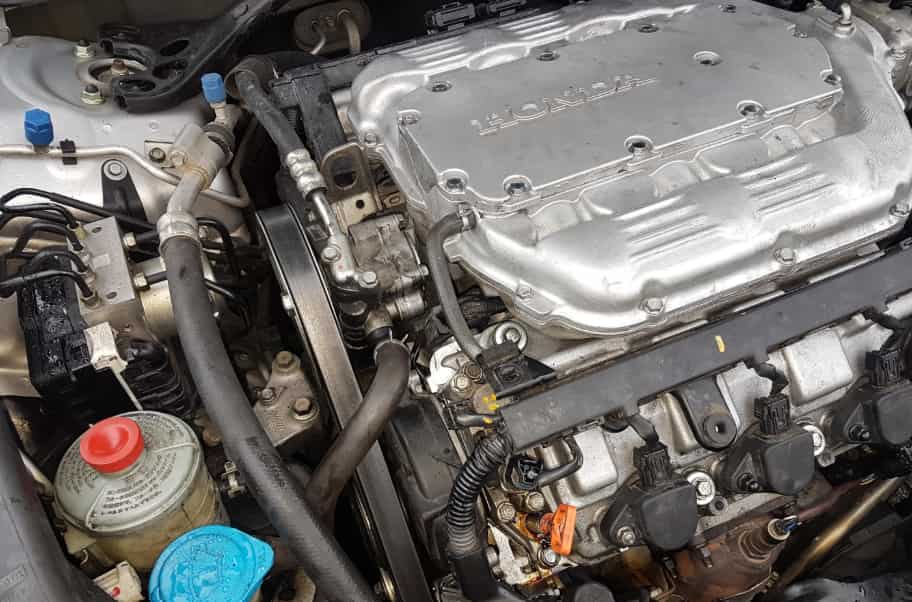
What Does a Honda Accord Oil Leak Mean?
A Honda Accord oil leak happens when engine oil escapes from the engine or other connected components. The engine needs oil to reduce friction, control heat, and protect moving parts. When the system loses oil, the engine cannot maintain proper lubrication. This condition can increase wear and create long term mechanical problems.
Most oil leaks start with small issues. A worn gasket may allow oil to escape slowly. An aging seal may lose its ability to block oil pressure. Loose components, damaged parts, or poor maintenance can also cause leaks. Over time, these problems can become more serious if the owner ignores the warning signs.
A Honda Accord oil leak usually falls into two categories: external leaks and internal oil consumption. An external leak occurs when oil leaves the engine and appears on the outside of the vehicle. Drivers may notice oil drops on the driveway, oil residue around the engine, or a burning oil smell.
Internal oil consumption works differently. The engine burns oil inside the combustion chamber instead of leaking it onto the ground. This problem may cause blue smoke from the exhaust, frequent oil top ups, or a noticeable drop in oil levels.
Understanding the difference between these problems helps owners choose the right repair approach. A visible oil leak often points to a damaged gasket, seal, or oil system component. Internal oil consumption may require a deeper engine inspection.
Early diagnosis plays an important role in preventing expensive repairs. When drivers identify a Honda Accord oil leak quickly, they can fix the source before it affects major engine components.
Common Causes of Honda Accord Oil Leak
A Honda Accord oil leak can develop from many areas of the engine. Some leaks happen because rubber seals become old and lose their flexibility. Other leaks appear because components wear out or maintenance problems create extra stress on the engine. Finding the exact source of the leak is the first step toward an effective repair.
Understanding the most common causes helps Honda Accord owners recognize problems earlier. A small leak may only require a simple gasket replacement. However, some leaks can involve major engine components and require more time and money to repair.
Failed Gaskets and Seals
Gaskets and seals play an important role in keeping engine oil inside the system. These components create a barrier between different engine parts and prevent oil from escaping. Over time, heat, pressure, and engine vibration can cause them to harden, crack, or lose their sealing ability.
One of the most common causes of a Honda Accord oil leak is a valve cover gasket failure. The valve cover sits on top of the engine and protects important internal components. When the gasket becomes damaged, oil can leak around the top of the engine. Drivers may notice oil residue near the valve cover, a burning oil smell, or smoke from oil contacting hot engine parts.
The oil pan gasket is another common source of leaks. The oil pan stores engine oil at the bottom of the engine. Road debris, age, and repeated temperature changes can damage the gasket over time. An oil pan leak often creates oil spots underneath the vehicle, especially after the car remains parked for several hours.
A rear main seal leak can become a more expensive repair. This seal sits between the engine and transmission area. Its job is to prevent oil from escaping around the crankshaft. Because of its location, mechanics often need to remove the transmission to replace it. This repair requires more labor, which increases the total cost.
The timing cover gasket and crankshaft seals can also create oil leaks in some Honda Accord models. These areas contain important engine components, so leaks in these locations require careful inspection. Owners should address these problems early because oil loss can affect engine performance and reliability.
Oil System Component Problems
Not every Honda Accord oil leak comes from a major engine seal. Sometimes, smaller oil system components create the problem. These issues often appear after an oil change or during routine maintenance.
A loose oil drain plug is one example. The drain plug controls the oil flow when technicians remove old engine oil. If someone installs it incorrectly or damages the sealing washer, oil can slowly escape from the bottom of the engine.
A damaged oil filter can create another common problem. The oil filter removes contaminants from engine oil and helps maintain clean lubrication. If the filter has a damaged seal, incorrect installation, or poor quality construction, it may allow oil to leak around the filter area.
Some Honda Accord models can experience leaks around the oil filter housing or VTEC solenoid gasket. These components control important engine functions and rely on proper sealing to prevent oil loss. When their gaskets age, they may allow oil to seep into surrounding areas.
These smaller issues can confuse vehicle owners because the leak may appear far from the actual source. Oil can travel across engine surfaces before dripping onto the ground. A professional inspection can help identify the exact location and prevent unnecessary part replacements.
Engine Condition and Maintenance Issues
Vehicle maintenance plays a major role in preventing a Honda Accord oil leak. Engines operate under high temperatures and pressure every day. Without proper care, internal components can wear faster and increase the risk of oil problems.
A failing PCV valve can contribute to oil leaks. The PCV system controls pressure inside the engine crankcase. When the system stops working correctly, pressure can build up and force oil past seals and gaskets.
Using the wrong engine oil can also create problems. Every Honda Accord engine requires specific oil specifications to maintain proper performance. Incorrect oil viscosity may affect lubrication and increase stress on engine components.
Delayed oil changes can create additional risks. Old engine oil loses its protective properties over time. Dirty oil can increase friction and accelerate wear on seals and internal parts.
Previous repair history also matters, especially for older Honda Accord models. Poor quality replacement parts or incorrect installation can cause new leaks. A vehicle with regular maintenance and quality repairs usually has a lower risk of serious oil problems.
A Honda Accord oil leak does not always indicate major engine failure. Many leaks start with simple problems that mechanics can repair quickly. However, owners should never ignore signs of oil loss. Early attention can prevent damage, reduce repair costs, and help the vehicle maintain reliable performance.
Honda Accord Oil Leak Symptoms You Should Watch For
A Honda Accord oil leak does not always appear as a large puddle under your vehicle. Many leaks start slowly and create small warning signs before they become serious engine problems. Recognizing these symptoms early can help you reduce repair costs and protect your engine.
One common sign is finding oil spots under your Honda Accord after parking. The color and location of the oil stain can help identify the possible source. Oil near the front of the vehicle may point to engine seal problems, while oil near the bottom of the engine may indicate an oil pan or drain plug issue.
A burning oil smell can also signal a leak. This usually happens when leaking oil reaches hot engine parts. A damaged valve cover gasket often causes this problem and may create smoke around the engine area.
Low oil levels and dashboard warning lights are other important signs. A Honda Accord needs proper oil levels to maintain lubrication and prevent excessive friction. Driving with low oil can increase engine wear and lead to expensive repairs.
Some drivers may also notice blue exhaust smoke, unusual engine sounds, or reduced performance. These symptoms can indicate internal oil consumption or more serious engine problems.
If you notice any Honda Accord oil leak symptoms, inspect the vehicle as soon as possible. Early detection can prevent a small issue from becoming a major engine repair.
How to Diagnose a Honda Accord Oil Leak
Finding the source of a Honda Accord oil leak requires careful inspection. Oil can travel across different engine surfaces before reaching the ground. This makes it difficult to identify the exact leaking component by looking at one spot only.
The first step involves checking the engine oil level. Use the dipstick to confirm whether the engine has enough oil. A noticeable drop between oil changes may indicate an active leak or excessive oil consumption.
Next, inspect the area around the engine for visible oil residue. Look at common problem areas such as the valve cover, oil filter area, oil pan, and seals near the engine. Fresh oil usually appears cleaner and wetter compared with older oil stains.
Cleaning the engine area can also help with diagnosis. Dirt and old oil can hide the original leak source. After cleaning, monitor the engine for new oil traces. Fresh oil marks often reveal where the problem begins.
Another useful method involves checking the oil path underneath the vehicle. Place a clean surface under the car after parking and observe where the oil drops appear. The location can provide clues about the leaking component.
For difficult cases, mechanics may use UV dye leak detection. This method adds a special dye into the engine oil. A technician then uses a UV light to locate the exact leak point. This technique helps identify small leaks that are hard to see.
Some Honda Accord oil leak problems require professional inspection. A mechanic can perform additional tests and examine areas that are difficult to access. Professional diagnosis becomes especially important when the leak involves major seals, internal engine components, or continuous oil loss.
Drivers should avoid guessing the repair without finding the real source first. Replacing the wrong part can waste money and delay the actual solution. A proper diagnosis helps you choose the right repair method and prevent further engine damage.
Honda Accord Oil Leak Repair Cost
The cost to repair a Honda Accord oil leak depends on the source, the damaged component, and the amount of labor required. Some leaks require a simple gasket replacement, while others involve complex repairs that take several hours to complete.
Small oil leaks usually cost less to fix. For example, replacing a valve cover gasket may cost around $150 to $500. This repair often takes less time because the mechanic can access the component easily.
An oil pan gasket repair usually costs more because technicians need to drain the oil and access the bottom of the engine. The average repair cost can range from $300 to $900, depending on the Honda Accord model and labor rates.
A rear main seal replacement represents one of the more expensive Honda Accord oil leak repairs. The seal itself may not cost much, but the repair requires significant labor because the mechanic often needs to separate the engine and transmission area. Costs can range from $800 to $2,000 or more.
Other repairs, such as oil filter housing leaks, VTEC solenoid gasket replacement, or timing cover leaks, can vary widely. The final price depends on the location of the leak and the complexity of the repair.
Several factors influence Honda Accord oil leak repair costs. The vehicle’s model year, engine type, replacement part quality, and local labor rates can all affect the final bill. Older vehicles may require additional inspections because multiple seals and components may show signs of wear.
Some owners choose a DIY repair to reduce expenses. Simple tasks, such as replacing an oil filter or drain plug washer, may work for experienced car owners. However, complex repairs require proper tools and technical knowledge. Incorrect repairs can create new leaks or cause additional engine problems.
The best approach is to diagnose the leak first and repair the actual source. Fixing a Honda Accord oil leak early can prevent low oil levels, engine damage, and much higher repair costs in the future.
Can You Drive a Honda Accord With an Oil Leak?
Driving a Honda Accord with an oil leak depends on the size and location of the problem. A small leak may not create an immediate emergency, but ignoring it can lead to serious engine damage over time. Engine oil plays a critical role in reducing friction, controlling heat, and protecting internal components.
Before driving, check the oil level and inspect the leak severity. If the oil level remains normal and the leak appears minor, you may be able to drive a short distance for inspection or repair. However, you should monitor the vehicle closely and avoid long trips.
A serious Honda Accord oil leak requires immediate attention. Warning signs include a low oil level, oil pressure warning light, heavy oil dripping, burning oil smell, or unusual engine noises. These symptoms may indicate that the engine does not receive enough lubrication.
Driving with insufficient oil can increase friction between moving parts. This condition can cause overheating, accelerated wear, and expensive engine repairs. In extreme cases, the engine may suffer permanent damage.
You should also avoid driving if oil leaks onto hot engine components. Leaking oil can create smoke and increase safety risks. A professional inspection can identify the source and determine the correct repair solution.
The safest approach is to fix a Honda Accord oil leak as soon as possible. Early repairs usually cost less and help maintain long term engine reliability. A small leak today can become a major repair problem if you continue to ignore it.
How to Fix and Prevent Honda Accord Oil Leaks
Fixing a Honda Accord oil leak starts with identifying the exact source of the problem. Different leaks require different repair methods. Replacing a damaged gasket may solve a minor issue, while a worn engine seal may require more advanced work.
For common leaks, technicians usually replace faulty gaskets or seals. A valve cover gasket replacement can stop oil from escaping from the top of the engine. An oil pan gasket replacement can prevent oil loss from the bottom of the engine. Other repairs may involve replacing the oil filter housing seal, drain plug washer, or VTEC solenoid gasket.
Some owners may try DIY repairs for simple problems. Replacing an oil filter or checking a loose drain plug may not require advanced skills. However, major repairs involving internal seals or difficult engine areas often need professional tools and experience.
Preventing a Honda Accord oil leak requires regular maintenance. Routine oil changes help protect engine components and reduce wear on seals and gaskets. Using the correct engine oil specification also helps maintain proper lubrication and engine performance.
Regular inspections can help detect small problems before they become expensive repairs. Check the oil level frequently and look for signs such as oil stains, unusual smells, or changes in engine performance. Early detection allows you to fix problems before they affect important engine parts.
Maintaining the PCV system also supports leak prevention. A damaged PCV valve can increase pressure inside the engine and force oil past seals. Replacing worn components during routine service can reduce the risk of future leaks.
A Honda Accord oil leak does not always require a major repair. Many issues start as small problems that owners can fix with proper attention. Good maintenance habits, regular inspections, and quick repairs can help your Honda Accord deliver reliable performance for many years.
Honda Accord Oil Leak by Model Year
A Honda Accord oil leak can happen on any model year, but different generations may experience different maintenance concerns. As vehicles become older, seals, gaskets, and engine components naturally experience more wear. Understanding common issues by model year can help owners identify potential problems faster.
Older Honda Accord models, especially those from the early 2000s, may develop oil leaks because of aging gaskets and seals. Components such as valve cover gaskets, oil pan gaskets, and engine seals can lose their ability to prevent oil from escaping after many years of use.
Honda Accord models from the late 2000s and early 2010s may also experience oil leaks related to worn seals, oil system components, and maintenance history. Regular inspections become more important as these vehicles accumulate higher mileage.
Newer Honda Accord models generally benefit from improved engine designs and updated components. However, they can still develop oil leaks due to damaged gaskets, incorrect maintenance, or normal wear over time. Turbocharged engines may require additional attention because they operate under higher pressure and temperature conditions.
When buying a used Honda Accord, checking for oil leaks should always be part of the inspection process. Look for oil residue around the engine, check the oil level, and review the vehicle’s maintenance records. A clean engine bay does not always guarantee that the vehicle has no oil problems, so a professional inspection can provide better confidence.
Regardless of the model year, early detection remains the best way to manage a Honda Accord oil leak. Regular maintenance and timely repairs can help prevent small leaks from becoming expensive engine problems.
Frequently Asked Questions About Honda Accord Oil Leak
Why is my Honda Accord leaking oil?
A Honda Accord oil leak usually happens because of worn gaskets, damaged seals, loose oil system components, or poor maintenance. Common sources include the valve cover gasket, oil pan gasket, oil filter area, and engine seals. Finding the exact leak location helps determine the correct repair.
How serious is an oil leak on a Honda Accord?
The seriousness of an oil leak depends on the size and location of the problem. A small leak may only require a simple gasket replacement. However, a major leak can reduce oil levels, increase engine wear, and cause expensive damage if you ignore it for too long.
How much does it cost to fix a Honda Accord oil leak?
Honda Accord oil leak repair costs vary depending on the damaged part and labor requirements. Simple repairs may cost a few hundred dollars, while complex repairs involving major seals can cost more than $1,000.
Can I drive my Honda Accord with an oil leak?
You may drive a short distance with a minor leak if the oil level remains safe. However, you should avoid driving when the oil warning light appears, the engine makes unusual noises, or the vehicle loses oil quickly. These signs may indicate a serious problem.
What is the most common Honda Accord oil leak?
Common Honda Accord oil leaks often come from aging gaskets and seals. Valve cover gasket leaks, oil pan gasket leaks, and oil filter-related issues are among the problems many owners encounter as their vehicles age.
Regular inspection and maintenance help identify leaks early. Addressing a Honda Accord oil leak quickly can protect engine performance and reduce long term repair costs.
Conclusion
A Honda Accord oil leak may start as a small issue, but it should never be ignored. Engine oil plays an important role in protecting internal components, reducing friction, and maintaining reliable performance. When oil escapes from the engine, even a minor leak can become a larger problem over time.
The most common causes include worn gaskets, damaged seals, oil system problems, and poor maintenance. Recognizing early warning signs such as oil stains, burning oil smells, low oil levels, and unusual engine behavior can help you take action before serious damage occurs.
Proper diagnosis is the key to finding the right solution. A mechanic can identify the source of the leak and recommend the correct repair method. Repair costs vary depending on the damaged component, but early repairs usually help prevent more expensive engine problems.
Regular maintenance remains the best way to reduce the risk of future leaks. Checking oil levels, following service schedules, and replacing worn parts can help your Honda Accord maintain strong performance for many years.
Have you noticed signs of a Honda Accord oil leak on your vehicle? Identifying the problem early can save money, protect your engine, and keep your car running smoothly.