A Honda Accord oil change is one of the most important maintenance services you can perform to keep your vehicle running smoothly and efficiently. Although changing the engine oil may seem like a simple task, using the wrong oil type, adding an incorrect amount, or delaying scheduled maintenance can gradually reduce engine performance and increase repair costs. These small mistakes may not cause immediate problems, but they can shorten engine life over time.
The Honda Accord has been available with several engine options across multiple generations. Each engine has specific requirements for oil viscosity, oil capacity, and maintenance intervals. This often creates confusion for owners who are unsure whether their vehicle requires full synthetic oil, how much oil the engine holds, or when the next oil change should be completed. Understanding these differences is essential because the correct lubricant helps reduce friction, control engine temperature, and protect internal components from premature wear.
Another common concern is the cost of routine maintenance. Many drivers wonder whether they should visit a Honda dealership, choose an independent repair shop, or perform the service at home. Each option offers different advantages depending on your budget, experience, and available tools. Knowing what to expect before scheduling a Honda Accord oil change can help you save both time and money while avoiding unnecessary repairs.
This comprehensive guide explains everything you need to know about a Honda Accord oil change. You will learn how to choose the correct oil type, identify the proper oil capacity for different engines, understand recommended service intervals, estimate replacement costs, replace the oil and filter safely, reset the Maintenance Minder system, and avoid common maintenance mistakes. By the end of this guide, you will have the knowledge needed to keep your Honda Accord performing reliably for many years.
What Oil Does a Honda Accord Need?
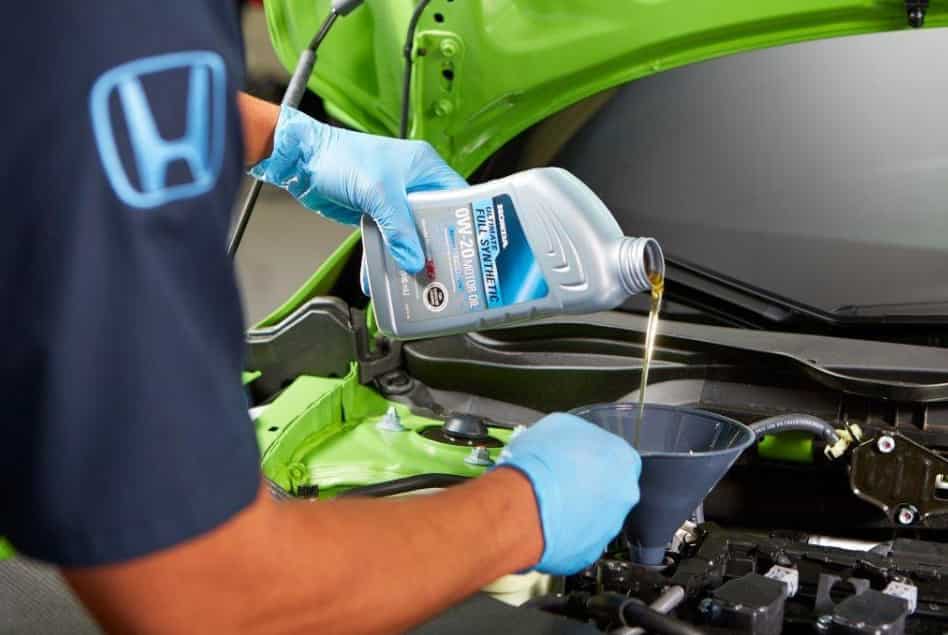
Most modern Honda Accord models use SAE 0W20 full synthetic engine oil. Honda recommends this oil because it protects the engine and improves fuel efficiency. In addition, it performs well in both hot and cold weather. Therefore, it is the best choice for most recent models.
However, not every Honda Accord uses the same oil. The correct specification depends on the model year, engine, and powertrain. For example, some older models require SAE 5W20 or SAE 5W30 instead. For this reason, always confirm the recommended oil before your next Honda Accord oil change.
Using the correct oil helps your engine in several ways. First, it reduces friction between moving parts. Next, it controls engine temperature during daily driving. In addition, it keeps internal components cleaner by reducing sludge buildup. As a result, your engine lasts longer and performs more efficiently.
Using the wrong oil can create unnecessary problems. For instance, it may reduce fuel economy and increase engine wear. Furthermore, it can affect engine performance during cold starts or high temperature operation. Therefore, choosing the correct viscosity is just as important as changing the oil on time.
If you are unsure, check the owner’s manual first. Then, inspect the oil filler cap for the recommended viscosity. Alternatively, review Honda service information for your specific model. By following these steps, you can complete every Honda Accord oil change with confidence.
| Model Year | Engine | Recommended Oil | Approximate Oil Capacity | Replace Oil Filter |
|---|---|---|---|---|
| 2023 to 2026 | 1.5L Turbo | SAE 0W20 Full Synthetic | About 3.7 to 4.0 quarts | Yes |
| 2023 to 2026 | 2.0L Hybrid | SAE 0W20 Full Synthetic | About 4.0 quarts | Yes |
| 2018 to 2022 | 1.5L Turbo | SAE 0W20 Full Synthetic | About 3.7 quarts | Yes |
| 2018 to 2022 | 2.0L Turbo | SAE 0W20 Full Synthetic | About 5.1 quarts | Yes |
| 2013 to 2017 | 2.4L Four Cylinder | SAE 0W20 Full Synthetic | About 4.4 quarts | Yes |
| 2013 to 2017 | 3.5L V6 | SAE 0W20 Full Synthetic | About 4.5 quarts | Yes |
| 2008 to 2012 | Four Cylinder | SAE 5W20 or SAE 0W20 | About 4.2 quarts | Yes |
| 2008 to 2012 | V6 | SAE 5W20 | About 4.5 quarts | Yes |
Finally, always verify the exact specification for your engine before adding oil. Although oil capacity varies slightly between engines, the owner’s manual provides the correct value. Moreover, replacing the oil filter changes the total amount of oil required. As a result, checking the specification helps you avoid overfilling or underfilling the engine.
Honda Accord Oil Type by Model Year and Engine
Choosing the correct oil starts with knowing your engine. Honda has introduced several engines across different Accord generations. Therefore, the recommended oil can vary from one model to another. Using the correct specification helps protect the engine and supports long term performance.
2023 to 2026 Honda Accord
Most 2023 to 2026 Honda Accord models use SAE 0W20 full synthetic oil. Honda recommends this viscosity for both the 1.5 liter turbocharged engine and the 2.0 liter hybrid system. In addition, full synthetic oil flows quickly during cold starts and remains stable at high temperatures. As a result, it protects critical engine components under different driving conditions.
Owners should also replace the oil filter during every oil change. A clean filter removes dirt and metal particles from the oil. Consequently, fresh oil can circulate more efficiently throughout the engine. This simple step improves lubrication and helps extend engine life.
2018 to 2022 Honda Accord
Honda continued to recommend SAE 0W20 full synthetic oil for this generation. Both the 1.5 liter turbo engine and the 2.0 liter turbo engine use the same viscosity. However, the oil capacity differs between the two engines. Therefore, always verify the correct capacity before adding new oil.
Turbocharged engines operate under higher temperatures than naturally aspirated engines. For this reason, high quality full synthetic oil offers better protection. It also resists thermal breakdown during extended driving. As a result, the engine remains cleaner and performs more consistently.
2013 to 2017 Honda Accord
Most Honda Accord models from this generation also require SAE 0W20 full synthetic oil. The recommendation applies to both the 2.4 liter four cylinder engine and the 3.5 liter V6 engine. In addition, synthetic oil improves lubrication during cold starts. It also reduces engine wear during daily driving.
Some owners still choose conventional oil because of its lower price. However, synthetic oil usually lasts longer and provides better protection. Therefore, it remains the preferred option for most drivers. It also supports better fuel economy over time.
2008 to 2012 Honda Accord
Many four cylinder models originally used SAE 5W20 engine oil. However, Honda later approved SAE 0W20 for many of these vehicles. Therefore, many owners now choose full synthetic 0W20 because it delivers better cold weather performance and improved engine protection.
Most V6 models continue to use SAE 5W20 unless Honda specifies otherwise. For this reason, always confirm the correct recommendation before purchasing engine oil. The owner’s manual remains the most reliable source for your specific vehicle.
Why Oil Viscosity Matters
Oil viscosity affects engine performance every time you drive. Thinner oil flows faster during cold starts. Meanwhile, the correct viscosity also maintains a protective film after the engine reaches normal operating temperature. As a result, engine components experience less friction and less wear.
Using the wrong viscosity may reduce engine efficiency. It can also increase internal wear and lower fuel economy. Furthermore, incorrect oil may not provide enough protection under heavy loads or extreme temperatures. Therefore, selecting the proper oil is an important part of every Honda Accord oil change.
Honda Accord Oil Capacity by Engine
Knowing the correct oil capacity is just as important as choosing the right oil. Every Honda Accord engine holds a different amount of oil. Therefore, adding too much or too little oil can affect engine performance. Always check the correct specification before starting a Honda Accord oil change.
2023 to 2026 Honda Accord Oil Capacity
The 1.5 liter turbo engine holds about 3.7 to 4.0 quarts of oil with a new filter. Meanwhile, the 2.0 liter hybrid engine holds about 4.0 quarts. Although the difference seems small, it still matters. Therefore, always refill the engine according to the recommended capacity.
2018 to 2022 Honda Accord Oil Capacity
The 1.5 liter turbo engine requires about 3.7 quarts of oil when you replace the filter. In contrast, the 2.0 liter turbo engine requires about 5.1 quarts. The larger engine contains more internal components. As a result, it needs more oil to maintain proper lubrication.
2013 to 2017 Honda Accord Oil Capacity
The 2.4 liter four cylinder engine uses about 4.4 quarts of oil with a new filter. Meanwhile, the 3.5 liter V6 engine requires about 4.5 quarts. The difference is small. However, you should still measure the correct amount before finishing the service.
2008 to 2012 Honda Accord Oil Capacity
Most four cylinder models require about 4.2 quarts of oil after replacing the filter. In comparison, most V6 models need about 4.5 quarts. However, some trim levels may vary slightly. Therefore, verify the specification in the owner’s manual before adding oil.
Honda Accord Oil Capacity Chart
| Model Years | Engine | Oil Capacity With Filter |
|---|---|---|
| 2023 to 2026 | 1.5L Turbo | About 3.7 to 4.0 quarts |
| 2023 to 2026 | 2.0L Hybrid | About 4.0 quarts |
| 2018 to 2022 | 1.5L Turbo | About 3.7 quarts |
| 2018 to 2022 | 2.0L Turbo | About 5.1 quarts |
| 2013 to 2017 | 2.4L Four Cylinder | About 4.4 quarts |
| 2013 to 2017 | 3.5L V6 | About 4.5 quarts |
| 2008 to 2012 | Four Cylinder | About 4.2 quarts |
| 2008 to 2012 | V6 | About 4.5 quarts |
How to Check the Oil Level Correctly
Park the vehicle on level ground before checking the oil. Then turn off the engine and wait several minutes. This allows the oil to drain back into the oil pan. As a result, the dipstick provides a more accurate reading.
Next, remove the dipstick and wipe it clean. Then insert it fully before pulling it out again. The oil level should stay between the minimum and maximum marks. If the level is low, add a small amount of oil and check the dipstick again.
What Happens If You Add Too Much Oil
Too much oil can damage the engine. Excess oil may create foam as the crankshaft rotates. Consequently, the oil pump may deliver air bubbles instead of a steady oil supply. This reduces lubrication and increases engine wear.
Overfilled oil can also increase crankcase pressure. In addition, it may damage seals and cause oil leaks. Therefore, avoid filling above the maximum mark on the dipstick.
What Happens If You Add Too Little Oil
Low oil levels reduce engine protection. Moving parts receive less lubrication during operation. As a result, friction and heat increase inside the engine. Over time, these conditions can lead to expensive repairs.
Drivers should never ignore the oil warning light. Instead, stop the vehicle as soon as it is safe. Then check the oil level before continuing your trip. Acting quickly can prevent serious engine damage.
Honda Accord Oil Change Interval
Changing the oil on time helps your Honda Accord perform at its best. Fresh engine oil reduces friction, controls heat, and keeps internal components clean. In addition, it supports better fuel economy and long term reliability. Therefore, following the correct oil change interval is an important part of routine maintenance.
Most modern Honda Accord models use SAE 0W20 full synthetic oil. Under normal driving conditions, many vehicles can travel 7,500 to 10,000 miles before an oil change. However, the exact interval depends on your driving habits and road conditions. For this reason, Honda recommends following the Maintenance Minder instead of relying only on mileage.
The Maintenance Minder calculates oil life by monitoring engine operation. It displays the remaining oil life as a percentage. When the display reaches 15 percent, you should schedule service soon. At 5 percent, the oil should be replaced as soon as possible. Consequently, checking this system regularly helps prevent unnecessary engine wear.
Some driving conditions require more frequent oil changes. For example, heavy traffic, short trips, extreme temperatures, towing, and dusty roads place extra stress on the engine. As a result, the oil breaks down more quickly and loses its protective properties. Therefore, drivers in these conditions should inspect the oil more often and consider shorter service intervals.
You should also watch for warning signs between scheduled services. Dark oil, unusual engine noise, lower fuel economy, or an illuminated oil warning light may indicate that your Honda Accord needs fresh oil. Regular maintenance protects the engine, improves performance, and helps avoid expensive repairs in the future.
Honda Accord Oil Change Cost
The cost of a Honda Accord oil change depends on where you have the service completed. Prices also vary based on the engine, the type of oil, and your location. Therefore, understanding the available options can help you choose the best value for your budget.
A Honda dealership usually charges between $70 and $120 for a full synthetic oil change. This price often includes a genuine Honda oil filter, fresh engine oil, and a basic vehicle inspection. In addition, dealership technicians follow Honda service procedures and use approved parts.
Independent repair shops typically charge $50 to $90 for the same service. Many shops use high quality synthetic oil and aftermarket filters that meet manufacturer standards. As a result, this option often provides a good balance between cost and quality.
Many owners also choose to change the oil at home. A DIY Honda Accord oil change usually costs $35 to $60, depending on the brand of oil and filter. Although this option saves money, it requires the proper tools and careful attention to the correct oil capacity. Therefore, beginners should follow the service manual closely.
Several factors can affect the final price. For example, premium synthetic oil, labor rates, and local service fees may increase the total cost. Furthermore, some repair shops include tire rotation or a multi point inspection as part of the service package.
Regular oil changes are one of the most affordable maintenance services for a Honda Accord. Spending a small amount on routine maintenance can help prevent costly engine repairs. Consequently, following the recommended service schedule offers better value over the life of the vehicle.
How to Change the Oil on a Honda Accord
Changing the oil yourself is a practical way to save money and learn more about your vehicle. In addition, regular oil changes help protect the engine and maintain smooth performance. Before you begin, gather the correct engine oil, a new oil filter, a drain pan, a wrench, a funnel, and safety gloves. You should also park the vehicle on a level surface and allow the engine to cool for several minutes.
First, raise the front of the vehicle if additional clearance is needed. Then place the drain pan under the oil pan and remove the drain plug. Allow the old oil to drain completely before reinstalling the drain plug with the correct torque. Next, remove the old oil filter and install the new one. Apply a small amount of fresh oil to the rubber gasket before tightening the filter by hand.
After replacing the filter, pour the recommended amount of fresh engine oil into the engine. Then wait a few minutes so the oil can settle. Next, check the oil level with the dipstick and add more oil if necessary. The oil level should remain between the minimum and maximum marks. Therefore, avoid overfilling the engine.
Start the engine and let it idle for about one minute. Then inspect the drain plug and oil filter for leaks. After that, turn off the engine and check the oil level again. Finally, reset the Honda Maintenance Minder if your model includes this feature. Keeping a record of each Honda Accord oil change also helps you follow the recommended maintenance schedule and maintain the vehicle’s long term value.
How to Reset the Honda Accord Oil Life
Resetting the oil life indicator is the final step after every Honda Accord oil change. This process tells the Maintenance Minder that the service has been completed. As a result, the system can accurately track the next maintenance interval. If you skip this step, the reminder may continue to display even after replacing the oil.
Most 2018 and newer Honda Accord models use a touchscreen or steering wheel controls. First, turn the ignition to the ON position without starting the engine. Next, open the Vehicle Settings menu on the display. Then select Maintenance Information and choose Oil Life. Finally, press and hold the reset option until the display confirms the reset. The oil life should return to 100 percent.
Some older Honda Accord models use a simpler procedure. Turn the ignition to the ON position and display the oil life screen on the instrument panel. Then press and hold the Select or Reset button for several seconds. When the oil life begins to flash, release the button and press it again to complete the reset. The display should then show 100 percent.
After resetting the system, start the engine and confirm that no maintenance reminder appears on the dashboard. In addition, check for oil leaks around the drain plug and oil filter. These final checks ensure that the service was completed correctly. Consequently, your Honda Accord will continue to monitor oil life accurately until the next scheduled oil change.
Best Oil for Honda Accord
Choosing the best oil for your Honda Accord is just as important as changing it on time. High quality engine oil reduces friction, protects internal components, and keeps the engine clean. In addition, it performs better during extreme temperatures and heavy driving conditions. Therefore, selecting the correct oil helps improve both performance and engine life.
Most modern Honda Accord models perform best with SAE 0W20 full synthetic oil. Honda recommends this viscosity because it flows quickly during cold starts and maintains strong protection at normal operating temperatures. As a result, the engine receives reliable lubrication in a wide range of driving conditions.
Several trusted brands produce engine oil that meets Honda’s requirements. Honda Genuine Motor Oil is a popular choice because it is designed specifically for Honda engines. Mobil 1 Advanced Fuel Economy, Castrol EDGE Extended Performance, Valvoline Advanced Full Synthetic, and Pennzoil Platinum Full Synthetic also meet the required standards for many Honda Accord models. However, always confirm that the oil matches the specification listed in your owner’s manual.
Many drivers also ask whether full synthetic oil is better than conventional oil. In most cases, the answer is yes. Full synthetic oil lasts longer, resists heat more effectively, and provides better protection against sludge buildup. Furthermore, it performs better during cold weather and supports improved fuel economy. Consequently, most Honda Accord owners benefit from using full synthetic oil.
Before purchasing engine oil, check both the viscosity and the required service specification. Using the correct product protects your engine and supports long term reliability. Therefore, investing in high quality oil today can help reduce maintenance costs in the future.
Common Oil Change Mistakes to Avoid
Even a simple oil change can lead to problems if you make small mistakes. Fortunately, most of these issues are easy to avoid. Therefore, following the correct procedure helps protect your Honda Accord and prevents unnecessary repair costs.
One common mistake is using the wrong oil viscosity. Some drivers choose a cheaper product without checking the owner’s manual. However, the wrong oil may not provide enough protection under different operating conditions. As a result, engine wear can increase over time.
Another mistake is installing a low quality or incorrect oil filter. A poor filter may fail to remove dirt and metal particles from the oil. In addition, it can reduce oil flow through the engine. Consequently, internal components receive less protection.
Many owners also add too much or too little oil. Overfilling can create excessive pressure and cause oil leaks. On the other hand, low oil levels reduce lubrication and increase engine temperature. Therefore, always check the dipstick before finishing the job.
Some drivers forget to replace the drain plug washer. Others tighten the drain plug or oil filter too much. These mistakes can damage the threads or create leaks. Instead, install a new washer when needed and tighten each component according to the recommended specification.
Finally, never forget to reset the Maintenance Minder after completing a Honda Accord oil change. The system tracks oil life and reminds you when service is due. If you skip the reset, the reminder will remain on the dashboard. By avoiding these common mistakes, you can complete every oil change safely and keep your Honda Accord running smoothly for years.
Frequently Asked Questions
How often should I change the oil in a Honda Accord?
Most modern Honda Accord models need an oil change every 7,500 to 10,000 miles when using full synthetic oil. However, the exact interval depends on your driving conditions. Therefore, always follow the Honda Maintenance Minder for the most accurate service schedule.
What type of oil does a Honda Accord use?
Most recent Honda Accord models use SAE 0W20 full synthetic oil. However, some older models require SAE 5W20 or SAE 5W30. For this reason, check your owner’s manual before purchasing engine oil.
How much oil does a Honda Accord need?
Oil capacity depends on the engine. Most Honda Accord models require 3.7 to 5.1 quarts when replacing both the oil and the filter. Therefore, verify the correct capacity for your specific model before adding fresh oil.
Can I use 5W30 instead of 0W20?
You should use the viscosity recommended by Honda whenever possible. Although 5W30 may work in some older models, it is not the preferred choice for most modern Honda Accord engines. Using the correct viscosity helps improve fuel economy and engine protection.
Should I replace the oil filter every time?
Yes. A new oil filter removes dirt, metal particles, and other contaminants from the engine oil. In addition, replacing the filter helps fresh oil stay clean for a longer period. Consequently, the engine receives better protection.
How much does a Honda Accord oil change cost?
A dealership typically charges $70 to $120 for a full synthetic oil change. Meanwhile, independent repair shops often charge $50 to $90. A DIY oil change usually costs $35 to $60, depending on the oil and filter you choose.
Can I change the oil myself?
Yes. Many Honda Accord owners perform oil changes at home with basic tools. However, you should use the correct oil, install a new filter, and check the oil level carefully. In addition, remember to reset the Maintenance Minder after completing the service.
What happens if I delay an oil change?
Old engine oil loses its ability to lubricate and cool the engine. As a result, friction and heat increase inside the engine. Over time, this can lead to sludge buildup, reduced performance, and expensive repairs. Therefore, changing the oil on schedule is always the better choice.
Conclusion
A Honda Accord oil change is a simple maintenance task, but it plays a major role in protecting your engine. The correct oil type, proper oil capacity, and regular service schedule all help your vehicle deliver reliable performance. Therefore, every Honda Accord owner should understand the basic requirements before completing an oil change.
Most modern Accord models use SAE 0W20 full synthetic oil. However, the exact recommendation depends on the model year and engine type. For this reason, always check your owner’s manual before selecting engine oil. In addition, replacing the oil filter and checking for leaks help maintain better engine protection.
Regular maintenance also saves money over time. Although delaying an oil change may seem convenient, old oil can increase engine wear and create expensive problems later. Therefore, following the Honda Maintenance Minder and keeping accurate service records are important steps for long term ownership.
Whether you choose a Honda dealership, an independent repair shop, or a DIY approach, the goal remains the same. Your engine needs clean oil, proper lubrication, and consistent care. As a result, a well maintained Honda Accord can provide dependable performance for many years.
Before your next Honda Accord oil change, confirm your oil type, capacity, and service interval. By following the correct maintenance process, you can protect your investment and enjoy a smoother driving experience.