Choosing the right engine oil becomes more important as your vehicle ages. Many drivers compare high mileage oil and regular oil because they want better engine protection without spending money on unnecessary maintenance. The right choice depends on your engine’s condition, not just the number on the odometer. Oil consumption, seal wear, and engine performance are far better indicators than mileage alone.
Both high mileage oil and regular motor oil reduce friction, lubricate moving parts, and protect the engine from wear. However, they do not use the same formula. High mileage oil contains seal conditioners, extra detergents, and enhanced anti wear additives that support older engines. Regular motor oil focuses on providing reliable lubrication for engines that do not show signs of excessive wear or oil loss.
Understanding these differences helps you avoid the wrong product and protect your engine more effectively. This guide explains how both oils work, how their additive packages differ, and when switching to high mileage oil makes sense. It also answers common questions about oil leaks, oil consumption, engine compatibility, and long term performance. By the end of this article, you will know which oil fits your vehicle and why that choice matters for engine reliability.
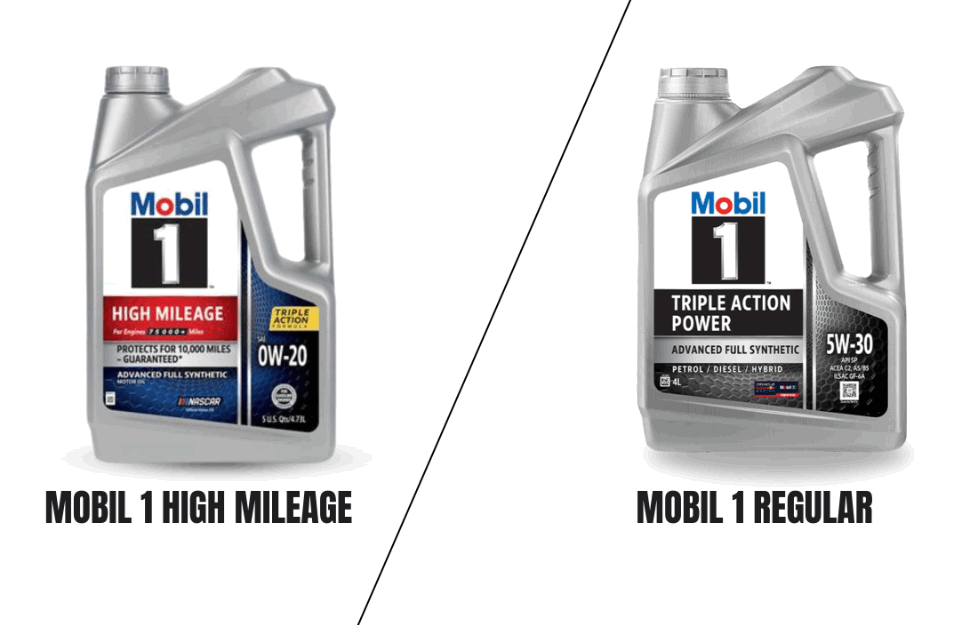
What Is the Difference Between High Mileage Oil and Regular Oil?
The main difference between high mileage oil and regular oil is the additive package. Both oils lubricate engine components, reduce friction, and protect against wear. However, high mileage oil contains specialized additives that address common problems found in older engines. These additives help maintain engine performance as internal components experience normal wear over time.
High mileage oil includes seal conditioners that keep rubber seals flexible. As an engine ages, seals gradually harden and shrink because of continuous heat exposure. This process can lead to minor oil leaks around the valve cover, crankshaft, or camshaft seals. Seal conditioners help reduce this wear by restoring flexibility, which may minimize small oil leaks. They cannot repair damaged or broken seals, but they often reduce seepage caused by normal aging.
The additive package also contains stronger detergents and additional anti wear agents. Extra detergents remove sludge and varnish that build up after thousands of miles. At the same time, enhanced anti wear additives create a stronger protective film between moving metal surfaces. This protection helps reduce friction in engines with greater internal wear. As a result, many older engines operate more smoothly and maintain more consistent oil pressure.
Regular motor oil focuses on providing reliable lubrication for engines that remain in good mechanical condition. It meets the performance standards established by vehicle manufacturers and protects engines during normal driving conditions. Most vehicles with healthy engines continue to perform well with regular oil when owners follow the recommended oil change interval.
Many drivers believe high mileage oil is simply thicker than regular oil, but that is not always true. Oil thickness depends on its SAE viscosity grade, such as 5W-30 or 10W-40, rather than whether it is labeled as high mileage. A high mileage 5W-30 and a regular 5W-30 share the same viscosity grade. The primary difference lies in the additives that improve seal protection, engine cleanliness, and long-term wear control.
Is High Mileage Oil Better Than Regular Oil?
High mileage oil is better than regular oil for engines that show signs of age related wear. It helps reduce oil consumption, protects worn engine components, and supports aging seals. However, it does not outperform regular oil in every situation. An engine in good condition can continue using regular oil if it meets the manufacturer’s specifications and receives regular maintenance.
Engine condition is the most important factor when choosing between the two oils. Many drivers switch to high mileage oil after reaching 75,000 miles because many manufacturers market it for higher mileage vehicles. However, mileage alone does not determine the right choice. Some engines remain in excellent condition after 100,000 miles, while others develop leaks or burn oil much earlier. If your engine consumes oil, develops minor leaks, or produces more mechanical noise than before, high mileage oil often provides additional protection.
High mileage oil also improves long term engine durability by using enhanced additive technology. Seal conditioners help maintain flexible rubber seals, while stronger detergents remove sludge and deposits that accumulate over time. Extra anti wear additives create a more durable protective layer between moving parts. These features reduce friction and help aging engines operate more efficiently under daily driving conditions.
Regular motor oil remains the better option for healthy engines that do not show excessive wear. It provides the lubrication, cooling, and cleaning performance required for normal operation without the additional seal conditioning additives found in high mileage formulations. Following the correct viscosity grade and API service classification remains more important than choosing a high mileage product when the engine is still in good mechanical condition.
The best oil is the one that matches your engine’s actual condition. High mileage oil offers clear advantages for older engines with early signs of wear, but it is not a universal upgrade. Choosing the correct viscosity, following the manufacturer’s recommendations, and changing the oil at the proper interval will always have a greater impact on engine life than simply selecting a different oil category.
When Should You Switch to High Mileage Oil?
You should switch to high mileage oil when your engine begins to show signs of wear rather than when it reaches a specific mileage. Many oil manufacturers recommend high mileage formulas for vehicles with more than 75,000 miles. However, this number serves as a general guideline instead of a strict rule. An engine’s condition provides a far more accurate indication of when a different oil can deliver additional benefits.
Several warning signs suggest that high mileage oil may be the better choice. Increased oil consumption is one of the most common indicators. If you need to add oil between scheduled oil changes, your engine may benefit from the extra protection offered by a high mileage formula. Minor oil leaks around aging seals, louder engine noise during cold starts, or reduced engine smoothness can also indicate normal wear that high mileage oil is designed to address.
Engine maintenance history also influences the right time to switch. A well maintained engine that receives regular oil changes may continue performing efficiently with regular motor oil even after 100,000 miles. In contrast, an engine exposed to frequent stop and go traffic, heavy towing, or harsh weather conditions may develop wear much earlier. Driving habits often affect engine health as much as total mileage.
Before changing oil types, always check your owner’s manual for the recommended viscosity grade and API service classification. High mileage oil should meet the same specifications required by the manufacturer. Choosing the correct viscosity remains essential for proper lubrication, regardless of the oil category.
Switching to high mileage oil is a preventive maintenance decision rather than a repair. It helps protect aging engine components, supports worn seals, and reduces oil consumption in many vehicles. However, it cannot fix mechanical failures such as damaged gaskets, cracked seals, or excessive internal engine wear. If your engine has severe leaks or significant performance problems, a professional inspection remains the best solution.
Does High Mileage Oil Reduce Oil Leaks and Oil Consumption?
High mileage oil can reduce minor oil leaks and lower oil consumption in engines that show normal age related wear. It works by improving seal flexibility and strengthening the protective oil film between moving parts. However, it cannot repair damaged engine components or stop leaks caused by mechanical failures.
One of the key features of high mileage oil is its seal conditioning technology. Rubber seals lose elasticity after years of exposure to heat and continuous pressure. As they harden, small gaps may develop around engine components, allowing oil to seep through. High mileage oil contains seal conditioners that help restore flexibility to aging seals. This process often reduces minor leaks and slows further oil loss, especially in older engines with moderate wear.
High mileage oil can also reduce oil consumption by improving lubrication and minimizing oil burn off. Older engines often develop larger clearances between moving components as internal parts wear over time. This extra clearance allows more oil to enter the combustion chamber, where it burns during normal engine operation. Enhanced anti wear additives create a stronger protective layer on metal surfaces, while the oil’s formulation helps maintain a stable lubricating film. Together, these features help reduce oil loss between scheduled oil changes.
Although many drivers notice improvements after switching to high mileage oil, the results depend on the engine’s condition. Small leaks caused by aging seals often become less noticeable, while excessive oil consumption may decrease in engines with moderate wear. However, severe leaks caused by cracked gaskets, broken seals, or worn piston rings require mechanical repairs. No engine oil can replace damaged components or restore parts that have reached the end of their service life.
High mileage oil should be viewed as preventive maintenance rather than a repair solution. It helps protect aging engines, supports seal performance, and reduces oil consumption under normal operating conditions. When an engine develops significant leaks or consumes oil rapidly, diagnosing the underlying mechanical problem remains the most effective long term solution.
Can You Use High Mileage Oil in Any Engine?
High mileage oil is safe for most gasoline engines as long as it meets the viscosity grade and performance standards recommended by the vehicle manufacturer. Despite its name, this type of oil is not limited to vehicles with high mileage. It simply contains additional additives that help protect engines showing early signs of wear. The engine’s condition remains far more important than the number displayed on the odometer.
Many drivers hesitate to use high mileage oil in a lower mileage vehicle because they believe it could damage the engine. In reality, high mileage oil does not contain harmful ingredients that increase engine wear or reduce performance. If the oil matches the required SAE viscosity grade and API service classification, it will lubricate the engine just like regular motor oil. However, a newer engine with healthy seals and low oil consumption may gain little benefit from the extra seal conditioners and enhanced additive package.
Switching from regular oil to high mileage oil is also safe. The two products share the same basic purpose and remain fully compatible with modern engine designs. Drivers often change to high mileage oil after noticing minor oil leaks, increased oil consumption, or gradual engine wear. Once the engine begins to benefit from the additional additives, there is usually no reason to switch back unless the manufacturer recommends a different oil for specific operating conditions.
High mileage oil can also be mixed with regular motor oil in an emergency because both products are designed to work together. Mixing them will not damage the engine, but it will dilute the specialized additives that make high mileage oil effective. For the best results, complete the next scheduled oil change with one product instead of continuing to mix different formulations over multiple service intervals.
Choosing the right engine oil should always begin with the manufacturer’s recommendations. High mileage oil offers additional protection for aging engines, but the correct viscosity grade, quality specification, and regular maintenance remain the most important factors for long term engine reliability.
What Are the Advantages and Disadvantages of High Mileage Oil?
High mileage oil offers several advantages for aging engines, but it also has limitations. It provides extra protection for engines with higher wear, minor oil leaks, or increased oil consumption. However, it cannot replace proper maintenance or repair damaged engine components. Understanding both the benefits and the drawbacks helps you decide whether this type of oil matches your vehicle’s needs.
One of the biggest advantages is improved seal protection. High mileage oil contains seal conditioners that help keep rubber seals flexible as they age. Flexible seals reduce the risk of minor oil leaks and slow oil seepage around common leak points. Many high mileage formulas also include stronger detergents that remove sludge and deposits from engine components. Cleaner internal surfaces improve oil circulation and help maintain consistent engine performance over time.
Another important benefit is enhanced wear protection. High mileage oil uses additional anti wear additives that strengthen the lubricating film between moving metal parts. This extra protection helps reduce friction inside older engines, especially during cold starts and high temperature operation. Many drivers also notice lower oil consumption because the oil maintains a more stable protective layer and supports worn engine components more effectively.
Despite these advantages, high mileage oil is not the best choice for every vehicle. A newer engine that operates normally may not benefit from the additional additives. In many cases, regular motor oil already provides all the protection required by the manufacturer. High mileage oil also costs more than conventional motor oil, which increases routine maintenance expenses without providing meaningful advantages for a healthy engine.
It is also important to understand what high mileage oil cannot do. It cannot repair worn piston rings, replace damaged seals, or stop leaks caused by broken gaskets. These problems require mechanical repairs rather than a different lubricant. High mileage oil works best as a preventive maintenance product that supports aging engines before minor wear develops into more serious mechanical issues.
Choosing high mileage oil should depend on your engine’s condition instead of marketing claims or mileage alone. When the engine shows early signs of wear, the additional additives can improve long term protection. If the engine remains in excellent condition, following the manufacturer’s recommended oil specifications will continue to provide reliable performance.
Which Oil Should You Choose?
The right engine oil depends on your engine’s condition, the manufacturer’s specifications, and your driving habits. High mileage oil is not automatically the better choice because a vehicle has accumulated more miles. Likewise, regular motor oil is not always the best option for a newer vehicle. Selecting the correct oil requires evaluating how the engine performs rather than focusing on the mileage alone.
Regular motor oil is the ideal choice for engines that remain in good mechanical condition. If your vehicle does not consume excessive oil, shows no signs of leakage, and operates smoothly between oil changes, regular oil provides the protection your engine needs. It meets the lubrication, cooling, and cleaning requirements established by vehicle manufacturers while maintaining reliable performance during everyday driving.
High mileage oil becomes the better option when an engine begins to show normal signs of aging. Minor oil leaks, increased oil consumption, louder engine operation, and reduced efficiency often indicate that the engine can benefit from additional seal conditioners and enhanced anti wear additives. These specialized additives help protect aging components and improve lubrication without changing the recommended viscosity grade.
Driving conditions should also influence your decision. Vehicles used for frequent stop and go traffic, heavy towing, long highway trips, or operation in extreme temperatures place greater demands on engine oil. Under these conditions, maintaining a stable lubricating film becomes even more important. Choosing a high quality oil that meets the manufacturer’s specifications helps protect the engine regardless of whether you select a regular or high mileage formulation.
The best long term strategy is to follow the oil specifications listed in your owner’s manual while monitoring your engine’s condition over time. If your engine remains healthy, continue using the recommended oil and replace it at the proper service interval. If the engine develops minor wear, oil consumption, or small leaks, switching to high mileage oil can provide additional protection and help maintain reliable performance. Matching the oil to your engine’s actual needs will always deliver better results than choosing a product based on mileage alone.
Conclusion
Choosing between high mileage oil and regular oil is not about finding a universally better product. It is about selecting the oil that matches your engine’s current condition. Regular motor oil continues to provide excellent protection for healthy engines that meet the manufacturer’s maintenance recommendations. High mileage oil, however, offers additional benefits for engines that develop minor oil leaks, increased oil consumption, or normal age related wear.
The most important factors remain the correct SAE viscosity grade, the required API service classification, and regular oil changes. These specifications have a greater impact on engine reliability than the oil category alone. High mileage oil should support a well maintained engine, not replace proper maintenance or repair mechanical problems. If your vehicle has severe leaks, worn internal components, or persistent performance issues, professional diagnosis remains the most effective solution.
Before changing your engine oil, evaluate how your vehicle performs instead of relying only on the mileage shown on the odometer. Consider signs such as oil consumption, engine noise, seal condition, and maintenance history. By matching the right oil to your engine’s actual needs, you can improve long term protection, maintain reliable performance, and help extend the service life of your vehicle. For a complete maintenance strategy, you should also learn how to choose the correct oil viscosity, understand synthetic versus conventional oil, and follow the recommended oil change interval for your specific engine.