One of the first questions many new and prospective Jeep Compass owners ask is, “What type of gas does a Jeep Compass use?” While it may seem like a simple question, using the correct fuel is essential for maintaining engine performance, maximizing fuel economy, and avoiding unnecessary expenses.
Many drivers assume that all modern SUVs require premium gasoline, especially newer models equipped with turbocharged engines. However, the answer isn’t always that straightforward. The Jeep Compass gas type depends on the model year, engine configuration, and the manufacturer’s fuel recommendations. Filling your tank with a higher octane fuel than required usually won’t improve performance, while using fuel with a lower octane rating than recommended may reduce engine efficiency or even cause knocking under certain driving conditions.
Over the years, Jeep has updated the Compass with different powertrains, from the naturally aspirated 2.4L Tigershark engine to the latest turbocharged 2.0L engine. These changes have also influenced the recommended fuel type for specific model years. As a result, many owners are unsure whether they should use regular unleaded gasoline, mid-grade fuel, or premium gasoline.
This comprehensive guide explains the Jeep Compass gas type for every model year, compares regular and premium gasoline, discusses octane ratings, answers common fuel-related questions, and provides practical tips to help you improve fuel efficiency. Whether you own an older Compass or are considering purchasing the newest model, this guide will help you choose the right fuel with confidence.
Quick Answer: What Gas Type Does the Jeep Compass Use?
For most Jeep Compass models, the recommended fuel is regular unleaded gasoline with an 87-octane rating. This applies to the majority of vehicles equipped with the 2.4L Tigershark engine produced between 2017 and 2023.
However, newer Jeep Compass models equipped with the 2.0L turbocharged engine may have different fuel recommendations depending on the market and local emissions regulations. In North America, Jeep generally recommends 87-octane regular unleaded gasoline, although premium fuel may provide slight performance improvements under certain driving conditions. Owners should always consult the vehicle’s owner’s manual or the fuel door label for the most accurate recommendation.
Here’s a quick overview:
| Model Years | Engine | Recommended Fuel | Octane Rating |
|---|---|---|---|
| 2007–2016 | Various gasoline engines | Regular Unleaded | 87 AKI |
| 2017–2023 | 2.4L Tigershark I4 | Regular Unleaded | 87 AKI |
| 2024–2025 | 2.0L Turbo I4 | Regular Unleaded (Premium optional in some markets) | 87 AKI minimum |
In short, most Jeep Compass owners can confidently fill up with regular 87-octane gasoline, making it one of the more affordable compact SUVs to operate compared to vehicles that require premium fuel.
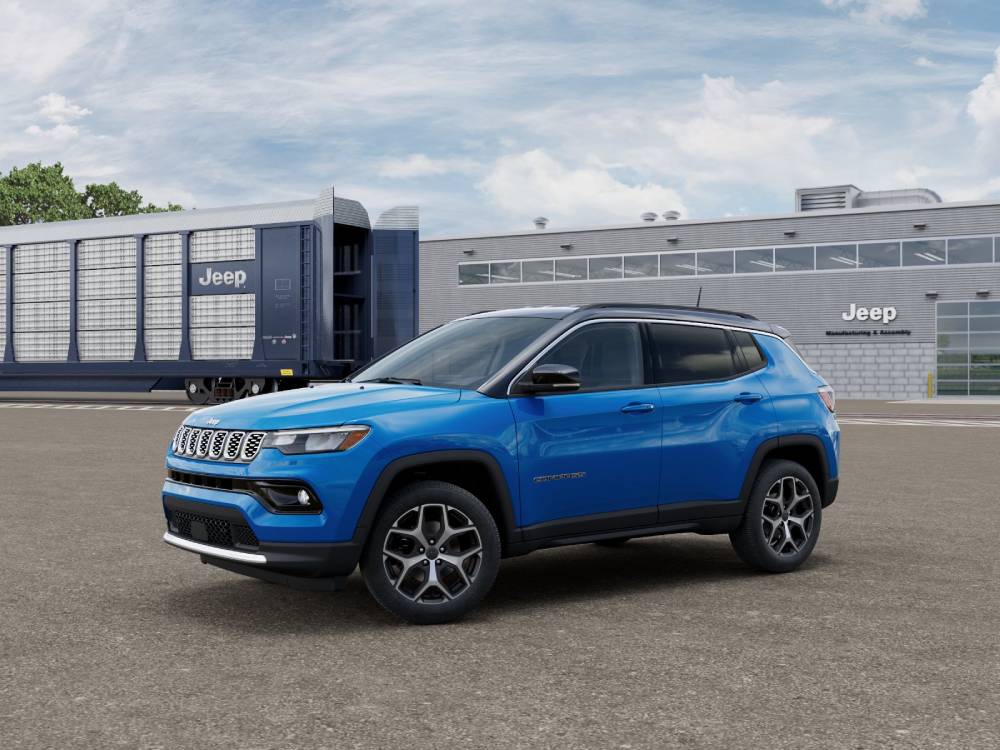
Jeep Compass Gas Type by Model Year
Although the Jeep Compass has changed significantly since its debut, its fuel requirements have remained relatively simple for most gasoline powered models. Regular unleaded gasoline with an octane rating of 87 AKI has been the standard recommendation across the majority of the United States lineup.
The engine is the most important factor when determining the correct Jeep Compass gas type. Trim names such as Sport, Latitude, Limited, and Trailhawk may affect equipment, drivetrain, and capability, but they do not automatically mean the vehicle needs premium gasoline.
Jeep Compass Gas Type Chart
| Model Years | Common U.S. Engine | Recommended Gas Type | Minimum Octane |
|---|---|---|---|
| 2007 to 2010 | 2.0L or 2.4L four cylinder | Regular unleaded gasoline | 87 AKI |
| 2011 to 2016 | 2.0L or 2.4L four cylinder | Regular unleaded gasoline | 87 AKI |
| 2017 to 2022 | 2.4L Tigershark four cylinder | Regular unleaded gasoline | 87 AKI |
| 2023 | 2.0L turbocharged four cylinder | Regular unleaded gasoline | 87 AKI |
| 2024 | 2.0L turbocharged four cylinder | Regular unleaded gasoline | 87 AKI |
| 2025 | 2.0L turbocharged four cylinder | Regular unleaded gasoline | 87 AKI |
This chart applies primarily to gasoline powered Jeep Compass models sold in the United States. Diesel engines, plug in hybrid versions, and vehicles sold in other regions may have completely different requirements. Always check the fuel door label and the owner’s manual before filling a vehicle imported from another market.
2007 to 2010 Jeep Compass
The first Jeep Compass models were offered with naturally aspirated four cylinder gasoline engines. Depending on the configuration, buyers could find either a 2.0L or 2.4L engine.
These engines were designed to run on regular unleaded gasoline rated at 87 AKI. Jeep’s published specifications for the 2007 Compass listed regular unleaded 87 octane as the fuel recommendation. Premium gasoline was not necessary for ordinary operation.
This made the early Compass relatively straightforward to refuel. Owners could select the least expensive grade that met the 87 octane requirement without worrying that they were sacrificing the performance Jeep intended the engine to deliver.
Using premium fuel in one of these vehicles generally does not create a noticeable increase in horsepower or fuel economy. The engine was calibrated around regular gasoline, so paying more per gallon usually provides little practical value.
2011 to 2016 Jeep Compass
The refreshed first generation Compass continued using 2.0L and 2.4L gasoline engines. Despite styling changes and equipment updates, the basic fuel recommendation remained the same.
The 2011 owner information specifies high quality regular unleaded gasoline with an octane rating of 87 for both the 2.0L and 2.4L engines. It also states that premium gasoline is not recommended.
The same pattern continued through the later years of this generation. For example, the 2015 owner’s manual lists 87 octane fuel and permits gasoline containing up to 15 percent ethanol.
Owners of a 2011 to 2016 Compass therefore do not need to upgrade to midgrade or premium fuel during normal driving. A good quality 87 octane gasoline from a reputable station is the appropriate choice.
Drivers sometimes believe that an older engine benefits from premium gasoline, especially when the vehicle has accumulated significant mileage. Higher octane fuel, however, is not a repair for worn spark plugs, dirty fuel injectors, carbon buildup, or other maintenance problems. If an older Compass knocks, hesitates, or loses power while using the specified fuel, the underlying mechanical issue should be diagnosed.
2017 to 2022 Jeep Compass
The redesigned Compass commonly used the 2.4L Tigershark four cylinder engine in the United States. This engine also operates on regular unleaded gasoline.
For these model years, 87 octane is the practical choice for routine driving. Owners do not need premium gasoline simply because they have a Limited or Trailhawk trim. The additional features and off road equipment included with those trims do not change the basic fuel requirement of the 2.4L gasoline engine.
This is welcome news for drivers already concerned about fuel costs. The Compass is often used as a commuter, family crossover, or road trip vehicle. Filling it with premium at every stop could add a meaningful amount to annual ownership expenses without producing a proportional benefit.
There may also be differences in ethanol availability. Gasoline containing up to the amount approved in the owner’s manual can be used, but drivers should not assume that fuels with very high ethanol concentrations are compatible. Fuel labeled E85 should never be used unless the vehicle is specifically identified as a flex fuel vehicle.
2023 Jeep Compass
The 2023 model year brought a major powertrain change in the United States. Jeep replaced the previous naturally aspirated engine with a 2.0L turbocharged four cylinder engine.
The word “turbocharged” often makes drivers assume that premium fuel is mandatory. That is not necessarily true. The 2023 Compass is designed to operate on regular unleaded gasoline with an 87 AKI rating according to its fuel requirements.
Modern engine controls can manage ignition timing, boost pressure, and combustion conditions to protect the engine during normal operation. The owner should still use fuel that meets the manufacturer’s minimum standard rather than choosing a lower octane grade to save a few cents.
The 2023 owner’s manual should remain the final authority for a specific vehicle because fuel standards and engine calibrations can vary by country.
2024 Jeep Compass
The 2024 Compass continued with the 2.0L turbocharged engine in the United States. Regular unleaded gasoline remained the sensible everyday fuel choice.
Owners may see premium gasoline marketed as cleaner, more powerful, or better for turbocharged vehicles. Premium describes the fuel’s resistance to premature combustion. It does not automatically mean the gasoline contains more energy, produces better mileage, or cleans the engine more effectively.
For most drivers, switching from 87 to 91 or 93 octane will not provide enough improvement to offset the higher price. The vehicle should be maintained with the correct oil, filters, spark plugs, and service schedule rather than relying on expensive fuel as a substitute for maintenance.
2025 Jeep Compass
The 2025 Jeep Compass continued using a 2.0L turbocharged engine in the United States. Jeep lists the Compass among its fuel efficient vehicles and identifies regular fuel for the model.
An owner should use high quality regular unleaded gasoline rated at 87 AKI unless the fuel label or the manual supplied with that particular vehicle states otherwise. The 2025 owner’s manual is the best source for specifications that apply to the exact vehicle.
This distinction matters because online advice often groups all Jeep turbo engines together. A fuel recommendation for a Wrangler, Grand Cherokee, or another Stellantis vehicle should not be applied automatically to the Compass. Even engines with similar displacement can have different compression ratios, boost strategies, software calibrations, and manufacturer recommendations.
For the typical U.S. owner, the key takeaway is simple: the 2025 Jeep Compass does not require premium gasoline for normal operation when its manual specifies regular 87 octane.
Regular vs Premium Gas for the Jeep Compass
The difference between regular and premium gasoline is primarily the octane rating. Regular gasoline at most U.S. stations is rated at 87 AKI, while premium is commonly rated at 91 or 93 AKI. Midgrade fuel usually falls between them at approximately 89 AKI.
Octane measures a fuel’s resistance to uncontrolled combustion. When the air and fuel mixture ignites at the wrong moment, the driver may hear a metallic pinging or knocking sound. Engines designed for higher cylinder pressure may require fuel with greater knock resistance.
Premium gasoline is not automatically more powerful than regular gasoline. It does not necessarily contain more usable energy, and it does not guarantee better fuel economy. Its primary advantage is that it can withstand greater pressure and heat before uncontrolled combustion occurs.
Does Premium Gas Increase Jeep Compass Horsepower?
In a Compass designed and calibrated for regular 87 octane gasoline, premium fuel is unlikely to create a meaningful horsepower increase during normal driving.
An engine can only take full advantage of higher octane fuel when its control system and calibration are designed to adjust operating conditions accordingly. Even when a small improvement is possible under heavy load, extreme heat, or demanding acceleration, many drivers will not notice it during an ordinary commute.
A higher price at the pump should not be mistaken for a guaranteed performance upgrade. The vehicle cannot gain substantial power simply because a more expensive grade was added to the tank.
Does Premium Gas Improve Fuel Economy?
Some Compass owners report changes in fuel economy after switching grades, but a single tank is not a reliable test. Traffic, temperature, wind, tire pressure, driving speed, cargo weight, idle time, and route selection can all change fuel consumption.
For example, a driver may fill the vehicle with premium before a long highway trip and then observe better mileage. The improvement may come from steady highway driving rather than the fuel itself.
To evaluate fuel economy properly, the driver would need to compare several tanks of each grade under similar conditions. Even then, any small mileage improvement may not compensate for the additional cost of premium gasoline.
Suppose regular fuel costs $3.40 per gallon and premium costs $4.10. On a 13 gallon fill, premium would cost about $9.10 more. Unless it produces a substantial and repeatable increase in efficiency, the owner spends more money to travel approximately the same distance.
Can Premium Gas Damage a Jeep Compass?
Premium gasoline with the correct formulation will not normally damage a gasoline powered Compass that is designed for regular fuel. A higher octane rating is not inherently harmful.
The main disadvantage is financial. Drivers may pay significantly more without receiving a measurable improvement in acceleration, smoothness, or fuel economy.
Fuel quality still matters. The correct octane rating does not make contaminated or improperly stored gasoline safe. Buying fuel from a busy, reputable station can reduce the risk of receiving stale or contaminated gasoline.
When Might Premium Gas Be Worth Considering?
Premium gasoline may be considered when the owner’s manual specifically recommends it for improved performance, when the fuel door requires it, or when the vehicle has been professionally modified and tuned for higher octane fuel.
It may also be reasonable to test a higher grade if the engine produces light knock while operating under unusually demanding conditions, provided the vehicle is otherwise properly maintained. Persistent knocking while using the required fuel should not simply be masked with premium gasoline. It can indicate carbon buildup, an ignition problem, overheating, poor fuel quality, or another issue requiring inspection.
Drivers who tow, climb steep grades, travel through extreme heat, or carry heavy loads should still follow the manual. Severe operating conditions do not automatically rewrite the manufacturer’s minimum fuel requirement.
Why Regular Gas Is Usually the Better Choice
For a stock Jeep Compass that specifies 87 octane, regular gasoline offers the best balance of cost, availability, and intended performance.
The engine was engineered to operate with it. Using the recommended grade allows the owner to avoid unnecessary fuel expenses while still receiving the performance and efficiency expected from the vehicle.
Rather than spending extra money on premium at every fill, most owners will gain more from keeping the tires properly inflated, replacing dirty air filters, using the specified engine oil, limiting excessive idling, and addressing warning lights promptly.
What Octane Rating Does the Jeep Compass Need?
Most gasoline powered Jeep Compass models sold in the United States need fuel rated at a minimum of 87 AKI. Understanding what that number means can help owners avoid both underfueling and overspending.
AKI stands for Anti Knock Index. It is the rating displayed on gasoline pumps in the United States and Canada. The number is calculated by averaging two laboratory measurements: Research Octane Number and Motor Octane Number. This is why a fuel label may also show the formula “R+M/2.”
Other countries often display only the Research Octane Number, commonly called RON. Because the measurement systems are different, the number shown at an overseas station may look higher even when the fuel is broadly comparable.
For example, 87 AKI in the United States is roughly comparable to 91 or 92 RON in many other markets. This does not mean American 87 octane is dramatically lower quality. It means the pump uses a different rating method.
87 Octane
Regular 87 octane gasoline is the standard requirement for most U.S. Jeep Compass gasoline engines.
It is widely available and generally the least expensive option. When the owner’s manual states that 87 octane is required or recommended, there is no need to move to a higher grade for everyday use.
Owners should avoid gasoline rated below the specified minimum. In some high altitude regions, 85 octane may be sold as regular. Although lower atmospheric pressure historically allowed certain engines to tolerate it, modern turbocharged and electronically controlled engines should still receive the minimum octane stated by the manufacturer.
If the Compass requires 87 AKI, the safer choice is 87 AKI even when 85 is available at a lower price.
89 Octane
Fuel rated at 89 AKI is usually sold as midgrade.
A Jeep Compass designed for 87 octane can generally operate on 89 without harm. However, the vehicle may not produce a noticeable improvement in performance or economy.
Midgrade can make sense when 87 is temporarily unavailable or when the owner is combining fuel grades already in the tank. It is not normally necessary as a permanent choice unless the manual or fuel label specifically calls for it.
91 Octane
Fuel rated at 91 AKI is commonly considered premium.
It offers greater resistance to knock, which benefits engines designed to use more aggressive ignition timing, higher compression, or increased turbocharger boost. A standard Compass calibrated for regular gasoline may not take meaningful advantage of that additional knock resistance.
Using 91 is generally acceptable, but acceptable does not mean required. Owners should compare the cost with any actual benefit rather than assuming premium is always better.
93 Octane
In some parts of the United States, premium gasoline is rated at 93 AKI.
Like 91 octane, it can be used in a Compass that accepts regular gasoline, but it will not automatically increase power or clean the engine. Unless the vehicle has a special calibration or an explicit premium fuel recommendation, 93 octane is usually an unnecessary expense.
What Happens If You Mix Different Octane Grades?
Mixing gasoline grades is generally not a problem. If half a tank of 87 octane is combined with half a tank of 93 octane, the resulting blend will have an approximate octane rating between the two.
The fuel will not separate into harmful layers simply because the grades differ. A driver who accidentally adds premium to a tank containing regular can continue driving normally.
The more serious concern is adding the wrong category of fuel, such as diesel in a gasoline Compass. Diesel does not behave like a different octane grade. Starting the engine after a diesel misfuel can damage the fuel system and require extensive cleaning.
How to Confirm the Correct Octane for Your Vehicle
The most reliable source is the owner’s manual supplied for the exact model year and market. The fuel door label or fuel cap may also identify the minimum octane and allowable ethanol content.
Drivers should verify these sources when:
- The vehicle was imported from another country
- The engine has been replaced
- The vehicle has an aftermarket performance tune
- The fuel door and manual provide conflicting information
- The car is a diesel or plug in hybrid model
- The owner is unsure whether the pump displays AKI or RON
Online charts are useful for general guidance, but the instructions attached to the individual vehicle take priority. This is especially important for a model sold globally with multiple gasoline, diesel, hybrid, and transmission configurations.
For most unmodified U.S. models, the answer remains straightforward: the correct Jeep Compass gas type is regular unleaded gasoline with an 87 AKI rating.
Can You Put Premium Gas in a Jeep Compass?
Yes. You can safely fill a Jeep Compass with premium gasoline even if the vehicle is designed to run on regular unleaded fuel. Premium gasoline has a higher octane rating than regular gasoline, but it remains fully compatible with gasoline engines that specify a lower minimum octane.
Many owners mistakenly believe that premium gasoline is a superior fuel in every situation. In reality, higher octane simply means the fuel is more resistant to premature combustion. It does not contain more energy, nor does it automatically increase horsepower, improve fuel economy, or extend engine life.
If your Jeep Compass owner’s manual recommends 87 AKI gasoline, using 91 or 93 AKI will not harm the engine. The engine control module will continue to operate within the parameters designed by Jeep, and most drivers will notice little or no difference in everyday driving.
Some drivers report slightly smoother acceleration after switching to premium fuel, particularly in hot weather or when driving through mountainous terrain. These differences are often subtle and may also be influenced by environmental conditions, fuel quality, or driving habits rather than the octane rating itself.
The biggest downside of using premium gasoline is cost. Depending on fuel prices in your area, premium gasoline can cost significantly more per gallon than regular fuel. Over the course of a year, those additional costs can add up without providing measurable benefits for a Jeep Compass that was engineered for regular gasoline.
Premium fuel may be worth considering if you frequently drive under heavy loads, tow small trailers within the vehicle’s limits, or operate in extremely high temperatures. Even then, Jeep’s published fuel recommendation should remain your primary guide.
In short, premium gasoline is safe for the Jeep Compass, but it is usually unnecessary unless your owner’s manual specifically recommends or requires it.
What Happens If You Use the Wrong Gas?
Using the wrong gasoline does not always result in immediate engine damage, but the consequences depend on exactly what type of fuel was added.
Using Lower Octane Fuel Than Recommended
If a Jeep Compass requires 87 AKI gasoline and you accidentally fill it with a lower octane fuel, the engine may experience knocking or pinging under heavy acceleration.
Modern Jeep engines are equipped with knock sensors that continuously monitor combustion. If knocking is detected, the engine management system can adjust ignition timing to help protect internal components. While this prevents serious damage in many situations, it may also reduce engine performance and fuel efficiency.
Occasionally using fuel with an octane rating slightly below the recommendation is unlikely to cause permanent damage, but it should not become a regular habit.
Using Higher Octane Fuel Than Recommended
Filling a Jeep Compass designed for 87 octane with 91 or 93 octane gasoline is generally harmless.
The engine will simply operate normally, and many drivers will notice little or no difference in performance or fuel economy. The primary consequence is paying more for fuel that the engine does not require.
Accidentally Mixing Regular and Premium Gas
Mixing regular and premium gasoline is perfectly acceptable.
The resulting fuel in the tank will simply have an octane rating somewhere between the two grades. There is no need to drain the fuel tank or visit a repair shop after accidentally mixing gasoline grades.
Accidentally Filling the Tank with Diesel
This is a much more serious mistake.
Gasoline engines are not designed to operate on diesel fuel. If diesel is accidentally added to a gasoline powered Jeep Compass, do not start the engine. Starting the vehicle can circulate diesel through the fuel system and potentially damage components such as the fuel pump, injectors, and catalytic converter.
Instead, contact roadside assistance or a qualified repair facility so the fuel tank can be drained before the engine is started.
Common Symptoms of Incorrect Fuel
If the wrong fuel has been used, you may notice one or more of the following symptoms:
- Engine knocking or pinging
- Reduced acceleration
- Rough idle
- Poor fuel economy
- Check Engine Light
- Engine hesitation
- Difficulty starting
- Increased exhaust emissions
If these symptoms continue after refilling with the correct gasoline, the vehicle should be inspected by a qualified technician.
Jeep Compass Fuel Economy by Engine
Fuel economy is another important consideration when choosing the correct fuel. While many people assume premium gasoline automatically improves fuel efficiency, real world results depend far more on the engine, drivetrain, driving habits, and vehicle maintenance.
Below is a general comparison of fuel economy for common gasoline powered Jeep Compass engines sold in the United States.
| Model Years | Engine | City MPG | Highway MPG | Combined MPG |
|---|---|---|---|---|
| 2007 to 2010 | 2.4L I4 | 21 | 25 | 22 |
| 2011 to 2016 | 2.4L I4 | 21 | 28 | 23 |
| 2017 to 2022 FWD | 2.4L Tigershark | 22 | 31 | 26 |
| 2017 to 2022 AWD | 2.4L Tigershark | 22 | 30 | 25 |
| 2023 to 2025 AWD | 2.0L Turbo | 24 | 32 | 27 |
Actual fuel economy varies depending on weather, terrain, tire condition, traffic, cargo weight, and driving style.
Does Premium Fuel Improve MPG?
For a Jeep Compass designed to operate on regular gasoline, premium fuel rarely produces a significant improvement in fuel economy.
Even if a driver notices a slight increase during one tank of fuel, the improvement is often too small to recover the higher purchase price of premium gasoline.
For example, imagine a Compass averages 27 MPG using regular gasoline. Even if premium fuel increased efficiency by one MPG, the higher fuel cost would often offset any savings at the pump. This is why independent automotive testing frequently concludes that premium fuel is not a cost effective option for vehicles designed for regular gasoline.
Factors That Have a Bigger Impact on Fuel Economy
Instead of changing fuel grades, owners should focus on maintenance and driving habits that have a much greater influence on fuel consumption.
Proper tire inflation reduces rolling resistance and helps the engine work more efficiently.
Routine oil changes using the manufacturer recommended oil help reduce internal engine friction.
Replacing a clogged engine air filter allows the engine to breathe properly and maintain efficient combustion.
Avoiding aggressive acceleration and sudden braking can significantly improve average fuel economy, especially during city driving.
Removing unnecessary cargo from the vehicle reduces weight and allows the engine to use less fuel during acceleration.
Maintaining a steady highway speed with cruise control whenever appropriate also helps maximize efficiency during long trips.
These simple practices usually provide greater long term savings than purchasing premium gasoline for a vehicle that was designed to use regular fuel.
Tips to Maximize Fuel Efficiency in Your Jeep Compass
Choosing the correct Jeep Compass gas type is only one part of reducing fuel costs. Your driving habits, maintenance routine, and the overall condition of your vehicle have a much greater impact on fuel economy than switching between regular and premium gasoline.
Whether you own an older Compass with the 2.4L Tigershark engine or a newer model equipped with the 2.0L turbocharged engine, following a few simple practices can help you travel farther on every tank of fuel.
Keep Your Tires Properly Inflated
Underinflated tires create additional rolling resistance, forcing the engine to work harder. Even a small drop in tire pressure can reduce fuel efficiency over time.
Check tire pressure at least once a month and before long road trips. Always inflate the tires according to the pressure listed on the driver’s door sticker rather than the maximum pressure shown on the tire sidewall.
Properly inflated tires also improve handling, braking performance, and tire life.
Accelerate Smoothly
Rapid acceleration consumes significantly more fuel than gradual acceleration.
When leaving a stoplight or merging onto a highway, apply the accelerator smoothly instead of flooring the pedal. Gentle acceleration allows the transmission to shift efficiently and helps reduce unnecessary fuel consumption.
This driving habit is especially beneficial during city driving, where repeated stops and starts can dramatically affect average MPG.
Maintain a Consistent Speed
Constant changes in speed require additional engine power.
On highways, using cruise control whenever traffic conditions allow can help maintain a steady speed and improve fuel economy. Driving at a moderate, consistent pace is generally more efficient than frequent acceleration followed by heavy braking.
Reduce Excess Weight
Every extra pound carried by your Jeep Compass requires additional energy to move.
Remove unnecessary tools, sports equipment, roof racks, or cargo boxes when they are not needed. Roof mounted accessories can also increase aerodynamic drag, especially at highway speeds.
Reducing unnecessary weight improves both fuel economy and vehicle handling.
Follow the Recommended Maintenance Schedule
Routine maintenance is essential for keeping the engine operating efficiently.
Replace engine oil at the recommended intervals using the oil grade specified by Jeep.
Inspect and replace the engine air filter when necessary.
Replace spark plugs according to the maintenance schedule.
Keep the cooling system functioning properly to maintain optimal engine temperature.
A well maintained engine burns fuel more efficiently and produces fewer emissions.
Buy Fuel From Reputable Gas Stations
Fuel quality matters.
Major fuel retailers often include detergent additives that help reduce deposits inside the fuel injectors and intake valves. While all gasoline sold in the United States must meet minimum standards, consistently purchasing fuel from reputable stations can help maintain engine cleanliness over the long term.
Avoid filling up at stations where the fuel appears contaminated or where storage tanks may not be well maintained.
Avoid Excessive Idling
Modern engines do not need long warm up periods before driving.
Allowing the engine to idle for extended periods wastes fuel without improving performance. If you expect to remain parked for several minutes, turning off the engine is usually the more economical choice.
Plan Your Trips
Several short trips with a cold engine generally consume more fuel than one longer trip covering the same total distance.
Whenever possible, combine errands into a single outing. This allows the engine to reach its normal operating temperature, where it operates more efficiently.
Monitor Fuel Economy Regularly
Tracking fuel economy helps identify developing problems before they become expensive repairs.
A sudden decrease in MPG may indicate:
- Low tire pressure
- Dirty air filter
- Worn spark plugs
- Faulty oxygen sensor
- Fuel injector problems
- Brake drag
- Transmission issues
Addressing these problems early can restore fuel economy and prevent additional mechanical damage.
Frequently Asked Questions
No. Most gasoline powered Jeep Compass models sold in the United States are designed to run on regular unleaded gasoline with an octane rating of 87 AKI. Premium gasoline is generally not required unless specifically stated in the owner’s manual for your particular vehicle.
What is the recommended octane rating for a Jeep Compass?
For the majority of model years, Jeep recommends regular unleaded gasoline with a minimum octane rating of 87 AKI.
Always verify the fuel recommendation listed on the fuel door or in the owner’s manual because specifications may differ between countries.
Can I use 89 octane instead of 87?
Yes.
Using 89 octane will not damage the engine. However, most drivers will not notice any meaningful improvement in performance or fuel economy compared with regular 87 octane gasoline.
Can I use 91 or 93 octane?
Yes.
Higher octane gasoline is safe for a Jeep Compass that recommends 87 octane. However, premium fuel usually provides little practical benefit and often increases operating costs.
Nothing harmful.
Simply continue driving normally. Premium gasoline can safely be mixed with regular gasoline, and the engine management system will operate as intended.
Absolutely.
There is no requirement to use the same fuel grade every time you fill the tank. Many owners occasionally use premium gasoline while traveling if regular fuel is unavailable.
For most stock Jeep Compass models, the answer is no.
Unless the engine has been specifically engineered or calibrated to take advantage of higher octane fuel, any increase in performance is typically too small for everyday drivers to notice.
In most cases, no.
Any improvement is usually minimal and rarely offsets the additional cost of premium gasoline.
Can I use gasoline containing ethanol?
Most gasoline powered Jeep Compass models are approved to use gasoline containing up to 15 percent ethanol, commonly sold as E15 where permitted.
Do not use E85 unless your vehicle is specifically identified as a flex fuel vehicle.
Always consult the owner’s manual for the approved ethanol content for your model year.
What should I do if I accidentally put diesel fuel into my Jeep Compass?
Do not start the engine.
Contact roadside assistance or a qualified repair facility immediately. Starting the engine can circulate diesel through the fuel system and significantly increase repair costs.
How often should I check my fuel economy?
It is a good idea to monitor fuel economy at every fill up.
A gradual decrease in MPG can indicate maintenance issues before warning lights appear, allowing you to address problems early and avoid more expensive repairs.
Conclusion
Understanding the correct Jeep Compass gas type is one of the simplest ways to protect your vehicle, maintain reliable performance, and avoid unnecessary fuel expenses.
For most gasoline powered Jeep Compass models sold in the United States, regular unleaded gasoline with an 87 AKI octane rating is the recommended fuel. From the early first generation models to the latest versions equipped with the 2.0L turbocharged engine, Jeep has designed the Compass to deliver dependable performance without requiring expensive premium gasoline in normal driving conditions.
While premium gasoline is perfectly safe to use, it generally does not provide enough additional performance or fuel economy to justify the higher price for a vehicle engineered for regular fuel. Instead, owners will achieve better long term value by following the recommended maintenance schedule, keeping tires properly inflated, driving smoothly, and purchasing high quality fuel from reputable stations.
It is also important to remember that fuel recommendations can vary depending on the model year, engine, and market where the vehicle was sold. The owner’s manual and the information printed on the fuel door should always take priority over general advice found online.
By choosing the correct fuel and maintaining your Jeep Compass properly, you can maximize fuel efficiency, reduce operating costs, and help ensure reliable performance for many years to come.
If you are unsure which fuel is recommended for your specific Jeep Compass, check the owner’s manual or let us know your model year, engine, and country. We will help you identify the correct gasoline type for your vehicle.