If you own a GMC Terrain or are considering buying one, you’ve probably wondered, “What gas type does the GMC Terrain use?” Choosing the right fuel is more important than many drivers realize. Using the recommended gasoline not only helps your SUV deliver optimal performance but also improves fuel efficiency, protects the engine from unnecessary wear, and ensures long-term reliability. With fluctuating fuel prices, it’s also natural to ask whether paying extra for premium gasoline is actually worth it.
The good news is that most GMC Terrain models are designed to run on regular unleaded gasoline with a minimum octane rating of 87 AKI. While some drivers assume that premium fuel automatically provides better performance, that’s not the case for the majority of GMC Terrain models. In fact, using a higher octane fuel than recommended often provides little to no measurable benefit in everyday driving.
In this complete fuel guide, you’ll learn everything you need to know about the GMC Terrain gas type, including the recommended octane rating, whether premium gas is ever necessary, fuel requirements by model year, differences between engine options, and common fueling mistakes to avoid. We’ll also answer the most frequently asked questions so you can fuel your GMC Terrain with confidence and keep it running at its best for years to come.
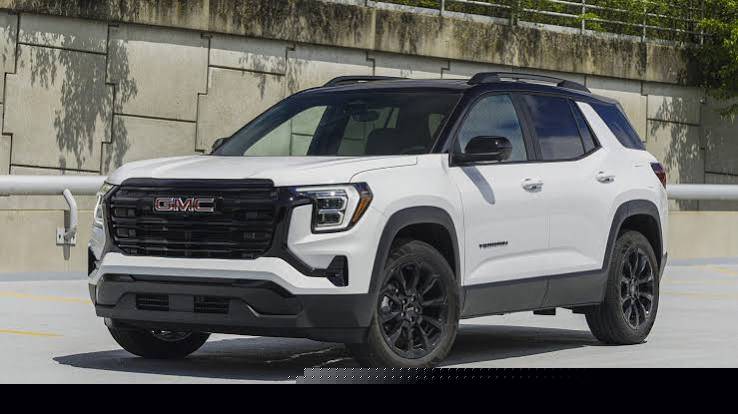
What Gas Type Does GMC Terrain Use?
The GMC Terrain is designed to operate on regular unleaded gasoline with a minimum octane rating of 87 AKI. This recommendation applies to most gasoline-powered Terrain models, including those equipped with the popular 1.5L turbocharged engine. GMC engineers calibrate the engine management system to deliver the best balance of performance, fuel economy, and reliability using this grade of fuel.
Many drivers mistakenly believe that a higher octane fuel automatically improves vehicle performance. However, octane rating simply measures a fuel’s resistance to engine knocking or pre-ignition. Unless your GMC Terrain’s engine specifically requires premium gasoline, filling the tank with 91 or 93 octane fuel will not significantly increase horsepower, acceleration, or fuel economy during normal driving.
Modern GMC Terrain engines are equipped with sophisticated knock sensors that continuously monitor combustion. If minor knocking is detected, the engine control module automatically adjusts ignition timing to maintain smooth and efficient operation. This technology allows the engine to perform safely on the recommended 87 AKI gasoline while protecting internal components from damage.
Drivers should also look for Top Tier™ gasoline whenever possible. Top Tier fuels contain additional detergent additives that help keep fuel injectors, intake valves, and combustion chambers cleaner over time. Cleaner engine components contribute to smoother performance, improved fuel efficiency, and lower maintenance costs throughout the vehicle’s lifespan.
Although regular unleaded gasoline is the recommended fuel for most GMC Terrain models, owners should always verify the fuel specifications listed in their owner’s manual, especially if they own an older model year or a vehicle sold in a different market where engine options may vary.
Does the GMC Terrain Require Premium Gas?
For the vast majority of GMC Terrain models, the answer is no. Premium gasoline is not required because the engine is specifically engineered to deliver its intended performance using regular unleaded fuel with an octane rating of at least 87 AKI. Choosing premium gasoline simply because it is more expensive does not automatically translate into better performance or increased engine protection.
Premium gasoline contains a higher octane rating, which helps prevent knocking in high-compression or high-performance engines. Since the GMC Terrain’s standard gasoline engines are designed for regular fuel, they do not fully utilize the additional knock resistance offered by premium gasoline during everyday driving conditions.
Some drivers may notice slightly smoother acceleration or marginally improved performance when towing heavy loads, driving in mountainous terrain, or operating in extremely hot weather. However, these differences are generally small and rarely justify the higher fuel cost. Independent automotive testing has consistently shown that vehicles designed for regular gasoline experience minimal gains in horsepower or fuel economy when premium fuel is used.
Using premium gasoline occasionally will not harm your GMC Terrain. Likewise, switching between regular and premium fuel is perfectly safe. The vehicle’s engine management system automatically adapts to the fuel being used. Unless GMC specifically recommends premium gasoline for a particular engine or model year, most owners will achieve the best value by consistently using high-quality regular unleaded gasoline.
Recommended Octane Rating for Every GMC Terrain Engine
While the GMC Terrain has been offered with several engine options over the years, the recommended fuel remains remarkably consistent across most model years. Understanding how each engine is designed can help owners make informed fueling decisions.
1.5L Turbocharged Engine
The current-generation GMC Terrain is powered by a 1.5-liter turbocharged four-cylinder engine. Despite being turbocharged, this engine is designed to run efficiently on 87 AKI regular unleaded gasoline. Advanced electronic controls, direct fuel injection, and knock sensors allow the engine to optimize combustion without requiring premium fuel under normal driving conditions.
Drivers who frequently tow, drive in high-temperature environments, or accelerate aggressively may choose to use premium gasoline occasionally. While the engine can take advantage of the higher octane in certain situations, the improvement is typically modest and not necessary for everyday commuting.
Previous 2.0L Turbocharged Engine
Earlier GMC Terrain models equipped with the available 2.0-liter turbocharged engine also operated on regular gasoline in most situations. However, some owners reported slightly improved throttle response and acceleration when using premium fuel, particularly during spirited driving. Even so, premium gasoline remained optional rather than mandatory unless otherwise stated in the owner’s manual for a specific model year.
Naturally Aspirated Engines
Older GMC Terrain models powered by naturally aspirated four-cylinder engines were likewise engineered for 87 AKI regular unleaded gasoline. These engines place less demand on fuel octane than many turbocharged or performance-oriented engines, making regular gasoline the most economical and practical choice.
Regardless of engine type, always consult the owner’s manual for your specific model year. Manufacturer recommendations should take precedence if fuel requirements differ because of engine updates, regional specifications, or future model revisions.
GMC Terrain Fuel Requirements by Model Year
Although the GMC Terrain has undergone several redesigns and engine updates throughout its production history, one thing has remained largely unchanged: most gasoline-powered models are engineered to run on regular unleaded gasoline with a minimum octane rating of 87 AKI. This consistency makes fueling simple for both new and long-time owners.
| Model Year | Engine | Recommended Fuel | Minimum Octane |
|---|---|---|---|
| 2026 | 1.5L Turbo | Regular Unleaded | 87 AKI |
| 2025 | 1.5L Turbo | Regular Unleaded | 87 AKI |
| 2024 | 1.5L Turbo | Regular Unleaded | 87 AKI |
| 2023 | 1.5L Turbo | Regular Unleaded | 87 AKI |
| 2022 | 1.5L Turbo | Regular Unleaded | 87 AKI |
| 2021 | 1.5L Turbo | Regular Unleaded | 87 AKI |
| 2020 | 1.5L Turbo / 2.0L Turbo | Regular Unleaded | 87 AKI |
| 2018–2019 | 1.5L Turbo / 2.0L Turbo | Regular Unleaded | 87 AKI |
| 2010–2017 | 2.4L I4 / 3.0L V6 / 3.6L V6 | Regular Unleaded | 87 AKI |
Most trims, including the SLE, SLT, AT4, and Denali, share the same fuel recommendation because they use the same engine family. While trim levels differ in features and equipment, they generally do not require a different grade of gasoline.
Drivers should remember that manufacturer recommendations can change if an engine is revised or a new powertrain is introduced. For this reason, the owner’s manual remains the most reliable source for your specific model year. If your vehicle has been modified or imported from another market, fuel specifications may also differ slightly.
Using the recommended fuel grade ensures the engine performs as intended while minimizing operating costs. It also helps maintain warranty compliance and reduces the likelihood of engine knock under normal driving conditions.
Can You Use Premium Gas Instead?
Yes, you can safely fill your GMC Terrain with premium gasoline, even though it is not required. Premium fuel has a higher octane rating than regular gasoline, making it more resistant to premature combustion inside the engine. However, higher octane does not necessarily mean higher quality or better performance for every vehicle.
Since the GMC Terrain is calibrated for 87 AKI gasoline, switching to 91 or 93 octane typically produces little noticeable improvement in everyday driving. Most owners will not experience meaningful gains in fuel economy, engine power, or acceleration during city or highway use.
There are situations where premium gasoline may offer slight advantages. Drivers who regularly tow heavy trailers, climb steep mountain roads, or drive in extremely hot climates may notice smoother engine operation under heavy loads. Even then, the difference is often modest and may not justify the additional fuel expense over thousands of miles.
Some motorists believe premium gasoline cleans the engine better than regular fuel. In reality, the cleaning ability depends more on the detergent package than the octane rating itself. Choosing gasoline from a reputable Top Tier fuel retailer is generally more beneficial than paying extra for premium fuel alone.
If you accidentally fill your GMC Terrain with premium gasoline, there is no reason for concern. The engine management system will automatically adjust to the fuel, and no damage will occur. Likewise, alternating between regular and premium gasoline does not harm the engine, although consistently using regular fuel is the most cost-effective choice for vehicles that do not require premium.
What Happens If You Use the Wrong Fuel?
Using the wrong fuel can have different consequences depending on what type of mistake is made. Fortunately, choosing a higher octane gasoline than recommended is usually harmless, while more serious errors involve using the wrong type of fuel altogether.
If you fill the tank with gasoline that has a lower octane rating than recommended, modern GMC Terrain models can usually compensate through electronic ignition timing adjustments. Knock sensors detect abnormal combustion and help protect the engine from damage. However, prolonged use of fuel below the manufacturer’s minimum recommendation may reduce engine performance and fuel efficiency.
Using premium gasoline instead of regular gasoline is not harmful. The vehicle will continue operating normally, although most drivers will not notice significant improvements in power or fuel economy. The primary drawback is the higher cost at the fuel pump.
A much more serious mistake is accidentally filling the vehicle with diesel fuel. Since the GMC Terrain’s gasoline engines are not designed to burn diesel, starting the engine can lead to extensive damage to the fuel system, injectors, and other engine components. If diesel is mistakenly added to the tank, do not start the vehicle. Instead, have it towed to a qualified repair facility where the fuel system can be drained and cleaned.
Fuel contamination caused by water, dirt, or poor-quality gasoline can also create drivability issues. Common symptoms include rough idling, hesitation during acceleration, difficulty starting, reduced fuel economy, and an illuminated check engine light. If these symptoms appear shortly after refueling, it is advisable to have the fuel system inspected as soon as possible.
By consistently using the recommended gasoline, purchasing fuel from reputable stations, and following the manufacturer’s maintenance schedule, GMC Terrain owners can maximize engine reliability, maintain optimal fuel economy, and reduce the risk of expensive repairs over the life of the vehicle.
Tips for Getting the Best Fuel Economy
Getting the best fuel economy from your GMC Terrain involves more than simply choosing the correct gas type. While using the recommended 87 AKI regular unleaded gasoline provides the foundation for efficient performance, your driving habits and maintenance routine also play a significant role in maximizing every gallon of fuel.
One of the easiest ways to improve fuel efficiency is to purchase gasoline from reputable stations that sell Top Tier fuel. These fuels contain enhanced detergent additives that help prevent carbon deposits from forming on fuel injectors and intake valves. A cleaner fuel system allows the engine to burn fuel more efficiently, resulting in smoother performance and better long-term reliability.
Maintaining proper tire pressure is another simple but effective strategy. Underinflated tires create additional rolling resistance, forcing the engine to work harder and consume more fuel. Check your tire pressure at least once a month and before long trips, especially during seasonal temperature changes.
Routine maintenance is equally important. Replacing the engine air filter according to GMC’s recommended service intervals ensures the engine receives adequate airflow for efficient combustion. Regular oil changes using the recommended engine oil also reduce internal friction and help the engine operate at peak efficiency.
Driving style has a significant impact on fuel consumption. Rapid acceleration, sudden braking, and excessive speeding increase fuel usage considerably. Smooth acceleration, maintaining a steady highway speed, and anticipating traffic conditions can noticeably improve miles per gallon over time.
Reducing unnecessary weight is another practical tip. Carrying heavy cargo or leaving unused roof racks installed increases aerodynamic drag and fuel consumption. Removing excess items from the vehicle whenever possible helps the engine work more efficiently.
Excessive idling also wastes fuel. If you expect to remain stopped for more than a minute, shutting off the engine can save gasoline while reducing emissions. Many newer GMC Terrain models are equipped with automatic stop/start technology that performs this function automatically under appropriate conditions.
Finally, follow the maintenance schedule outlined in your owner’s manual. Regular inspections of spark plugs, fuel injectors, filters, and other engine components help prevent small issues from becoming expensive repairs while ensuring your GMC Terrain continues to deliver its best possible fuel economy.
Frequently Asked Questions
No. Most GMC Terrain models are designed to run on regular unleaded gasoline with a minimum octane rating of 87 AKI. Premium gasoline is generally optional rather than required.
What octane fuel should I use in my GMC Terrain?
GMC recommends using gasoline with an octane rating of at least 87 AKI for most gasoline-powered Terrain models. Always verify your specific model year’s recommendation in the owner’s manual.
Can I use 89 octane instead of 87?
Yes. Using mid-grade 89 octane gasoline is completely safe. However, most drivers will notice little or no improvement in performance or fuel economy compared to regular 87 AKI fuel.
Is 93 octane better for a GMC Terrain?
Higher-octane fuel is not necessarily better unless the engine is specifically designed to require it. In most GMC Terrain models, 93 octane provides minimal real-world benefits while increasing fuel costs.
Under normal driving conditions, premium gasoline is unlikely to produce a measurable improvement in fuel economy. The savings from improved mileage, if any, rarely offset the additional cost of premium fuel.
Yes. Modern GMC Terrain engines automatically adjust to different octane levels, allowing drivers to alternate between regular and premium gasoline without causing damage.
Nothing harmful will happen. Your vehicle will continue operating normally, although you probably will not experience significant improvements in power, fuel efficiency, or engine performance.
Is Top Tier gasoline worth using?
Yes. Top Tier gasoline contains additional detergent additives that help keep the fuel system cleaner. Over time, this can contribute to improved engine performance, reduced deposits, and better long-term reliability.
Can bad gasoline damage my GMC Terrain?
Contaminated or poor-quality gasoline can cause rough idling, hesitation, reduced fuel economy, and check engine warnings. Purchasing fuel from reputable stations significantly reduces this risk.
Should I always follow the owner’s manual?
Absolutely. The owner’s manual contains the official fuel recommendation for your specific model year and engine configuration. If any information differs from general guidance, the owner’s manual should always take priority.
Conclusion
Choosing the correct GMC Terrain gas type is one of the simplest ways to keep your SUV performing efficiently while avoiding unnecessary fuel expenses. Fortunately, the answer is straightforward for most owners. Nearly every gasoline-powered GMC Terrain is designed to run on regular unleaded gasoline with a minimum octane rating of 87 AKI, making it both convenient and economical to refuel.
Although premium gasoline is safe to use, it is not required for the vast majority of GMC Terrain models. Unless you regularly drive under demanding conditions or your specific owner’s manual recommends otherwise, premium fuel is unlikely to deliver noticeable improvements in power, fuel economy, or engine longevity. Instead, choosing high-quality fuel from reputable stations and following the recommended maintenance schedule will have a much greater impact on your vehicle’s long-term performance.
Keeping your tires properly inflated, driving smoothly, replacing filters on schedule, and using Top Tier gasoline whenever possible can all contribute to better fuel efficiency and lower ownership costs. These simple habits help your GMC Terrain operate as its engineers intended while reducing wear on critical engine components.
Whether you own an older Terrain with a naturally aspirated engine or a newer model equipped with a turbocharged powertrain, understanding the recommended fuel requirements gives you confidence every time you pull up to the pump. By following GMC’s fuel recommendations and consulting your owner’s manual whenever necessary, you can enjoy dependable performance, excellent reliability, and the best possible value throughout the life of your vehicle.