If you own a GMC Acadia or are planning to buy one, knowing the correct fuel type is more important than many drivers realize. Choosing the right gasoline not only helps your SUV perform at its best but also improves fuel efficiency and supports long-term engine health. Yet, many owners still wonder whether their Acadia needs regular unleaded, premium gasoline, or something in between.
The answer is not always straightforward. Since its introduction in 2007, the GMC Acadia has gone through multiple generations, featuring different engines ranging from naturally aspirated V6s to modern turbocharged powertrains. As these engines evolved, so did their fuel recommendations. While most Acadia models are designed to run on regular unleaded gasoline, certain turbocharged variants can benefit from higher-octane fuel for maximum performance.
This comprehensive guide explains the recommended GMC Acadia gas type for every model year and engine configuration. You’ll discover which octane rating your vehicle requires, whether premium gasoline is worth the extra cost, and what can happen if you use the wrong fuel. We’ll also compare fuel requirements across different generations, provide practical fuel-saving tips, and answer the most frequently asked questions from GMC Acadia owners.
By the end of this article, you’ll have all the information you need to confidently fill up your GMC Acadia with the right fuel while avoiding unnecessary expenses and maintaining optimal engine performance.
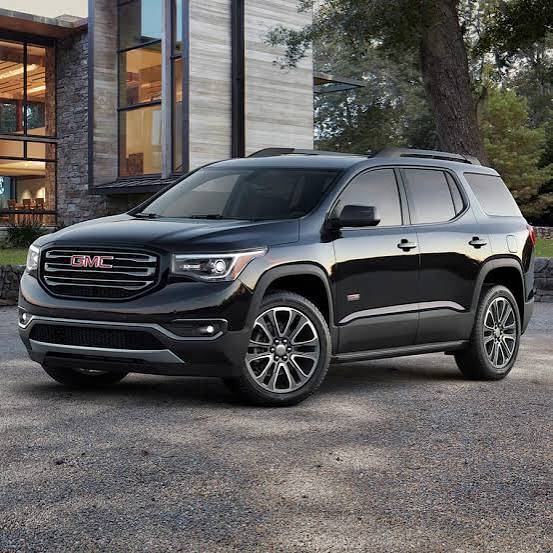
Quick Answer: What Gas Does the GMC Acadia Use?
The GMC Acadia gas type depends on the model year and engine, but the majority of Acadia models are designed to run on regular unleaded gasoline with an octane rating of 87. This fuel provides the performance, fuel economy, and engine protection intended by GMC engineers.
However, some newer turbocharged engines may recommend premium unleaded gasoline (91 octane or higher) to achieve maximum horsepower and torque. Even in these cases, many models can still operate safely on regular gasoline because the engine management system automatically adjusts ignition timing to prevent knocking. The tradeoff is that you may notice slightly slower acceleration and reduced overall performance.
If you’re unsure which fuel your Acadia requires, the most reliable sources are the owner’s manual and the fuel filler door label. Following the manufacturer’s recommendation is the best way to maintain engine efficiency, reduce unnecessary fuel costs, and ensure long-term reliability.
In short, here are the general fuel recommendations:
| GMC Acadia Model | Recommended Fuel |
|---|---|
| Most 2007–2023 models | Regular Unleaded (87 Octane) |
| Some turbocharged models | Premium Recommended (91 Octane), but 87 may be acceptable if specified by GMC |
| All models | Use unleaded gasoline only |
While premium fuel is often associated with better performance, using it in an engine designed for regular gasoline typically provides little to no measurable benefit. Unless GMC specifically recommends premium fuel for your engine, regular unleaded remains the most economical and practical choice.
GMC Acadia Gas Type by Model Year
Because the GMC Acadia has evolved significantly over the years, fuel recommendations vary depending on the engine installed in each generation. Understanding these differences helps you choose the correct gasoline and avoid paying for fuel your vehicle doesn’t actually need.
2007–2016 GMC Acadia
The first-generation GMC Acadia came equipped exclusively with the well-known 3.6L V6 engine, paired with either front-wheel drive or all-wheel drive. Throughout this generation, GMC engineered the engine to operate on regular unleaded gasoline with an 87-octane rating.
Although some owners choose premium gasoline hoping to improve performance, the naturally aspirated V6 was not designed to take advantage of higher-octane fuel. As a result, premium gasoline generally does not increase horsepower, improve fuel economy, or extend engine life enough to justify the additional cost.
Engine: 3.6L V6
Recommended Fuel: Regular Unleaded (87 Octane)
Premium Required: No
Premium Benefit: Minimal to none
The first-generation Acadia earned a reputation for smooth highway performance and dependable daily driving when fueled with standard 87-octane gasoline. Drivers who followed the recommended maintenance schedule and used quality fuel generally experienced reliable engine performance for many years.
2017–2019 GMC Acadia
The second-generation Acadia introduced a lighter platform and multiple engine options, giving buyers more flexibility based on their driving needs.
The standard 2.5L inline-four engine continued GMC’s tradition of using regular unleaded gasoline. It was designed for efficiency rather than maximum power, making 87-octane fuel the ideal choice.
Buyers seeking stronger acceleration could choose the updated 3.6L V6, which also runs on regular 87-octane gasoline. Like its predecessor, this engine does not require premium fuel under normal driving conditions.
2.5L Inline-Four
Recommended Fuel: Regular Unleaded (87 Octane)
Premium Required: No
Primary Advantage: Better fuel economy
3.6L V6
Recommended Fuel: Regular Unleaded (87 Octane)
Premium Required: No
Primary Advantage: Increased towing capacity and stronger acceleration
For both engines, using premium gasoline typically offers no noticeable improvement in everyday driving. Unless you frequently tow heavy loads in extreme temperatures or operate under unusually demanding conditions, regular unleaded remains the recommended and most cost-effective option.
2020–2023 GMC Acadia
The 2020 model year introduced a significant change by adding the 2.0L turbocharged four-cylinder engine, while the trusted 3.6L V6 remained available in selected trims.
The naturally aspirated V6 continued to require only regular unleaded gasoline. However, the turbocharged engine brought a more nuanced fuel recommendation.
The 2.0L Turbo is engineered to run safely on regular 87-octane gasoline, but GMC recommends premium gasoline (91 octane or higher) if drivers want to experience the engine’s full performance potential. Higher-octane fuel allows the turbocharged engine to maintain more aggressive ignition timing under heavy acceleration, resulting in improved responsiveness and maximum horsepower.
2.0L Turbo
Recommended Fuel: Premium Unleaded (91 Octane) for best performance
Minimum Fuel: Regular Unleaded (87 Octane), if permitted by the owner’s manual
Benefit of Premium: Improved throttle response, stronger acceleration, and optimal power output
3.6L V6
Recommended Fuel: Regular Unleaded (87 Octane)
Premium Required: No
For most daily commuters, the difference between regular and premium gasoline in the turbocharged engine may only be noticeable during rapid acceleration, highway merging, or towing. Drivers focused on minimizing fuel costs can generally continue using regular gasoline if GMC specifies it as acceptable, while those seeking peak performance may find premium fuel worthwhile.
The introduction of the turbocharged engine also improved overall fuel efficiency, allowing the Acadia to deliver a balance of power and economy that appealed to a broader range of SUV buyers.
2024–Present GMC Acadia
The 2024 GMC Acadia marks the beginning of the SUV’s third generation, bringing significant upgrades in size, technology, and powertrain design. Unlike previous generations that offered multiple engine choices, the redesigned Acadia now comes standard with a 2.5L turbocharged inline-four engine across all trim levels.
This all-new engine produces considerably more horsepower and torque than the outgoing naturally aspirated four-cylinder while delivering improved fuel efficiency. To achieve its advertised performance figures, GMC recommends using premium unleaded gasoline with a minimum octane rating of 91. Higher-octane fuel allows the turbocharger to operate more efficiently and helps the engine maintain optimal ignition timing under heavy loads.
Fortunately, the engine’s advanced knock sensors and electronic engine management system also allow it to operate on regular 87-octane gasoline if premium fuel is unavailable. When lower-octane fuel is used, the engine automatically adjusts combustion timing to prevent knocking. While this protects the engine from damage, drivers may notice a slight reduction in acceleration, towing performance, and overall responsiveness.
Engine: 2.5L Turbocharged Inline-Four
Recommended Fuel: Premium Unleaded (91 Octane)
Minimum Acceptable Fuel: Regular Unleaded (87 Octane), if permitted by the owner’s manual
Best Choice for Performance: Premium Unleaded
For drivers who frequently tow trailers, travel through mountainous terrain, or often accelerate aggressively, premium gasoline is the better choice because it helps the engine consistently deliver its full rated power. On the other hand, commuters who primarily drive in city traffic or on flat highways may find that regular gasoline offers acceptable performance while reducing fuel expenses.
GMC Acadia Fuel Requirements by Engine
Although model years provide a helpful reference, fuel recommendations are ultimately determined by the engine installed in your GMC Acadia. Knowing your engine type makes it much easier to choose the correct gasoline, especially when shopping for a used vehicle or comparing different trim levels.
3.6L V6 Engine
The 3.6L V6 has been one of General Motors’ most reliable and widely used engines for many years. Found in both the first and second generations of the Acadia, this naturally aspirated V6 was engineered to deliver strong everyday performance using regular unleaded gasoline with an 87-octane rating.
Because the engine’s compression ratio and ignition timing are optimized for regular fuel, premium gasoline offers virtually no measurable improvement in horsepower, fuel economy, or engine longevity. Most owners will experience the same driving characteristics regardless of whether they choose regular or premium gasoline.
Recommended Fuel: Regular Unleaded (87 Octane)
Premium Required: No
Fuel Economy: Approximately 18 to 22 MPG combined, depending on model year and drivetrain
Best For: Daily driving, highway cruising, and towing within the vehicle’s rated capacity
2.5L Inline-Four Engine
Introduced with the second-generation Acadia, the naturally aspirated 2.5L four-cylinder engine was designed to maximize fuel efficiency while keeping ownership costs low. Like the V6, it performs exactly as intended using regular 87-octane gasoline.
Since this engine is not turbocharged, it gains virtually no advantage from higher-octane fuel. Drivers can confidently choose regular unleaded at every fill-up without sacrificing reliability or performance.
Recommended Fuel: Regular Unleaded (87 Octane)
Premium Required: No
Primary Benefit: Excellent fuel economy and lower operating costs
Ideal For: Urban commuting and family transportation
2.0L Turbocharged Engine
The 2.0L turbocharged engine delivers noticeably stronger low-end torque and quicker acceleration than the naturally aspirated four-cylinder. Because turbocharged engines generate higher cylinder pressures, they often benefit from higher-octane fuel.
GMC allows this engine to operate on regular gasoline, but premium unleaded (91 octane or higher) is recommended to achieve the engine’s advertised horsepower and torque figures. Premium fuel also helps maintain consistent performance during hot weather, steep climbs, and heavy towing.
When regular gasoline is used, the engine control module automatically adjusts ignition timing to protect internal components. While completely safe, this adjustment may reduce peak power output and slightly affect throttle response.
Recommended Fuel: Premium Unleaded (91 Octane)
Minimum Fuel: Regular Unleaded (87 Octane), when approved by GMC
Benefits of Premium: Better acceleration, improved responsiveness, and maximum engine performance
Does GMC Acadia Require Premium Gas?
For most GMC Acadia models, the answer is no. The majority of Acadias sold since 2007 are engineered to run on regular unleaded gasoline with an octane rating of 87, making them relatively inexpensive to fuel compared to many competitors in the midsize SUV segment.
The only exception involves newer turbocharged engines, particularly the latest 2.5L turbo and the earlier 2.0L turbo. These engines are calibrated to deliver their maximum performance when using premium gasoline. Higher-octane fuel resists pre-ignition more effectively, allowing the engine to maintain optimal combustion timing under demanding driving conditions.
That said, premium gasoline should not be confused with a mandatory requirement in every situation. If the owner’s manual states that regular gasoline is acceptable, the engine management system will compensate for the lower octane by adjusting ignition timing. The vehicle remains safe to drive, but you may notice reduced acceleration, slightly lower towing capability, and a minor decrease in overall responsiveness.
For owners of naturally aspirated 3.6L V6 and 2.5L four-cylinder models, spending extra on premium gasoline is generally unnecessary. These engines were specifically engineered for regular fuel, and switching to premium is unlikely to produce any meaningful improvement in performance or fuel economy. Choosing the fuel recommended by GMC remains the most cost-effective way to balance performance, efficiency, and long-term engine reliability.
Can You Put Premium Gas in a GMC Acadia That Uses Regular?
Yes, you can safely fill a GMC Acadia designed for regular gasoline with premium fuel. Modern gasoline engines are equipped with sophisticated engine control systems that can adapt to different octane ratings without causing damage. If your owner’s manual recommends 87-octane fuel, using 91- or 93-octane gasoline will not harm the engine.
However, many drivers mistakenly believe that premium gasoline automatically improves performance, increases fuel economy, or extends engine life. In reality, this is rarely the case for engines specifically designed to run on regular fuel.
Higher-octane gasoline is formulated to resist engine knock under high compression and high boost conditions. Naturally aspirated engines like the 3.6L V6 and 2.5L inline-four found in many GMC Acadia models simply do not require this additional knock resistance during normal operation.
As a result, drivers are unlikely to notice any significant differences in acceleration, fuel economy, or engine smoothness after switching to premium fuel. Numerous independent automotive tests have shown that engines calibrated for regular gasoline generally produce nearly identical performance regardless of whether 87- or 91-octane fuel is used.
The only downside is cost. Premium gasoline typically costs considerably more per gallon, increasing annual fuel expenses without providing measurable benefits for most Acadia owners.
Premium gasoline may be worth considering if:
- Your Acadia has a turbocharged engine that recommends premium fuel.
- You frequently tow heavy trailers.
- You regularly drive in mountainous areas.
- You experience occasional engine knock under heavy acceleration.
Otherwise, regular unleaded gasoline remains the most practical and economical choice.
What Happens If You Use the Wrong Gas?
Using the wrong gasoline is a common concern among vehicle owners, but the consequences depend on whether the fuel has a lower or higher octane rating than recommended. Fortunately, modern GMC Acadia models are equipped with advanced engine management systems that help minimize potential issues.
Using Lower-Octane Fuel Than Recommended
If your turbocharged GMC Acadia recommends premium gasoline and you accidentally fill the tank with regular 87-octane fuel, the engine will usually continue operating safely. Knock sensors continuously monitor combustion and automatically adjust ignition timing to prevent harmful engine knock.
Although this protects the engine from damage, you may experience several noticeable changes.
Reduced acceleration is one of the most common effects. The engine may feel less responsive when merging onto highways or climbing steep hills.
Horsepower and torque may decrease slightly because the engine can no longer operate with its most aggressive ignition timing.
Fuel economy may decline marginally since the engine is no longer working at peak efficiency.
Heavy towing performance can also be affected, particularly in hot weather or at higher elevations where the engine works harder.
These effects are generally temporary and disappear once premium fuel is used again, provided the owner’s manual recommends it.
Using Higher-Octane Fuel Than Required
Filling a GMC Acadia designed for regular gasoline with premium fuel is completely safe. Higher-octane gasoline will not damage the engine, clog fuel injectors, or reduce reliability.
However, most naturally aspirated Acadia engines cannot take advantage of the additional knock resistance offered by premium gasoline. As a result, owners typically see little or no improvement in:
- Fuel economy
- Horsepower
- Engine smoothness
- Long-term durability
The biggest consequence is simply spending more money at the fuel pump.
It is also important to distinguish between using the wrong octane and using the wrong type of fuel. Accidentally filling a gasoline-powered GMC Acadia with diesel fuel, or vice versa, is a much more serious issue and can cause extensive damage to the fuel system and engine. If this happens, do not start the vehicle and contact roadside assistance immediately.
GMC Acadia Fuel Economy by Engine
Fuel economy varies depending on the model year, engine, drivetrain, and driving conditions. While choosing the correct GMC Acadia gas type helps maintain efficiency, factors such as traffic, driving habits, tire pressure, and maintenance also play significant roles.
The table below provides a general comparison of the most common GMC Acadia engines and their recommended fuel types.
| Engine | Model Years | Recommended Fuel | EPA Combined MPG* |
|---|---|---|---|
| 3.6L V6 | 2007–2016 | Regular Unleaded (87 Octane) | 18–19 MPG |
| 2.5L Inline-Four | 2017–2019 | Regular Unleaded (87 Octane) | 23–24 MPG |
| 3.6L V6 | 2017–2023 | Regular Unleaded (87 Octane) | 21–22 MPG |
| 2.0L Turbo | 2020–2023 | Premium Recommended (91 Octane) | 24–25 MPG |
| 2.5L Turbo | 2024–Present | Premium Recommended (91 Octane) | Approximately 23–24 MPG* |
Actual fuel economy varies depending on trim level, drivetrain, weather conditions, driving style, cargo weight, and maintenance.
While premium gasoline can help turbocharged engines achieve their rated performance, it does not necessarily produce dramatic improvements in fuel economy. For most drivers, smooth acceleration, maintaining proper tire pressure, avoiding excessive idling, and following the recommended maintenance schedule have a greater impact on overall fuel efficiency than switching to a higher-octane fuel.
Tips to Get Better Fuel Economy in Your GMC Acadia
Using the correct GMC Acadia gas type is only one part of maximizing fuel efficiency. Your driving habits, maintenance routine, and vehicle condition all play important roles in determining how many miles you can travel on each tank of fuel. Whether you own a first-generation Acadia with the 3.6L V6 or the latest turbocharged model, following a few simple practices can help reduce fuel consumption and keep your SUV running efficiently.
Use the Recommended Octane Rating
Always use the octane rating specified in your owner’s manual. If your Acadia is designed for regular 87-octane gasoline, there’s little reason to pay extra for premium fuel. Conversely, if you drive a turbocharged model that recommends 91-octane gasoline, using premium fuel can help maintain peak performance, especially during heavy acceleration or towing.
Keep Your Tires Properly Inflated
Underinflated tires create additional rolling resistance, forcing the engine to work harder and consume more fuel. Check your tire pressure at least once a month and before long road trips. Inflate the tires according to the pressure listed on the driver’s door jamb rather than the maximum pressure printed on the tire sidewall.
Avoid Aggressive Acceleration
Rapid acceleration is one of the quickest ways to reduce fuel economy. Pressing the accelerator smoothly allows the transmission to shift more efficiently and helps the engine operate within its optimal power range. Gentle driving habits can noticeably improve fuel efficiency, particularly during city driving.
Maintain a Consistent Speed
Frequent speeding up and slowing down wastes fuel. On highways, using cruise control whenever traffic conditions permit can help maintain a steady speed and reduce unnecessary fuel consumption.
Follow the Recommended Maintenance Schedule
Regular maintenance keeps your engine operating efficiently. Replace engine oil, air filters, spark plugs, and other wear items according to GMC’s maintenance schedule. A well-maintained engine burns fuel more efficiently and is less likely to develop performance issues over time.
Reduce Unnecessary Weight
Carrying heavy cargo that you don’t need increases the vehicle’s workload and decreases fuel economy. Remove unnecessary items from the cargo area whenever possible, and avoid leaving roof racks or cargo boxes installed when they are not in use, as they increase aerodynamic drag.
Use High-Quality Fuel
Choosing gasoline from reputable fuel stations that offer detergent additives can help keep fuel injectors and intake valves cleaner. Cleaner fuel systems promote better combustion, smoother engine operation, and consistent fuel economy over the long term.
Minimize Excessive Idling
Modern engines consume very little fuel during startup, making prolonged idling less efficient than simply driving away. If you expect to remain stopped for more than a minute or two, turning off the engine can save fuel and reduce emissions.
By combining these habits with the correct fuel type, most GMC Acadia owners can maximize fuel economy while reducing long-term operating costs.
Frequently Asked Questions
What gas does a GMC Acadia use?
Most GMC Acadia models use regular unleaded gasoline with an 87-octane rating. Newer turbocharged engines may recommend premium 91-octane gasoline for the best performance, but many can still operate safely on regular fuel if permitted by the owner’s manual.
No. Most GMC Acadia models do not require premium gasoline. Premium fuel is generally recommended only for certain turbocharged engines to achieve maximum horsepower and torque. Naturally aspirated engines, including the 3.6L V6 and 2.5L inline-four, are designed to run on regular unleaded gasoline.
Can I use regular gas in a turbocharged GMC Acadia?
In many cases, yes. If GMC states that regular 87-octane gasoline is acceptable, the engine’s control system will automatically adjust ignition timing to prevent knocking. However, using premium gasoline may improve acceleration and overall performance in turbocharged models.
For most GMC Acadia models, the improvement is minimal or nonexistent. Engines designed for regular gasoline generally do not become significantly more fuel-efficient simply because premium fuel is used. The additional cost of premium gasoline usually outweighs any small increase in fuel economy.
Yes. Switching between regular and premium gasoline is completely safe, provided both fuels meet the octane requirements specified by GMC. There is no need to alternate between fuel grades or mix them unless you choose to do so.
Can using the wrong octane damage my engine?
Using a higher octane than required will not damage the engine, but it usually provides no additional benefit. Using a lower octane than recommended in a turbocharged engine may temporarily reduce performance because the engine adjusts ignition timing to prevent knocking. Modern GMC engines are designed to protect themselves under these conditions.
Is Top Tier gasoline recommended?
Yes. Top Tier gasoline contains additional detergent additives that help reduce carbon deposits on fuel injectors and intake valves. While it is not mandatory, many automotive manufacturers recommend using Top Tier fuel to help maintain engine cleanliness and long-term performance.
Conclusion
Choosing the correct GMC Acadia gas type is one of the simplest ways to protect your engine and optimize your SUV’s performance. The good news is that most GMC Acadia models produced since 2007 are designed to operate on regular unleaded gasoline with an 87-octane rating, making them affordable to own and maintain. Only certain turbocharged engines benefit from premium gasoline, which helps them deliver their maximum horsepower and torque under demanding driving conditions.
Understanding your vehicle’s model year and engine is essential before filling up at the pump. While using premium gasoline in an engine designed for regular fuel is perfectly safe, it rarely provides enough additional performance or fuel economy to justify the extra cost. Likewise, turbocharged models that recommend premium fuel can often operate on regular gasoline, though drivers may notice slightly reduced acceleration and responsiveness.
Ultimately, following the fuel recommendations in your owner’s manual, performing routine maintenance, and adopting efficient driving habits will have a much greater impact on your vehicle’s reliability and fuel economy than simply choosing a more expensive grade of gasoline.
If you’re unsure which fuel your GMC Acadia requires, consult your owner’s manual or check the label inside the fuel filler door before your next visit to the gas station. Using the right gasoline today can help keep your Acadia running smoothly for many years to come.