A GM lifter failure is one of the most frustrating and expensive engine problems that Chevrolet, GMC, Cadillac, and other General Motors vehicle owners can face. What often begins as a faint ticking noise from the engine can quickly develop into severe valvetrain damage, camshaft wear, engine misfires, and repair bills that range from hundreds to several thousand dollars.
In recent years, lifter-related issues have become increasingly common in GM trucks and SUVs equipped with Active Fuel Management (AFM) and Dynamic Fuel Management (DFM) systems. Popular models such as the Chevrolet Silverado, GMC Sierra, Tahoe, Yukon, and Cadillac Escalade have all experienced reports of collapsed lifters, particularly in the 5.3L and 6.2L EcoTec3 V8 engines. While not every engine will develop this problem, understanding the warning signs can help you prevent catastrophic engine damage and significantly reduce repair costs.
This comprehensive guide explains everything you need to know about GM lifter failure, including how lifters work, the most common symptoms, underlying causes, affected engines, diagnostic methods, repair costs, and practical maintenance tips to extend engine life. Whether you’re hearing an unusual ticking noise or simply want to protect your investment, this guide provides the information you need to make informed decisions before a minor issue becomes a major repair.
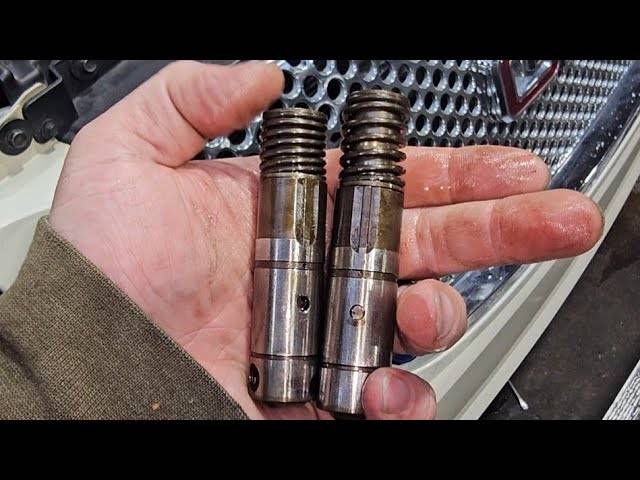
What Is a GM Lifter?
A valve lifter is a small but essential component inside an engine’s valvetrain. Its job is to transfer the rotational movement of the camshaft into the upward and downward motion needed to open and close the intake and exhaust valves. In many GM V8 engines, hydraulic roller lifters work together with pushrods, rocker arms, valve springs, and the camshaft to control airflow through the combustion chambers.
Hydraulic lifters use engine oil pressure to maintain proper clearance between valvetrain components. When the system works correctly, the lifters help the engine run smoothly, quietly, and efficiently. They automatically compensate for small changes caused by heat, wear, and normal engine operation.
Problems begin when a lifter becomes stuck, collapses internally, loses oil pressure, or can no longer follow the camshaft lobe correctly. A failed lifter may prevent a valve from opening fully or cause the valve to remain in the wrong position. This can lead to ticking noises, misfires, reduced power, and damage to the camshaft.
Some GM engines use specialized lifters as part of Active Fuel Management, commonly known as AFM, or Dynamic Fuel Management, known as DFM. These systems are designed to improve fuel economy by temporarily deactivating selected cylinders when full engine power is not required.
During cylinder deactivation, oil pressure is used to change the operating state of certain lifters. The affected valves remain closed, allowing the engine to operate on fewer cylinders. When additional power is needed, the system reactivates the cylinders.
Although AFM and DFM can reduce fuel consumption under certain driving conditions, they also introduce additional complexity. A conventional lifter has one primary mechanical function, while a deactivation lifter contains internal components that must respond correctly to oil pressure and electronic commands. If sludge, contaminated oil, restricted oil passages, mechanical wear, or internal component failure interferes with this process, the lifter may collapse or remain stuck.
A collapsed lifter does not necessarily mean the entire engine is destroyed. However, delaying diagnosis can make the repair significantly more expensive. A damaged lifter may wear down a camshaft lobe, bend a pushrod, damage a rocker arm, or create metal debris that circulates through the lubrication system.
This is why an unusual ticking noise should never be dismissed as normal engine sound without further inspection. Early diagnosis may allow a technician to address the valvetrain problem before it develops into major internal engine damage.
Common Symptoms of GM Lifter Failure
The symptoms of GM lifter failure can vary depending on which lifter has failed, how long the engine has been operating with the problem, and whether additional valvetrain components have already been damaged. Some failures appear suddenly, while others begin with a faint noise that gradually becomes louder.
Recognizing the warning signs early can reduce the risk of camshaft damage and help prevent a relatively contained repair from turning into a complete engine replacement.
Engine Ticking Noise
A repetitive ticking sound from the upper part of the engine is one of the most recognizable signs of a lifter problem. The noise often follows engine speed, becoming faster as the driver increases the RPM.
A brief ticking noise immediately after a cold start may sometimes be related to oil draining from the lifters while the vehicle is parked. However, a tick that continues after the engine reaches normal operating temperature deserves attention.
A failed or collapsed lifter can create excessive clearance in the valvetrain. Each time the camshaft rotates, the loose components may strike one another and produce a metallic tapping sound.
The sound may seem mild at first, but ignoring it can be costly. Continued operation may damage the camshaft lobe that controls the affected lifter.
Check Engine Light
A malfunctioning lifter can interfere with valve movement and combustion. When the engine control module detects abnormal combustion, cylinder imbalance, or repeated misfires, it may illuminate the Check Engine Light.
The warning light may remain steady or flash. A flashing Check Engine Light usually indicates an active misfire severe enough to damage the catalytic converter. The vehicle should not be driven aggressively in this condition.
Diagnostic trouble codes can help identify the affected cylinder, but they do not always prove that the lifter itself is the cause. Ignition coils, spark plugs, fuel injectors, wiring problems, low compression, and other mechanical faults can produce similar codes.
A proper diagnosis should combine scan data with mechanical testing.
Engine Misfire
A failed lifter may prevent an intake or exhaust valve from opening fully. If the cylinder cannot receive the correct amount of air or release exhaust gases properly, combustion becomes weak or incomplete.
The driver may notice hesitation, shaking, uneven acceleration, or a sudden reduction in performance. The engine may feel as though it is running on fewer cylinders because one affected cylinder is no longer contributing normal power.
Misfires caused by lifter failure may be constant or intermittent. In some cases, the misfire appears more strongly at idle. In others, it becomes more noticeable under acceleration or when the engine is under load.
Replacing ignition components without confirming the mechanical condition of the cylinder may waste time and money. If a misfire remains after spark and fuel systems have been checked, the valvetrain should be inspected.
Rough Idle and Engine Vibration
A healthy V8 should generally maintain a stable idle. When one cylinder cannot breathe or combust correctly, the engine may shake, surge, or feel unbalanced.
The vibration may be felt through the steering wheel, seat, floor, or dashboard. The engine speed may fluctuate, especially when the vehicle is stopped in gear.
A rough idle can have many possible causes, including vacuum leaks, dirty throttle components, ignition faults, fuel delivery problems, or carbon buildup. However, when rough operation appears together with a ticking noise and a cylinder-specific misfire code, lifter failure becomes a stronger possibility.
Loss of Power
A cylinder with restricted valve movement cannot produce normal power. The vehicle may feel slow when accelerating, climbing hills, towing, or merging onto a highway.
Some drivers report that the engine feels responsive at low speed but loses strength as RPM increases. This can happen because the affected valve cannot open far enough or remain open for the required amount of time.
The engine control module may also reduce power to protect the drivetrain when it detects a serious fault. In that situation, the dashboard may display a reduced engine power message.
Poor Fuel Economy
A malfunctioning cylinder can reduce overall engine efficiency. The control system may adjust fuel delivery in an attempt to maintain smooth operation, causing fuel consumption to increase.
Drivers may notice fewer miles per gallon even though their driving habits and routes have not changed. Poor fuel economy alone does not confirm a failed lifter, but it can support the diagnosis when combined with ticking, misfires, and loss of power.
Metal Debris in the Engine Oil
When a damaged lifter repeatedly contacts a worn camshaft lobe, metal particles may enter the engine oil. These particles can appear as fine metallic glitter in drained oil or as debris trapped inside the oil filter.
Metal contamination is a serious warning sign. The debris can circulate through bearings, oil passages, and other lubricated components, increasing the risk of widespread engine damage.
A technician may cut open the oil filter during diagnosis to inspect the filter material. Large amounts of metallic debris can change the recommended repair from a limited lifter replacement to a more extensive engine inspection or rebuild.
Loud Knocking or Clattering
A light tick may progress into a louder clatter if valvetrain clearance increases or parts begin to break. A bent pushrod, damaged rocker arm, broken valve spring, or severely worn camshaft can create more aggressive mechanical noise.
At this stage, continuing to drive is risky. The engine should be shut down and inspected before additional damage occurs.
Reduced Oil Pressure
Hydraulic lifters depend on a stable supply of clean engine oil. Low oil pressure can prevent them from operating correctly, while internal leakage from damaged components may contribute to pressure problems.
An oil pressure warning should be treated as urgent. Running an engine with insufficient oil pressure can damage the lifters, camshaft, crankshaft bearings, and other internal parts within a short period.
What Causes GM Lifter Failure?
GM lifter failure rarely has only one possible cause. The problem may result from lubrication issues, contaminated oil, mechanical wear, component defects, or a combination of factors.
Understanding the underlying cause is important because replacing the failed lifter without correcting the original problem may lead to another failure.
Low Oil Pressure
Hydraulic lifters require pressurized oil to maintain internal adjustment and operate quietly. AFM and DFM lifters also rely on controlled oil pressure to switch between operating modes.
If engine oil pressure becomes too low, a lifter may not remain properly filled. It can collapse, create excessive valvetrain clearance, or fail to respond when commanded.
Low oil pressure may be caused by insufficient oil, a worn oil pump, excessive bearing clearance, a clogged pickup screen, internal leakage, or an incorrect oil filter. A damaged oil pressure control component can also affect oil delivery.
Replacing lifters without testing oil pressure may leave the real cause unresolved.
Dirty or Contaminated Engine Oil
Engine oil carries heat and contaminants away from moving parts. Over time, it collects combustion byproducts, microscopic metal particles, moisture, and deposits.
When oil remains in service too long, sludge and varnish may form. These deposits can restrict the small passages that supply oil to hydraulic and cylinder-deactivation lifters.
An AFM or DFM lifter contains internal moving parts that must slide and lock precisely. Contamination can prevent these components from moving freely, causing the lifter to stick in either the active or deactivated position.
Using the correct oil and replacing it at appropriate intervals can reduce this risk, although maintenance cannot eliminate every possible mechanical failure.
Incorrect Oil Viscosity
Oil that is too thick may flow slowly during a cold start, delaying lubrication to the upper valvetrain. Oil that is too thin for the engine or operating conditions may not maintain adequate pressure at high temperature.
GM engines are calibrated for specific oil viscosities. Using an oil that does not meet the vehicle manufacturer’s specification can affect lifter operation, oil pressure, and cylinder-deactivation performance.
Owners should follow the viscosity and oil specification listed in the owner’s manual rather than choosing oil based only on brand, price, or general advice.
Extended Oil Change Intervals
Long oil change intervals increase the possibility of contamination and deposit formation, especially in vehicles used for short trips, towing, idling, stop-and-go traffic, or extreme temperatures.
The maintenance reminder system can be useful, but vehicle operating conditions also matter. An engine that frequently works under severe conditions may benefit from closer inspection of oil level and condition.
Running the engine low on oil between service intervals creates additional risk. Some engines consume a measurable amount of oil during normal use, so checking the dipstick regularly remains important.
AFM and DFM System Complexity
Cylinder-deactivation systems require specialized lifters, oil control components, sensors, and software. This added complexity creates more potential failure points than a traditional fixed valvetrain.
AFM typically deactivates a predetermined group of cylinders. DFM can deactivate different combinations of cylinders based on operating conditions.
A deactivation lifter can fail mechanically even when the electronic system appears to function normally. It may collapse, remain locked, unlock at the wrong time, or fail to transfer camshaft motion to the pushrod.
An electrical or oil control fault can also interfere with activation. Therefore, diagnosis should evaluate both mechanical and control-system operation.
Collapsed Hydraulic Lifter
A collapsed lifter can no longer maintain its normal internal height. This creates clearance between the lifter, pushrod, rocker arm, and valve.
The result is often a ticking noise and reduced valve lift. If the valve does not open far enough, the cylinder may misfire.
A collapsed lifter may be caused by internal wear, contamination, low oil pressure, or failure of the locking mechanism inside a deactivation lifter.
Camshaft Lobe Wear
The lifter rides directly on the camshaft lobe. If the lifter roller stops rotating, becomes damaged, or loses proper alignment, it can wear through the hardened surface of the camshaft.
Once the cam lobe begins to flatten, replacing only the lifter is usually not enough. The damaged camshaft may need to be replaced, and the lubrication system should be checked for metal contamination.
Camshaft damage is one of the main reasons a delayed repair becomes significantly more expensive.
Manufacturing or Component Defects
Some lifters may fail earlier than expected because of material, assembly, tolerance, or heat-treatment problems. A component can appear normal during initial operation and later develop internal wear or locking failure.
However, it is difficult to identify a manufacturing defect without a detailed inspection. A premature failure should not automatically be blamed on poor maintenance, just as a well-maintained engine should not be assumed to be immune from mechanical problems.
Service records, oil condition, mileage, failure pattern, and component inspection all help determine the most likely cause.
High Mileage and Normal Wear
Every valvetrain component experiences repeated mechanical stress. A lifter moves thousands of times per minute while the engine is running.
As mileage increases, rollers, bearings, internal pistons, springs, and locking components may wear. Oil passages can also accumulate deposits, and camshaft surfaces may lose some of their original protection.
High mileage does not guarantee lifter failure, but it increases the importance of regular maintenance and early investigation of new engine noises.
Overheating
Excessive engine temperature can break down oil, reduce lubrication quality, and distort metal components. Repeated overheating may accelerate wear in the valvetrain and other internal engine parts.
A cooling-system problem should be repaired promptly. Replacing failed lifters without addressing overheating can expose the new parts to the same damaging conditions.
Improper Installation
Lifter replacement is a complex repair that requires careful inspection, cleaning, torque procedures, and correct component alignment.
Reusing damaged lifter guides, installing contaminated parts, failing to inspect the camshaft, or starting the engine without proper lubrication can cause another failure.
Because access often requires removal of the intake manifold, valve covers, rocker arms, pushrods, and cylinder heads, labor costs can be substantial. This is also why many technicians recommend replacing a complete set of related lifters rather than replacing only the visibly failed component.
Which GM Engines Have the Most Lifter Problems?
While lifter failure can occur in almost any internal combustion engine, several General Motors V8 engines have developed a reputation for experiencing this issue more frequently than others. Most reported failures involve engines equipped with Active Fuel Management or Dynamic Fuel Management, where specialized hydraulic lifters are responsible for cylinder deactivation.
It is important to understand that not every engine listed below will develop lifter problems. Many vehicles accumulate well over 150,000 miles without experiencing major valvetrain failures. However, these engines have generated a significant number of owner reports, repair shop cases, and technical discussions due to the higher incidence of collapsed lifters and related camshaft damage.
| Engine | Common Issue | Risk Level |
|---|---|---|
| 5.3L EcoTec3 (L83) | AFM lifter collapse | High |
| 5.3L EcoTec3 (L84) | DFM lifter malfunction | High |
| 6.2L EcoTec3 (L86) | AFM lifter wear | High |
| 6.2L EcoTec3 (L87) | DFM lifter failure | Very High |
| 6.0L Vortec (AFM-equipped models) | Lifter and camshaft wear | Moderate |
5.3L EcoTec3 L83
The 5.3L L83 is one of GM’s most widely used V8 engines, powering millions of Chevrolet Silverado, GMC Sierra, Tahoe, Suburban, and Yukon models. Because of its widespread use, it is also one of the engines most frequently associated with AFM lifter failures.
Many owners first notice a ticking sound followed by a misfire on one cylinder. In numerous cases, technicians discover that one AFM lifter has collapsed and begun damaging the corresponding camshaft lobe. If diagnosed early, the repair may involve replacing the lifters and inspecting the camshaft. If the problem is ignored, extensive internal damage can occur.
5.3L EcoTec3 L84
The newer L84 engine introduced Dynamic Fuel Management, allowing the engine to deactivate different combinations of cylinders instead of a fixed pattern. Although DFM improved fuel efficiency, the additional complexity created new opportunities for lifter-related failures.
Symptoms are often similar to AFM failures, including ticking noises, rough idle, loss of power, and illuminated warning lights. Because DFM operation depends heavily on oil pressure and electronically controlled lifters, proper lubrication is especially important.
6.2L EcoTec3 L86
The L86 provides greater horsepower and torque than the 5.3L engine while still incorporating Active Fuel Management. Owners frequently praise its performance, but some vehicles have experienced lifter failures that eventually damaged the camshaft.
Heavy towing, frequent stop-and-go driving, and neglected oil maintenance may increase mechanical stress, although failures have also occurred on well-maintained engines. Each case should be evaluated individually rather than assuming maintenance alone is responsible.
6.2L EcoTec3 L87
The L87 has become one of the most discussed GM engines regarding lifter issues. Used in newer Silverado, Sierra, Yukon, Tahoe, Escalade, and Suburban models, this engine combines impressive performance with Dynamic Fuel Management technology.
Some failures have occurred at relatively low mileage, while others have appeared after years of normal operation. In severe cases, owners report complete lifter collapse followed by rapid camshaft wear and significant repair costs.
Because replacement requires extensive disassembly, many technicians recommend replacing all affected lifters instead of only the failed component.
6.0L Vortec
Not every 6.0L Vortec engine uses AFM. However, versions equipped with cylinder deactivation have occasionally developed similar lifter issues. Compared with newer EcoTec3 engines, reported failures appear less frequent, but they still occur often enough to warrant inspection whenever ticking noises or misfires develop.
Owners of older 6.0L trucks should pay close attention to oil quality and investigate persistent valvetrain noise rather than assuming it is simply a normal characteristic of a high-mileage engine.
Regardless of engine type, early diagnosis remains the most effective way to prevent a relatively inexpensive repair from becoming a complete engine overhaul.
Vehicles Commonly Affected by GM Lifter Failure
Lifter failure is not limited to a single GM vehicle. Because many Chevrolet, GMC, and Cadillac models share the same V8 engine families, the problem can appear across multiple trucks and sport utility vehicles.
Below are some of the most commonly reported models associated with AFM or DFM lifter issues.
Chevrolet Silverado
The Chevrolet Silverado is one of the vehicles most frequently discussed in relation to lifter problems. Models equipped with 5.3L and 6.2L V8 engines have generated numerous owner complaints involving ticking noises, engine misfires, and collapsed lifters.
Silverado trucks are often used for towing, hauling, and commercial work, making engine reliability especially important. A failed lifter can quickly reduce towing capability and may leave the vehicle undrivable if the damage progresses.
GMC Sierra
Mechanically similar to the Silverado, the GMC Sierra shares many of the same powertrains. As a result, Sierra owners have reported symptoms nearly identical to those found in Chevrolet trucks.
Repair procedures are also similar, typically requiring removal of major engine components before the faulty lifters can be accessed.
Chevrolet Tahoe
The Tahoe remains one of GM’s most popular full-size SUVs. Families depend on these vehicles for long-distance travel, making unexpected engine repairs both expensive and inconvenient.
Many reported failures involve the 5.3L and 6.2L V8 engines equipped with cylinder deactivation technology. Drivers often notice engine vibration and reduced power before receiving a Check Engine Light.
Chevrolet Suburban
Sharing its platform with the Tahoe, the Suburban has also experienced lifter-related issues in certain model years. Because these vehicles are commonly used for family transportation and towing, owners often accumulate high mileage, making early maintenance particularly important.
GMC Yukon and Yukon XL
The Yukon lineup uses many of the same V8 engines found in Chevrolet SUVs. Owners have reported ticking sounds, intermittent misfires, and rough idle associated with collapsed lifters.
Some failures are identified during routine maintenance after technicians discover abnormal valvetrain noise before serious camshaft damage occurs.
Cadillac Escalade
Luxury does not eliminate mechanical complexity. The Cadillac Escalade combines premium features with powerful GM V8 engines that may also experience AFM or DFM lifter problems.
Repair costs can be considerably higher because labor rates at luxury dealerships are often greater, and additional components may need to be removed during engine disassembly.
Chevrolet Avalanche
Although no longer in production, many Avalanche trucks remain on the road. Models equipped with AFM-capable engines may eventually develop lifter wear as mileage increases.
Owners should not ignore persistent ticking sounds simply because the vehicle is older. Early diagnosis can still prevent unnecessary engine damage.
Chevrolet Camaro
Certain Camaro models equipped with GM V8 engines have also experienced lifter failures, particularly when using engines shared with GM truck and SUV platforms.
Performance driving places additional stress on the valvetrain, making proper lubrication and routine maintenance even more important.
Chevrolet Corvette
Some Corvette models using related GM V8 engine families have also experienced isolated lifter issues. Although reports are generally less common than in trucks, any unusual valvetrain noise should be investigated promptly due to the high performance nature of these engines.
Other GM Vehicles
Additional GM vehicles using shared V8 powertrains may also experience similar failures. Engine design plays a much greater role than vehicle body style, which explains why comparable symptoms appear across several Chevrolet, GMC, and Cadillac models.
How to Diagnose GM Lifter Failure
Accurately diagnosing a failed lifter requires more than simply listening for engine noise. Several mechanical and electronic problems can produce similar symptoms, including ignition faults, fuel injector issues, worn valve springs, timing problems, and low compression.
A systematic inspection helps technicians identify the actual source of the problem before major repairs begin.
Scan for Diagnostic Trouble Codes
The first step is connecting an OBD-II scan tool to retrieve stored diagnostic trouble codes.
Common codes may indicate cylinder-specific misfires, random misfires, valve timing irregularities, or other engine performance problems.
Although these codes do not directly confirm lifter failure, they help narrow the diagnosis and identify which cylinders require further inspection.
Listen for Valvetrain Noise
Experienced technicians often use a mechanic’s stethoscope to isolate engine noise.
A sharp metallic ticking sound coming from one cylinder head is a strong indication that a hydraulic lifter or related valvetrain component requires closer examination.
The sound should be evaluated with both a cold engine and a fully warmed engine because some lifters become noisier as oil temperature changes.
Measure Oil Pressure
Because hydraulic lifters depend on adequate lubrication, verifying oil pressure is essential.
Pressure readings below factory specifications may indicate problems with the oil pump, pickup tube, internal bearing wear, clogged passages, or other lubrication issues that contributed to the lifter failure.
Replacing lifters without correcting low oil pressure can result in repeated failures.
Inspect Under the Valve Covers
Removing the valve covers allows technicians to examine rocker arms, pushrods, valve springs, and general valvetrain operation.
A bent pushrod, loose rocker arm, or abnormal valve movement may indicate that a collapsed lifter is no longer following the camshaft correctly.
Visual inspection often provides valuable clues before deeper engine disassembly becomes necessary.
Inspect the Camshaft
If a collapsed lifter is suspected, inspecting the camshaft becomes one of the most important steps.
A damaged camshaft lobe may appear worn, flattened, or scored. In many cases, replacing only the lifter will not restore proper engine operation because the camshaft has already suffered irreversible wear.
Technicians also inspect the engine oil and oil filter for metallic particles, which may indicate widespread internal damage.
Perform Compression or Leak-Down Testing
Compression testing helps determine whether each cylinder is sealing properly.
If valve movement has been significantly affected, compression may be noticeably lower in the damaged cylinder.
A leak-down test provides additional information by measuring how well each cylinder holds pressure and identifying leakage through the intake valves, exhaust valves, piston rings, or head gasket.
Confirm the Root Cause Before Repair
One of the most common mistakes is replacing parts before identifying the underlying cause.
A complete diagnosis should evaluate oil condition, oil pressure, scan data, mechanical wear, camshaft condition, and valvetrain operation together. Only after confirming the source of the failure should major repairs begin.
This systematic approach reduces unnecessary parts replacement, lowers repair costs, and significantly improves the likelihood of a successful long-term repair.
Can You Drive With a Failed GM Lifter?
One of the most common questions GM owners ask after hearing an engine tick is whether they can continue driving the vehicle. The answer depends on the severity of the failure, but in most cases, continuing to drive with a failed lifter is not recommended.
A hydraulic lifter is responsible for maintaining proper valve operation. When it collapses or becomes stuck, the valve may not open or close correctly. Although the engine may still run, every mile driven can increase wear on surrounding components.
In the early stages, a failed lifter may produce nothing more than a noticeable ticking sound during startup or while idling. Some drivers continue using the vehicle for days or even weeks because the engine still appears to perform normally. Unfortunately, the internal damage often progresses long before obvious performance problems develop.
As the lifter continues to malfunction, the roller can stop rotating smoothly against the camshaft lobe. Instead of rolling across the camshaft surface, it begins scraping against it. This metal-to-metal contact rapidly removes the hardened surface of the camshaft, creating metal debris that circulates throughout the lubrication system.
Once metal particles begin moving through the engine, they can contaminate bearings, oil passages, timing components, and other internal parts. At that point, the repair may involve much more than replacing the failed lifter.
When You May Be Able to Drive a Short Distance
If the engine develops a light ticking noise but continues running smoothly with no warning lights, some owners choose to drive a short distance to a repair facility.
Even in this situation, the vehicle should only be driven if all of the following conditions are true.
The engine oil level is correct.
Oil pressure remains within the normal operating range.
The Check Engine Light is not flashing.
No severe knocking sounds are present.
The engine is not shaking excessively.
Engine temperature remains normal.
The destination is nearby.
Driving long distances simply because the vehicle still moves is a significant risk. Internal engine damage may already be occurring even if the symptoms seem minor.
When You Should Stop Driving Immediately
There are several situations where the safest decision is to shut the engine off and arrange transportation to a repair facility.
Stop driving immediately if you notice any of the following conditions.
A loud metallic knocking sound.
A flashing Check Engine Light.
Severe engine misfires.
Loss of oil pressure.
Heavy engine vibration.
Noticeable loss of engine power.
Burning smells caused by overheating components.
Large amounts of metallic debris found during an oil change.
Continuing to operate the engine under these conditions greatly increases the likelihood of permanent engine damage.
Potential Damage Caused by Ignoring Lifter Failure
Ignoring a failed lifter rarely results in the problem repairing itself. Instead, the damage usually spreads to other parts of the valvetrain.
Possible consequences include worn camshaft lobes, bent pushrods, broken rocker arms, damaged valve springs, contaminated engine oil, excessive bearing wear, damaged cylinder heads, catalytic converter damage caused by persistent misfires, and in extreme situations, complete engine replacement.
The longer the vehicle is driven after the initial symptoms appear, the greater the chance that multiple components will require replacement.
Can an Oil Change Fix a Bad Lifter?
Fresh engine oil may reduce noise caused by dirty hydraulic lifters or minor oil flow restrictions. However, once a lifter has mechanically collapsed or suffered internal damage, changing the oil will not repair it.
Some oil additives claim to eliminate lifter tick. While these products may temporarily quiet noises caused by deposits, they cannot repair worn bearings, damaged rollers, broken locking mechanisms, or worn camshaft lobes.
If engine noise returns shortly after an oil change, a complete mechanical inspection should be performed rather than relying on additives.
The Importance of Early Diagnosis
A lifter replacement performed before camshaft damage occurs is generally much less expensive than rebuilding an entire engine.
Many repair shops recommend scheduling an inspection as soon as the first persistent ticking noise appears. Identifying the problem early may save thousands of dollars in future repairs while preventing unexpected breakdowns.
GM Lifter Repair Cost
Repair costs for GM lifter failure vary considerably depending on the engine, the extent of internal damage, labor rates, and whether additional components require replacement.
A simple lifter replacement performed before camshaft damage occurs is significantly less expensive than repairing an engine that has been driven with a collapsed lifter for an extended period.
The figures below represent typical repair ranges in the United States. Actual prices may differ depending on vehicle model, geographic location, parts availability, and shop labor rates.
| Repair | Typical Cost (USD) |
|---|---|
| Replace one lifter | $800 to $1,500 |
| Replace all lifters | $1,800 to $3,500 |
| Lifters and camshaft | $2,500 to $5,500 |
| Dealer repair | $3,000 to $6,500 |
| Independent repair shop | $2,000 to $4,500 |
| Complete engine replacement | $6,500 to $12,000 or more |
Why Labor Costs Are So High
Many owners are surprised that replacing a relatively small component can cost several thousand dollars.
The reason is that lifters are buried deep inside the engine. Accessing them requires extensive disassembly.
Depending on the engine, technicians may need to remove the intake manifold, fuel system components, ignition coils, valve covers, rocker arms, pushrods, cylinder heads, and various engine accessories before the lifters can be reached.
Reassembly also requires careful torque procedures, valve train inspection, lubrication, and verification testing.
The labor alone often requires between fifteen and twenty-five hours depending on the engine design.
Parts Commonly Replaced During Repair
Experienced technicians frequently recommend replacing additional wear components while the engine is already disassembled.
These parts may include all hydraulic lifters, lifter trays, pushrods, rocker arm bolts, head bolts, valve cover gaskets, intake manifold gaskets, timing cover seals, engine oil, oil filter, coolant, and in many cases, the camshaft itself.
Replacing these components during the initial repair often costs less than performing another major engine teardown later.
Dealer Versus Independent Repair Shop
GM dealerships typically use genuine OEM components and follow manufacturer repair procedures. However, dealership labor rates are generally higher.
Independent repair facilities may offer lower prices while still providing quality workmanship, particularly if they specialize in GM trucks and V8 engines.
Owners should compare repair estimates carefully. The lowest quote is not always the best value if important components are omitted from the repair.
Is the Repair Worth It?
The answer depends on the age, mileage, and overall condition of the vehicle.
For a relatively new truck with low mileage, repairing the engine is usually more economical than replacing the entire vehicle.
Older vehicles with significant rust, transmission problems, or multiple expensive repairs may require a broader financial evaluation before investing several thousand dollars into engine work.
Obtaining a detailed inspection report can help owners make an informed decision.
Complete GM Lifter Replacement Process
Replacing hydraulic lifters is one of the most labor-intensive engine repairs performed on modern GM V8 engines. Because the lifters are located beneath the cylinder heads, a substantial portion of the engine must be disassembled before they can be accessed.
Although the exact procedure varies by engine family, the overall repair process follows a similar sequence.
Step 1: Verify the Failure
Before removing engine components, the technician confirms that the lifter is actually responsible for the symptoms.
Diagnostic trouble codes are retrieved, oil pressure is measured, engine noise is evaluated, and compression or leak-down testing may be performed.
Proper diagnosis prevents unnecessary repairs.
Step 2: Disconnect the Battery and Drain Fluids
The battery is disconnected to protect sensitive electrical systems.
Engine oil and coolant are typically drained before major disassembly begins.
Step 3: Remove Intake Components
The air intake system, throttle body, intake manifold, fuel rails, injectors, and related wiring harnesses are removed to expose the upper engine.
Each component is carefully labeled to simplify reassembly.
Step 4: Remove Valve Covers and Rocker Arms
After removing the valve covers, the technician inspects the rocker arms, pushrods, valve springs, and visible valvetrain components.
Pushrods should be kept in order if they will be reused because they develop wear patterns unique to their original locations.
Step 5: Remove the Cylinder Heads
Since the lifters sit inside the engine block beneath the cylinder heads, the heads must usually be removed.
New head bolts and head gaskets are commonly installed during reassembly because many fasteners are designed for one-time use.
Step 6: Remove and Inspect the Lifters
Each lifter is removed and carefully inspected.
Collapsed hydraulic lifters often show excessive internal wear, damaged rollers, or seized moving components.
The lifter trays are also examined because worn trays may contribute to improper lifter alignment.
Step 7: Inspect the Camshaft
Before installing new lifters, the camshaft must be thoroughly inspected.
Any worn, flattened, or scored camshaft lobes require replacement.
Installing new lifters on a damaged camshaft can quickly destroy the replacement parts.
Step 8: Install New Components
Once all damaged components have been replaced, the technician installs the new lifters, lifter guides, pushrods, rocker arms, gaskets, seals, and any additional replacement parts.
Assembly follows manufacturer torque specifications and tightening sequences.
Step 9: Refill Fluids and Prime the Lubrication System
Fresh engine oil and coolant are added.
Many technicians prime the lubrication system before starting the engine to ensure that oil reaches the new lifters as quickly as possible.
This step helps minimize dry startup wear.
Step 10: Final Testing
After the engine is fully assembled, it is started and allowed to reach operating temperature.
Oil pressure, engine noise, idle quality, misfire data, and diagnostic trouble codes are monitored.
A road test confirms proper engine performance under normal driving conditions.
Once the repair is complete, regular oil changes using the manufacturer-recommended oil specification remain the best way to maximize the service life of the new lifters and reduce the likelihood of future valvetrain problems.
How to Prevent GM Lifter Failure
Although no maintenance routine can completely eliminate the possibility of mechanical failure, proper care can significantly reduce the risk of lifter problems and help extend the life of your GM engine. Many lifter failures are associated with lubrication issues, contaminated oil, excessive wear, or delayed diagnosis. By following a proactive maintenance schedule, owners can often identify problems before they develop into expensive engine repairs.
Follow the Recommended Oil Change Schedule
Engine oil is the lifeblood of the valvetrain. Hydraulic lifters rely on clean, properly pressurized oil to function correctly. As oil ages, it gradually loses its ability to lubricate moving parts and suspend contaminants.
Changing the oil at the intervals recommended by GM or even earlier under severe driving conditions helps minimize sludge buildup and ensures consistent lubrication throughout the engine. Vehicles that frequently tow heavy loads, idle for long periods, or operate in extreme temperatures may benefit from shorter oil change intervals.
Ignoring routine oil changes allows contaminants to accumulate inside narrow oil passages, increasing the risk of lifter sticking or internal wear.
Use the Correct Engine Oil
Using the correct oil specification is just as important as changing it regularly.
GM engineers design each engine to operate with a specific oil viscosity and performance standard. Using oil that is too thick may delay lubrication during cold starts, while oil that is too thin may not maintain adequate pressure at high operating temperatures.
Always consult the owner’s manual and select engine oil that meets the required GM specification. Choosing a high-quality synthetic oil can also improve lubrication stability under demanding driving conditions.
Install High-Quality Oil Filters
The oil filter plays a critical role in removing contaminants before they reach sensitive engine components.
Low-quality filters may allow debris to circulate through the lubrication system or fail to maintain proper oil flow under certain operating conditions.
Using OEM filters or premium aftermarket filters from reputable manufacturers helps protect hydraulic lifters, camshafts, bearings, and other precision components.
Check the Engine Oil Level Regularly
Many drivers rely entirely on scheduled maintenance and rarely check the dipstick between oil changes.
However, some engines consume small amounts of oil during normal operation. Driving with a low oil level reduces oil pressure and increases the risk of inadequate lubrication throughout the valvetrain.
Checking the oil level once every few weeks takes only a few minutes and can prevent significant engine damage.
Address Engine Noise Immediately
A ticking noise should never be ignored simply because the vehicle continues to drive normally.
Early diagnosis often limits repairs to the lifter or related valvetrain components. Waiting until the engine develops severe misfires or loud knocking noises greatly increases the likelihood of camshaft damage and more expensive repairs.
If a new ticking sound persists after the engine reaches operating temperature, schedule a professional inspection as soon as possible.
Avoid Engine Overheating
Excessive heat accelerates oil degradation and increases wear throughout the engine.
Maintaining the cooling system by replacing coolant at recommended intervals, inspecting hoses, monitoring coolant levels, and repairing leaks promptly helps protect internal engine components from thermal stress.
A single overheating event may not immediately damage the lifters, but repeated overheating significantly increases the risk of premature wear.
Keep the Lubrication System Clean
Routine maintenance should include replacing the oil filter during every oil change and correcting any oil leaks that develop.
If significant sludge is discovered during maintenance, further inspection may be necessary to determine whether restricted oil passages are affecting lifter operation.
Maintaining a clean lubrication system benefits every moving component inside the engine.
Consider Software Updates
Some GM vehicles receive updated engine control software designed to improve drivability or optimize the operation of fuel management systems.
Owners should ask their dealership whether any applicable software updates are available for their vehicle.
While software updates cannot repair mechanical damage, they may improve overall system performance in certain situations.
Understand the Pros and Cons of AFM or DFM Delete Kits
Some owners choose to install aftermarket solutions that disable or remove Active Fuel Management or Dynamic Fuel Management systems.
Supporters argue that eliminating cylinder deactivation reduces stress on specialized lifters and simplifies valvetrain operation.
However, modifying factory emissions or fuel management systems may affect emissions compliance, warranty coverage, fuel economy, and local regulations.
Anyone considering this modification should carefully research the legal and mechanical implications before making permanent changes.
Develop Good Driving Habits
Allowing the engine to warm briefly before aggressive acceleration, avoiding repeated high-load operation with low oil levels, and responding quickly to warning lights all contribute to long-term engine reliability.
Preventive maintenance cannot guarantee that lifter failure will never occur, but it remains the most effective strategy for reducing mechanical risk.
GM Warranty, Technical Service Bulletins, and Lawsuits
Over the past several years, GM lifter failures have received significant attention from vehicle owners, repair facilities, and legal professionals. Reports involving collapsed AFM and DFM lifters have led to technical service guidance, warranty claims, and legal actions in certain jurisdictions.
Understanding the difference between a recall, a Technical Service Bulletin, and a warranty extension can help owners determine whether financial assistance may be available.
Technical Service Bulletins
A Technical Service Bulletin, commonly referred to as a TSB, is a document issued by a manufacturer to assist dealership technicians in diagnosing and repairing known issues.
Unlike a safety recall, a TSB does not require manufacturers to repair every affected vehicle free of charge.
Instead, it provides updated repair procedures, diagnostic recommendations, revised parts information, or software instructions that may improve repair accuracy.
Owners experiencing lifter-related symptoms should ask their dealership whether any applicable TSBs exist for their specific vehicle identification number.
Factory Warranty Coverage
Whether lifter repairs are covered under warranty depends on several factors, including vehicle age, mileage, engine model, country of sale, and warranty status.
Vehicles still covered by the original powertrain warranty may qualify for partial or complete repair coverage if the failure meets warranty conditions.
Owners should retain maintenance records because dealerships may request documentation showing that recommended oil changes and scheduled maintenance have been performed.
Extended Warranty Considerations
Some vehicles may also be protected by extended service contracts purchased from GM or third-party warranty providers.
Coverage varies significantly between plans. Some contracts include internal engine components such as lifters and camshafts, while others exclude wear-related failures.
Owners should carefully review the terms of their coverage before authorizing major repairs.
Class Action Lawsuits
Several class action lawsuits have alleged that certain GM engines equipped with AFM or DFM technology contain design or manufacturing defects that contribute to premature lifter failures.
The status of these lawsuits continues to evolve over time. Court decisions, settlements, and legal proceedings may differ depending on jurisdiction and individual case circumstances.
A lawsuit does not necessarily establish that every affected vehicle contains a defect, nor does it guarantee compensation for every owner.
Vehicle owners seeking legal guidance should consult qualified legal professionals or review publicly available court documents for the most current information.
Is There a Recall?
Many owners assume that repeated reports automatically result in a safety recall.
In reality, recalls are generally issued only when a manufacturer or government safety agency determines that a defect presents a safety-related concern meeting applicable regulatory standards.
Not every widespread mechanical problem results in a recall.
Owners can verify recall status by searching their Vehicle Identification Number through the National Highway Traffic Safety Administration or the appropriate government agency in their country.
What Owners Should Do
If your vehicle develops symptoms consistent with lifter failure, document the problem carefully.
Save repair estimates, diagnostic reports, maintenance records, invoices, and photographs whenever possible.
These documents may be useful when discussing warranty coverage, insurance claims, goodwill assistance, or potential legal matters.
Most importantly, do not delay diagnosis. Prompt inspection often reduces repair costs and may prevent additional engine damage.
Frequently Asked Questions
What does a bad GM lifter sound like?
A failed lifter typically produces a rhythmic metallic ticking or tapping noise that increases with engine speed. The sound usually originates from the upper portion of the engine and may become louder as the problem progresses.
Can a bad lifter damage the engine?
Yes. If left unrepaired, a collapsed lifter can wear down the camshaft, bend pushrods, damage rocker arms, contaminate the engine with metal debris, and eventually require a complete engine rebuild or replacement.
Can I continue driving with a bad lifter?
Driving for a very short distance to a repair facility may be possible if the engine is operating normally and no severe warning signs are present. However, continued operation increases the likelihood of extensive internal engine damage.
Does changing the oil fix lifter tick?
Fresh engine oil may reduce noise caused by dirty hydraulic lifters or restricted oil flow. However, an oil change cannot repair a mechanically damaged or collapsed lifter.
How long do GM lifters last?
There is no universal service life for hydraulic lifters. Many operate reliably for well over 150,000 miles, while others may fail much earlier due to lubrication issues, component defects, operating conditions, or normal wear.
Should all lifters be replaced at the same time?
Many repair professionals recommend replacing the complete set of lifters when major engine disassembly is already required. This approach reduces the likelihood of another lifter failing shortly after repairs are completed and minimizes future labor costs.
How long does lifter replacement take?
Most repairs require between fifteen and twenty-five labor hours depending on engine type, vehicle model, and whether additional components such as the camshaft must also be replaced.
Can low oil cause lifter failure?
Yes. Low oil levels or insufficient oil pressure reduce lubrication inside the hydraulic lifters and may accelerate internal wear or cause improper operation.
Are aftermarket lifters better than OEM parts?
Both OEM and premium aftermarket lifters can provide reliable service when installed correctly. The quality of the component, proper diagnosis, and correct installation are generally more important than the brand alone.
Conclusion
GM lifter failure has become one of the most widely discussed engine concerns affecting many modern Chevrolet, GMC, and Cadillac vehicles equipped with Active Fuel Management or Dynamic Fuel Management systems. While the problem often begins with a simple ticking noise, ignoring the early warning signs can result in camshaft wear, persistent engine misfires, reduced performance, and repair costs reaching several thousand dollars.
Fortunately, understanding the symptoms and responding quickly can significantly reduce the risk of catastrophic engine damage. Routine oil changes, the use of the correct engine oil, regular inspections, and prompt diagnosis remain the most effective ways to protect your engine and extend its service life.
If your vehicle develops unusual valvetrain noise, rough idle, loss of power, or repeated misfire codes, do not assume the problem will resolve on its own. A professional inspection performed at the earliest opportunity can often prevent a relatively minor repair from becoming a complete engine overhaul.
Whether you own a Chevrolet Silverado, GMC Sierra, Tahoe, Yukon, Escalade, or another GM vehicle equipped with a V8 engine, staying informed about GM lifter failure allows you to make better maintenance decisions, reduce long-term ownership costs, and keep your vehicle operating reliably for years to come.