If you’ve ever compared a GMC Sierra and a Chevrolet Silverado, you’ve probably noticed how similar they look. They often share the same engines, chassis, and advanced technology, leading many people to ask one common question: Does GMC own Chevy? It’s a reasonable assumption, especially since both brands offer comparable trucks, SUVs, and commercial vehicles.
The truth, however, is quite different. GMC does not own Chevrolet. Instead, both brands are owned by the same parent company, General Motors (GM), one of the world’s largest and most influential automakers. While GMC and Chevrolet frequently share engineering and manufacturing resources, each brand has its own identity, target audience, and product strategy.
Understanding the relationship between GMC and Chevrolet can help buyers make informed decisions when shopping for a new truck or SUV. It also clears up common misconceptions about why their vehicles appear nearly identical while often carrying different price tags.
In this guide, we’ll explain who owns GMC and Chevrolet, how General Motors manages both brands, why their vehicles share so many similarities, and the key differences that set them apart. By the end, you’ll have a clear understanding of the relationship between these iconic American automotive brands and know which one may better suit your driving needs.
The Short Answer: Does GMC Own Chevy?
No, GMC does not own Chevy. Both GMC and Chevrolet are vehicle brands owned and managed by General Motors, commonly known as GM. In other words, GMC and Chevrolet are sister brands operating under the same corporate parent rather than one company controlling the other.
General Motors currently presents Chevrolet, GMC, Buick, and Cadillac as the four principal vehicle brands in its portfolio. Chevrolet is positioned as a widely accessible brand with cars, trucks, SUVs, electric vehicles, and commercial models for a broad range of customers. GMC focuses primarily on trucks and SUVs, often emphasizing premium styling, upscale features, and professional grade capability.
The basic ownership structure looks like this:
General Motors
• Chevrolet
• GMC
• Buick
• Cadillac
This shared ownership explains why GMC and Chevrolet vehicles often have so much in common. General Motors can use the same engineering resources, vehicle platforms, powertrains, technology, and production facilities across multiple brands. This approach helps reduce development costs while allowing each brand to appeal to a different type of buyer.
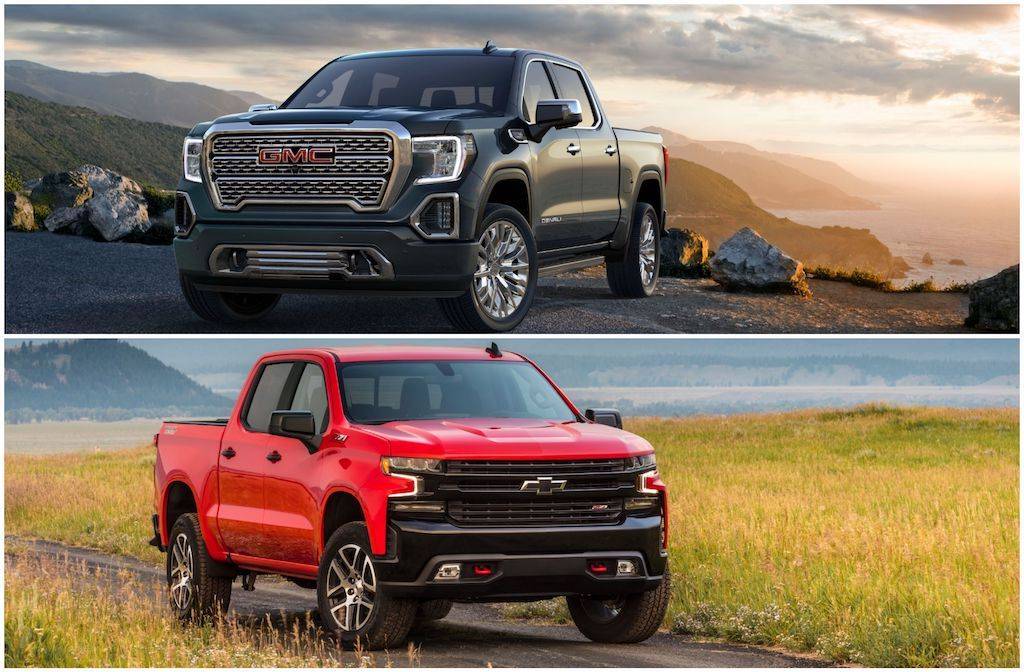
For example, the Chevrolet Silverado and GMC Sierra are closely related pickup trucks. They may offer similar engines, towing capabilities, cabin dimensions, and safety technology. However, they are marketed differently. Chevrolet often highlights practical value, versatility, and broad consumer appeal, while GMC usually promotes a more premium ownership experience.
Therefore, the most accurate answer to “Does GMC own Chevy?” is simple: GMC does not own Chevrolet, and Chevrolet does not own GMC. General Motors owns and manufactures vehicles under both brands.
Who Owns GMC and Chevrolet?
General Motors owns both GMC and Chevrolet. GM is an American automotive manufacturer that has operated since 1908 and has played a major role in the development of the global automobile industry. Today, its primary vehicle brands include Chevrolet, GMC, Buick, and Cadillac.
Chevrolet became part of General Motors in the early twentieth century. The brand was founded in 1911 by Louis Chevrolet and William C. Durant. Durant, who had also helped establish General Motors, used Chevrolet’s success to regain control of GM. Chevrolet was then incorporated into General Motors in 1918 and eventually became one of the company’s most recognizable brands.
GMC also has roots in the early history of General Motors. Its development was connected to commercial truck manufacturers acquired by GM, including the Rapid Motor Vehicle Company and Reliance Motor Car Company. Over time, the GMC name became associated with trucks, vans, utility vehicles, and commercial transportation.
Although Chevrolet and GMC operate as separate brands, they are not independent automakers. Their product planning, engineering, technology, and manufacturing are connected through General Motors. GM can develop one core vehicle architecture and adapt it for different audiences, which is why several Chevrolet and GMC models share important mechanical components.
However, shared ownership does not mean the two brands are identical. Chevrolet serves a wider market and offers a more diverse lineup, including performance cars, compact SUVs, family vehicles, pickup trucks, and electric models. GMC concentrates more heavily on trucks and SUVs, with an emphasis on capability, premium design, and higher end trim levels.
This structure allows General Motors to reach customers with different priorities. A buyer focused on affordability may prefer Chevrolet, while someone looking for a more upscale truck or SUV may lean toward GMC. Both customers are still purchasing vehicles designed and manufactured within the larger GM organization.
What Is the Difference Between GMC and Chevy?
The main difference between GMC and Chevrolet is not ownership. It is brand positioning. Chevrolet is generally marketed as a mainstream brand that combines practicality, affordability, performance, and broad appeal. GMC is positioned as a more premium truck and SUV brand, offering distinctive styling and upscale features for buyers who want additional comfort and visual refinement.
The two brands often sell closely related vehicles. The Chevrolet Silverado is related to the GMC Sierra, the Chevrolet Tahoe is related to the GMC Yukon, and the Chevrolet Colorado shares important engineering with the GMC Canyon. These pairs may use similar engines, transmissions, platforms, and technology, but their appearance, equipment, trim structure, and pricing can differ.
| Category | Chevrolet | GMC |
|---|---|---|
| Brand position | Mainstream and value focused | Premium and capability focused |
| Vehicle range | Cars, trucks, SUVs, performance models, and EVs | Primarily trucks, SUVs, vans, and EVs |
| Starting prices | Often more affordable | Often priced higher |
| Exterior design | Practical, sporty, or rugged | Bold, refined, and upscale |
| Interior experience | Wide range from basic to luxurious | More premium features across upper trims |
| Popular premium trims | High Country | Denali and Denali Ultimate |
| Off road trims | ZR2 and Trail Boss | AT4 and AT4X |
| Target customer | Broad consumer market | Buyers seeking premium utility |
One of the biggest customer concerns is price. Shoppers may wonder why a GMC costs more when a similar Chevrolet model uses many of the same mechanical components. The higher price may reflect unique exterior details, upgraded cabin materials, additional standard equipment, quieter interiors, specialized trims, and a more premium dealership experience. However, the exact difference depends on the model and configuration.
Chevrolet can still offer highly luxurious vehicles, especially in trims such as High Country. Likewise, not every GMC is dramatically more expensive than its Chevrolet counterpart. Buyers should compare equipment rather than relying only on the badge.
Reliability and maintenance costs are often similar because related Chevrolet and GMC vehicles may share engines, transmissions, suspension parts, and electronic systems. This can also make replacement parts easier to find. Still, models with more luxury features may produce higher repair costs if advanced technology or premium interior components need replacement.
Ultimately, Chevrolet usually makes more sense for drivers who prioritize value, selection, and practical capability. GMC may be more attractive to buyers who want the same underlying strength with more distinctive styling, premium appointments, and exclusive trim options.
Why Are GMC and Chevy Trucks So Similar?
One of the biggest reasons people believe GMC owns Chevy is because many of their trucks and SUVs look almost identical. In reality, this similarity exists because both brands are engineered by General Motors. Sharing components allows GM to reduce manufacturing costs while maintaining high levels of quality, safety, and performance.
Many Chevrolet and GMC vehicles are built on the same platforms. For example, the Chevrolet Silverado and GMC Sierra use the same truck architecture, meaning they have similar frames, suspension systems, and structural components. This shared foundation enables General Motors to develop vehicles more efficiently while still giving each brand its own unique identity.
The similarities extend beyond the chassis. Many GMC and Chevrolet models share identical engine options, including turbocharged four-cylinder engines, V8 gasoline engines, and the popular Duramax diesel engine. They also use many of the same automatic transmissions, infotainment systems, driver assistance technologies, and safety features.
Manufacturing is another reason for their close relationship. In many cases, Chevrolet and GMC trucks are assembled in the same factories using the same production lines. The vehicles are then differentiated through exterior styling, interior materials, trim levels, and available equipment before reaching dealerships.
Although the engineering is similar, General Motors intentionally creates distinct personalities for each brand. GMC models typically feature larger grilles, more aggressive styling, premium lighting designs, and exclusive wheel options. Inside the cabin, buyers often find higher-quality materials, additional sound insulation, premium leather upholstery, open-pore wood trim on select models, and more standard technology.
Several vehicle pairs clearly demonstrate this strategy.
The GMC Sierra and Chevrolet Silverado share the same mechanical foundation, but the Sierra emphasizes luxury-oriented trims like Denali and Denali Ultimate, while the Silverado focuses on delivering excellent value across a broader range of trim levels.
The GMC Yukon and Chevrolet Tahoe are also closely related full-size SUVs. Both offer spacious interiors, powerful engines, and impressive towing capability, yet the Yukon generally provides a more refined cabin and additional premium features.
Likewise, the GMC Canyon and Chevrolet Colorado share much of their engineering but appeal to different buyers through distinctive styling and trim packages.
By sharing engineering while differentiating design and equipment, General Motors successfully serves multiple customer segments without developing completely separate vehicles from the ground up.
Is GMC a Luxury Version of Chevy?
Many consumers describe GMC as the luxury version of Chevrolet, but that description is only partially accurate.
GMC is better viewed as General Motors’ premium truck and SUV brand rather than its true luxury division. While GMC vehicles often include higher-end materials, advanced technology, and more upscale styling than comparable Chevrolet models, Cadillac remains General Motors’ dedicated luxury brand.
One of GMC’s strongest selling points is the Denali lineup. Introduced in 1999, Denali has become one of the most recognizable premium truck and SUV sub-brands in North America. Denali models typically include premium leather seating, authentic wood accents, larger infotainment displays, advanced driver assistance systems, premium audio systems, and distinctive exterior styling.
For buyers seeking even greater refinement, GMC also offers Denali Ultimate models on selected vehicles. These flagship trims feature exclusive interior finishes, massaging front seats, premium stitching, upgraded technology, and luxury appointments that rival products from premium international manufacturers.
GMC also differentiates itself through its AT4 and AT4X models. These trims combine premium interiors with serious off-road capability, making them attractive to buyers who want adventure-ready vehicles without sacrificing comfort.
Chevrolet, on the other hand, serves a broader audience. Its lineup ranges from affordable work trucks to well-equipped family SUVs and high-performance sports cars. While trims such as High Country provide many luxury features, Chevrolet’s primary focus remains value, versatility, and accessibility.
Ultimately, GMC occupies the space between mainstream and luxury. It offers a more refined ownership experience than Chevrolet while remaining more attainable than Cadillac.
Which Brand Is Better: GMC or Chevy?
There is no universal answer to whether GMC or Chevrolet is the better brand because the right choice depends entirely on your budget, preferences, and intended use.
Chevrolet is often the better option for buyers looking for outstanding value. Its vehicles generally have lower starting prices, a wider range of trim levels, and a larger selection of models. Whether you’re shopping for a compact SUV, a full-size pickup, a family crossover, or an electric vehicle, Chevrolet offers one of the broadest portfolios in the industry.
GMC appeals to buyers who prefer a more premium experience without moving into the luxury vehicle segment. Its trucks and SUVs feature distinctive styling, upscale interiors, exclusive trim levels, and additional standard equipment. Many customers are willing to pay the higher price because they appreciate the refined appearance and enhanced comfort.
When it comes to performance, towing capability, and reliability, there is often very little difference between comparable Chevrolet and GMC models. Since many vehicles share engines, transmissions, and chassis components, long-term durability is generally comparable. Maintenance costs can also be similar, although higher-end GMC trims may require more expensive replacement parts or repairs due to their premium features.
If affordability, practicality, and a wide variety of choices are your top priorities, Chevrolet is likely the smarter purchase. If you value premium styling, upscale materials, and additional comfort features while still wanting the proven engineering of General Motors, GMC may be the better fit.
The best approach is to compare similarly equipped models rather than choosing based solely on brand reputation. Test driving both versions often reveals subtle differences in ride quality, interior comfort, and available technology that can influence your final decision.
Frequently Asked Questions
Does GM own Chevy?
Yes. Chevrolet is one of the four primary vehicle brands owned by General Motors. The company oversees Chevrolet’s design, engineering, manufacturing, and global operations.
Does GMC own Chevrolet?
No. GMC does not own Chevrolet. Both GMC and Chevrolet are sister brands under the ownership of General Motors. Neither brand has authority over the other.
Are GMC and Chevy the same company?
Not exactly. GMC and Chevrolet are separate brands with different identities, marketing strategies, and target customers. However, they belong to the same parent company, General Motors, and share many engineering resources.
Why are GMC trucks more expensive than Chevy trucks?
GMC trucks generally carry higher price tags because they are positioned as premium vehicles. They often include more upscale exterior styling, higher-quality interior materials, additional standard features, exclusive trim levels such as Denali and Denali Ultimate, and a more refined overall driving experience.
Are GMC and Chevy equally reliable?
In many cases, yes. Since comparable GMC and Chevrolet models often share the same engines, transmissions, chassis, and major mechanical components, their long-term reliability is usually very similar. Proper maintenance plays a much larger role in vehicle longevity than the brand name itself.
Which is better for towing, GMC or Chevy?
Neither brand has a significant advantage in towing capacity when comparing equivalent models. For example, the GMC Sierra and Chevrolet Silverado frequently offer nearly identical towing and payload ratings because they share the same underlying platform and powertrain options.
Is GMC considered a luxury brand?
GMC is considered a premium brand rather than a true luxury brand. It offers more upscale features than Chevrolet, but Cadillac remains General Motors’ official luxury division.
General Motors designs many GMC and Chevrolet vehicles using the same platforms, engines, transmissions, and technology. Sharing components reduces development costs, improves manufacturing efficiency, and allows GM to maintain consistent quality across multiple brands while still giving each brand a distinct identity.
Conclusion
So, does GMC own Chevy? The answer is no. Although the two brands are closely connected and share many similarities, neither one owns the other. Both GMC and Chevrolet are subsidiaries of General Motors, one of the world’s largest and most respected automotive manufacturers.
Their shared ownership explains why many of their trucks and SUVs use the same platforms, engines, transmissions, and advanced technologies. However, each brand serves a different purpose within the General Motors family. Chevrolet focuses on delivering value, versatility, and a broad selection of vehicles for everyday drivers, while GMC targets customers who want a more premium appearance, enhanced comfort, and exclusive features without entering the full luxury market.
Whether you choose a Chevrolet Silverado or a GMC Sierra, a Tahoe or a Yukon, you’re benefiting from decades of engineering expertise backed by General Motors. The decision ultimately comes down to your budget, lifestyle, and personal preferences rather than concerns about ownership or reliability.
If you’re still deciding between GMC and Chevrolet, compare similarly equipped models, evaluate their available features, take both vehicles for a test drive, and consider your long-term ownership costs. By understanding the relationship between these two iconic American brands, you’ll be better equipped to choose the vehicle that best fits your needs and delivers the greatest value for years to come.