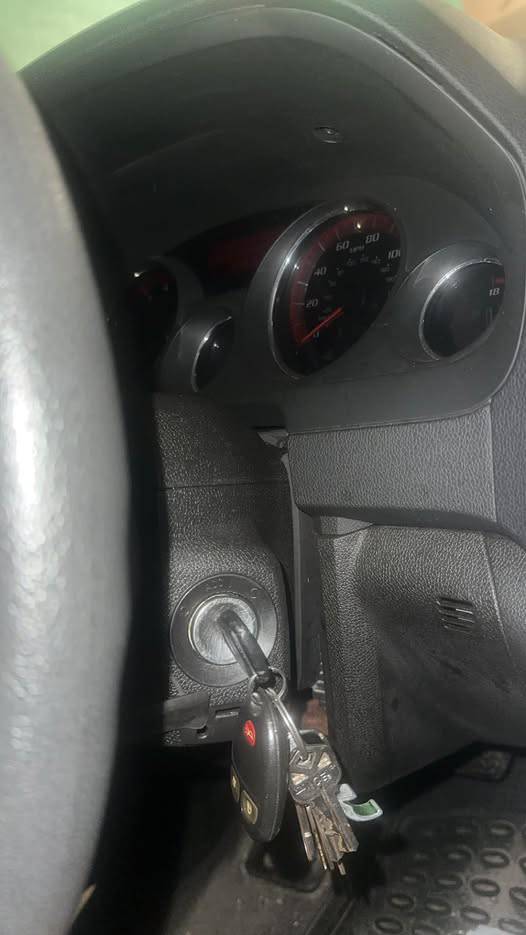
Imagine finishing your drive, shifting your GMC Acadia into Park, turning off the engine, and then realizing the key refuses to come out of the ignition. It is a frustrating situation that can leave you wondering whether a simple mistake or a costly mechanical problem is to blame. Many drivers worry about damaging the key, draining the battery, or being stranded with a vehicle they cannot secure properly.
Fortunately, a GMC Acadia key stuck in ignition is often caused by a problem that can be diagnosed and, in many cases, fixed without replacing expensive components. Common culprits include a transmission that is not fully engaged in the Park position, a faulty shift interlock system, a worn ignition lock cylinder, a weak battery, or even excessive pressure on the steering wheel lock. While some issues require professional repair, many can be resolved with a few simple troubleshooting steps.
This comprehensive guide explains the most common reasons your GMC Acadia key is stuck in the ignition, how the ignition key release system works, and the safest methods to remove the key without causing further damage. You’ll also learn how to identify warning signs before they become major repairs, estimate potential repair costs, and discover practical maintenance tips to prevent the problem from happening again. Whether you own an older Acadia or one of the latest models, this guide will help you diagnose the issue with confidence and get back on the road as quickly as possible.
1. The Transmission Is Not Fully in Park
One of the most common reasons a GMC Acadia key gets stuck in the ignition is that the transmission is not completely engaged in the Park position. Even when the gear selector appears to be in Park, the vehicle may not recognize it correctly. The ignition release system is designed to keep the key locked until the transmission confirms that the vehicle is safely parked.
This issue may happen because the shifter was moved too quickly, the vehicle stopped on an incline, or the internal park switch did not activate. In some cases, wear inside the shifter assembly can prevent the system from sending the correct signal to the ignition.
A common sign is that the key turns partially but will not rotate all the way to the release position. You may also notice that the dashboard does not display Park correctly or that the gear indicator flickers between positions.
Start by pressing the brake pedal firmly. Move the gear selector from Park to Reverse, then to Drive, and finally back into Park. Make sure the shifter clicks firmly into position. While holding the brake pedal, gently push the shifter forward and try turning the key toward the Lock position.
If the GMC Acadia is parked on a slope, the weight of the vehicle may place pressure on the parking mechanism. Apply the parking brake, shift out of Park, then shift back into Park. This can reduce pressure on the transmission and allow the key to release.
Do not force the key. Applying too much pressure can bend the key or damage the ignition lock cylinder. If moving the shifter repeatedly releases the key only temporarily, the vehicle may have a worn park position sensor, damaged shifter cable, or failing shift interlock component.
This cause is important because many drivers assume the ignition itself has failed when the real problem is located in the shifter assembly. Checking the Park position first can save time and help you avoid unnecessary repair costs.
2. The Ignition Key Is Worn or Damaged
A worn or damaged key can also cause a GMC Acadia key stuck in ignition problem. Over time, the grooves and edges of the key can become rounded, bent, or uneven. When this happens, the key may no longer align properly with the internal pins inside the ignition lock cylinder.
A damaged key may still start the vehicle, but it can become difficult to turn or remove. You may notice that the key feels loose, catches at certain angles, or only works when you wiggle it. These symptoms often develop gradually, which makes them easy to ignore until the key becomes completely stuck.
Remove heavy items from the keychain before trying again. A large keychain adds extra weight to the ignition cylinder while driving. Over time, this constant pulling can wear both the key and the internal lock components.
Gently move the key a small amount while turning it toward the release position. Avoid aggressive twisting. If the key feels bent, stop immediately. A broken key inside the ignition can turn a simple repair into a more expensive locksmith service.
Try using a spare key if one is available. If the spare key works smoothly, the original key is likely the problem. Have a replacement made before the damaged key fails completely. For vehicles equipped with a transponder key, the new key may need programming before it can start the engine.
Inspect the key for cracks, bent edges, worn grooves, or signs of corrosion. Dirt and sticky residue can also affect how the key moves inside the cylinder. Clean the key with a soft cloth and a small amount of isopropyl alcohol. Allow it to dry fully before inserting it again.
Avoid using household oil inside the ignition. Thick lubricants can attract dust and create additional problems. A dry lock lubricant designed for automotive use is generally safer, but it should be used sparingly.
If both the original key and spare key become stuck, the issue is more likely related to the ignition lock cylinder rather than the key itself. Repeated difficulty should not be ignored because continued use may eventually leave the vehicle unable to start or shut down properly.
3. Steering Wheel Lock Pressure Is Trapping the Key
Steering wheel lock pressure is another frequent cause of a GMC Acadia key stuck in ignition. This often happens when the steering wheel is turned after the engine is switched off, especially when the vehicle is parked with the front wheels angled toward a curb.
The steering wheel lock is a security feature designed to prevent the wheel from turning when the key is removed. However, pressure from the front wheels can place tension on the locking mechanism. That tension can make it difficult to rotate the ignition key fully into the Lock position.
You may recognize this problem if the steering wheel feels unusually stiff and can move only slightly in one direction. The key may also refuse to turn or release even though the transmission is correctly placed in Park.
To fix it, place one hand on the steering wheel and the other on the key. Turn the steering wheel gently from side to side. One direction will usually feel more restricted than the other. Apply steady pressure in the direction where the wheel moves slightly farther, then turn the key toward the release position.
Use controlled pressure rather than force. Pulling too hard on the steering wheel or twisting the key aggressively can damage the ignition cylinder. In most cases, the tension releases suddenly, allowing the key to turn normally.
This issue is especially common when parking on hills or against curbs. The weight of the vehicle can push the front tires against the steering system, increasing pressure on the lock. Using the parking brake before releasing the brake pedal can reduce this stress.
To prevent the problem, straighten the front wheels before turning off the engine whenever possible. When parking on an incline, set the parking brake before shifting fully into Park. This helps prevent vehicle weight from resting entirely on the transmission and steering components.
If the steering wheel moves normally but the key remains stuck, the problem may involve the ignition cylinder, shift interlock system, or electrical power supply. Repeated locking may also indicate wear inside the steering column.
The important point is to remain calm. Steering wheel pressure can make the ignition feel completely jammed, but it is often one of the easiest issues to correct. Gentle movement of the wheel while turning the key is usually enough to release the mechanism without causing damage.
4. A Dead or Weak Battery Is Preventing the Key from Releasing
Many GMC Acadia owners are surprised to learn that a weak or dead battery can prevent the ignition key from being removed. Although the engine may already be turned off, the ignition key release mechanism relies on electrical power to communicate with several vehicle systems. If battery voltage drops below the required level, the release solenoid may fail to unlock the key.
This problem often occurs after the vehicle has been sitting unused for an extended period, during extremely cold weather, or when the battery is nearing the end of its service life. You may also notice dim interior lights, slow engine cranking, warning messages on the dashboard, or electrical accessories that stop working properly.
If your battery appears weak, check whether the headlights and dashboard lights are operating normally. A significant drop in brightness usually indicates insufficient battery voltage. If you have access to a multimeter, measure the battery voltage. A healthy battery should typically read around 12.6 volts with the engine off. A reading well below 12 volts often indicates that the battery requires charging or replacement.
Using a portable jump starter or connecting jumper cables to another vehicle may restore enough electrical power for the ignition release system to function. After the battery receives adequate power, press the brake pedal, shift the transmission firmly into Park, and attempt to remove the key again.
Inspect the battery terminals for corrosion or loose cable connections. White or green deposits around the terminals can reduce electrical flow and create intermittent problems. Cleaning the terminals and tightening loose connections may restore proper operation.
If the battery repeatedly loses charge within a short period, additional diagnosis is necessary. The battery itself may be failing, the alternator may not be charging correctly, or there may be an electrical drain that continues to discharge the battery after the vehicle is turned off.
Replacing the battery without confirming the underlying cause may only provide a temporary solution. If the key becomes stuck every time battery voltage drops, it is important to inspect the entire charging system rather than focusing solely on the ignition.
5. A Faulty Shift Interlock Solenoid
The shift interlock solenoid is an important safety component that prevents accidental gear changes unless the brake pedal is pressed. At the same time, it communicates with the ignition system to determine when the key can safely be removed. If this solenoid fails, your GMC Acadia key may remain locked in the ignition even when every other component appears to be functioning correctly.
A failing shift interlock solenoid often produces several warning signs before complete failure. The gear selector may feel unusually stiff, require excessive force to move, or occasionally refuse to shift out of Park. Some drivers notice that they no longer hear the normal clicking sound from the shifter when pressing the brake pedal. Others experience intermittent problems where the key becomes stuck only occasionally before the issue becomes permanent.
Begin by pressing the brake pedal several times while listening carefully near the center console. If no clicking sound is heard, the shift interlock solenoid or its electrical circuit may not be operating properly.
Check the appropriate fuse related to the transmission or shift interlock system. A blown fuse can interrupt power to the solenoid and prevent the ignition release mechanism from working correctly. Replacing a damaged fuse is inexpensive, but if the replacement fails again shortly afterward, there may be an electrical short that requires professional diagnosis.
Some GMC Acadia models include a manual shift lock release located near the gear selector. This emergency feature allows the transmission to be moved when the interlock system fails. Refer to the owner’s manual before attempting to use this override, as the location varies by model year.
If testing confirms that the solenoid has failed, replacement is usually required. The repair often involves removing sections of the center console to access the shifter assembly. While experienced DIY mechanics may perform this repair themselves, many owners choose professional service because the shifter contains multiple electrical connectors and safety components that must be reassembled correctly.
Ignoring a failing shift interlock solenoid can eventually leave the vehicle unable to shift properly or release the ignition key, making early diagnosis worthwhile.
6. A Defective Brake Light Switch
The brake light switch is another small but essential component that can cause a GMC Acadia key stuck in ignition issue. This switch is mounted near the brake pedal and performs more than simply activating the brake lights. It also sends an electrical signal to the shift interlock system, confirming that the brake pedal has been pressed before allowing the transmission to move or the ignition key to be released.
When the brake light switch begins to fail, the ignition system may never receive confirmation that the brake pedal is being pressed. As a result, the key release mechanism remains locked even though the driver is following the correct procedure.
One of the easiest ways to identify this problem is by checking the brake lights. Ask another person to stand behind the vehicle while you press the brake pedal, or position the vehicle where the brake light reflection is visible in a wall or garage door. If the brake lights do not illuminate, the brake light switch should be one of the first components inspected.
Additional symptoms may include difficulty shifting out of Park, cruise control that no longer functions correctly, or warning messages related to the braking system. Because the switch serves multiple systems, a single failure can create several seemingly unrelated problems.
Inspect the switch connector for loose wiring or signs of corrosion. Sometimes the switch itself is functioning correctly, but poor electrical contact prevents the signal from reaching the control modules.
Fortunately, brake light switches are relatively inexpensive and are often among the simplest components to replace. On many GMC Acadia models, the replacement process requires only basic hand tools and can be completed within a short amount of time.
After installing a new switch, verify that the brake lights operate normally, the transmission shifts smoothly, and the ignition key can be removed without resistance. If the symptoms remain unchanged, further diagnosis should focus on the shift interlock system, ignition lock cylinder, or body control module.
7. A Worn Ignition Lock Cylinder
The ignition lock cylinder is one of the most heavily used components in your GMC Acadia. Every time you start or shut off the vehicle, the key slides across a series of small pins and springs inside the cylinder. After years of daily use, these internal parts can wear out, preventing the cylinder from recognizing the key correctly or releasing it when the engine is turned off.
A worn ignition lock cylinder usually develops gradually rather than failing suddenly. At first, you may notice that the key requires extra effort to insert or remove. Over time, the key may become difficult to turn, stick in certain positions, or refuse to rotate fully into the Lock position. Eventually, the key may remain trapped inside the ignition even though the transmission is properly in Park.
High mileage vehicles are more likely to experience this problem, especially if they have been driven with a heavy keychain attached to the ignition. The additional weight constantly pulls on the cylinder while driving, accelerating wear on the internal locking mechanism.
To determine whether the ignition lock cylinder is the source of the problem, inspect how the key behaves. If both your original key and a spare key become difficult to remove, the cylinder is usually the more likely cause. You may also notice roughness, grinding, or unusual resistance while turning the key.
Avoid spraying excessive amounts of oil into the ignition. Conventional lubricants often attract dust and dirt, making the problem worse over time. If lubrication is necessary, use a graphite based or dry lock lubricant specifically designed for automotive lock cylinders.
Unfortunately, once the internal components become excessively worn, replacement is typically the only permanent solution. Replacing the ignition lock cylinder may require disassembling portions of the steering column and, depending on the model year, programming new keys to work with the vehicle’s anti theft system.
Ignoring a worn ignition lock cylinder can eventually result in a key that breaks inside the ignition or an ignition that fails to turn altogether. Addressing the issue early is usually less expensive than waiting for complete failure.
8. A Faulty Ignition Switch
Although many people confuse the ignition switch with the ignition lock cylinder, they are different components. The lock cylinder is the mechanical part where the key is inserted, while the ignition switch is an electrical component located behind the cylinder. It distributes electrical power to the vehicle when the key is turned.
A faulty ignition switch can interfere with the key release process because the vehicle may not correctly recognize that the ignition has been turned completely off. Even though the engine has stopped running, the switch may continue sending incorrect electrical signals, preventing the release mechanism from unlocking the key.
Several symptoms may indicate a failing ignition switch. Dashboard warning lights may remain illuminated after the engine is turned off. Electrical accessories such as the radio, power windows, or climate controls may behave unpredictably. In some cases, the engine may stall unexpectedly while driving or fail to start despite a fully charged battery.
Intermittent problems are common during the early stages of ignition switch failure. The key may become stuck only occasionally before the issue gradually becomes more frequent. Because these symptoms can resemble battery or wiring problems, careful diagnosis is important before replacing parts.
A technician will often test voltage at various points within the ignition system to determine whether the switch is operating correctly. Diagnostic trouble codes stored in the vehicle’s control modules may also provide clues pointing toward an electrical fault.
Replacing the ignition switch generally requires removing trim panels around the steering column and disconnecting several electrical connectors. On some GMC Acadia model years, the repair also requires recalibrating or programming certain electronic systems after installation.
Since the ignition switch affects numerous vehicle systems, attempting to bypass or modify it is not recommended. A properly installed replacement switch restores reliable electrical operation and ensures that the ignition key release mechanism functions as intended.
9. Dirt or Debris Inside the Ignition
Not every ignition problem is caused by a failed mechanical or electrical component. Sometimes the simplest explanation is the correct one. Dust, pocket lint, sand, metal particles, or other debris can accumulate inside the ignition lock cylinder over time, preventing the internal pins from moving freely.
Drivers who frequently travel on gravel roads, construction sites, or dusty environments may experience this issue more often. Dirt can also be transferred directly into the ignition when a dirty key is inserted repeatedly.
One of the first signs of contamination is a rough or gritty feeling when inserting or turning the key. The key may require extra effort to remove, or it may feel as though something is blocking its movement. Unlike a worn ignition cylinder, these symptoms may appear suddenly after exposure to dirt or moisture.
Begin by inspecting the key itself. Wipe it thoroughly with a clean microfiber cloth to remove dirt, grease, or sticky residue. A clean key reduces the chance of introducing additional contaminants into the ignition.
If debris inside the cylinder is suspected, use compressed air to gently blow loose particles from the key slot. Hold the nozzle a short distance from the opening and apply several short bursts rather than continuous high pressure. This method often removes dust without forcing debris deeper into the lock.
Avoid inserting sharp objects into the ignition in an attempt to remove dirt. Metal tools can scratch the internal pins or permanently damage the locking mechanism. Likewise, avoid flooding the cylinder with liquid lubricants because they tend to trap additional dirt over time.
After cleaning the ignition, insert the key several times to help distribute any remaining dry lubricant evenly throughout the cylinder. If the key continues to stick despite cleaning, the problem may involve internal wear rather than contamination.
Keeping both the ignition and the key clean is one of the easiest ways to extend the life of the lock cylinder. Regular cleaning requires only a few minutes and may prevent much more expensive repairs in the future.
10. Internal Mechanical Failure
If you have ruled out problems with the transmission, battery, brake light switch, shift interlock, ignition switch, and lock cylinder, the remaining possibility is an internal mechanical failure within the ignition assembly. Although less common, this type of failure can prevent the key from being released regardless of what troubleshooting steps you perform.
Inside the ignition assembly are numerous small components, including springs, retaining pins, release levers, and locking tabs. These parts work together every time you insert, turn, and remove the key. After years of use, one or more of these components can crack, wear out, or break completely.
Unlike electrical problems, internal mechanical failures rarely improve temporarily. The key may become permanently trapped, refuse to rotate, or feel completely locked in place. In some cases, the steering wheel may also remain locked because the release mechanism cannot complete its normal operation.
Another warning sign is a grinding or clicking sound when attempting to turn the key. You may also notice that the key no longer returns smoothly after starting the engine or that it becomes increasingly difficult to rotate between the Accessory, Run, and Lock positions.
At this stage, forcing the key out is strongly discouraged. Excessive force can snap the key inside the ignition, making repairs significantly more expensive. A broken key often requires specialized extraction tools and, in many cases, replacement of the entire ignition assembly.
Professional diagnosis is usually necessary because the steering column must often be partially disassembled to inspect the internal components. Depending on the extent of the damage, the repair may involve replacing the ignition lock housing, lock cylinder, ignition switch, or the complete steering column assembly.
Although internal mechanical failures are generally the least common cause of a GMC Acadia key stuck in the ignition, they are also among the most serious. Prompt repair can prevent additional damage and restore safe, reliable operation of the vehicle.
Step by Step Troubleshooting Guide
When your GMC Acadia key is stuck in the ignition, it is best to begin with the simplest checks before assuming that expensive repairs are necessary. Following a logical troubleshooting process can help identify the problem quickly while reducing the risk of damaging the ignition system.
Step 1: Verify the Vehicle Is Completely in Park
Press the brake pedal firmly and move the gear selector from Park to Reverse, then back into Park. Make sure the shifter locks securely into position. Watch the instrument cluster to confirm that the vehicle recognizes the Park position correctly.
Step 2: Relieve Steering Wheel Pressure
If the steering wheel is locked, gently turn it left and right while simultaneously turning the key toward the Lock position. Avoid using excessive force. Releasing steering column tension often allows the key to come out immediately.
Step 3: Check the Battery
Inspect the battery for signs of low voltage. Dim dashboard lights, slow engine cranking, or electrical malfunctions may indicate insufficient battery power. If necessary, jump start the vehicle or charge the battery before attempting to remove the key again.
Step 4: Test the Brake Lights
Press the brake pedal and verify that the brake lights illuminate. If they do not, the brake light switch may not be sending the proper signal to the shift interlock system.
Step 5: Listen for the Shift Interlock Solenoid
While pressing the brake pedal, listen near the gear selector for a clicking sound. No sound may indicate a faulty shift interlock solenoid, blown fuse, or wiring problem.
Step 6: Try a Spare Key
Insert a spare key if one is available. If the spare key operates normally, the original key may be worn or damaged rather than the ignition itself.
Step 7: Inspect the Ignition Cylinder
Look for signs of dirt, debris, or excessive wear inside the ignition. Clean the key and use compressed air to remove loose contaminants if necessary.
Step 8: Scan for Diagnostic Trouble Codes
If warning lights are illuminated on the dashboard, connecting an OBD-II scanner may reveal transmission, brake switch, or body control module faults that contribute to the problem.
Step 9: Contact a Qualified Technician
If none of the previous steps release the key, professional diagnosis is recommended. Continuing to force the key can damage expensive ignition components and increase repair costs.
Following this troubleshooting sequence allows you to eliminate the most common causes first before considering major repairs.
DIY Fixes You Can Try at Home
Many cases of a GMC Acadia key stuck in the ignition can be resolved without specialized tools. If the problem is caused by a minor mechanical or electrical issue, the following DIY methods may restore normal operation.
First, ensure the transmission is fully engaged in Park. Shift through each gear while keeping your foot on the brake, then return the selector firmly to Park. This simple procedure often resets the park position mechanism.
Next, reduce steering wheel tension by gently turning the wheel while rotating the key toward the Lock position. This technique works particularly well when the vehicle has been parked with the wheels turned against a curb.
If the battery appears weak, recharge it or connect a jump starter. Restoring normal battery voltage may immediately reactivate the ignition key release mechanism.
Inspect the battery terminals for corrosion or loose cable connections. Cleaning the terminals and tightening the connections can improve electrical performance throughout the vehicle.
Clean the ignition key using a soft cloth and rubbing alcohol to remove dirt and grease. If the ignition cylinder contains dust or debris, use compressed air to clear the opening carefully.
Test a spare key whenever possible. If the spare works correctly, have a replacement key made before the original fails completely.
Avoid hanging heavy keychains from the ignition. Excessive weight accelerates wear inside the ignition lock cylinder and may contribute to future sticking problems.
Do not force the key with pliers or attempt to pry it from the ignition using screwdrivers or other metal tools. These methods frequently damage the ignition assembly and increase repair expenses.
If the problem continues after completing these DIY procedures, additional repairs involving the ignition lock cylinder, ignition switch, or shift interlock system are likely required. At that point, professional diagnosis is the safest and most cost effective option.
When Should You Call a Mechanic?
While many cases of a GMC Acadia key stuck in the ignition can be resolved with simple troubleshooting, there are situations where professional assistance is the safest and most effective solution. Continuing to force the key or repeatedly attempting temporary fixes can damage expensive components and increase repair costs.
You should contact a qualified mechanic if the key remains stuck after confirming the vehicle is fully in Park, the battery is charged, and the steering wheel is not under pressure. If the same problem keeps returning after temporary fixes, there is likely an underlying mechanical or electrical issue that requires proper diagnosis.
Professional service is also recommended if the ignition key becomes difficult to turn before getting stuck. This often indicates excessive wear inside the ignition lock cylinder. Replacing the cylinder early can prevent the key from breaking inside the ignition, which usually results in a more expensive repair.
Seek immediate assistance if the key will not turn at all, the steering wheel remains locked, or the engine will not shut off correctly. These symptoms may indicate a failing ignition switch or internal damage within the steering column.
Electrical problems are another reason to visit a repair shop. If dashboard warning lights remain illuminated, accessories continue operating after the engine is turned off, or multiple electrical systems begin malfunctioning, the ignition switch or body control module may require diagnostic testing.
You should also contact a professional if the transmission refuses to recognize the Park position, the brake lights stop working, or the gear selector becomes difficult to move. These issues often involve the shift interlock system and should be repaired before they affect vehicle safety.
Modern GMC Acadia models rely on multiple electronic modules that communicate with one another. Professional technicians use factory diagnostic equipment capable of identifying faults that cannot be detected through visual inspection alone. This approach reduces unnecessary parts replacement and helps ensure the correct repair is performed the first time.
Repair Costs
The cost to repair a GMC Acadia key stuck in the ignition depends on the underlying cause, your vehicle’s model year, labor rates in your area, and whether original equipment or aftermarket parts are used. The following estimates provide a general idea of what owners can expect.
| Repair | Estimated Cost |
|---|---|
| Duplicate or replacement key | $50 to $250 |
| Battery replacement | $150 to $350 |
| Brake light switch replacement | $75 to $180 |
| Shift interlock solenoid replacement | $200 to $500 |
| Ignition switch replacement | $250 to $700 |
| Ignition lock cylinder replacement | $250 to $800 |
| Steering column repairs | $600 to $1,500+ |
Labor costs account for a significant portion of these repairs because many ignition components are located inside the steering column or center console. Accessing these parts often requires removing interior trim panels and performing additional programming after installation.
If the vehicle is still covered by a factory warranty or an extended service contract, some repairs may be covered. Always check your warranty documentation before authorizing repairs.
Obtaining estimates from multiple repair facilities can also help reduce costs. Independent repair shops often charge lower labor rates than dealerships while still providing high quality service. However, repairs involving anti theft systems or key programming may require dealership level diagnostic equipment.
Addressing the issue as soon as symptoms appear is usually the most economical approach. Delaying repairs may allow additional components to fail, increasing both labor time and replacement costs.
How to Prevent Your GMC Acadia Key from Getting Stuck Again
Although not every ignition problem can be avoided, routine maintenance and proper driving habits can significantly reduce the likelihood of experiencing a stuck ignition key.
Always make sure the transmission is fully engaged in Park before turning off the engine. Wait until the vehicle comes to a complete stop, firmly shift into Park, and verify that the gear indicator displays the correct position.
Apply the parking brake before releasing the brake pedal, especially when parking on hills. This reduces stress on both the transmission parking mechanism and the steering system.
Avoid carrying heavy keychains attached to your ignition key. Excess weight places continuous strain on the ignition lock cylinder while driving and accelerates wear on internal components.
Replace worn or bent keys before they begin causing ignition problems. A fresh key with properly cut grooves places less stress on the lock cylinder and operates more smoothly.
Keep both the ignition cylinder and the key clean. Periodically wipe the key with a clean cloth and remove dust from the ignition opening using compressed air when necessary.
Maintain your vehicle’s battery according to the manufacturer’s recommendations. A healthy battery helps ensure that electronic systems, including the ignition key release mechanism, function correctly.
Pay attention to early warning signs such as a stiff key, intermittent sticking, difficulty shifting into Park, or brake lights that occasionally fail to illuminate. Addressing these small issues promptly often prevents larger and more expensive repairs later.
Regular vehicle inspections performed during routine maintenance visits can also identify worn ignition components before they fail completely.
Frequently Asked Questions
Why won’t my GMC Acadia key come out of the ignition?
The most common causes include the transmission not fully engaging Park, a worn ignition key, steering wheel lock pressure, a weak battery, a faulty brake light switch, a failed shift interlock solenoid, or a worn ignition lock cylinder.
Can a dead battery cause the key to get stuck?
Yes. Many GMC Acadia models rely on battery power to operate the ignition key release mechanism. If battery voltage is too low, the release solenoid may not unlock the key.
Is it safe to force the key out?
No. Forcing the key can bend or break it and may permanently damage the ignition lock cylinder. Always identify the underlying cause before attempting removal.
Can I continue driving if the problem only happens occasionally?
It is not recommended. Intermittent ignition problems often become more severe over time. Early diagnosis can prevent complete ignition failure and reduce repair costs.
Which GMC Acadia model years commonly experience this issue?
Ignition related complaints have been reported across multiple model years. Older vehicles with higher mileage are generally more likely to develop worn ignition cylinders, shift interlock problems, or electrical faults, although similar issues can occur on newer models due to component wear or battery related problems.
How long does it take to repair a stuck ignition key problem?
Simple repairs such as replacing a brake light switch or battery may take less than one hour. More complex repairs involving the ignition lock cylinder or steering column can require several hours depending on the vehicle configuration.
Conclusion
Experiencing a GMC Acadia key stuck in the ignition can be frustrating, but the problem is often easier to diagnose than many drivers expect. In most cases, the issue is related to the transmission not fully engaging Park, steering wheel lock pressure, a weak battery, a faulty brake light switch, or normal wear inside the ignition lock cylinder. By following a systematic troubleshooting process, you can often identify the cause without replacing unnecessary parts.
Simple checks such as confirming the vehicle is in Park, testing the battery, inspecting the brake lights, and trying a spare key should always be your first steps. These quick inspections can resolve many cases in just a few minutes. However, if the key continues to stick or the problem returns repeatedly, professional diagnosis is recommended to prevent further damage to the ignition system.
Routine maintenance also plays an important role in preventing future problems. Replacing worn keys, keeping the ignition clean, maintaining a healthy battery, and avoiding heavy keychains can significantly extend the life of your ignition components.
If your GMC Acadia key is stuck in the ignition, addressing the issue early is the best way to avoid more expensive repairs and ensure your vehicle remains safe and reliable. Have you experienced this problem before? Share your experience or any troubleshooting tips in the comments below to help other GMC Acadia owners facing the same issue.