The 3.0 Duramax has quickly earned a reputation as one of the most impressive light-duty diesel engines in today’s pickup truck and full-size SUV market. Designed by General Motors, this turbocharged inline-six diesel engine delivers an exceptional combination of strong torque, excellent fuel economy, refined driving characteristics, and outstanding towing capability. Whether you’re shopping for a Chevrolet Silverado 1500, GMC Sierra 1500, Chevrolet Tahoe, GMC Yukon, or another GM vehicle equipped with this engine, understanding the complete 3.0 Duramax specs is essential before making your decision.
Unlike traditional V8 gasoline engines that prioritize high horsepower, the 3.0L Duramax is engineered to produce massive low-end torque exactly where truck owners need it most. From towing heavy trailers and hauling equipment to tackling long highway trips with remarkable fuel efficiency, this diesel powertrain offers a compelling balance of performance and practicality. Over the years, GM has also introduced significant improvements, transitioning from the original LM2 engine to the more advanced LZ0 variant, bringing higher horsepower, increased torque, and enhanced overall efficiency.
In this comprehensive guide, we’ll explore every aspect of the 3.0 Duramax specs, including engine dimensions, horsepower, torque, compression ratio, turbocharger technology, towing capacity, fuel economy, maintenance requirements, reliability, and the key differences between the LM2 and LZ0 engines. By the end of this article, you’ll have all the technical knowledge needed to determine whether the 3.0L Duramax is the right engine for your driving, towing, and long-term ownership needs.
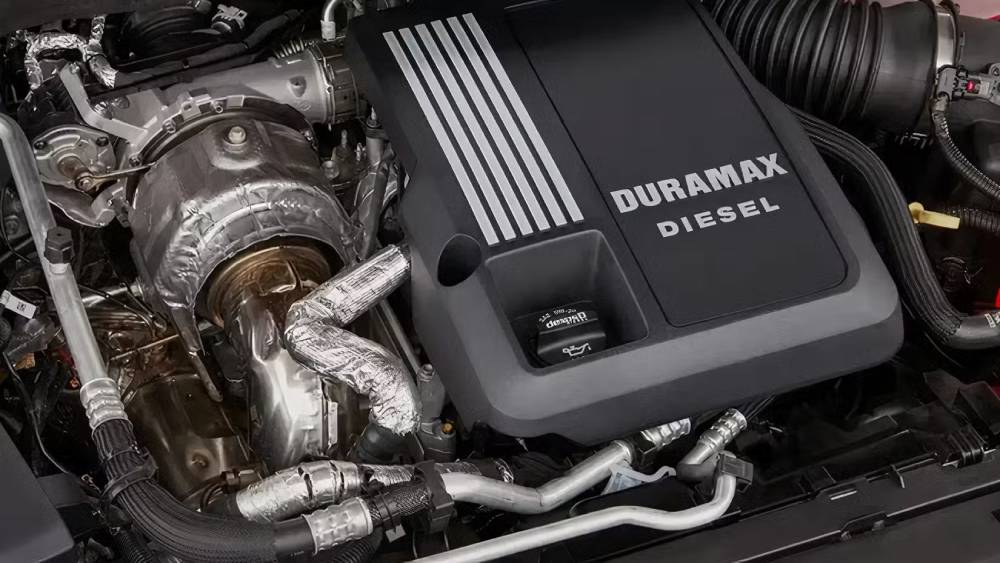
1. What Is the 3.0 Duramax Engine?
The 3.0 Duramax is a turbocharged inline six diesel engine developed by General Motors for light duty pickup trucks and full size SUVs. It was created for drivers who want the low speed pulling power and fuel efficiency of a diesel without moving up to a heavier three quarter ton or one ton truck.
Unlike the larger 6.6 liter Duramax V8 used in heavy duty pickups, the 3.0 liter version is designed for vehicles such as the Chevrolet Silverado 1500, GMC Sierra 1500, Chevrolet Tahoe, Chevrolet Suburban, GMC Yukon, and Cadillac Escalade. Its compact 2,999 cc displacement allows it to fit within the engine bays of light duty vehicles while still producing torque figures that exceed several naturally aspirated gasoline V8 engines.
One of the engine’s defining characteristics is its inline six cylinder layout. An inline six is naturally balanced because the movement of its pistons helps cancel many of the vibrations that can occur in other engine configurations. This contributes to the smooth, quiet, and refined driving experience that many owners notice immediately.
The engine uses dual overhead camshafts, four valves per cylinder, direct fuel injection, and an electrically controlled variable geometry turbocharger. The turbocharger can adjust airflow according to engine speed and load, helping the engine respond quickly during acceleration while maintaining strong efficiency during steady highway driving. GMC also identifies Active Thermal Management as one of the engine’s important features, helping it reach and maintain an effective operating temperature.
Another major advantage is torque delivery. Diesel engines are especially useful in trucks because they can produce substantial twisting force at relatively low engine speeds. The current LZ0 version generates 495 lb ft of torque at 2,750 rpm, and GM states that 94 percent of its maximum torque is available by 1,500 rpm. That early torque delivery makes the engine feel strong when pulling away from a stop, climbing a grade, passing with a trailer, or moving a heavily loaded vehicle.
The Two Generations: LM2 and LZ0
The 3.0 Duramax has been offered in two primary generations.
The first generation is identified by the engine code LM2. It introduced GM’s modern light duty inline six diesel platform and produced 277 horsepower and 460 lb ft of torque in its original pickup truck applications.
The second generation is identified by the code LZ0. It was introduced on select 2023 model year light duty trucks and increased output to 305 horsepower and 495 lb ft of torque. GM achieved these gains through revisions that included steel pistons with an updated combustion bowl, new fuel injectors, a retuned turbocharger compressor, and improved temperature control.
The LZ0 did not completely replace the character of the original engine. Instead, it strengthened the same basic formula. Both versions focus on smooth operation, strong low end torque, highway efficiency, and practical towing performance. The LZ0 simply delivers more power and includes several engineering improvements intended to support higher cylinder pressure and stronger long term performance.
Why GM Chose an Inline Six Design
An inline six layout gives GM several engineering advantages. The cylinder arrangement supports smooth operation, while the long engine structure provides room for a carefully designed intake, turbocharging system, and exhaust treatment equipment.
The engine block and cylinder head are made from cast aluminum, which helps control overall engine weight. Important internal components remain heavy duty, including a forged steel crankshaft, forged steel connecting rods, and nodular iron main bearing caps. This combination helps balance reduced weight with the strength required for diesel combustion pressure.
The result is an engine that behaves differently from a traditional gasoline V8. A gasoline V8 may feel more aggressive at higher engine speeds, but the Duramax produces its most useful pulling force much earlier. For drivers who regularly tow, commute long distances, or want fewer fuel stops, that low speed efficiency can be more valuable than a higher peak horsepower number.
2. Complete 3.0 Duramax Specs
The current LZ0 engine represents the most powerful production version of the 3.0 liter Duramax. Its specifications show how GM combines a relatively small displacement with high torque output, advanced emissions controls, and a broad operating range.
Core LZ0 Engine Specifications
| Specification | 3.0L LZ0 Duramax |
|---|---|
| Engine type | Turbocharged diesel |
| Configuration | Inline six cylinder |
| Displacement | 2,999 cc |
| Displacement in cubic inches | 183 cubic inches |
| Engine orientation | Longitudinal |
| Bore | 84 mm |
| Stroke | 90 mm |
| Compression ratio | 15.2:1 |
| Valve configuration | Dual overhead camshafts |
| Valves per cylinder | Four |
| Fuel system | Direct injection |
| Horsepower | 305 hp at 3,750 rpm |
| Torque | 495 lb ft at 2,750 rpm |
| Maximum engine speed | 5,000 rpm |
| Block material | Cast aluminum |
| Cylinder head material | Cast aluminum |
| Crankshaft | Forged steel |
| Connecting rods | Forged steel |
| Firing order | 1, 5, 3, 6, 2, 4 |
| Fuel compatibility | Ultra low sulfur diesel and B20 biodiesel |
| Typical transmission pairing | 10 speed automatic |
The technical figures above come from GM’s published LZ0 engine specifications. Output ratings are based on testing in the Chevrolet Silverado.
Displacement, Bore, and Stroke
The engine displaces 2,999 cc, which is commonly rounded to 3.0 liters. Its 84 mm bore and 90 mm stroke create an undersquare design, meaning the piston stroke is longer than the cylinder bore is wide.
A longer stroke can help an engine develop strong torque at lower rpm. That characteristic suits a diesel truck engine because drivers usually need pulling power during initial acceleration and under load rather than only at high engine speeds.
The engine’s 15.2:1 compression ratio is also much higher than the compression ratio found in most gasoline engines. Diesel engines rely on heat created by compressing air to ignite the injected fuel, so a higher compression ratio is fundamental to the combustion process.
Horsepower and Torque
The LZ0 produces 305 horsepower at 3,750 rpm and 495 lb ft of torque at 2,750 rpm. Those numbers are important, but the shape of the torque curve matters just as much.
According to GM, 94 percent of the engine’s peak torque is already available by 1,500 rpm. This means the driver does not have to rev the engine aggressively to access meaningful pulling power. The result is relaxed acceleration, confident hill climbing, and better control while towing.
For comparison within the current Silverado 1500 lineup, the 5.3 liter gasoline V8 produces more horsepower than the original LM2 but less torque than the LZ0. The 6.2 liter V8 produces substantially more horsepower, yet the LZ0 still exceeds it in peak torque. Chevrolet currently lists the LZ0 at 305 horsepower and 495 lb ft, while pairing it with a 10 speed automatic transmission.
Turbocharger and Air Management
The 3.0 Duramax uses an electrically controlled variable geometry turbocharger. Instead of operating with a fixed turbine geometry, the system can adjust its internal vanes to respond to changing engine conditions.
At lower rpm, the turbocharger can help build boost quickly, reducing the sluggish response often associated with older diesel engines. At higher loads, it can manage airflow to support sustained power and efficient combustion.
The LZ0 received a revised turbocharger as part of its second generation update. GM specifically identifies the retuned turbo compressor as one of the components that helped increase torque and overall output.
Fuel Injection System
The engine uses high pressure direct fuel injection. Fuel is delivered directly into each combustion chamber, allowing the engine control system to manage injection timing, quantity, and spray pattern with great precision.
The LZ0 introduced new fuel injectors designed for higher fuel pressure and an optimized spray pattern. Better atomization helps the fuel mix more evenly with compressed air, supporting cleaner combustion, stronger power, and improved responsiveness.
Engine Construction
Although the engine block and cylinder head are made from aluminum, the most heavily stressed internal parts use stronger materials.
The crankshaft and connecting rods are forged steel. The main bearing caps and exhaust manifold use nodular iron. The LZ0 also uses steel pistons, replacing the earlier piston design to help withstand the updated combustion requirements and higher compression ratio.
This mixed material strategy addresses an important challenge. Buyers want diesel durability, but they also expect a light duty truck or SUV to remain comfortable, efficient, and responsive. Aluminum helps reduce mass, while steel and iron reinforce areas exposed to high heat, pressure, and mechanical load.
Transmission
In current Chevrolet and GMC applications, the 3.0 Duramax is paired with a 10 speed automatic transmission. The large number of ratios helps keep the engine close to its most efficient operating range.
Lower gears support controlled launches and towing, while the upper gears reduce engine speed during highway travel. This pairing contributes to the engine’s ability to deliver both useful towing performance and competitive highway fuel economy. Chevrolet lists up to 28 mpg highway for a properly configured 2026 Silverado 1500 equipped with the Duramax.
Emissions Equipment
Modern diesel engines require a sophisticated emissions system. The LZ0 uses high pressure and low pressure exhaust gas recirculation, a diesel oxidation catalyst, particulate filtration, selective catalytic reduction, and an ammonia slip catalyst.
These systems reduce nitrogen oxide emissions and capture particulate matter before it leaves the exhaust. They also explain why the engine requires diesel exhaust fluid and why driving patterns can influence regeneration cycles.
Owners who use the vehicle mainly for very short trips may not always create ideal conditions for the exhaust system to reach full operating temperature. That does not make the engine unsuitable for everyday use, but prospective buyers should understand that a modern diesel generally performs best when it regularly experiences longer drives under normal operating temperature.
3. LM2 vs LZ0 3.0 Duramax Specifications
The LM2 and LZ0 share the same overall concept, but they are not identical engines. The LZ0 is a revised second generation design that increases power, strengthens several internal components, and improves combustion and temperature management.
LM2 vs LZ0 Comparison Table
| Specification | LM2 Duramax | LZ0 Duramax |
|---|---|---|
| Engine configuration | 3.0L inline six turbo diesel | 3.0L inline six turbo diesel |
| Displacement | 2,993 cc | 2,999 cc |
| Horsepower | 277 hp | 305 hp |
| Torque | 460 lb ft | 495 lb ft |
| Horsepower increase | Baseline | Approximately 10 percent |
| Torque increase | Baseline | Approximately 7.6 percent |
| Piston design | Earlier aluminum design | Revised steel pistons |
| Fuel injectors | First generation system | Updated higher pressure injectors |
| Turbocharger | Original calibration | Retuned compressor |
| Thermal management | First generation design | Improved temperature control |
| Oil pump belt service validation | 150,000 miles | 200,000 miles |
| Common truck introduction | 2020 model year | Select 2023 model year trucks |
GM confirms that the LZ0 increased output from 277 horsepower and 460 lb ft in the earlier engine to 305 horsepower and 495 lb ft. The company describes the change as a 10 percent horsepower increase and a 7.6 percent torque increase compared with the previous model year engine.
Power and Torque Differences
The LZ0 adds 28 horsepower and 35 lb ft of torque over the LM2. On paper, those gains may appear moderate, but they affect several areas of real world driving.
The additional horsepower supports stronger acceleration at medium and higher road speeds. The added torque improves response under load, especially when merging, climbing, or pulling a trailer.
The LZ0’s output also gives it a stronger position against gasoline engines. It cannot match the 6.2 liter V8’s 420 horsepower, but its 495 lb ft of torque exceeds the V8’s 460 lb ft rating in the current Silverado lineup.
For buyers, this means the LZ0 does not need to behave like a high revving performance engine. Its advantage is effortless force at normal driving speeds, where towing and daily usability matter most.
Steel Pistons
One of the most significant LZ0 changes is the move to steel pistons with a revised combustion bowl.
Steel is heavier than aluminum, but it can provide greater strength and better control under extreme cylinder pressure and temperature. The revised bowl shape also helps manage the way fuel and air mix inside the combustion chamber.
GM states that the new piston design helps the engine handle its higher compression ratio and optimize the air and fuel mixture.
This is not simply a change made to raise the specification sheet numbers. It reflects the greater combustion demands created by higher output and updated fuel injection.
Updated Fuel Injectors
The LZ0 uses new injectors designed to handle increased fuel pressure while delivering an optimized spray pattern.
A diesel engine’s performance depends heavily on injection precision. Small improvements in fuel delivery can affect power, noise, emissions, fuel economy, and exhaust temperature.
The updated injectors help the LZ0 produce more power without dramatically increasing displacement. They also work with the revised piston bowl and turbocharger calibration as part of a complete combustion system rather than as an isolated upgrade.
Revised Turbocharger
The LZ0 received a retuned turbo compressor to support the increase in torque.
A turbocharger must serve several competing goals. It needs to respond quickly at low rpm, provide enough airflow at higher load, control exhaust pressure, and work with the emissions system.
The revised design helps the LZ0 deliver stronger low speed performance while maintaining the smooth character that made the LM2 popular. GMC specifically identifies the retuned turbo compressor as one of the engine’s key second generation upgrades.
Improved Temperature Control
GM also added improved temperature control features to the LZ0.
Temperature management is critical in a diesel engine because combustion efficiency, lubrication, passenger cabin heating, emissions performance, and exhaust regeneration all depend on controlled heat.
The 3.0 Duramax uses Active Thermal Management to help maintain an effective engine temperature. This can help the engine warm more efficiently and manage heat across different driving conditions.
For drivers in colder climates, faster and more stable temperature management can improve comfort and help the powertrain reach its intended operating condition sooner.
Oil Pump Belt Service Interval
The rear mounted oil pump belt has been one of the most discussed maintenance items associated with the 3.0 Duramax.
For the LZ0, GM states that the belt was validated for a 200,000 mile service interval, compared with 150,000 miles for the earlier design. That represents a 33 percent increase in the validated interval.
This change reduces the frequency of a potentially expensive service, but owners should not interpret it as a component that can be ignored forever. Because access can require significant labor, buyers considering a high mileage used vehicle should review its service history and budget for the replacement at the manufacturer specified interval.
Which Engine Is Better?
The LZ0 is the stronger engine when judged strictly by specifications. It produces more horsepower, more torque, uses revised internal components, and extends the validated oil pump belt service interval.
However, the LM2 can still be an attractive used vehicle option. It offers the same basic inline six smoothness, strong low speed torque, and diesel efficiency. A well maintained LM2 in a properly priced truck or SUV may represent better value than a newer LZ0 vehicle with a much higher purchase price.
The correct choice depends on the buyer’s priorities.
Choose the LM2 when purchase price and used vehicle value are more important than maximum output.
Choose the LZ0 when stronger towing response, newer engineering updates, and the highest available 3.0 Duramax specifications are the priority.
In either case, maintenance history matters more than the badge alone. A carefully serviced LM2 can be a better long term purchase than a neglected LZ0. Buyers should inspect oil change records, fuel filter service, emissions system condition, coolant history, and any evidence of repeated warning lights before purchasing a used Duramax powered vehicle.
4. 3.0 Duramax Performance
The specifications of the 3.0 Duramax tell only part of the story. Its real appeal becomes more obvious from behind the wheel, where the combination of early torque delivery, smooth operation, and a well matched 10 speed automatic transmission creates a driving experience that feels stronger than its 3.0 liter displacement might suggest.
The current LZ0 Duramax produces 305 horsepower at 3,750 rpm and 495 lb ft of torque at 2,750 rpm. More importantly, General Motors states that 94 percent of maximum torque is available by 1,500 rpm. This means the engine begins delivering meaningful pulling force almost immediately, rather than requiring the driver to push toward the upper end of the rpm range.
Acceleration and Throttle Response
The 3.0 Duramax is not designed as a high revving performance engine. Its strength is effortless acceleration under normal driving conditions.
When the driver presses the accelerator from a stop, the variable geometry turbocharger begins building boost while the transmission selects a low gear that keeps the engine within its strongest torque range. The result is a controlled and confident launch rather than an aggressive burst of wheelspin.
In everyday traffic, the engine rarely needs to work near its maximum speed. It can move a large pickup or full size SUV with moderate throttle input, which helps the powertrain feel calm and composed.
The revised turbocharger compressor and updated fuel injection system in the LZ0 also contribute to stronger response than the earlier LM2. These improvements allow the engine to manage airflow and fuel delivery more precisely, supporting its higher horsepower and torque ratings.
Drivers moving from an older diesel may notice that the 3.0 Duramax feels more responsive and quieter. Drivers moving from a gasoline V8 may notice that the diesel does not need as many downshifts to maintain speed on a grade.
Low Speed Torque Delivery
Low speed torque is one of the most important advantages of the 3.0 Duramax.
A pickup may need to move several thousand pounds of truck, passengers, cargo, and trailer from a complete stop. In that situation, early torque is more useful than a high horsepower figure achieved at an engine speed the driver rarely reaches.
With most of its torque available by 1,500 rpm, the LZ0 can begin pulling strongly before the engine becomes loud or strained. Peak torque arrives at 2,750 rpm, giving the driver a broad working range for towing, passing, and climbing.
This broad torque curve also reduces unnecessary transmission activity. Instead of immediately dropping several gears when road speed changes, the powertrain can often use the torque already available in the current gear.
That behavior is particularly helpful when pulling a trailer through rolling terrain. Frequent gear changes can make a truck feel unsettled and can increase heat within the transmission. A diesel engine with strong torque at low rpm can often maintain momentum with fewer dramatic shifts.
Highway Performance
The 3.0 Duramax is especially well suited to highway travel.
At cruising speed, the 10 speed automatic transmission can select a high gear that keeps engine rpm relatively low. The engine then uses its torque to maintain speed without constant throttle changes.
This creates several benefits. Cabin noise remains controlled, fuel consumption can stay relatively low, and the driver does not feel that the engine is working excessively hard.
Passing performance is also strong. When the driver requests additional acceleration, the transmission can select a lower ratio while the turbocharger increases boost. Because the engine already produces substantial torque at moderate rpm, passing does not require the same high engine speed that may be needed from a smaller gasoline engine.
General Motors describes the 3.0 Duramax as delivering smooth operation and an effortless driving character in addition to its towing capability.
For long distance drivers, that refinement may be as important as the maximum towing number. A powertrain that remains quiet and relaxed can reduce fatigue during several hours of highway driving.
City Driving
Although the 3.0 Duramax is often associated with highway travel and towing, it remains manageable in urban conditions.
The engine’s early torque helps the vehicle move away from traffic lights with light accelerator input. The transmission can move through its lower ratios smoothly, and the turbocharger responds quickly enough that the engine does not feel excessively delayed.
However, city only driving creates several considerations for diesel owners.
Modern diesel emissions systems work most effectively when the exhaust reaches an appropriate operating temperature. Vehicles used almost exclusively for short trips may have fewer opportunities to complete normal diesel particulate filter regeneration.
A driver who regularly travels only a few miles at a time should occasionally allow the vehicle to reach full operating temperature through a longer drive. Owners should also follow any regeneration messages or operating instructions shown in the vehicle information display.
Urban buyers must consider diesel fuel availability and the location of suitable filling stations. The engine can still function well as a daily commuter, but its greatest efficiency advantage normally appears during longer trips and steady speed driving.
Driving With a Trailer
Towing is where the 3.0 Duramax feels most natural.
The engine’s torque allows the truck to begin moving a trailer without requiring excessive rpm. Once the combination reaches cruising speed, the transmission can select a stable gear and allow the diesel to maintain momentum.
Current Sierra models also offer Tow and Haul mode, which adjusts transmission behavior to reduce unnecessary shift cycling and support improved cooling under load. Powertrain Grade Braking can use the engine and transmission to help control vehicle speed while descending hills, reducing reliance on the service brakes.
These features do not increase the truck’s official tow rating, but they can make the towing experience more controlled.
Drivers should remember that trailer weight is only one part of safe towing. Tongue weight, payload, passenger weight, cargo, hitch equipment, axle ratings, and tire ratings must also remain within their specified limits.
Off Road Performance
The 3.0 Duramax can also work well in off road conditions because low speed torque gives the driver controlled power at relatively low rpm.
On loose surfaces, excessive throttle can cause wheelspin. A diesel engine that produces strong torque with modest accelerator input can help the driver maintain momentum without repeatedly increasing engine speed.
The engine is available in off road oriented models such as the GMC Sierra 1500 AT4. The AT4 combines the Duramax with a 10 speed transmission, a two speed transfer case, underbody protection, off road suspension, and a factory lift.
The weight of the diesel engine and the long wheelbase of many equipped vehicles still require careful driving. Deep mud, soft sand, and steep terrain may expose differences in tire selection, gearing, suspension design, and vehicle mass that matter more than engine output alone.
Performance Strengths
The strongest performance qualities of the 3.0 Duramax include:
- Early torque delivery that supports confident acceleration
- Smooth inline six operation
- Strong highway passing response
- Reduced need for high engine speed
- Stable power delivery while towing
- Compatibility with a wide range of truck and SUV configurations
- Competitive torque compared with larger gasoline engines
Performance Limitations
The engine also has limitations that buyers should understand.
It does not deliver the sound or high rpm character of a naturally aspirated V8. Drivers who value aggressive acceleration and engine sound may prefer the 6.2 liter gasoline V8.
Turbocharged diesel response can also feel different from gasoline response. Although the variable geometry turbocharger helps reduce delay, there may still be a brief transition as the powertrain builds boost and selects the correct gear.
The engine’s emissions equipment adds complexity that older diesel engines did not have. Frequent short trips, neglected maintenance, or ignored warning messages can increase ownership frustration.
Despite these considerations, the 3.0 Duramax offers an unusually balanced performance profile. It combines the low speed strength expected from a diesel with the refinement needed for a daily driven pickup or premium SUV.
5. 3.0 Duramax Towing Capacity and Payload Specifications
Towing capability is one of the main reasons buyers choose the 3.0 Duramax. With 495 lb ft of torque, a 10 speed automatic transmission, and access to factory trailering packages, the engine can support loads that were once associated mainly with larger gasoline V8 engines.
For the 2026 model year, properly equipped Chevrolet Silverado 1500 and GMC Sierra 1500 configurations can tow up to 13,300 pounds with the available 3.0 liter Duramax. Chevrolet and GMC both publish this maximum rating for their light duty pickups.
That figure does not apply to every Duramax equipped truck. Cab style, bed length, drivetrain, trim, wheel size, axle ratio, optional equipment, and trailering package selection can all change the rating.
Maximum Towing Specifications
| Vehicle | Maximum Available Towing Capacity |
|---|---|
| 2026 Chevrolet Silverado 1500 with 3.0 Duramax | Up to 13,300 pounds |
| 2026 GMC Sierra 1500 with 3.0 Duramax | Up to 13,300 pounds |
| Earlier Sierra 1500 LM2 configurations | Up to approximately 13,200 pounds |
| Full size GM SUVs with 3.0 Duramax | Varies by model, drivetrain, equipment, and model year |
The earlier LM2 also achieved strong towing ratings. GMC announced a maximum of 13,200 pounds for a properly configured Sierra 1500 with the first generation engine after chassis and package updates expanded the available capability.
The difference between 13,200 and 13,300 pounds is less important than the specific configuration of the truck being purchased. A luxury crew cab with four wheel drive, larger wheels, and additional equipment may have a lower rating than a lighter configuration built specifically for maximum trailering.
Understanding the 13,300 Pound Rating
A maximum tow rating is achieved under carefully defined conditions. It does not mean that every truck with the same engine can safely tow that amount.
To reach the maximum published figure, the vehicle may require:
- A specific cab and bed configuration
- The correct drivetrain
- The Max Trailering Package
- A compatible axle ratio
- Factory installed cooling upgrades
- An integrated trailer brake controller
- An appropriate hitch system
- Tires and wheels rated for the load
GMC’s Max Trailering Package can include increased gross combined weight capability, heavier rear springs, revised suspension tuning, an upgraded rear axle, enhanced cooling, and a diesel specific axle ratio.
A buyer who expects to tow near the upper limit should verify the individual truck’s certification label, trailering information label, owner’s manual, and vehicle specific build data.
Gross Combined Weight Rating
Gross Combined Weight Rating represents the maximum permitted total weight of the loaded vehicle and loaded trailer.
The 2026 Sierra trailering chart lists different gross combined weight ratings depending on configuration. This is why a truck’s trailer rating cannot be determined from engine output alone.
The combined total may include:
- The truck
- The trailer
- Passengers
- Fuel
- Cargo in the truck
- Cargo in the trailer
- Hitch equipment
- Accessories added after production
Exceeding the gross combined weight rating can reduce braking performance, increase heat, stress the drivetrain, and affect vehicle stability.
Payload Capacity
Payload is frequently misunderstood.
Payload refers to the weight carried by the truck itself. It includes passengers, cargo, tools, accessories, hitch equipment, and trailer tongue weight.
GMC lists an available maximum payload of 1,880 pounds for the 2026 Sierra 1500 equipped with the 3.0 Duramax.
Individual configurations can vary considerably. GMC’s online build data shows that some specific Duramax configurations may have payload figures above 2,000 pounds, while heavily equipped examples may have less available capacity.
The payload printed on the actual vehicle label is more important than a general figure shown in advertising.
Why Payload Can Limit Towing First
Many recreational trailers place approximately 10 to 15 percent of their total loaded weight on the hitch.
For example, a loaded travel trailer weighing 9,000 pounds could place roughly 900 to 1,350 pounds on the truck, depending on trailer design and loading.
If the truck has a 1,700 pound payload rating, the remaining capacity must also cover:
- The driver
- Passengers
- Luggage
- Tools
- Bed cargo
- The weight of the hitch
A truck can remain below its maximum trailer rating while still exceeding its payload rating. This is why serious towing calculations must examine every limit rather than focusing only on the largest number in a brochure.
Rear Axle and Tire Limits
Trailer tongue weight is carried primarily by the rear axle. The truck must remain below its Rear Gross Axle Weight Rating.
The tires must also support the loaded axle weight. Tire capacity, pressure, condition, and temperature become especially important during highway towing.
A weight distribution hitch may improve handling and distribute some load toward the front axle and trailer axles, but it does not increase the truck’s legal payload, axle, or gross weight ratings.
Towing Technology
Modern Chevrolet and GMC trucks offer technology designed to make trailering easier.
Available features may include:
- Integrated trailer brake control
- Tow and Haul mode
- Powertrain Grade Braking
- Trailer tire pressure monitoring
- Multiple camera views
- Trailer profiles
- Hitch guidance
- Blind zone functions that account for trailer length
Tow and Haul mode changes transmission operation to reduce unnecessary shifting and improve control under load. Powertrain Grade Braking can help maintain speed while descending by using the transmission and engine rather than relying only on the wheel brakes.
These systems improve convenience, but they do not replace proper loading, trailer brakes, maintenance, or driver judgment.
Towing in Mountainous Terrain
Mountain towing places greater demands on cooling, braking, and powertrain control.
The Duramax’s early torque helps the truck climb grades without requiring extremely high rpm. On descents, grade braking can help control speed.
However, drivers should select a safe speed before beginning a descent. Trailer brakes must be properly adjusted, and the combination should remain within all weight limits.
High elevation can reduce the performance of naturally aspirated engines because the air becomes less dense. A turbocharger can compensate for some of this effect by compressing incoming air, which can help the Duramax maintain useful performance at elevation.
Cooling remains critical. Owners should inspect coolant condition, engine oil level, transmission condition, and air intake components before long mountain trips.
Suitable Trailer Types
A properly configured 3.0 Duramax truck can tow many common recreational and work trailers, including:
- Travel trailers
- Boat trailers
- Utility trailers
- Enclosed cargo trailers
- Car haulers
- Equipment trailers
- Smaller livestock trailers
- Selected lightweight fifth wheel trailers when the vehicle, hitch, payload, and bed configuration permit
Not every trailer near the maximum rating will provide a comfortable towing experience. A large travel trailer can create significant aerodynamic drag even when its scale weight appears acceptable.
Trailer length, frontal area, side wind sensitivity, tongue weight, hitch design, and suspension setup all influence stability.
Recommended Towing Margin
Many experienced owners prefer not to operate at the absolute maximum rating during every trip.
Leaving a reasonable margin can provide room for passengers, cargo, changing weather, elevation, and unexpected loading differences.
The appropriate margin depends on the trailer, terrain, driving conditions, and the driver’s experience. The official limits remain the final boundaries, but staying comfortably below them can produce a less stressful ownership experience.
Is the 3.0 Duramax Good for Towing?
The 3.0 Duramax is an excellent towing engine for buyers who need meaningful capability but do not require a heavy duty pickup.
Its main advantages include:
- Strong torque at low rpm
- Up to 13,300 pounds of properly equipped light duty towing capacity
- Smooth highway operation
- Competitive fuel economy when not towing
- Useful grade braking and transmission programming
- A more manageable ride and size than many heavy duty trucks
Buyers towing near or above the 13,000 pound range frequently should still compare the Silverado 1500 or Sierra 1500 with a three quarter ton truck.
A heavy duty model may provide greater payload, stronger axles, larger brakes, higher cooling capacity, and more stability. The light duty Duramax is highly capable, but the total vehicle package must match the load.
6. 3.0 Duramax Fuel Economy
Fuel economy is one of the strongest reasons to choose the 3.0 Duramax over a gasoline V8.
The current Chevrolet Silverado 1500 can achieve an EPA estimated rating of up to 28 mpg on the highway when equipped with the available Duramax. Chevrolet identifies this as a best in class highway fuel economy figure for the engine and vehicle category.
Actual fuel economy depends on configuration, drivetrain, tires, axle ratio, weather, speed, load, trailer use, and driving behavior.
Typical Fuel Economy Range
| Driving Condition | Expected General Pattern |
|---|---|
| Steady highway driving | Highest efficiency |
| Mixed city and highway use | Moderate efficiency |
| Short urban trips | Lower efficiency |
| Heavy towing | Significant reduction |
| Cold weather operation | Lower efficiency |
| Lifted truck with aggressive tires | Lower efficiency |
| Two wheel drive configuration | Often more efficient |
| Four wheel drive configuration | Often slightly less efficient |
Official ratings should always be checked for the exact model year and configuration. A two wheel drive pickup with road focused tires may produce a different result from a four wheel drive off road trim with a lift and all terrain tires.
Why the Duramax Performs Well on the Highway
Diesel fuel contains substantial energy, and diesel engines operate with high compression ratios and lean combustion strategies.
The 3.0 Duramax also produces enough torque to maintain highway speed at relatively low rpm. The 10 speed transmission can select a tall ratio while the engine works within an efficient part of its operating range.
This reduces the need for frequent downshifts and high throttle openings.
The inline six design also contributes to smooth operation, allowing the powertrain to remain refined even when the engine is turning slowly.
Aerodynamics still play a major role. A full size pickup must move a large frontal area through the air, so fuel consumption rises quickly at higher speeds. A driver may notice a meaningful difference between cruising at 65 mph and cruising at 80 mph.
City Fuel Economy
City driving usually produces lower fuel economy because the vehicle repeatedly accelerates from a stop.
A full size truck or SUV requires significant energy to gain speed. Some of that energy is lost as heat during braking.
Short trips can further reduce efficiency because the engine, transmission, tires, and emissions system may not reach their most effective operating temperatures.
The Duramax still benefits from early torque in urban traffic, but drivers should not expect the same efficiency they may see during steady highway travel.
Real World Fuel Economy Variables
Real world results can differ from official estimates for many reasons.
Vehicle Configuration
Crew cab trucks, four wheel drive systems, larger wheels, off road suspension, skid plates, and luxury equipment can increase weight or aerodynamic resistance.
Tire Selection
Aggressive all terrain or mud terrain tires usually increase rolling resistance. They may also weigh more than road focused tires.
Incorrect tire pressure can further reduce efficiency and increase heat.
Driving Speed
Aerodynamic drag rises rapidly as speed increases. Highway fuel economy can fall sharply when the driver maintains speeds well above the test cycle.
Weather
Cold air, winter fuel formulations, snow, wind, and extended warm up periods can reduce economy.
Strong headwinds can have an especially noticeable effect on a pickup because of its large frontal area.
Elevation and Terrain
Climbing consumes more fuel because the engine must move the vehicle against gravity.
A long descent may recover some average efficiency, but the total trip will usually use more fuel than a similar route across flat ground.
Cargo and Passenger Weight
Additional weight increases the energy required during acceleration and climbing.
The effect may be moderate during steady highway cruising, but it becomes more noticeable in stop and go traffic or mountainous terrain.
Regeneration Cycles
The diesel particulate filter periodically requires regeneration to burn accumulated soot.
During active regeneration, fuel consumption can temporarily increase. The driver may notice a different exhaust smell, a higher idle speed, or a change in the estimated fuel economy display.
Fuel Economy While Towing
Towing can reduce fuel economy substantially.
The size and shape of the trailer often matter as much as its weight. A tall travel trailer creates a large aerodynamic load, especially at highway speed.
A low car trailer carrying a heavy vehicle may weigh more but create less wind resistance than a large enclosed camper.
The Duramax may maintain speed with fewer downshifts than a gasoline engine, but it still needs additional fuel to overcome the trailer’s weight and drag.
Drivers can improve towing efficiency by:
- Maintaining a moderate speed
- Keeping tires properly inflated
- Removing unnecessary cargo
- Using a correctly adjusted hitch
- Maintaining the engine and fuel system
- Avoiding rapid acceleration
- Planning routes to reduce congestion
- Keeping trailer bearings and brakes in good condition
- Minimizing unnecessary aerodynamic accessories
- Using cruise control selectively in rolling terrain
Cruise control may work well on flat highways, but it can command aggressive throttle changes on steep grades. A driver may achieve smoother operation by allowing small speed variations instead of forcing the truck to maintain an exact speed at all times.
Fuel Tank Range
One of the practical advantages of strong diesel highway economy is extended driving range.
Actual range depends on the vehicle’s fuel tank capacity and achieved mpg. A truck averaging 25 mpg with a 24 gallon usable fuel quantity could theoretically travel about 600 miles before consuming that amount.
Drivers should not plan to use every gallon. Fuel stops should include a reserve for traffic, weather, detours, and station availability.
A trailer can reduce range dramatically. Owners planning long towing trips should identify diesel stations that offer sufficient space for the truck and trailer.
Diesel Fuel Cost
Better mpg does not automatically guarantee lower operating cost.
Diesel prices can be higher or lower than gasoline depending on location and season. The Duramax also requires diesel exhaust fluid and diesel specific maintenance items.
A useful comparison should consider cost per mile rather than fuel economy alone.
The basic calculation is:
Fuel cost per mile equals fuel price divided by miles per gallon.
For example, if diesel costs $4.00 per gallon and the truck averages 25 mpg, fuel cost is approximately $0.16 per mile.
If gasoline costs $3.40 per gallon and a comparable truck averages 18 mpg, fuel cost is approximately $0.19 per mile.
The diesel would save about three cents per mile in this simplified example. However, the purchase price, maintenance, insurance, resale value, and expected annual mileage must also be considered.
Highway Commuting
The strongest financial case for the Duramax often belongs to a driver who covers many highway miles each year.
A high annual mileage allows small fuel savings per mile to accumulate. The engine also spends more time at full operating temperature, which generally suits modern diesel emissions systems better than repeated short trips.
Drivers who travel only a few thousand miles per year may not recover the higher diesel purchase price through fuel savings alone.
Their decision may instead depend on towing performance, driving range, torque, or personal preference.
Fuel Economy Compared With Gasoline V8 Engines
The 3.0 Duramax generally has an advantage during unloaded highway travel because it can produce useful torque at low rpm while operating efficiently.
A gasoline V8 may cost less initially and may be simpler for drivers who make frequent short trips. It can also provide stronger high rpm horsepower, particularly in the case of GM’s 6.2 liter V8.
The Duramax becomes especially appealing when the owner values:
- Long highway range
- Low speed torque
- Frequent towing
- Reduced fuel consumption during unloaded travel
- Relaxed cruising performance
- Potentially strong resale demand
The gasoline engine may be more practical when the owner values:
- Lower initial purchase cost
- Simpler refueling in some regions
- Mostly short urban trips
- Lower concern about diesel emissions equipment
- V8 sound and acceleration character
- Limited annual mileage
How to Improve 3.0 Duramax Fuel Economy
Owners can improve efficiency by following a few practical habits.
Maintain moderate highway speeds. Speed is one of the largest factors affecting pickup truck fuel economy.
Accelerate smoothly. The engine has enough torque that full throttle is rarely necessary during normal driving.
Check tire pressure regularly. Pressure should follow the vehicle placard and load requirements.
Avoid excessive idling. Idling uses fuel while covering no distance and may not provide ideal exhaust temperature.
Remove unnecessary weight. Tools and cargo left in the bed increase the energy required during acceleration.
Use the correct engine oil. Oil that meets the required GM specification supports lubrication and designed efficiency.
Maintain the air and fuel systems. Restricted filters can affect performance and fuel delivery.
Allow regeneration to complete. Interrupting repeated regeneration attempts can create emissions system problems.
Keep the truck close to factory height when efficiency is the priority. Lift kits and larger tires can increase drag, weight, and rolling resistance.
Track economy over several tanks. Dashboard estimates are useful, but hand calculations over multiple fill ups provide a better long term view.
Is the 3.0 Duramax Worth It for Fuel Economy?
The 3.0 Duramax can be worth its additional cost for drivers who cover substantial highway mileage, tow regularly, or value long range between fuel stops.
It may be less financially compelling for someone who drives short distances, rarely tows, and keeps annual mileage low.
The engine should not be chosen based on one highway mpg figure alone. Buyers should compare:
- Initial price
- Local diesel and gasoline prices
- Annual mileage
- Expected towing frequency
- Maintenance cost
- Diesel exhaust fluid use
- Insurance
- Resale value
- Length of ownership
- Driving conditions
For the right owner, fuel economy is one of the 3.0 Duramax’s greatest strengths. It provides full size truck capability while delivering highway efficiency that many traditional gasoline engines struggle to match.
7. 3.0 Duramax Maintenance Specifications
Routine maintenance plays a major role in the long term durability of the 3.0 Duramax. Like any modern diesel engine, it combines advanced mechanical components with sophisticated emissions technology. Following the recommended maintenance schedule helps preserve performance, fuel economy, and reliability while reducing the risk of costly repairs.
One advantage of the 3.0 Duramax is that General Motors designed it with extended service intervals for several major components. However, this does not mean maintenance can be ignored. Driving conditions, towing frequency, climate, and annual mileage all influence how often certain items should be inspected or replaced.
Engine Oil Capacity
One of the most common questions among owners concerns oil capacity.
The 3.0 Duramax requires approximately 7.0 quarts (6.6 liters) of engine oil with a filter change. Always verify the exact specification in the owner’s manual for your model year because minor differences may exist between applications.
The engine uses dexosD approved SAE 0W20 diesel engine oil, which is specifically formulated for modern light duty diesel engines equipped with diesel particulate filters and selective catalytic reduction systems.
Using oil that does not meet the required GM specification may reduce lubrication performance and could affect emissions system durability.
Oil Change Interval
General Motors equips the 3.0 Duramax with an Oil Life Monitoring System that continuously calculates remaining oil life based on engine operating conditions.
Instead of relying solely on mileage, the system considers factors such as:
Engine temperature
Engine load
Idle time
Driving speed
Trip length
Cold starts
Trailer towing
Under normal driving conditions, many owners may see oil change intervals approaching 7,500 to 10,000 miles. Vehicles used for severe service, including frequent towing, dusty environments, extended idling, or repeated short trips, may require more frequent oil changes.
The Oil Life Monitor should always take priority over a fixed mileage schedule.
Fuel Filter Replacement
Unlike gasoline engines, diesel engines rely on extremely high fuel injection pressures.
Even small contaminants or water in the fuel can damage precision fuel injectors.
GM recommends replacing the fuel filter at the specified maintenance interval or sooner if contaminated fuel is suspected.
Symptoms of a restricted fuel filter may include:
Reduced engine power
Hard starting
Rough idle
Poor fuel economy
Warning messages
Difficulty accelerating under load
Owners who frequently travel in remote areas should consider carrying a replacement fuel filter.
Air Filter Maintenance
The engine air filter protects the turbocharger and cylinders from airborne contaminants.
A clogged air filter can reduce airflow, affecting both performance and fuel economy.
Inspection frequency depends on operating conditions.
Vehicles driven on paved highways generally require less frequent replacement than trucks regularly used on gravel roads, construction sites, farms, or desert environments.
Cooling System
The cooling system helps regulate engine temperature during both unloaded driving and heavy towing.
Routine inspections should include:
Coolant level
Radiator condition
Hoses
Clamps
Cooling fan operation
Any visible leaks
Coolant should meet GM specifications to ensure proper corrosion protection and thermal performance.
Mixing incompatible coolant formulations should be avoided.
Diesel Exhaust Fluid
Every current 3.0 Duramax uses Selective Catalytic Reduction technology that requires Diesel Exhaust Fluid, commonly known as DEF.
DEF is stored in a dedicated tank and automatically injected into the exhaust stream to reduce nitrogen oxide emissions.
The system continuously monitors fluid level.
Drivers will receive dashboard warnings well before the tank becomes empty.
Ignoring these warnings may eventually result in vehicle speed limitations designed to comply with emissions regulations.
Only ISO certified DEF should be used.
Contaminated DEF or improper storage conditions can negatively affect system performance.
Diesel Particulate Filter
The Diesel Particulate Filter captures soot produced during combustion.
As soot accumulates, the engine periodically performs regeneration by raising exhaust temperature and burning the accumulated particles.
Under normal driving conditions, regeneration occurs automatically.
Drivers should avoid shutting the engine off repeatedly if regeneration is actively taking place.
Interrupting regeneration multiple times may increase soot accumulation and eventually require dealer service.
Longer highway trips generally provide favorable conditions for successful regeneration.
Transmission Service
The 3.0 Duramax is paired with GM’s 10 speed automatic transmission.
Transmission fluid condition plays a critical role in towing performance and long term durability.
Owners who tow frequently or operate in mountainous terrain should follow the severe service maintenance schedule outlined by General Motors.
Regular inspections should include:
Fluid condition
Leaks
Cooling system operation
Transmission software updates when applicable
Oil Pump Belt
The oil pump belt has received significant attention among 3.0 Duramax owners.
Unlike many engines that drive the oil pump using gears or chains, the Duramax uses a belt located at the rear of the engine.
General Motors validated the oil pump belt in the LZ0 for approximately 200,000 miles, compared with 150,000 miles for the earlier LM2 engine.
Although replacement is infrequent, the procedure is labor intensive because of the belt’s location.
Prospective buyers considering high mileage used trucks should verify whether this service has already been completed or budget for it in the future.
Battery and Electrical System
Modern diesel engines depend heavily on electronic controls.
The battery supports:
Glow plug operation
Engine management
Emission systems
Electronic fuel injection
Remote starting functions
Trailer brake systems
Weak batteries can produce unexpected warning messages or difficult cold weather starting.
Routine battery testing becomes increasingly important after several years of service.
Maintenance Schedule Overview
The following table summarizes common maintenance items.
| Maintenance Item | Typical Recommendation |
|---|---|
| Engine oil | Follow Oil Life Monitor |
| Oil filter | Replace with every oil change |
| Fuel filter | Replace according to maintenance schedule |
| Engine air filter | Inspect regularly and replace as needed |
| Cabin air filter | Replace periodically |
| DEF | Refill as required |
| Cooling system | Inspect regularly |
| Transmission | Follow GM maintenance schedule |
| Brake fluid | Inspect periodically |
| Drive belts and hoses | Inspect during routine service |
Maintenance Tips for Long Engine Life
Owners who regularly exceed 200,000 miles often follow several simple habits.
Allow the engine to reach operating temperature before demanding maximum performance.
Use high quality diesel fuel from reputable stations.
Avoid running the fuel tank consistently near empty.
Replace filters on schedule.
Use only approved engine oil.
Complete regeneration cycles whenever possible.
Keep maintenance records.
Address warning lights promptly rather than postponing diagnosis.
For drivers who tow regularly, more frequent inspections can prevent minor issues from developing into expensive repairs.
A well maintained 3.0 Duramax can provide excellent durability while preserving the strong fuel economy and towing performance that make the engine attractive.
8. 3.0 Duramax Reliability and Common Problems
The 3.0 Duramax has developed a generally positive reputation for reliability among truck owners. While no engine is completely free from mechanical issues, the inline six Duramax has demonstrated strong durability when maintained according to General Motors’ recommendations.
Many owners have accumulated well over 150,000 miles with relatively few major repairs.
Like every modern diesel engine, however, the 3.0 Duramax includes complex emissions equipment and advanced electronic systems that require proper maintenance.
Understanding both the strengths and the potential weaknesses helps buyers make informed purchasing decisions.
Strengths
Several engineering characteristics contribute to the engine’s reputation.
The forged steel crankshaft provides excellent bottom end strength.
Forged connecting rods improve durability under high cylinder pressure.
The aluminum block reduces weight without sacrificing structural rigidity.
The inline six configuration operates smoothly with minimal vibration.
The 10 speed automatic transmission keeps engine speed within an efficient operating range.
The LZ0 further improved durability through stronger steel pistons, revised fuel injectors, and enhanced thermal management.
Oil Pump Belt
The oil pump belt is often discussed because replacing it requires significant labor.
Unlike a timing belt located at the front of many engines, the Duramax oil pump belt is positioned at the rear of the engine.
General Motors increased the validated service interval from approximately 150,000 miles on the LM2 to 200,000 miles on the LZ0.
Although replacement is expensive, the service occurs far less frequently than regular maintenance items.
For most owners, this is a long term ownership consideration rather than an immediate concern.
Diesel Exhaust Fluid System
The DEF system generally operates reliably when supplied with clean fluid.
Potential problems can occur if:
Poor quality DEF is used.
The vehicle is stored for long periods with contaminated fluid.
The system develops sensor failures.
Crystallized DEF forms around certain components.
Dashboard warnings should never be ignored because emissions related faults can eventually affect vehicle operation.
Diesel Particulate Filter
The diesel particulate filter performs automatic regeneration under normal driving conditions.
Repeated short trips may not provide enough operating temperature for successful regeneration.
Possible symptoms include:
Frequent regeneration requests
Reduced fuel economy
Warning lights
Reduced engine performance
Owners who mainly drive in urban traffic may occasionally benefit from a longer highway drive that allows regeneration to complete naturally.
Exhaust Gas Recirculation System
The EGR system lowers combustion temperatures and reduces emissions.
Over time, carbon deposits may accumulate within EGR components.
This issue is not unique to the 3.0 Duramax and is common among many modern diesel engines.
Using quality fuel, following maintenance schedules, and allowing the engine to reach operating temperature can help reduce excessive deposit formation.
Fuel Injectors
The high pressure common rail injection system is extremely precise.
Clean diesel fuel and regular fuel filter replacement are essential.
Contaminated fuel remains one of the greatest risks to injector longevity.
Repairs involving injectors can become expensive because of the precision required by modern diesel fuel systems.
Turbocharger
The variable geometry turbocharger is engineered for long service life.
Most turbocharger problems result from secondary causes rather than manufacturing defects.
Common contributing factors include:
Poor oil quality
Extended oil change intervals
Foreign object damage
Restricted air filters
Improper maintenance
Allowing the engine to idle briefly after heavy towing can help stabilize turbocharger temperature before shutdown.
Cold Weather Operation
Diesel engines require additional attention during extremely cold weather.
Modern glow plug systems provide reliable starting under normal winter conditions.
In very cold climates, owners should use winter grade diesel fuel when available and ensure the battery remains in good condition.
Keeping the fuel tank relatively full can also reduce moisture accumulation.
Expected Engine Life
One of the biggest advantages of diesel engines is their potential longevity.
Although actual lifespan depends entirely on maintenance and operating conditions, many experts consider 250,000 to 350,000 miles a realistic expectation before major engine overhaul for properly maintained light duty diesel engines.
Some engines may significantly exceed this range.
Factors that influence longevity include:
Oil quality
Fuel quality
Maintenance frequency
Driving habits
Trailer towing
Operating temperature
Storage conditions
Buying a Used 3.0 Duramax
Prospective buyers should inspect more than just mileage.
Important areas include:
Complete maintenance records
Oil change history
Fuel filter replacement history
Warning lights
Cold start behavior
Transmission operation
Cooling system condition
Evidence of fluid leaks
Service history for recalls or software updates
A truck with documented maintenance often represents a safer purchase than a lower mileage vehicle with little service history.
Is the 3.0 Duramax Reliable?
Overall, the answer is yes.
The 3.0 Duramax has established itself as one of the more refined and capable light duty diesel engines currently available.
Its combination of strong torque, impressive highway fuel economy, quiet operation, and solid engineering makes it an attractive choice for many truck and SUV buyers.
Like every modern diesel, it rewards owners who follow scheduled maintenance and understand the needs of advanced emissions systems.
For buyers who frequently tow, travel long distances, or simply appreciate diesel efficiency, the 3.0 Duramax remains one of the strongest options in the half ton truck segment.
9. Which Vehicles Come With the 3.0 Duramax?
Since its introduction, the 3.0 Duramax has been offered across several Chevrolet, GMC, and Cadillac models. While the engine is most commonly associated with half ton pickup trucks, it has also become a popular option in full size SUVs that combine luxury, passenger capacity, and impressive towing capability.
Availability varies depending on model year, trim level, and market.
Chevrolet Silverado 1500
The Chevrolet Silverado 1500 was the first vehicle to receive the 3.0 Duramax.
The engine quickly became popular among buyers looking for a combination of excellent fuel economy and serious towing capability.
Current LZ0 equipped Silverado models produce 305 horsepower and 495 lb ft of torque while offering up to 13,300 pounds of maximum towing when properly equipped.
The Silverado remains the benchmark application for the 3.0 Duramax because it offers the widest range of cab styles, drivetrain choices, and trim levels.
GMC Sierra 1500
The GMC Sierra 1500 shares its basic platform with the Silverado but targets buyers seeking additional premium features and technology.
The available 3.0 Duramax pairs particularly well with trims such as SLT, AT4, Denali, and Denali Ultimate.
The combination of diesel efficiency and luxury appointments has made the Sierra one of the most desirable light duty diesel pickups in North America.
Chevrolet Tahoe
The Chevrolet Tahoe offers the Duramax as an alternative to traditional gasoline V8 engines.
Families who travel long distances often appreciate the engine’s extended driving range and low speed torque.
The diesel option also supports impressive towing capability while delivering improved highway fuel economy compared with many gasoline powered full size SUVs.
Chevrolet Suburban
The Suburban combines the same diesel engine with one of the largest passenger and cargo capacities available in the SUV segment.
Owners who frequently tow boats, campers, or enclosed trailers while carrying multiple passengers often find the Duramax to be an excellent fit.
The engine’s quiet operation also complements the Suburban’s long distance touring character.
GMC Yukon
The GMC Yukon offers the 3.0 Duramax across several trim levels.
The diesel option appeals to buyers seeking luxury, efficiency, and towing performance in a full size SUV.
Combined with modern suspension systems and advanced driver assistance technologies, the Yukon provides a refined ownership experience without sacrificing utility.
Cadillac Escalade
The Cadillac Escalade demonstrates that diesel power is no longer limited to work trucks.
The available 3.0 Duramax delivers effortless highway cruising, extended range, and substantial torque while maintaining the quiet refinement expected from Cadillac’s flagship SUV.
Many owners choose the diesel version specifically for long interstate travel.
Vehicle Comparison
| Vehicle | Horsepower | Torque | Maximum Available Towing* |
|---|---|---|---|
| Chevrolet Silverado 1500 | 305 hp | 495 lb ft | Up to 13,300 lbs |
| GMC Sierra 1500 | 305 hp | 495 lb ft | Up to 13,300 lbs |
| Chevrolet Tahoe | 305 hp | 495 lb ft | Varies by configuration |
| Chevrolet Suburban | 305 hp | 495 lb ft | Varies by configuration |
| GMC Yukon | 305 hp | 495 lb ft | Varies by configuration |
| Cadillac Escalade | 305 hp | 495 lb ft | Varies by configuration |
*Maximum towing capacity depends on model year, drivetrain, equipment, and factory trailering package.
Whether installed in a work focused pickup or a premium luxury SUV, the 3.0 Duramax delivers the same core advantages: strong low end torque, refined inline six performance, competitive fuel economy, and excellent long distance capability.
10. 3.0 Duramax vs Competitors
Choosing the right truck engine often comes down to more than horsepower alone. Buyers typically compare towing capability, fuel economy, long term reliability, maintenance costs, and overall ownership experience before making a decision.
The 3.0 Duramax competes against several popular engines, including General Motors’ own gasoline V8 options as well as diesel powertrains from Ford and Ram. Each engine offers unique strengths, and the best choice depends on how the vehicle will be used.
3.0 Duramax vs 5.3L EcoTec3 V8
The 5.3L EcoTec3 V8 has long been one of GM’s most popular truck engines. It delivers smooth power, proven reliability, and lower upfront cost than the diesel option.
The Duramax, however, produces substantially more torque while delivering significantly better highway fuel economy.
| Specification | 3.0 Duramax LZ0 | 5.3L EcoTec3 V8 |
|---|---|---|
| Horsepower | 305 hp | 355 hp |
| Torque | 495 lb ft | 383 lb ft |
| Fuel Type | Diesel | Regular Gasoline |
| Highway Fuel Economy | Up to 28 mpg | Lower than Duramax |
| Maximum Towing | Up to 13,300 lbs | Similar depending on configuration |
| Driving Character | Low rpm torque | Higher rpm power |
The 5.3L V8 is an excellent choice for drivers who primarily commute short distances, rarely tow, and prefer gasoline ownership simplicity.
The Duramax becomes the stronger option for buyers who spend long hours on the highway, tow regularly, or value fuel efficiency.
3.0 Duramax vs 6.2L EcoTec3 V8
The 6.2L V8 represents GM’s performance oriented gasoline engine.
It produces 420 horsepower and 460 lb ft of torque, making it the most powerful engine available in many Silverado and Sierra models.
Although the V8 wins the horsepower comparison, the diesel still produces greater torque.
| Specification | 3.0 Duramax | 6.2L V8 |
|---|---|---|
| Horsepower | 305 hp | 420 hp |
| Torque | 495 lb ft | 460 lb ft |
| Highway Economy | Excellent | Moderate |
| Towing | Excellent | Excellent |
| Purchase Price | Moderate | Higher in many trims |
Drivers seeking faster acceleration and stronger high speed performance may prefer the 6.2L V8.
Drivers focused on towing, long distance travel, and fuel savings will often appreciate the Duramax more.
3.0 Duramax vs Ford 3.0L Power Stroke
Ford previously offered the 3.0L Power Stroke diesel in the F150.
Although it earned praise for efficiency and towing performance, Ford eventually discontinued the engine after the 2021 model year.
Both engines emphasize smooth operation and fuel economy.
However, the current GM Duramax benefits from continued development and remains available across multiple truck and SUV platforms.
For buyers shopping in today’s new vehicle market, the Duramax offers stronger manufacturer support and broader availability.
3.0 Duramax vs Ram EcoDiesel
The Ram EcoDiesel was another major competitor in the light duty diesel segment.
Like the Duramax, it appealed to buyers who wanted strong torque and excellent highway range.
Ram discontinued the EcoDiesel after the 2023 model year, leaving the 3.0 Duramax as one of the few remaining light duty diesel engines available in North America.
Both engines delivered impressive fuel economy, but the Duramax has earned particular recognition for its smooth inline six architecture and refined driving experience.
Ownership Cost Comparison
Purchase price represents only part of the ownership equation.
Prospective buyers should also compare:
Fuel cost
Insurance
Routine maintenance
Resale value
Expected annual mileage
Trailer usage
Diesel Exhaust Fluid consumption
Potential long term repair costs
For drivers covering 20,000 to 30,000 highway miles annually, the Duramax’s fuel efficiency may offset much of its higher purchase price over time.
For owners driving only a few thousand miles each year, the financial advantage may be much smaller.
Which Engine Should You Choose?
Choose the 3.0 Duramax if you:
Drive long highway distances
Tow frequently
Want excellent fuel economy
Prefer abundant low end torque
Plan to keep the truck for many years
Choose the 5.3L V8 if you:
Mostly drive in the city
Want lower initial cost
Rarely tow
Prefer gasoline maintenance
Choose the 6.2L V8 if you:
Want maximum horsepower
Enjoy stronger acceleration
Do not mind higher fuel consumption
Prefer V8 performance characteristics
Overall, the 3.0 Duramax offers one of the best balances of performance, efficiency, refinement, and towing capability currently available in the half ton truck segment.
11. Frequently Asked Questions
Is the 3.0 Duramax a good engine?
Yes. The 3.0 Duramax is widely regarded as one of the best light duty diesel engines currently available. It combines strong low rpm torque, excellent highway fuel economy, smooth inline six operation, and impressive towing capability.
How much horsepower does the 3.0 Duramax have?
The current LZ0 version produces 305 horsepower at 3,750 rpm.
The earlier LM2 version produces 277 horsepower.
How much torque does the 3.0 Duramax produce?
The latest LZ0 engine produces 495 lb ft of torque at 2,750 rpm.
The previous LM2 engine produces 460 lb ft.
What is the towing capacity of the 3.0 Duramax?
A properly equipped Chevrolet Silverado 1500 or GMC Sierra 1500 can tow up to 13,300 pounds.
Actual towing capacity depends on cab configuration, drivetrain, axle ratio, trim level, payload, and trailering package.
Is the 3.0 Duramax fuel efficient?
Yes.
Depending on vehicle configuration, the Silverado equipped with the 3.0 Duramax can achieve up to 28 mpg on the highway, making it one of the most fuel efficient full size pickup trucks in its class.
How long will a 3.0 Duramax last?
With proper maintenance, many owners can reasonably expect 250,000 to 350,000 miles of service before major engine work becomes necessary.
Driving habits, maintenance quality, towing frequency, and operating conditions all influence actual engine life.
Does the 3.0 Duramax require DEF?
Yes.
Every current 3.0 Duramax uses Diesel Exhaust Fluid (DEF) as part of its Selective Catalytic Reduction emissions system.
The vehicle continuously monitors DEF level and provides dashboard reminders before refilling becomes necessary.
Which engine is better, LM2 or LZ0?
The LZ0 is the more advanced version.
It delivers higher horsepower, greater torque, revised steel pistons, updated fuel injectors, improved turbocharger calibration, enhanced thermal management, and a longer validated oil pump belt service interval.
However, a well maintained LM2 remains an excellent choice for buyers seeking a used truck at a lower purchase price.
Is the 3.0 Duramax better than the 5.3L V8?
It depends on your priorities.
The Duramax offers more torque, better highway fuel economy, and stronger towing performance.
The 5.3L V8 offers lower initial cost, gasoline simplicity, and may be a better fit for drivers who mainly use their truck for short urban trips.
What type of oil does the 3.0 Duramax use?
The engine requires SAE 0W20 dexosD approved diesel engine oil.
Always verify the exact oil specification for your model year using the owner’s manual.
Is the 3.0 Duramax expensive to maintain?
Routine maintenance costs are generally comparable to other modern diesel engines.
Owners should budget for:
Engine oil changes
Fuel filter replacement
Diesel Exhaust Fluid
Air filter replacement
Long term oil pump belt service
Following the recommended maintenance schedule can help minimize unexpected repair costs.
Conclusion
The 3.0 Duramax has established itself as one of the most capable and well rounded light duty diesel engines available today. Its combination of 305 horsepower, 495 lb ft of torque, excellent highway fuel economy, refined inline six operation, and impressive towing capability makes it an outstanding choice for drivers who expect more from their truck or full size SUV.
Whether you are comparing the original LM2 with the updated LZ0, researching towing specifications, evaluating maintenance requirements, or looking for the best balance between performance and efficiency, the 3.0 Duramax consistently delivers strong results across nearly every category. Its advanced engineering, including a variable geometry turbocharger, high pressure common rail fuel injection, aluminum construction, and sophisticated emissions systems, allows it to provide diesel strength without sacrificing everyday drivability.
Of course, no engine is perfect. Buyers should understand the responsibilities that come with owning a modern diesel, including proper maintenance, Diesel Exhaust Fluid refills, fuel filter replacement, and attention to emissions system operation. When these requirements are followed, the 3.0 Duramax has proven capable of delivering hundreds of thousands of miles of dependable service.
If your priorities include excellent fuel economy, confident towing performance, long distance comfort, and outstanding low end torque, the 3.0 Duramax deserves a place at the top of your shortlist. For many truck and SUV owners, it represents one of the best combinations of efficiency, capability, and long term value currently available in the full size vehicle market.
As General Motors continues refining its diesel technology, the 3.0 Duramax remains a benchmark for what a modern light duty diesel engine can achieve. Whether you are purchasing your first diesel powered truck or upgrading from an earlier model, understanding the complete 3.0 Duramax specs will help you make a more informed decision and choose the configuration that best fits your driving needs.