The Dodge P0740 code indicates a Torque Converter Clutch (TCC) circuit malfunction that affects how the automatic transmission locks and transfers power between the engine and drivetrain. This OBD II trouble code does not always mean that the transmission needs replacement, but it shows that the vehicle has detected a problem with the electrical or mechanical operation of the torque converter clutch system.
The Torque Converter Clutch plays an important role in improving fuel efficiency and maintaining stable engine speed during highway driving. When the TCC fails to engage correctly, Dodge vehicles may experience symptoms such as transmission slipping, unstable RPM, reduced fuel economy, harsh shifting, or an illuminated Check Engine Light.
Finding the correct cause of a Dodge P0740 code requires a complete diagnostic process because the problem can come from several components, including the TCC solenoid, transmission wiring, fluid condition, torque converter, or transmission control modules. Replacing parts without proper testing can lead to unnecessary repair costs.
This guide explains what the Dodge P0740 code means, the common causes behind it, the symptoms drivers should recognize, the diagnostic steps technicians use, and the repair solutions available for restoring proper transmission operation.
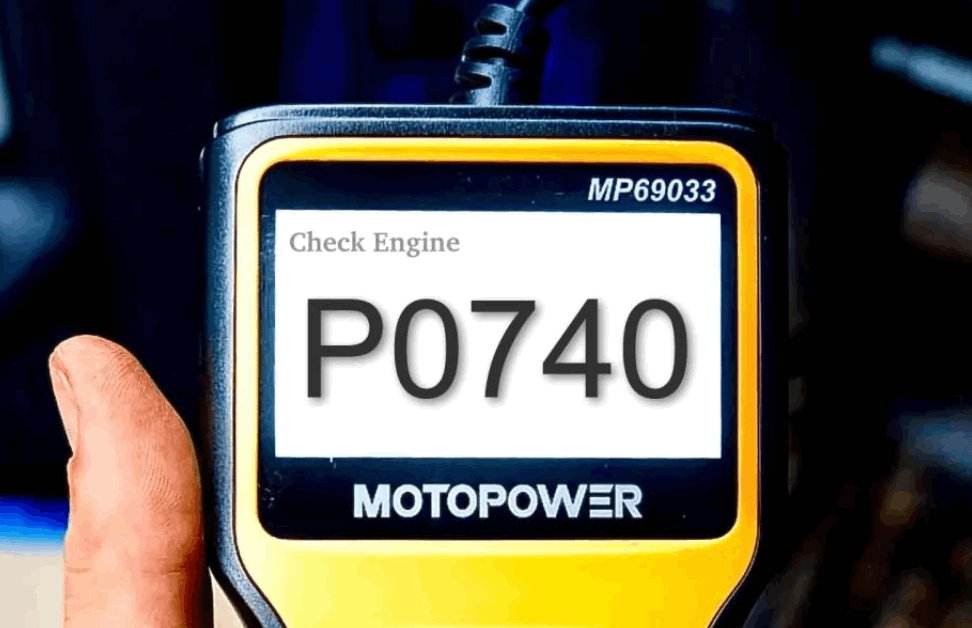
What Does Dodge P0740 Code Mean?
The Dodge P0740 code means that the vehicle’s Powertrain Control Module (PCM) has detected a malfunction in the Torque Converter Clutch (TCC) circuit. This diagnostic trouble code appears when the transmission control system cannot properly control or verify the operation of the torque converter clutch, which is responsible for creating a direct connection between the engine and transmission during certain driving conditions.
The Torque Converter Clutch is a component inside the automatic transmission system that improves efficiency by reducing the amount of power lost through fluid movement inside the torque converter. During normal operation, the torque converter allows smooth power transfer when the vehicle starts moving, then the TCC engages at higher speeds to lock the converter and reduce engine RPM. This process helps improve fuel economy and provides more stable highway performance.
A Dodge P0740 code does not identify one specific failed component. Instead, it indicates that the TCC system has a problem somewhere in its electrical or mechanical operation. The failure may involve the TCC solenoid, damaged wiring, poor electrical connections, incorrect transmission fluid pressure, internal torque converter damage, or control module issues.
When the TCC circuit does not operate correctly, the transmission may remain in an inefficient operating condition. The engine may continue working harder than necessary because the torque converter cannot achieve proper lockup. Over time, this condition can increase transmission heat, reduce fuel efficiency, and contribute to additional transmission wear.
Understanding how the Dodge P0740 code relates to the Torque Converter Clutch system is important because accurate diagnosis prevents unnecessary repairs. A complete inspection of electrical signals, transmission fluid condition, and mechanical operation is required before replacing major transmission components.
What Are the Symptoms of a Dodge P0740 Code?
The main symptoms of a Dodge P0740 code are a Check Engine Light, transmission slipping, unstable RPM, poor fuel economy, harsh shifting, and increased transmission temperature. These symptoms appear because the Torque Converter Clutch cannot lock properly.
The Check Engine Light is usually the first warning sign. The Powertrain Control Module (PCM) monitors the TCC circuit during vehicle operation. When the system detects an abnormal signal, it stores the P0740 code and activates the warning light.
Transmission slipping is another common symptom. A failed Torque Converter Clutch cannot create a proper connection between the engine and transmission. As a result, power transfer becomes less efficient. Drivers may notice delayed acceleration or a feeling that the transmission is not engaging correctly.
Unstable engine RPM can also indicate a Dodge P0740 problem. Under normal conditions, the TCC locks the torque converter during steady driving. This reduces engine speed and improves efficiency. When the clutch fails, the engine may continue running at higher RPM levels.
Poor fuel economy often occurs because the transmission loses efficiency. Without proper TCC engagement, the engine uses more energy to maintain vehicle speed. This effect is more noticeable during highway driving.
Harsh shifting and increased transmission heat are additional warning signs. A faulty TCC system can affect transmission operation and increase internal friction. Excess heat can accelerate wear on transmission components.
Drivers should not rely only on symptoms to confirm a Dodge P0740 code. Several transmission problems can create similar signs. A complete diagnostic process is required to identify whether the issue comes from the TCC solenoid, wiring, fluid condition, or internal transmission components.
What Causes a Dodge P0740 Code?
A Dodge P0740 code is mainly caused by six problems: a failed Torque Converter Clutch solenoid, damaged wiring, incorrect transmission fluid conditions, a faulty torque converter, valve body issues, or transmission control problems. The code appears when the TCC system cannot complete the expected lockup operation.
The Torque Converter Clutch solenoid is one of the most common causes of P0740. This solenoid controls the flow of transmission fluid that activates the clutch inside the torque converter. When the solenoid fails, the clutch cannot engage correctly. The PCM then detects a circuit malfunction and stores the P0740 code.
Damaged wiring or poor electrical connections can also trigger this code. The TCC system depends on accurate electrical signals between the transmission, PCM, and related components. A broken wire, corroded connector, or loose connection can interrupt communication and prevent normal clutch operation.
Low or contaminated transmission fluid is another possible cause. Automatic transmissions require clean fluid with the correct pressure properties to operate properly. When fluid levels are low or the fluid becomes degraded, the hydraulic pressure needed for TCC engagement may become insufficient. This condition can create slipping, overheating, and incorrect clutch operation.
A damaged torque converter can directly cause a Dodge P0740 code. The torque converter contains the clutch mechanism that locks the engine and transmission together during certain driving conditions. Internal wear or mechanical failure can prevent proper lockup even when the electrical system works correctly.
Valve body problems may also contribute to P0740. The valve body controls fluid movement inside the transmission. If internal passages become restricted or valves fail, the TCC may not receive enough hydraulic pressure to engage.
Transmission control issues are less common but still possible. A faulty Powertrain Control Module (PCM) or Transmission Control Module (TCM) may send incorrect signals to the TCC system. Proper diagnosis is required because replacing major transmission parts without testing can result in unnecessary repair costs.
How Do You Diagnose a Dodge P0740 Code?
A Dodge P0740 code is diagnosed by checking the trouble code, reviewing transmission data, inspecting fluid condition, testing electrical circuits, and verifying Torque Converter Clutch operation. A complete diagnosis identifies the actual failure instead of replacing parts based only on symptoms.
The first step is scanning the vehicle with an OBD II scanner. The scanner confirms that the P0740 code is stored in the PCM. A technician should also check for other related transmission codes. Additional codes can provide important information about the source of the problem.
The next step is reviewing freeze frame data. This information shows the vehicle conditions when the code appeared. Important details include engine speed, vehicle speed, transmission temperature, and throttle position. These details help determine when the TCC system failed.
Transmission fluid inspection is also required during diagnosis. The technician checks the fluid level, color, and condition. Dark or burnt fluid can indicate overheating or internal transmission wear. Low fluid levels can reduce hydraulic pressure and prevent the TCC from engaging correctly.
Electrical testing is another important diagnostic step. The technician inspects the wiring harness, connectors, and TCC solenoid circuit. A multimeter can measure voltage and resistance to identify open circuits, short circuits, or damaged components.
The TCC solenoid operation must also be tested. The solenoid controls fluid pressure that activates the Torque Converter Clutch. If the solenoid does not respond correctly, it may need replacement.
The final step is checking mechanical transmission operation. A damaged torque converter or internal transmission problem can create the same code. Proper testing prevents unnecessary repairs and helps determine whether the issue requires a minor component replacement or major transmission service.
How Do You Fix a Dodge P0740 Code?
A Dodge P0740 code is fixed by repairing the failed component that prevents the Torque Converter Clutch from operating correctly. The repair method depends on the actual cause found during diagnosis. Some cases require simple electrical repairs, while others may involve internal transmission components.
The first repair option is fixing damaged wiring or electrical connections. The TCC system depends on stable communication between the transmission, solenoid, and control modules. A broken wire, damaged connector, or corroded terminal can interrupt the circuit. Repairing these electrical problems can restore normal TCC operation without replacing major transmission parts.
Replacing the Torque Converter Clutch solenoid is another common repair. The solenoid controls transmission fluid pressure that activates the clutch. When the solenoid fails, the torque converter cannot lock properly. Installing a new solenoid can correct the P0740 code if the rest of the transmission system is operating normally.
Transmission fluid service may also solve some P0740 problems. Old, contaminated, or low transmission fluid can affect hydraulic pressure and clutch engagement. A technician may recommend a fluid change or fluid correction after inspecting the transmission condition. However, fluid service will not repair mechanical damage inside the transmission.
A damaged torque converter may require replacement. The torque converter contains the clutch mechanism that creates the lockup connection between the engine and transmission. If the internal clutch becomes worn or damaged, the TCC cannot engage even when the electrical system functions correctly.
Valve body repair or transmission rebuilding may be necessary in severe cases. The valve body controls hydraulic pressure inside the transmission. Internal wear or damage can prevent proper fluid flow to the TCC system. A transmission rebuild is usually considered only after testing confirms significant internal failure.
A proper diagnosis should always come before repair. Replacing the torque converter or rebuilding a transmission without confirming the cause can create unnecessary expenses. The correct repair restores TCC function while avoiding unnecessary replacement of working components.
Can You Drive a Dodge With a P0740 Code?
You can sometimes drive a Dodge with a P0740 code for a short distance, but ignoring the problem can increase transmission damage and repair costs. The safety of continued driving depends on the condition of the Torque Converter Clutch system and the symptoms produced by the vehicle.
Some Dodge vehicles with a P0740 code may continue operating normally at first. The transmission may still shift and provide enough power for regular driving. However, the torque converter may not lock correctly during cruising speeds. This causes the transmission to operate less efficiently.
Driving with a faulty TCC system can create several risks. The engine may run at higher RPM because the torque converter remains unlocked. This increases fuel consumption and places additional stress on the transmission system. Continuous operation can also increase transmission temperature.
High transmission temperature is one of the main concerns with a P0740 code. Automatic transmissions depend on proper fluid temperature control to protect internal components. Excess heat can damage clutch materials, seals, and other transmission parts.
Drivers should pay attention to warning signs that require immediate inspection. Severe slipping, delayed acceleration, burning transmission fluid smell, harsh shifting, or unusual noises indicate that the vehicle should not continue operating without diagnosis.
A vehicle with only a stored P0740 code and no major symptoms may be driven carefully to a repair facility. However, delaying diagnosis is not recommended. Early inspection can identify a simple electrical issue before it develops into expensive transmission damage.
How Much Does It Cost to Fix a Dodge P0740 Code?
The cost to fix a Dodge P0740 code depends on the failed component, the vehicle model, labor requirements, and the condition of the transmission system. A simple electrical repair may cost significantly less than a torque converter replacement or transmission rebuild.
The first cost factor is the diagnostic process. A professional transmission diagnosis usually includes scanning the vehicle, checking transmission data, inspecting fluid condition, and testing electrical components. Accurate diagnosis is important because P0740 does not identify one specific failed part.
Electrical repairs are usually among the lower cost solutions. A damaged wire, faulty connector, or poor electrical connection may only require repair or replacement of a small component. These repairs can restore the TCC circuit without major transmission work.
A failed Torque Converter Clutch solenoid usually costs more because the transmission system must be inspected and serviced. The final price depends on the Dodge model and the location of the solenoid. Some vehicles require more labor because the component is difficult to access.
Torque converter replacement creates a higher repair cost because the transmission often needs to be removed. The technician must separate the transmission from the engine to access the torque converter. This increases labor time and overall repair expenses.
Transmission rebuilds represent the highest repair category. A rebuild may be necessary when the P0740 code is caused by internal transmission damage, severe wear, or repeated overheating. This repair involves inspecting and replacing damaged internal components.
The best approach is to diagnose the exact cause before approving repairs. A Dodge P0740 code does not automatically require a new transmission. Many cases are caused by smaller electrical or hydraulic problems that can be repaired without replacing the entire transmission system.
How Can You Prevent Dodge P0740 Transmission Problems?
You can prevent Dodge P0740 transmission problems by maintaining proper transmission fluid levels, following service intervals, checking for leaks, and addressing early transmission symptoms. Regular maintenance helps protect the Torque Converter Clutch system and reduces the risk of electrical and mechanical failures.
Maintaining the correct transmission fluid level is one of the most important prevention steps. Automatic transmissions use fluid pressure to control components such as the TCC solenoid and torque converter clutch. Low fluid levels can reduce hydraulic pressure and affect clutch engagement.
Following the manufacturer’s transmission maintenance schedule also helps prevent problems. Transmission fluid loses its protective properties over time because of heat and friction. Replacing old fluid at the recommended interval helps maintain proper lubrication and temperature control.
Checking for transmission leaks can prevent long term damage. Fluid leaks reduce the amount of available transmission fluid and may cause overheating. Small leaks around seals, lines, or transmission components should be inspected before they create larger problems.
Drivers should also respond quickly to early transmission warning signs. Symptoms such as delayed shifting, slipping, unusual noises, or changes in RPM can indicate developing issues. Early diagnosis can prevent minor problems from becoming major transmission failures.
Avoiding excessive transmission heat is another important prevention method. High temperatures accelerate fluid breakdown and increase wear on internal components. Proper cooling system operation and responsible driving habits help maintain stable transmission temperatures.
Regular inspections are especially important for Dodge vehicles with higher mileage. Transmission components naturally experience wear over time. Preventive maintenance allows technicians to identify TCC, solenoid, and electrical problems before they trigger a Dodge P0740 code.
What Should You Do After Finding a Dodge P0740 Code?
You should diagnose the cause of a Dodge P0740 code before replacing any transmission components. This code indicates a Torque Converter Clutch circuit malfunction, but the actual problem can come from several different areas of the transmission system.
A proper diagnosis should check the TCC solenoid, electrical connections, transmission fluid condition, torque converter operation, and control module signals. These inspections help determine whether the issue is a simple electrical repair or a more complex transmission problem.
Many Dodge P0740 cases can be repaired without replacing the entire transmission. A damaged wire, faulty solenoid, or fluid-related issue may require a smaller repair. However, internal transmission damage or a failed torque converter may require more extensive service.
Ignoring the code is not recommended because a faulty TCC system can reduce fuel efficiency, increase transmission temperature, and create additional wear. Addressing the problem early helps protect transmission performance and prevents unnecessary repair costs.
The best solution is to use the P0740 code as a starting point for proper troubleshooting. Understanding the symptoms, causes, and repair options allows Dodge owners to make informed decisions about transmission service and avoid replacing parts without evidence.