Dodge P0340 Code indicates a problem with the camshaft position sensor circuit that prevents the Powertrain Control Module (PCM) from receiving accurate camshaft position information. The PCM uses this signal to control important engine operations such as ignition timing, fuel injection, and valve timing. When the signal becomes incorrect, interrupted, or unavailable, the vehicle may activate the Check Engine Light and experience performance problems.
The Dodge P0340 Code does not always mean that the camshaft position sensor itself has failed. The problem can also come from damaged wiring, poor electrical connections, timing system issues, or PCM related faults. Correct diagnosis is important because replacing parts without testing the circuit can lead to unnecessary repair costs.
This guide explains what Dodge P0340 Code means, the most common causes behind this diagnostic trouble code, the symptoms drivers may notice, the correct diagnostic process, and the repair solutions that can resolve the issue. Understanding how the camshaft position sensor system works helps Dodge owners identify the problem faster and choose the right repair approach.
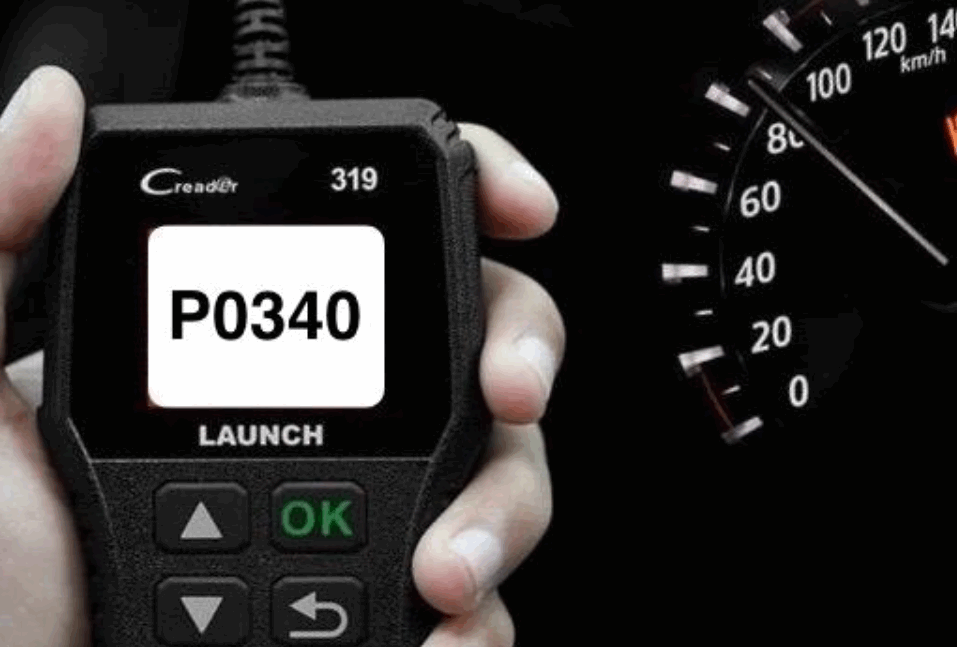
What Does Dodge P0340 Code Mean?
Dodge P0340 Code means that the Powertrain Control Module (PCM) detects a problem with the camshaft position sensor circuit. The camshaft position sensor monitors camshaft movement and position. It sends this information to the PCM, which controls engine timing functions.
The PCM uses camshaft position data to manage ignition timing, fuel injection, and valve operation. A correct sensor signal allows the engine to run efficiently. When the signal becomes weak, incorrect, or unavailable, the PCM stores the P0340 diagnostic trouble code and turns on the Check Engine Light.
The P0340 code does not always mean the camshaft position sensor has failed. The problem may come from several parts of the circuit. Common causes include damaged wiring, loose connectors, electrical faults, or timing system problems.
The camshaft position sensor works together with the crankshaft position sensor. These two sensors help the PCM understand the exact position of internal engine components. The PCM compares both signals to maintain proper engine synchronization. If the signals do not match, the engine may experience starting problems, poor performance, or rough operation.
Dodge vehicles such as the Ram, Charger, Challenger, Durango, and Caravan use camshaft position sensors as part of their engine management systems. The exact sensor location and design may vary by engine type. However, the purpose remains the same across Dodge models.
Proper diagnosis is necessary before replacing any component. An OBD II scanner can confirm the stored code. Electrical testing can determine whether the issue comes from the sensor, wiring, or PCM. This approach prevents unnecessary repairs and identifies the actual cause of the Dodge P0340 Code.
What Causes Dodge P0340 Code?
Dodge P0340 Code can be caused by problems with the camshaft position sensor, electrical connections, engine timing components, or the PCM. The code only identifies a failure in the camshaft position sensor circuit. It does not confirm which component has failed. A complete diagnosis is required to find the exact source of the problem.
The most common cause is a faulty camshaft position sensor. Over time, the sensor can develop internal electrical failures. Heat, vibration, and normal engine operation can affect sensor performance. A damaged sensor may send an incorrect signal or stop sending a signal to the PCM.
Wiring problems are another common cause of P0340. The sensor depends on a stable electrical connection to communicate with the PCM. Damaged wires, broken insulation, loose terminals, or corroded connectors can interrupt the signal. For example, wiring near the engine may become damaged because of heat exposure and vibration.
Timing system problems can also trigger the Dodge P0340 Code. The camshaft position sensor measures camshaft movement, so mechanical timing must remain accurate. A stretched timing chain, incorrect timing alignment, or worn timing components can create a mismatch between camshaft and crankshaft signals. The PCM may interpret this mismatch as a sensor circuit problem.
A PCM issue is less common but still possible. The PCM processes the signal from the camshaft position sensor and controls engine operation. If the module cannot read or process the signal correctly, it may store a P0340 code. However, PCM replacement should only be considered after testing the sensor circuit and electrical connections.
Identifying the correct cause prevents unnecessary part replacement. Replacing a camshaft position sensor without checking wiring or timing problems may not solve the issue. A proper diagnostic process helps determine whether the failure comes from the sensor, circuit, engine timing, or control module.
What Are the Symptoms of Dodge P0340 Code?
Dodge P0340 Code symptoms appear when the engine control system cannot receive accurate camshaft position information. The PCM depends on this signal to control ignition timing and fuel delivery. When the signal becomes unreliable, the engine may show noticeable performance problems.
The most common symptom is the Check Engine Light turning on. When the PCM detects an abnormal camshaft position sensor circuit signal, it stores the P0340 trouble code. The warning light helps alert the driver that the engine management system has detected a fault that requires inspection.
Starting problems are another common symptom of Dodge P0340 Code. A faulty camshaft position signal can make it difficult for the PCM to determine the correct engine position. This may cause longer cranking time, delayed starting, or a no start condition in severe cases.
Engine performance issues can also occur. The engine may experience rough idling, weak acceleration, or reduced power. This happens because the PCM may use incorrect timing information when adjusting fuel injection and ignition control. As a result, the engine cannot operate at its normal efficiency.
Some Dodge vehicles with P0340 may also experience engine stalling. If the PCM loses the camshaft position signal during operation, engine synchronization may become unstable. The vehicle may suddenly lose power, especially during low speed driving or acceleration.
Poor fuel economy is another possible symptom. Incorrect timing information can cause inefficient combustion. The engine may consume more fuel because the PCM cannot maintain the ideal air fuel mixture and ignition timing.
The severity of these symptoms depends on the condition of the sensor circuit and the vehicle model. Some drivers may only notice the Check Engine Light, while others may experience major drivability problems. A proper diagnosis helps identify the cause before the issue affects engine reliability.
How Do You Diagnose Dodge P0340 Code?
Diagnosing Dodge P0340 Code requires checking the entire camshaft position sensor circuit instead of replacing the sensor immediately. The code only shows that the PCM detected an abnormal signal. It does not confirm whether the sensor, wiring, timing system, or PCM is responsible for the failure.
The first step is using an OBD II scanner to confirm the stored trouble code. A technician should check the freeze frame data and review any additional codes stored in the PCM. Related codes can provide important information because problems with the crankshaft position sensor, ignition system, or timing system may appear together with P0340.
The next step is inspecting the camshaft position sensor and its electrical connections. The sensor should be checked for physical damage, oil contamination, loose connections, or corrosion. A damaged connector can interrupt the electrical signal and create the same symptoms as a failed sensor.
Electrical testing helps determine whether the sensor receives proper power and sends the correct signal. Technicians can use a multimeter or advanced diagnostic equipment to test voltage, ground connection, and signal output. If the sensor does not receive power, the problem may exist in the wiring circuit rather than the sensor itself.
The wiring harness should also be inspected carefully. Heat exposure, vibration, and engine movement can damage wires over time. A continuity test can identify broken wires or poor connections between the camshaft position sensor and the PCM.
If the electrical system works correctly, the next step is checking mechanical timing. A stretched timing chain or incorrect camshaft timing can create an inaccurate sensor signal. The PCM may detect this as a circuit malfunction even when the sensor is functioning properly.
A complete diagnostic process prevents unnecessary repairs. Replacing the camshaft position sensor without testing the circuit may not solve the Dodge P0340 Code. Find
How Do You Fix Dodge P0340 Code?
Fixing Dodge P0340 Code requires repairing the component that prevents the camshaft position sensor circuit from sending accurate information to the PCM. The correct repair depends on the actual cause found during diagnosis. Replacing parts without testing the circuit may not solve the problem.
The most common repair is replacing a faulty camshaft position sensor. A damaged sensor cannot provide a reliable position signal to the PCM. After replacement, the vehicle should be scanned again to clear the stored code and confirm that the new sensor communicates correctly with the engine control system.
Wiring and connector repairs may also be necessary. A damaged wire, loose terminal, or corroded connector can interrupt the electrical connection between the camshaft position sensor and PCM. Repairing the harness or replacing damaged connectors restores proper signal transmission.
If the diagnosis identifies an engine timing problem, the repair may involve inspecting or replacing timing components. A stretched timing chain, worn timing guide, or incorrect timing alignment can affect the relationship between the camshaft and crankshaft. In these cases, replacing the sensor alone will not correct the P0340 code.
PCM related repairs are less common. The PCM should only be repaired or replaced after confirming that the sensor, wiring, and mechanical timing system are operating correctly. Some vehicles may require PCM programming after replacement to ensure proper communication with other vehicle systems.
The repair cost for Dodge P0340 Code depends on the failed component and the vehicle model. A camshaft position sensor replacement is usually less expensive than timing system repairs or PCM replacement. Labor costs also vary because sensor location and engine design affect repair difficulty.
After completing the repair, a technician should verify the solution with a diagnostic scan and a road test. Confirming that the code does not return ensures that the underlying problem has been properly fixed.
Can You Drive With Dodge P0340 Code?
You may be able to drive with Dodge P0340 Code for a short distance, but ignoring the problem can create larger engine performance issues. The severity depends on the condition of the camshaft position sensor circuit and the symptoms shown by the vehicle.
If the vehicle only has the Check Engine Light on and runs normally, the issue may not create an immediate safety risk. However, the code should still be diagnosed as soon as possible. A failing camshaft position sensor or damaged circuit can become worse over time and may eventually affect engine operation.
Driving with P0340 can become risky when the vehicle shows serious symptoms. Hard starting, engine stalling, sudden power loss, or rough operation indicate that the engine control system is not working correctly. These problems may reduce vehicle reliability and create unsafe driving conditions.
The engine depends on accurate timing information to control combustion. When the PCM receives an incorrect camshaft position signal, it may not control ignition timing and fuel injection properly. Continued driving with incorrect timing signals can increase stress on engine components and reduce fuel efficiency.
A vehicle with Dodge P0340 Code should receive professional diagnosis if the Check Engine Light is flashing, the engine stalls, or the vehicle has difficulty starting. These symptoms suggest a more serious fault that requires immediate attention.
Short term driving may be possible in mild cases, but the correct solution is identifying and repairing the cause of the code. A complete inspection of the camshaft position sensor, wiring, timing system, and PCM prevents further problems and restores reliable engine performance.
How Do You Prevent Dodge P0340 Code From Returning?
Preventing Dodge P0340 Code from returning requires maintaining the camshaft position sensor system, electrical connections, and engine timing components. Regular maintenance reduces the risk of sensor failures and helps identify early warning signs before they become larger engine problems.
The first prevention step is inspecting the camshaft position sensor and its wiring during routine maintenance. The sensor operates in a high temperature environment near the engine. Heat and vibration can damage wiring insulation, weaken connectors, and create signal interruptions over time.
Keeping electrical connections clean and secure also helps prevent circuit problems. Corrosion, moisture, and loose terminals can affect the communication between the camshaft position sensor and PCM. Checking connectors during service can identify small issues before they trigger a diagnostic trouble code.
Following the recommended maintenance schedule for Dodge vehicles is another important prevention method. Engine timing components such as timing chains, guides, and tensioners require inspection because mechanical timing problems can create symptoms similar to a failed sensor circuit.
Addressing Check Engine Light warnings early can also prevent repeated P0340 problems. Ignoring minor engine control issues may allow electrical faults or timing problems to become more severe. Early diagnosis helps identify whether the problem comes from the sensor, wiring, or another engine component.
Using quality replacement parts is important when repairs are needed. Low quality sensors may provide inaccurate signals or fail earlier than original equipment components. Choosing reliable parts helps maintain proper communication between the camshaft position sensor and the PCM.
Proper maintenance does not guarantee that Dodge P0340 Code will never occur, but it reduces common causes and improves engine reliability. Regular inspection, timely repairs, and correct diagnosis are the most effective ways to prevent recurring camshaft position sensor circuit problems.
What Should You Know About Dodge P0340 Code?
Dodge P0340 Code indicates a problem with the camshaft position sensor circuit that affects how the PCM receives engine timing information. The code does not always mean that the sensor itself has failed. The actual cause may involve the sensor, wiring, electrical connections, engine timing components, or the PCM.
Accurate diagnosis is the most important step when dealing with this trouble code. Checking the complete circuit helps identify the real failure and prevents unnecessary part replacement. A proper repair restores communication between the camshaft position sensor and the PCM, allowing the engine management system to control ignition timing and fuel injection correctly.
Understanding the symptoms of Dodge P0340 Code helps drivers recognize potential problems early. Warning signs such as a Check Engine Light, starting difficulties, rough engine operation, reduced performance, or stalling should not be ignored.
Regular maintenance of the engine timing system and electrical components can reduce the chance of future sensor circuit problems. Inspecting wiring, maintaining connectors, and addressing engine issues quickly help keep Dodge vehicles reliable.
For related diagnostic information, vehicle owners can continue learning about other Dodge OBD II trouble codes and camshaft position sensor problems to better understand modern engine control systems.