A Dodge Durango AC blowing hot air usually indicates a problem with the vehicle’s cooling system, refrigerant circulation, compressor operation, airflow control, or temperature regulation components. The air conditioning system must complete several steps to remove heat from the cabin, and a failure in any major component can prevent cold air from reaching the vents.
The most common causes include low refrigerant levels, refrigerant leaks, a failing AC compressor, a faulty blend door actuator, electrical problems, and HVAC control issues. Each problem creates different symptoms, so identifying the exact cause is important before replacing any parts.
This guide explains why a Dodge Durango AC blows hot air, how to diagnose the problem, and which repairs can restore proper cooling performance. Understanding the role of each AC component helps owners identify whether the issue requires a simple inspection, a refrigerant service, or a more advanced repair.
Whether the AC suddenly stopped producing cold air, works intermittently, or blows warm air from only one side, the correct diagnosis starts with understanding how the Dodge Durango HVAC system operates and which components commonly fail.
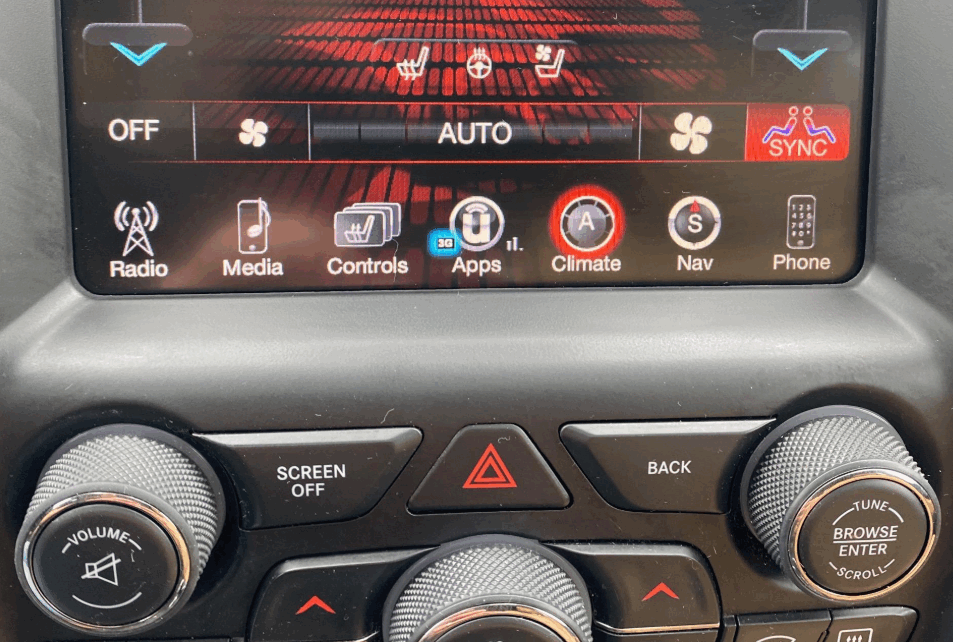
Why Is My Dodge Durango AC Blowing Hot Air?
The Dodge Durango AC blows hot air when the air conditioning system cannot complete the cooling cycle required to remove heat from the cabin. The AC system depends on several connected components, including the compressor, refrigerant, condenser, evaporator, and air temperature control system. When one of these components fails, the system may continue pushing air through the vents but cannot reduce the air temperature.
The most common causes of a Dodge Durango AC blowing hot air are low refrigerant levels, compressor failure, airflow control problems, electrical faults, and temperature regulation issues. Low refrigerant prevents the system from absorbing enough heat from the cabin because the refrigerant cannot complete proper heat transfer. A damaged AC compressor creates a similar problem because it cannot circulate refrigerant between the high pressure and low pressure sides of the system.
The problem can also occur when the HVAC system cannot correctly control air temperature. The blend door actuator controls whether air passes through the heater core or evaporator before entering the cabin. If this component fails, the system may mix warm air with cooled air or send warm air through the vents even when the AC is activated.
Diagnosing the exact cause requires checking the complete AC system instead of replacing parts based only on symptoms. For example, adding refrigerant may temporarily improve cooling if the system has a leak, but the AC will lose performance again unless the leak source is repaired. A proper inspection identifies whether the failure comes from refrigerant pressure, mechanical components, electrical systems, or climate control mechanisms.
What Are the Most Common Causes of Dodge Durango AC Blowing Hot Air?
There are 5 main causes of a Dodge Durango AC blowing hot air. They include low refrigerant, AC compressor failure, blend door actuator problems, electrical failures, and restricted airflow. Each problem affects a different part of the HVAC system. Finding the failed component helps determine the correct repair.
Low refrigerant is one of the most common causes of AC cooling problems. The refrigerant absorbs heat from inside the cabin. It then transfers that heat outside through the condenser. When the refrigerant level is too low, the evaporator cannot remove enough heat. As a result, the vents produce warm air instead of cold air.
Low refrigerant usually happens because of a leak. The Dodge Durango AC system is a sealed system. It does not normally consume refrigerant during regular use. Adding refrigerant may improve cooling for a short time. However, the leak must be repaired to restore long term performance.
A failed AC compressor can also cause hot air from the vents. The compressor circulates refrigerant through the cooling system. It creates the pressure needed for the refrigeration cycle. A damaged compressor cannot move refrigerant correctly. Common signs include unusual noises, poor cooling performance, or a compressor clutch that does not engage.
A faulty blend door actuator can create temperature control problems. This component controls the airflow path inside the HVAC system. It decides whether air passes through the heater core or evaporator. When the actuator fails, the Dodge Durango may blow warm air even when the AC is turned on.
Electrical problems can also stop the AC system from working properly. Common issues include damaged fuses, faulty relays, bad sensors, and HVAC control module failures. These problems interrupt the signals needed for normal AC operation. A proper electrical diagnosis helps identify whether the issue is caused by a component failure or a control problem.
How Do You Diagnose a Dodge Durango AC That Is Blowing Hot Air?
Diagnosing a Dodge Durango AC blowing hot air requires checking the entire cooling system. The problem may come from refrigerant pressure, mechanical failure, airflow control, or electrical components. Replacing parts without testing can lead to unnecessary repair costs.
The first step is to check the AC performance. Turn on the engine and set the climate control to the lowest temperature. Check whether the compressor activates when the AC button is pressed. If the compressor does not engage, the problem may involve the compressor clutch, electrical system, pressure switch, or control module.
The next step is checking refrigerant pressure. A refrigerant gauge can show whether the system has enough pressure to operate correctly. Low pressure usually indicates a refrigerant leak. High pressure may indicate problems with the condenser, airflow restriction, or an overcharged system. The pressure readings help determine which part requires further inspection.
Inspecting the AC compressor is another important diagnostic step. The compressor should create pressure differences between the high and low sides of the system. A damaged compressor may run but fail to circulate refrigerant effectively. Signs of compressor problems include grinding sounds, poor cooling, or inconsistent AC performance.
The HVAC system should also be inspected for airflow and temperature control problems. A faulty blend door actuator can prevent cold air from reaching the cabin. The actuator may produce clicking sounds behind the dashboard when it fails. Some Dodge Durango models may also require HVAC calibration after replacing temperature control components.
Electrical testing completes the diagnosis process. Technicians check fuses, relays, wiring connections, sensors, and HVAC control signals. A scan tool can identify stored fault codes and provide additional information about climate control problems.
A complete diagnosis identifies the actual failure instead of treating only the symptom. This approach helps restore proper cooling performance and prevents repeated AC repairs.
How Do You Fix a Dodge Durango AC Blowing Hot Air Problem?
Fixing a Dodge Durango AC blowing hot air problem starts with identifying the failed component. The correct repair depends on whether the issue comes from refrigerant loss, compressor failure, airflow control, or electrical problems. Replacing parts without proper diagnosis may not solve the cooling issue.
A refrigerant recharge can restore cold air when the system has a low refrigerant level. However, the cause of the refrigerant loss must be identified first. The AC system is sealed, so refrigerant does not disappear during normal operation. A leak inspection helps locate damaged hoses, seals, connections, or other components that allow refrigerant to escape.
AC compressor repair or replacement is required when the compressor cannot circulate refrigerant correctly. A failing compressor reduces cooling performance because the refrigerant cycle cannot create enough pressure. In some cases, only the compressor clutch or related electrical components need repair. A complete compressor replacement is necessary when internal mechanical damage occurs.
A faulty blend door actuator requires replacement when the HVAC system cannot control air temperature correctly. The actuator controls the position of internal air doors inside the dashboard. When it fails, warm air may mix with cold air or enter the cabin directly. After replacement, some vehicles may require HVAC system calibration to restore proper operation.
Electrical repairs depend on the specific failure. A technician may replace a damaged fuse, repair wiring, replace a faulty sensor, or fix a climate control module problem. These repairs restore the signals needed for the AC system to operate normally.
Regular AC maintenance can reduce future problems. Replacing the cabin air filter, checking refrigerant performance, and inspecting the HVAC system during routine service help maintain consistent cooling. A proper repair restores cold air and prevents repeated failures caused by unresolved issues.
Why Does Dodge Durango AC Blow Hot Air Sometimes?
A Dodge Durango AC that blows cold air sometimes and hot air at other times usually has an intermittent problem inside the cooling system. This type of issue often happens when a component works inconsistently instead of failing completely. The most common causes include low refrigerant, compressor problems, electrical faults, and temperature control issues.
Low refrigerant can create inconsistent cooling performance. When refrigerant pressure drops below the required level, the AC system may struggle to maintain cold air. The system may cool normally for a short period and then produce warmer air as pressure changes. A refrigerant leak is often the reason behind this problem because the system gradually loses its cooling capacity.
A failing AC compressor can also create intermittent cooling problems. The compressor may engage normally at certain times but fail under specific conditions. For example, the AC may work while driving but stop cooling when the vehicle is sitting at idle. This happens because compressor performance depends on pressure, temperature, and mechanical condition.
Electrical issues are another common cause of inconsistent AC operation. Loose wiring connections, failing relays, damaged sensors, or HVAC control problems can interrupt the signals required for cooling. These failures may appear randomly because electrical connections can change with vibration, temperature, or vehicle movement.
Some Dodge Durango owners experience hot air when the engine is stopped or during slow driving. This can happen because the AC system relies on proper airflow through the condenser. A weak cooling fan or restricted airflow can reduce AC performance when the vehicle is not moving at higher speeds.
Diagnosing intermittent AC problems requires observing when the failure happens. Important details include outside temperature, driving conditions, fan operation, and whether the compressor remains engaged. These patterns help technicians identify the component responsible for the inconsistent cooling.
Why Does Dodge Durango AC Blow Hot Air on One Side?
A Dodge Durango AC blowing hot air on one side usually indicates a problem with the temperature control system. This issue often affects vehicles equipped with dual-zone climate control. The system allows the driver and passenger sides to receive different temperatures, but a failed component can prevent one side from receiving properly cooled air.
The most common cause is a faulty blend door actuator. The blend door actuator controls the position of the internal doors that direct air through the heater core or evaporator. When the actuator fails, the door may become stuck in the wrong position. As a result, one side of the cabin receives warm air while the other side continues to receive cold air.
A damaged temperature sensor can also create uneven cooling. The HVAC system uses sensors to measure cabin temperature and adjust airflow automatically. When a sensor provides incorrect information, the climate control module may send the wrong commands to the blend doors. This creates temperature differences between the driver and passenger areas.
HVAC calibration problems may also cause one-sided temperature issues. After certain repairs or battery disconnections, the climate control system may need to relearn actuator positions. Without proper calibration, the system may not control air distribution correctly.
A restricted airflow problem can create similar symptoms. A blocked cabin air filter or an evaporator issue may reduce cooling performance on one side of the vehicle. However, these problems usually affect overall airflow rather than only one temperature zone.
To diagnose this issue, compare the air temperature from both sides of the dashboard vents. Check for clicking sounds behind the dashboard, scan the HVAC system for fault codes, and inspect the blend door actuator operation. Identifying the exact cause prevents unnecessary replacement of unrelated AC components.
How Much Does It Cost to Fix a Dodge Durango AC Blowing Hot Air?
The cost to fix a Dodge Durango AC blowing hot air problem depends on the failed component, repair complexity, and labor requirements. A simple refrigerant service costs much less than replacing major HVAC components such as the AC compressor or climate control parts.
A refrigerant recharge is usually one of the lower cost repairs when the system only needs additional refrigerant. However, a recharge is not a permanent solution if the AC system has a leak. Leak detection and repair may increase the total cost because technicians must locate the damaged hose, seal, condenser, evaporator, or connection point before restoring the refrigerant level.
AC compressor replacement is one of the most expensive repairs because the compressor is a major component of the cooling system. The total cost depends on the compressor type, vehicle model year, labor time, and whether related components also require replacement. A damaged compressor may also send metal debris through the AC system, which can require additional cleaning or component inspection.
Blend door actuator replacement usually costs less than compressor repairs because the component is smaller. However, labor costs can vary because some actuators are located behind the dashboard and require additional access time. HVAC calibration may also be required after installation.
Electrical diagnosis costs depend on the source of the failure. Replacing a fuse or relay is usually simple, while repairing wiring or replacing a climate control module requires more advanced testing.
The best way to control repair costs is to diagnose the exact failure before replacing parts. A complete inspection prevents unnecessary repairs and ensures that the Dodge Durango AC system receives the correct solution.
What Should You Do If Your Dodge Durango AC Is Blowing Hot Air?
A Dodge Durango AC blowing hot air problem should be diagnosed before replacing any components. The AC system depends on several connected parts, including refrigerant, the compressor, airflow controls, sensors, and electrical systems. A failure in any of these areas can reduce cooling performance.
The first step is identifying the symptom pattern. Check whether the AC always blows warm air, works only while driving, or produces different temperatures on each side of the cabin. These details help narrow down the possible causes and reduce unnecessary repairs.
A proper inspection should include refrigerant pressure testing, compressor operation checks, HVAC system evaluation, and electrical testing. Low refrigerant, compressor failure, and blend door actuator problems are common causes, but each issue requires a different repair method.
Regular maintenance can help prevent future AC problems. Replacing the cabin air filter, inspecting the cooling system, and addressing unusual AC performance early can improve reliability. When a Dodge Durango AC stops producing cold air, finding the exact cause is the most effective way to restore proper cooling performance and avoid repeated repairs.