A Dodge Journey coolant leak can create serious cooling system problems if you ignore it. The cooling system keeps the engine at a safe operating temperature by moving coolant through key components. These components include the engine, radiator, thermostat, and hoses. When coolant escapes, the engine can lose its ability to control heat properly.
Many Dodge Journey owners discover a coolant leak after they notice a puddle under the vehicle. Some drivers also see a low coolant warning light or smell a sweet odor from the engine bay. However, small leaks often remain unnoticed for a long time. A damaged hose, failing water pump, cracked radiator, or faulty thermostat housing can slowly reduce coolant levels.
A low coolant level can increase the risk of overheating and expensive engine repairs. That is why early diagnosis plays an important role in protecting your vehicle. Finding the leak source helps you choose the correct repair and prevent future cooling system failures.
This guide explains the most common causes of a Dodge Journey coolant leak. It also covers warning signs, diagnosis methods, repair options, and prevention tips. Understanding these problems can help you maintain your Dodge Journey and keep the engine running reliably.
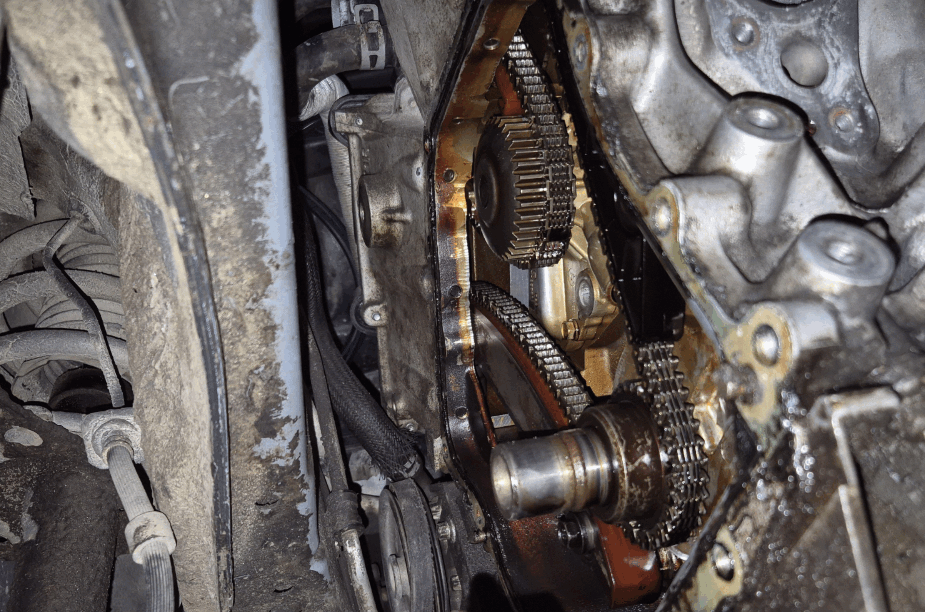
What Are the Most Common Signs of a Dodge Journey Coolant Leak?
A Dodge Journey coolant leak often shows several warning signs before it creates major engine problems. Recognizing these symptoms early can help you find the issue faster and prevent overheating. The cooling system depends on a stable coolant level to regulate engine temperature. When coolant escapes, your vehicle may show noticeable changes during operation.
One of the most common signs is a low coolant level in the reservoir. You may need to refill the coolant more often than usual. A healthy cooling system should maintain the correct coolant level between service intervals. Frequent coolant loss usually indicates a leak somewhere in the system.
Another common symptom is a rising engine temperature. The temperature gauge may move higher than normal, especially during long drives or heavy traffic. If the engine overheats, you may notice steam coming from under the hood. Overheating can damage important engine components if you continue driving.
Many drivers also notice a sweet smell around the engine bay. Coolant contains chemicals that create a distinct sweet odor when they leak onto hot engine parts. You may also find colored fluid under your Dodge Journey after parking. The coolant color depends on the type of coolant used, but common colors include orange, pink, green, or yellow.
Other signs include poor heater performance, visible wet areas around hoses, and coolant stains near the radiator or engine. These symptoms can help you locate the source of the problem before the leak becomes severe. Early detection allows you to repair the cooling system before it affects engine reliability.
What Causes a Coolant Leak in a Dodge Journey?
A Dodge Journey coolant leak can develop from several parts of the cooling system. Each component plays an important role in keeping the engine at the correct temperature. When one part fails, coolant can escape and reduce the system’s ability to protect the engine.
A damaged radiator is one of the most common causes of coolant loss. The radiator removes heat from the coolant before it returns to the engine. Over time, plastic tanks, seals, or metal sections can develop cracks. A damaged radiator often leaves coolant puddles near the front of the vehicle.
Radiator hoses can also cause leaks in a Dodge Journey. These hoses carry coolant between the engine, radiator, and other cooling system components. Heat and pressure can make the rubber material weak over time. Cracks, swelling, or loose connections can allow coolant to leak from the hose area.
A failing water pump can create another serious coolant problem. The water pump circulates coolant throughout the engine. When the internal seal wears out, coolant may leak from the pump area. Some owners may also notice unusual noises near the front of the engine.
The thermostat housing can also become a source of coolant leaks. A cracked housing or damaged gasket may allow coolant to escape slowly. This problem appears more often on vehicles with aging cooling system components.
Other possible causes include a leaking coolant reservoir, damaged heater hoses, or a failed heater core. In more serious cases, a damaged head gasket can allow coolant to enter the combustion chamber or mix with engine oil.
Finding the exact leak source is important because each problem requires a different repair method. A proper diagnosis helps prevent repeated coolant loss and protects the Dodge Journey engine from overheating damage.
How to Diagnose a Dodge Journey Coolant Leak
Finding the source of a Dodge Journey coolant leak requires a careful inspection of the entire cooling system. A visible puddle does not always show the exact location of the problem. Coolant can travel along engine parts before it reaches the ground, which makes the original leak point harder to identify.
Start the diagnosis by checking the coolant level when the engine is completely cold. Inspect the coolant reservoir and look for signs of fluid loss. Low coolant levels, dried coolant residue, or visible stains can provide important clues about the leak location.
A visual inspection can help identify common problems. Check the radiator, hoses, clamps, thermostat housing, water pump area, and coolant reservoir for wet spots or damaged parts. Look for cracks, loose connections, and white or colored coolant deposits around these components.
A cooling system pressure test provides a more accurate way to find hidden leaks. This test applies pressure to the system while the engine is off. If the system loses pressure, a technician can locate the leaking component more easily. Pressure testing can reveal small leaks that are difficult to find during a normal inspection.
A UV dye test can also help detect slow coolant leaks. A technician adds special dye to the cooling system and uses a UV light to identify the leaking area. This method works well for leaks that only appear under certain driving conditions.
Inspecting the engine oil can help identify internal coolant leaks. If coolant mixes with engine oil, the oil may appear milky or cloudy. This issue can point to a serious problem, such as a damaged head gasket.
Proper diagnosis helps you avoid unnecessary repairs. Identifying the exact cause of a Dodge Journey coolant leak allows you to choose the right solution and prevent future cooling system failures.
How to Fix a Dodge Journey Coolant Leak
Fixing a Dodge Journey coolant leak depends on the location and severity of the problem. Each cooling system component requires a different repair method. A proper diagnosis helps you replace only the damaged parts and restore the cooling system correctly.
A damaged radiator usually requires replacement rather than repair. Cracks in the radiator tank or damaged internal sections can prevent the system from holding coolant pressure. Installing a new radiator helps restore proper coolant circulation and prevents future leaks.
Replacing worn radiator hoses is another common repair. Mechanics usually remove cracked or swollen hoses and install new ones with secure clamps. Fresh hoses help maintain coolant flow between the engine and radiator while reducing the risk of sudden coolant loss.
A leaking water pump often needs complete replacement. The water pump contains internal seals and moving parts that cannot always be repaired effectively. Replacing a failing pump restores coolant circulation and helps prevent engine overheating.
A faulty thermostat housing or damaged gasket may require a new housing assembly. This repair stops coolant from escaping around the thermostat area and helps the engine maintain normal operating temperature.
Some Dodge Journey coolant leaks come from the coolant reservoir or heater system. A cracked reservoir needs replacement, while a leaking heater core may require more complex repairs because it sits inside the vehicle cabin.
After completing any coolant system repair, technicians should refill the system with the correct coolant and remove trapped air. Air pockets can reduce coolant circulation and create temperature problems.
The right repair solution depends on the exact cause of the leak. Addressing the problem early can protect the Dodge Journey engine from overheating and reduce the chance of expensive repairs in the future.
How Much Does It Cost to Repair a Dodge Journey Coolant Leak?
The cost to repair a Dodge Journey coolant leak depends on the damaged component, labor time, and repair complexity. Small leaks from hoses or clamps usually cost less than major repairs involving the radiator, water pump, or engine components. A proper diagnosis helps determine the exact repair cost before replacing any parts.
A simple coolant hose replacement is often one of the most affordable repairs. The total cost usually depends on the hose location and the amount of labor required. A leaking hose should not be ignored because it can suddenly fail and cause rapid coolant loss.
Radiator replacement costs more because the job requires removing the damaged unit and installing a new one. The final price can vary based on the radiator type, parts availability, and labor rates. A cracked radiator should receive attention quickly because it can lead to engine overheating.
Water pump replacement is usually a more expensive repair because the component requires more labor to access and replace. A failing water pump can reduce coolant circulation and create serious engine temperature problems if the issue continues.
Thermostat housing repairs are usually less expensive than major cooling system repairs. However, ignoring a small housing leak can allow the problem to grow and affect other components.
More serious issues, such as a damaged head gasket or internal coolant leak, can create significantly higher repair costs. These repairs often require extensive engine work and longer labor times.
Regular cooling system maintenance can help reduce unexpected repair expenses. Checking coolant levels, inspecting hoses, and addressing small leaks early can prevent larger problems and help maintain the reliability of your Dodge Journey.
Can You Drive a Dodge Journey with a Coolant Leak?
Driving a Dodge Journey with a coolant leak can create serious risks for the engine. The cooling system needs the correct coolant level to control engine temperature. When coolant escapes, the engine can overheat and suffer expensive damage.
A small coolant leak may not cause immediate problems, but it can become worse over time. A damaged hose, radiator, or water pump can suddenly lose more coolant while you drive. This situation can cause the engine temperature to rise quickly.
You should avoid driving if the temperature gauge moves above the normal range. An overheating engine can damage the cylinder head, head gasket, and other internal components. In severe cases, excessive heat can lead to major engine failure.
Some warning signs require immediate attention. These signs include steam from under the hood, a strong coolant smell, a flashing temperature warning, or visible coolant leaking onto the ground. Continuing to drive with these symptoms can increase repair costs.
If you notice a coolant leak, check the coolant level after the engine cools down. You can add the correct coolant temporarily to prevent further loss, but this does not fix the underlying problem. You should arrange a proper inspection as soon as possible.
The safest option depends on the leak size and engine condition. A minor leak may allow a short drive to a repair facility, while a major leak requires professional towing. Taking quick action helps protect your Dodge Journey engine and prevents avoidable damage.
How to Prevent Future Coolant Leaks in a Dodge Journey
Preventing a Dodge Journey coolant leak starts with regular cooling system maintenance. The cooling system works under heat and pressure every day, so small problems can develop into major leaks if you ignore them. Routine inspections help you find weak components before they fail.
Check the coolant level regularly when the engine is cold. A sudden drop in coolant may indicate a leak in the radiator, hoses, water pump, or another cooling system part. Keeping the coolant at the correct level helps the engine maintain a stable operating temperature.
Inspect the radiator hoses and clamps during regular maintenance. Heat and engine vibration can weaken hoses over time. Replacing old or damaged hoses before they fail can prevent sudden coolant loss and overheating problems.
Using the correct coolant type also protects the cooling system. The wrong coolant mixture can affect corrosion protection and reduce component lifespan. Follow the recommended coolant specifications for your Dodge Journey to maintain proper system performance.
Regular coolant replacement helps maintain coolant quality and protect internal components. Old coolant can lose its protective properties and allow corrosion to develop inside the radiator, water pump, and engine passages.
Pay attention to early warning signs such as low coolant levels, unusual smells, temperature changes, or visible leaks. Addressing these issues quickly can prevent more expensive repairs.
A professional cooling system inspection can also help identify hidden problems. Regular checks of the radiator, thermostat housing, hoses, and water pump can extend the life of your Dodge Journey and keep the engine running efficiently.
Conclusion
A Dodge Journey coolant leak can start as a small issue, but it can quickly become a serious engine problem if you ignore it. The cooling system depends on proper coolant flow to control engine temperature and protect important components. Finding the leak early helps prevent overheating and costly repairs.
Common causes include damaged radiators, worn hoses, failing water pumps, faulty thermostat housings, and coolant reservoir problems. Recognizing symptoms such as low coolant levels, unusual smells, visible leaks, and rising engine temperatures can help you take action before the problem becomes worse.
A proper diagnosis helps identify the exact source of the coolant leak. Professional inspections, pressure tests, and visual checks can reveal hidden problems and prevent unnecessary repairs. Choosing the correct repair method ensures the cooling system works properly again.
Regular maintenance remains the best way to reduce the risk of future coolant leaks. Checking coolant levels, inspecting cooling system components, and replacing old coolant can help maintain your Dodge Journey’s reliability.
If you notice signs of a coolant leak, do not wait until the engine overheats. Early attention can protect your vehicle, reduce repair costs, and help your Dodge Journey continue running safely for many years.