The Dodge 318 is a 318-cubic-inch (5.2-liter) V8 associated with several generations of Chrysler-built engines, so there is no single set of Dodge 318 engine specs that applies to every model year. Bore, stroke, compression ratio, horsepower, torque, cylinder-head design, and fuel delivery can differ depending on the engine family and production year.
The most important distinction is between the earlier 318 configurations, the LA-series 318 introduced during the 1960s, and the later 5.2L Magnum. Although these engines share the 318-cubic-inch displacement designation, specifications from one generation should not automatically be applied to another. Horsepower figures also require attention to model year because engine configurations and power-rating methods changed during the 318’s long production history.
This guide breaks down Dodge 318 engine specs by year and engine version. It covers displacement, bore and stroke, firing order, compression ratio, horsepower, torque, fuel system, and major specification changes. It also explains how to distinguish the main 318 versions so you can identify which specifications apply to a particular Dodge, Chrysler, or Plymouth vehicle.
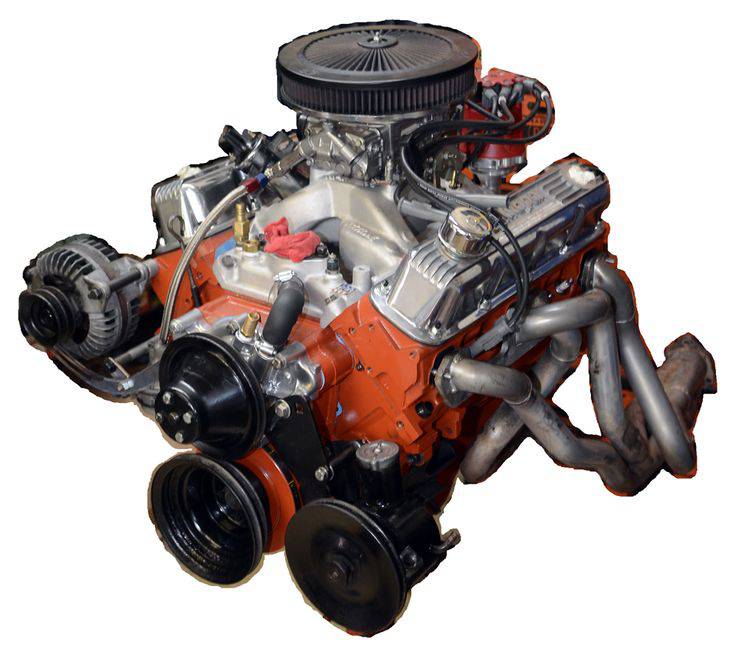
What Are the Basic Dodge 318 Engine Specs?
The Dodge 318 is a 90-degree V8 with a nominal displacement of 318 cubic inches, or 5.2 liters. The widely used LA-series 318 has a 3.91-inch bore and 3.31-inch stroke, while the later 5.2 Magnum retains the same basic bore and stroke dimensions. However, specifications such as compression ratio, horsepower, torque, cylinder-head design, and fuel delivery changed across production years and engine generations.
| Specification | Dodge 318 Specification |
|---|---|
| Engine configuration | 90-degree V8 |
| Displacement | 318 cu in / 5.2 L |
| Bore | 3.91 in (99.3 mm) |
| Stroke | 3.31 in (84.0 mm) |
| Valvetrain | OHV, 2 valves per cylinder |
| Total valves | 16 |
| Block material | Cast iron |
| Firing order | 1-8-4-3-6-5-7-2 |
| Fuel type | Gasoline |
| Fuel delivery | Carburetor, throttle-body injection, or multi-point fuel injection depending on year |
| Compression ratio | Varies by year and engine version |
| Horsepower | Varies by year, configuration, and rating standard |
| Torque | Varies by year and configuration |
The 3.91-inch bore and 3.31-inch stroke are two of the most consistent dimensions associated with the LA 318 and later 5.2 Magnum. Period Chrysler service information also lists the LA 318 at a 3.91-inch bore and 3.31-inch stroke, while published specifications for the Magnum retain those dimensions. This continuity explains why both engines carry the 318-cubic-inch designation even though the Magnum introduced substantial changes to the cylinder heads, induction system, ignition, and other components.
Compression ratio and power output should not be treated as fixed Dodge 318 specifications. For example, period service information lists one 318 two-barrel configuration with an 8.6:1 compression ratio, 145 net horsepower at 4,000 rpm, and 245 lb-ft of torque at 1,600 rpm. The 5.2 Magnum, by comparison, is commonly specified with approximately 9.1:1 compression and multi-point fuel injection. These differences make the engine’s production year and configuration essential when matching specifications to a specific vehicle.
What Is the Displacement of a Dodge 318 Engine?
The Dodge 318 has a nominal displacement of 318 cubic inches, equivalent to approximately 5.2 liters. The displacement comes from eight cylinders working with the engine’s bore and stroke dimensions. For the LA-series 318, each cylinder uses a bore of approximately 3.91 inches and a stroke of 3.31 inches.
Engine displacement represents the total swept volume of all eight pistons as they travel through their strokes. Bore defines the diameter of each cylinder, while stroke defines the distance traveled by the piston between top dead center and bottom dead center. Using these dimensions across eight cylinders produces approximately 318 cubic inches of total displacement.
The 318 designation therefore describes displacement rather than one specific engine configuration. Chrysler used the displacement across different generations, including the LA-series 318 and the later 5.2 Magnum. Two engines can consequently both be called a “318” while having different cylinder heads, intake systems, compression ratios, ignition systems, and horsepower ratings.
The metric 5.2-liter designation became especially prominent with the Magnum generation. Published 5.2 Magnum specifications give an actual displacement of approximately 5,211 cc, which rounds to 5.2 liters and corresponds to approximately 318 cubic inches.
What Are the Bore and Stroke of a Dodge 318?
The LA-series Dodge 318 has a 3.91-inch (99.3 mm) bore and a 3.31-inch (84.0 mm) stroke. The 5.2 Magnum retains the same nominal 3.91 × 3.31-inch dimensions, making bore and stroke two useful reference specifications when comparing these two generations of the 318.
Bore and stroke determine more than displacement. The 3.91-inch cylinder diameter affects piston size, cylinder-head airflow potential, valve clearance, and choices made during an engine rebuild. The 3.31-inch stroke determines how far each piston travels during one half of a crankshaft revolution and contributes directly to the engine’s swept volume.
These measurements also distinguish the 318 from other Chrysler small-block engines. For example, the Chrysler 360 uses a 4.00-inch bore and a longer 3.58-inch stroke. A 318 and 360 can therefore appear similar externally while having different internal dimensions and displacement.
Bore and stroke should not be used as the only method of identifying an unknown Mopar engine. Casting numbers, stamped identification information, balancing components, production year, and vehicle application provide stronger evidence when distinguishing a 318 from another Chrysler small-block.
What Is the Dodge 318 Firing Order?
The Dodge 318 firing order is 1-8-4-3-6-5-7-2. This sequence applies to the LA-series 318 and the later 5.2 Magnum and defines the order in which the eight cylinders complete their power strokes.
On these Chrysler V8 applications, the odd-numbered cylinders—1, 3, 5, and 7—are located on one bank, while the even-numbered cylinders—2, 4, 6, and 8—are located on the opposite bank. Cylinder No. 1 is at the front of the odd-numbered bank. Correct cylinder identification is essential because knowing the firing sequence alone is insufficient when installing spark-plug wires or diagnosing an ignition problem.
The firing order distributes combustion events throughout the crankshaft’s rotation rather than allowing adjacent cylinders to fire arbitrarily. Maintaining the correct 1-8-4-3-6-5-7-2 sequence allows the ignition system to deliver spark to each cylinder at the required point in the four-stroke cycle.
An incorrect plug-wire sequence can cause misfires, rough running, backfiring, poor power, or an engine that fails to start. For this reason, the firing order should be verified whenever distributor components, spark-plug wires, or other ignition-system parts are removed and reinstalled.
Which Versions of the Dodge 318 Were Produced?
The 318-cubic-inch Chrysler V8 was produced in three major forms relevant to Dodge owners: the A-series 318 Poly, LA-series 318, and 5.2 Magnum. These engines share approximately 318 cubic inches of displacement, but they do not share one complete specification set. Their cylinder heads, induction systems, compression ratios, power outputs, and supporting components differ by generation and model year.
| Engine version | Production period | Displacement | Key distinction |
|---|---|---|---|
| A-series 318 Poly | 1957–1966 | 318 cu in | Polyspherical cylinder-head design |
| LA-series 318 | 1967–1991 | 318 cu in | Lightweight small-block architecture with wedge-style combustion chambers |
| 5.2 Magnum | 1992–2003 | 318 cu in / 5.2 L | Revised heads, induction, ignition, and electronic fuel injection |
The transition between these generations explains why a search for “Dodge 318 engine specs” can return conflicting numbers. A horsepower figure from a 1960s 318 cannot be assumed to apply to a late-1970s LA 318, and specifications for a carbureted LA engine should not be applied directly to a fuel-injected 5.2 Magnum. Identifying the engine generation is therefore the first step before using horsepower, torque, compression, cylinder-head, or parts specifications.
The LA 318 accounts for much of the Dodge 318’s production history and is the version most strongly associated with Chrysler’s small-block engine family. The 5.2 Magnum continued the 318 displacement into the 1990s and early 2000s but incorporated enough mechanical and electronic changes that it should be treated as a separate specification group.
What Is the Dodge 318 Poly Engine?
The 318 Poly is an A-series Chrysler V8 that used polyspherical combustion chambers and was produced in 318-cubic-inch form from 1957 through 1966. It preceded the LA 318 and represents a distinct engine architecture rather than an early version of the later LA engine with identical components.
The term “Poly” refers to the shape and arrangement of the combustion chamber and valves in the cylinder head. The design used canted valves and a combustion-chamber layout that distinguished it from the wedge-style LA cylinder heads introduced later. This cylinder-head architecture also gave the Poly engine a noticeably different external appearance.
The 318 Poly should therefore be separated from the LA 318 when researching technical specifications or replacement parts. Although both engines carry the 318 displacement designation, major components such as cylinder heads, intake-related hardware, and other engine parts are not automatically interchangeable between the two families.
Production year is especially important when identifying a 318 from the late 1950s or 1960s. A 1965 vehicle equipped with a factory 318, for example, belongs to a different 318 generation than a 1968 vehicle equipped with an LA 318. Treating both engines as the same design can produce incorrect specifications during maintenance, restoration, or parts selection.
What Is the Dodge 318 LA Engine?
The Dodge 318 LA is a 318-cubic-inch small-block V8 introduced for the 1967 model year and produced through the 1991 model year. It uses a 3.91-inch bore and 3.31-inch stroke and became one of the longest-running members of Chrysler’s LA small-block engine family.
“LA” identifies the engine family rather than the vehicle brand. Chrysler Corporation used LA-family engines across Dodge, Plymouth, and Chrysler applications. The family also included other displacements, which means the presence of an LA-style small block does not by itself prove that an engine is a 318.
The LA design replaced the earlier A-series 318 architecture with a more compact and lighter package. Its cast-iron block, overhead-valve layout, pushrod-operated valvetrain, and wedge-style cylinder heads established the basic architecture associated with the classic Mopar 318 for the next 25 model years.
Specifications changed substantially during that production run. Early LA 318 engines were carbureted, while later versions adopted electronic fuel-management technology. Compression ratios and advertised power outputs also changed as Chrysler responded to emissions requirements, fuel-economy targets, vehicle applications, and changes in engine-rating standards.
This variation makes the model year essential when evaluating an LA 318. Bore, stroke, displacement, and firing order remained fundamental reference points, but horsepower, torque, compression ratio, carburetor configuration, and emissions equipment should be matched to the specific year and application.
Is the 5.2 Magnum the Same as the Dodge 318?
The 5.2 Magnum shares the Dodge 318’s 318-cubic-inch displacement and basic 3.91-inch bore and 3.31-inch stroke, but it is not identical to the earlier LA 318. Chrysler introduced the Magnum version for the 1992 model year with revised cylinder heads, intake and fuel delivery, ignition, and other components designed to improve performance and drivability.
The shared displacement explains why the 5.2 Magnum is commonly called a “318 Magnum.” Both engines displace approximately 5.2 liters, and the Magnum retained important dimensions from the LA architecture. This lineage creates substantial technical overlap, but it does not make every component or specification interchangeable.
One major difference is the cylinder-head and valvetrain package. Magnum heads introduced revised ports and combustion chambers and use a different rocker arrangement from traditional LA heads. These changes affect airflow, valvetrain components, intake compatibility, and the parts required when combining LA and Magnum components in a performance build.
Fuel delivery provides another clear distinction. Most of the LA 318’s history is associated with carburetion, although late applications moved toward electronic fuel control. The 5.2 Magnum was designed around electronic multi-point fuel injection and engine management, allowing more precise control of fuel and ignition than earlier carbureted configurations.
The Magnum also produced a different performance profile. A typical 1990s 5.2 Magnum application was rated around 220–230 horsepower and approximately 295–300 lb-ft of torque, depending on model year and application. These figures should not be substituted for an LA 318’s output because earlier 318 ratings vary considerably with year, compression ratio, induction system, emissions calibration, and horsepower-rating method.
For specification research, the practical rule is straightforward: identify a pre-1992 318 as an A-series or LA-series engine before using its specifications, and treat a 1992–2003 5.2 Magnum as its own 318 specification group. This distinction prevents incorrect comparisons of horsepower, torque, compression ratio, cylinder heads, fuel systems, and replacement components.
What Are the Dodge 318 Engine Specs by Year?
Dodge 318 engine specs changed substantially between 1957 and 2003, particularly in compression ratio, horsepower, torque, and fuel delivery. The 318 progressed from the A-series Poly engine to the LA-series small block in 1967 and finally to the fuel-injected 5.2 Magnum in 1992. Bore and stroke remained 3.91 × 3.31 inches for the LA 318 and 5.2 Magnum, but power specifications cannot be represented accurately by one horsepower or torque figure.
The table below summarizes the major specification periods rather than assigning one output figure to every vehicle. Exact horsepower and torque can differ within the same model year because Chrysler offered the 318 in different cars, trucks, induction configurations, emissions packages, and markets.
| Model years | 318 version | Bore × stroke | Typical compression ratio | Representative horsepower | Fuel system |
|---|---|---|---|---|---|
| 1957–1966 | A-series 318 Poly | 3.91 × 3.31 in | Varies by year/application | Varies by configuration | Carburetor |
| 1967–1971 | LA 318 | 3.91 × 3.31 in | Around 9:1 in early applications | Up to about 230 gross hp in common passenger-car specifications | Carburetor |
| 1972–1979 | LA 318 | 3.91 × 3.31 in | Generally lower than early LA versions | Roughly 150 net hp in representative early-1970s applications, with year-specific variation | Carburetor |
| 1980–1987 | LA 318 | 3.91 × 3.31 in | Application-dependent | Approximately 120–150 hp in many applications | Carburetor; limited early electronic injection applications |
| 1988–1991 | LA 318 | 3.91 × 3.31 in | Application-dependent | Varies by truck/vehicle calibration | Electronic throttle-body injection in major truck applications |
| 1992–1993 | 5.2 Magnum | 3.91 × 3.31 in | About 9.1:1 | Approximately 230 hp in Dodge Ram applications | Multi-point fuel injection |
| 1994–2003 | 5.2 Magnum | 3.91 × 3.31 in | About 9.1:1 | Commonly around 220 hp, depending on application | Multi-point fuel injection |
The most important caution concerns horsepower. Early engines were commonly advertised using SAE gross horsepower, while later engines were rated using SAE net methods. Gross horsepower was measured under conditions that differed from the installed-engine conditions represented by net ratings. A 230-hp gross 318 from the muscle-car era therefore should not be interpreted as producing exactly the same installed output as a later engine carrying a similar numerical horsepower rating.
What Were the Dodge 318 Specs From 1957 to 1966?
The 1957–1966 318 was an A-series V8 with polyspherical cylinder heads, 318 cubic inches of displacement, and carbureted fuel delivery. This engine is commonly called the 318 Poly and should be treated separately from the LA 318 introduced for 1967.
The Poly used the same nominal 3.91-inch bore and 3.31-inch stroke dimensions associated with the 318 displacement, but its cylinder-head architecture was fundamentally different from the later LA design. Its polyspherical combustion chambers and valve arrangement gave the engine a wider appearance and required different cylinder-head and induction components.
Power output varied according to year, vehicle, carburetion, and specification. This variation is important because Chrysler offered 318 engines across several passenger-car applications rather than maintaining one universal tune throughout the Poly production period. A restoration or rebuild should therefore use specifications tied to the exact model year and application instead of a generic “1957–1966 Dodge 318” horsepower figure.
The 1966 model year marked the end of the A-series 318 era in this chronology. Chrysler’s move to the LA 318 for 1967 created a clear technical breakpoint, making 1967 one of the most important model years when identifying a Dodge 318.
What Were the Dodge 318 Specs From 1967 to 1971?
The 1967–1971 Dodge 318 used the LA small-block architecture with 318 cubic inches of displacement, a 3.91-inch bore, 3.31-inch stroke, and carbureted induction. A representative 1967 passenger-car specification lists the 318 at 9.2:1 compression, 230 gross horsepower at 4,400 rpm, and 340 lb-ft of gross torque at 2,400 rpm.
These early LA specifications established the fundamental dimensions that remained associated with the 318 for decades. The engine used a cast-iron block, overhead valves, hydraulic lifters in common passenger-car applications, and five main bearings. Its more compact wedge-head architecture distinguished it from the outgoing Poly 318 while retaining the same displacement.
The 230-hp figure requires context. It represents an SAE gross-era rating and should not be compared numerically with later SAE net ratings without acknowledging the different measurement standards. By 1971, manufacturers were beginning to publish net figures alongside gross figures. This transition makes the early 1970s a breakpoint not only in engine specifications but also in how engine output was reported.
Fuel delivery during this period centered on carburetion. The standard 318 was commonly equipped with a two-barrel carburetor, emphasizing usable low-speed torque and everyday drivability rather than the higher-output positioning of Chrysler’s larger performance V8s.
What Were the Dodge 318 Specs From 1972 to 1979?
The 1972–1979 LA 318 retained its 318-cu-in displacement and 3.91 × 3.31-inch bore and stroke, but lower compression, emissions-oriented tuning, and SAE net power ratings changed its published performance specifications. Representative early-1970s versions produced approximately 150 net horsepower, although exact output varies by model year and vehicle application.
This period is responsible for some of the largest apparent differences in historical Dodge 318 horsepower figures. The change from gross to net ratings reduced the published number because net horsepower reflected a more complete production configuration with accessories and exhaust restrictions. At the same time, actual engine changes—including reduced compression and emissions calibrations—also affected output. The lower numbers therefore cannot be attributed to the rating method alone.
Compression ratios generally moved downward compared with early LA specifications. Lower compression supported the changing fuel and emissions requirements of the 1970s but reduced the engine’s potential thermal efficiency and power output when other variables remained equal. Carburetor calibration, ignition timing, cylinder-head specifications, and emissions equipment further influenced individual applications.
Carburetion remained the principal fuel-delivery method. Most 318 applications used a two-barrel configuration, while a factory four-barrel 318 appeared later in the decade in specific applications. This distinction matters when comparing two engines from the same general period because induction configuration directly affects airflow and factory output.
What Were the Dodge 318 Specs From 1980 to 1991?
The 1980–1991 Dodge 318 remained an LA-series 5.2-liter V8, but its fuel system evolved from conventional carburetion toward electronic fuel injection. Dodge truck applications from 1981 through 1987 are commonly listed around 140 horsepower, while later versions received electronic throttle-body injection before the LA 318 was replaced by the Magnum.
The early 1980s continued the emissions-era approach to the 318. These engines retained the 3.91-inch bore, 3.31-inch stroke, overhead-valve architecture, and cast-iron block, but vehicle-specific carburetors, emissions controls, and calibrations determined actual output. The result was an engine optimized primarily for durability and low-speed operation rather than high specific horsepower.
Electronic fuel delivery appeared before it became standard across Dodge truck applications. Chrysler used an electronically controlled throttle-body system on limited passenger-car applications early in the decade, while carbureted 318s continued elsewhere. This overlap means that “1980s Dodge 318” does not automatically identify one fuel system.
A major transition occurred for Dodge trucks and vans in 1988, when the refreshed 318 adopted electronic throttle-body injection. The system placed fuel injectors in the throttle-body assembly and used electronic engine controls to meter fuel more precisely than a conventional carburetor. A 1991 Dodge 5.2L service description, for example, identifies two injectors within the throttle-body assembly along with a throttle-position sensor, fuel-pressure regulator, idle-speed control system, and manifold-pressure sensing.
The 1991 model year was the final year of the LA 318 before the Magnum redesign. Consequently, a 1991 5.2L Dodge and a 1992 5.2L Dodge may share nominal displacement while using substantially different heads, intake components, fuel systems, and engine-management hardware.
What Were the 5.2 Magnum Specs From 1992 to 2003?
The 1992–2003 5.2 Magnum is a 318-cu-in V8 with a 3.91-inch bore, 3.31-inch stroke, approximately 9.1:1 compression, and electronic multi-point fuel injection. Early Dodge Ram applications were rated at approximately 230 horsepower, while many later versions were rated at about 220 horsepower.
| 5.2 Magnum specification | Value |
|---|---|
| Displacement | 318 cu in / approximately 5.2 L |
| Configuration | 90-degree V8 |
| Bore | 3.91 in |
| Stroke | 3.31 in |
| Compression ratio | Approximately 9.1:1 |
| Valvetrain | OHV, 2 valves per cylinder |
| Fuel delivery | Electronic multi-point fuel injection |
| Firing order | 1-8-4-3-6-5-7-2 |
| 1992–1993 Dodge Ram output | Approximately 230 hp |
| 1994–2001 Dodge Ram output | Approximately 220 hp |
The Magnum redesign involved substantially more than replacing a carburetor or throttle-body injector. Chrysler revised the cylinder heads, intake, rocker arrangement, oiling details, rear-main-seal design, and electronic fuel-management system. Multi-point injection delivered fuel closer to each intake port rather than introducing it centrally through the throttle body.
These changes increased the performance available from the 318 displacement. Contemporary Dodge Ram specifications list the 1992–1993 5.2 Magnum at approximately 230 horsepower and 280 lb-ft of torque, while 1994–2001 Ram applications are commonly listed at 220 horsepower. Other vehicle applications can carry different ratings, so vehicle and model year remain necessary when identifying exact output.
The 5.2 Magnum remained available into the early 2000s in selected applications before newer Chrysler V8 designs replaced it. Its 318-cu-in displacement connects it directly to the long-running 318 lineage, but its heads, induction system, engine management, and performance specifications justify treating it as a separate generation rather than simply a fuel-injected LA 318.
How Much Horsepower Does a Dodge 318 Have?
A factory Dodge 318 produces roughly 120 to 230 horsepower across its major production eras, but the correct figure depends on the model year, engine generation, vehicle application, and horsepower-rating standard. Early LA 318 engines reached approximately 230 SAE gross horsepower in common passenger-car configurations, emissions-era LA engines were frequently rated around 120–150 SAE net horsepower, and the later 5.2 Magnum returned output to approximately 220–230 SAE net horsepower in major Dodge truck applications.
| 318 version or period | Representative horsepower | Rating context |
|---|---|---|
| Early LA 318 | Up to about 230 hp | SAE gross |
| 1970s LA 318 | Around 150 hp in representative applications | SAE net |
| 1980s LA 318 | Roughly 120–150 hp in many applications | SAE net |
| 1992–1993 5.2 Magnum | About 230 hp | SAE net |
| Later 5.2 Magnum | Commonly about 220 hp | SAE net |
These figures demonstrate why the statement “the Dodge 318 makes 230 horsepower” is incomplete. A late-1960s 318 carrying a 230-hp gross rating and an early-1990s Magnum carrying a similar numerical net rating do not have equivalent factory output under identical measurement conditions. The two ratings were produced under different standards, and the engines themselves use different cylinder heads, induction systems, compression ratios, exhaust configurations, and engine controls.
Horsepower also varies within an engine generation. Chrysler installed the 318 in passenger cars, vans, pickups, and other vehicles, and the required calibration differed by application. Carburetor configuration, exhaust equipment, emissions controls, intake design, ignition timing, and model-year requirements can therefore produce different ratings from engines sharing the same 318-cu-in displacement.
For this reason, displacement is useful for identifying the engine family but insufficient for determining horsepower. The vehicle model, model year, engine version, and original configuration provide the information needed to select the correct factory rating.
Why Did Dodge 318 Horsepower Change Over the Years?
Dodge 318 horsepower changed mainly because of changes in compression ratio, induction, cylinder-head design, emissions calibration, engine management, and horsepower-rating standards. These variables changed repeatedly during the engine’s decades of production even though the 318-cu-in displacement remained substantially consistent.
Compression ratio directly affects the conditions under which the air-fuel mixture is compressed before combustion. Early LA engines used higher compression ratios in some applications than many later emissions-era versions. Reducing compression can reduce an engine’s power potential when the other variables remain comparable because the combustion process operates with a lower expansion ratio.
Induction also changed substantially. Early and middle-production LA engines relied primarily on carburetors, with two-barrel systems common on standard 318 applications. Later engines moved toward electronic fuel control, and the 5.2 Magnum used multi-point fuel injection. Electronic injection allowed the engine-management system to meter fuel more precisely for individual operating conditions instead of depending on a conventional carburetor’s mechanical fuel-metering circuits.
Cylinder-head and intake design created another performance difference between the LA and Magnum generations. The Magnum package incorporated revised heads and induction components that improved the engine’s breathing compared with many late LA configurations. Better airflow allows a cylinder to fill more effectively, supporting greater torque and horsepower when the fuel, ignition, exhaust, and calibration are matched to the increased airflow.
Emissions requirements also affected output during the 1970s and 1980s. Manufacturers adjusted compression, carburetor calibration, ignition timing, exhaust systems, and emissions hardware to meet changing requirements. These changes occurred alongside growing fuel-economy demands, so maximum horsepower was not the only engineering target for a production 318.
The horsepower-rating transition is equally important. Early Dodge 318 figures were commonly published as SAE gross horsepower, while later figures used SAE net horsepower. Gross testing represented an engine under less restrictive test conditions, whereas net ratings more closely represented the production engine with its normal accessories and related equipment installed. Consequently, comparing a 1960s gross rating directly with a 1970s or 1990s net rating exaggerates the apparent difference or similarity between engines.
How Much Torque Does a Dodge 318 Produce?
A Dodge 318 produces different torque figures by generation, with representative factory ratings ranging from the mid-200-lb-ft range for lower-output LA versions to approximately 300 lb-ft for some 5.2 Magnum applications. Early gross-rated LA specifications can show higher numerical figures, including approximately 340 lb-ft, but those values should not be compared directly with later SAE net torque ratings.
| 318 version or period | Representative torque | Context |
|---|---|---|
| Early LA 318 | Up to about 340 lb-ft | Gross-era passenger-car specification |
| Emissions-era LA 318 | Around mid-200 lb-ft range in representative applications | Application-dependent |
| 1992–1993 5.2 Magnum | About 280 lb-ft | Dodge truck application |
| Later 5.2 Magnum | Approximately 295–300 lb-ft in some applications | Model/application-dependent |
Torque measures rotational force at the crankshaft, while horsepower describes the rate at which the engine performs work. The relationship means an engine can deliver useful low-rpm torque without producing an unusually high peak-horsepower figure. This characteristic suited the 318 to passenger cars, pickups, vans, and other applications where low- and mid-range response mattered more than maximum high-rpm output.
The early LA 318 illustrates the importance of rating context. A representative late-1960s specification lists approximately 340 lb-ft of gross torque at a relatively low engine speed. Later emissions-era versions display lower published numbers because both the engines and measurement conditions changed. Compression, induction, ignition calibration, emissions hardware, and exhaust restrictions all contributed to the resulting output.
The 5.2 Magnum increased usable output without increasing displacement. Early Magnum truck applications produced approximately 280 lb-ft, while certain later applications reached roughly 295–300 lb-ft. Revised cylinder heads, electronic multi-point injection, intake design, and engine management allowed Chrysler to extract stronger performance from the same nominal 318-cu-in displacement.
Torque therefore cannot be determined from displacement alone. Two 318 engines with identical 3.91-inch bores and 3.31-inch strokes can produce significantly different torque because cylinder filling, compression, combustion efficiency, ignition calibration, intake design, and exhaust flow determine how effectively the engine converts displacement into crankshaft force.
When identifying the correct Dodge 318 torque specification, use the engine generation and model year first, then narrow the figure by vehicle application and factory configuration. This approach is more accurate than assigning one horsepower-and-torque pair to every engine carrying the 318 designation.
What Compression Ratio Does a Dodge 318 Have?
The Dodge 318 does not have one compression ratio for every model year; factory ratios range from roughly the 8:1 range in lower-compression LA applications to about 9:1 or higher in early LA and 5.2 Magnum configurations. The exact ratio depends on the engine generation, model year, piston and combustion-chamber configuration, and vehicle application.
| 318 version or period | Representative compression ratio | Specification context |
|---|---|---|
| Early LA 318 | Around 9:1 | Higher-compression early applications |
| 1970s LA 318 | Generally lower than early LA versions | Emissions-era configurations |
| 1980s LA 318 | Around the 8:1 range in many applications | Application-dependent |
| 5.2 Magnum | About 9.1:1 | Common Magnum specification |
Compression ratio compares the cylinder volume when the piston is at bottom dead center with the remaining combustion-chamber volume when the piston reaches top dead center. A 9.0:1 ratio, for example, means the maximum cylinder volume is approximately nine times the compressed volume. The ratio is determined by several physical dimensions rather than displacement alone, including combustion-chamber volume, piston design, piston position relative to the deck, head-gasket volume, bore, and stroke.
The early LA 318 generally used a higher compression ratio than many versions produced during the emissions era. A representative 1967 specification places the 318 above 9:1, while later configurations moved closer to the 8:1 range. These changes mean a 318 block’s 3.91-inch bore and 3.31-inch stroke cannot be used to determine its factory compression ratio without identifying the remaining components and model year.
The 5.2 Magnum moved the nominal ratio back to approximately 9.1:1. Revised combustion chambers, pistons, cylinder heads, fuel injection, and electronic engine management allowed the Magnum to combine this compression ratio with improved drivability and stronger factory output compared with many late LA 318 configurations.
Compression ratio is particularly important during an engine rebuild. Installing different pistons, milling cylinder heads, changing head-gasket thickness, or using heads with different chamber volumes changes the actual ratio. A modified 318 therefore may no longer match the factory compression specification associated with its original model year.
Why Did the Dodge 318 Compression Ratio Change by Year?
Dodge 318 compression ratios changed because Chrysler revised combustion requirements, emissions calibrations, fuel requirements, pistons, and cylinder-head configurations across the engine’s production history. The change was not caused by displacement because the LA 318 retained the same basic 318-cu-in displacement throughout its production period.
Early LA engines were developed when higher compression ratios were practical in regular production configurations. During the 1970s, changing emissions requirements and fuel characteristics encouraged manufacturers to revise compression ratios and combustion calibrations. Chrysler combined these changes with adjustments to carburetion, ignition timing, camshaft specifications, and emissions equipment.
Lower compression contributed to the reduced output of many emissions-era 318 engines, although it was not the only cause. Horsepower results from the complete airflow and combustion system. A lower compression ratio operating alongside more restrictive induction, exhaust, and emissions calibrations produces a different performance result from an early LA engine even when both engines have the same bore, stroke, and displacement.
The Magnum generation illustrates the opposite development. Chrysler retained the 318 displacement but combined approximately 9.1:1 compression with improved cylinder heads, electronic multi-point fuel injection, revised intake components, and electronic ignition and engine management. The resulting engine produced substantially more net horsepower than many late LA 318 applications without requiring a larger displacement.
Compression ratio therefore provides useful context for Dodge 318 horsepower specifications. It should be analyzed together with cylinder-head airflow, induction, ignition, camshaft specifications, exhaust flow, and engine calibration rather than treated as an isolated predictor of power.
What Fuel System Does a Dodge 318 Use?
The Dodge 318 used three major types of fuel delivery during its production history: carburetion, electronic throttle-body injection, and multi-point fuel injection. Early A-series and most LA-series engines used carburetors, late LA truck engines adopted throttle-body injection, and the 5.2 Magnum used electronic multi-point fuel injection.
| 318 period | Primary fuel system | Basic operation |
|---|---|---|
| A-series 318 Poly | Carburetor | Mechanically meters fuel into the incoming air |
| Early and mid-production LA 318 | Carburetor | Commonly two-barrel; application-dependent configurations |
| Late LA 318 | Throttle-body injection in major later applications | Electronic injectors deliver fuel at the throttle body |
| 5.2 Magnum | Multi-point fuel injection | Individual injectors supply fuel near the intake ports |
The progression reflects the broader development of automotive fuel control. A carburetor meters fuel largely through pressure differences and mechanical circuits. Throttle-body injection adds electronically controlled injectors while retaining a central fuel-delivery location resembling a carburetor. Multi-point injection places injectors closer to the individual intake ports, allowing the engine-management system to control fuel delivery more precisely.
Fuel-system type matters when identifying Dodge 318 engine specs because it affects the intake manifold, fuel pressure, electronic controls, sensors, wiring, and service procedures. An owner working on a carbureted 1970s LA 318 therefore requires different diagnostic information and replacement components from an owner working on a 1990s 5.2 Magnum.
Which Dodge 318 Engines Used a Carburetor?
The A-series 318 Poly and the majority of LA-series 318 engines produced before the late-1980s transition to electronic fuel delivery used carburetors. Two-barrel carburetors were common on standard 318 applications, although four-barrel configurations appeared in selected factory applications.
A two-barrel carburetor suited the 318’s role as a regular-production V8 by prioritizing drivability, low- and mid-range operation, and reasonable fuel consumption. Fuel enters through the carburetor, mixes with incoming air, and travels through the intake manifold to the eight cylinders. Jetting, metering circuits, choke operation, throttle position, and manifold vacuum all influence the delivered mixture.
Four-barrel induction increased potential airflow by adding a secondary pair of throttle bores. This configuration should not be assumed for every performance-oriented or late-production LA 318 because factory carburetor selection depended on year and application. The carburetor identification number and vehicle-specific service information provide a more reliable method of determining the original configuration.
Carburetor type also affects horsepower comparisons. Two LA 318 engines with the same displacement and compression ratio can have different output when their carburetors, intake manifolds, camshafts, exhaust systems, and calibrations differ. Fuel delivery should therefore be treated as part of the complete engine specification rather than a separate accessory.
Which Dodge 318 Engines Used Fuel Injection?
Fuel-injected Dodge 318 engines include late LA applications using electronic throttle-body injection and the 1992–2003 5.2 Magnum using multi-point fuel injection. The transition did not occur simultaneously across every Chrysler vehicle, so model year and application must be checked before identifying an engine solely by its fuel system.
Late LA truck applications used throttle-body injection as Chrysler moved away from conventional carburetion. In this system, electronically controlled injectors are positioned in the throttle-body assembly. A 1991 Dodge 5.2L system, for example, uses two injectors in the throttle body together with electronic inputs and controls for fuel metering and idle operation.
Throttle-body injection represents an intermediate stage between the carburetor and the Magnum’s multi-point system. Both a carburetor and throttle-body unit introduce fuel from a central position upstream of the intake runners, but electronic injection allows fuel quantity to be controlled using signals processed by the engine-control system.
The 1992 5.2 Magnum introduced multi-point electronic fuel injection as part of the Magnum engine package. Eight-cylinder multi-point injection uses individual fuel injectors associated with the engine’s intake ports rather than relying on two centrally positioned throttle-body injectors. This arrangement provides more precise cylinder fuel delivery and works with electronic ignition and engine-management controls.
The fuel-system transition is one of the clearest ways to separate major 318 specification periods. A classic carbureted LA 318, late throttle-body-injected LA 318, and 5.2 Magnum can all displace approximately 318 cubic inches, yet their intake systems, fuel pressure requirements, electronics, diagnostic procedures, and performance characteristics are substantially different.
Which Cars and Trucks Used the Dodge 318 Engine?
The 318 was used across Dodge, Plymouth, and Chrysler passenger cars as well as Dodge pickups, vans, and SUVs during its long production history. Its applications changed with each engine generation: the A-series 318 served late-1950s and 1960s vehicles, the LA 318 became a widely used Chrysler small-block from 1967 through 1991, and the 5.2 Magnum primarily powered Dodge trucks, vans, and SUVs from 1992 into the early 2000s.
| Vehicle or model family | Typical 318 version | General period |
|---|---|---|
| Dodge Dart | LA 318 | Late 1960s–1970s |
| Dodge Coronet | LA 318 | 1960s–1970s |
| Dodge Charger | LA 318 | 1960s onward in applicable model years |
| Dodge Challenger | LA 318 | 1970s applications |
| Dodge Diplomat | LA 318 | 1970s–1980s |
| Plymouth Barracuda | LA 318 | Late 1960s–1970s |
| Plymouth Satellite | LA 318 | 1960s–1970s |
| Plymouth Fury | Poly or LA 318 depending on year | 1960s onward |
| Chrysler passenger cars | Poly or LA 318 depending on model and year | Multiple production periods |
| Dodge D/W-series pickups | LA 318 | Multiple model years |
| Dodge Ram | LA 318 / 5.2 Magnum | 1980s–2001 |
| Dodge Dakota | LA 318 / 5.2 Magnum | Late 1980s–2000s |
| Dodge Ram Van | LA 318 / 5.2 Magnum | Multiple model years |
| Dodge Durango | 5.2 Magnum | Late 1990s–early 2000s |
The broad application range explains why vehicle information is important when researching Dodge 318 engine specs. A 318 installed in a classic Dodge passenger car can have a different compression ratio, carburetor, horsepower rating, emissions package, and accessory configuration from a 318 installed in a pickup during another model year.
Dodge passenger cars provide some of the best-known LA 318 applications. Models such as the Dart, Coronet, Charger, Challenger, and Diplomat were available with the engine during applicable years. The 318 generally occupied a practical position in the engine lineup, providing V8 torque and drivability without serving the same performance role as larger-displacement engines such as the 340, 360, 383, 440, or Hemi.
Plymouth and Chrysler applications are relevant because “Dodge 318” is a common search term rather than a strict manufacturer-specific engine designation. Chrysler Corporation shared engine families across its divisions. A Plymouth equipped with an LA 318 and a Dodge equipped with an LA 318 therefore belong to the same broader engine family even though their vehicle badges differ.
Truck use became particularly important later in the engine’s production history. Dodge pickups and vans used the LA 318 extensively, while the 5.2 Magnum became a major engine option in vehicles such as the Dodge Ram, Dakota, Durango, and Ram Van. These applications took advantage of the 318’s low- and mid-range torque characteristics for everyday driving, hauling, and utility use.
Vehicle application should still be paired with the model year when selecting parts or specifications. The statement that a Dodge Ram has a “318,” for example, does not establish whether it has a carbureted LA engine, throttle-body-injected LA engine, or multi-point-injected 5.2 Magnum. The production year and engine identification information resolve that ambiguity.
How Can You Identify a Dodge 318 Engine?
A Dodge 318 is most reliably identified by combining the engine casting number, stamped identification information, production date, engine architecture, and original vehicle information. Visual appearance alone is insufficient because Chrysler produced several small-block V8s with similar external features.
The first step is to determine the engine family. An A-series 318 Poly has visibly different cylinder-head architecture from an LA 318. An LA 318 uses the compact wedge-head small-block design associated with engines such as the 273, 318, 340, and 360. A 5.2 Magnum retains the small-block lineage but can be distinguished by its Magnum cylinder heads, intake system, electronic multi-point fuel injection, and related engine-management hardware.
The second step is to locate identification numbers. Casting information can establish the block family and narrow the possible displacement or production period. Stamped information can provide additional assembly or production details. These identifiers are especially valuable because decades-old engines are frequently installed in vehicles other than the ones in which they originally left the factory.
The third step is to compare the identification information with physical specifications. A standard LA 318 uses a 3.91-inch bore and 3.31-inch stroke. However, measuring these dimensions normally requires engine disassembly and is therefore more useful during rebuilding than during routine identification. External numbers and vehicle records should be checked first.
Vehicle identification provides another evidence layer when the engine is believed to be original. The vehicle’s model year, VIN information where applicable, build documentation, and factory engine options can establish which engine was originally installed. These records do not prove that the same engine remains in the vehicle because an engine swap may have occurred during its service life.
A reliable identification process therefore uses multiple signals rather than one visual clue. Casting information identifies the block, stamped information narrows its production details, physical architecture identifies the engine family, and vehicle records establish the original application.
Where Is the Casting Number on a Dodge 318?
The casting number on an LA-series Dodge 318 is cast into the engine block and should be read directly from the block before ordering displacement-specific or year-specific components. The exact identification process should also include the casting date and stamped engine information because a casting number alone may cover more than one production period or configuration.
Casting numbers are permanent identifiers formed as part of the block casting rather than labels attached during normal vehicle service. They can therefore remain useful even when the original carburetor, intake manifold, cylinder heads, ignition components, or accessories have been replaced.
Location and identification practices vary between the Poly, LA, and Magnum generations, so a single location description should not automatically be applied to every engine carrying the 318 designation. On LA small blocks, block casting information is typically found on the side of the block, and additional stamped identification information can be located on machined surfaces associated with the block’s production and assembly identification.
The casting date adds context to the casting number. A date that substantially conflicts with the vehicle’s production year can indicate that the engine or block was replaced. For example, a block cast years after a vehicle was assembled cannot be its factory-installed original block even if it belongs to the correct 318 engine family.
Casting information becomes especially important when distinguishing a 318 from another Mopar small block. The 273, 318, 340, and 360 share enough architectural characteristics that external appearance can produce an incorrect identification. Checking the numbers before purchasing pistons, crankshaft components, cylinder heads, intake parts, or rebuild components reduces the risk of matching parts to the wrong displacement.
For an unknown engine, use the identification sequence engine family → casting number → casting date → stamped information → vehicle records → internal dimensions when necessary. This sequence provides stronger evidence than identifying a Dodge 318 from valve covers, paint color, carburetor type, or another component that can easily be changed.
Is the Dodge 318 a Reliable Engine?
The Dodge 318 is generally considered a durable V8 when it receives regular lubrication, cooling-system maintenance, and correct ignition and fuel-system service. Its long production history and use in passenger cars, pickups, vans, and SUVs demonstrate that Chrysler adapted the 318 architecture to applications where durability and usable low-rpm torque were important.
The LA 318 uses a relatively conventional cast-iron, overhead-valve design with a single camshaft in the block and a pushrod-operated valvetrain. This architecture limits mechanical complexity compared with engines using multiple overhead camshafts and more elaborate valvetrain systems. It also makes many routine service and rebuilding procedures familiar to technicians experienced with traditional American pushrod V8 engines.
Engine age is now a more useful reliability consideration than the 318 designation alone. Even the newest 5.2 Magnum engines are decades old, while early LA and Poly engines are substantially older. Cooling-system corrosion, deteriorated seals and gaskets, worn timing components, oil-pressure problems, previous overheating, neglected maintenance, and poorly executed modifications can therefore have a greater effect on a surviving engine than its original factory specification.
The cooling and lubrication systems deserve particular attention on an older 318. Engine oil lubricates crankshaft bearings, camshaft components, cylinder walls, and valvetrain parts, while the cooling system controls operating temperature. Low oil pressure, restricted coolant flow, a failing water pump, a damaged radiator, or repeated overheating can accelerate wear even in an otherwise durable engine.
The 5.2 Magnum has generation-specific concerns that should be evaluated separately from those of an earlier LA 318. For example, intake-system condition and age-related gasket or sealing problems can affect drivability and oil consumption on a Magnum. A carbureted LA engine has a different diagnostic profile because carburetor condition, vacuum leaks, mechanical wear, ignition components, and emissions hardware become more relevant.
A used 318 should therefore be evaluated by condition rather than reputation alone. Oil pressure, compression consistency, cooling-system condition, exhaust smoke, abnormal mechanical noise, fluid contamination, ignition performance, and maintenance history provide more useful evidence than mileage by itself. An engine with documented maintenance and consistent cylinder condition presents a different ownership risk from a neglected engine carrying the same 318 designation.
What Is the Difference Between the Dodge 318 and 360?
The main difference between the Dodge 318 and 360 is displacement: the 318 displaces approximately 318 cubic inches (5.2 liters), while the 360 displaces approximately 360 cubic inches (5.9 liters). Both belong to Chrysler’s small-block lineage in their LA forms, but the 360 uses a larger bore and longer stroke and generally provides greater torque potential.
| Specification | Dodge 318 LA | Dodge 360 LA |
|---|---|---|
| Displacement | 318 cu in / 5.2 L | 360 cu in / 5.9 L |
| Configuration | 90-degree V8 | 90-degree V8 |
| Bore | 3.91 in | 4.00 in |
| Stroke | 3.31 in | 3.58 in |
| Valvetrain | OHV, 2 valves per cylinder | OHV, 2 valves per cylinder |
| Block material | Cast iron | Cast iron |
| Engine family | Chrysler LA | Chrysler LA |
| Primary difference | Smaller displacement | Larger displacement and greater torque potential |
The displacement difference comes from both cylinder diameter and crankshaft stroke. The 318 combines a 3.91-inch bore with a 3.31-inch stroke, while the 360 increases bore to approximately 4.00 inches and stroke to approximately 3.58 inches. Across eight cylinders, these larger dimensions increase swept volume from approximately 318 to 360 cubic inches.
The longer stroke is particularly relevant to the 360’s torque characteristics. Increasing crankshaft stroke increases displacement and changes crankshaft geometry, giving the larger engine greater potential to produce torque when airflow, compression, camshaft timing, and other variables are appropriately matched. This is one reason the 360 became useful in trucks and higher-output applications where additional low- and mid-range torque was desirable.
The engines are visually similar enough that external appearance alone should not be used for identification. Both belong to the LA small-block family and share broad architectural characteristics, but their blocks, crankshafts, balancing requirements, pistons, and other displacement-specific components must be considered before exchanging parts.
Balancing is one important technical distinction. Traditional LA 318 configurations are internally balanced, while the LA 360 uses external balancing in factory form. The 360 therefore requires compatible externally balanced components, including the correct harmonic damper and application-specific flywheel, flexplate, or torque-converter arrangement. Installing mismatched balancing components can create severe vibration and should not be treated as a minor interchange issue.
The same 318-versus-360 relationship continued into the Magnum era as the 5.2 Magnum and 5.9 Magnum. The 5.2 retained the approximately 318-cu-in displacement, while the 5.9 represented the approximately 360-cu-in alternative. Both benefited from the Magnum generation’s revised cylinder heads, electronic multi-point fuel injection, and engine-management system, but the 5.9 retained the displacement advantage.
The 318 is therefore not simply a lower-output version of the 360. The two engines have different bore, stroke, displacement, crankshaft-related specifications, and balancing requirements despite belonging to the same broader Chrysler small-block family. For a stock restoration, rebuild, or engine swap, the correct choice depends on the original vehicle configuration, desired torque output, component compatibility, and whether maintaining factory specifications is a priority.