If you are asking, do Mazdas hold their value, the answer is generally yes. Most Mazda models retain their value better than many mainstream competitors. However, resale value still depends on the model, condition, mileage, and market demand.
Many buyers focus on the purchase price. However, depreciation often costs more than maintenance or fuel over time. A vehicle that keeps its value can save you thousands of dollars when you decide to sell or trade it in.
Mazda has earned a strong reputation for reliability, attractive styling, and enjoyable driving dynamics. The brand also offers premium interiors and modern safety technology. These qualities help many Mazda vehicles remain desirable in the used car market.
Not every Mazda performs the same. Popular models such as the Mazda CX 5, Mazda3, and MX 5 Miata usually retain value better than less popular vehicles. Regular maintenance, lower mileage, and a clean vehicle history also play an important role.
This guide explains how quickly Mazdas depreciate over time. You will also learn which models hold their value best and how Mazda compares with Toyota, Honda, and other major brands. Finally, you will discover practical tips to protect your investment and maximize your vehicle’s resale value.
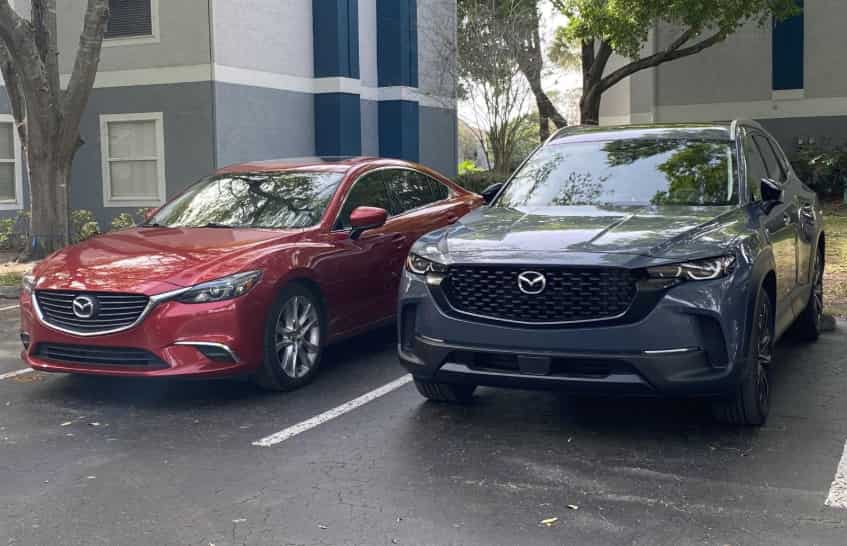
Do Mazdas Hold Their Value?
Yes, Mazdas generally hold their value well. While they may not always match Toyota in resale rankings, they outperform many mainstream brands. Strong reliability, attractive styling, and consistent demand help Mazda vehicles remain competitive in the used car market.
Resale value is more than a number on a pricing guide. It directly affects the total cost of ownership. A vehicle that loses value slowly allows owners to recover more of their investment when they sell or trade it in. This advantage becomes even more important for buyers who replace their vehicles every few years.
Mazda has strengthened its reputation over the past decade. The company has focused on improving build quality, interior refinement, and advanced safety technology. At the same time, Mazda has continued to produce vehicles that offer an enjoyable driving experience. These improvements have increased buyer confidence and supported stronger resale values across many models.
Demand also plays an important role. Popular crossovers such as the Mazda CX 5 and Mazda CX 30 attract a wide range of buyers because they combine practicality, comfort, and fuel efficiency. The Mazda3 remains a popular choice for drivers who want a compact car with premium features. Meanwhile, the MX 5 Miata continues to enjoy exceptional demand thanks to its iconic design and loyal enthusiast community.
However, resale value is never guaranteed. A well maintained Mazda with low mileage and a clean vehicle history will usually sell for more than a similar vehicle with poor maintenance records or accident damage. Buyers also pay close attention to service history, exterior condition, and available features before making a purchase.
Compared with many competing brands, Mazda offers a balanced combination of quality and affordability. Buyers often spend less upfront than they would on some competitors while still enjoying strong long term value. As a result, many Mazda owners experience lower depreciation than they initially expect.
The answer to the question, do Mazdas hold their value, depends on the specific model and how it has been cared for. Even so, most modern Mazda vehicles perform well in the resale market. For buyers who value reliability, driving enjoyment, and reasonable ownership costs, Mazda remains a smart long term choice.
How Much Do Mazdas Depreciate Over Time?
Every new vehicle loses value over time, and Mazda is no exception. However, many Mazda models depreciate at a slower rate than several mainstream competitors. Their strong reputation for reliability, attractive design, and driving performance helps maintain steady demand in the used car market. As a result, owners often recover a larger portion of their original investment when it is time to sell or trade in the vehicle.
The largest drop in value usually happens during the first year of ownership. Once a new Mazda leaves the dealership, it becomes a used vehicle. Many buyers prefer a lightly used model because it offers similar features at a lower price. This shift in demand naturally reduces the vehicle’s market value during the early years.
After the initial decline, depreciation becomes more gradual. Resale value depends on several important factors, including mileage, maintenance history, vehicle condition, and local market demand. A Mazda with low mileage, complete service records, and a clean accident history will often sell for significantly more than a similar vehicle that has been poorly maintained.
Popular models also tend to retain value better over time. Vehicles such as the Mazda CX 5, Mazda3, and MX 5 Miata continue to attract buyers because they offer a combination of reliability, fuel efficiency, comfort, and modern technology. Their consistent popularity helps support stronger resale prices in many regions.
Although depreciation cannot be avoided, owners can reduce its impact with proper care. Regular maintenance, careful driving, and timely repairs all help preserve a vehicle’s condition. Choosing a model with strong market demand also improves long term value. Understanding these factors allows buyers to estimate the true cost of ownership and make a more informed purchasing decision.
Which Mazda Models Hold Their Value Best?
Not every Mazda model retains value at the same rate. Some vehicles remain in high demand because they offer a strong balance of reliability, practicality, and driving enjoyment. Buyers looking for the best long term value often focus on a few standout models that continue to perform well in the used car market.
The Mazda CX 5 is one of the strongest performers. It appeals to families and daily commuters thanks to its comfortable cabin, fuel efficiency, and advanced safety features. Its popularity creates steady demand, which helps support higher resale values over time.
The Mazda3 also holds its value well. Available as a sedan or hatchback, it attracts buyers who want a compact car with premium styling and responsive handling. Its reputation for reliability makes it a desirable option in both the new and used vehicle markets.
Another standout is the Mazda MX 5 Miata. This iconic sports car has built a loyal following over several decades. Limited competition, timeless design, and strong enthusiast demand help it retain value better than many vehicles in its class.
Newer crossover models such as the Mazda CX 30 and Mazda CX 50 are also gaining attention. Their modern technology, stylish interiors, and versatile designs appeal to a wide range of buyers. Although these models have a shorter resale history, early market trends suggest they can maintain competitive values when properly maintained.
Choosing the right model is only part of the equation. Regular servicing, low mileage, and a clean vehicle history remain essential for protecting resale value. Buyers who combine these factors with a popular Mazda model often enjoy lower depreciation and stronger returns when it is time to sell.
What Factors Affect Mazda Resale Value?
Several factors determine how much a Mazda is worth in the used car market. While the model itself is important, the way the vehicle has been maintained often has an even greater impact on its resale value. Buyers usually compare similar vehicles before making a decision, so every detail matters.
Vehicle condition is one of the biggest factors. A Mazda with clean paint, a well kept interior, and minimal signs of wear creates a positive first impression. Buyers are often willing to pay more for a vehicle that looks and feels well cared for.
Mileage also plays a major role. Lower mileage generally increases resale value because it suggests less wear on the engine, transmission, and other key components. However, maintenance history can be just as important. A Mazda with complete service records gives buyers greater confidence and shows that the vehicle has received proper care throughout its life.
Accident history can also affect resale value. Even if repairs were completed professionally, many buyers prefer vehicles with a clean history report. In addition, popular trim levels, advanced safety features, and desirable options often attract more interest in the used market.
Market demand changes over time as well. Compact SUVs such as the Mazda CX 5 and Mazda CX 30 often maintain stronger resale values because they remain popular with a wide range of buyers. Fuel prices, interest rates, and the availability of new vehicles can also influence used car prices.
Although owners cannot control market conditions, they can protect their investment. Regular maintenance, careful driving, and keeping detailed service records all improve buyer confidence. These simple habits can make a noticeable difference when it is time to sell or trade in a Mazda.
Mazda vs Other Brands for Resale Value
Mazda competes with several well known automotive brands, but resale value varies from one manufacturer to another. Each brand has its own strengths, and buyers often compare them before making a purchase. Looking at resale value alongside reliability and ownership costs provides a clearer picture of long term value.
Toyota is widely recognized for excellent resale value. Many Toyota models benefit from decades of strong reliability ratings and consistent demand in the used car market. Mazda may not always reach the same resale levels, but the difference is often smaller than many buyers expect. In return, Mazda frequently offers a more refined interior and a more engaging driving experience at a competitive price.
Honda is another strong competitor. Like Mazda, Honda builds reliable vehicles with good fuel efficiency and practical features. Both brands perform well in the resale market, although individual models can produce different results depending on demand and condition. Buyers often choose between the two based on driving preferences and available features rather than resale value alone.
Subaru stands out because of its standard all wheel drive systems and loyal customer base. In regions with harsh winters or outdoor lifestyles, Subaru models may command higher resale prices. However, Mazda remains highly competitive in markets where buyers prioritize comfort, styling, and everyday driving performance.
Mazda also compares favorably with many brands that experience faster depreciation, including some domestic and entry level manufacturers. Its reputation for quality, safety, and reliability helps maintain steady demand among used car buyers. This consistent interest supports stronger resale values throughout the ownership period.
When comparing brands, resale value should never be the only factor. Purchase price, maintenance costs, reliability, fuel economy, and personal driving needs all contribute to the overall value of a vehicle. For many buyers, Mazda offers an excellent balance between affordability, quality, and long term ownership costs.
Are Mazdas Expensive to Own Long Term?
Many buyers consider more than the purchase price when choosing a vehicle. Long term ownership costs include depreciation, maintenance, repairs, fuel, and insurance. Looking at these expenses together provides a better understanding of the overall value of owning a Mazda.
Mazda has built a reputation for producing reliable vehicles that require routine maintenance rather than frequent major repairs. Following the recommended service schedule helps keep the engine, transmission, and other key components in good condition. Regular oil changes, brake inspections, tire rotations, and fluid replacements can also prevent more expensive problems in the future.
Repair costs are generally reasonable when compared with many competing brands. Replacement parts are widely available, and most independent repair shops are familiar with Mazda vehicles. This combination helps owners manage maintenance expenses throughout the life of the vehicle.
Fuel efficiency is another advantage. Many Mazda models deliver competitive fuel economy without sacrificing performance. Lower fuel consumption reduces daily operating costs and adds to the vehicle’s long term value, especially for drivers with long commutes or frequent travel.
Insurance costs vary based on factors such as the model, driver history, and location. However, many Mazda vehicles fall within an affordable insurance range because of their strong safety ratings and moderate repair costs. This can further reduce the total cost of ownership over several years.
Depreciation remains the largest ownership expense for most vehicles, including Mazda. Fortunately, many popular Mazda models retain their value better than expected, which helps offset some of the financial impact. Owners who keep up with maintenance and preserve the vehicle’s condition often benefit from stronger resale value when it is time to sell.
Overall, Mazda offers a balanced ownership experience. Reasonable operating costs, dependable reliability, and competitive resale value make the brand an attractive choice for buyers who want long term value without paying luxury vehicle prices.
How to Maximize Your Mazda’s Resale Value
Protecting your Mazda’s resale value starts long before you decide to sell it. Small decisions made throughout the ownership period can have a significant impact on the final selling price. Buyers are more likely to pay a premium for a vehicle that has been well maintained and shows clear signs of responsible ownership.
Regular maintenance should always be the first priority. Following the manufacturer’s recommended service schedule helps keep the vehicle in excellent mechanical condition. Keeping receipts and service records also gives potential buyers confidence that the car has received proper care.
Maintaining a clean exterior and interior is equally important. Washing the vehicle regularly helps protect the paint, while routine cleaning prevents excessive wear inside the cabin. Fixing minor scratches, dents, or chipped paint before selling can also improve the vehicle’s appearance and increase its market appeal.
Driving habits also influence resale value. Avoiding aggressive acceleration, hard braking, and unnecessary wear can extend the life of important components. Keeping annual mileage close to the average for your area may also help preserve the vehicle’s value.
It is also wise to avoid unnecessary modifications. Custom wheels, aftermarket suspension systems, or performance upgrades may appeal to a small group of buyers, but they often reduce interest among the general market. Most buyers prefer a vehicle that remains close to its original factory condition.
Timing can also affect the final selling price. Selling your Mazda before major maintenance becomes necessary or before mileage reaches a significant milestone may help attract more buyers. Researching local market prices and comparing similar vehicles can also help you set a competitive asking price.
Although no vehicle can completely avoid depreciation, careful ownership can slow the process. A clean history, complete maintenance records, and good overall condition make a Mazda more attractive to buyers. These simple steps can help you maximize resale value and recover more of your investment when it is time to move on to your next vehicle.
Frequently Asked Questions
Do Mazdas hold their value better than Toyota?
Toyota vehicles generally achieve slightly higher resale values because of their long standing reputation for reliability and strong demand in the used car market. However, many Mazda models remain highly competitive. Popular vehicles such as the Mazda CX 5 and Mazda3 often retain their value well while offering a premium driving experience and a lower purchase price.
Which Mazda model has the best resale value?
The Mazda MX 5 Miata is often considered one of the strongest performers because of its loyal fan base and consistent demand. The Mazda CX 5 and Mazda3 also rank among the best choices thanks to their reliability, practicality, and broad appeal in the used vehicle market.
Does the Mazda CX 5 hold its value?
Yes. The Mazda CX 5 is one of the brand’s best selling models and continues to attract buyers in the used market. Its combination of safety, comfort, fuel efficiency, and dependable performance helps it maintain competitive resale value over time.
Are Mazdas expensive to maintain?
No. Routine maintenance costs for Mazda vehicles are generally reasonable when compared with other mainstream brands. Following the recommended service schedule can help reduce repair expenses and improve long term reliability.
Is it better to buy a new or used Mazda?
The right choice depends on your budget and ownership goals. A new Mazda offers the latest technology and full warranty coverage. A lightly used Mazda often provides better overall value because the first owner has already absorbed the largest period of depreciation.
How can I increase my Mazda’s resale value?
The best way to protect resale value is to maintain the vehicle regularly and keep detailed service records. Driving responsibly, limiting unnecessary mileage, repairing minor cosmetic damage, and keeping the vehicle clean can also make it more attractive to future buyers.
Final Verdict
So, do Mazdas hold their value? In most cases, the answer is yes. While they may not always lead every resale value ranking, many Mazda models perform better than expected. Their reputation for reliability, attractive design, and enjoyable driving experience helps create steady demand in the used car market.
Models such as the Mazda CX 5, Mazda3, and MX 5 Miata consistently stand out because they combine strong build quality with lasting popularity. Owners who follow the recommended maintenance schedule, keep mileage under control, and maintain a clean vehicle history often achieve better resale prices when it is time to sell or trade in.
Resale value is only one part of the ownership experience, but it has a significant impact on the total cost of owning a vehicle. When combined with reasonable maintenance costs, competitive fuel efficiency, and dependable performance, Mazda offers excellent long term value for many drivers.
Before making your next vehicle purchase, compare more than the sticker price. Consider depreciation, ownership costs, and expected resale value over the years you plan to keep the vehicle. Taking this broader approach will help you choose a Mazda that fits both your budget and your long term driving needs.