A Mazda CX 5 AC not working can quickly turn every drive into an uncomfortable experience, especially during hot summer days. Instead of enjoying cool air inside the cabin, you may notice warm airflow, weak ventilation, strange noises, or an air conditioning system that stops cooling without warning. These symptoms can affect not only your comfort but also your ability to keep the windshield clear in humid or rainy weather.
The good news is that an air conditioner failure does not always mean you need an expensive repair. In many cases, the problem may be as simple as a dirty cabin air filter, a blown fuse, or a low refrigerant level. However, more serious issues such as a failed AC compressor, a refrigerant leak, or a faulty condenser fan can produce similar symptoms. Understanding the difference is the first step toward finding the right solution and avoiding unnecessary replacement of expensive components.
This guide explains the most common reasons why a Mazda CX 5 AC is not working and shows you how to identify each problem with confidence. You will learn how to recognize the warning signs, perform a logical diagnosis, understand potential repair costs, and determine whether the issue can be fixed at home or requires professional service. By following a systematic approach, you can save both time and money while restoring reliable cooling performance to your Mazda CX 5.
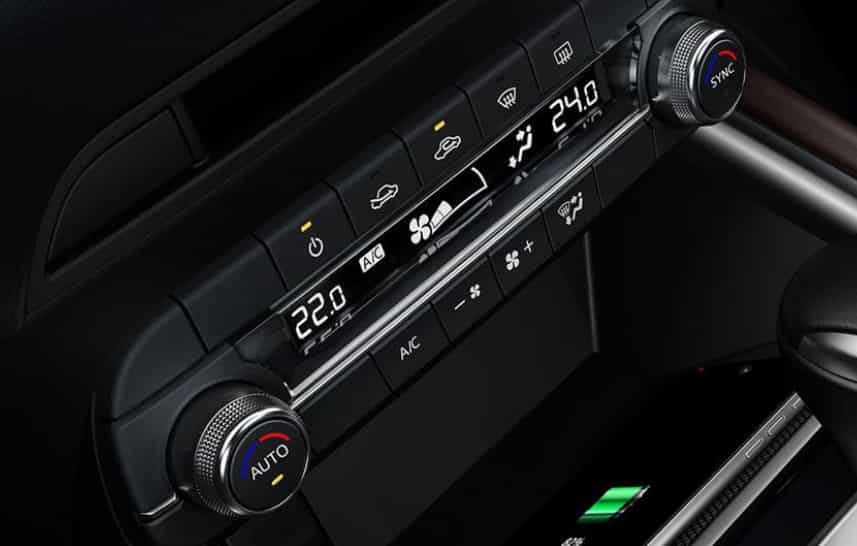
How to Tell If Your Mazda CX 5 AC Is Not Working Properly
Recognizing the warning signs early can save both time and money. A Mazda CX 5 AC not working does not always indicate a major failure. Many small issues produce the same symptoms as expensive repairs. Learning what to look for helps you identify the problem before replacing any parts.
Warm air from the vents is the most common sign. The system should deliver cold air within a few moments after you turn it on. If it continues to blow warm air, low refrigerant, a refrigerant leak, or a faulty compressor may be responsible. Some owners also notice that the air feels cooler while driving but becomes warm when the vehicle stops.
Weak airflow is another common symptom. A clogged cabin air filter often restricts airflow and reduces cooling performance. A worn blower motor can create the same problem. If no air comes from the vents, check the blower motor, fuse, relay, and climate control system before looking at other components.
Strange sounds can also reveal hidden problems. Clicking or grinding noises often point to worn mechanical parts. A hissing sound may indicate escaping refrigerant. If you notice a musty smell, mold or moisture may have built up inside the HVAC system.
Do not ignore these warning signs. Each symptom provides an important clue about the condition of the air conditioning system. A careful inspection helps you find the real cause, avoid unnecessary repairs, and restore reliable cooling more quickly.
Common Causes of a Mazda CX 5 AC Not Working
Several problems can cause a Mazda CX 5 AC to stop cooling properly. Some issues develop slowly, while others appear without warning. Identifying the root cause is the first step toward an accurate repair. A proper diagnosis also helps you avoid replacing expensive parts that still work correctly.
Low refrigerant is one of the most common causes. The air conditioning system depends on the correct refrigerant level to remove heat from the cabin. If the refrigerant drops below the recommended level, the system cannot produce cold air efficiently. In most cases, low refrigerant indicates a leak that requires repair.
A faulty AC compressor can also prevent the system from cooling. The compressor circulates refrigerant through the entire air conditioning system. When it fails, the refrigerant stops moving and the vents begin blowing warm air. You may also hear unusual noises when the compressor starts to wear out.
Airflow problems often reduce cooling performance. A clogged cabin air filter restricts fresh air before it reaches the cabin. A worn blower motor or a faulty blower motor resistor can also reduce airflow or stop it completely. Even if the refrigerant system works normally, poor airflow can make the cabin feel hot.
Electrical faults are another common cause. A blown fuse, damaged relay, faulty pressure sensor, or failed climate control module can interrupt normal operation. In some cases, the condenser fan also stops working, which prevents the system from releasing heat. Checking these components in a logical order makes the diagnostic process faster and helps restore reliable cooling without unnecessary repairs.
Step by Step Diagnosis
A systematic diagnosis can help you find the real problem without replacing parts that still work. Start with the simplest checks before moving to more advanced tests. This approach saves time, reduces repair costs, and improves the accuracy of your inspection.
Begin by starting the engine and setting the air conditioner to the lowest temperature. Turn the blower to a high speed and select recirculation mode. Let the system run for a few minutes, then check whether the air feels cold, warm, or weak. These first observations provide valuable clues about the condition of the AC system.
Next, inspect the cabin air filter and airflow. A dirty filter can restrict airflow and reduce cooling performance. If the airflow remains weak after replacing the filter, inspect the blower motor and its electrical connections. Make sure every fan speed works as expected.
After that, check the AC compressor and the condenser fan. The compressor should engage when you switch on the air conditioner. At the same time, the condenser fan should operate to remove heat from the refrigerant. If either component fails to work, the system cannot cool the cabin efficiently.
Continue by looking for signs of a refrigerant leak. Inspect the hoses, fittings, and condenser for oily residue or visible damage. If you suspect a leak, measure the refrigerant pressure with the proper equipment. You should also scan the vehicle for diagnostic trouble codes because faulty sensors or electrical components can trigger AC problems without obvious warning signs.
If these checks do not reveal the cause, seek professional diagnosis. Specialized tools can identify hidden leaks, electrical faults, and internal compressor damage. A complete inspection helps you repair the correct component and prevents unnecessary expenses.
Mazda CX 5 AC Repair Cost
The cost to repair a Mazda CX 5 AC depends on the failed component and the amount of labor required. Some problems require only a simple replacement, while others involve extensive diagnosis and refrigerant service. Identifying the exact cause before replacing parts can help reduce the total repair bill.
The least expensive repairs usually involve the cabin air filter, a fuse, or a relay. These components are affordable and often require little labor. An AC recharge also falls into the lower price range, but it only solves the problem if the system does not have a refrigerant leak.
Repairs become more expensive when major components fail. Replacing a blower motor, condenser fan, or pressure sensor usually costs more because the repair takes additional time and may require diagnostic testing. If the condenser or compressor fails, the total cost increases significantly due to the price of the parts and the need to recover and recharge the refrigerant.
The evaporator is often the most expensive component to replace. Technicians usually need to remove much of the dashboard to reach it, which increases labor time. If the compressor fails internally, the repair may also include flushing the AC system and replacing additional components to prevent future damage.
The table below provides a general overview of common repair costs.
| Repair Item | Typical Cost |
|---|---|
| Cabin air filter replacement | Low |
| Fuse or relay replacement | Low |
| AC recharge | Low to Moderate |
| Refrigerant leak repair | Moderate |
| Blower motor replacement | Moderate |
| Condenser fan replacement | Moderate |
| Pressure sensor replacement | Moderate |
| Condenser replacement | Moderate to High |
| AC compressor replacement | High |
| Evaporator replacement | High |
Actual repair costs vary by model year, location, labor rates, and the condition of the AC system. Getting a proper diagnosis before authorizing repairs is the best way to avoid unnecessary expenses and ensure the problem is fixed correctly the first time.
Can You Drive With a Mazda CX 5 AC Not Working?
In most cases, you can continue driving if your Mazda CX 5 AC is not working. A faulty air conditioner does not always affect the engine or the vehicle’s ability to operate safely. However, you should not ignore the problem because some AC failures can indicate larger mechanical or electrical issues.
Pay close attention to how the vehicle behaves while driving. If the engine temperature remains normal and you notice only warm air from the vents, you can usually drive for a short time before scheduling a repair. Even so, driving without a working air conditioner can make the cabin uncomfortable, especially during hot weather.
Some warning signs require immediate attention. Stop driving if the engine begins to overheat or if you hear loud grinding noises from the AC compressor. You should also act quickly if you smell something burning or notice refrigerant leaking under the vehicle. These symptoms may indicate a serious problem that could damage other components.
A failed air conditioner can also affect visibility. The AC system removes moisture from the cabin and helps clear fog from the windshield. Without it, the windows may fog up more easily during rainy or humid weather. Poor visibility increases the risk of an accident, so it is important to keep the defrost system working properly.
Although you may be able to drive with a failed AC system, delaying repairs is rarely a good idea. Small problems such as a refrigerant leak or a faulty fan can become much more expensive if left untreated. Fixing the issue early helps protect the entire air conditioning system and keeps your Mazda CX 5 comfortable in every season.
How to Prevent Future AC Problems
Regular maintenance is the best way to keep your Mazda CX 5 air conditioning system working efficiently. A few simple habits can improve cooling performance, extend the life of important components, and reduce the risk of expensive repairs.
Replace the cabin air filter at the recommended service interval or sooner if you often drive on dusty roads. A clean filter allows air to flow freely through the ventilation system and helps the air conditioner cool the cabin more effectively.
Run the air conditioner for several minutes every week, even during cooler months. This keeps the compressor lubricated and helps the seals stay in good condition. Regular operation also reduces the chance of moisture buildup inside the system.
Keep the condenser clean by removing leaves, dirt, and other debris from the front of the vehicle. Good airflow across the condenser allows the refrigerant to release heat efficiently. A blocked condenser forces the AC system to work harder and may reduce cooling performance.
Pay attention to any changes in cooling performance. If the air no longer feels as cold as before, arrange an inspection as soon as possible. Repairing a small refrigerant leak early is usually much less expensive than replacing a damaged compressor.
Avoid overcharging the AC system or using sealants that promise to stop refrigerant leaks. These products can reduce system performance and may damage sensitive components. Always use the correct refrigerant type and follow the manufacturer’s specifications.
Routine inspections and early repairs can prevent most air conditioning problems. By taking care of the system throughout the year, you can enjoy reliable cooling, improve driving comfort, and avoid unexpected repair costs.
Frequently Asked Questions
Why is my Mazda CX 5 AC blowing warm air?
Warm air usually indicates low refrigerant, a refrigerant leak, a faulty compressor, or poor condenser performance. A clogged cabin air filter or a failed blower motor can also reduce cooling efficiency. A complete inspection is the best way to identify the exact cause.
Why does my Mazda CX 5 AC only work while driving?
This problem often points to poor airflow through the condenser. A faulty condenser fan or a blocked condenser cannot remove heat effectively when the vehicle is stationary. As a result, the air conditioner may cool normally at higher speeds but lose performance in traffic.
Can a low refrigerant level damage the AC system?
Yes. Low refrigerant forces the compressor to work harder than normal. Over time, this extra stress can increase wear and shorten the compressor’s lifespan. Repairing the leak and restoring the correct refrigerant level helps protect the entire system.
How do I know if the AC compressor has failed?
A failed compressor often causes warm air, unusual noises, or a compressor that does not engage when the air conditioner is turned on. In some cases, the system may cool intermittently before stopping completely. Pressure testing and diagnostic equipment can confirm the condition of the compressor.
Does the Mazda CX 5 AC system need regular recharging?
No. A properly sealed air conditioning system should maintain its refrigerant for many years. If the refrigerant level drops, the system likely has a leak that requires repair before adding more refrigerant.
How much does it cost to fix a Mazda CX 5 AC?
Repair costs vary depending on the failed component. Simple repairs such as replacing a cabin air filter or a fuse cost much less than replacing a compressor or an evaporator. A professional diagnosis helps determine the most effective and cost efficient repair.
Conclusion
A Mazda CX 5 AC not working can result from several different problems, including low refrigerant, compressor failure, electrical faults, restricted airflow, or damaged cooling components. Although many of these issues produce similar symptoms, a careful inspection can help you identify the real cause without replacing unnecessary parts.
Start with the basic checks, including the cabin air filter, blower motor, condenser fan, and refrigerant level. If the problem persists, inspect the electrical system and measure refrigerant pressure before replacing major components. Following a logical diagnostic process reduces repair costs and improves the chances of finding the correct solution the first time.
Regular maintenance also plays an important role in preventing future air conditioning problems. Replacing worn components early, keeping the condenser clean, and addressing small refrigerant leaks can extend the life of the entire AC system and improve cooling performance throughout the year.
If your Mazda CX 5 AC is still not working after these basic inspections, consult a qualified technician for a complete diagnosis. Professional testing can identify hidden faults and ensure the repair restores reliable cooling, comfort, and long term performance.